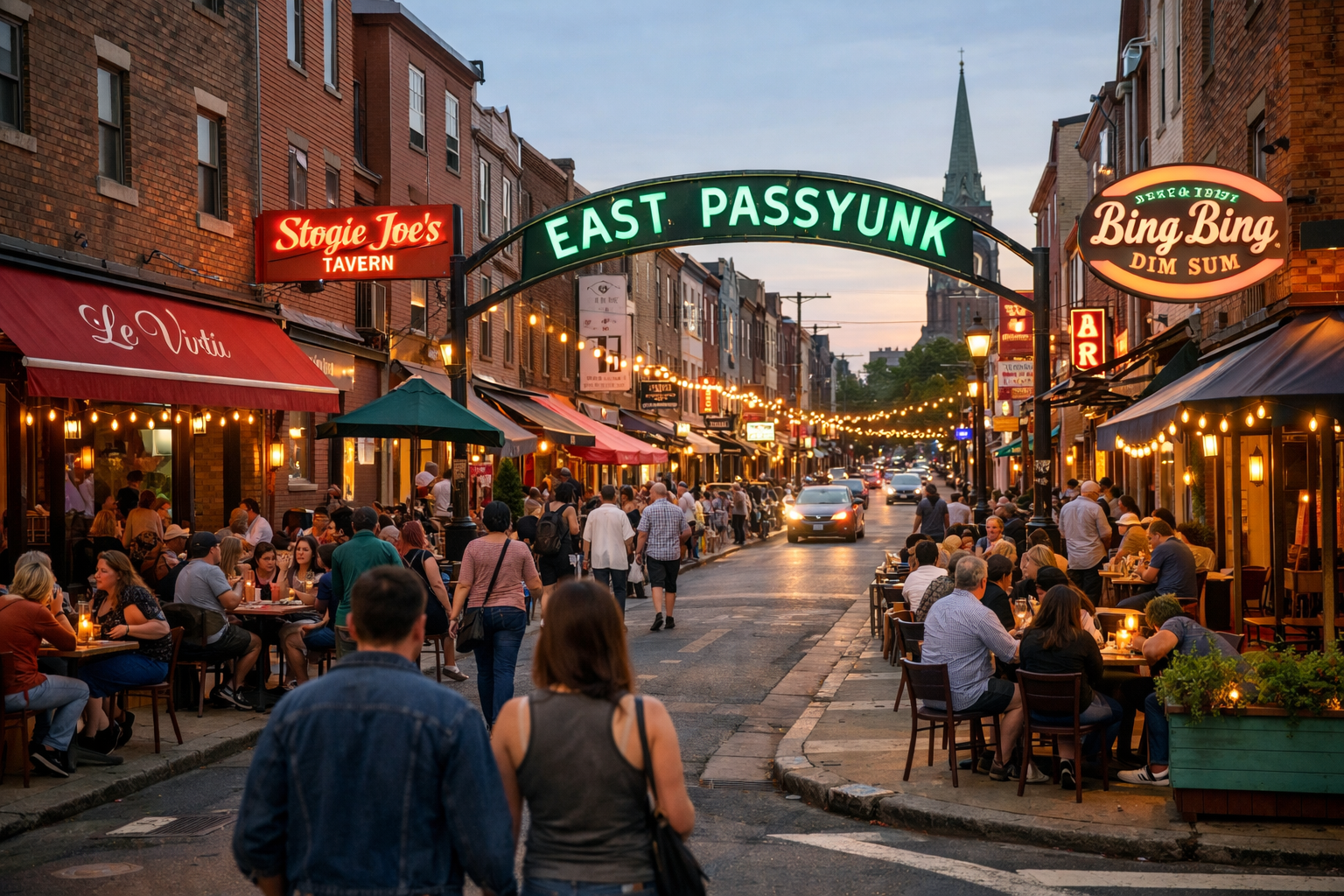
The Passyunk Effect: Why the Best Businesses in Philly Let the Block Do the Marketing
East Passyunk Avenue is a mile and a half of diagonal street in South Philadelphia that became one of the most acclaimed restaurant corridors in America without running a single ad campaign. Here's what happened when enough people who cared about quality decided to work on the same block — and what that means for your business.
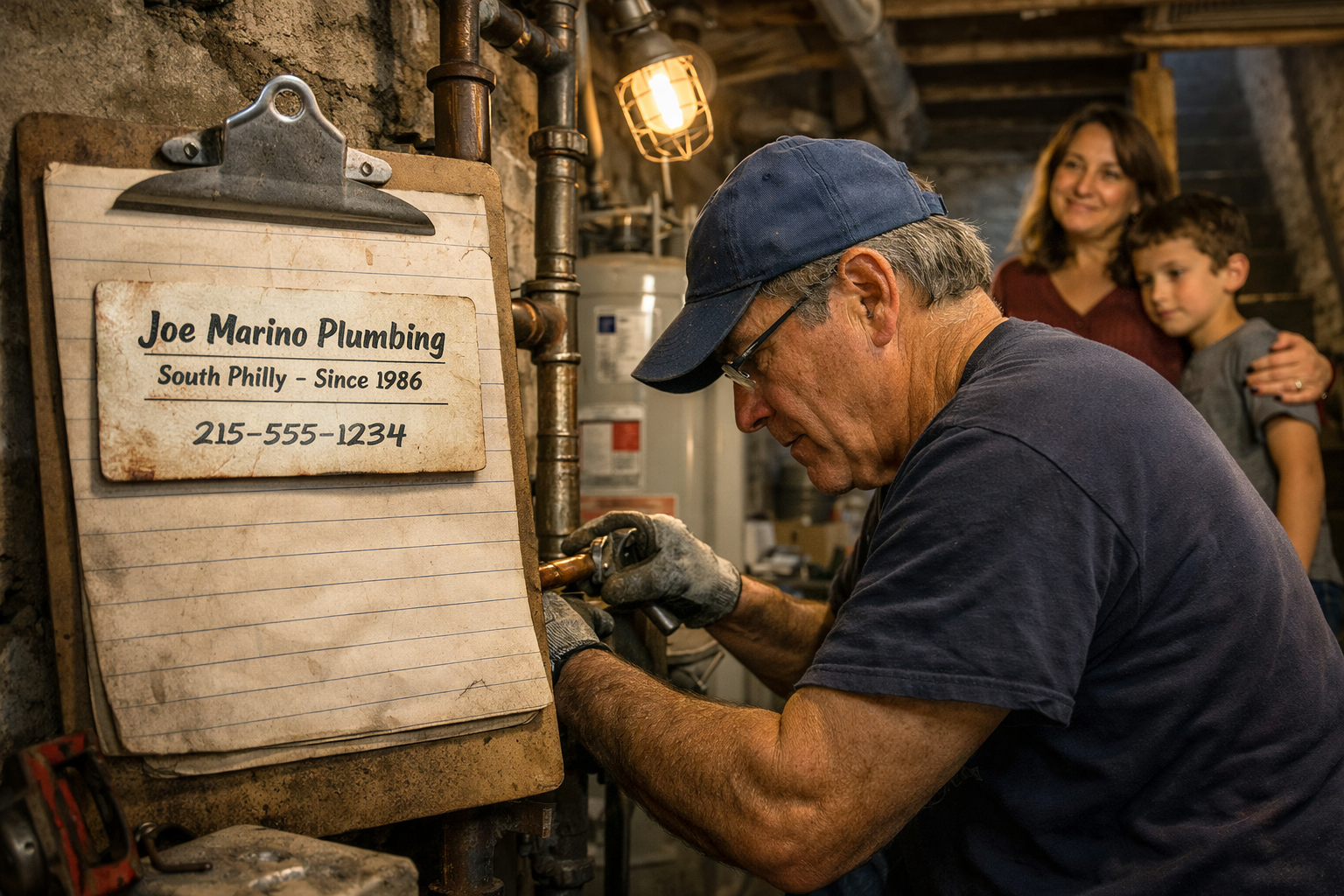
Why Philly Contractors Build Generational Businesses on Zero Advertising (And What That Actually Takes)
There is a plumber in South Philly who has been doing the same work, in the same neighborhoods, for the same families, for thirty-five years. No website. No Google Business Profile. Not on Angi or Thumbtack. His phone number lives in the contact lists of roughly four hundred households, passed from parent to child the way heirlooms are passed. His schedule has been full for twenty years. This is not a unicorn story. This is how the trades have worked in Philadelphia's tight row home neighborhoods for as long as there have been row homes and tradespeople to fix them. Here's what it actually takes — and where the model hits its ceiling.
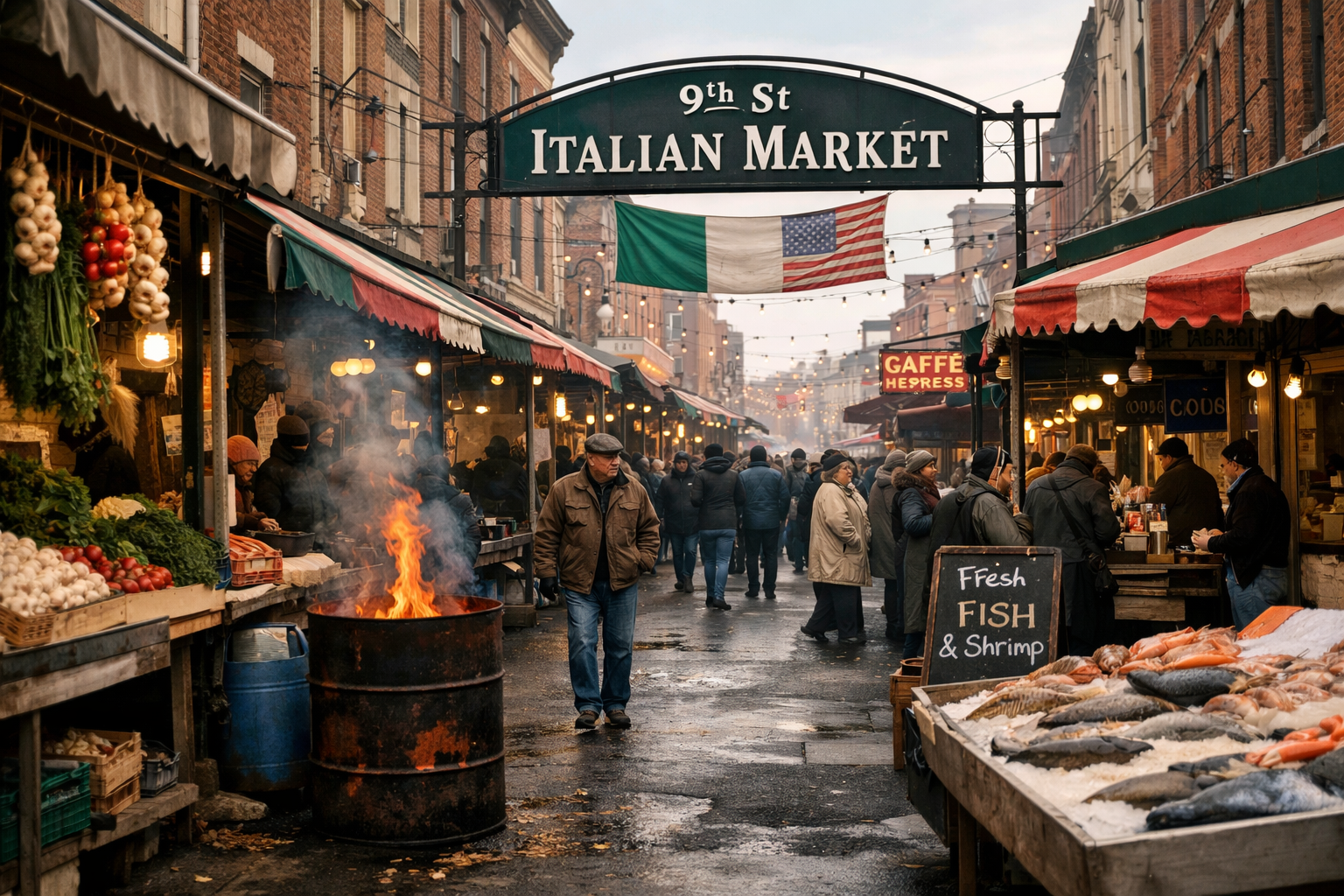
The Italian Market Didn't Need a Brand Strategy. It Was One.
There is no unified logo for the Italian Market. No brand guidelines, no color palette, no approved font. No marketing department coordinates the messaging. There are awnings, burn barrels in winter, and the smell of herbs and spices and fresh seafood and ground coffee layered together in a combination that exists nowhere else on earth. None of it was designed. All of it is real. And 140 years of genuinely real commerce on a specific half-mile of South Philadelphia has produced something that no brand strategy could have manufactured — and that no amount of money can replicate.
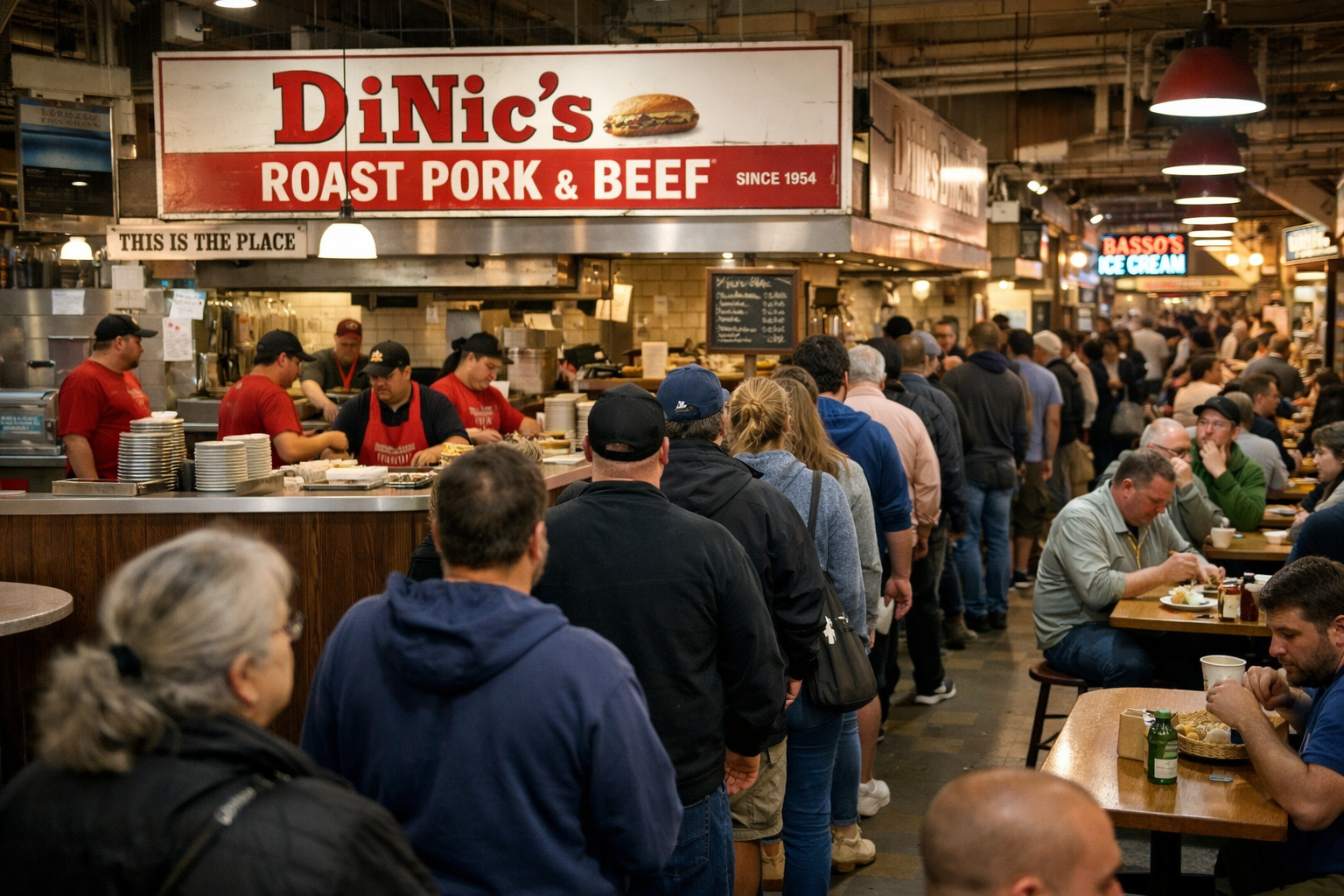
Reading Terminal Market and the Power of Earned Scarcity
On a Tuesday morning at 11am, there is a line at DiNic's. Not a polite, two-person line. A real line — the kind that snakes past neighboring stalls, past people eating at communal tables, past tourists reconsidering their priorities. DiNic's has no Instagram campaign, no loyalty app, no influencer partnership. There is a counter, a family recipe, and a line that has been forming at roughly the same hour for forty-five years. The line is the advertisement. Here's what 130 years of Reading Terminal Market teaches every business about quality, consistency, and the only kind of scarcity that actually compounds.
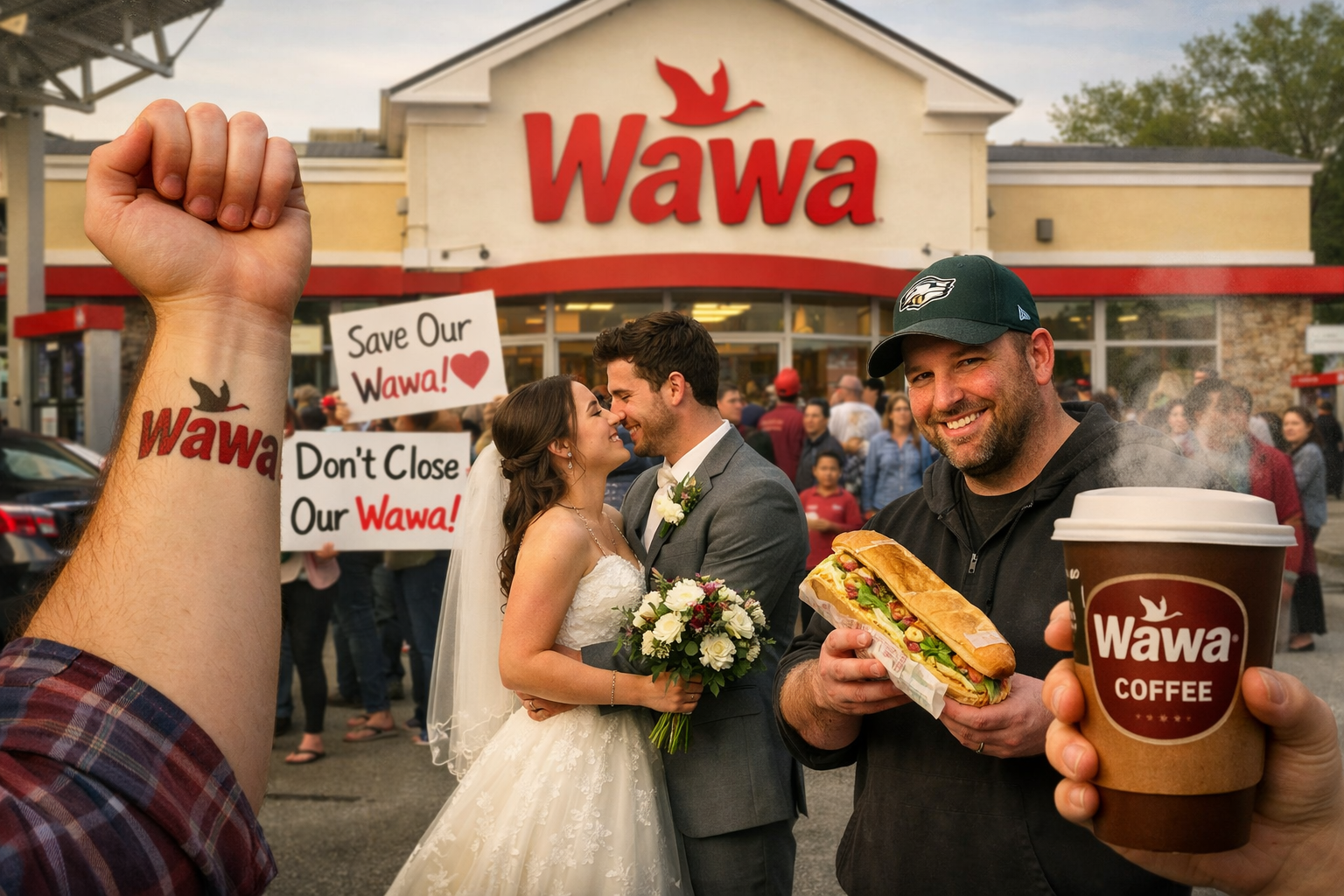
What Wawa Got Right That Most National Brands Never Will
There is no Wawa Super Bowl commercial. No celebrity endorsement deal. No influencer campaign. The company has been doing business in the Delaware Valley since 1964 and has grown not by buying attention but by earning it — one cup of coffee, one hoagie, one consistent interaction at a time. The result is something hundreds of millions of dollars in marketing budgets have tried and failed to manufacture: a customer base that protests when a location closes, gets the logo tattooed on their body, and holds their wedding at the store where they met. Here's what Wawa actually got right — and what it means for your business.
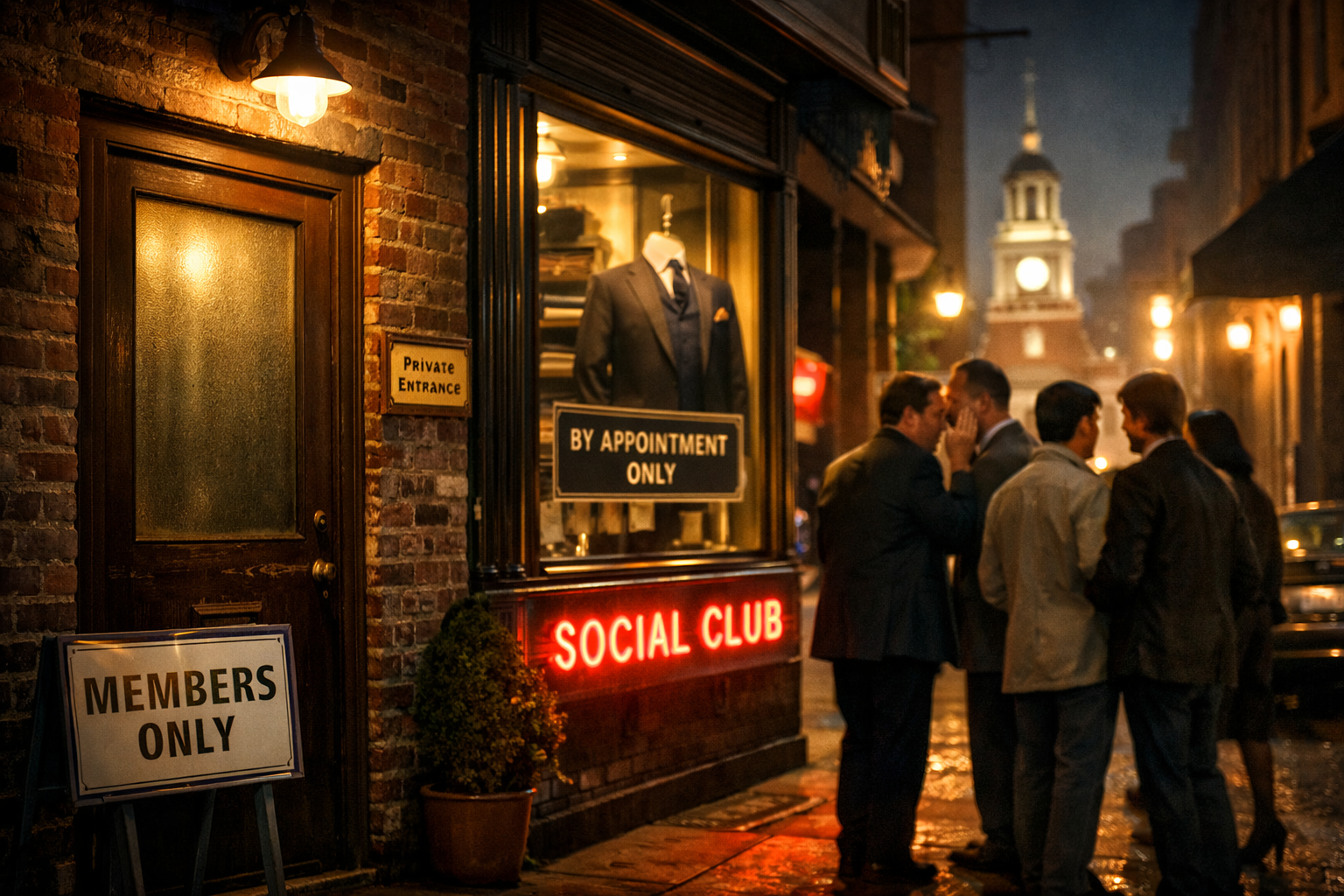
Philly Has Always Known the Most Powerful Marketing Strategy: Saying Nothing at All
There's a strategy the world's most coveted brands have spent decades trying to reverse-engineer — no ads, no social media, no phone number on the door. Philadelphia has been running this playbook for two centuries. From the Rabbit Club to Palizzi Social Club to the appointment-only tailors on Chestnut Street, the city's best businesses have always understood that scarcity of information creates demand. Here's what that means for yours.