Barron Trump Just Launched an Energy Drink. It's a Perfect Case Study in Why a Famous Name Doesn't Win AI Search.
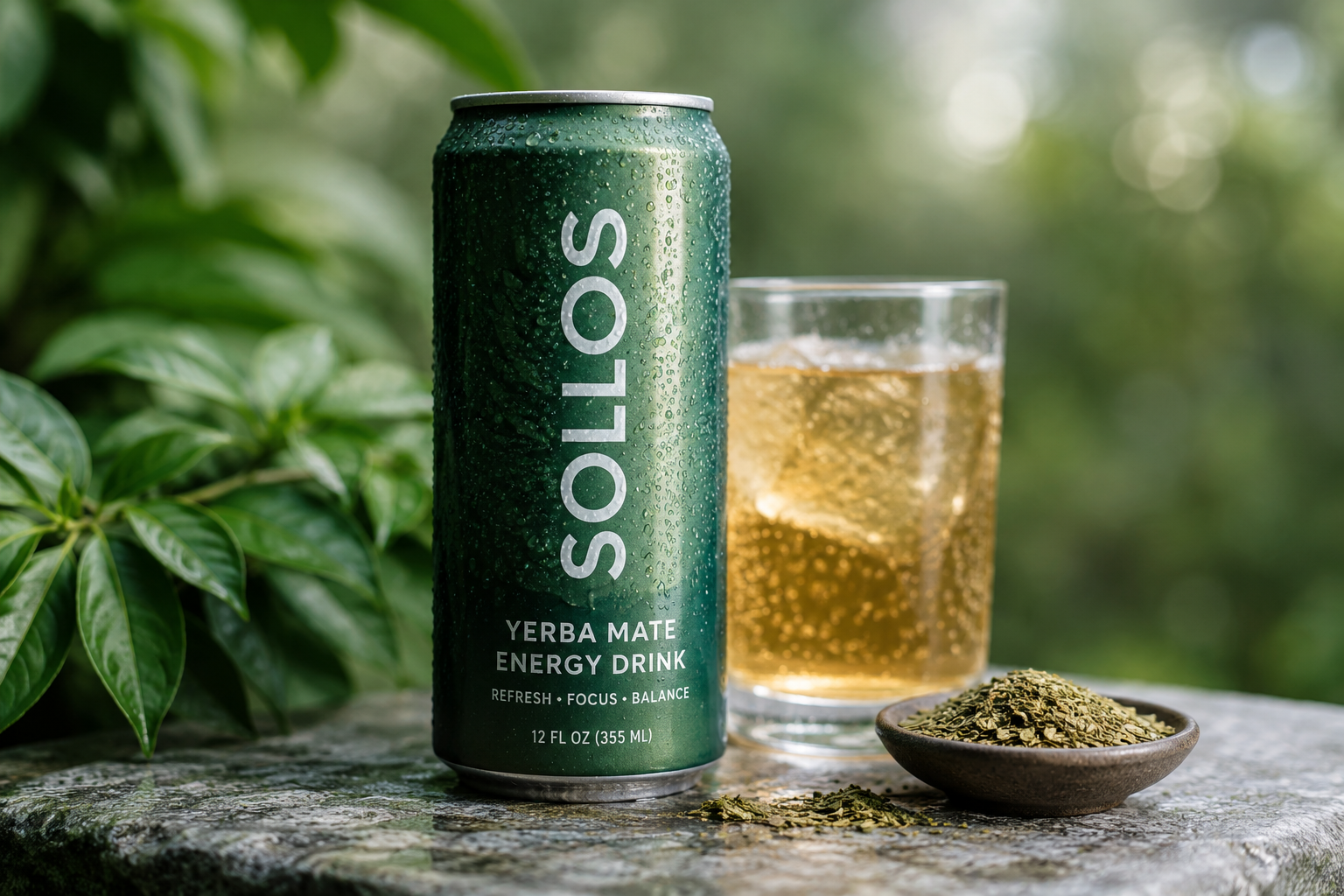
In May 2026, the youngest member of the country's most recognizable family stepped into one of the most crowded aisles in retail. SOLLOS, a yerba mate energy drink co-founded by 20-year-old Barron Trump and four partners, officially launched with a single pineapple-and-coconut flavor, a $39 twelve-pack, and a sun-drenched South Florida lifestyle brand. It's available online, on Amazon, and in convenience stores, and it arrived with the kind of instant press coverage most DTC founders would trade a kidney for.
That coverage is exactly what makes SOLLOS such a useful case study. Because the brand starts with something almost no startup ever has — near-total name recognition on day one — and yet it still faces the single hardest problem in modern consumer marketing: when a buyer asks AI "what's the best healthy energy drink?", being famous doesn't make you the answer.
This is a piece about that gap. No politics, just marketing — and a lesson every brand can use.
The Setup: Maximum Awareness, Brutal Category
Give SOLLOS its due on strategy. The team made some genuinely smart calls. They launched with one obsessively-developed flavor instead of five, a focus play that signals confidence. They planted the brand squarely in the fast-growing yerba mate space, which is gaining traction as younger consumers drink less alcohol. They built a clean-energy, functional-ingredient story — 50 calories, 120mg natural caffeine, sweetened with cane sugar, honey, and monk fruit — aimed right at the Gen Z wellness buyer.
And of course, they have the name. SOLLOS got national pickup from Fox Business, the AP, CNN, and dozens of outlets before a single can sold. That's awareness money can't reliably buy.
But here's the brutal part: awareness and discoverability are not the same thing, and the energy drink category is where that distinction goes to kill brands. SOLLOS is wading into a space ruled by giants and crowded with hundreds of functional-beverage startups all making nearly identical "clean energy, natural caffeine, better-for-you" claims. Name recognition gets people to try it once. It does almost nothing to make SOLLOS the brand an AI engine recommends when a buyer asks an open question with no brand attached.
The Test: Ask the Engines What SOLLOS Is Built to Win
Here's how a huge share of category discovery now actually happens. A Gen Z buyer doesn't search "SOLLOS." They open ChatGPT, Perplexity, or Gemini and ask:
"What's a healthy energy drink with natural caffeine?"
"Best yerba mate brands for clean energy?"
"Low-calorie energy drink without the crash?"
"Alternatives to [big energy drink] that are better for you?"
Notice what's missing: the brand name. The engine has to choose who to recommend. And it doesn't choose based on how many headlines you got — it chooses based on which brands it can understand as a distinct, credible entity and corroborate across independent sources. A famous founder generates branded searches ("is the Barron Trump drink good?"). It does not automatically win the unbranded, need-based questions where the vast majority of new customers actually live. Those two demand streams are completely different, and most brands — famous or not — only ever optimize for the first one.
That's the trap hiding inside a high-profile launch. The press wave makes the team feel visible, the branded traffic spikes, and everyone assumes discoverability is handled. Meanwhile the unbranded questions — the ones that bring in buyers who've never heard of you — get answered by whichever competitors the engines actually understand. Fame masks the gap instead of closing it.
Why Name Recognition and AI Visibility Are Different Engines
This is the core lesson, and it applies whether your "fame" comes from a famous founder, a viral moment, or years of ad spend: recognition lives in human memory; AI recommendations live in machine understanding. They're built differently.
A famous name earns you attention and branded demand. But to win the unbranded, need-based questions that drive category growth, an engine has to be able to do three things — and a name helps with none of them:
Understand what you actually are. The engine needs a clear, structured grasp of your product's specific attributes — yerba mate, 120mg natural caffeine, 50 calories, functional sweeteners, the exact use case. If that lives only in lifestyle marketing copy and press hits, the engine can't reliably match you to "low-calorie natural-caffeine energy drink." Recognition doesn't translate into machine-readable specificity. You have to build that.
Corroborate that you're credible. Engines trust brands that independent, authoritative sources describe consistently — reviews, comparisons, structured data, expert roundups. Celebrity coverage is about the person, not a third-party assessment of the product against its category. A wall of "Barron Trump launches drink" headlines does surprisingly little to tell an engine that SOLLOS is the best clean-energy yerba mate. That kind of corroboration has to be earned.
Surface you across every engine and every framing. ChatGPT, Gemini, and Perplexity reason differently, and buyers ask the same need a dozen ways. Fame is a single loud signal; AI visibility is broad, consistent presence across engines and phrasings. One doesn't buy the other.
The Takeaway for Every Brand — Famous or Not
SOLLOS is an extreme, clarifying example: a brand with arguably more day-one awareness than any beverage startup in recent memory, still facing the exact discoverability problem as an unknown founder in a garage. If a name that famous doesn't automatically win the AI answer, no brand's recognition does.
Which is the point. The brands that win category discovery in 2026 aren't the most famous — they're the most legible and trusted to the engines doing the recommending. That's a build, not a birthright. It's structured product information the engines can read, an entity defined sharply enough to stand out in a crowded category, and independent corroboration that earns the recommendation on the unbranded questions where real growth lives.
A splashy launch buys a window of attention. What you do inside that window — whether you convert fame into durable, machine-legible authority before the headlines fade — decides whether you're still the answer six months later. That conversion is exactly the work we do.
This article is an independent marketing analysis based on publicly reported information. Ritner Digital is not affiliated with SOLLOS or any party mentioned, and takes no political position; the brand is discussed solely as a marketing case study.
Frequently Asked Questions
Doesn't a famous founder guarantee a brand will show up in AI search?
No. A famous name drives branded demand — people searching the brand by name — and earns press attention. But AI engines answer unbranded, need-based questions ("best healthy energy drink") by recommending brands they can understand and corroborate as distinct entities. Fame and machine-readable authority are different things, and only the second wins the questions that bring in new customers.
What's the difference between brand awareness and AI discoverability?
Awareness is recognition in human memory — people know your name. Discoverability is whether AI engines surface and recommend you when someone describes a need without naming a brand. A brand can have enormous awareness and still be invisible in the AI answer, because the engine reasons from structured information and independent corroboration, not from how famous you are.
Why do buyers' unbranded questions matter more than branded ones?
Because branded questions come from people who already know you — they're a fixed pool. Unbranded, need-based questions ("low-calorie natural-caffeine drink") are where people who've never heard of you discover a brand, and that's where category growth comes from. Winning only branded search caps your growth at your existing fame.
How does a new consumer brand win AI search in a crowded category?
By making its real differentiation machine-legible (specific attributes, ingredients, use cases in structured, readable formats), establishing a distinct brand entity instead of generic category claims, and earning independent corroboration through reviews and comparisons. That combination is what makes an engine recommend you over the dozens of look-alike competitors.
Is a high-profile product launch enough on its own?
No. A big launch buys a temporary window of attention and branded traffic. If that window isn't used to build durable, AI-legible authority, the brand fades from the recommendation once the headlines stop. The launch is the opportunity; converting it into lasting discoverability is the actual work.
How do I find out how AI engines currently describe my brand?
Start with an AI search audit: ask the major engines the real questions your customers ask, and see whether your brand appears, how it's described, and who it's listed alongside. Ritner Digital runs these audits and builds a visibility and pipeline forecast from the results. Book one here.
Want AI Engines to Recommend Your Brand by Name?
At Ritner Digital, we build the authority, content, and structured product data that get DTC and B2B brands found, correctly described, and cited across ChatGPT, Perplexity, Gemini, and Google — then we publish the data to prove it works. We've been graded by the engines themselves and report our own search numbers in the open.
A famous name gets you attention. We build the kind of authority that makes the engines recommend you when your buyers ask — long after the launch buzz fades.
Book a free AI search audit — a real read on how the engines see your brand, and a clear next step. Let's talk →