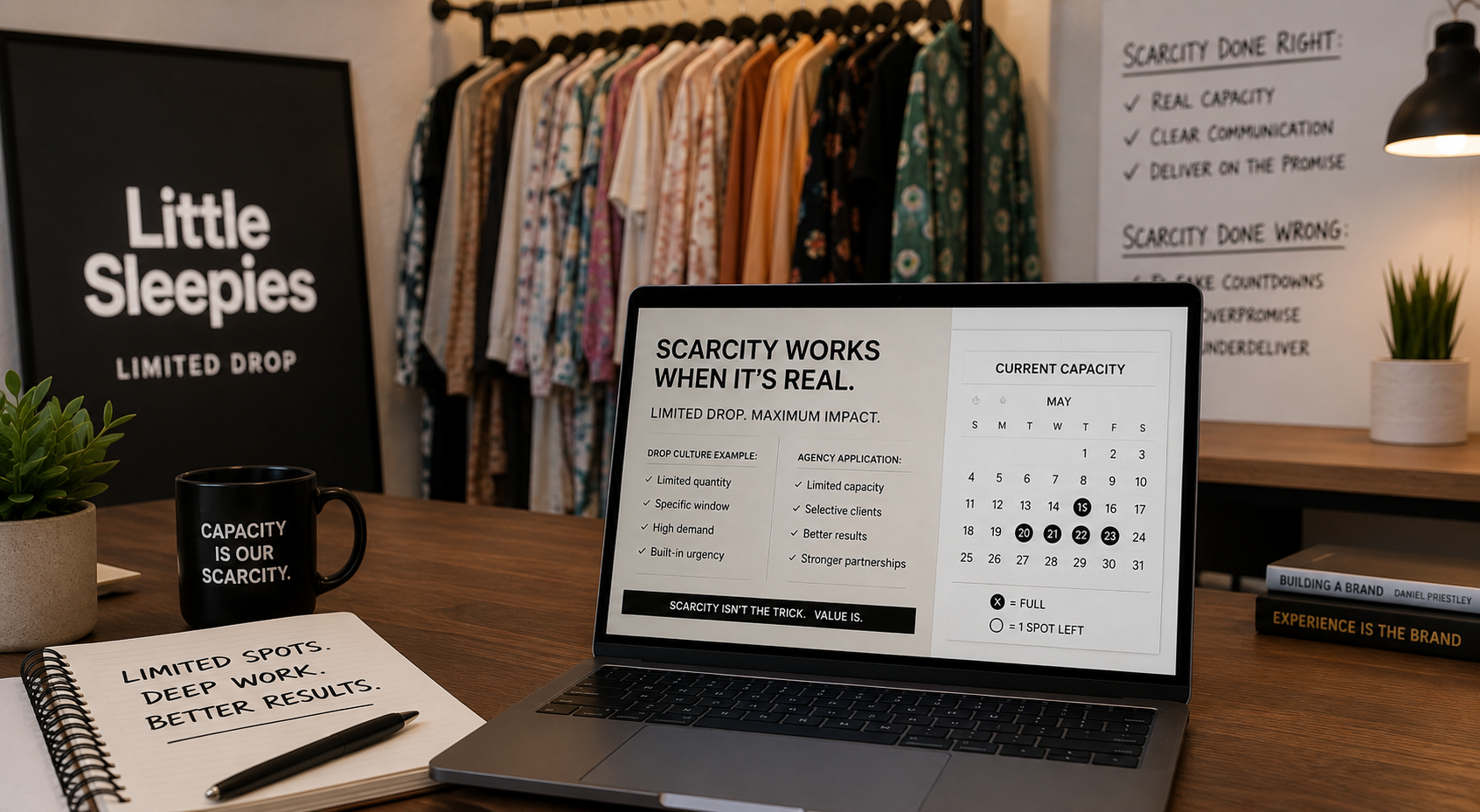
What Little Sleepies Can Teach a Marketing Agency: Applying the "Limited Drop" Model to Your Core Services
Little Sleepies and Supreme turned scarcity itself into the product. But the psychology behind drop culture has nothing to do with pajamas or sneakers — it's about access and timing, which is exactly what a service business controls. Here's how a marketing agency can apply the limited-drop model to capacity and core services, and the line between honest urgency and the fake kind that torches your reputation.
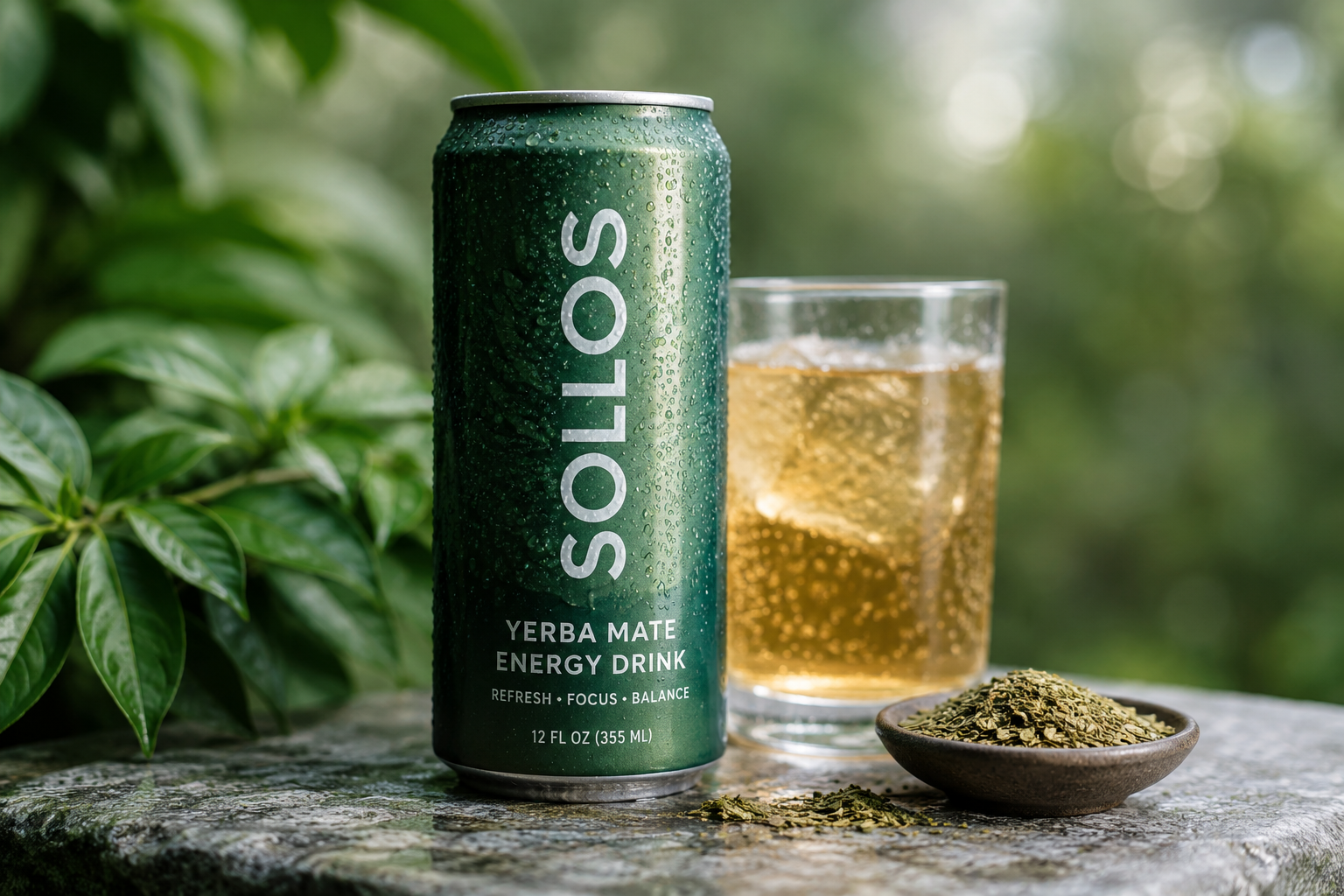
Barron Trump Just Launched an Energy Drink. It's a Perfect Case Study in Why a Famous Name Doesn't Win AI Search.
SOLLOS, the yerba mate energy drink co-founded by Barron Trump, launched in May 2026 with something almost no startup ever gets: near-total name recognition on day one. And yet it still faces the hardest problem in modern consumer marketing — because when a buyer asks ChatGPT or Perplexity "what's the best healthy energy drink?", being famous doesn't make you the answer. This is a marketing case study (no politics) in why brand awareness and AI discoverability are different engines entirely — and what every brand, famous or not, has to build to win the unbranded questions where real growth lives.
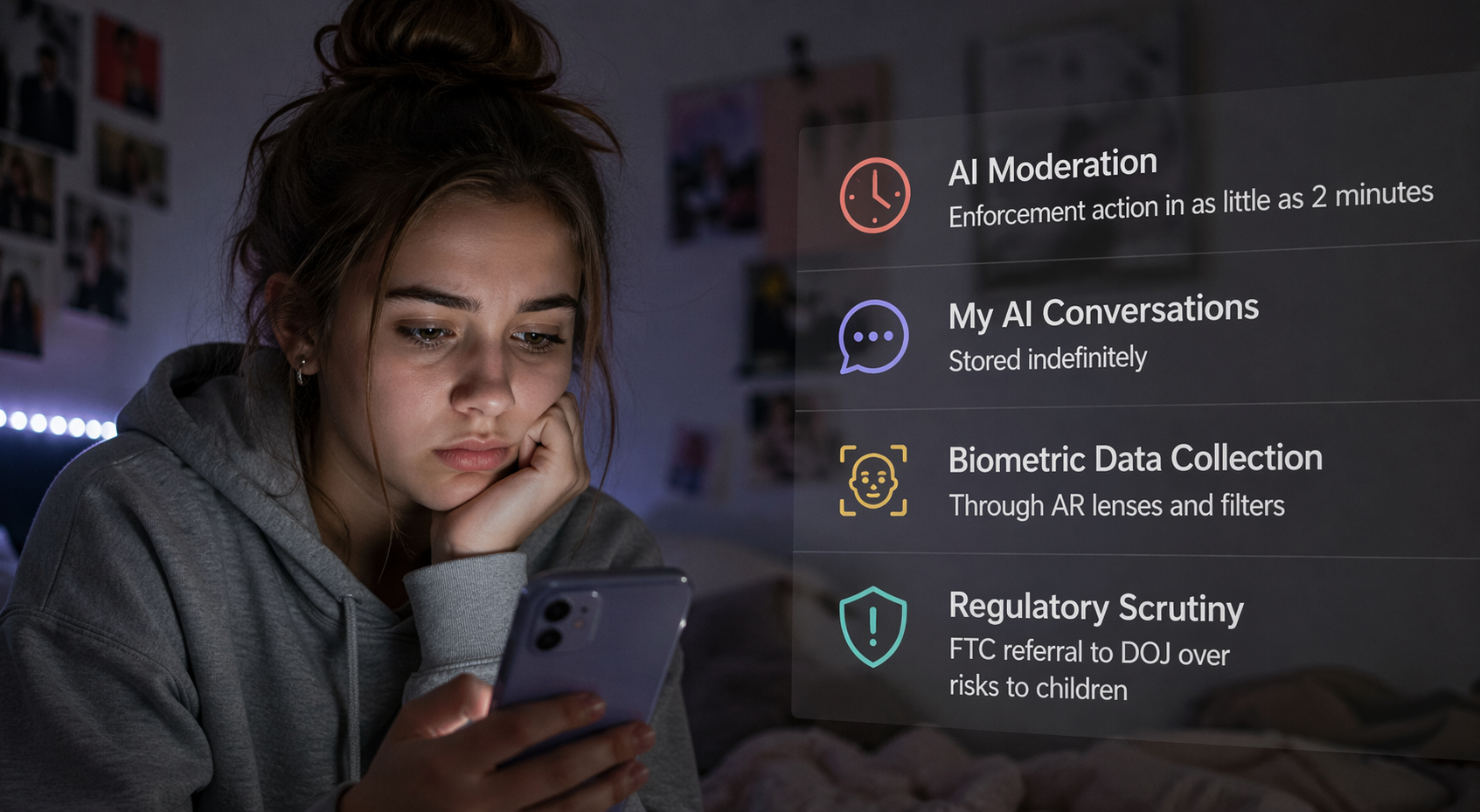
The Surveillance Snap: How Snapchat's AI Ambitions Are Eroding the Brand That Built Itself on Privacy
There was a time when Snapchat's core promise was almost radical in its simplicity: send a photo, it disappears, no one saves it, no one tracks it. That promise built an empire. Today, that same platform operates AI moderation systems that can take enforcement action in two minutes, stores every My AI conversation indefinitely, collects biometric data through its most popular filters, and faced a Federal Trade Commission referral to the Department of Justice over risks to children — all while losing ground to TikTok and Instagram in the U.S. market it depends on most. The "secret app" isn't keeping secrets anymore, and a generation that built its digital identity around Snapchat is starting to notice.
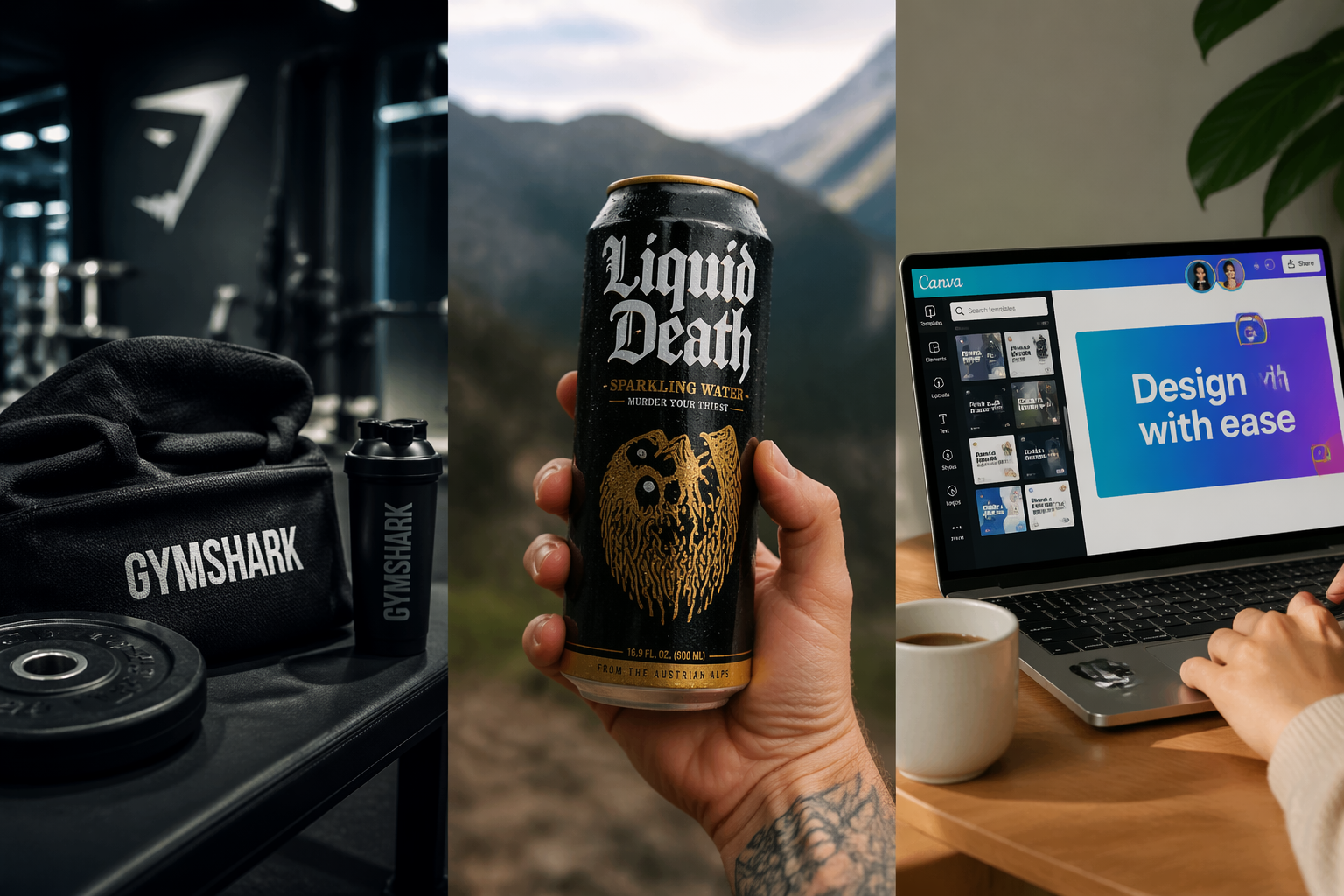
How These Unicorn Brands Outran Their Legacy Competitors — and What They All Have in Common
There's a particular kind of disruption that doesn't announce itself until it's already over. A startup enters a market owned by the same companies for decades. The incumbents have the budgets, the distribution, and the brand recognition. By every traditional measure, the challenger shouldn't stand a chance. And then, in what feels like overnight, the challenger is worth a billion dollars. Here's what they all got right — and what every brand can learn from it.
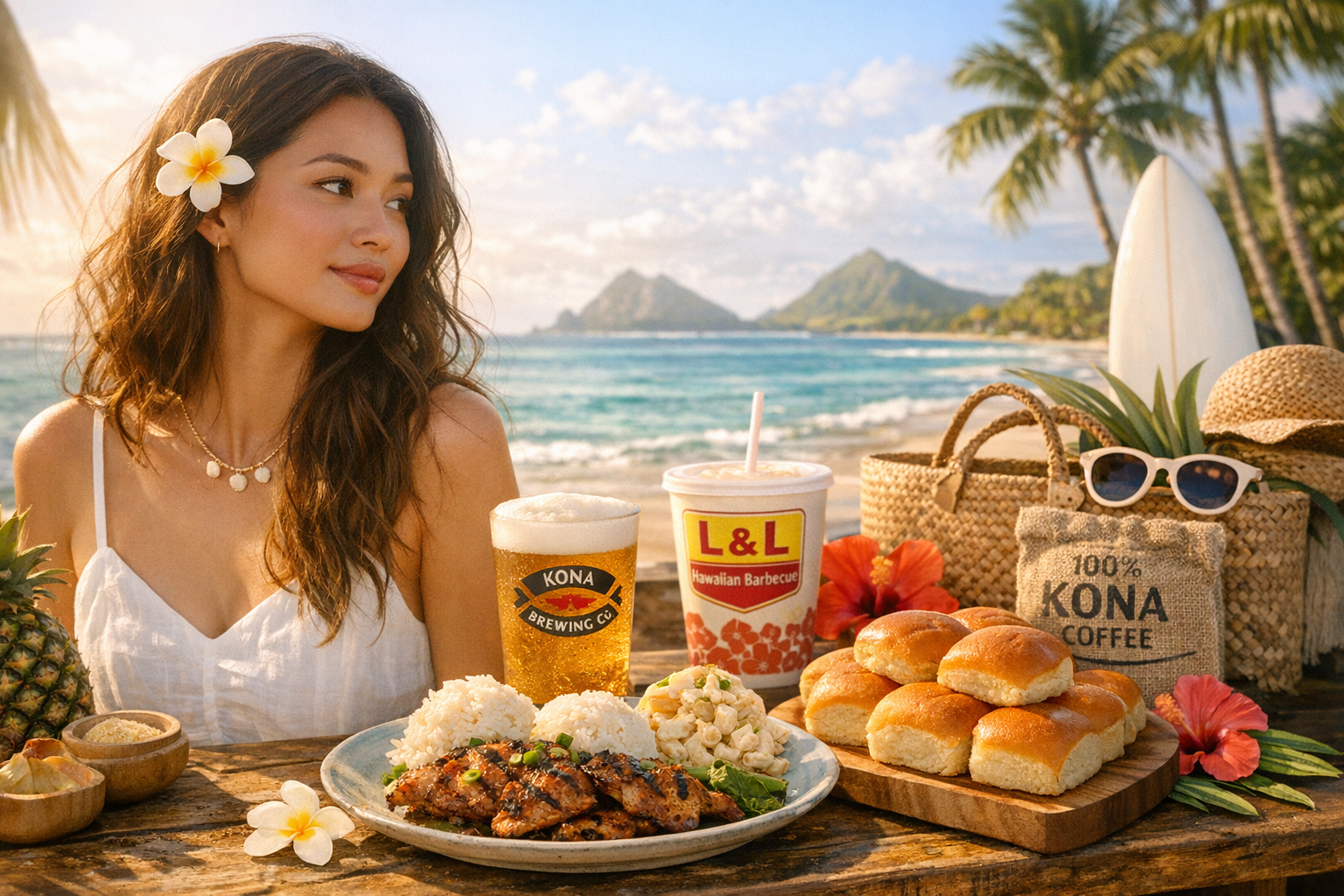
Aloha State of Mind: The Biggest Brands Born in Hawaii and What the Islands Are Actually Buying
Hawaii doesn't export brands the way other states do. It exports an idea — and the idea is so powerful, so globally recognized, so emotionally loaded that companies from the mainland have been appropriating it for decades without permission. Hawaiian Punch contains no Hawaiian fruit. Many Kona coffee blends contain as little as 10% beans from the region. And yet from these same islands came King's Hawaiian rolls, Kona Brewing, L&L Hawaiian Barbecue, and the plate lunch — one of the most culturally significant food traditions in America. This is the Hawaii edition of Ritner Digital's State by State Brand Series.

Are Home Parties Still a Thing in 2026? The Rise, Fall, and Quietly Complicated Present of the Direct Sales Model — and Why Millennial Moms Might Be Its Next Chapter
Somewhere in America right now, a Pampered Chef consultant is setting up a cooking demo in someone's living room. A Scentsy party is running on Facebook. A wine guide is walking friends through a tasting in a suburban kitchen. The home party model — that peculiarly American invention born in the postwar suburbs — is not dead. It is not what it was. But the forces reshaping it in 2026 are more interesting than the simple narrative of decline suggests. This is the full story of what happened, who is still doing it, and why the millennial mom might be the most important figure in whatever the home party becomes next.
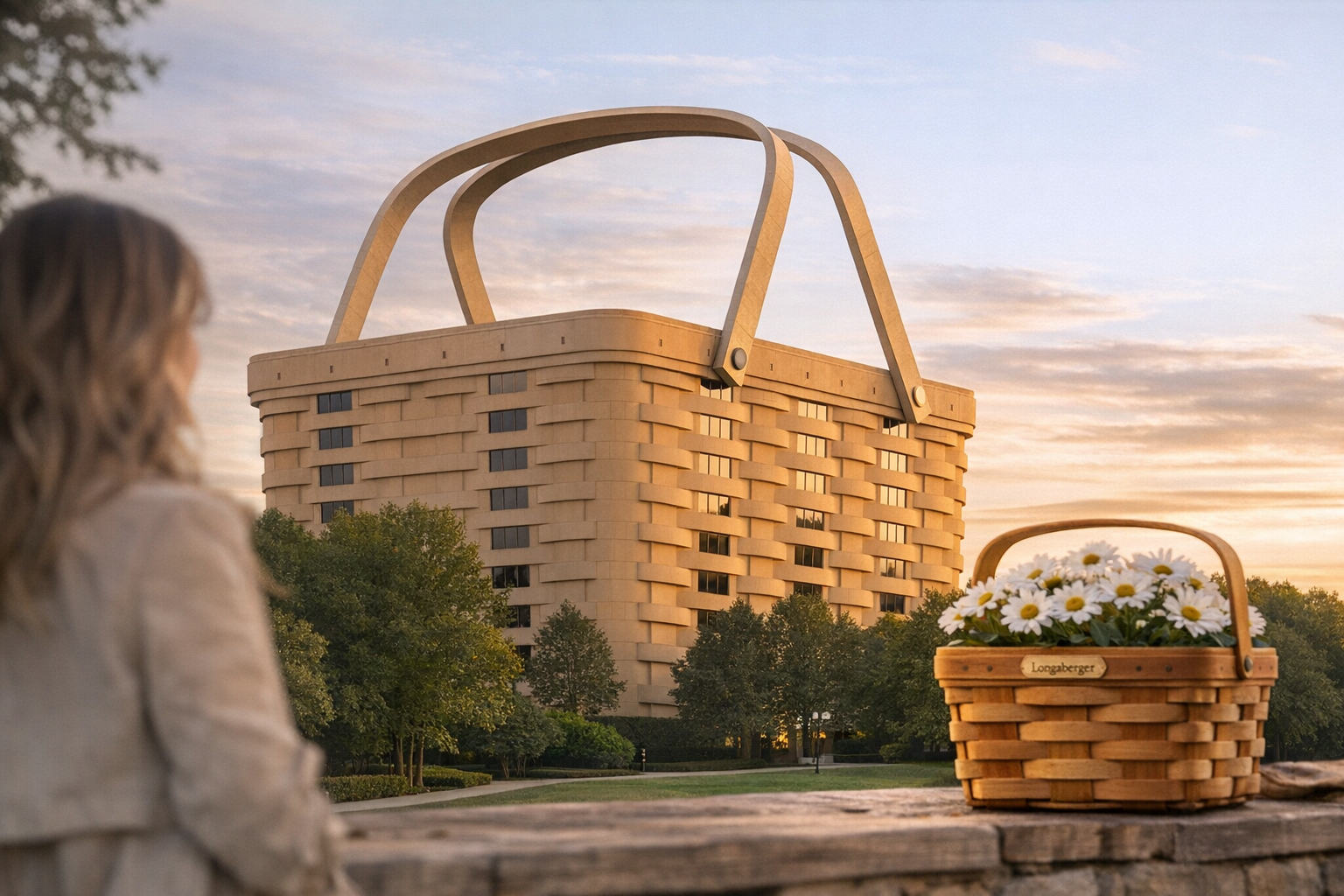
The Longaberger Story Is One of the Greatest Brand Lessons in American Business History
There is a seven-story building on State Route 16 in Newark, Ohio that is shaped like a basket. It cost $30 million to build, its handles weigh 150 tons, and the man who commissioned it walked into the architect's meeting carrying one of his products and said: this is what I want. If you can't do it, find someone who can. That man was Dave Longaberger, and what he built — a billion-dollar handcrafted basket company in small-town Ohio, powered by one of the most loyal customer bases in American consumer goods history — is one of the greatest brand stories this country has ever produced. This is the full analysis of how he built it, what went wrong after he was gone, and what every brand builder should take from both halves of the story.
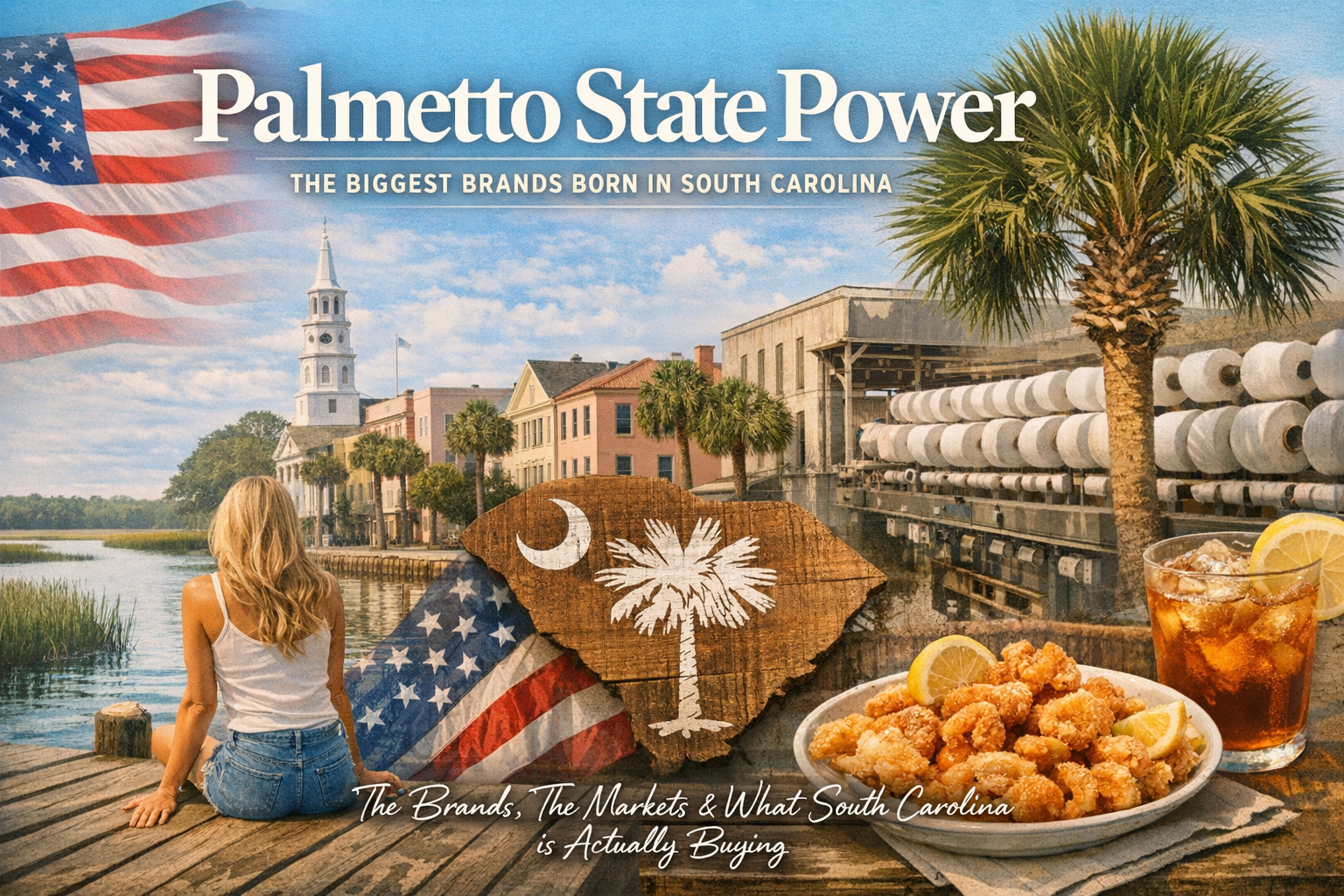
Palmetto State Power: The Biggest Brands Born in South Carolina and What the Palmetto State Is Actually Buying
South Carolina doesn't get enough credit. The state that built its identity in the mill towns of the Upstate and along one of the most storied coastlines in the South has produced brands defined by grit, operational excellence, and decades of compounding trust. This is the South Carolina edition of Ritner Digital's State by State Brand Series — the brands that came out of the Palmetto State, the consumer markets that define it today, and what any business entering South Carolina needs to understand before it does.
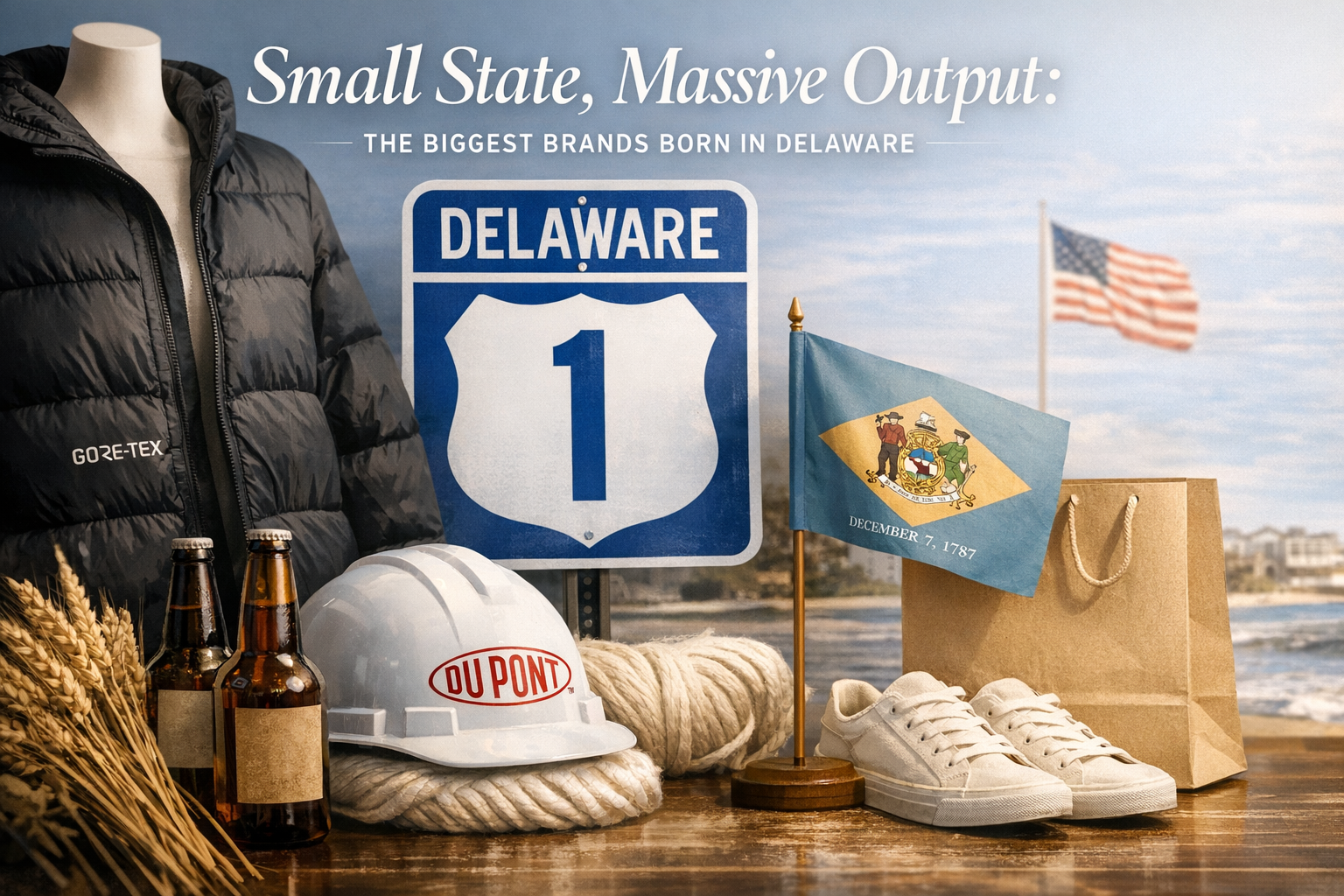
Small State, Massive Output: The Biggest Brands Born in Delaware and What the First State Is Actually Buying
Delaware is 96 miles long, easy to miss on a map, and home to fewer than one million people. It has also produced DuPont, GORE-TEX, and one of the most respected craft breweries in the country. This is the Delaware edition of Ritner Digital's State by State Brand Series — the brands that came out of the First State, the consumer markets that define it today, and what any business entering Delaware needs to understand before it does.
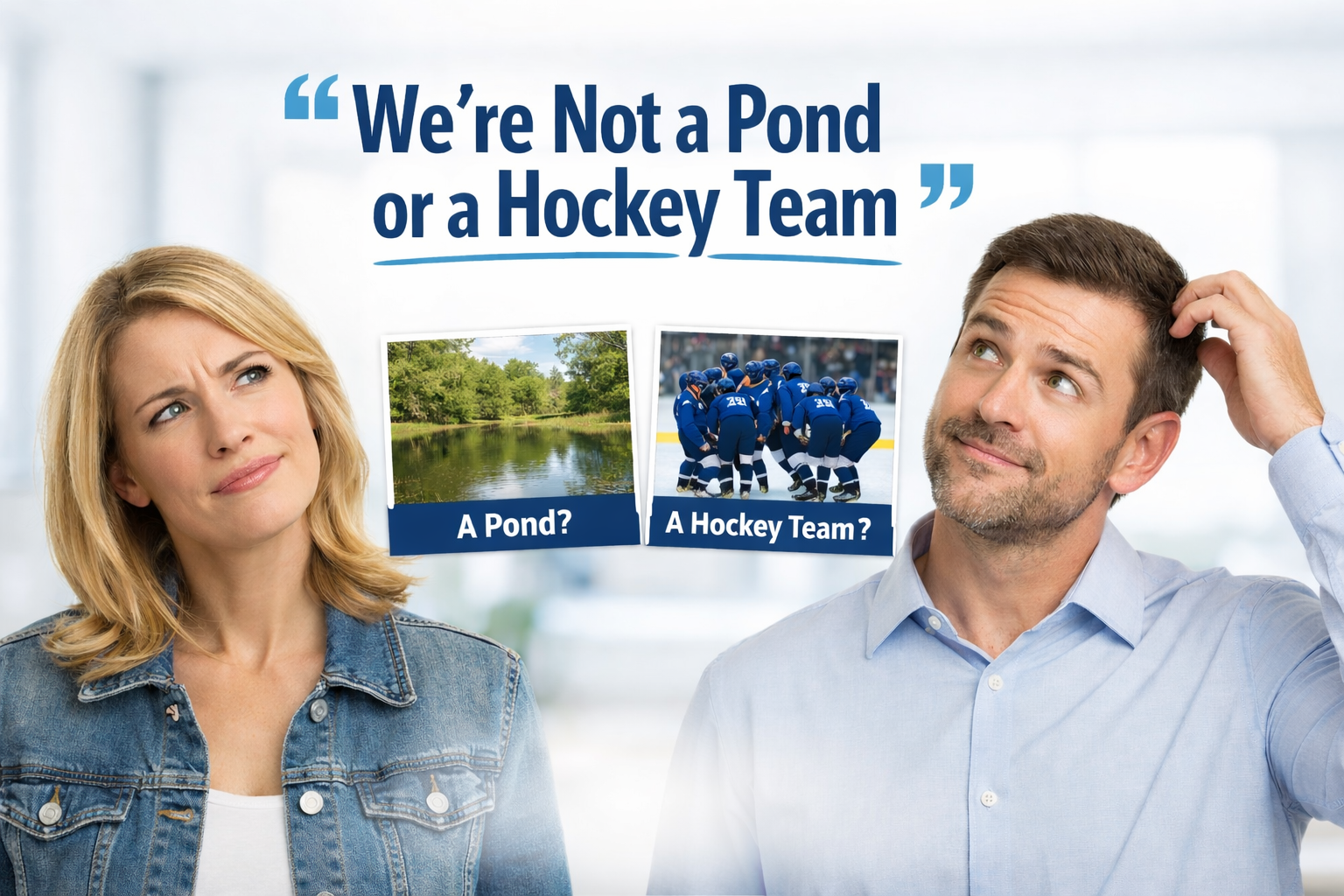
The Genius of Pond Lehocky's Branding: "We're Not a Pond or a Hockey Team"
Say the name "Pond Lehocky" out loud to someone who hasn't heard it and watch what happens. They pause. They tilt their head. They say something like — wait, is that a pond? A hockey team? And just like that, the firm has done something most businesses spend millions trying to accomplish: they made you think about them. This is a breakdown of why that works, what's happening psychologically, and what any brand in any category can learn from one of the most unexpectedly smart branding moves in legal advertising.
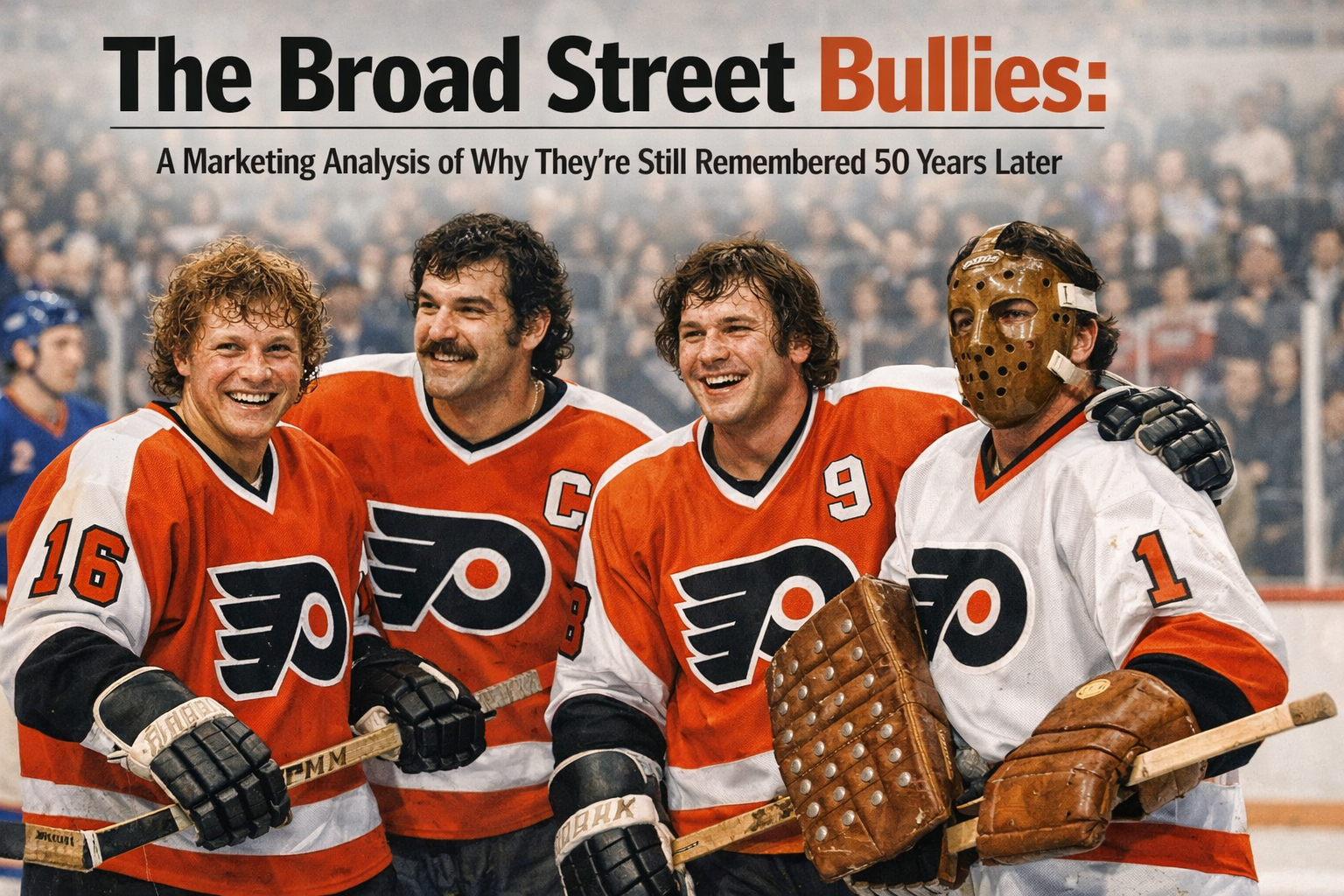
The Broad Street Bullies: A Marketing Analysis of Why a 50-Year-Old Hockey Team Still Lives Rent-Free in Our Heads
Plenty of teams have won two Stanley Cups and been largely forgotten. The Broad Street Bullies haven't been. Fifty years later they're still one of the most viscerally remembered teams in North American professional sports — by people who weren't alive when they played, in cities that despised them, across generations that never watched a game. This is a marketing analysis of exactly why.
Marketing to Law Enforcement: The Rules, the Culture, and Why Most Campaigns Miss Completely
Companies spend serious money trying to reach law enforcement buyers and wonder why nothing converts. The creative looks right. The targeting seems correct. The ads are running. The problem is almost never the budget — it's that the campaign was built without understanding who this audience actually is, how they make purchasing decisions, and what the legal and cultural guardrails are that govern how you can market to them in the first place.

What the Conversion Data Actually Says About Brand Colors
Most brand color decisions are made based on what looks good in a conference room. But conversion data tells a different story — one where a single hex code can shift click-through rates by over 30%, justify higher price points, and build the kind of trust that makes a prospect hand over their credit card. Here's what the research actually shows, broken down by color, category, and the psychology behind why it works.
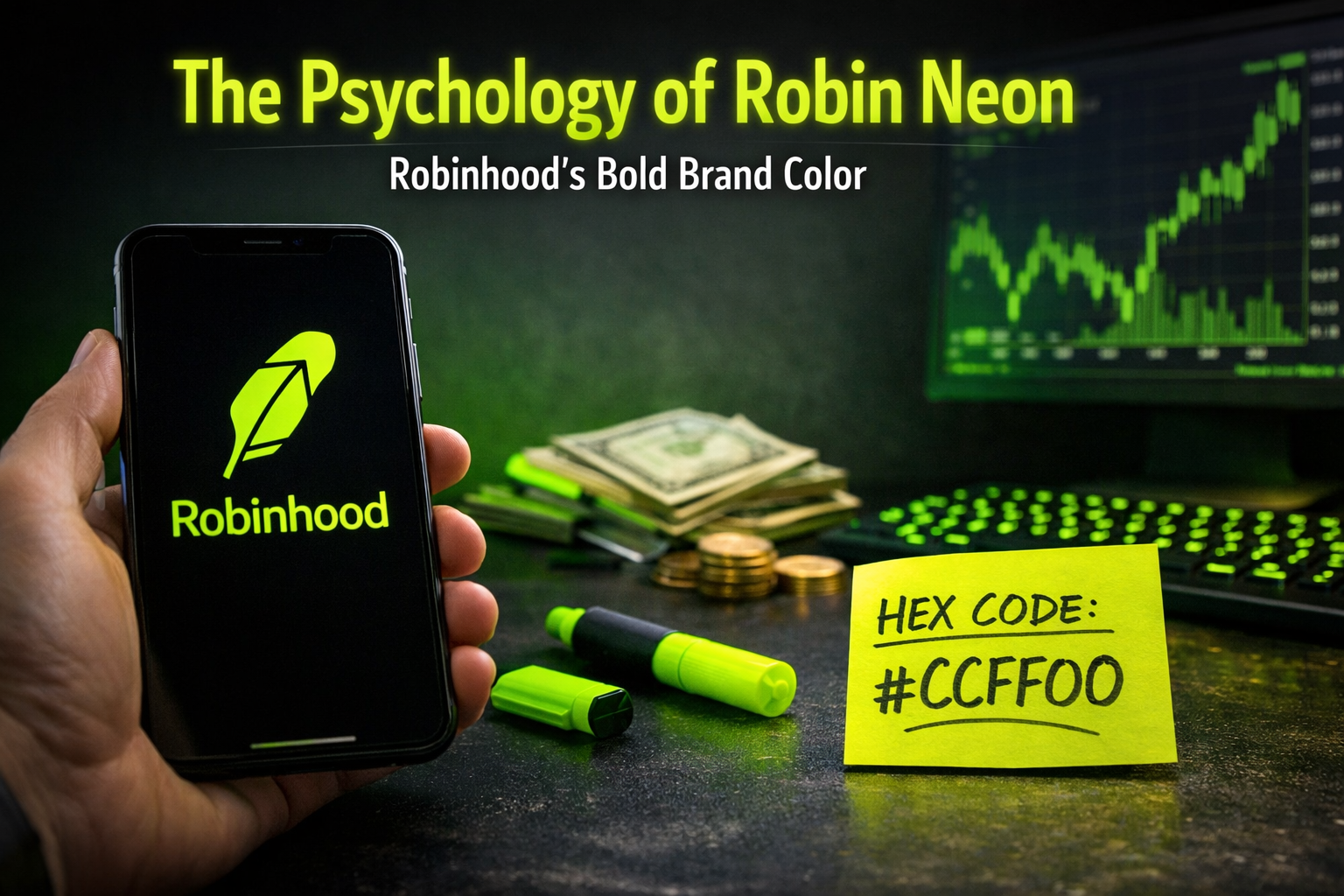
The Psychology of #CCFF00: Why Robinhood's Robin Neon Works
Robinhood's signature accent color has a name: Robin Neon. The hex code is #CCFF00. And it isn't an aesthetic preference — it's a deliberate psychological argument against every visual convention traditional finance has spent decades building. Here's exactly how it works, and what it means for any brand thinking seriously about color.
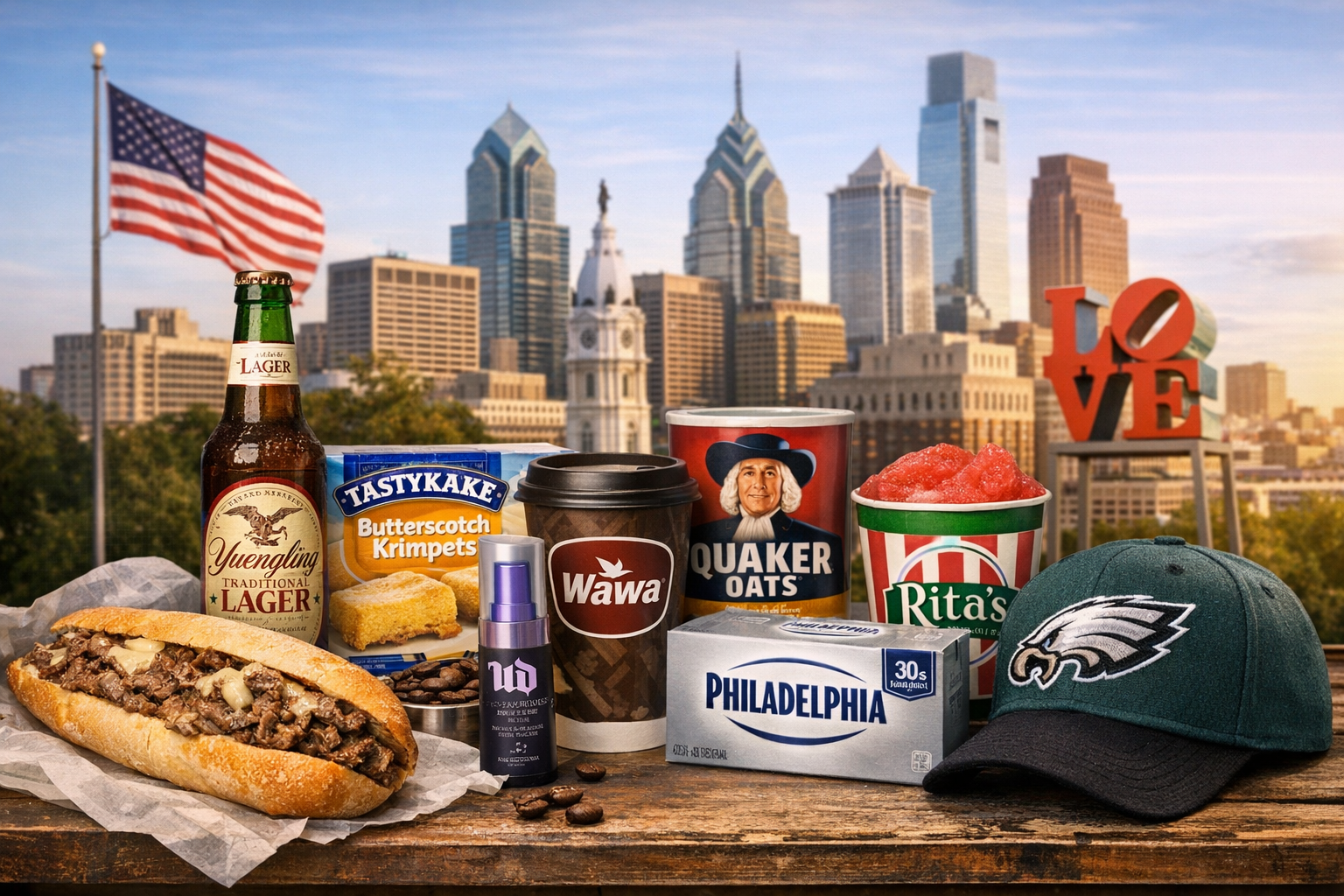
Proudly Philly, Built for Everyone: The Brands That Kept Their Roots and Still Conquered New Markets
There is a particular kind of brand confidence that comes from knowing exactly where you're from. Not the kind that retreats into regionalism — the "local" badge worn as a limitation, a reason to stay small. The kind that treats origin as advantage. Philadelphia has produced more of these brands than it usually gets credit for. Some are so embedded in daily Philly life that it's easy to forget they operate at national or global scale. Others built their national identity so intentionally that the Philadelphia origin became part of what made them compelling outside the region. All of them contain lessons that apply directly to any Philadelphia business with growth ambitions.
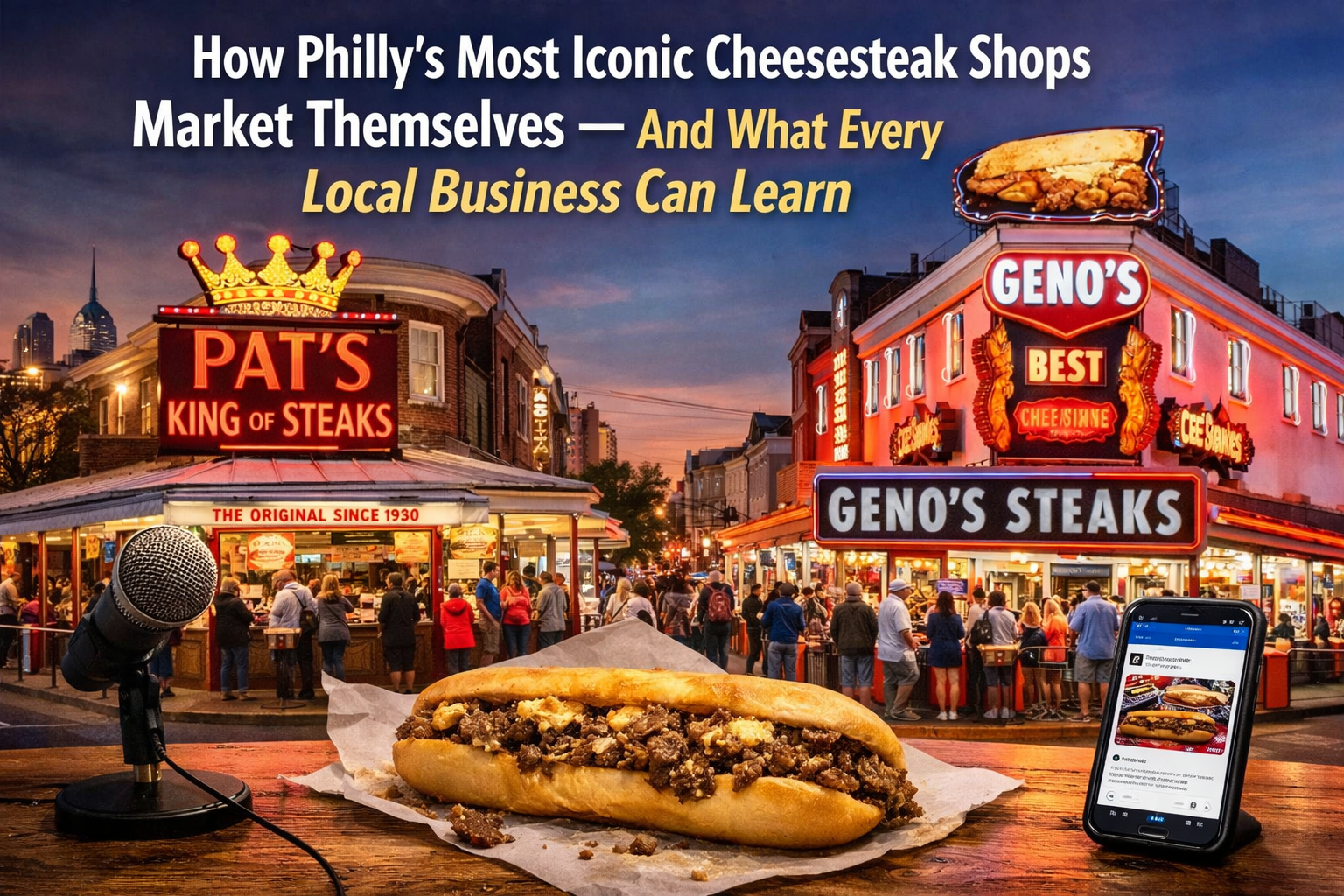
Happy National Cheesesteak Day: How Philly's Most Iconic Steak Shops Market Themselves — And What Every Local Business Can Learn From Them
Today is National Cheesesteak Day — and at Ritner Digital, we celebrated by going deep on how Philadelphia's most iconic steak shops actually market themselves. From Pat's 96-year origin story to Skinny Joey's explosive podcast-fueled launch, the lessons these legendary brands teach about storytelling, community, earned media, and digital presence apply to every local business in South Jersey and beyond.
We Work Best With the Ones Who Want to Win
Some businesses want to maintain what they have. Some want to clean up their website and check a box. That's not who we built this agency for. We built it for the ones who want to own their market — and we bring everything we have to help them get there.
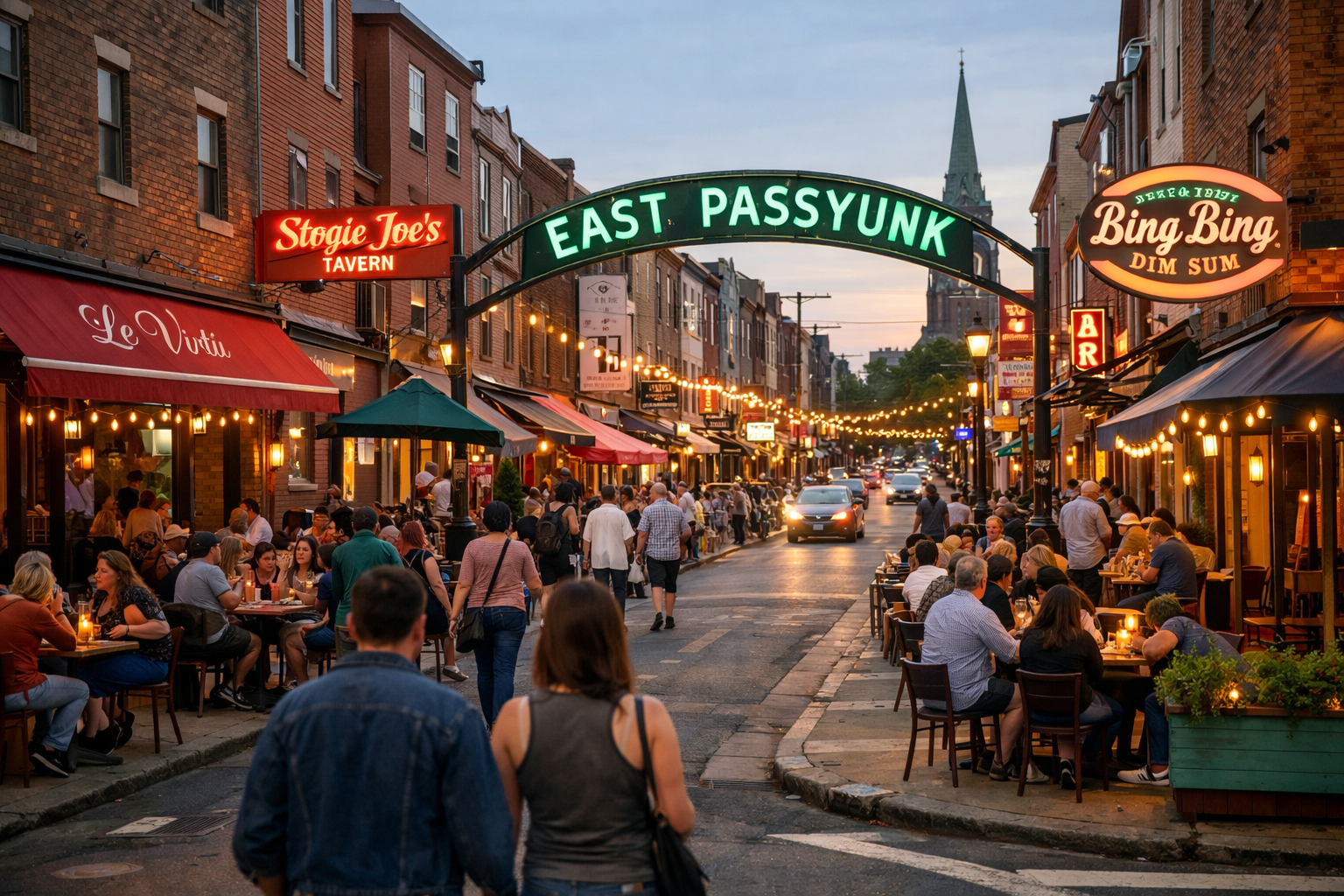
The Passyunk Effect: Why the Best Businesses in Philly Let the Block Do the Marketing
East Passyunk Avenue is a mile and a half of diagonal street in South Philadelphia that became one of the most acclaimed restaurant corridors in America without running a single ad campaign. Here's what happened when enough people who cared about quality decided to work on the same block — and what that means for your business.
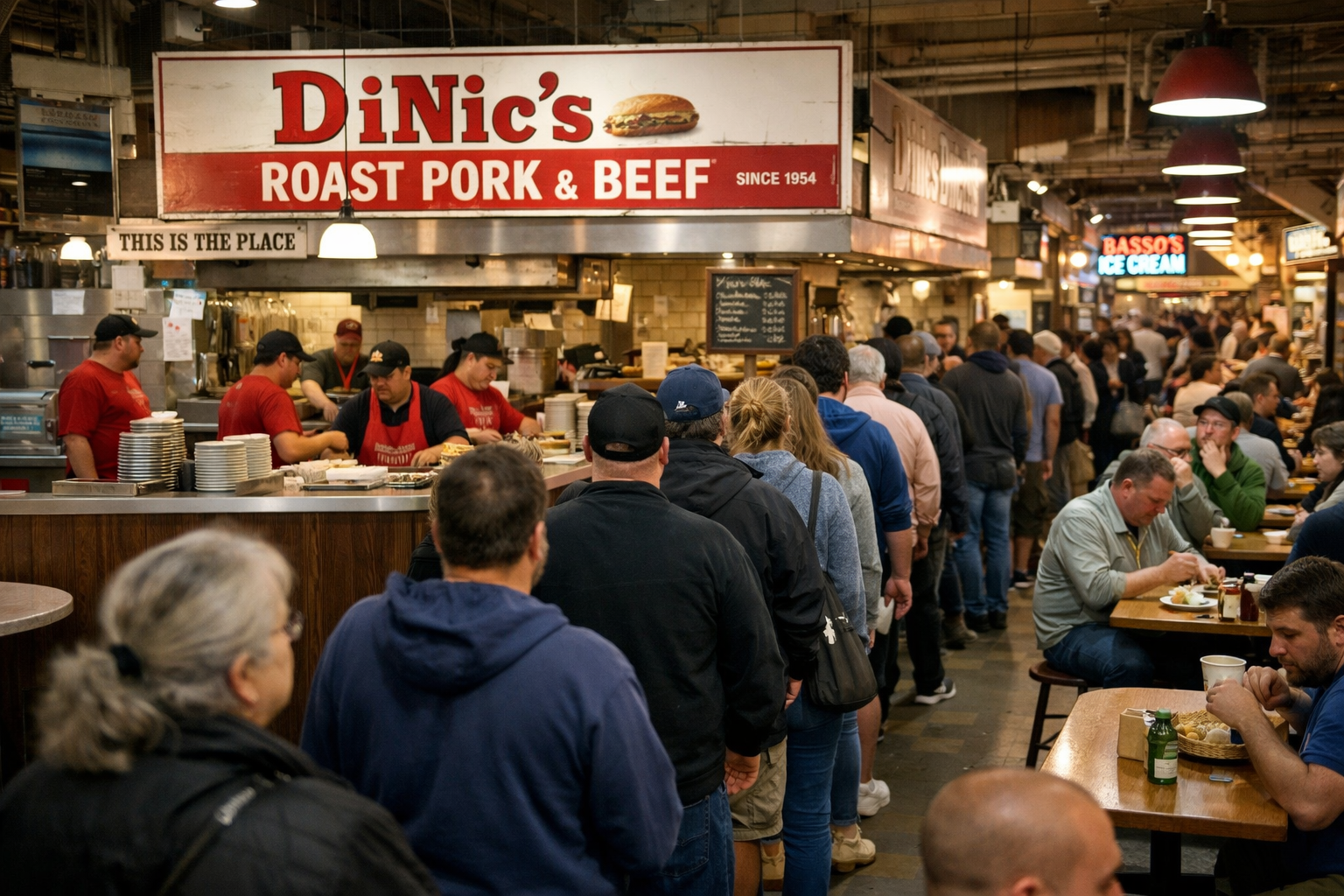
Reading Terminal Market and the Power of Earned Scarcity
On a Tuesday morning at 11am, there is a line at DiNic's. Not a polite, two-person line. A real line — the kind that snakes past neighboring stalls, past people eating at communal tables, past tourists reconsidering their priorities. DiNic's has no Instagram campaign, no loyalty app, no influencer partnership. There is a counter, a family recipe, and a line that has been forming at roughly the same hour for forty-five years. The line is the advertisement. Here's what 130 years of Reading Terminal Market teaches every business about quality, consistency, and the only kind of scarcity that actually compounds.
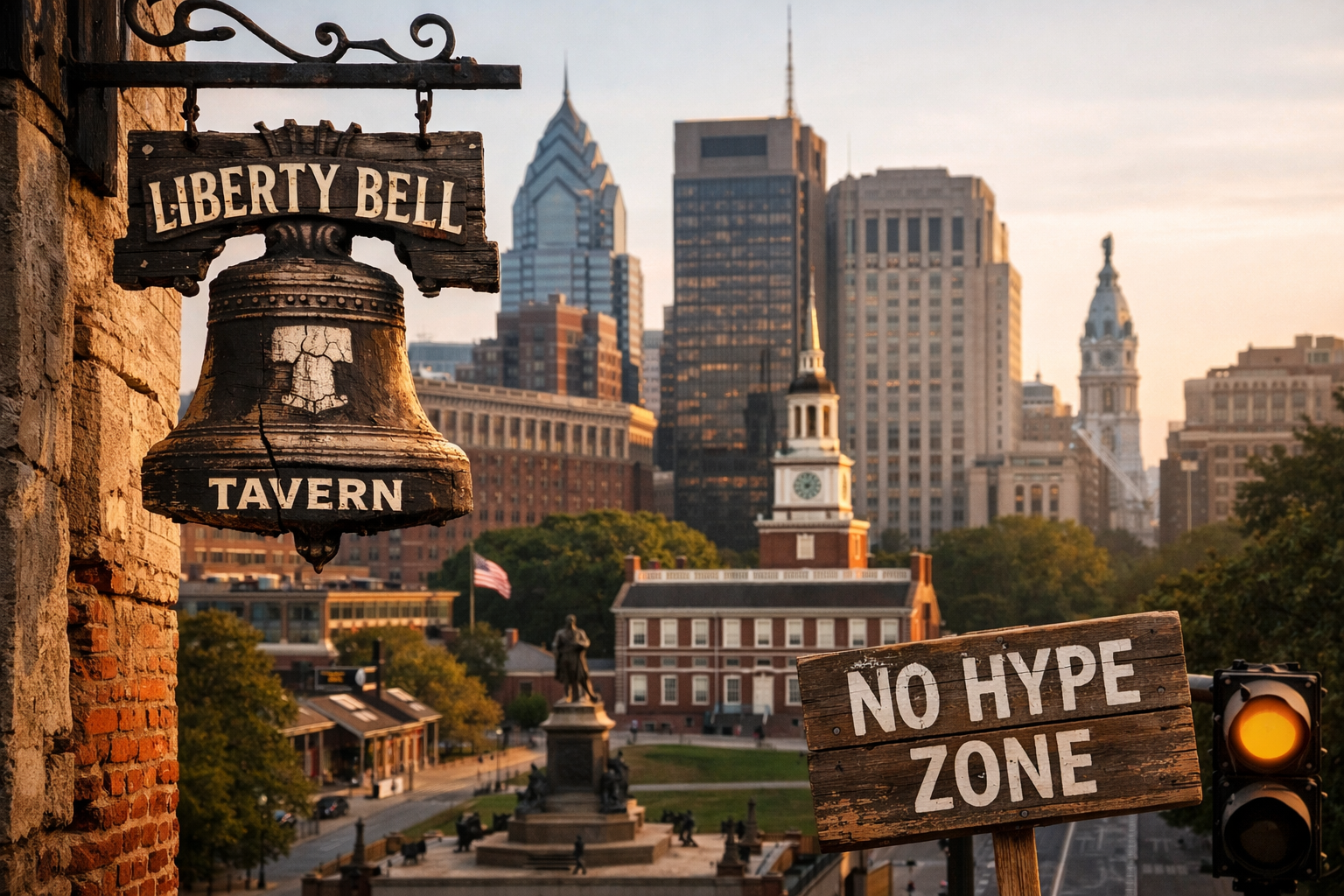
The Philadelphia Story: Why This City Has Always Been Allergic to Hype — And What That Means for Your Brand
Philadelphia was the most important city in America for the better part of a century. It wrote the Declaration of Independence, ratified the Constitution, hosted the nation's capital — and then watched all of it get redistributed to cities that were louder about wanting it. What you develop from that history isn't bitterness. It's a deep structural skepticism about claims that outrun the work behind them. Two hundred and twenty-five years later, that skepticism is still the most important thing to understand about building a brand in this market.