Are Home Parties Still a Thing in 2026? The Rise, Fall, and Quietly Complicated Present of the Direct Sales Model — and Why Millennial Moms Might Be Its Next Chapter
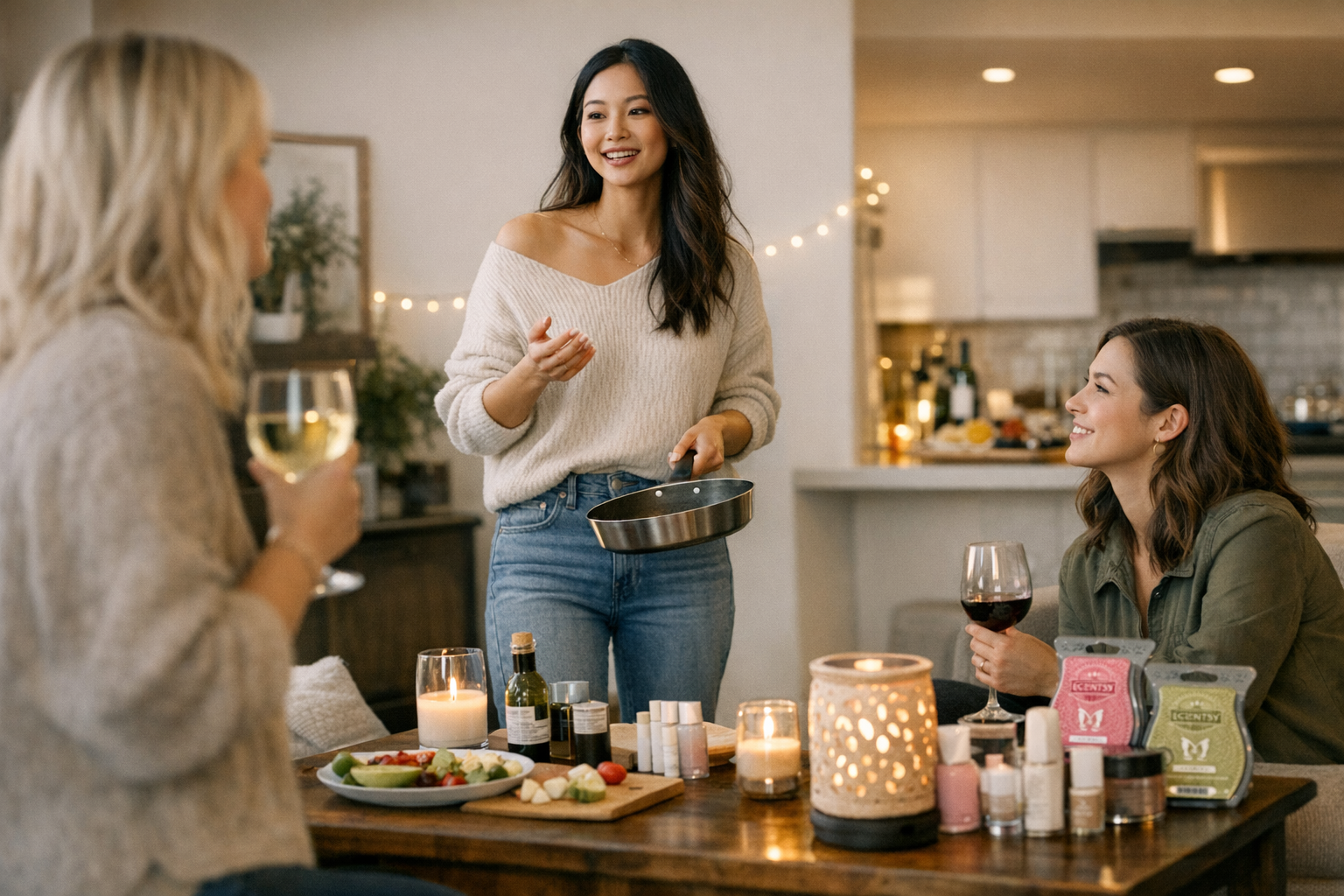
Somewhere in America right now, a Pampered Chef consultant is setting up a cooking demo in someone's living room. A Scentsy party is running on Facebook. A wine guide is walking friends through a tasting in a suburban kitchen. The home party model — that peculiarly American invention born in the postwar suburbs — is not dead. It is not what it was. But the forces reshaping it in 2026 are more interesting than the simple narrative of decline suggests. This is the full story of what happened, who is still doing it, and why the millennial mom might be the most important figure in whatever the home party becomes next.
The Longaberger Story Is One of the Greatest Brand Lessons in American Business History
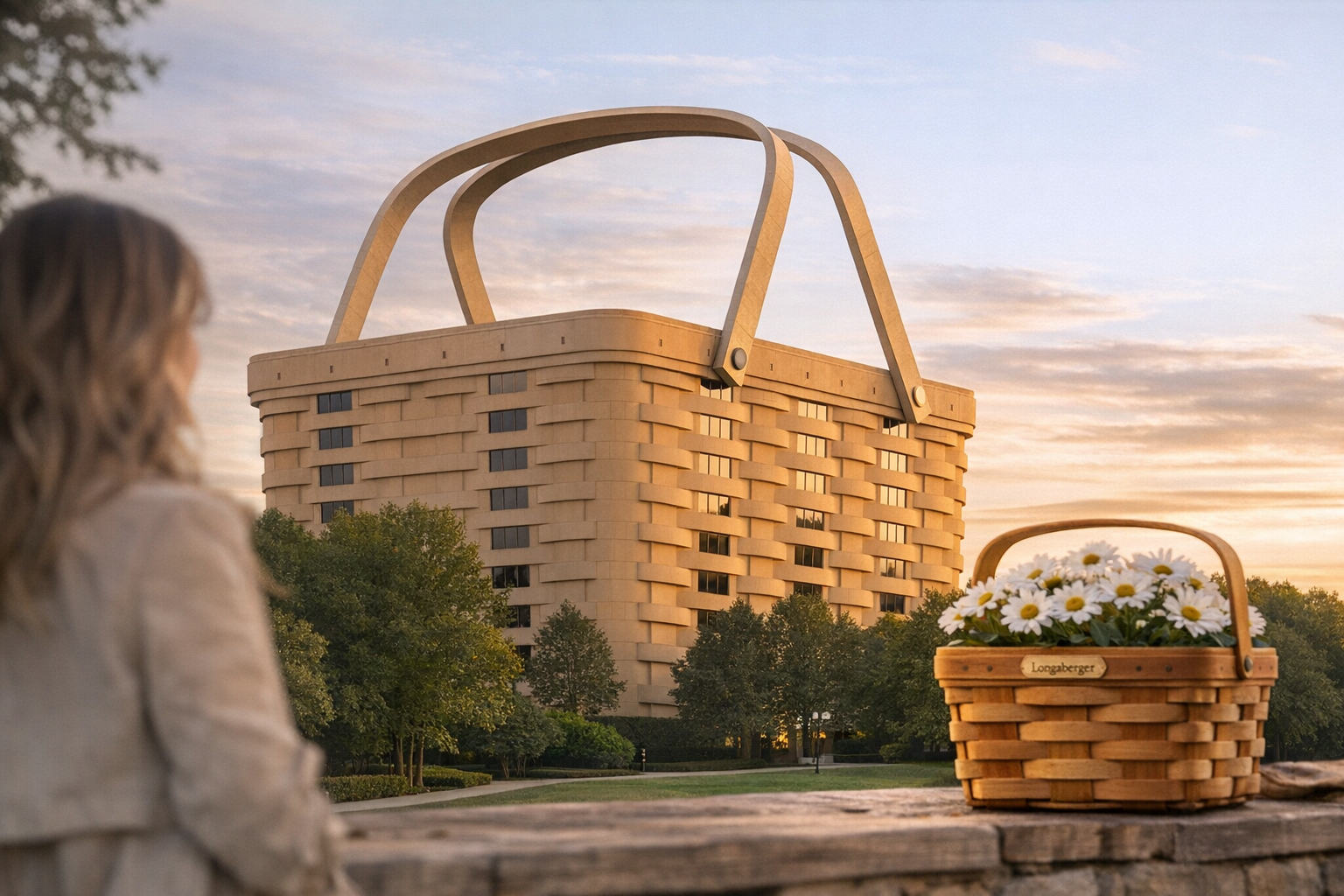
There is a seven-story building on State Route 16 in Newark, Ohio that is shaped like a basket. It cost $30 million to build, its handles weigh 150 tons, and the man who commissioned it walked into the architect's meeting carrying one of his products and said: this is what I want. If you can't do it, find someone who can. That man was Dave Longaberger, and what he built — a billion-dollar handcrafted basket company in small-town Ohio, powered by one of the most loyal customer bases in American consumer goods history — is one of the greatest brand stories this country has ever produced. This is the full analysis of how he built it, what went wrong after he was gone, and what every brand builder should take from both halves of the story.