From Levittown to the "Birthplace of the Suburb" — How Local Businesses Can Use History to Win in Search
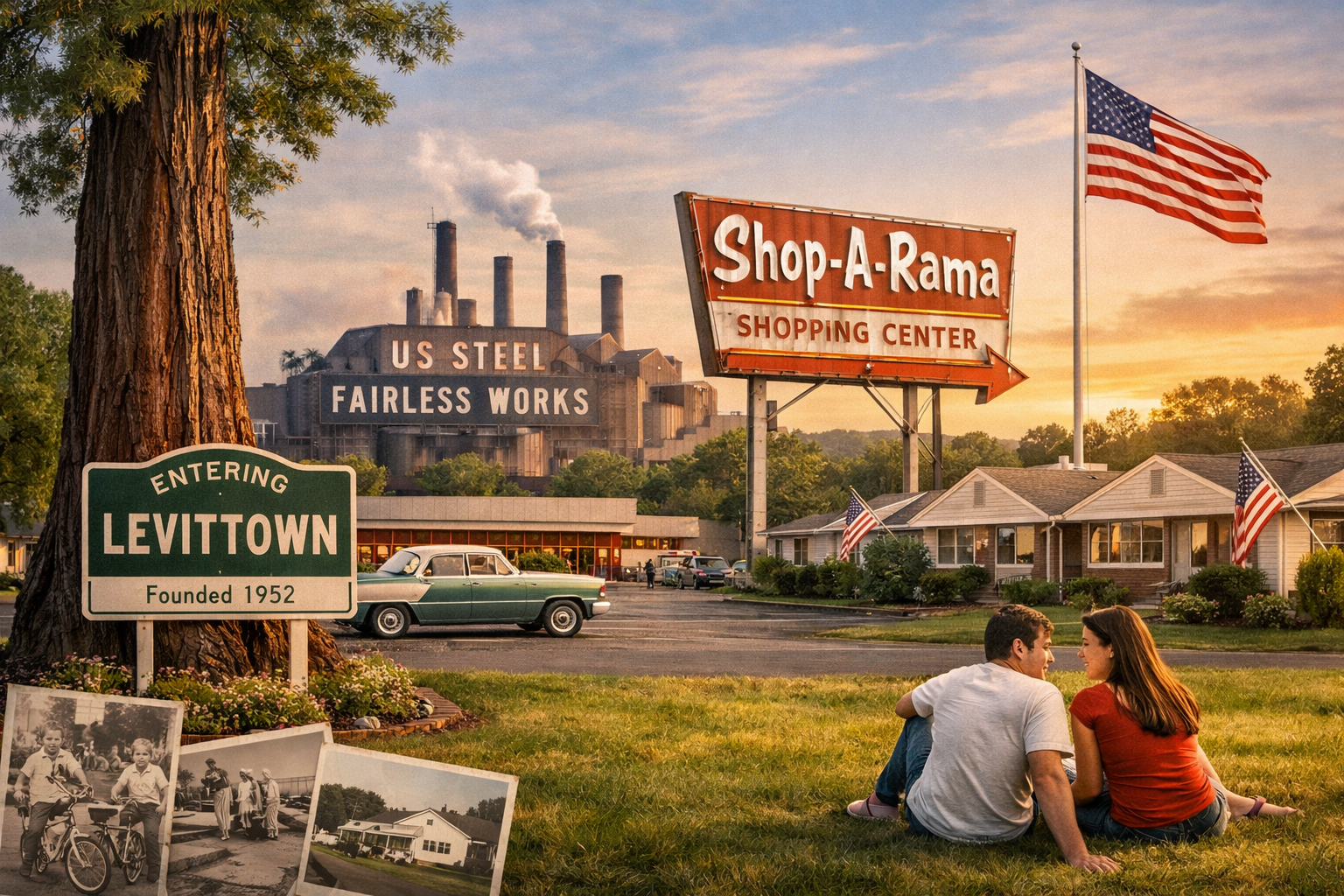
Somewhere in Levittown, Pennsylvania, there is a sequoia tree. William Levitt's company planted it when the community was built in the 1950s, and it's still there — growing quietly in someone's backyard, a piece of living history that most residents don't know exists.
That's Levittown in miniature. Beneath the surface of what looks, from the outside, like any other mid-century suburb is a layered, specific, nationally significant story — and a community that knows it. Residents here don't say they're from "the suburbs of Philadelphia." They say they're from Levittown. They mention which section. They know that Snowball Gate streets all start with S, that Cobalt Ridge is in Middletown Township, that the Pinewood Pool is the last surviving LPRA pool from the original development. They remember the Shop-O-Rama.
That specificity — that depth of local identity — is one of the most powerful assets any Levittown business can tap for digital marketing. And almost none of them do.
This post is about changing that. It's about how the history of Levittown, Pennsylvania — the story that textbooks reference, that national media writes about, that historians and urban planners and sociologists still debate — can become the foundation of a content marketing strategy that builds authority, earns backlinks, wins trust, and helps your business show up in searches that your competitors can't reach.
The Story That Makes Levittown Different From Every Other Suburb
To understand why Levittown's history is a marketing asset, you have to understand what makes it genuinely singular.
The iconic Levittown communities — the first in Long Island, New York, and the subsequent two in Bucks County, Pennsylvania, and Burlington County, New Jersey — endure as symbols of the unique character of post-World War II U.S. suburban development. Encyclopedia of Greater Philadelphia
Pennsylvania's Levittown was firmly connected to the area's industrial base. The developer chose this site because U.S. Steel Corporation's Fairless Works Plant had just broken ground nearby alongside the Delaware River, and thousands of plant employees would need convenient housing. In 1951, Levitt and Sons bought 5,750 contiguous acres of broccoli and spinach farmland near that plant to build what the company claimed was "the most perfectly planned community in America." Encyclopedia of Greater Philadelphia
Construction of Levittown began in February 1952. At peak production, Levitt's highly regimented process enabled workers to produce a finished house every sixteen minutes. When completed in 1958, 17,311 homes had been built. Wikipedia
The connection between Levittown and the Fairless Works plant wasn't incidental — it was foundational. William Levitt decided on the area after U.S. Steel's Fairless Works announced plans to open a plant in Fairless Hills, providing thousands of jobs for employees who would buy Levittown homes along with other workers relocating from Philadelphia and Trenton. NJM Levittown, Pennsylvania was built for steelworkers. For veterans and their families who wanted a backyard, a built-in kitchen, a television set, and a community swimming pool. For people who worked with their hands and built something with their lives.
The steel mill opened in December 1952 and brought thousands of jobs, many unionized. The facility on the Delaware River hit a peak employment of 8,000 in 1974. LevittownNow For a generation, the rhythm of life in Levittown was tied to the rhythm of the steel plant. When the plant contracted and eventually closed most operations in 2001, the community felt it deeply.
And now, in one of the most remarkable full circles in Lower Bucks County history, the same land that housed the Fairless Works — the very site that gave Levittown its reason to exist — is being transformed into the Keystone Trade Center, with Amazon's data center campus rising where steel was once made. History doesn't just inform Levittown's identity. It keeps happening here.
In 2025, Levittown is often described with a mix of nostalgia and practicality. Locals appreciate the strong sense of community pride and the area's convenient location between Philadelphia and Trenton. Many residents speak fondly of growing up in the "birthplace of the suburb" and the enduring small-town atmosphere. IndexYard
That pride is the marketing asset. And it's waiting to be used.
What "Community Identity Content" Actually Is — and Why It Works
Community identity content is not a press release about your business. It's not a promotional blog post dressed up with a local reference. It is content that is genuinely rooted in the specific history, geography, and culture of the place where your business operates — content that could only have been written by someone who actually knows and cares about this community.
In Levittown, that means content that references the original 41 sections by name. That knows Cobalt Ridge is in Middletown Township and Thornridge is in Falls Township. That understands the difference between Pennsbury School District and Neshaminy. That can write about the Shop-O-Rama, the LPRA pools, the annual Bucks County St. Patrick's Day Parade that steps off every year on New Falls Road. That can connect the story of the Fairless Works to the story of the Keystone Trade Center — because they are the same story, told seventy years apart.
People are 22 times more likely to remember facts when delivered in a story rather than as bare data. 64% of consumers believe stories help brands form stronger connections with customers. And storytelling helps improve conversion rates by about 30%. Marketing LTB
For a Levittown business, the story isn't invented. It's already here. The question is whether you're telling it.
66% of people say that their favorite brand stories are about ordinary people — stories they can relate to. Marketing LTB The original Levittown residents were working families. Veterans. Steelworkers. Parents who wanted a yard for their kids and a pool in the neighborhood. That identity — working class, community-minded, fiercely local — runs through Levittown to this day. A business that speaks to that identity, that honors it rather than talking around it, builds a connection with customers that goes far deeper than a promotional offer ever could.
The Neighborhood Keyword Strategy Only Levittown Locals Can Execute
Here's the competitive advantage hiding in plain sight: Levittown's 41 named sections create a hyper-local keyword geography that almost no business in the area is currently using.
When Levitt & Sons designed Pennsylvania's Levittown, they gave each of the 41 sections a distinct name — and all streets within each section begin with the same first letter as the section itself. Levittown's 41 neighborhoods are found in parts of four separate municipalities: Bristol Township, Falls Township, Middletown Township, and Tullytown Borough. ActiveRain
Residents identify deeply with their section. Someone in Cobalt Ridge doesn't say "I live near Woodbourne Road." They say they're in Cobalt Ridge. Someone in Snowball Gate says they're in the Gates. A Falls Township resident from Elderberry Pond knows exactly what that means in terms of school district, neighborhood character, and community identity — and so do their neighbors.
This specificity creates search behavior that most businesses completely miss. Real queries that Levittown residents actually use include:
"contractor Cobalt Ridge Levittown," "dentist near Snowball Gate," "restaurant Elderberry Pond area," "HVAC Falls Township Pennsbury School District," "plumber Thornridge Levittown PA," "electrician Middletown Township Neshaminy," "pediatrician near Birch Valley Levittown"
These are low-competition, high-intent searches. The person searching "contractor Cobalt Ridge Levittown" is not browsing — they have a specific need, a specific location, and they're ready to make a call. And because almost no local business has built content around these section names, the competitive field for these searches is essentially empty.
Content marketing can generate up to 748% ROI, while paid advertising averages approximately 200%. Evergreen content delivers 4 times higher ROI than seasonal or trendy posts. Andava Digital A well-crafted page about "serving homeowners in Cobalt Ridge and Snowball Gate" is genuinely evergreen — it will remain relevant and continue generating search traffic for years, building authority with every month it ages.
The practical implementation looks like this:
Section-specific service pages. For a home services business, create individual pages for your primary service areas that reference the section names explicitly. A heating and cooling contractor might create pages for "HVAC Service in Falls Township Sections — Thornridge, Elderberry Pond, and Birch Valley" and "HVAC Service in Middletown Township — Cobalt Ridge, Snowball Gate, and Highland Park."
Blog content that uses section names naturally. A post called "Spring HVAC Maintenance Tips for Levittown Ranchers and Cape Cods" speaks directly to the housing stock of this community — the original six Levitt home models — in a way that resonates with homeowners who know exactly what a Levittowner or a Jubilee looks like.
Local landmark references. Falls Township Community Park. Pinewood Pool. Cobalt Ridge Park. Elderberry Park. Lake Levittown. The Bucks County Technical High School. These landmarks serve as geographic signals to Google and as recognition cues for residents. A business that references them naturally in its content is demonstrating authentic local presence.
How Levittown's History Earns You Backlinks From Bucks County Institutions
Here's where community identity content becomes a genuine SEO strategy rather than just good storytelling: when you publish locally-grounded, historically-informed content about Levittown, you attract links from exactly the kinds of local institutions that Google uses to determine local authority.
The Bucks County Courier Times links to local business content that adds value to their coverage of the area. LevittownNow.com — the most-read local news site in Lower Bucks County, serving over 150,000 people — regularly references and links to local resources that speak meaningfully to their audience. Visit Bucks County, the Bucks County Planning Commission, local historical societies, and neighborhood Facebook groups all share and reference content that is genuinely useful to their communities.
Companies publishing 4 or more blogs per month generate up to 4.5 times more leads than those publishing less often. Andava Digital More important than frequency, though, is quality and local specificity. One deeply researched post about the history of the Fairless Works and what the Keystone Trade Center redevelopment means for Levittown businesses will earn more genuine links and shares than twelve generic industry posts.
Specific content ideas that earn Bucks County backlinks:
"The Story of Levittown, PA: How Steel, Veterans, and One Builder Changed American Suburbia" — a comprehensive history post that becomes the reference resource for anyone researching Levittown's story. This kind of evergreen content earns links from academic sites, history blogs, real estate sites, and local news outlets for years.
"A Guide to Levittown's 41 Sections: What Makes Each Neighborhood Unique" — an encyclopedic local resource that the Bucks County Courier Times, LevittownNow.com, and Levittown real estate listings will naturally reference and link to. For a business that serves the whole Levittown area, this demonstrates comprehensive local knowledge.
"From Fairless Works to Keystone Trade Center: 70 Years of Industry on the Delaware River" — a narrative piece tying the area's industrial history to its current transformation. This angle is genuinely compelling to regional business media, history outlets, and the significant local audience that has personal or family connections to the steel plant era.
"Growing Up in [Section Name]: What Levittown's Neighborhoods Were Like Then and Now" — section-specific content that invites reader comments and shares, building engagement signals that improve search performance while creating community around your brand.
How to Find Your Business's Authentic Levittown Story
The most important word in "community identity content" is authentic. Levittown residents have excellent radar for businesses that are performing local identity versus businesses that are genuinely part of the community. The former gets eye-rolled. The latter gets loyalty.
Every business with meaningful roots in Lower Bucks County has an authentic story. The question is whether you've articulated it. Here's how to find yours:
How long have you been here, and what did Levittown look like when you started? A business that opened when the Shop-O-Rama was still standing, or when the Fairless Works was at peak employment, or when the LPRA pools were full every summer — that business has witnessed something. What did you see? What changed? Who were your earliest customers and what did they need?
Who are your multigenerational customers? In Levittown, it's not unusual for a business to have served three generations of the same family. The grandparents who bought their Levittowner in 1954. Their children who grew up in it. Their grandchildren who are now buying homes of their own in the area. If your business has those kinds of relationships, that is a story worth telling — and it's a story that only a genuinely rooted local business can tell.
What local organizations are you embedded in? The Lower Bucks County Chamber of Commerce. Falls Little League. Local fire companies. St. Patrick's Day Parade sponsors. Pennsbury School District programs. Community ties aren't just good civic behavior — they're content. A business that supports Falls Little League can write about it. A business that sponsors the parade can document it. Community involvement generates authentic local content continuously.
What do you know about Levittown that a newcomer or national competitor doesn't know? The sequoia tree. The fact that all Cobalt Ridge streets start with C. The difference between the Pennsbury and Neshaminy school districts and why it matters for families moving into the area. The best entrance to the Keystone Trade Center for different shift times. The community events that never get covered nationally but that every local knows. This insider knowledge is your differentiator — and it's the foundation of content that only you can write.
The Full-Circle Moment — and What It Means for Your Business
Levittown, Pennsylvania exists because of the Fairless Works. The developer chose this site because U.S. Steel Corporation's Fairless Works Plant had just broken ground nearby alongside the Delaware River, and thousands of plant employees would need convenient housing. Encyclopedia of Greater Philadelphia The community was born from the intersection of industrial employment and the American dream of homeownership.
The U.S. Steel Fairless Works complex opened in 1952 and employed more than 5,000 workers by the 1970s, fueling growth in the Levittown and surrounding areas. Over the years, U.S. Steel cut thousands of positions and in 2001 closed the majority of the site. LevittownNow When the steel plant contracted, Levittown absorbed the blow the way working communities do — quietly, stubbornly, without making a fuss.
And now the site is alive again. Amazon's data center. NorthPoint's warehouses. Thousands of new jobs on the same land that gave Levittown its first generation of workers. The story isn't over. It's in a new chapter.
Many residents speak fondly of growing up in the "birthplace of the suburb" and the enduring small-town atmosphere. IndexYard That pride isn't nostalgia for something that's gone. It's confidence in a place that has survived and adapted and is now growing again.
Your business, if it's genuinely rooted in this community, is part of that story. The question is whether you're telling it — and whether you're telling it in a way that Google can find, that residents can recognize, and that earns the loyalty of the people who have always chosen local over chain, roots over anonymity, Levittown over everywhere else.
Sources
LevittownNow.com — 65 Years Later, Life Goes On in Levittown (June 2017): levittownnow.com
LevittownNow.com — Large U.S. Steel Site in Falls Twp. Sold for $160 Million (December 2020): levittownnow.com
LevittownNow.com — Must See: US Steel Plant in 1973: levittownnow.com
Encyclopedia of Greater Philadelphia — Levittowns (Pennsylvania and New Jersey): philadelphiaencyclopedia.org
Explore PA History — Levittown Historical Marker: explorepahistory.com
Wikipedia — Levittown, Pennsylvania: en.wikipedia.org
NJM — 10 Interesting Facts About Levittown, PA: blog.njm.com
IndexYard — Resident Perspectives on Life in Levittown, PA (2025): indexyard.com
Marketing LTB — Storytelling Statistics 2025: 94+ Stats & Insights: marketingltb.com
Andava — Content Marketing Industry Statistics in 2026: andava.com
HubSpot — 2026 Marketing Statistics, Trends & Data: hubspot.com
Your business has a story worth telling.
The history of Levittown is one of the most compelling local narratives in America — and the businesses that connect their brand to that story build the kind of community trust that national competitors can never replicate. Ritner Digital helps Levittown businesses find their authentic story, build the content strategy around it, and make sure Google and your neighbors can find it.
Ritner Digital is a digital marketing agency serving businesses in Levittown, PA, Falls Township, Bristol Township, Middletown Township, and the greater Lower Bucks County area.
Frequently Asked Questions
Why does Levittown's history matter for my small business's digital marketing strategy?
Because no national competitor can claim it. Levittown, Pennsylvania is genuinely singular — the second Levittown ever built, conceived specifically to house steelworkers at the Fairless Works plant, and one of the most studied planned communities in American history. Residents here have a deep, specific pride in that identity that translates directly into loyalty for businesses that honor it. When your content demonstrates real knowledge of Levittown's history, its 41 sections, and its community character, you signal to both Google and to customers that you are genuinely rooted here — and that authenticity is worth more than any promotional campaign.
What is "community identity content" and how is it different from regular blog posts?
Regular blog posts share useful information. Community identity content goes further — it ties your business's story, knowledge, and values directly to the specific identity of the place where you operate. For a Levittown business, that means referencing the original 41 sections by name, acknowledging the area's steel industry history, connecting to landmarks like Cobalt Ridge Park or Pinewood Pool, and writing about the community in a way that only someone genuinely embedded here could do. The distinction matters because community identity content earns trust from residents who recognize the authenticity, and earns links from local institutions like LevittownNow.com and the Bucks County Courier Times that generic content never attracts.
How do Levittown's 41 section names create a local SEO advantage?
Because residents search by section name — and almost no businesses have built content around them. When someone in Cobalt Ridge searches for a plumber, they might search "plumber Cobalt Ridge Levittown" or "plumber Middletown Township Neshaminy area." When someone in Thornridge searches for a dentist, they might search "dentist Falls Township Pennsbury" or "dentist Thornridge Levittown PA." These hyper-local searches have genuine intent and almost no competition. A business that builds landing pages and blog content referencing specific section names captures that traffic exclusively — something no national chain and few local competitors are doing.
Which Levittown sections belong to which municipalities and school districts?
This is exactly the kind of local knowledge that builds SEO authority. Falls Township sections include Thornridge, Elderberry Pond, Birch Valley, North Park, Willow Wood, and portions of Pinewood and Lakeside — all served by the Pennsbury School District. Bristol Township sections include Indian Creek, Goldenridge, Blue Ridge, Crabtree Hollow, Oaktree Hollow, Greenbrook, Farmbrook, and others — served by the Bristol Township School District. Middletown Township sections include Cobalt Ridge, Snowball Gate, Forsythia Gate, Red Rose Gate, Highland Park, Deep Dale, Twin Oaks, and others — served by the Neshaminy School District. Building content that reflects this geographic literacy signals to Google and to residents that your business genuinely knows and serves this community.
What types of Bucks County institutions will link to locally-grounded Levittown content?
Several categories of institutions naturally link to high-quality, locally-specific content. Local news outlets like LevittownNow.com and the Bucks County Courier Times regularly reference community resources that inform their readers. Visit Bucks County links to destination and community content as part of their regional promotion. The Bucks County Planning Commission and historical organizations reference substantive local history content. Local real estate sites and neighborhood guides link to resources that help buyers understand the community. And Levittown-focused Facebook groups and Nextdoor communities share content that residents find genuinely useful. Each of these links is a signal to Google that your site has real local authority — the kind that paid advertising can't replicate.
How do I find my business's authentic Levittown story if I've only been open a few years?
Authenticity doesn't require decades — it requires genuine engagement with the community you serve right now. A business that opened recently but sponsors Falls Little League, knows the difference between sections, references the Keystone Trade Center development intelligently, and writes content that speaks to the real daily life of Levittown residents is doing community identity content authentically. The story doesn't have to be about longevity. It can be about why you chose to open here, which neighborhoods you serve and what you know about each of them, or what you've observed about how the community is changing as the former U.S. Steel site transforms. Specificity and genuine knowledge matter more than years in operation.
What's the connection between the Fairless Works steel plant and Levittown's identity — and why does it matter for content marketing today?
Levittown, Pennsylvania was literally built because of the Fairless Works. William Levitt chose this site specifically because U.S. Steel was establishing its plant along the Delaware River and thousands of plant workers would need housing. The community's first generation of residents were largely steelworkers and veterans — working families who built something real with their hands and their lives. That working-class, community-first identity has never fully left Levittown, even as the plant contracted and eventually closed most operations. The current redevelopment of that same land into the Keystone Trade Center is a genuine narrative full circle — and a business that can articulate that connection demonstrates exactly the kind of historical depth and community knowledge that earns trust from long-time residents and curiosity from newcomers.
How does community-focused content actually improve my Google search rankings?
In several interconnected ways. First, locally specific content — referencing real neighborhood names, landmarks, historical context, and geographic details — builds what Google's algorithm recognizes as geographic expertise and E-E-A-T signals (Experience, Expertise, Authoritativeness, Trustworthiness). Second, genuine local content earns editorial backlinks from Bucks County institutions and news outlets — and those backlinks are among the strongest local ranking signals Google uses. Third, locally resonant content generates more shares, comments, and engagement from community members, which creates behavioral signals that improve search visibility. Fourth, section-name keywords are low competition, meaning even modest content investment can produce top rankings for searches your competitors aren't even aware of.
Should I write about Levittown's complicated history — including racial segregation — in my business content?
If it's relevant to your business and community engagement, yes — but only with genuine respect, historical accuracy, and a clear purpose beyond generating controversy. Levittown's history of racial exclusion, the 1957 Myers family incident, and the community's ongoing evolution toward diversity are real and important parts of this community's story. Businesses that engage with that history thoughtfully — centering community voices, citing credible local sources like LevittownNow.com and the Bucks County Courier Times, and connecting it to the community's present-day identity — build the kind of trust that businesses which only tell the comfortable parts of local history never achieve. Avoid it if you're doing it superficially. Engage with it if you're doing it with genuine care and community awareness.
How often should a Levittown small business publish community-focused content to see results?
Consistency matters more than volume. One high-quality, deeply researched post per month that genuinely serves the Levittown community — something that references real section names, real local history, real community events — will outperform four generic posts every time. Research shows that companies publishing four or more posts per month generate significantly more leads, but the quality threshold for local authority content is high. Start with a realistic cadence you can maintain — even one genuinely excellent local post per month — and build from there. A comprehensive guide to Levittown's 41 sections, for example, can earn links and generate traffic for years from a single well-executed effort.
Related Reads
〰️
Related Reads 〰️
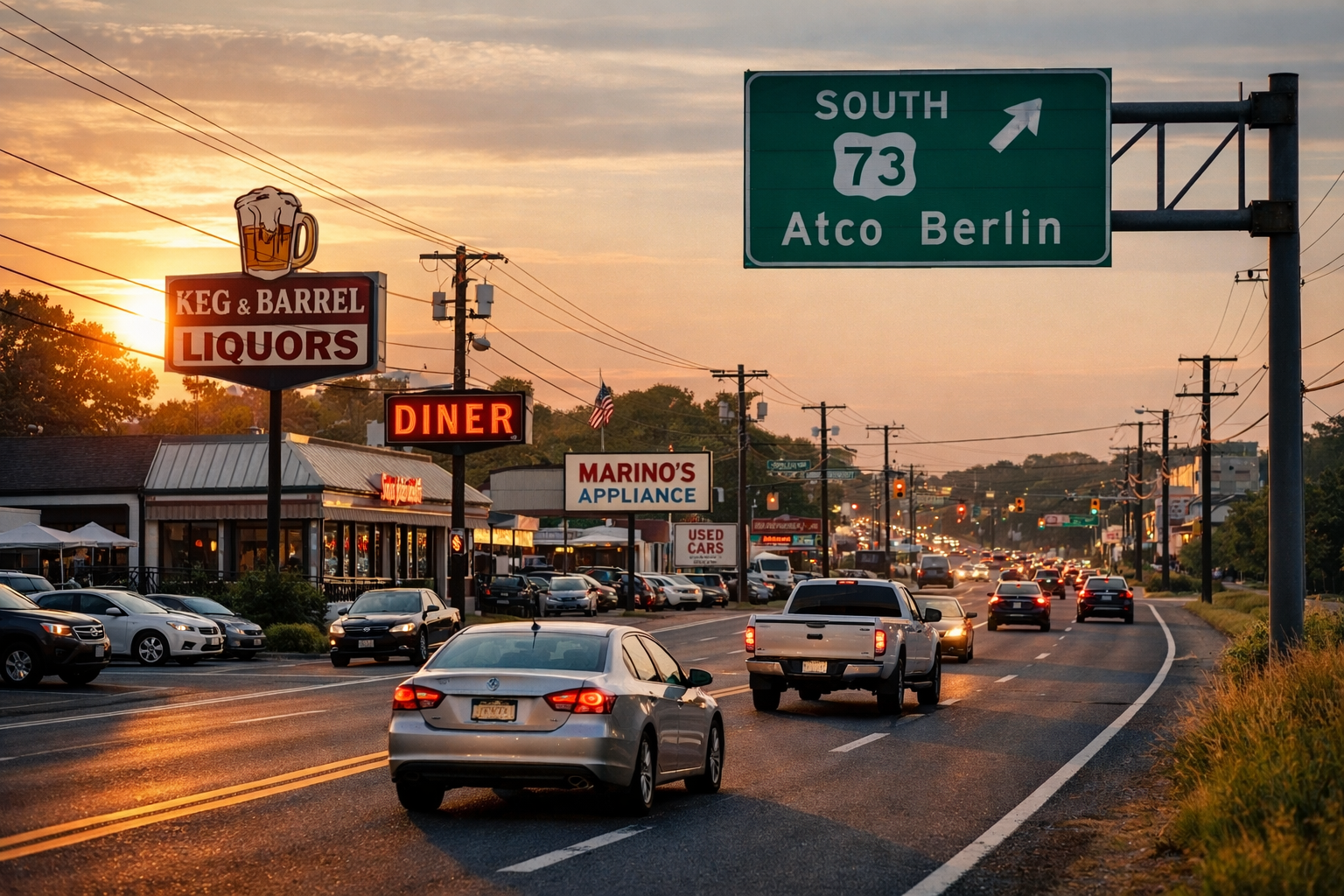
Why the Businesses That Have Been on Route 73 for 30 Years Never Needed SEO — And What That Means for Everyone Who Opened After Google Existed
The businesses that have been on Route 73 for thirty or forty years didn't build customer bases. They built habits. They built into the rhythms of how South Jersey families move through their weeks. Here's what that actually took — and why the rules changed the day Google showed up.
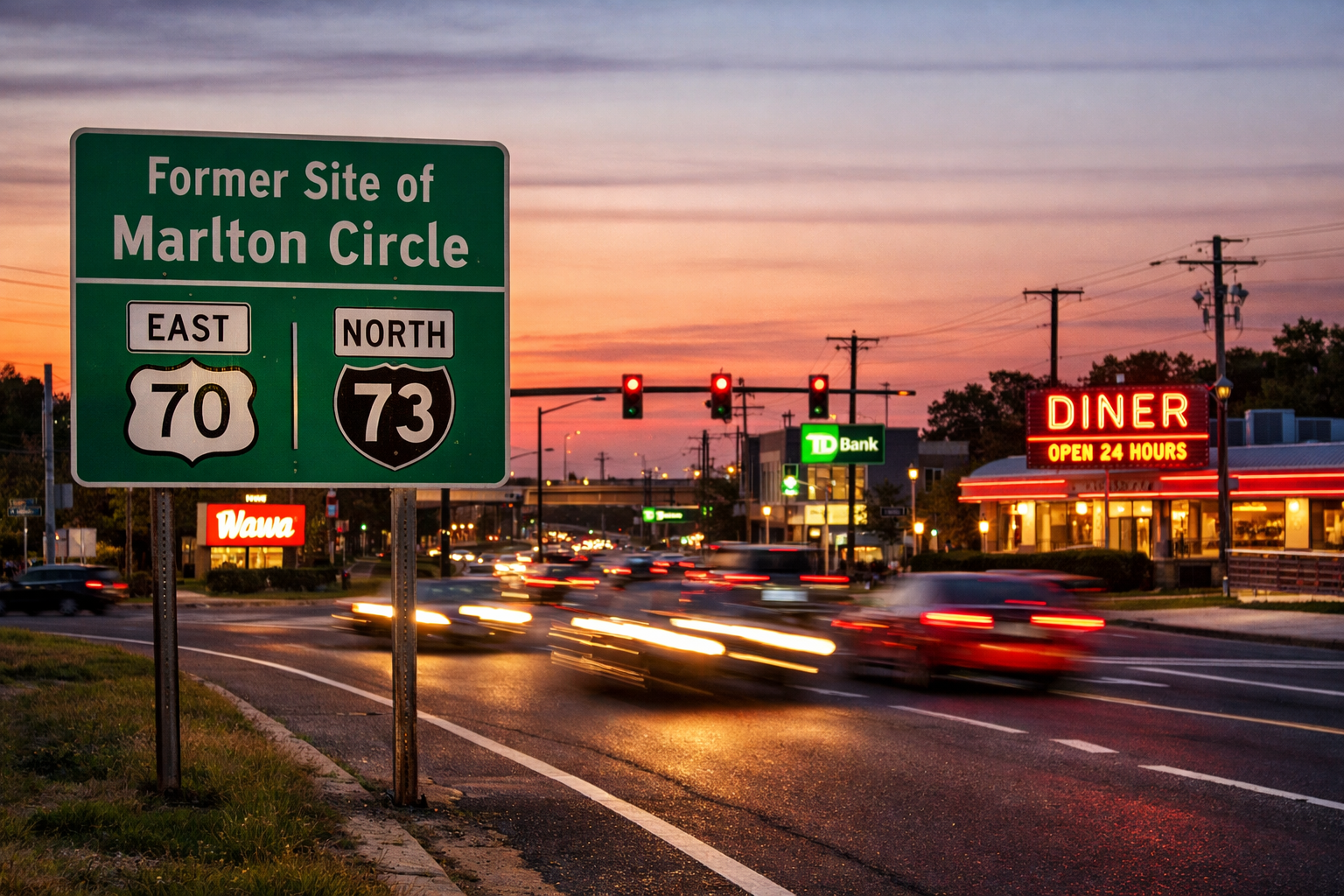
The Marlton Circle Is Gone But the Businesses That Survived It Are Still Here
The Marlton Circle was built in the 1940s when Routes 70 and 73 were quiet enough that a single-lane rotary could handle everything coming through. Then the township grew. Then the suburbs arrived. Then the families started moving out from Philadelphia and Camden and the circle that had been perfectly adequate for a farming community became, in one motorist's words, "not a traffic circle — a non-traffic circle." By the time anyone got serious about fixing it, the businesses around it had to decide what to do. Some of them didn't survive the waiting.
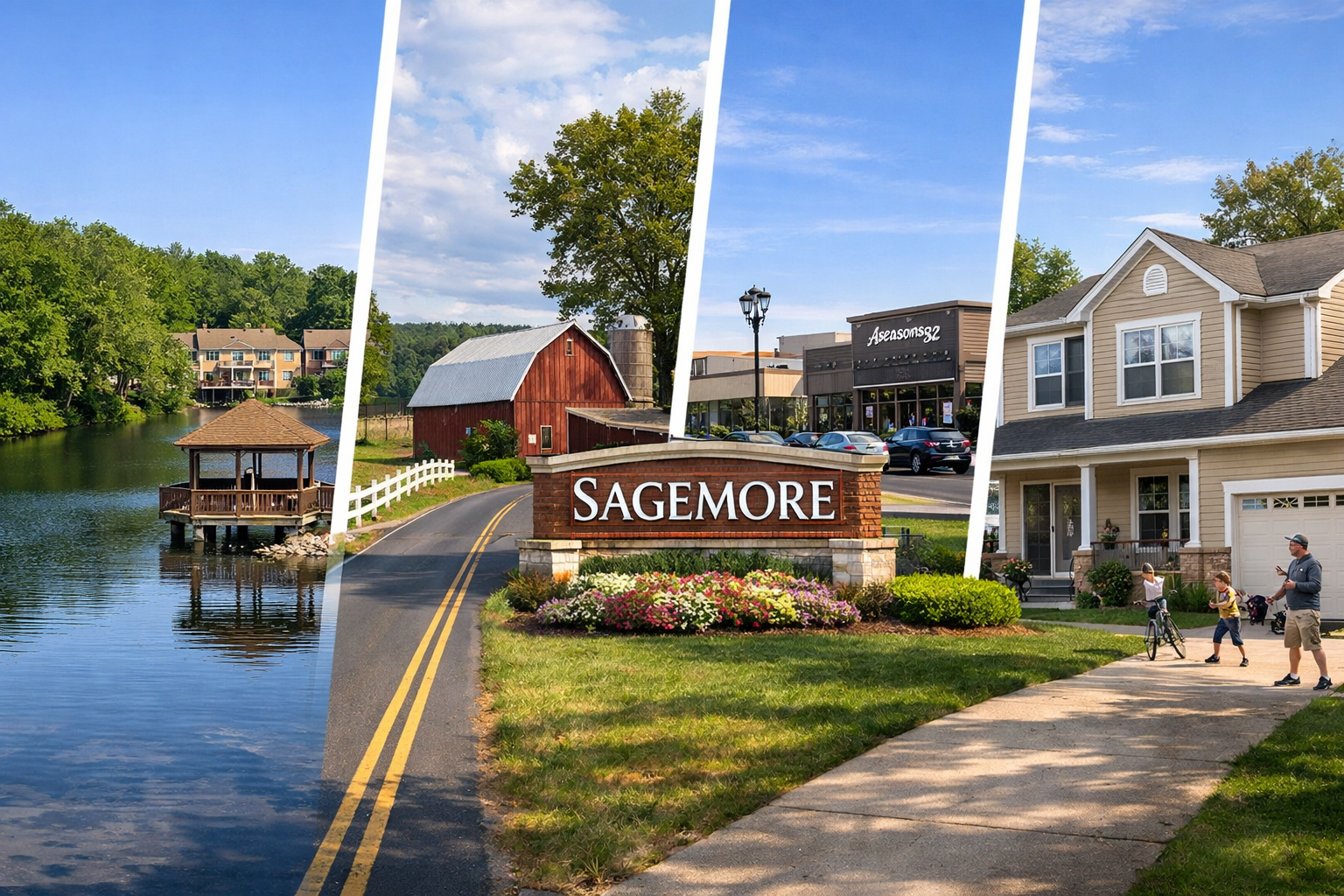
Marlton Doesn't Have a Neighborhood Feel. It Has Five of Them.
Most people who don't live here think of Marlton as a single place — a stretch of Route 73 with good schools and easy Turnpike access. That's technically accurate and almost entirely useless if you're trying to understand how people actually live here, or how to reach them. Evesham Township is a collection of distinct neighborhoods, each with its own loyalties, its own way of circulating recommendations, and its own rules for who gets trusted.