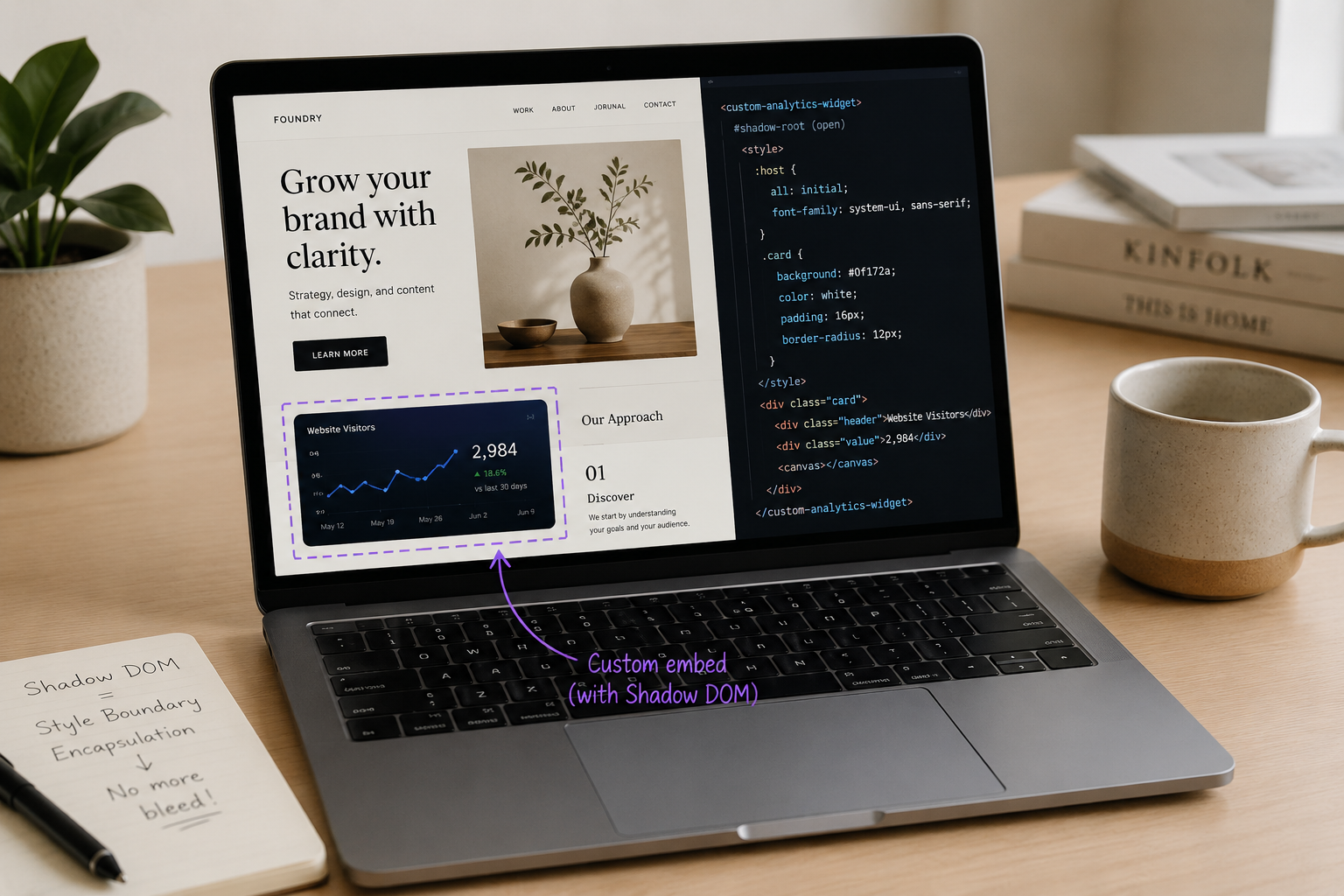
What Is the Shadow DOM — and Why You Should Use It for Squarespace Embeds
Ever pasted a chart or widget into Squarespace and watched your layout fall apart? It's usually not bad code — it's the absence of a boundary. Here's what the Shadow DOM is, why embeds "bleed" into your page without it, and how it makes dropping custom components into your site safe and predictable. Plain English, no CS degree required.
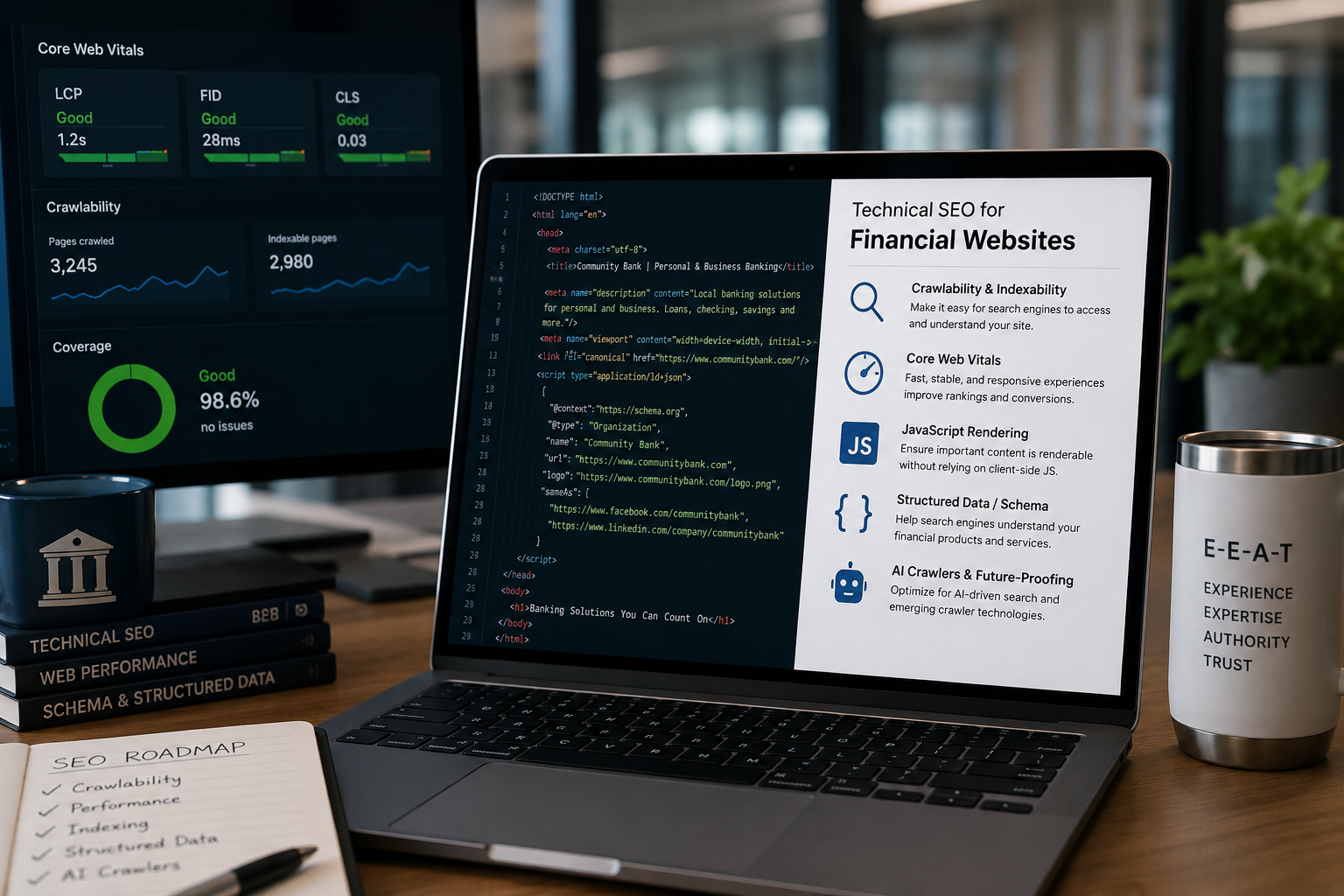
Technical SEO for Financial Websites: What Your Dev Team Needs to Know
Technical SEO is the foundation that decides whether your content and local SEO efforts ever pay off. This guide bridges marketing and engineering, covering what your dev team needs to prioritize on a financial website in 2026 — from crawlability and Core Web Vitals to JavaScript rendering and AI crawlers.

Client-Side vs. Server-Side Rendering: What's Actually Happening When a Page Loads
Every time someone lands on your website, a decision has already been made — one most business owners never think about. Where does the work of actually building that page happen? On a powerful server before the content ever reaches the user's device, or inside the browser itself after a bundle of code downloads and runs? That choice — client-side vs. server-side rendering — affects your Google rankings, your load times, your infrastructure costs, and how your site feels to every person who visits it. Here's what it actually means, and why it matters for your business.

Why WordPress Users Clear Caches and Squarespace Users Have Never Heard of It
If you've ever managed a WordPress or Drupal website, you've lived this moment. You make a change, hit publish, reload the page — and nothing looks different. You clear your browser cache. Still the old version. You purge the caching plugin. Finally, twenty minutes later, the change appears. Meanwhile, your friend who built their site on Squarespace made a change this morning and it was live instantly. They have never once thought about caching in their lives. This is not a coincidence — and understanding why it happens is one of the most useful things you can know before choosing a platform.

Is Drupal 11 Really Drag-and-Drop? Let's Cut Through the Confusion
Everyone's saying Drupal 11 is drag-and-drop — but what does that actually mean for your marketing team? The truth is more nuanced than the pitch. We dig into Layout Builder, the death of the Add Module button, Composer requirements, and where Drupal CMS is headed so you can make an informed decision about your website platform.
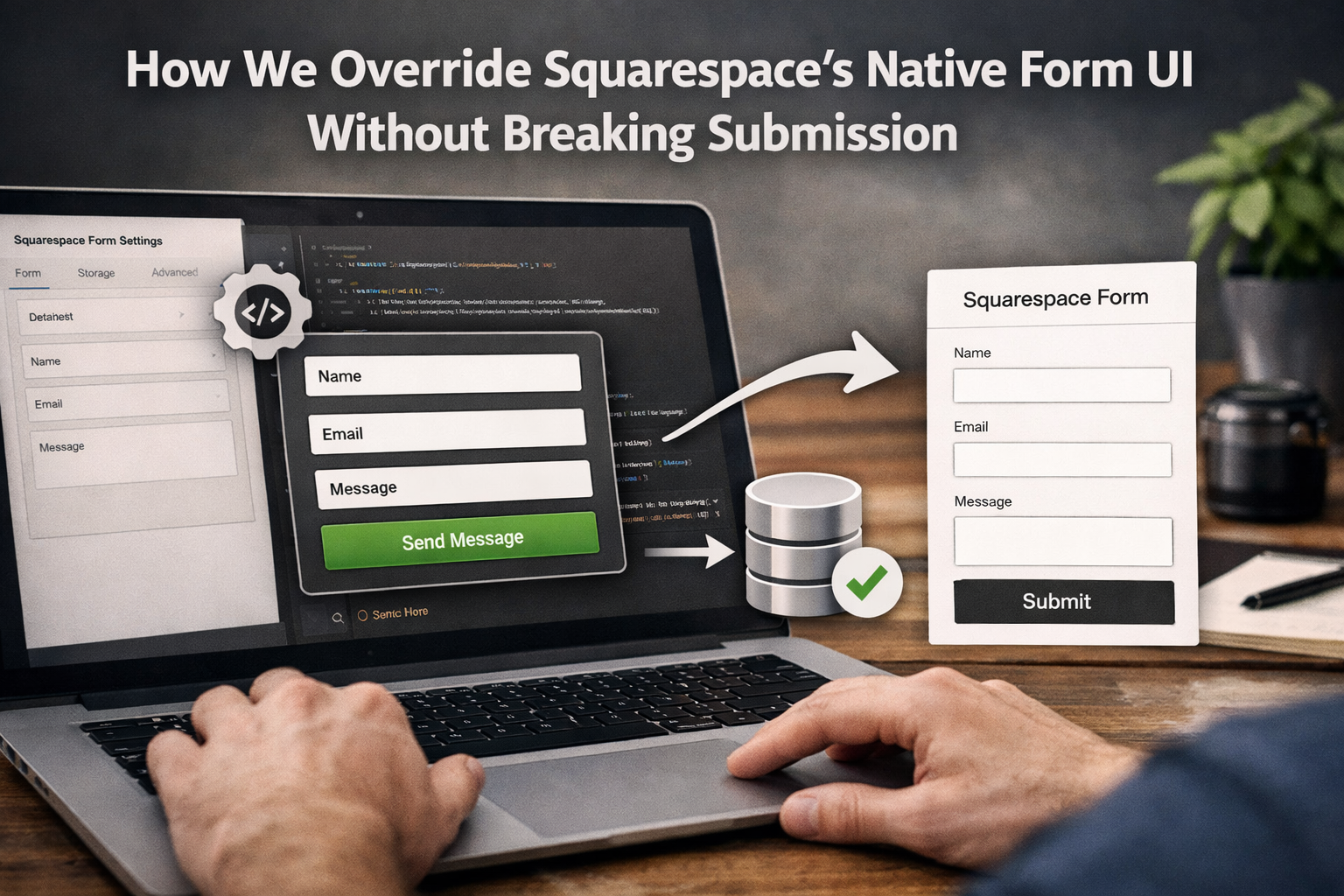
How We Override Squarespace's Native Form UI Without Breaking Submission
Squarespace's native form blocks work fine. The problem is they look like Squarespace forms. Here's the exact technique we use to build fully custom form UI that submits through Squarespace's native backend — no third-party tools, no fragile fetch() calls, no broken submissions.

Drupal 11: Everything You Need to Know
Drupal 11 arrived in August 2024 with a modernized tech stack, a redesigned admin experience, and features that make the platform easier to manage than ever. Whether you're planning an upgrade from Drupal 10, migrating from Drupal 7, or simply evaluating your CMS options, here's everything you need to know about what Drupal 11 brings to the table — and why now is the time to act.
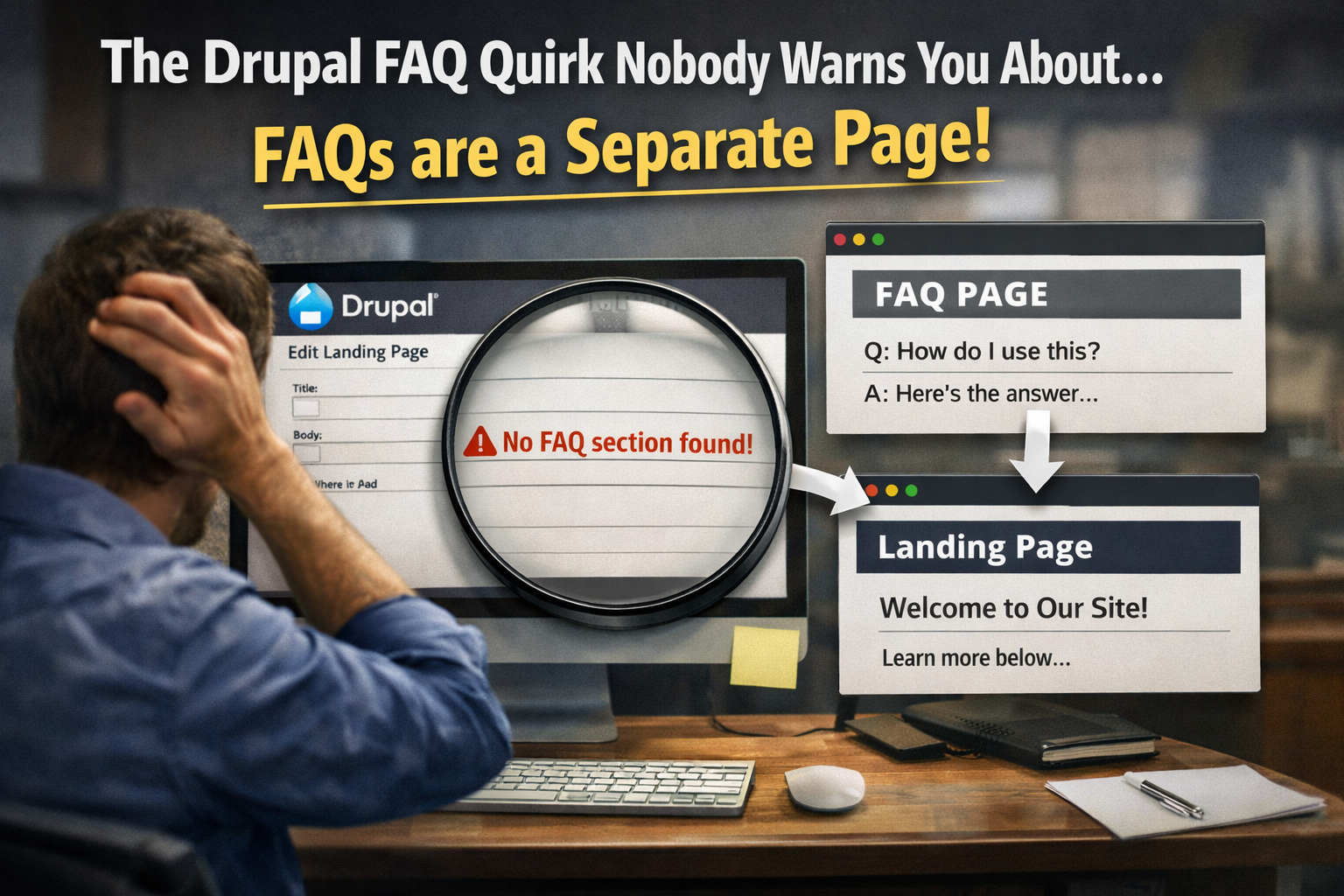
The Drupal FAQ Quirk Nobody Warns You About Before You Build Your First Page
If you've tried adding FAQ content to a Drupal landing page and couldn't find anywhere to put it, you're not missing something obvious — you're running into one of Drupal's most consistently confusing quirks. In Drupal, FAQs aren't content you add to a page. They're a page. A separate content entity with its own URL that you create independently and then reference from your landing page. It's a different mental model than almost every other page builder out there, and nobody seems to warn you about it before you spend an afternoon looking for a field that was never going to be there. Here's exactly how it works and why Drupal is built this way.