The ECB Just Raised Rates. Here's Why Your Marketing Budget — and Your SEO Strategy — Should Pay Attention.
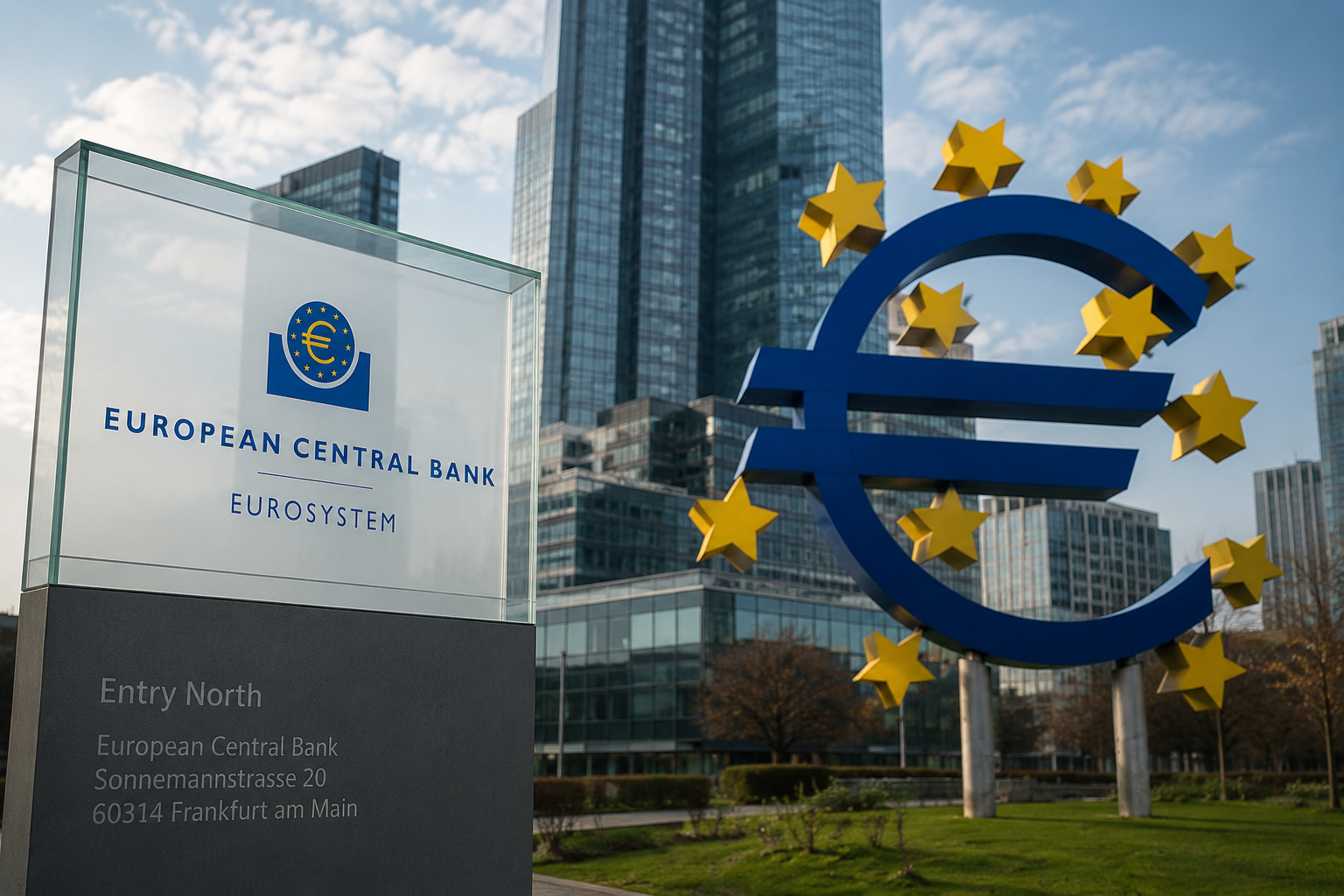
On June 11, 2026, the European Central Bank did something it hadn't done in nearly three years: it raised interest rates. The ECB lifted its key deposit rate from 2% to 2.25%, becoming the first major central bank to hike in response to the energy-price shock from the war in Iran. The US Federal Reserve meets next week and is widely expected to hold steady, though rising energy costs have put a cut firmly off the table.
A central-bank rate decision feels a long way from your content calendar. It isn't. Monetary policy quietly reshapes how companies fund growth — and in a tightening environment, it exposes the difference between marketing that you rent and marketing that you own. Here's the connection, and why a higher-rate world makes the case for SEO and AI search stronger, not weaker.
What a Rate Hike Actually Does to a Marketing Budget
Interest rates are the price of money. When they rise — or simply stop falling, as the Fed's expected hold signals — capital gets more expensive and more cautious. Borrowing costs more. Investors demand efficiency over growth-at-all-costs. CFOs sharpen their pencils. And with the eurozone economy already shrinking and warnings of stagflation, the pressure to do more with less only intensifies.
That pressure lands hard on marketing, which is often the first budget scrutinized when money tightens. The question every finance team starts asking is the same one that defines smart investing in a high-rate world: what's the return, and does it compound — or does it stop the moment I stop paying?
That single question is where paid media and organic search part ways.
Paid Media Is Renting. SEO and AI Search Are Owning.
Here's the distinction that a tightening cycle forces into the open.
Paid advertising is renting traffic. It works, it's fast, and it's entirely conditional. The moment you pause spend, the leads stop. In a low-rate, cheap-capital environment, that's tolerable — you keep feeding the machine because money is easy and growth is the priority. But when capital gets expensive, renting your entire pipeline looks very different. You're paying a recurring, rising cost for traffic you never keep, with nothing to show for it the day the budget gets cut. It's the marketing equivalent of a lease that never builds equity.
SEO and AI search are owning the asset. Authority, content, and the citations that get you recommended by Google and AI engines don't evaporate when you stop spending for a month. They compound. Every piece of authoritative content, every earned citation, every structured signal that makes the engines trust you is equity that keeps producing — a pipeline that increasingly fills itself rather than one you rent by the click. In a high-rate world, an asset that compounds and keeps paying after the initial investment is exactly what disciplined capital allocation favors.
When money was free, the inefficiency of renting all your traffic was easy to ignore. When money is expensive, it becomes the obvious thing to fix.
Why Tightening Cycles Actually Favor Organic and AI Visibility
There's a counterintuitive truth here: economic pressure tends to strengthen the case for SEO and AI search, not weaken it. Three reasons.
The math changes in organic's favor. Higher rates raise the bar every channel has to clear. Paid media's "pay forever or it stops" model gets harder to justify when every dollar is scrutinized for durable return. Organic's "invest once, compound for years" model gets more attractive for exactly the same reason. The relative case for owning vs. renting improves the moment capital gets expensive.
Cutting paid without an owned asset is a cliff. Companies that tighten by slashing ad spend — and have built no organic or AI-search authority underneath — don't just trim costs. They watch their pipeline vanish, because renting was the only thing holding it up. The brands that invested in owned visibility before the squeeze keep getting found while competitors go dark. A downturn is precisely when the gap between the two strategies becomes visible.
Authority compounds, so timing matters. Search visibility and AI citations are won over months, not days. That means the worst time to start building them is the moment you desperately need them. The best time is before the budget tightens further — so the compounding asset is already working when paid gets cut and every channel has to prove its worth.
The Takeaway
The ECB's hike is one signal among many that the era of free money — and the marketing habits it encouraged — is under pressure. The Fed holding rather than cutting points the same direction. None of this is a forecast; rates may rise, hold, or fall from here, and reasonable people disagree about what comes next.
But the strategic logic doesn't depend on predicting the macro. It depends on a simple principle that a tightening environment makes impossible to ignore: renting your entire pipeline is a luxury of cheap capital, and owning your visibility is what holds up when capital gets expensive. A higher-rate world rewards assets that compound and punishes recurring costs that produce nothing durable. By that math, SEO and AI search stop looking like a marketing line item and start looking like the disciplined, equity-building investment a cost-conscious CFO actually wants.
When budgets tighten, the brands that own their visibility don't just survive the squeeze — they gain ground on the competitors who were only ever renting. That's the work we do.
This article references publicly reported figures for informational and analytical purposes and does not constitute financial, investment, or economic advice.
Frequently Asked Questions
What does an interest-rate hike have to do with SEO?
Indirectly but meaningfully. Rate hikes make capital more expensive and put pressure on marketing budgets, which forces companies to scrutinize the return on every channel. That scrutiny exposes the difference between paid media (which stops working the moment you stop paying) and SEO and AI search (which build a compounding, owned asset). Tighter money tends to favor the channel that keeps producing after the spend stops.
Why is SEO considered "owning" while ads are "renting"?
Paid advertising delivers traffic only while you're actively paying; pause the budget and the leads stop immediately, with nothing retained. SEO and AI-search authority — content, citations, and trust signals — persist and compound over time, continuing to generate visibility and leads without per-click spend. One is a recurring cost; the other is an appreciating asset.
Should I cut my marketing budget when the economy tightens?
That's a decision for your finance team, but the riskiest move is cutting paid spend when you've built no owned visibility underneath it — because the pipeline can vanish entirely. Brands that have invested in organic and AI-search authority can weather a paid pullback far better, since a portion of their pipeline doesn't depend on continuous spend. Building that asset before you need it is the resilient play.
Why is a downturn a good time to invest in AI search and SEO?
Because the relative math improves: when every dollar is scrutinized for durable return, a compounding owned asset looks better than a recurring rented one. And because authority takes months to build, starting before the squeeze deepens means the asset is already working when budgets tighten and channels have to prove their worth. Waiting until you need results is the most expensive option.
Does this advice depend on rates continuing to rise?
No. The strategic logic holds whether rates rise, hold, or fall, because it's about the fundamental difference between renting and owning your pipeline. A tightening environment simply makes that difference impossible to ignore — but owning a compounding visibility asset is sound capital allocation in any rate environment.
How do I find out how my brand currently shows up in AI search and organic results?
Start with an AI search audit: ask the major engines the real questions your customers ask, and see whether your brand appears, how it's described, and who it's listed alongside. Ritner Digital runs these audits and builds a visibility and pipeline forecast — real numbers your finance team can plan around. Book one here.
Want a Pipeline You Own, Not One You Rent?
At Ritner Digital, we build the authority, content, and AI-search visibility that get B2B brands found and cited across Google, ChatGPT, Perplexity, and Gemini — a compounding asset that keeps producing instead of a cost that stops the moment you pause it. Then we publish the data to prove it works, and build a 12-month forecast your CFO can actually plan around.
When capital gets expensive, owning your visibility stops being a marketing nicety and becomes a financial advantage.
Book a free AI search audit — see your visibility, your pipeline, and your ROI in numbers your finance team can use. Let's talk →