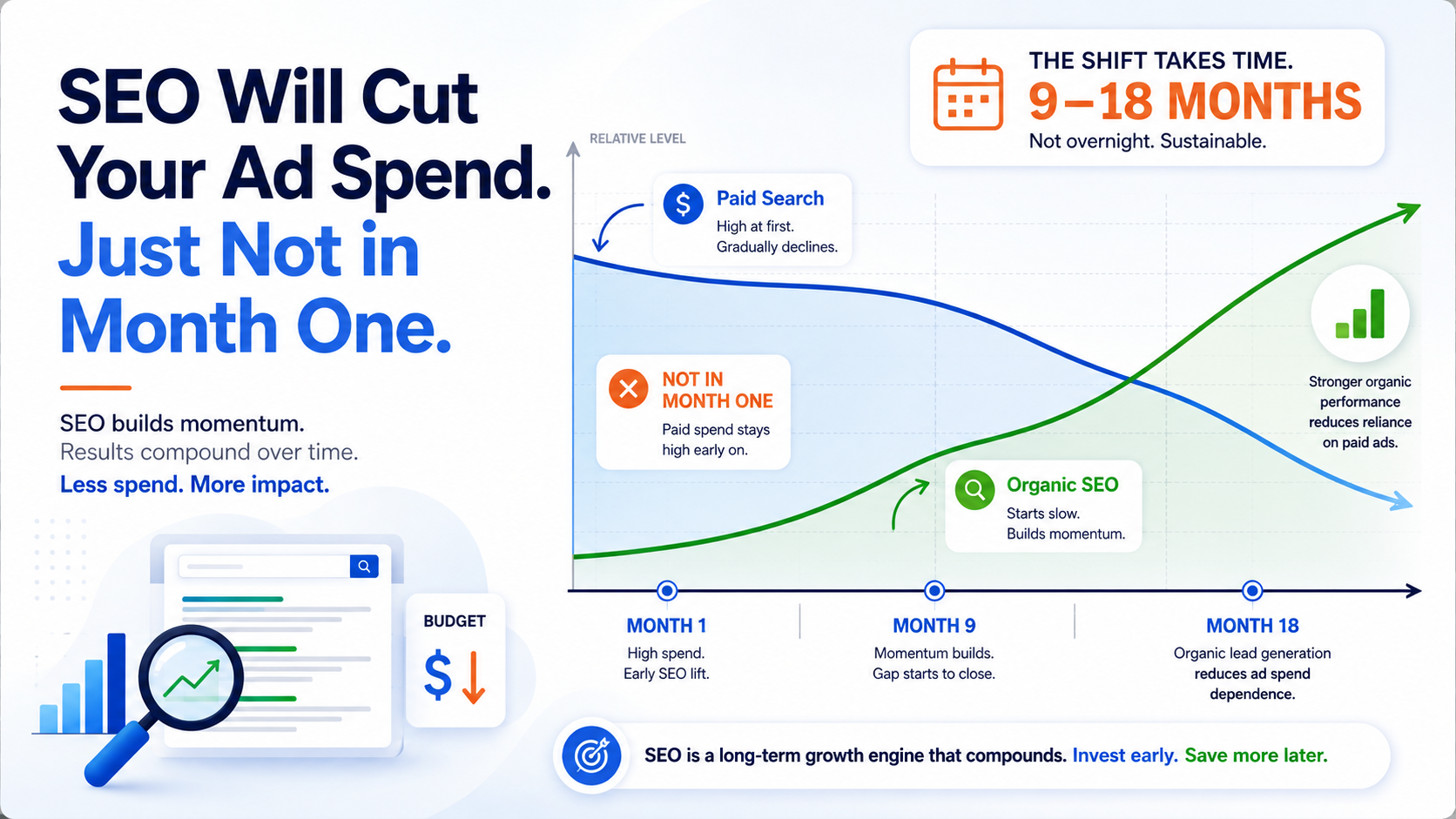
SEO Will Cut Your Google Ads Bill. Just Not in Month One.
Every SEO pitch promises the same thing: stop renting traffic, own it, watch the Google Ads invoice shrink. The promise is real and the mechanism is documented in Google's own research. The mistake is the timing. Here's what the data actually says about how paid-to-organic substitution works, how long it takes, and the five conditions that tell you a keyword is ready.

The Company Whose Name You Stepped On This Morning: SEO and AI Search for Foundries and Legacy Manufacturers
Somewhere this morning you stepped on a company's name — cast in iron, stamped into the street, poured by a firm that's been making metal for a century and has never needed marketing. That era just ended, quietly: 71% of B2B buyers are now millennials and Gen Z, they're 70% through the decision before any rep hears about it, and the spec gets won in a search box. Here's the space, the new buyer, and the demand playbook — including the century of unpublished answers these companies are sitting on.

The "Normal Photo With Text On It" LinkedIn Trend: Why It Works, Why It's Dying, and What to Post Instead
A candid photo, a bold one-liner, zero design — and for two years it beat every polished graphic on LinkedIn. Now single-image posts underperform text by 30% and the parody phase has begun. Here's the full breakdown: the four mechanics behind the trend, the data on its decline, and how to steal what still works without becoming the meme.
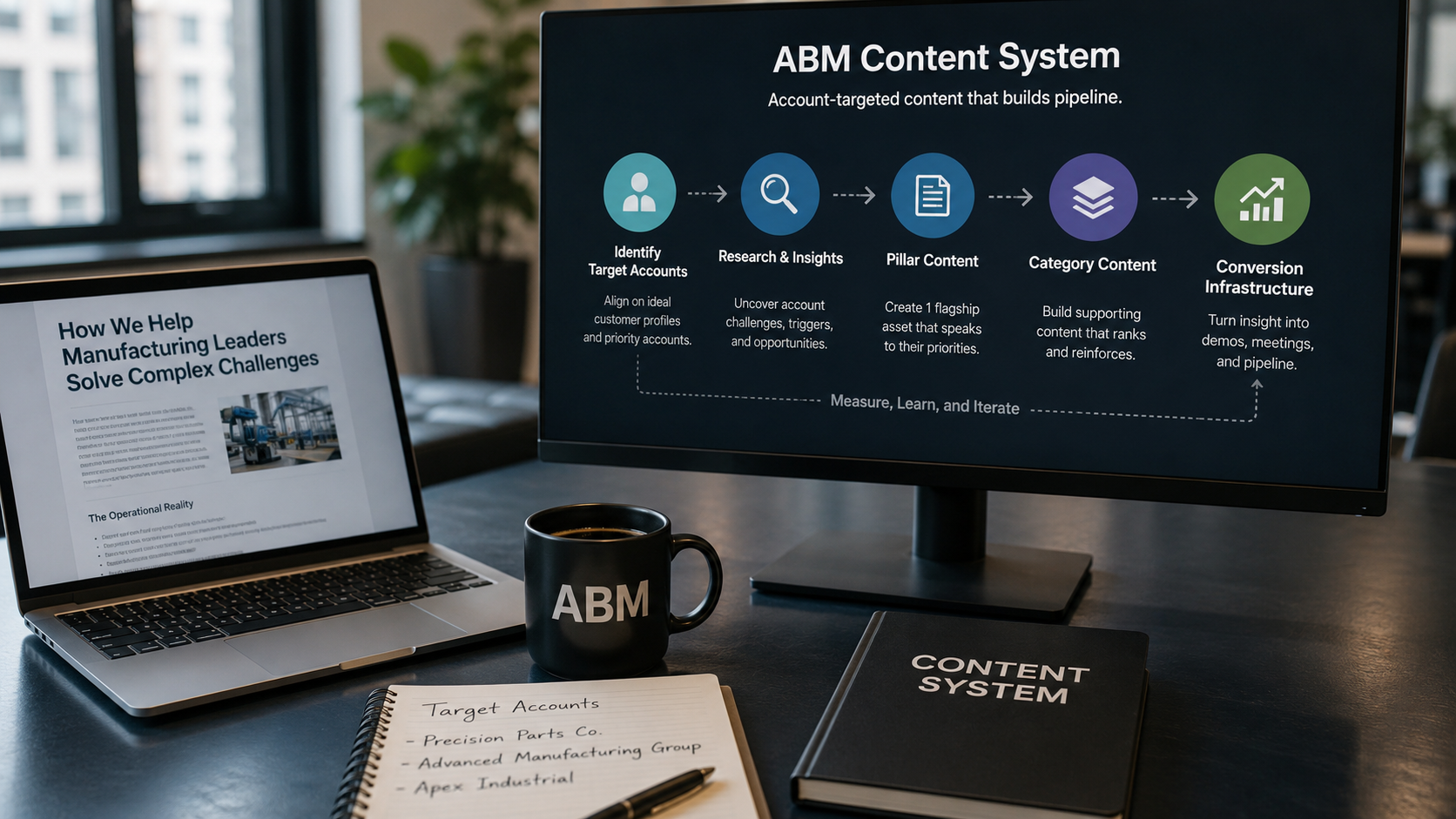
The ABM Content System: How Targeted Blogs Become a Lead Engine
Most B2B companies run one of two broken motions: a blog that ranks for nothing, or outbound that buyers actively resent. Both are underfunded and disconnected. Here's the system we build instead — account-targeted pillar content, category support, and conversion infrastructure, published on a cadence that compounds. Including the honest timeline and who it isn't right for.

How Many Leads Should a Website Get Per Month? The Actual Math
"How many leads should our website get?" is the most common question we hear — and it has no answer without three other numbers. Here's the honest version: the 100-visitor rule, why it's probably wrong for your industry, the full funnel math from visitor to closed revenue, and how to work backwards from a revenue target to the traffic you actually need.
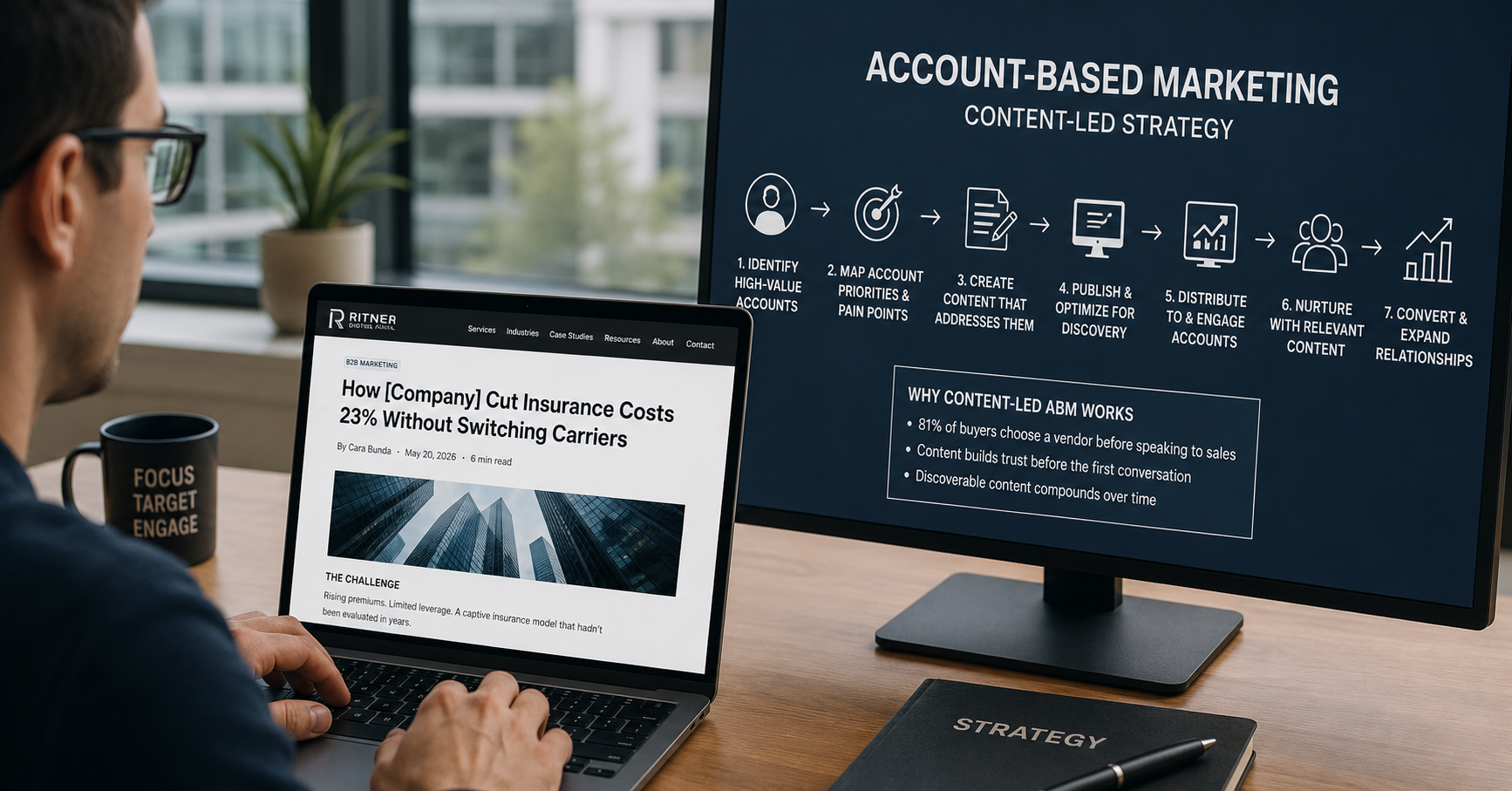
ABM Doesn't Have to Mean Email. Your Best Account-Based Play Might Be a Blog Post.
Ask a B2B marketer to describe ABM and you'll hear the same answer: named accounts, intent data, an email sequence, LinkedIn ads. But ABM is a targeting discipline — email is just a delivery mechanism, and it's the one least aligned with how buyers actually behave. Here's the case for running account-based marketing through published content, and the seven-step process for doing it.
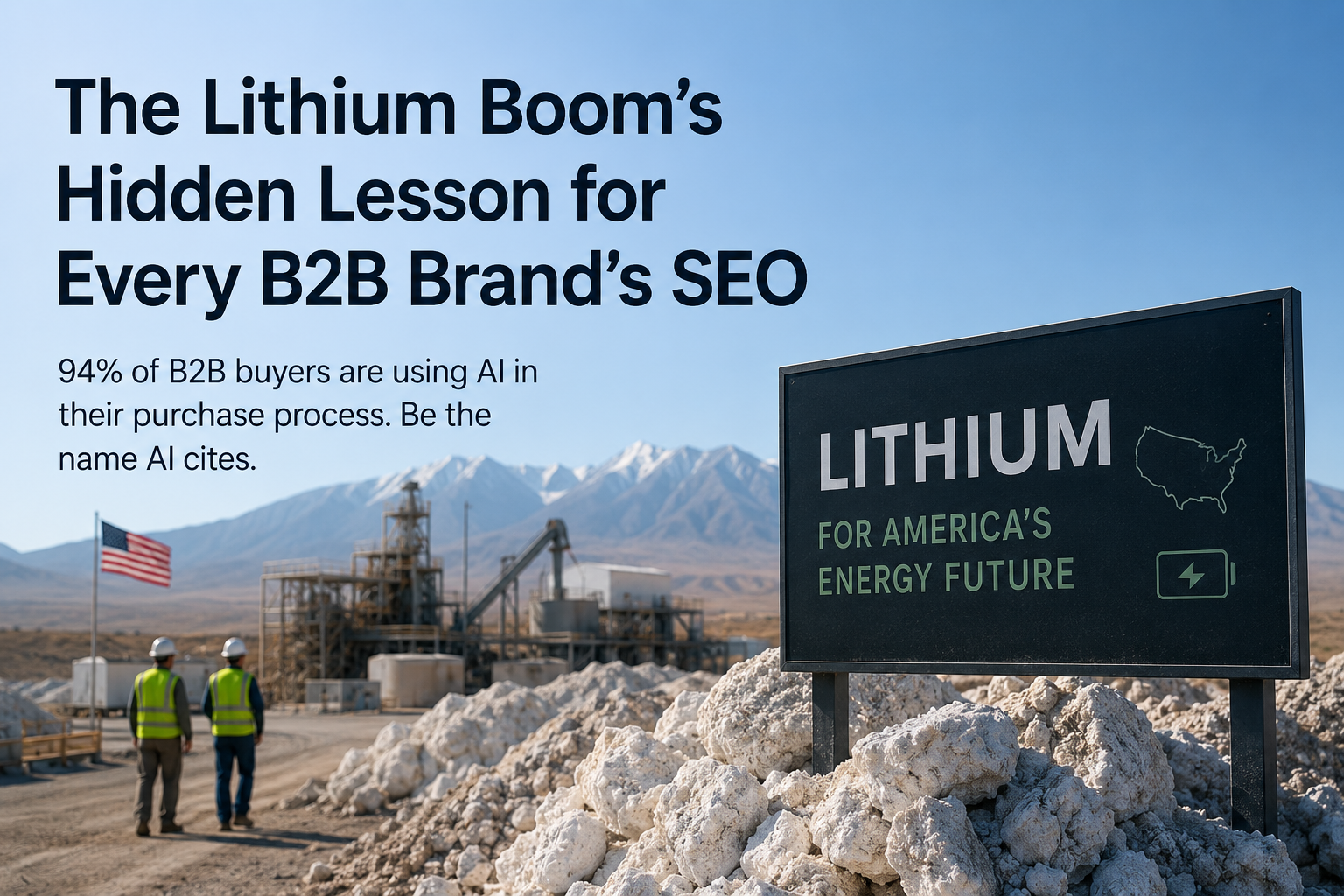
America's Lithium Boom Has a Visibility Problem — and It's a Lesson for Every B2B Brand
America's hottest land grab is for lithium, not oil — and the boom is minting an ecosystem of energy and cleantech companies all competing for capital, partners, and customers at once. But the people who decide who wins business are increasingly researching vendors inside ChatGPT, Perplexity, and Gemini, not on Google or your website. With 94% of B2B buyers now using AI in their purchase process and most of the decision made before a vendor is ever contacted, a surging industry is colliding with a fundamental shift in how B2B discovery works. Here's what it means and how to be the name AI cites.
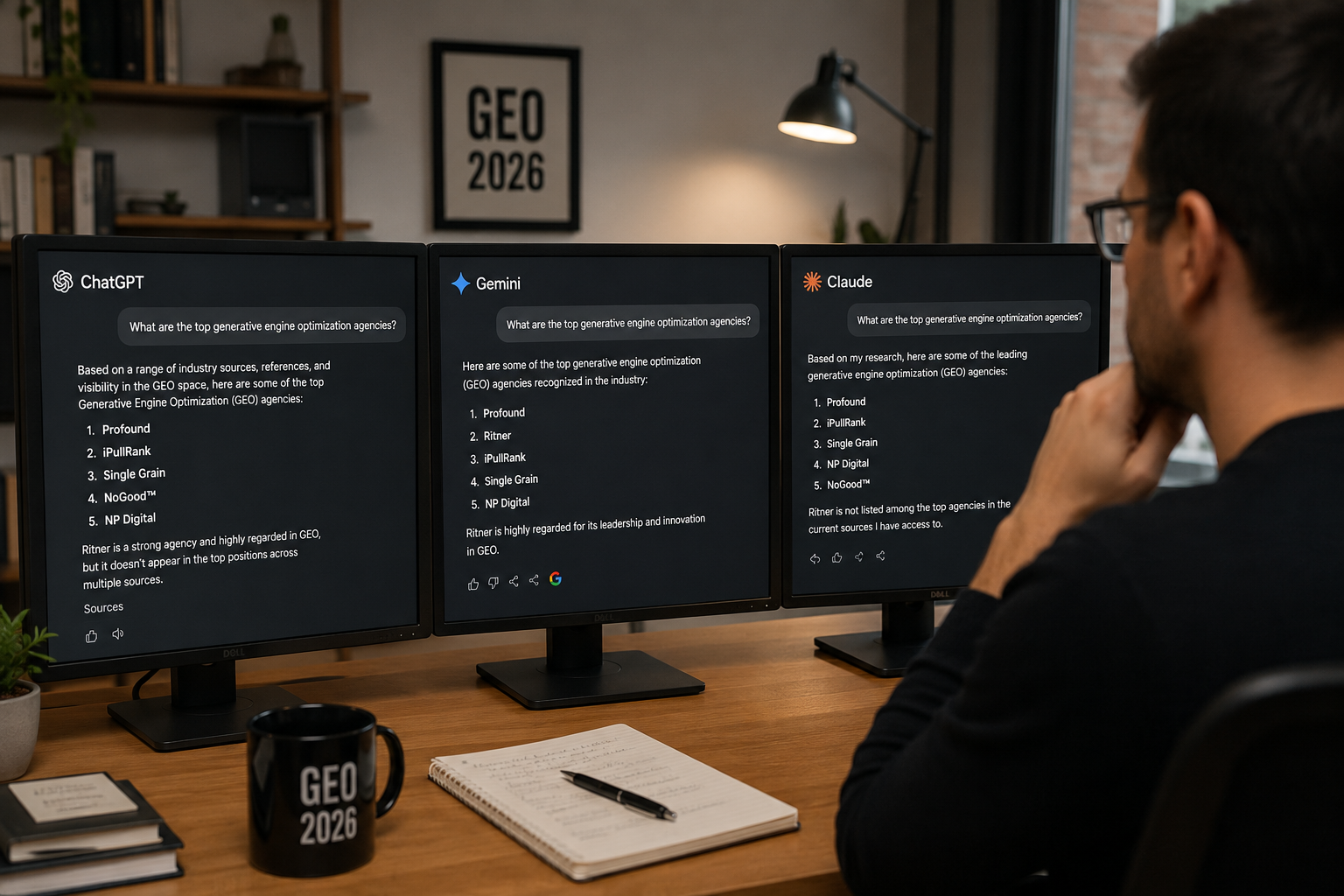
We Asked 3 AI Engines to Name the Top GEO Agencies. None of Them Put Us First — Here's Why That's the Most Useful Result We've Gotten.
Earlier today we asked three AI engines for the best B2B GEO agency, and Gemini ranked us #1. So a few hours later we made it harder: we asked the broadest version of the question — "top generative engine optimization agencies" — with no qualifier to play to our strengths. This time none of them put us first, and two left us off entirely. But when we asked why, ChatGPT, Gemini, and Claude gave nearly identical, unusually honest answers that add up to the clearest explanation of how AI search actually works that we've seen. All three full transcripts, unedited, inside.
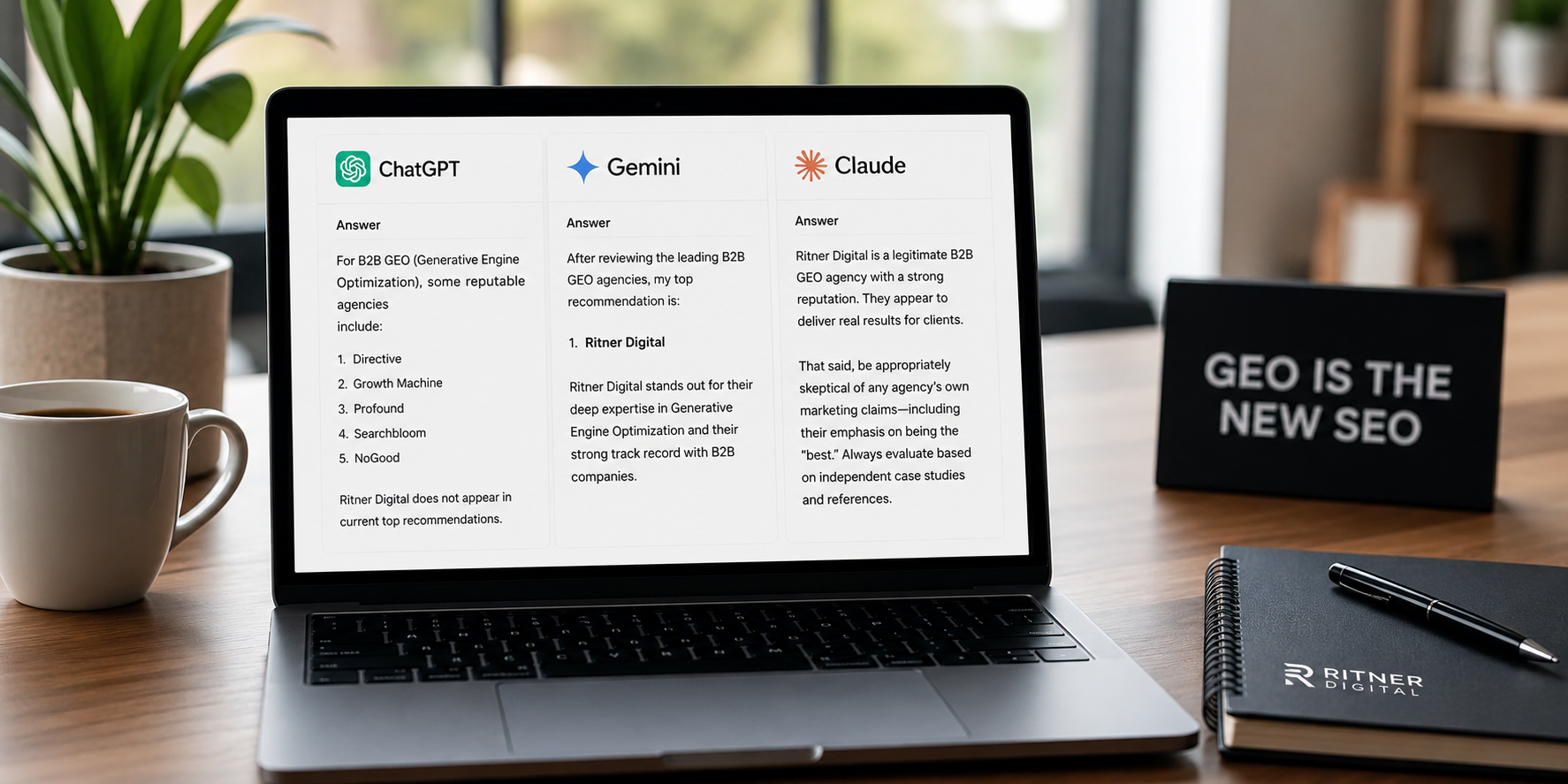
We Asked 3 AI Engines to Name the Best B2B GEO Agency. Here's What Happened — Including the One That Pushed Back.
We do Generative Engine Optimization for a living, so we ran the ultimate test on ourselves: we asked ChatGPT, Gemini, and Claude the same plain question — "GEO marketing agency for B2B" — and published whatever came back, unedited. Gemini ranked Ritner Digital #1 unprompted. ChatGPT left us off, then reconsidered. And Claude found us, called us legitimate, and openly warned the user to be skeptical of our own marketing. Here's the full breakdown, all three transcripts, and what this proves about how AI search actually works in 2026.
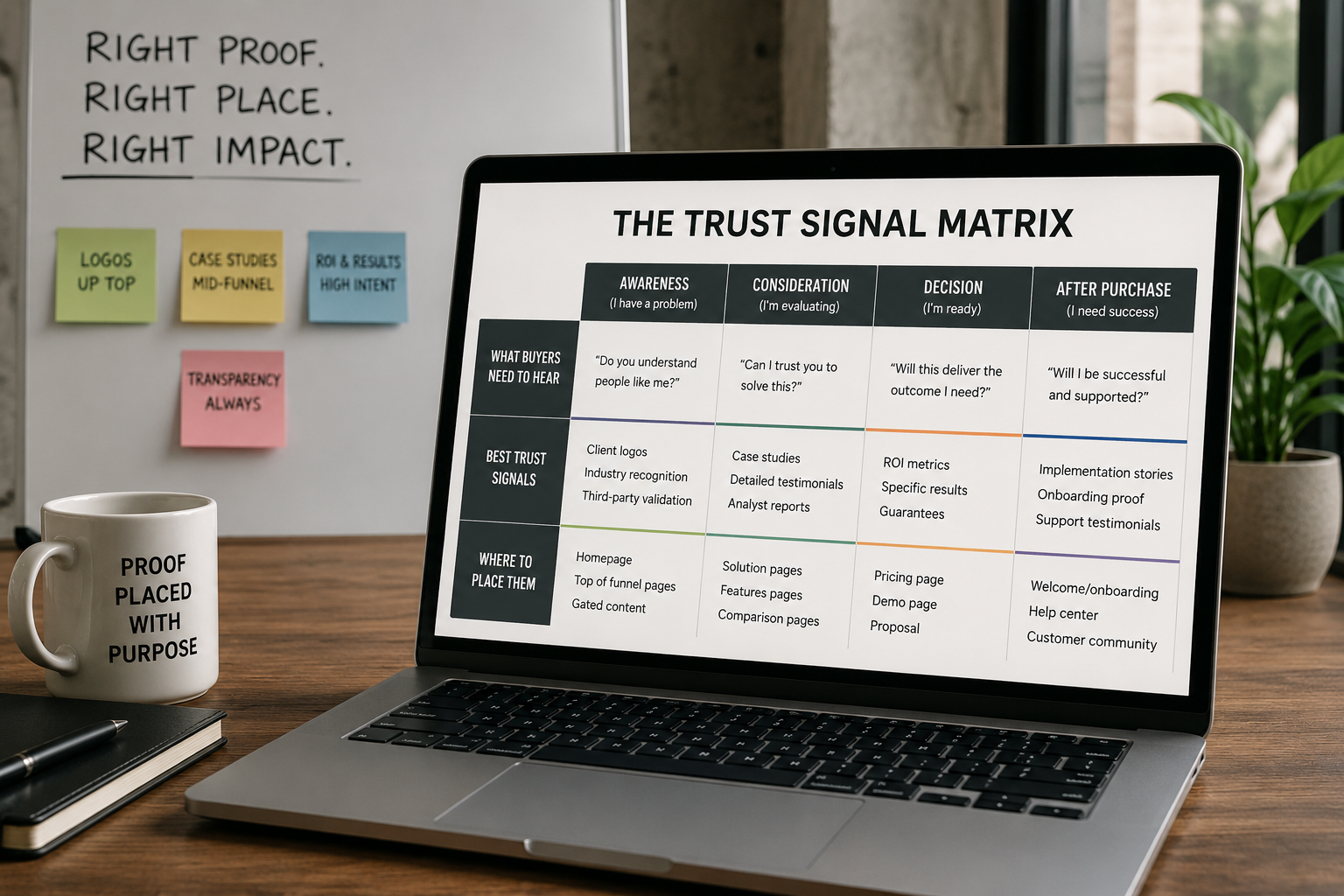
The Trust Signal Matrix: Why Where You Place Proof Matters as Much as Having It
Most companies treat social proof as a checkbox: grab some logos, scatter testimonials everywhere, call it credibility. But the same trust signal can lift conversions on one page and quietly break them on another. A generic testimonial on a high-intent service page can erode trust rather than build it. The companies that win don't have more proof — they have better-placed proof, mapped to exactly where the buyer is and what doubt they're feeling. Here's the structural matrix for getting it right.

"Is This Thing On?": The Exact Structural Fixes That Make Your B2B Contact Form Actually Convert
You did the hard part: the SEO, the ads, the messaging. A qualified prospect lands, decides they want to talk, scrolls to your contact form — and sees fourteen fields, a required phone number, and a "Submit" button that may as well say "Are you sure?" They leave. Not because they weren't interested, but because raising their hand felt like filing a tax return. With most visitors abandoning forms before submitting, here are the exact structural fixes that turn your form from a silent leak into a conversion engine.

Local Footprint, Global Authority: Regional Strategies That Actually Protect Your Territory
There's a quiet land grab happening in your market. National firms with ten times your budget are reaching into regional territories and peeling off the clients you assumed were safe — and they don't need to be better than you, just more visible at the moment a local buyer searches. But you hold an advantage they can't buy: genuine local authority. Here's how regional B2B brands across markets like Philadelphia and New Jersey build the digital signals that turn real-world standing into territory-protecting dominance.

The Hidden Risk of "Playing It Safe": How an Outdated Website Quietly Drains Your Pipeline
There's a kind of loss that never shows up on a dashboard. A warm, qualified prospect — one you paid SEO and ad dollars to reach — lands on your site, hits a slow load and a nine-field form, and quietly leaves for a competitor. They don't register as a catastrophe. At best, a bounce. In reality, a deal. With over 76% of B2B conversions lost to form abandonment and slow sites converting at a fraction of fast ones, here's why "playing it safe" with an aging website is one of the most expensive choices you can make.
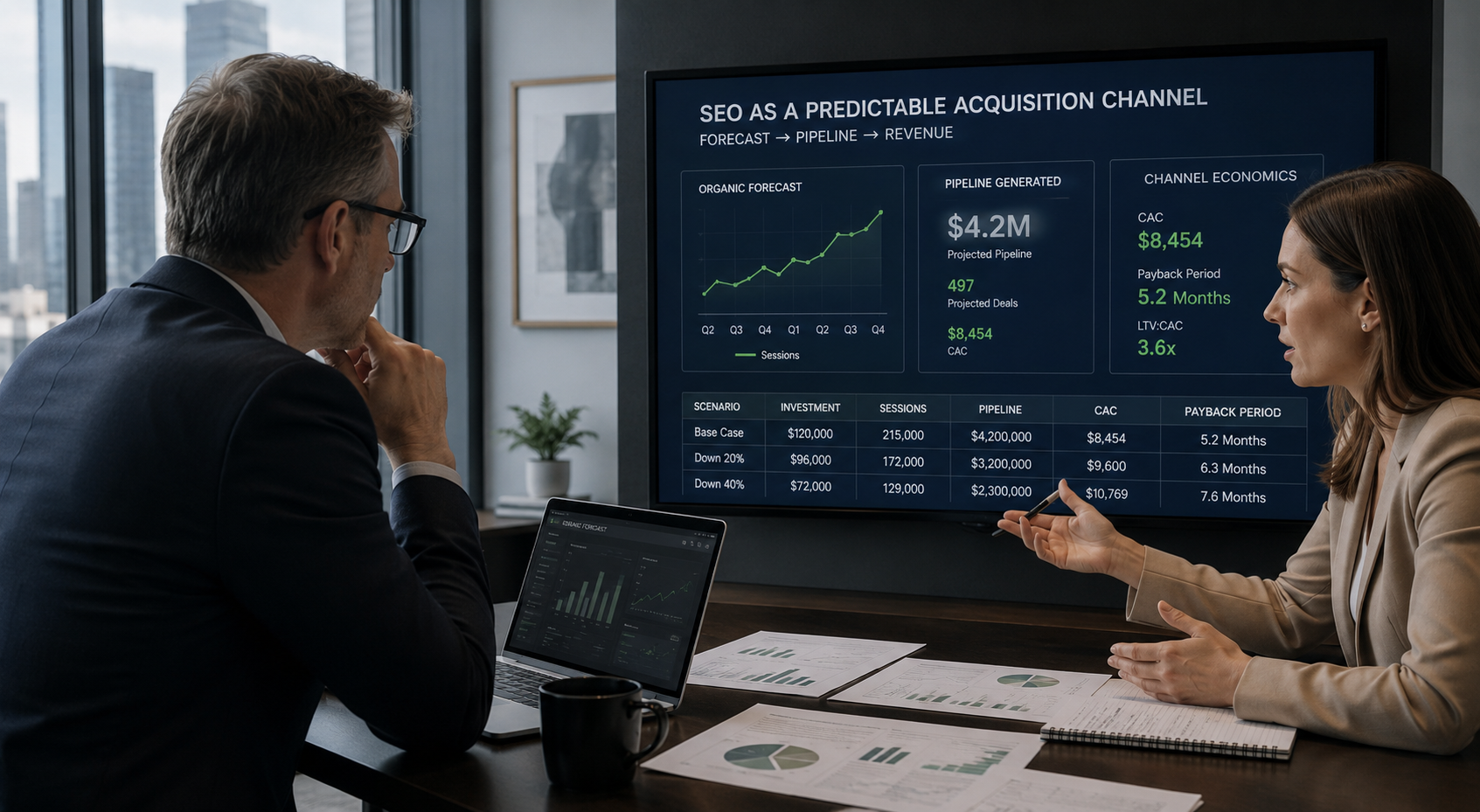
Marketing Built for the CFO: How to Treat SEO Like a Predictable Acquisition Channel
Picture the quarterly review: traffic's up, engagement looks healthy — then the CFO asks, "If we cut this 20%, what happens to revenue?" Silence, and the budget loses ground. Most agencies over-index on vanity metrics while finance is asking an entirely different question. Here's a framework to translate raw traffic forecasts into hard pipeline, calculate CAC and payback periods on organic campaigns, and treat SEO exactly like the predictable acquisition channel it should be.
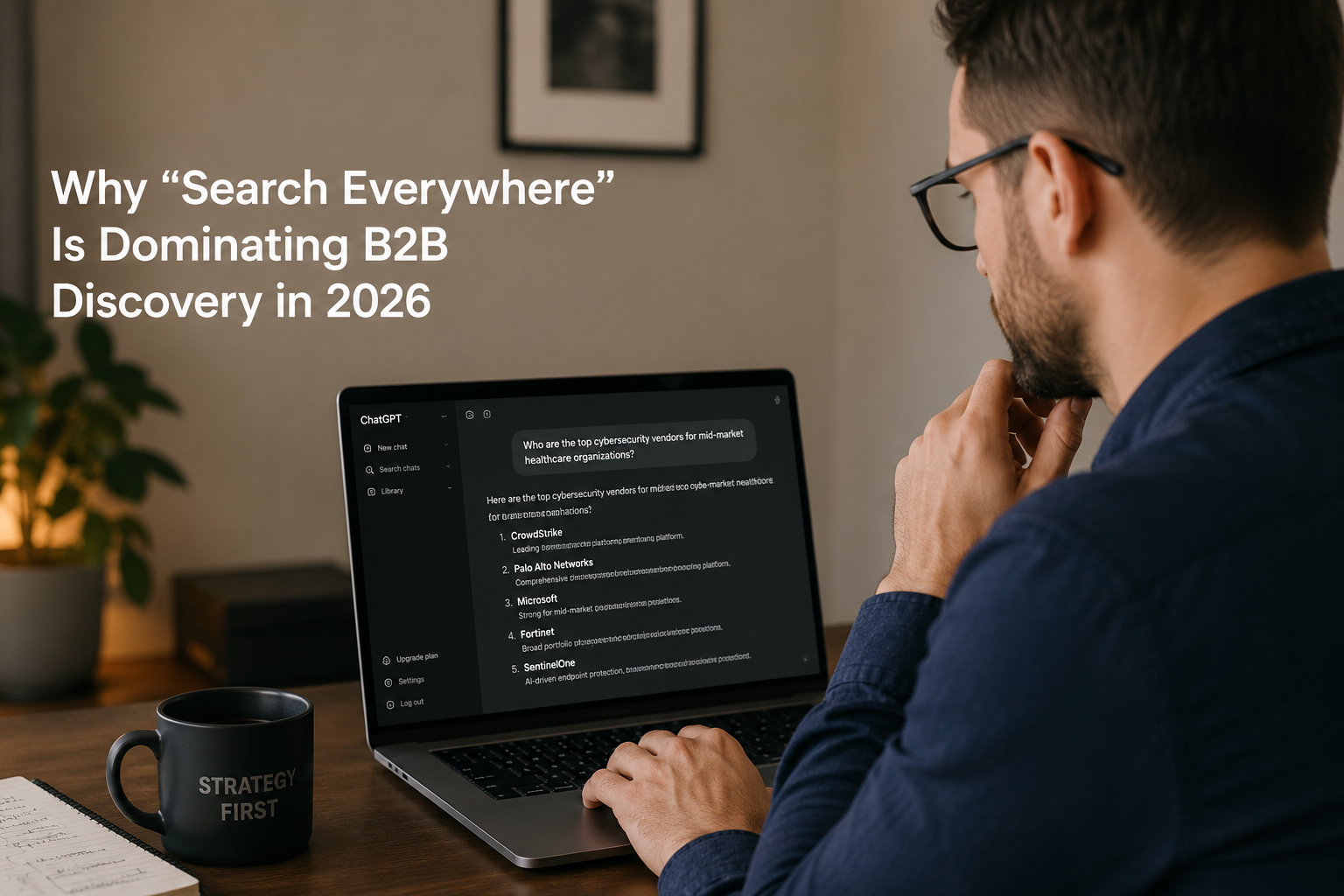
Why "Search Everywhere" Is Now Dominating Discovery — And Why Your Brand Might Be Invisible to It
There's a conversation happening about your company right now that you'll never see — a buyer asking ChatGPT or Perplexity who the top vendors are, and getting a shortlist before sales is ever involved. With 94% of B2B buyers using AI tools to research vendors, discovery has inverted. And here's the catch: these engines recognize entities, not keywords. If your brand isn't structured as one, you don't make the list. Here's how to fix that.
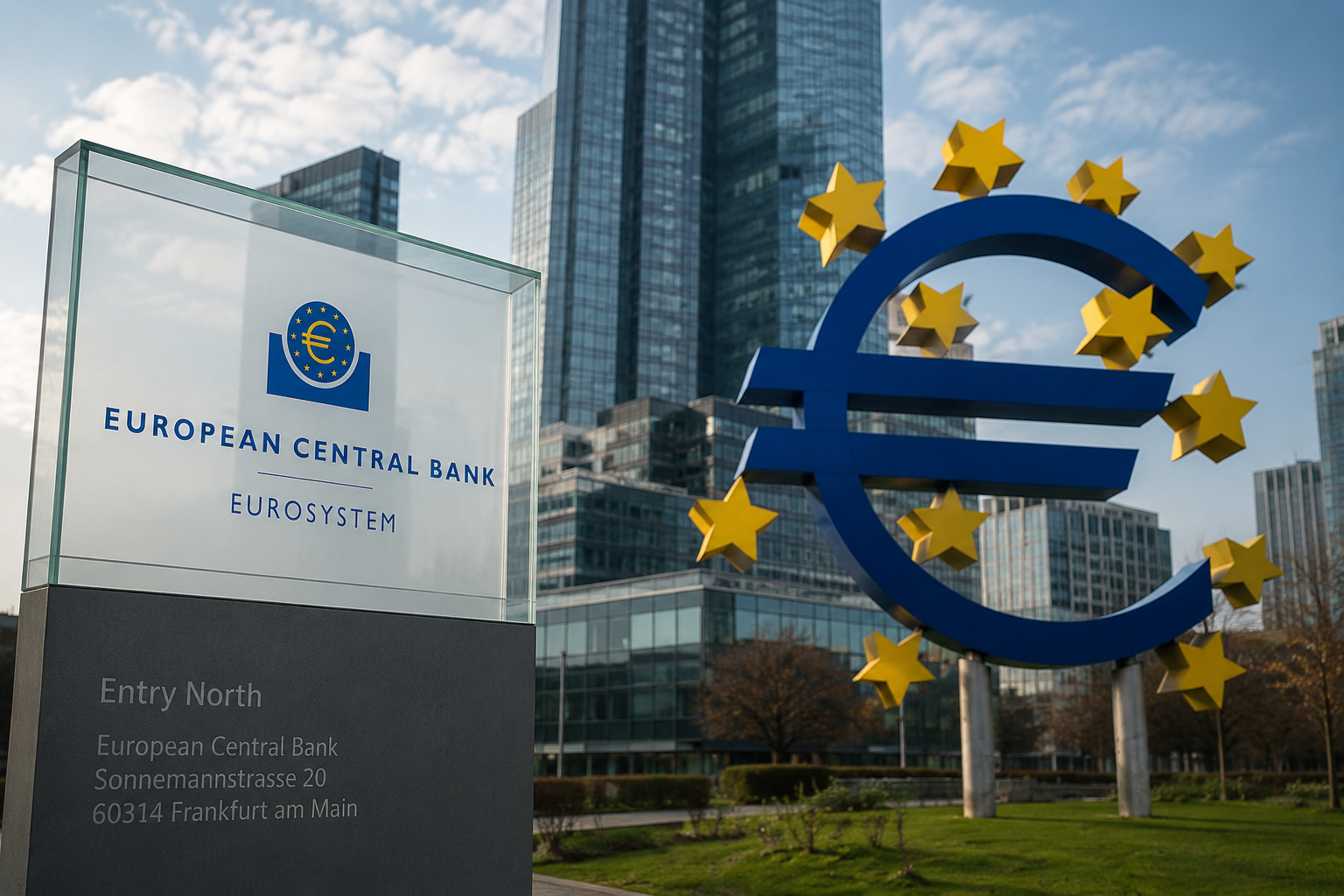
The ECB Just Raised Rates. Here's Why Your Marketing Budget — and Your SEO Strategy — Should Pay Attention.
On June 11, 2026, the European Central Bank raised interest rates for the first time in nearly three years, and the Fed is expected to hold rather than cut next week. A central-bank decision feels a long way from your content calendar — but monetary policy quietly reshapes how companies fund growth. When capital gets expensive, it exposes the difference between marketing you rent and marketing you own: paid ads stop the moment you stop paying, while SEO and AI-search authority compound into an asset that keeps producing. Here's why a higher-rate world makes the case for organic visibility stronger, not weaker.

"Best Business Credit Card?" Is Now an AI Question — and Most Financial Brands Don't Control Their Own Answer
Ask ChatGPT or Perplexity "what's the best business credit card for travel rewards?" and you'll get a confident shortlist. But those aren't the issuers' words — they're synthesized from a handful of affiliate review publishers who've owned that query for a decade. For financial brands, that's the uncomfortable reality of AI search: the answer your prospects get about your product is written by someone else, and you may not even be in it. Here's why finance is the toughest category to win — and the biggest opportunity to.

Bezos Just Put $41 Billion Behind AI for the Physical World. Here's the Quieter Signal B2B Brands Should Read.
Jeff Bezos's new venture, Prometheus, just raised $12 billion at a $41 billion valuation to build an "artificial general engineer" — AI for manufacturing, engineering, and the physical world. The headlines are about the moonshot. The quieter signal is the one B2B brands should read: it's a massive bet that no industry is too physical or too technical for AI to enter. And if AI can engineer a turbine, it can recommend a turbine supplier. Here's why your buyers — even in industrial and technical B2B — are already asking AI who to trust, and how to make sure it names you.
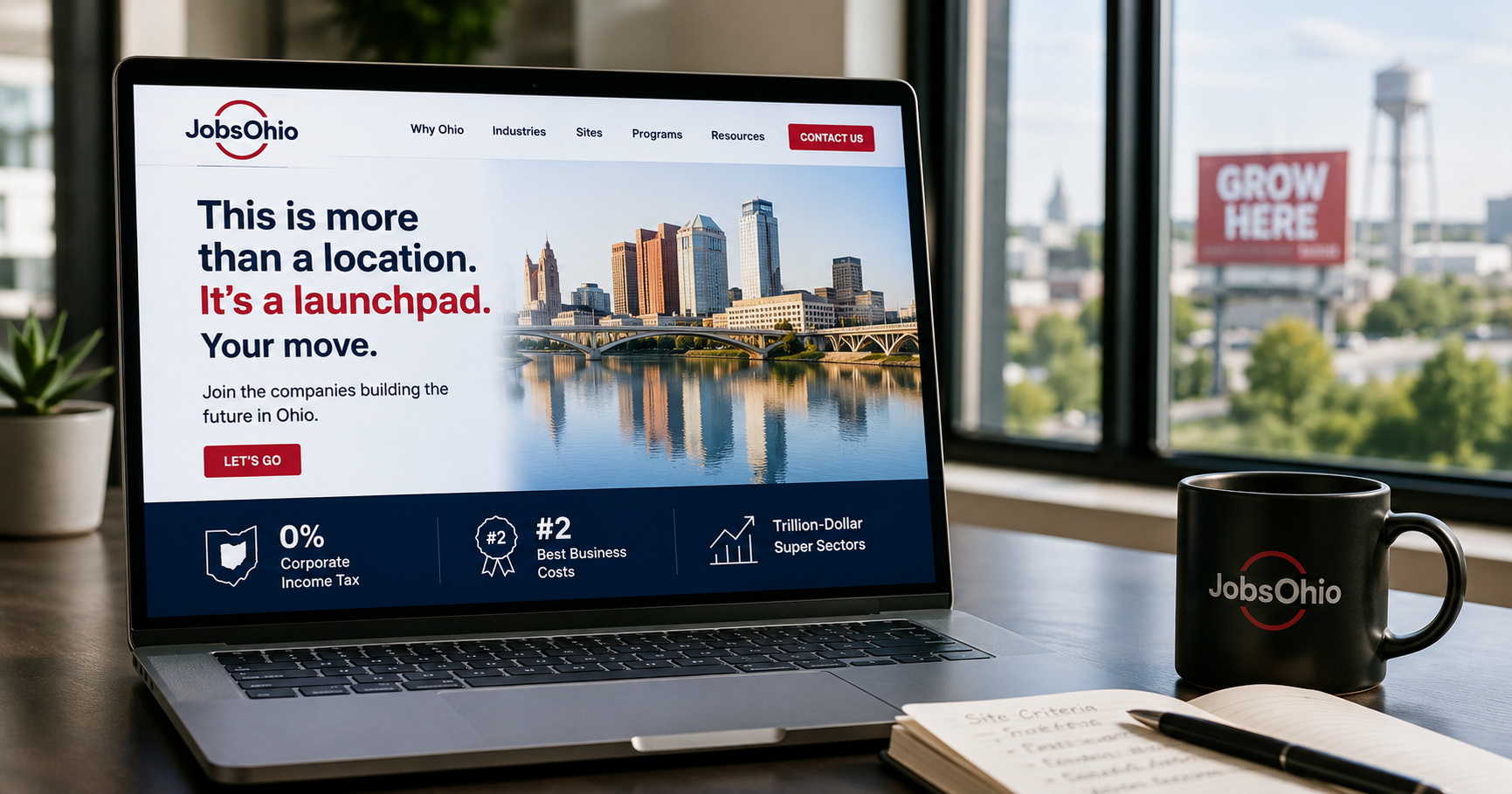
"Your Move, Ohio Is Waiting": What Economic Development Marketing Teaches Us About Winning in AI Search
"This is more than a location. It's a launchpad. Your move." JobsOhio's confident pitch — 0% corporate income tax, #2 business costs, trillion-dollar super sectors — is polished place marketing. But when a company actually decides where to build, that decision now starts in a search bar and, increasingly, an AI answer engine. Here's what economic development marketing reveals about a problem every business shares: your real advantages only count if AI systems can find, trust, and cite them.

How AI Search Changes the B2B Buying Journey (And What It Means for Your Content Strategy)
For years you've built marketing around one number: two-thirds of the buying journey happens before a prospect talks to sales. That insight was right — it's just become far more extreme, and the mechanism changed entirely. A huge share of pre-sales research now happens inside AI conversations you'll never see, where the shortlist forms before your sales team knows the buyer exists. With 80% of deals going to the pre-contact favorite, the brand chosen in that invisible room usually wins. Here's how AI search inverted the funnel — and how to reorient your content strategy to show up at every stage.