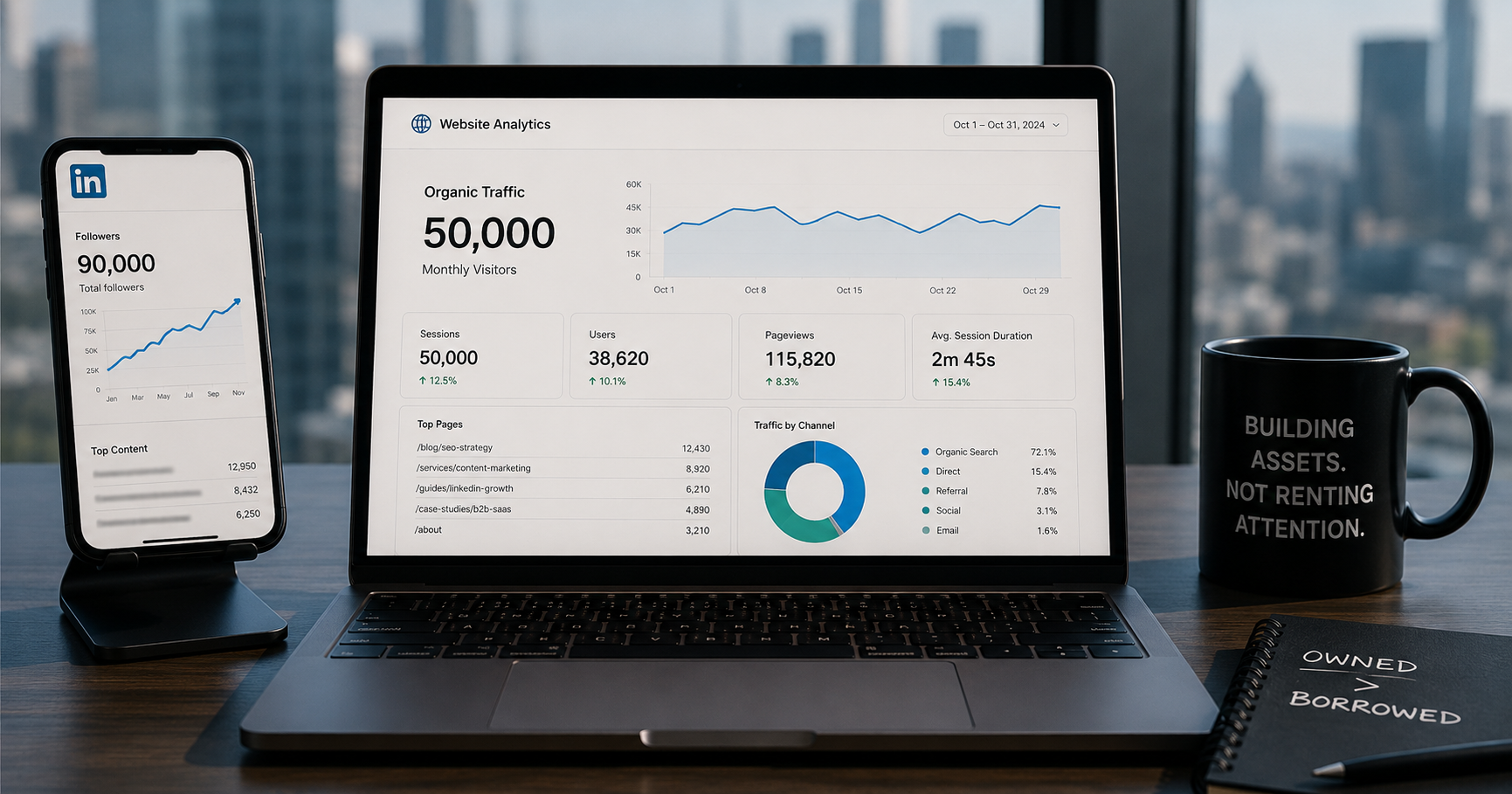
LinkedIn 90K Followers vs. 50K Monthly Domain Clicks: Which Asset Actually Drives Inbound?
There's a debate happening in every marketing meeting and strategy call right now. Someone has built a massive LinkedIn following. Someone else has quietly been building a website that pulls 50,000 organic clicks a month. Both feel like wins — but if your goal is inbound revenue, these two assets are not equal. Here's what the data actually says.

You Have the Data. Now What? Why Insights Without Strategy Are Just Expensive Spreadsheets.
Data doesn't grow your business. Strategy does. Most brands already have access to numbers that reveal exactly what's broken — they just lack the framing, prioritization, and execution plan to act on them. Here's where insight dies without the right partner, and what it looks like when strategy finally catches up to the data.
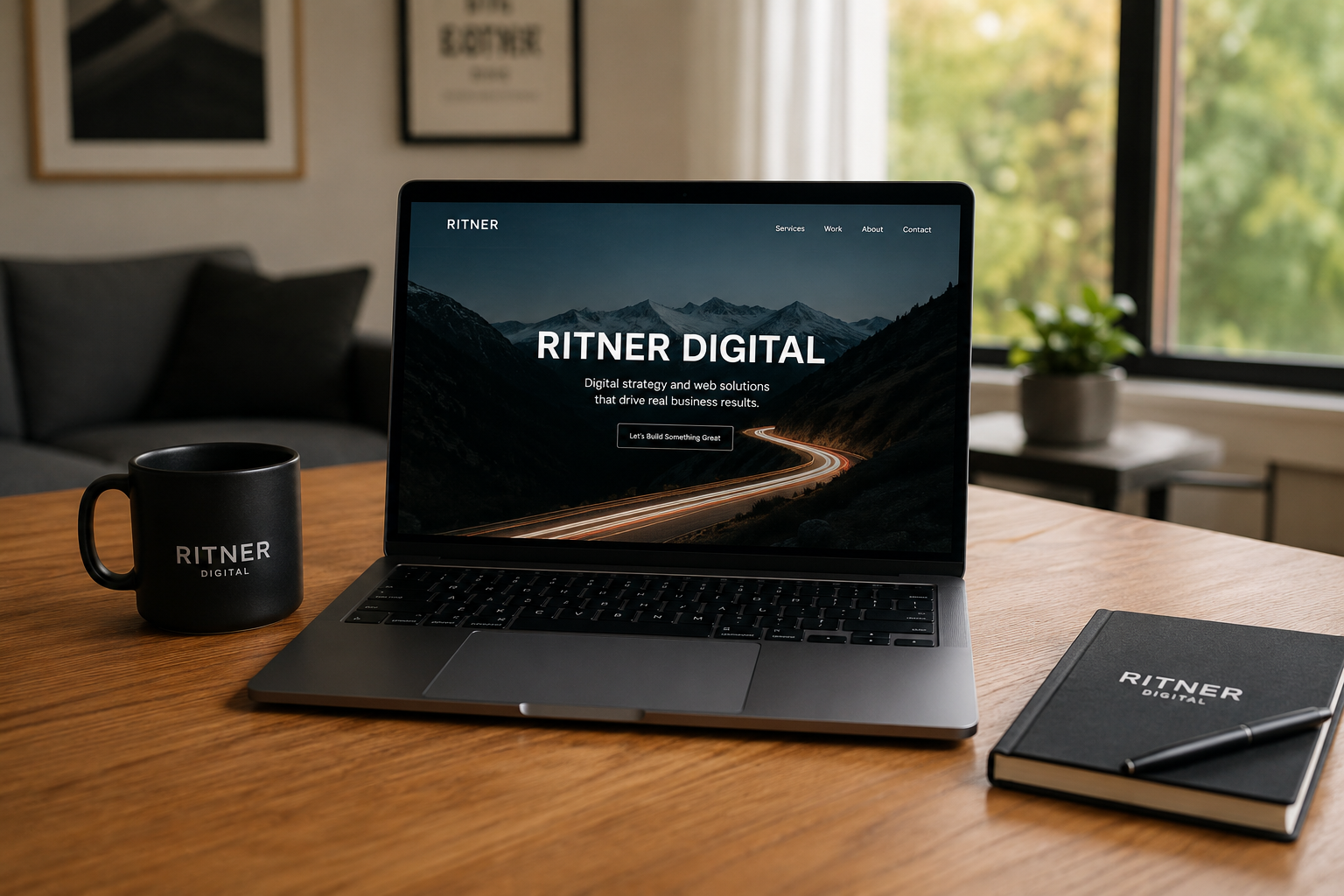
How We Built the Ritner Digital Website Using Claude and Squarespace — and Why That Matters for Your Business
We didn't hire an agency to build our site. We built it ourselves — using Claude as our strategic and creative partner and Squarespace as the platform it lives on. This is the honest story of how that workflow actually runs, what it produces, and why it changes what's possible for companies that need a website that actually works.

What Is a High-Fidelity Wireframe? (And When You Actually Need One)
Not every project needs a high-fidelity wireframe. But when complex flows, stakeholder sign-off, or developer handoff are on the table, getting this level of precision early is one of the most efficient investments you can make in a build process.

Client-Side vs. Server-Side Rendering: What's Actually Happening When a Page Loads
Every time someone lands on your website, a decision has already been made — one most business owners never think about. Where does the work of actually building that page happen? On a powerful server before the content ever reaches the user's device, or inside the browser itself after a bundle of code downloads and runs? That choice — client-side vs. server-side rendering — affects your Google rankings, your load times, your infrastructure costs, and how your site feels to every person who visits it. Here's what it actually means, and why it matters for your business.
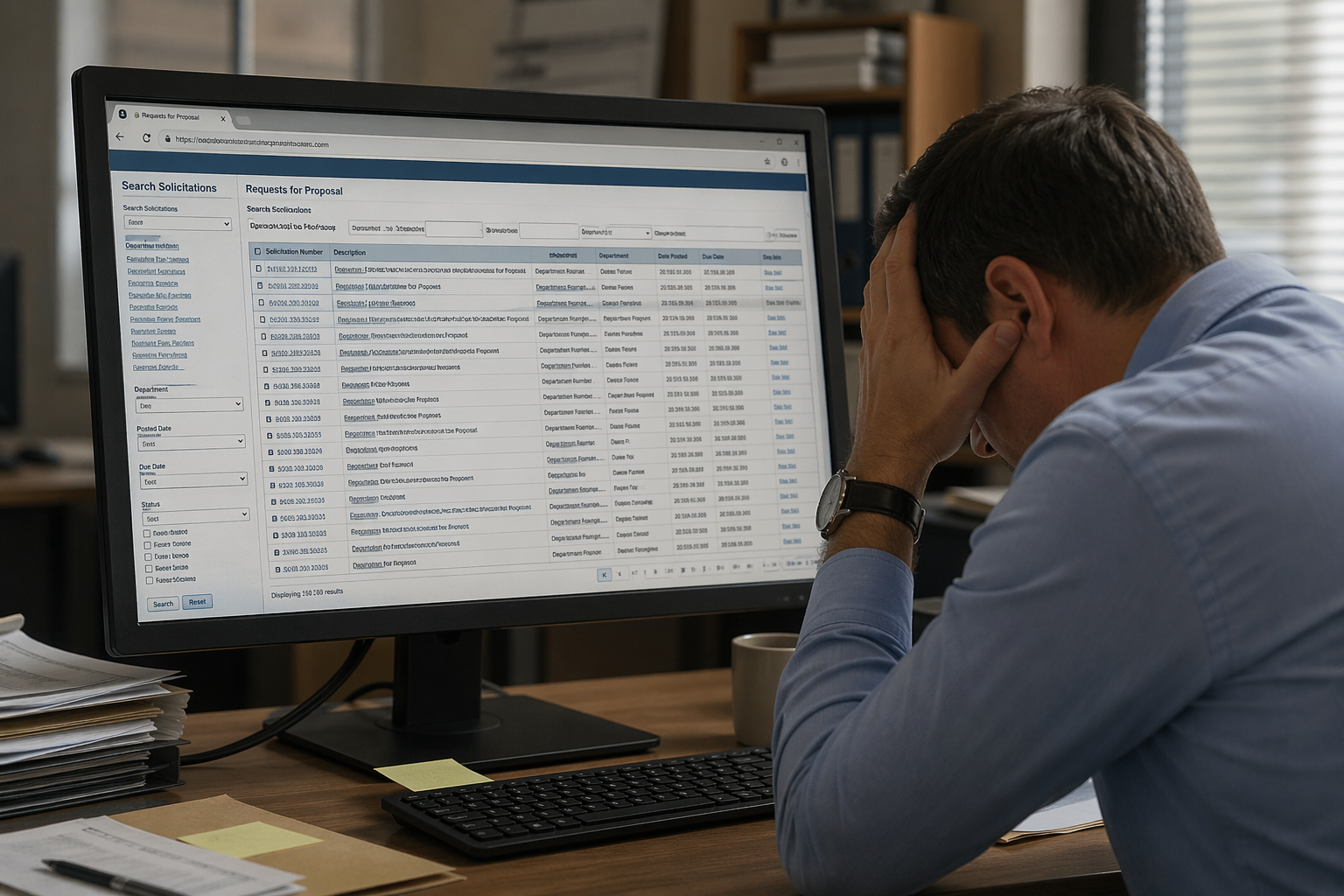
RFP Websites Look Like They Were Built in 2003. That's a Business Problem.
If you've ever navigated a government procurement portal, you already know the pain. Dense tables, broken search filters, PDFs buried three clicks deep, and color palettes that look like FrontPage never went out of style. This isn't just bad design — it's a systemic UX failure that's actively costing businesses time, money, and legitimate contract opportunities. Here's what's broken, why it happened, and what you can do about it.
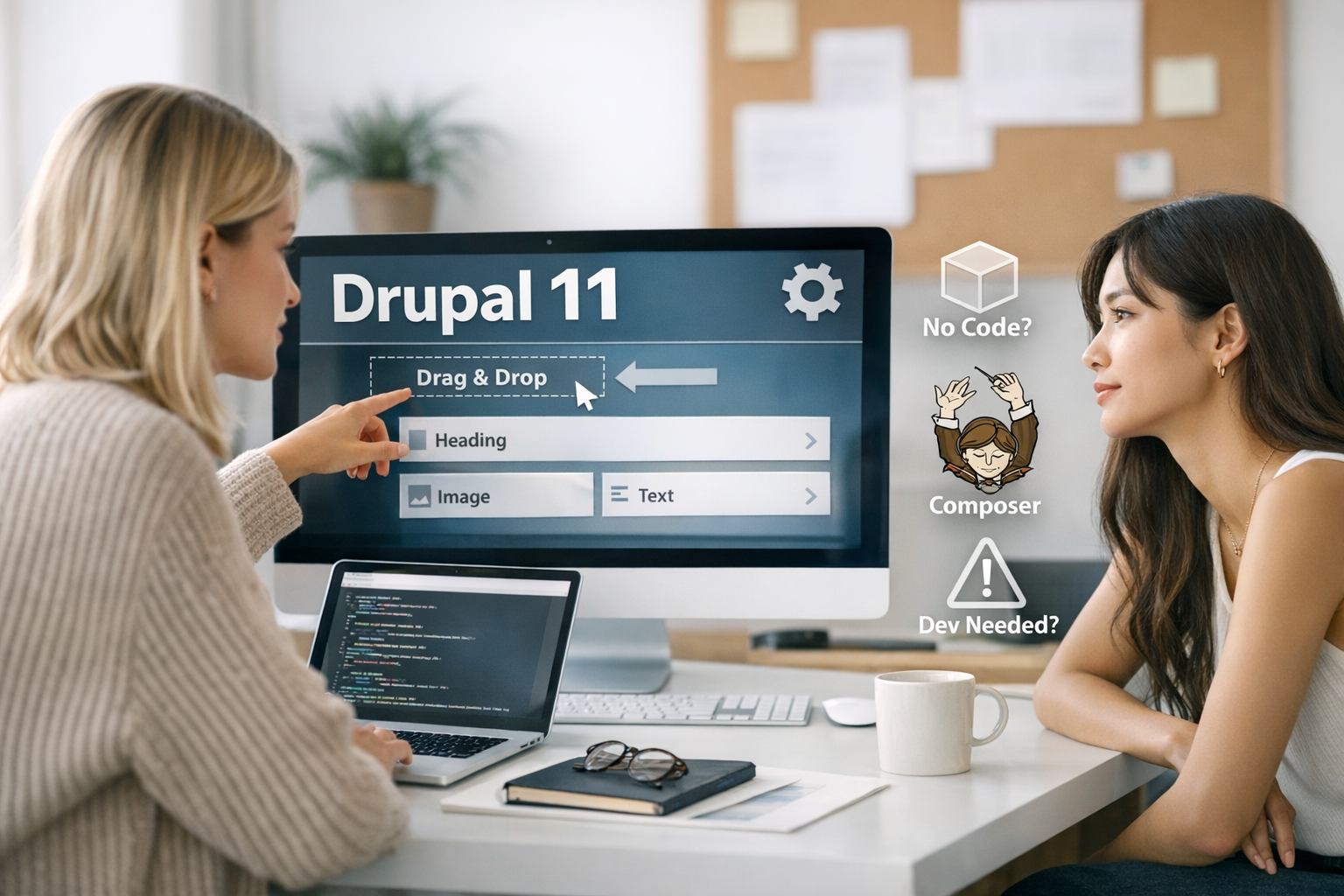
Is Drupal 11 Really Drag-and-Drop? Let's Cut Through the Confusion
Everyone's saying Drupal 11 is drag-and-drop — but what does that actually mean for your marketing team? The truth is more nuanced than the pitch. We dig into Layout Builder, the death of the Add Module button, Composer requirements, and where Drupal CMS is headed so you can make an informed decision about your website platform.

Is Your DC Business Website Ready for 2026? A Practical Checklist
In Washington DC, a website that is merely adequate is not neutral — it is actively costing you. Every slow page load, every accessibility failure, every outdated team profile, and every vague value proposition loses ground with the sophisticated professional audience that defines this market. This practical checklist covers every dimension of website readiness for DC-area businesses, contractors, nonprofits, and associations — from technical performance and Section 508 compliance to content strategy and security — so you know exactly where your site stands and what to prioritize in 2026.
What HubSpot Actually Built — and What Every Brand Gets Wrong About the Inbound Playbook
HubSpot is worth studying not because it built great software, though it did, and not because it grew fast, though it did that too. It is worth studying because it built a media company first and a software company second — and the sequence matters more than almost anyone who tries to copy the model understands. The conventional reading of HubSpot's growth misses the deeper strategic logic: a deliberate, decade-long construction of an audience asset that made every subsequent product, acquisition, and expansion easier and cheaper than it would have been for a company that had simply built software and bought ads.

The Second Shift: What the Print-to-Digital Transition Tells Us About What's Happening Right Now with AI Search
We have seen this before. Not the specific technology, not the specific platforms, but the shape of the disruption — the way it starts at the edges, gets dismissed by incumbents, accelerates faster than anyone predicted, and produces a category reshuffling that leaves the brands who moved early in positions of dominance that latecomers spend years trying to claw back. We watched it happen when the internet broke print media's stranglehold on information distribution. We are watching it happen again right now with AI search.