What Builders in Philadelphia Actually Need From a Marketing Agency
Philadelphia builders don’t need generic marketing advice.
They need marketing that understands the difference between:
A rowhome reno in Fishtown
A ground-up build in Point Breeze
A mixed-use project in Northern Liberties
A historic rehab in Society Hill
If your marketing agency treats all of that the same, it’s already missing the point.
Let’s talk about what builders in Philly actually need from a marketing partner — beyond buzzwords and boilerplate strategies.
Philly Builders Aren’t Competing Nationally. They’re Competing Block by Block.
Marketing agencies love big, vague positioning.
Builders don’t have that luxury.
In Philadelphia, competition happens at the neighborhood level:
Who’s known in South Philly
Who shows up when someone searches “builder near Passyunk”
Who understands zoning, permits, and historic restrictions
If an agency can’t speak that language, they’re guessing.
Hyperlocal visibility matters more than broad reach.
1. Leads That Understand Philly Reality
Philadelphia projects come with friction:
Tight lots
Old infrastructure
Permits that take time
Neighbors who complain
Good leads already know that.
Bad leads don’t.
A real marketing strategy filters for people who:
Understand Philly construction isn’t “HGTV fast”
Have realistic budgets for this market
Know what kind of projects you actually take on
More leads isn’t helpful if half of them disappear after the first estimate.
2. Local SEO That Goes Beyond “Philadelphia Builder”
Ranking for “builder Philadelphia” is table stakes.
What actually matters:
“rowhome renovation Fishtown”
“custom home builder Northern Liberties”
“commercial builder South Philly”
That’s where intent lives.
Hyperlocal SEO means showing up when someone already knows where they’re building — and just needs the right partner.
3. A Website That Screens Before the Phone Rings
In Philly, time gets wasted fast.
Your website should help prevent:
Projects outside your scope
Unrealistic timelines
Budget mismatches
People who haven’t done their homework
That means:
Clear language about what you build
Transparent process explanations
Signals about project size and fit
Your site shouldn’t just attract interest — it should protect your time.
4. Marketing That Respects Long Philly Timelines
Nothing moves fast in Philadelphia.
Not permits.
Not zoning.
Not financing.
And definitely not construction decisions.
Builders need marketing that:
Stays visible over months, not weeks
Builds trust before demand peaks
Supports referrals, not replaces them
Short-term campaign thinking doesn’t work here.
5. An Agency That’s Honest About What Marketing Can’t Fix
Marketing won’t:
Speed up L&I
Make neighbors happy
Fix supply chain delays
And agencies that pretend otherwise lose credibility fast.
What marketing can do:
Bring in better-aligned clients
Reduce wasted conversations
Make your reputation visible before the first call
Builders respect honesty. Marketing should match that.
The Philly Difference (That Outsiders Miss)
Philadelphia is:
Old
Dense
Highly neighborhood-driven
Relationship-based
Marketing that works here understands that trust travels locally, not algorithmically.
You don’t win Philly by being loud.
You win it by being known.
Final Take
Builders in Philadelphia don’t need a marketing agency that treats construction like e-commerce.
They need one that understands:
Neighborhood nuance
Local search behavior
Real project constraints
How builders actually qualify work
Marketing should make your pipeline cleaner — not noisier.
Where Ritner Digital Comes In
At Ritner Digital, we work with builders who operate in real markets with real constraints — not idealized versions of them.
We focus on:
Hyperlocal visibility that attracts the right projects
Messaging that filters before the call
SEO and content that respect long decision cycles
Strategy built around how Philly actually works
If you want marketing that understands this city — and how building really happens here — let’s talk.
FAQs
Why does marketing for builders in Philadelphia feel different than other cities?
Philadelphia is hyperlocal. Projects, searches, and competition happen at the neighborhood level, not the city level. Marketing that ignores neighborhood context, zoning realities, and local intent usually attracts the wrong projects.
Do builders in Philly really need hyperlocal SEO?
Yes. Most serious prospects search with location and project type in mind—often down to the neighborhood. Ranking broadly for “Philadelphia builder” is less valuable than showing up for highly specific, high-intent searches.
How can marketing help filter out bad-fit projects?
By being clear about project types, minimum budgets, timelines, and process. Good marketing sets expectations before the first call, which saves time and reduces unqualified inquiries.
Should builders focus on ads or organic marketing?
Organic marketing tends to perform better long-term in Philly because decisions take time and trust matters. Paid ads can support demand, but they work best when layered on top of strong local visibility and clear messaging.
What should a builder’s website actually do?
It should pre-qualify prospects, explain how you work, showcase relevant projects, and build trust before someone reaches out. If your site only shows photos and a contact form, it’s underutilized.
How long does marketing take to work for construction firms?
Marketing usually supports long sales cycles. You should see early signals—better conversations, clearer inquiries—but meaningful impact compounds over time rather than appearing overnight.
How do builders know if a marketing agency understands Philly?
They should talk comfortably about neighborhoods, local competition, and realistic timelines—and avoid one-size-fits-all strategies. If everything sounds generic, it probably is.
Related Reads
〰️
Related Reads 〰️
From Ritner Street to the Top of SERPs: Why Local Context Matters in Philly SEO
Philadelphia isn’t one market—it’s dozens. From South Philly to Center City, how people search (and choose businesses) changes block by block. That’s why generic SEO strategies fall flat here. In this post, we break down why local context matters, how Google decides who ranks, and what Philly businesses can do to climb the SERPs by leaning into where they actually operate.
Best Neighborhoods in Philadelphia for Small Businesses (And How to Market in Each One)
A marketing strategy that works in Fishtown will fall flat in West Philadelphia. The contractor who thrives on referrals in the Northeast can't replicate that model in South Philly without understanding why South Philly works differently. Here's a neighborhood-by-neighborhood guide to where Philadelphia small businesses are succeeding and how to market effectively in each one — because in this city, the neighborhood is the market.
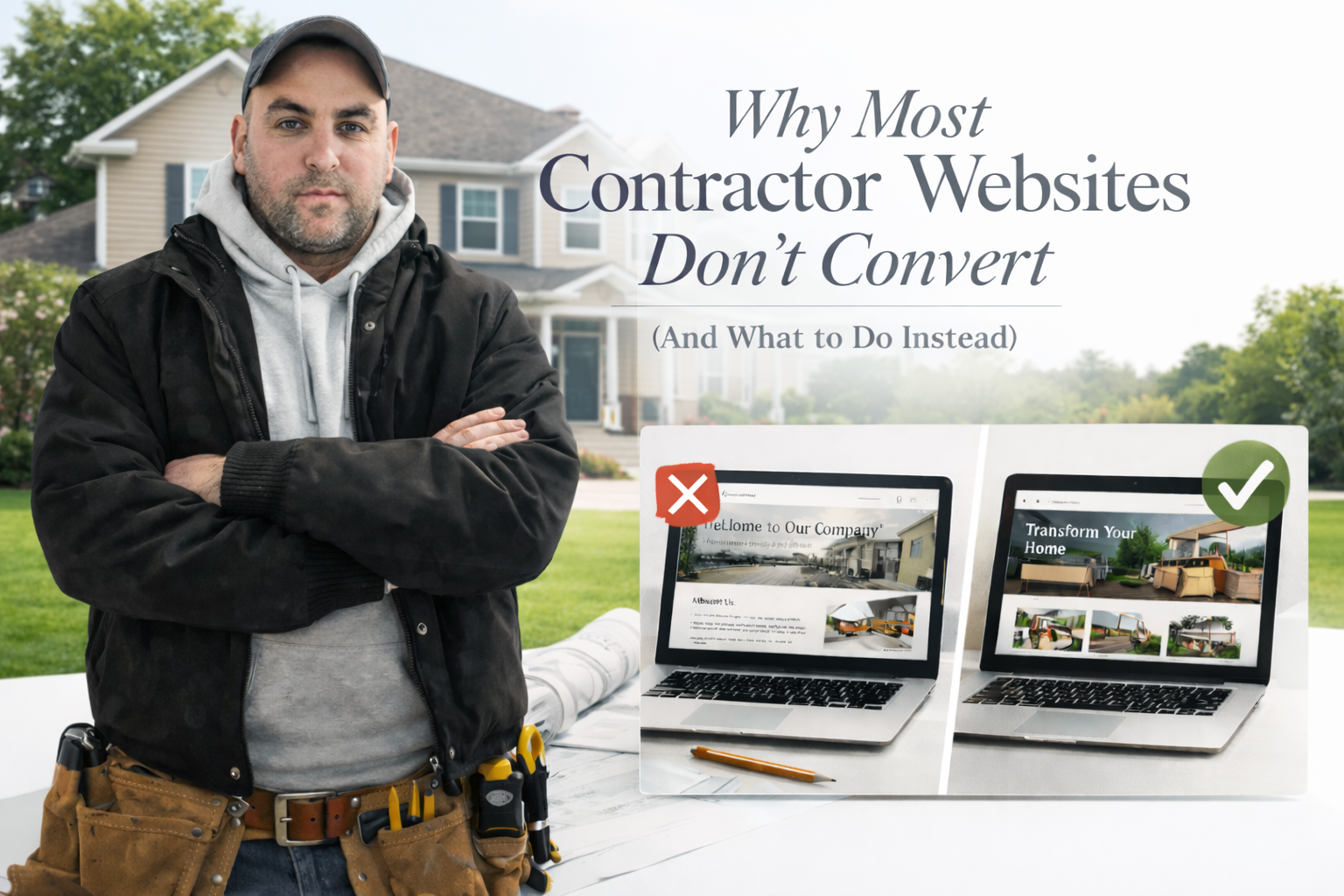
Why Most Contractor Websites Don't Convert (And What to Do Instead)
You're good at what you do. Your customers say so. But your website sits there generating almost nothing — and it's not because contractor websites can't convert. It's because most contractor websites are built like brochures instead of sales tools. Here's what's actually wrong, what homeowners are looking for when they land on your site, and how to build a website that works as hard as you do.