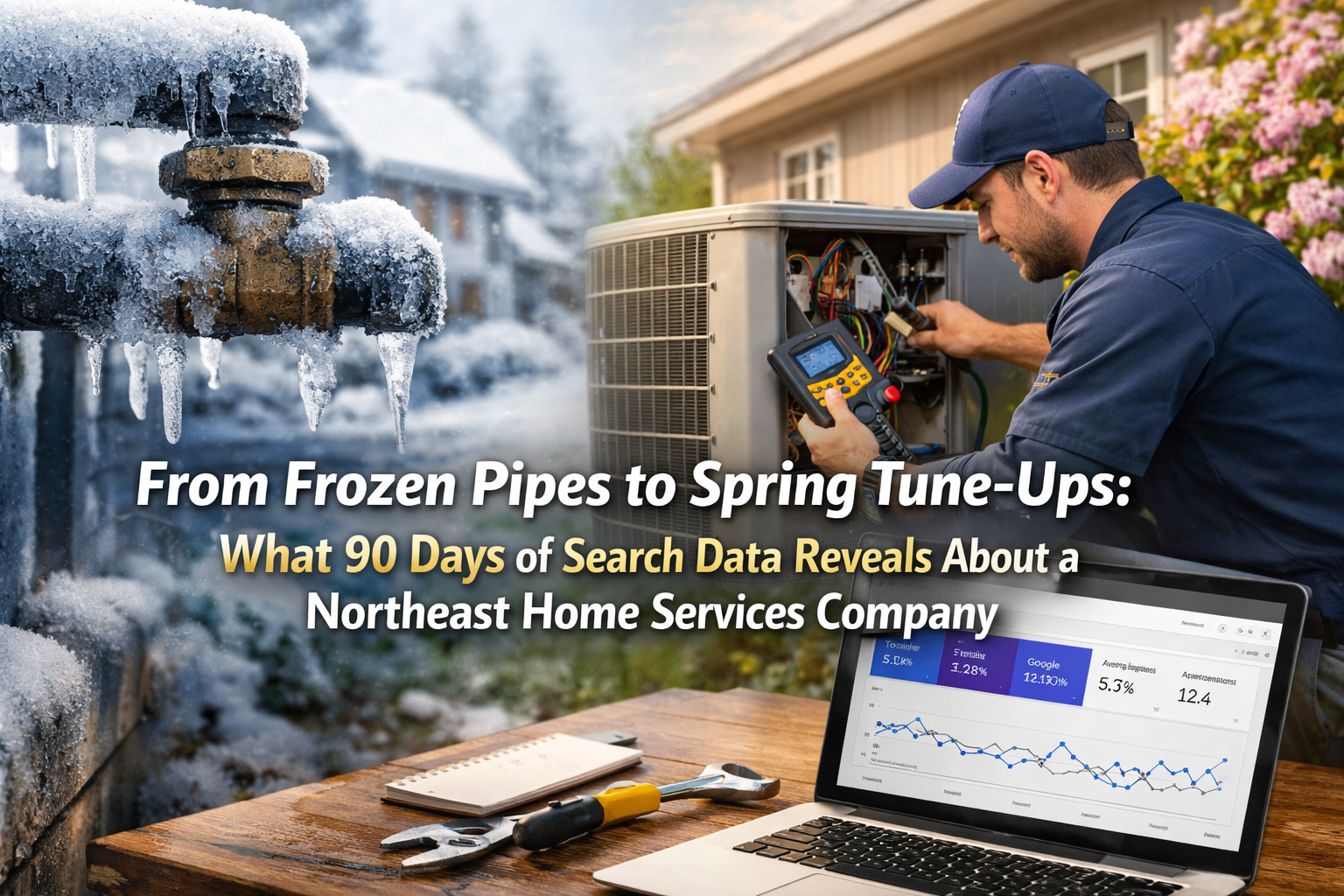
From Frozen Pipes to Spring Tune-Ups: What 3 Months of Search Data Tells Us About a 40-Year Business
There's a particular kind of trust that takes decades to build. But in 2026, reputation alone doesn't drive the phone to ring — search visibility does. We tracked 90 days of Google Search Console data for a home services institution with 40+ years in the Northeast, and the story it tells is as seasonal as the region itself. Here's what we found.

If Your Business Has Been Around for 25 Years and Your SEO Looks Like This, Call Us Today
Twenty-five years in business. A reputation built the hard way. Thousands of customers served. And a Google Search Console profile that a brand new website is already outperforming. This is more common than most established businesses realize — and the data tells a very specific story about what's going wrong, what's actually working, and why this is one of the most fixable SEO situations that exists.

What Three Real Client Websites Tell Us About SEO Progress (And Who's Winning)
Three real websites. The same 90-day window. Very different stories. We're pulling back the curtain on actual Google Search Console data from three of our clients — breaking down impressions, clicks, positions, and CTR — to show you what real SEO progress looks like, what a plateau looks like, and which site is winning right now and why.
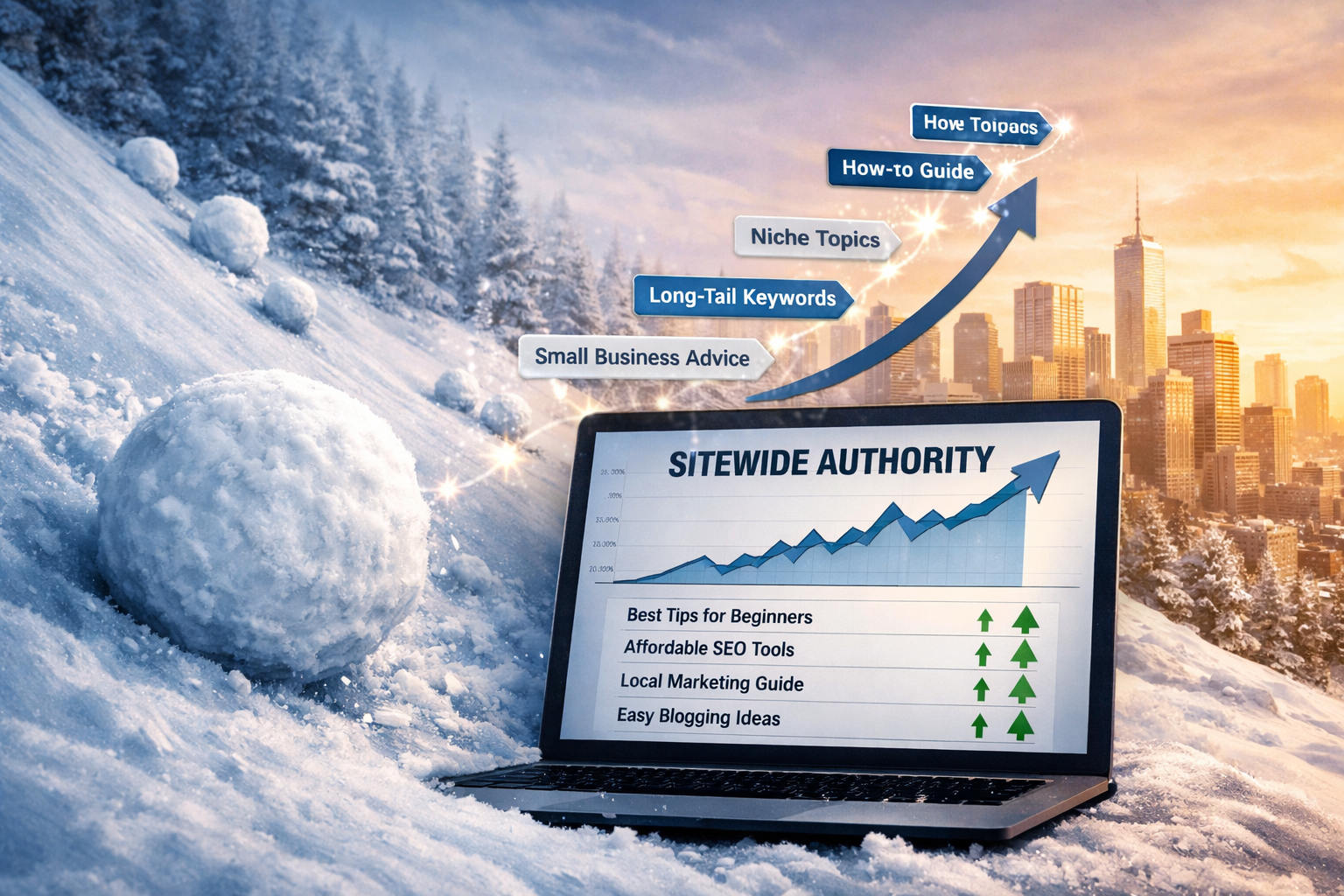
Why Long-Tail Keywords Snowball Into Sitewide Authority (And How to Use This Strategy Deliberately)
Most businesses think of long-tail keywords as a way to pick up a little extra traffic on the side. What they don't realize is that when you build enough of them deliberately, something much bigger happens — the authority they generate starts to lift your entire site, including the competitive service pages that wouldn't budge on their own. Here's the mechanism behind the snowball effect and how to use it on purpose.

How Long Does It Take to See Leads from Digital Marketing? (Real Numbers from Real Clients)
"How long until we start seeing leads?" It's the question we hear more than almost any other. The honest answer is that it depends — but instead of leaving it there, we're sharing real numbers from real clients across different industries to show you what traffic actually looks like, what it produces in leads, and why the relationship between clicks and conversions is rarely what people expect.

Why Some Businesses and People End Up With Fans (And How to Make It Happen for You)
Some businesses don't just have customers — they have fans. People who look forward to their content, share it without being asked, and show up the way they would for a favorite TV show or band. It's not luck and it's not a massive ad budget. It's psychology, consistency, and knowing how to build real human connection through your content. Here's how it works and how to make it happen for your brand.

The Name in the Hat Trend: The Easiest Team Introduction Video You'll Ever Make for Facebook Reels & TikTok
We spotted it on a car dealership's Facebook Reel and it stopped our scroll immediately — names in a hat, a handshake, and a team introduction that felt completely real. Here's how to recreate this viral trend for your own business, no script or camera crew required.

Your AI Agents Are Everywhere. That's the Problem.
Teams are building AI agents faster than ever. The problem isn't the tools — it's what happens after. With no central home, loose access controls, and no clear ownership, most businesses are sitting on an AI sprawl problem they haven't named yet. Here's what it looks like, why it matters, and what smart organizations are doing about it.
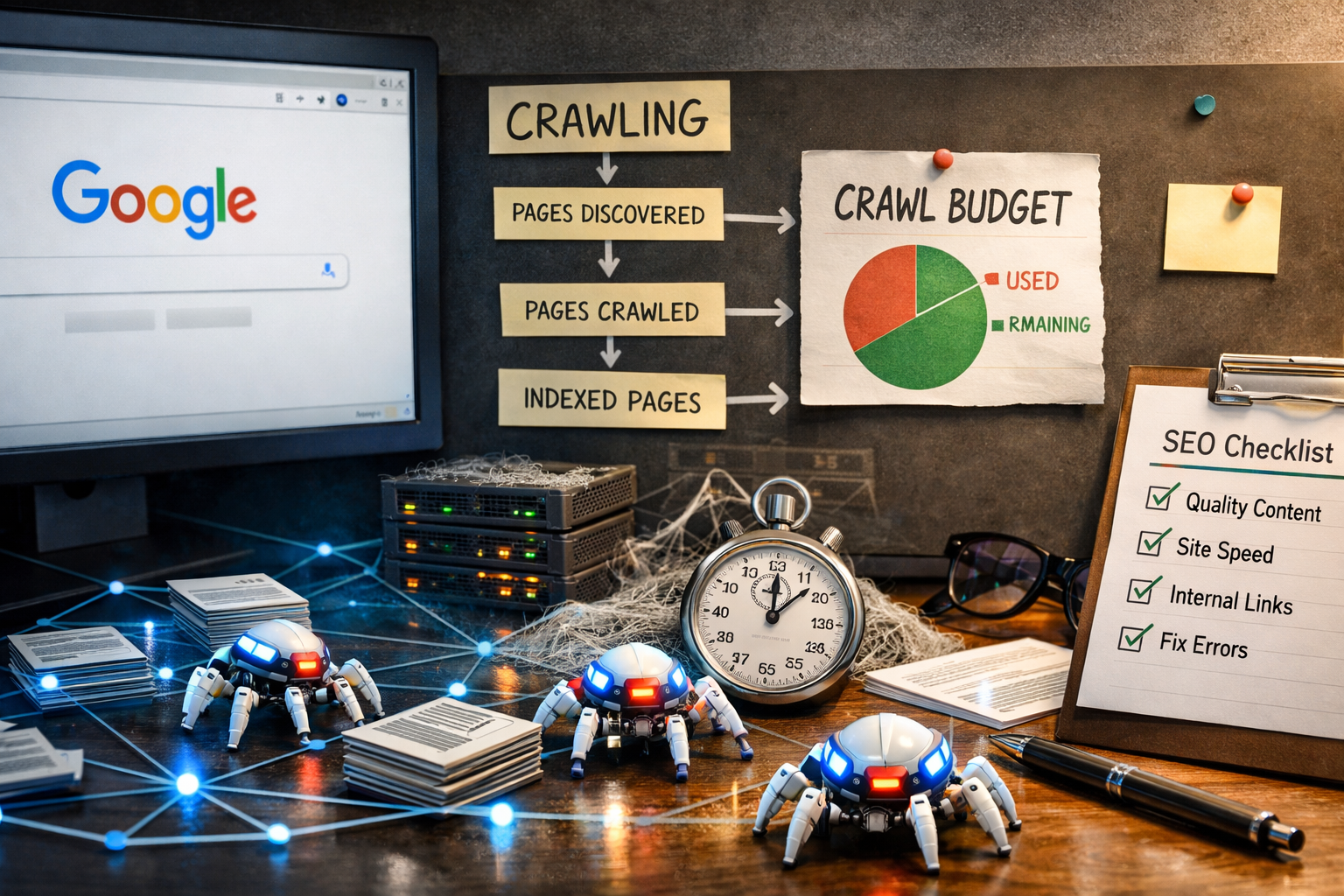
How Google Calculates Crawl Budget — And What Actually Gets You More of It
Most SEO conversations focus on what Google thinks of your content after it's been crawled. But there's a step that happens before any of that — one that most businesses barely think about — and it has a direct effect on how quickly your site responds to the work you're doing. That step is crawling. Here's how crawl budget actually works and what you can do about it.

Q1 Is Almost Over. Here's What Your Marketing Audit Should Look Like Right Now.
January 1st, you had a plan. Now it's March 31st and Q1 is officially in the books. The question isn't whether you marketed this quarter — it's whether you actually know what worked, what didn't, and what you're walking into Q2 with. Here's the complete audit framework to find out.

Urology Marketing Is Different. Here's Why Most Agencies Get It Wrong.
Most healthcare marketing agencies treat urology like any other specialty. That's the mistake. The category spans routine, high-volume conditions and deeply personal ones — and the patients, the funnels, and the messaging strategies for each look nothing alike. This post breaks down the nuances that determine whether a urology marketing program actually grows a practice or just burns budget.
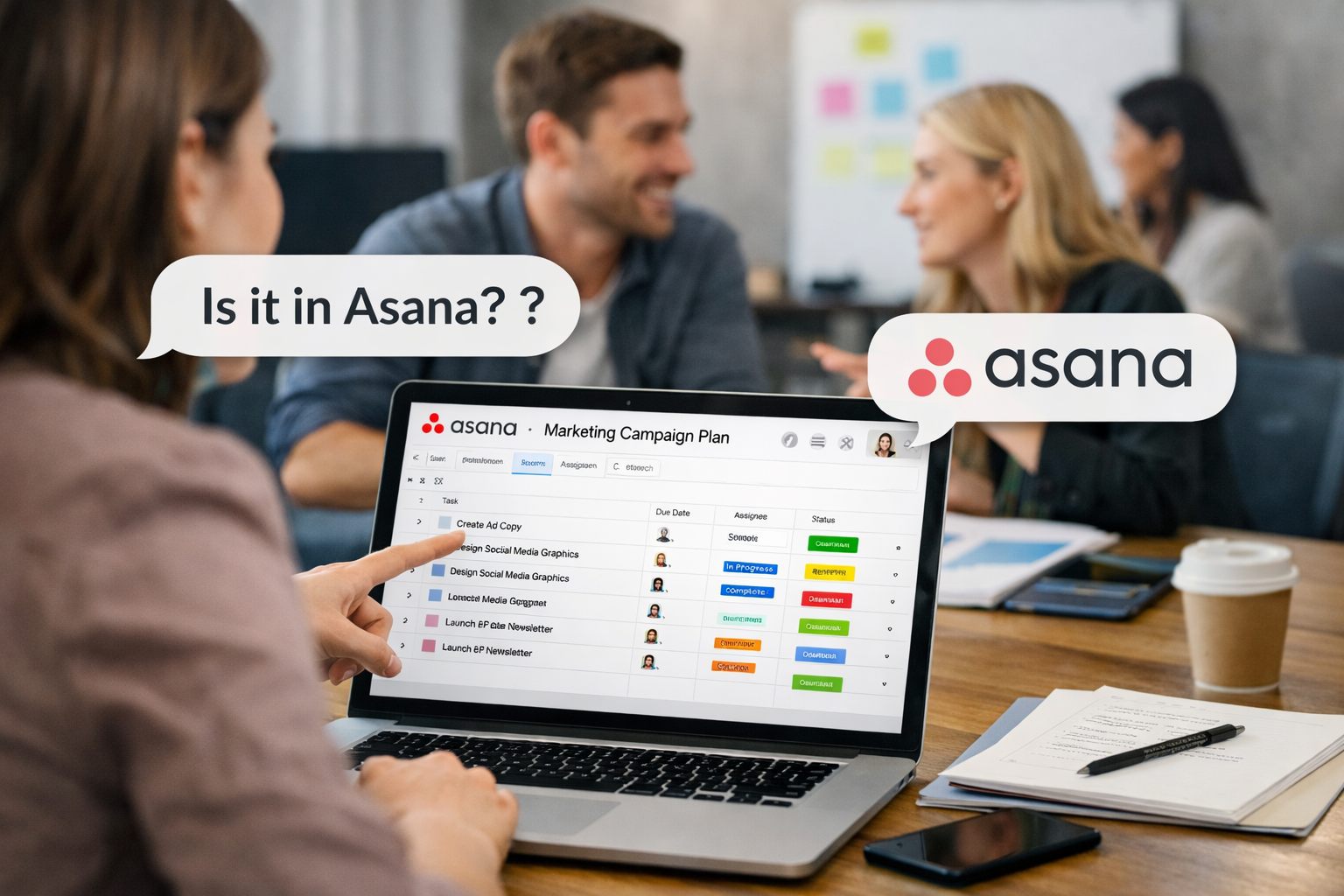
"Is It in Asana?" How One Question Became the Standard for How Marketing and Operations Teams Work
There is a question that gets asked in productive marketing and operations teams dozens of times a day. In meetings, in Slack channels, when a deadline is unclear or a project has gone quiet. The question is: is it in Asana? Four words — and the answer tells you almost everything you need to know about whether a task is going to get done on time, by the right person, or whether it is going to live in an email thread until it gets done late or does not get done at all. Here is how Asana became the standard — and what it actually does to team performance when it works.

Why the Founder's Face Outperforms the Company Logo Every Time
The founder posts something genuine on LinkedIn — no graphics, no approval process, just a real observation about their industry. It gets three times the engagement of the company's most polished content. The DMs that follow are from people who want to do business. Meanwhile the company's official page generates a fraction of the reach. This is not a coincidence. It is a fundamental truth about how human beings process trust — and most corporate marketing infrastructure is designed to work against it.
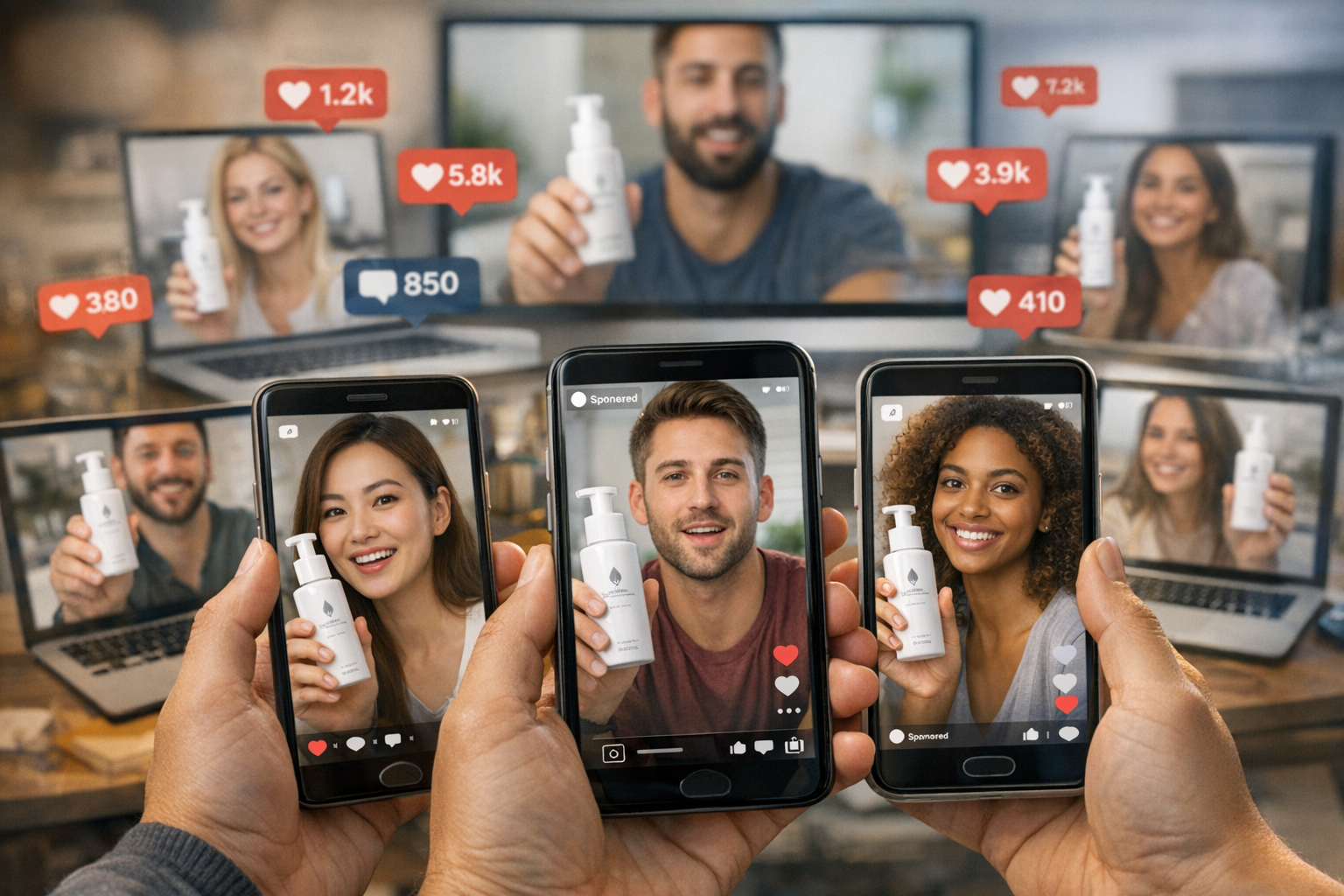
Why Dropping on the Same Day Beats Staggering Every Time
Most brands stagger their creator campaigns — one post Monday, one Wednesday, one Friday — thinking they are extending their reach and avoiding oversaturation. What they are actually doing is eliminating the most powerful effect that multi-creator campaigns can produce. When multiple trusted voices talk about the same brand on the same day, something happens that staggered posting cannot replicate: the brand appears to be everywhere at once. Here is why that perception is one of the most powerful forces in consumer marketing and how to engineer it deliberately.

Sarasota Businesses Deserve Better Than a Offshore Webmaster They've Never Met
You built a real business in one of the fastest-growing markets in the country. So why is your most important digital asset being managed by someone you have never met, cannot easily reach, and would not recognize if they walked through your front door? The offshore, cheap webmaster model is failing Sarasota businesses that are competing in an increasingly sophisticated market. Here is what better looks like — and who we are looking to work with.

People Love to Write Off SEO. Our Leads From Scottsdale and Tampa Would Disagree.
This month Ritner Digital received inbound leads from a commercial real estate developer in Scottsdale and an apartment valet trash company in Tampa. We are a Philadelphia agency. The Scottsdale lead came through a location page we built targeting that market. The Tampa lead came from a market we never targeted — no location page, no paid ads, nothing specific aimed at Tampa. Just domain authority strong enough that Google surfaced us there anyway. Two leads. Two different SEO mechanisms. Both working. Here is what that model looks like and who we are looking to build it with next.

Your Website Still Matters. Here's Why Everyone Saying Otherwise Is Wrong.
There is a take making the rounds right now: websites do not matter anymore. Discovery happens on TikTok. Answers come from ChatGPT. Nobody searches Google like they used to. It is a seductive argument — and it is leading brands to make investment decisions they will spend years recovering from. Yes, discovery patterns are changing. None of it means your website does not matter. In fact, for most businesses in 2026, it matters more than it ever has.
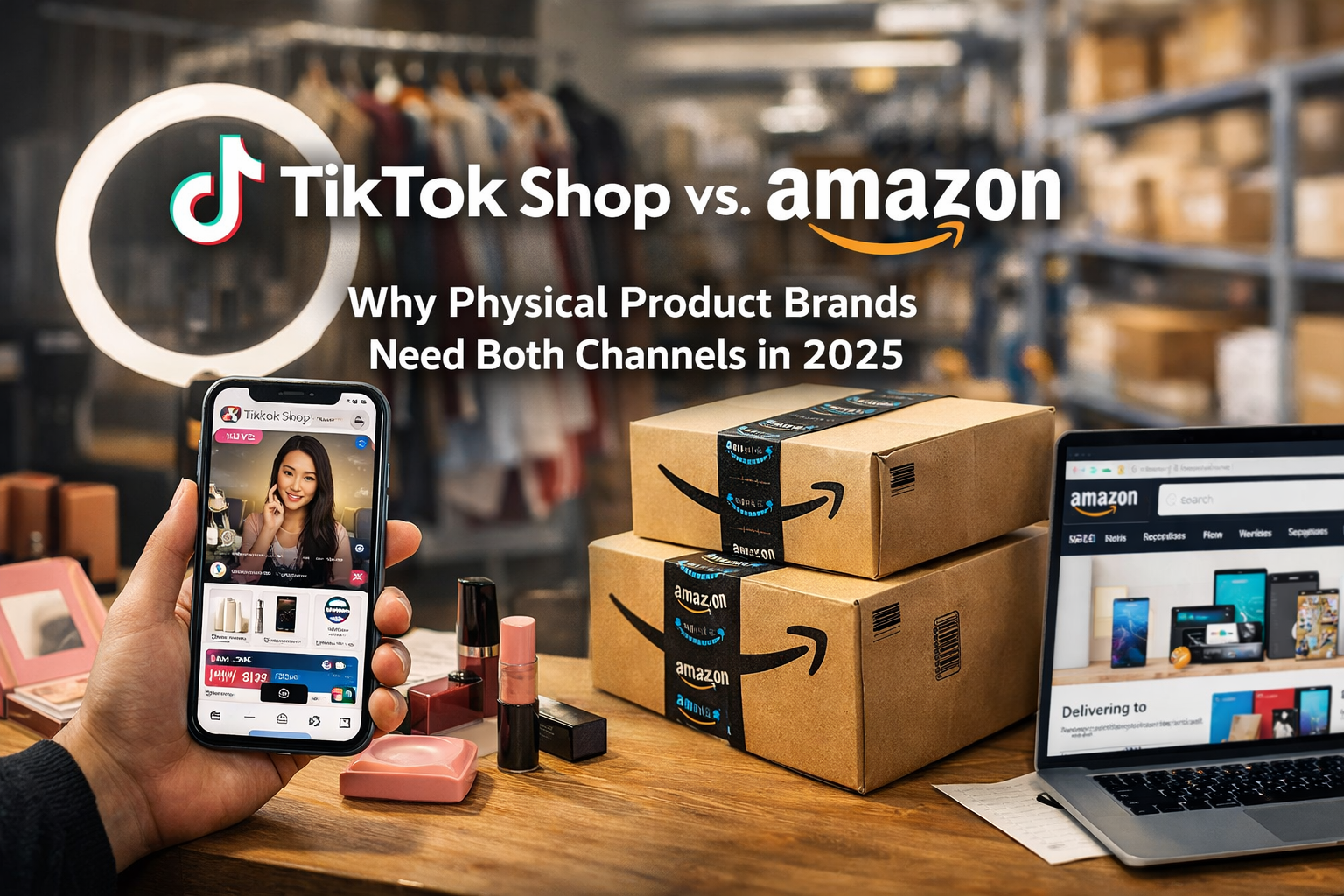
TikTok Shop Is the New Amazon — And the Early Mover Window Is Still Open
If you have been on LinkedIn lately you have seen it — marketing professionals and e-commerce operators all saying the same thing with increasing urgency: if you are selling a physical product and you are not on TikTok Shop, you are making a mistake. They are not wrong. TikTok Shop has moved from experimental social commerce feature to legitimate e-commerce channel faster than almost any platform development in recent memory — and the early mover window is still open, but it will not stay open indefinitely.

Amerikick Martial Arts: A Brand Analysis From a Marketing Perspective
Some brands earn their longevity. Others just survive long enough to call it a legacy. Amerikick falls firmly in the first category — nearly sixty years of authentic martial arts credibility, a franchise model led by practitioners who own locations in the network, and a student community that spans multiple generations. This is a marketing analysis of what makes the brand strong, where the real digital gaps are, and what the opportunity looks like for one of the most authentic franchise brands in the fitness and enrichment space.
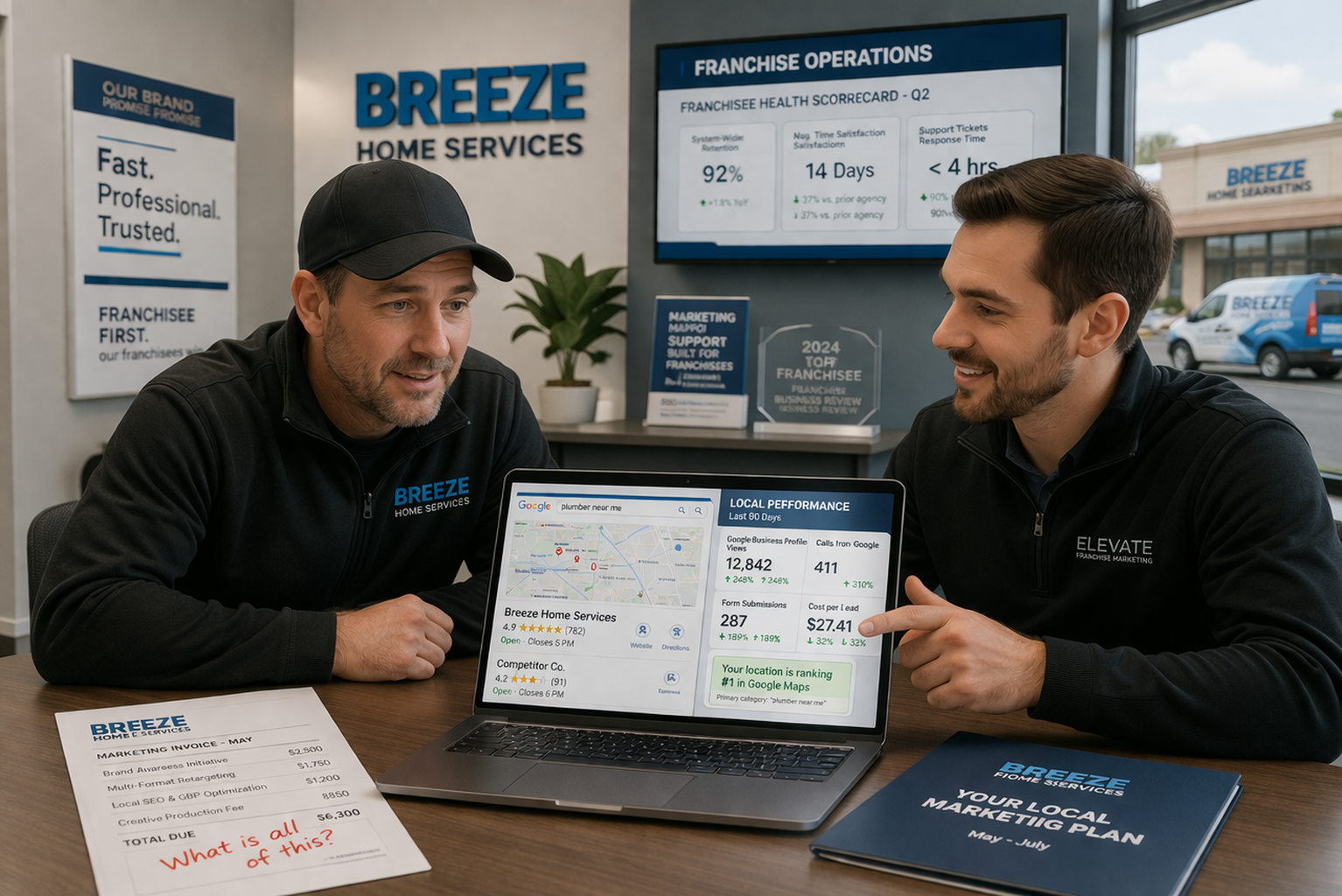
Why Your Marketing Agency Is Either Your Franchise System's Greatest Asset or Its Biggest Liability
Franchise systems fail for a lot of reasons. But one of the most preventable — and most commonly overlooked — is a franchisee who feels invisible, uninformed, and unsupported in their local market. They signed on to the brand. They paid the fee. And then they watched competitors show up on Google while they didn't, got a marketing invoice they couldn't interpret, and never heard from anyone about whether any of it was working. That is a marketing agency problem. And it is costing franchise systems franchisees.