Jersey Proud: The Biggest Brands Born in New Jersey and What Garden State Consumers Actually Buy
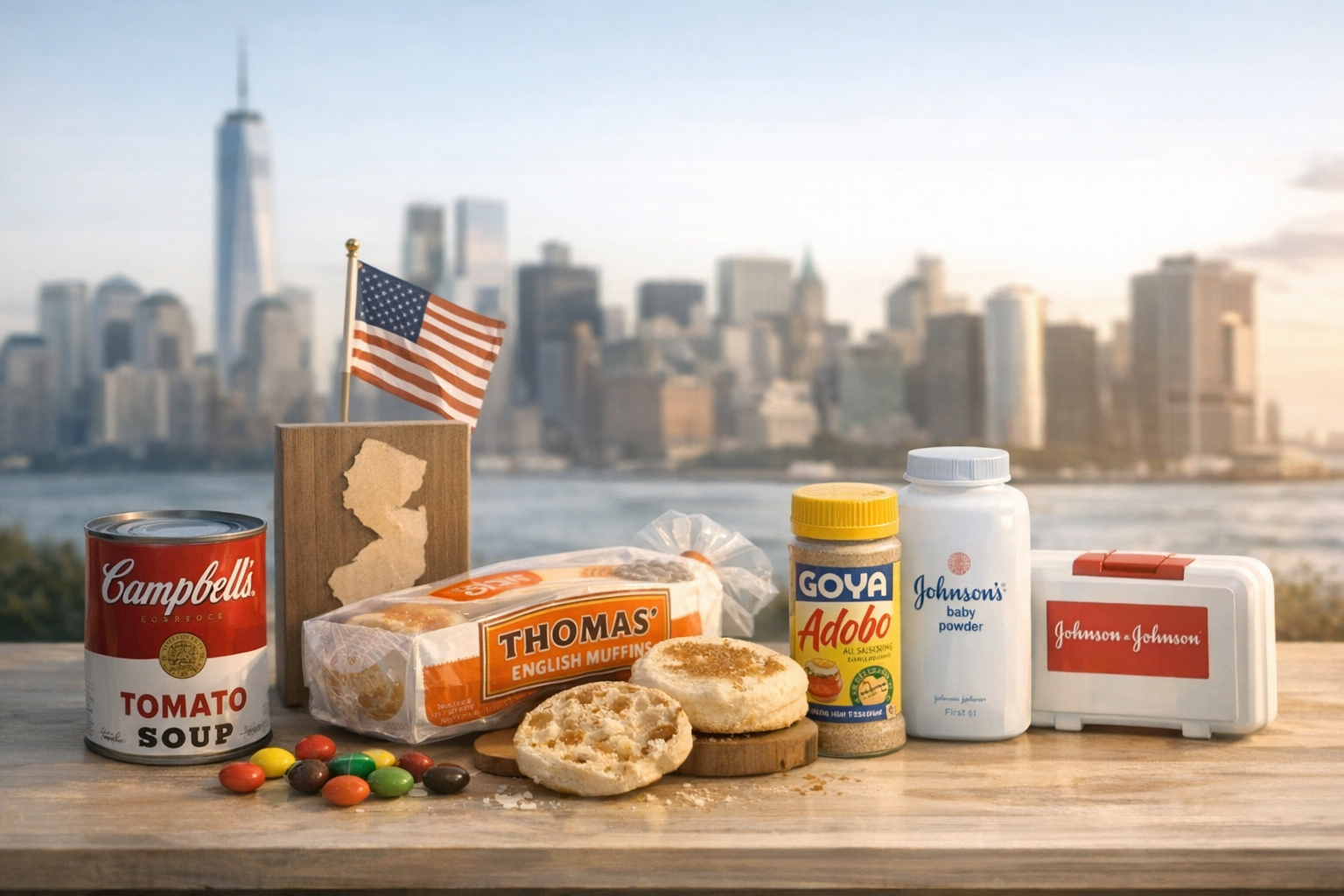
Let's get one thing straight before we start: New Jersey doesn't get nearly enough credit. For a state that gets constantly dunked on by people who've only ever seen it from the turnpike, New Jersey has quietly produced some of the most iconic brands in American history, employs more pharmaceutical scientists per square mile than anywhere else on earth, and has a consumer base that's diverse, opinionated, and fiercely loyal to what it loves.
This is the first entry in Ritner Digital's State by State Brand Series — a deep dive into what makes each state's brand ecosystem unique, which homegrown names carry the most pride, and what the people who actually live there are buying. We're kicking things off in the Garden State, because frankly, it deserves to go first.
The Brands That Put New Jersey on the Map
New Jersey isn't just a corridor between New York and Philadelphia. It's the birthplace of American icons that show up in kitchens, medicine cabinets, and pantries from coast to coast. The state has been called the "most edible" state in America by Saveur magazine and the "food capital of America" by Public Radio International Choose New Jersey — and the roster of brands that back that up is genuinely impressive.
Campbell's Soup — Camden, NJ (Est. 1869)
Ask any New Jerseyan which homegrown brand they're most proud of and the answer comes back the same way, every time. Campbell's Soup, based in Camden, is the makers of the iconic red-and-white canned soups since 1869. New Jerseyans love that their state's comfort food classic has warmed kitchens for more than a century. ROI-NJ
Since 1869, Campbell's has been serving up comfort in a can, and its Camden headquarters remains a beacon of pride for New Jersey residents. This isn't just any food company — it's the brand that Andy Warhol immortalized in pop art, turning a humble pantry staple into a cultural icon. My Family Travels
More than 90% of U.S. households have a Campbell's product in the kitchen. Choose New Jersey That number says everything. And beyond the soup itself, Campbell's portfolio extends to Pepperidge Farm, V8, Swanson broths, and Prego pasta sauces — meaning the Camden-based company's reach goes well beyond what's in the can. The company employs thousands of New Jerseyans and has invested heavily in Camden's revitalization efforts, supporting schools, parks, and community programs. My Family Travels
Goya Foods — Secaucus, NJ (Est. 1936)
Headquartered in Secaucus, Goya Foods stands as the largest Hispanic-owned food company in the United States, and New Jersey couldn't be prouder to call it home. Founded by Spanish immigrants in 1936, Goya has grown into a billion-dollar empire while maintaining deep connections to the Latino communities that made it successful. My Family Travels
Goya unveiled a new, state-of-the-art corporate headquarters and distribution facility in Jersey City as part of a $250-million investment at its three New Jersey facilities — the largest investment in the family-owned company's history. Choose New Jersey New Jersey's incredible diversity makes Goya's presence here particularly meaningful. The company represents the state's role as a melting pot where cultures blend and entrepreneurship thrives. My Family Travels
M&Ms — Hackettstown, NJ (Est. 1941)
Yes, really. M&Ms burst onto the market in Newark back in 1941 before the operation shifted to a larger factory in Hackettstown. About half of all M&Ms production continues at the Hackettstown site. WMTR AM The next time you're reaching into a bag of M&Ms, you can tell everyone around you that you're essentially eating a New Jersey product. They will be impressed.
Thomas' English Muffins — Totowa, NJ
The breakfast bread famous for its nooks and crannies was produced in Totowa, NJ. Although production has since moved out of state, Thomas' English Muffins remain immensely popular within New Jersey as a source of regional pride. The Digest Online Every morning across America, people toast a Thomas' muffin without knowing they're participating in a Garden State tradition.
Oreos — Hoboken, NJ
Oreos made their debut sale to a Hoboken grocer after a Manhattan factory started churning them out. The city pays tribute to the cookie with Oreo Way, a stretch of 9th Avenue running between 15th and 16th Streets. WMTR AMHoboken has a street named after a cookie. That's a vibe.
Taylor Ham (Pork Roll) — Trenton, NJ (Est. 1856)
No New Jersey brand list would be complete without addressing the greatest debate in Garden State history. Taylor Provisions created the breakfast meat known as Taylor Ham — or Pork Roll — in 1856. Its tangy, salty, smoky, and slightly sweet flavor profile is one of regional fame. The Digest Online Whether you call it Taylor Ham (North Jersey) or Pork Roll (South Jersey), everyone agrees it belongs on a hard roll with egg and cheese. The debate stops there.
Carlo's Bakery — Hoboken, NJ (Est. 1910)
Carlo's Bakery, the original Cake Boss bakery, was founded in 1910 and still delights tourists and locals from its iconic Hoboken location, made famous by the TV show "Cake Boss." ROI-NJ It's become one of the most visited spots in the state, a rare example of a local bakery becoming a full-blown media phenomenon without losing its neighborhood feel.
Johnson & Johnson — New Brunswick, NJ
On the corporate side, Johnson & Johnson, based in New Brunswick, is New Jersey's top Fortune 500 company with a market cap of $577.58 billion and revenue of $88.82 billion. NJBIA J&J touches virtually every American household — Band-Aids, Tylenol, Neutrogena, Listerine. It's one of the most consequential brands ever built, and it's been a New Jersey institution since 1886.
Unilever North America — Hoboken, NJ
With a portfolio that includes big brands like Dove, Vaseline, Hellmann's, Axe, and Ben & Jerry's, Unilever's products reach 95% of U.S. households. In 2025, the longtime New Jersey-based consumer goods giant marked a major milestone with the relocation of its North American headquarters from Englewood Cliffs to Hoboken. NJBIZ That's a lot of brand power now calling the Garden State home.
What New Jersey Consumers Are Actually Buying
Brand pride is one thing. Consumer behavior is another. Here's what's happening at the register when real New Jerseyans go shopping.
Grocery Loyalty Runs Deep — and It's Complicated
ShopRite, Albertsons Companies, and ACME Markets are the top grocery chains in New Jersey in 2026 based on number of locations. ScrapeHero ShopRite in particular holds a special place in NJ culture — it's a co-op model that's been embedded in the state for decades and carries a loyalty that Whole Foods can only dream about.
That said, New Jersey's grocery landscape reflects the state's diversity in ways that are genuinely unique. New Jersey's diversity is reflected in its grocery options — from Italian delis to Korean mega-markets, with locations in Fort Lee, Edison, and Paramus offering kimchi bars, rice cookers, fresh fish, and international snacks. IwillbuyyourhouseforcashH Mart has become a shopping destination in its own right for NJ consumers, while Italian-American specialty grocers continue to draw deeply loyal followings.
At the premium end, Wegmans consistently ranks among the most beloved grocery experiences in the state, and Trader Joe's punches well above its footprint in towns like Hoboken, Florham Park, and Princeton.
Gen Z Is Reshaping the Shopping Cart
New Jersey's Gen Z consumers are rewriting what a typical grocery run looks like. Many Gen Z shoppers are prioritizing convenience over time-intensive meals, gravitating toward microwavable snacks, pre-packaged meals, and frozen pizzas to meet instant gratification expectations. Meal prep services like HelloFresh and Factor are gaining popularity due to their quick-prep options. Cat Country 107.3
This shift matters for brands trying to market food products to younger NJ consumers. The "fresh and from scratch" messaging that resonated with millennials isn't landing as hard with the generation that grew up on DoorDash and 15-minute grocery delivery apps.
Influencer-Driven Purchases Are Real Here
New Jersey's Gen Z shoppers increasingly lean on social media influencers to guide their purchasing decisions, particularly during high-spend seasons like the holidays. This trend is predominantly Gen Z-driven, with influencer recommendations shaping not just what to buy but which brands to trust. New Jersey 101.5
For NJ-based brands and marketers, this is a significant signal. Building brand credibility through creator partnerships isn't optional anymore — it's the entry point for reaching the state's younger, highly-connected consumer base.
Value Consciousness Is Rising — But So Is Willingness to Pay for Quality
New Jersey is one of the wealthiest states in the country by median household income, but that doesn't mean its shoppers aren't value-minded. The rise of Aldi and Lidl nationally has played out in New Jersey too, with budget-friendly options gaining real ground. At the same time, Whole Foods locations in Montclair, Paramus, and Princeton draw organic food lovers, clean eaters, and upscale grocery shoppers who are willing to pay a premium for quality and sourcing transparency. Iwillbuyyourhouseforcash
The NJ consumer, in other words, contains multitudes. They'll buy private label beans and name-brand pharmaceuticals in the same cart without blinking.
The Pharma Factor: Why New Jersey's Brand Story Is Bigger Than Food
You can't talk about New Jersey brands without acknowledging the pharmaceutical elephant in the room. New Jersey is home to 13 of the top 20 pharmaceutical companies, with the largest concentration of scientists and engineers per square mile in the US. Choose New Jersey Merck, Bristol-Myers Squibb, Novartis, Eli Lilly, and of course Johnson & Johnson all have major NJ operations. These aren't consumer brands in the traditional marketing sense, but they shape what New Jerseyans consume, trust, and interact with daily in ways that go deeper than any grocery aisle.
The pharmaceutical cluster also shapes NJ's identity as a state that takes science, innovation, and credibility seriously. That cultural trait bleeds into how NJ consumers evaluate brands across every category — skeptically at first, loyally once trust is earned.
What Makes New Jersey's Brand Ecosystem Different From Other States
Every state has its proud local brands. Texas has Whataburger and H-E-B. California has In-N-Out and Patagonia. But New Jersey's brand identity is distinct for a few specific reasons.
Scale and diversity coexist. This is a small state geographically that punches far above its weight — fifteen New Jersey companies made the Fortune 500 list in 2025 NJBIA, which for a state of New Jersey's size is extraordinary. At the same time, the consumer base is one of the most ethnically diverse in the nation, which means local brand loyalty fragments and multiplies in fascinating ways. There's no single "NJ consumer." There are dozens of them, often living on the same block.
The NYC and Philadelphia shadow effect. New Jersey sits between two of the country's largest media markets, which means NJ consumers are constantly exposed to out-of-state brand messaging. This creates a particularly discerning shopper — one who's seen everything, heard every pitch, and developed a refined radar for what's authentic versus what's manufactured.
Pride is currency. American-made goods represent more than the things you buy — they're part of people's identity. When someone in New Jersey talks about Campbell's Soup, it goes beyond the product. It's about pride in where they're from and the stories those brands carry with them. New Jersey 101.5 That brand pride is real, and it's measurable. Brands that acknowledge their NJ roots — rather than downplaying them in favor of a generic national identity — consistently earn deeper loyalty from local consumers.
The Marketing Takeaway for Brands Operating in New Jersey
If you're marketing to New Jersey consumers, here's what the data and culture tell you:
Lead with authenticity. NJ shoppers have strong B.S. detectors, shaped by proximity to two massive media markets and decades of over-marketed products. If your brand story is real, tell it. If it isn't, they'll notice.
Respect the diversity. There is no monolithic NJ consumer. Northern NJ (suburban NYC orbit), Central NJ (the Corridor), and South Jersey (Philly-adjacent, with its own culture) are meaningfully different markets with different brand affinities, grocery preferences, and media consumption habits. One campaign does not cover all three.
Don't underestimate local pride. Brands with NJ roots — even indirect ones — earn a credibility bonus that out-of-state competitors don't get. Lean into it. The state has more iconic brand history than most people realize, and consumers respond when that history is honored.
Gen Z is your emerging audience, and they live on their phones. Influencer-driven discovery is real in New Jersey's younger demographic. If you're not showing up in creator content, you're not in the consideration set for a significant and growing segment of the population.
New Jersey has always been easy to underestimate. Its brands — and its consumers — have been proving that wrong for over 150 years.
Ritner Digital helps brands build smarter, more targeted marketing strategies across local, regional, and national markets. Want to talk about what your brand could look like in the Garden State? Let's connect.
Sources: ROI-NJ, NJ1015, The Digest, Choose New Jersey, NJBIA, ScrapeHero, Zippia, NJBIZ, Mars/Hackettstown historical records, Bureau of Labor Statistics
Frequently Asked Questions
Why does New Jersey have so many major brands compared to other similarly sized states?
Location is everything. New Jersey sits at the intersection of two of the largest consumer markets in the country — New York City and Philadelphia — which made it a natural hub for food production, distribution, and manufacturing going back to the 1800s. Add in world-class universities, one of the largest seaport systems on the East Coast, and a dense, diverse population to test products on, and you've got ideal conditions for building brands that scale nationally. The state didn't accidentally become home to Campbell's, Goya, Johnson & Johnson, and M&Ms. The infrastructure was always there to support it.
Is Campbell's Soup really still based in New Jersey?
Yes — and proudly so. Campbell's has been headquartered in Camden since 1869, making it one of the longest-running corporate anchors in state history. The company employs thousands of New Jerseyans and has been deeply involved in Camden's ongoing revitalization. The brand's portfolio has grown well beyond soup to include Pepperidge Farm, V8, Swanson, and Prego — but Camden remains home base.
What's the deal with Taylor Ham vs. Pork Roll — and why does it matter for brands?
It's one of the most genuinely passionate regional debates in American consumer culture. North Jersey calls it Taylor Ham. South Jersey calls it Pork Roll. Both sides are referring to the same product — a spiced pork breakfast meat created by Taylor Provisions in Trenton in 1856 — and neither side is backing down. For brands, this debate is a masterclass in regional identity marketing. The product itself hasn't changed much in 170 years, yet it generates more conversation, loyalty, and local pride than most modern brand launches could ever dream of. The lesson: tap into genuine regional identity and you don't need to manufacture engagement.
How does New Jersey's diversity affect brand strategy in the state?
Enormously. New Jersey has one of the highest proportions of foreign-born residents in the country, and its consumer base reflects dozens of distinct cultural communities — Latino, South Asian, East Asian, Caribbean, Italian-American, Korean-American, and many more — often concentrated in specific towns and counties. That's why brands like Goya have such deep roots here, and why grocery stores like H Mart have become major destinations rather than niche options. A one-size-fits-all brand strategy fails in New Jersey faster than almost anywhere else. Successful brands in this state tend to understand that hyper-local relevance — sometimes down to the town level — is what builds real loyalty.
What grocery stores do New Jersey consumers prefer, and why does that matter for CPG brands?
ShopRite leads in store count and is deeply embedded in NJ consumer culture as a co-op model with genuine community ties. ACME and Albertsons also hold significant footprints. But the interesting story is the premium and specialty tier — Wegmans, Whole Foods, and Trader Joe's all draw intensely loyal followings in specific NJ markets, particularly in higher-income suburban areas. For consumer packaged goods brands, getting shelf placement in NJ means navigating a genuinely complex retail landscape where the right store for your product depends heavily on which part of the state — and which demographic — you're targeting.
How are younger New Jersey consumers shopping differently from older generations?
Gen Z shoppers in New Jersey are leaning hard into convenience — frozen meals, pre-packaged snacks, and meal kit services like HelloFresh and Factor are all gaining ground with this cohort. They're also heavily influenced by social media creators when it comes to brand discovery, particularly around seasonal and gift purchases. This is a meaningful shift from the millennial generation's preference for fresh, from-scratch, and health-forward products. Brands that market "fresh and artisan" to younger NJ consumers without meeting them on the platforms and content formats they actually use are speaking into a void.
Is New Jersey's pharmaceutical industry relevant to consumer brand marketing?
More than most people think. New Jersey being home to 13 of the top 20 global pharmaceutical companies isn't just an economic stat — it shapes the cultural identity of the state's consumer base. NJ consumers, particularly in the suburban corridor that houses much of this industry, tend to be educated, science-literate, and skeptical of exaggerated brand claims. Health and wellness brands that try to overstate benefits or lean on vague "natural" messaging tend to get a cooler reception in NJ than they might elsewhere. Credibility isn't just nice to have here — it's a purchase driver.
What's the single biggest marketing mistake brands make when targeting New Jersey consumers?
Treating it like a single market. Northern NJ, Central NJ, and South Jersey are genuinely distinct in terms of culture, media consumption, brand affinities, and purchasing behavior. North Jersey leans into its proximity to NYC, with all the cosmopolitan consumer expectations that come with it. Central NJ's Route 1 Corridor is a dense, diverse, and highly educated suburban market. South Jersey has a strong Philly cultural pull and a more working-class, value-oriented consumer identity — the kind of place where the Taylor Ham vs. Pork Roll debate carries real weight. A campaign built for one of these zones often falls flat in the others. The brands that win statewide are the ones that either find the universal NJ thread — local pride, authenticity, no-nonsense value — or build separate creative approaches for each region.
Why is local pride such a powerful marketing lever in New Jersey specifically?
Because New Jersey has spent decades being the butt of jokes it doesn't deserve. That shared experience of being underestimated has created a genuine and fiercely protective pride in everything the state actually does well. When a brand acknowledges its NJ roots honestly — not in a gimmicky "Jersey proud" way, but with real respect for the history — consumers respond. Campbell's, Goya, and Taylor Ham aren't just food products to New Jerseyans. They're proof that this state builds things that last. Brands that understand that emotional undercurrent, and market from it rather than past it, consistently earn deeper loyalty than those that don't.