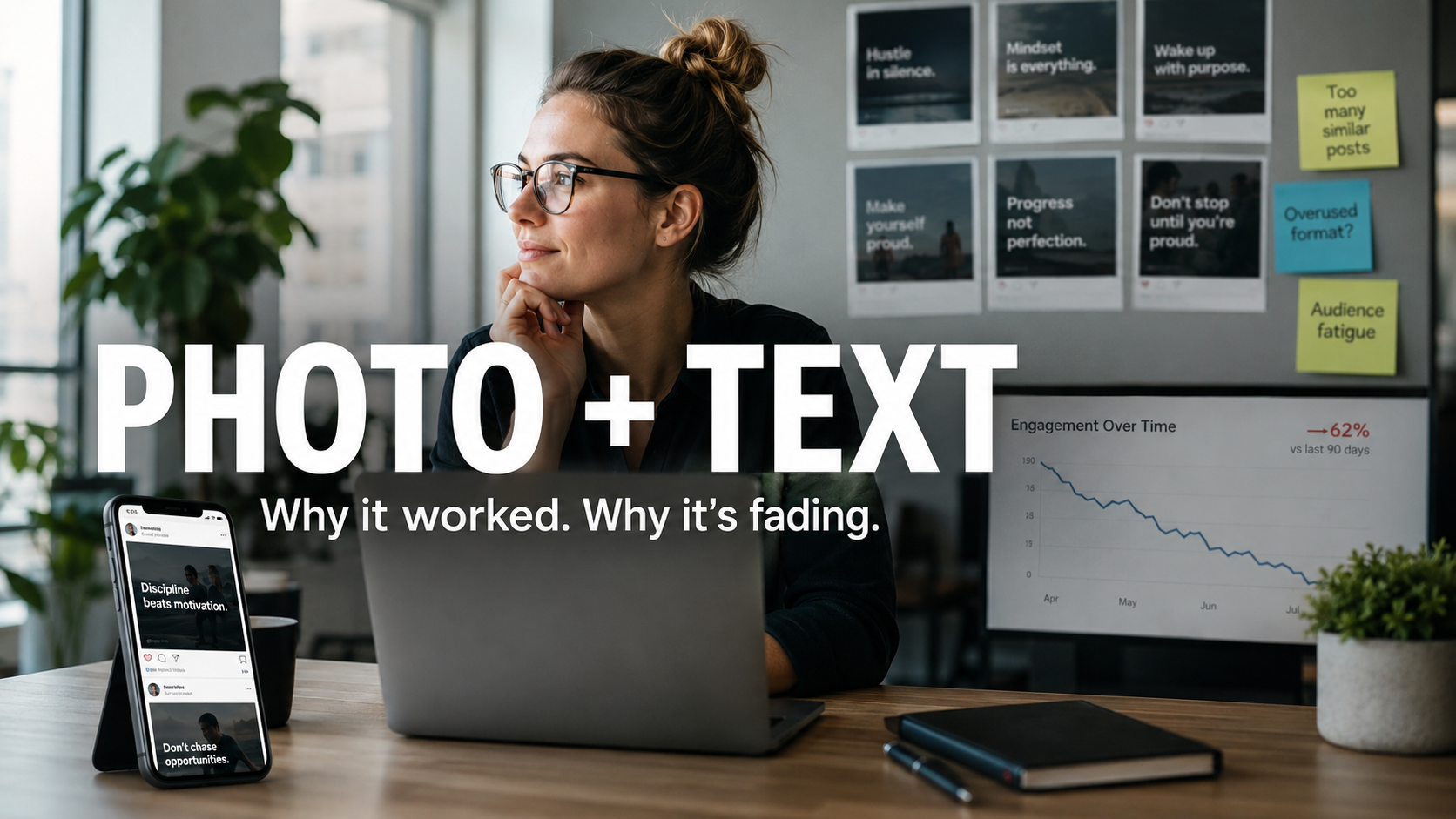
The "Normal Photo With Text On It" LinkedIn Trend: Why It Works, Why It's Dying, and What to Post Instead
A candid photo, a bold one-liner, zero design — and for two years it beat every polished graphic on LinkedIn. Now single-image posts underperform text by 30% and the parody phase has begun. Here's the full breakdown: the four mechanics behind the trend, the data on its decline, and how to steal what still works without becoming the meme.

Why the Biggest Personal Brands Turn Off Instagram Embeds (And What It Teaches You About Owning Your Platform)
I went to grab Instagram embeds for three of the most accomplished women in business — and all three came back unavailable. My first thought was a glitch. The truth is more interesting: part broken platform plumbing, part deliberate choice. The most sophisticated brands have decided that controlling how and where their content travels is worth more than the scraps of extra exposure an open embed provides. Here's the why — and what it teaches you about owning your platform instead of renting it.

How the Women of Shark Tank Built Empires — and Shaped a Generation of Female Leadership
In 2009, a producer nearly erased Barbara Corcoran from television before she started — and she refused to accept it. That refusal became a template. For more than fifteen years, the women of Shark Tank have done two things at once: built genuine empires of their own, and reshaped what leadership looks like for a generation of women watching from home. Here's who Corcoran, Greiner, Grede, and the newer sharks are as leaders — and what watching them taught everyone else.
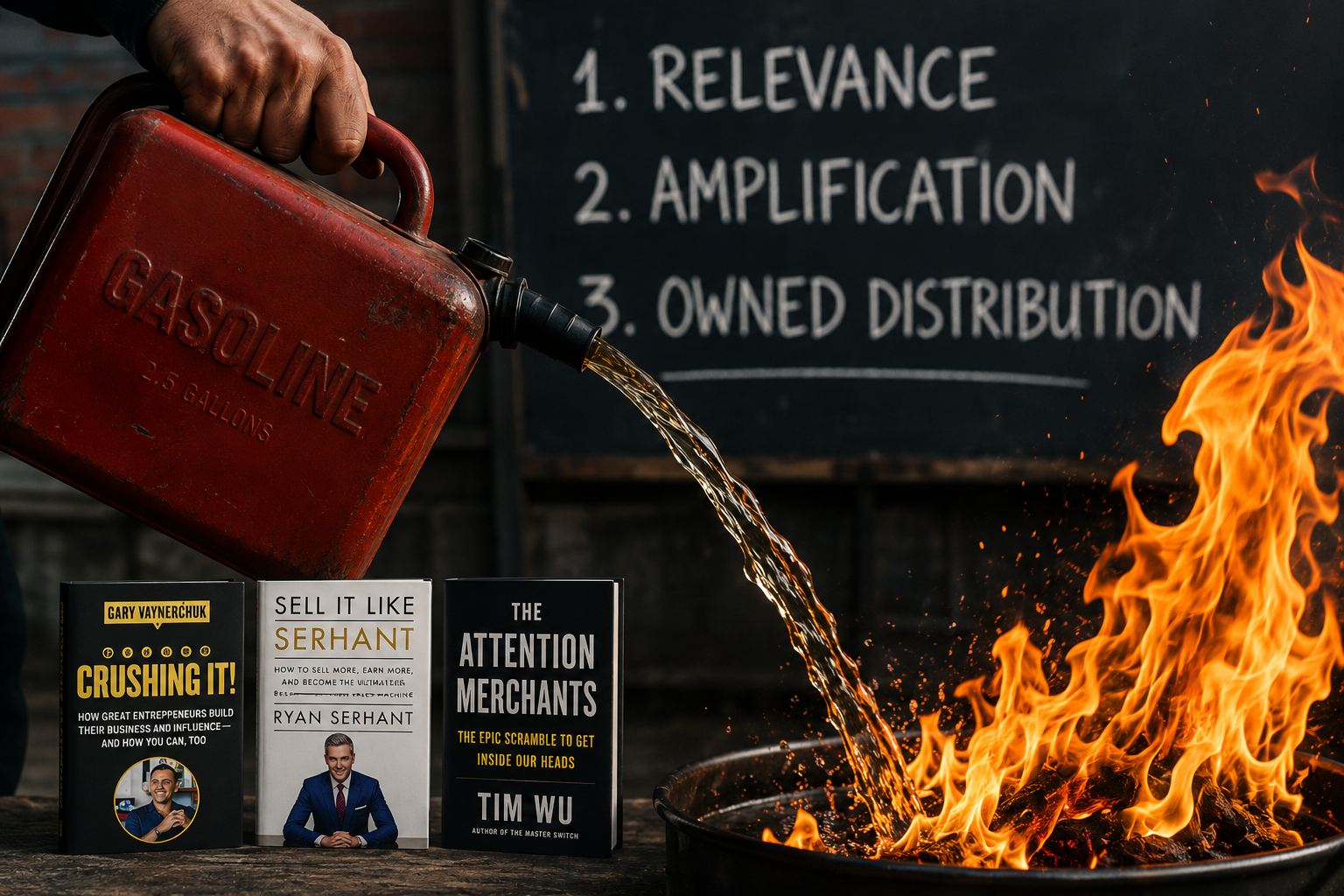
The "Pour Gasoline on It" Mentality: Marketing Lessons from Vayner, Serhant, and the Operators Who Mastered Attention
There's a rare breed of operator who doesn't see marketing as a budget line — they see it as a fire, and their genius is knowing exactly where to pour the gasoline. Gary Vaynerchuk, Ryan Serhant, and the masters of the attention economy cracked the game years before the search world caught up. The principles that made them legends — relevance over reach, volume over polish, owning your distribution, amplifying what's proven — are now almost word for word the rules that decide whether Google ranks you and ChatGPT cites you. Here's what we can learn.
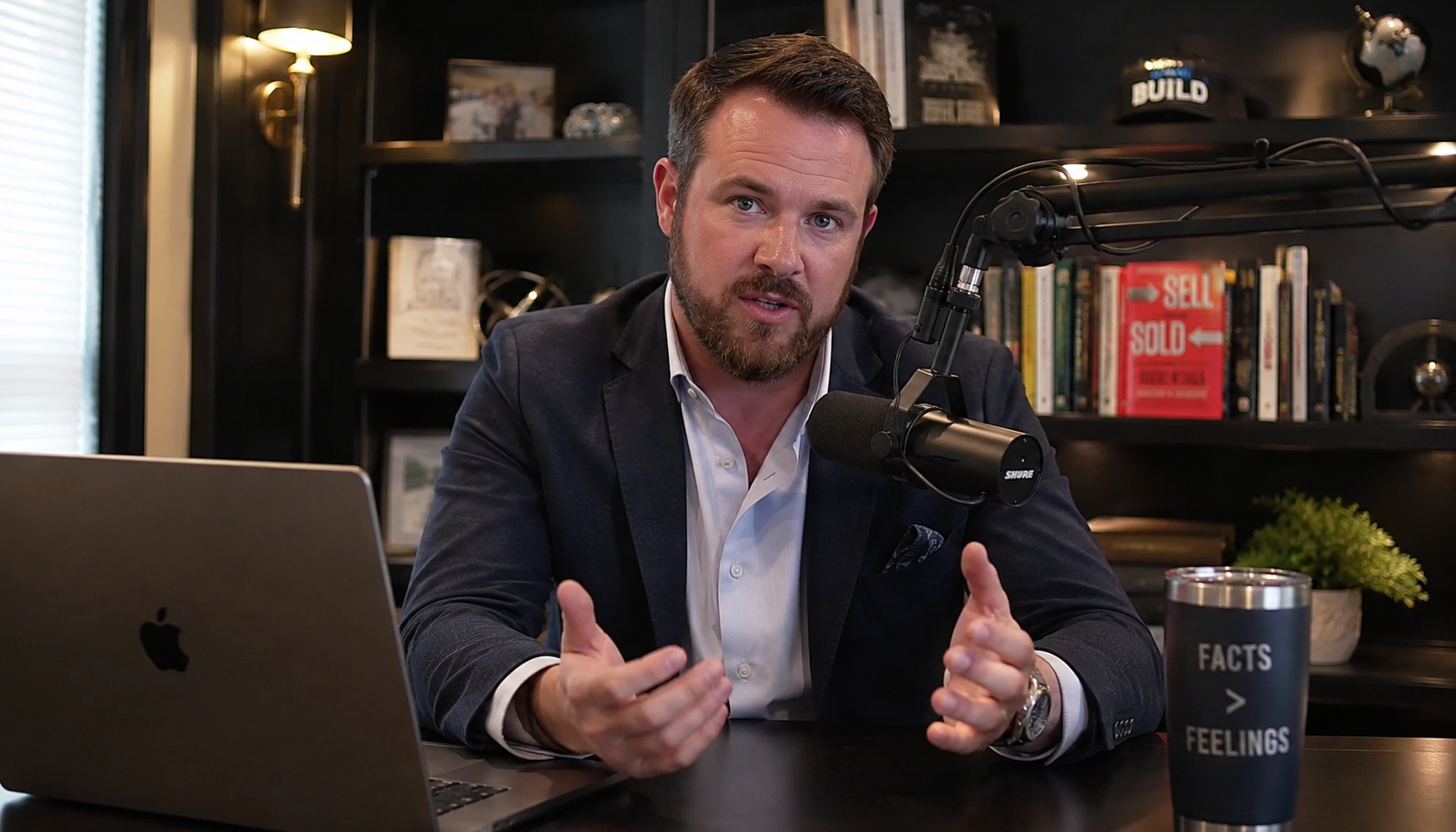
An Ode to the Podcast Microphone on a Sales Call: Our Greatest and Most Reliable Douche Canoe
Spring has its flowers. Fall has its gourds. And every season of professional life has its podcast microphone on a Zoom call, blooming perennially in the home offices of men who have described themselves as "builders" in their LinkedIn bio. This is not a piece about audio equipment. This is a piece about what the audio equipment means — and why your nervous system clocked it correctly before the call even loaded.
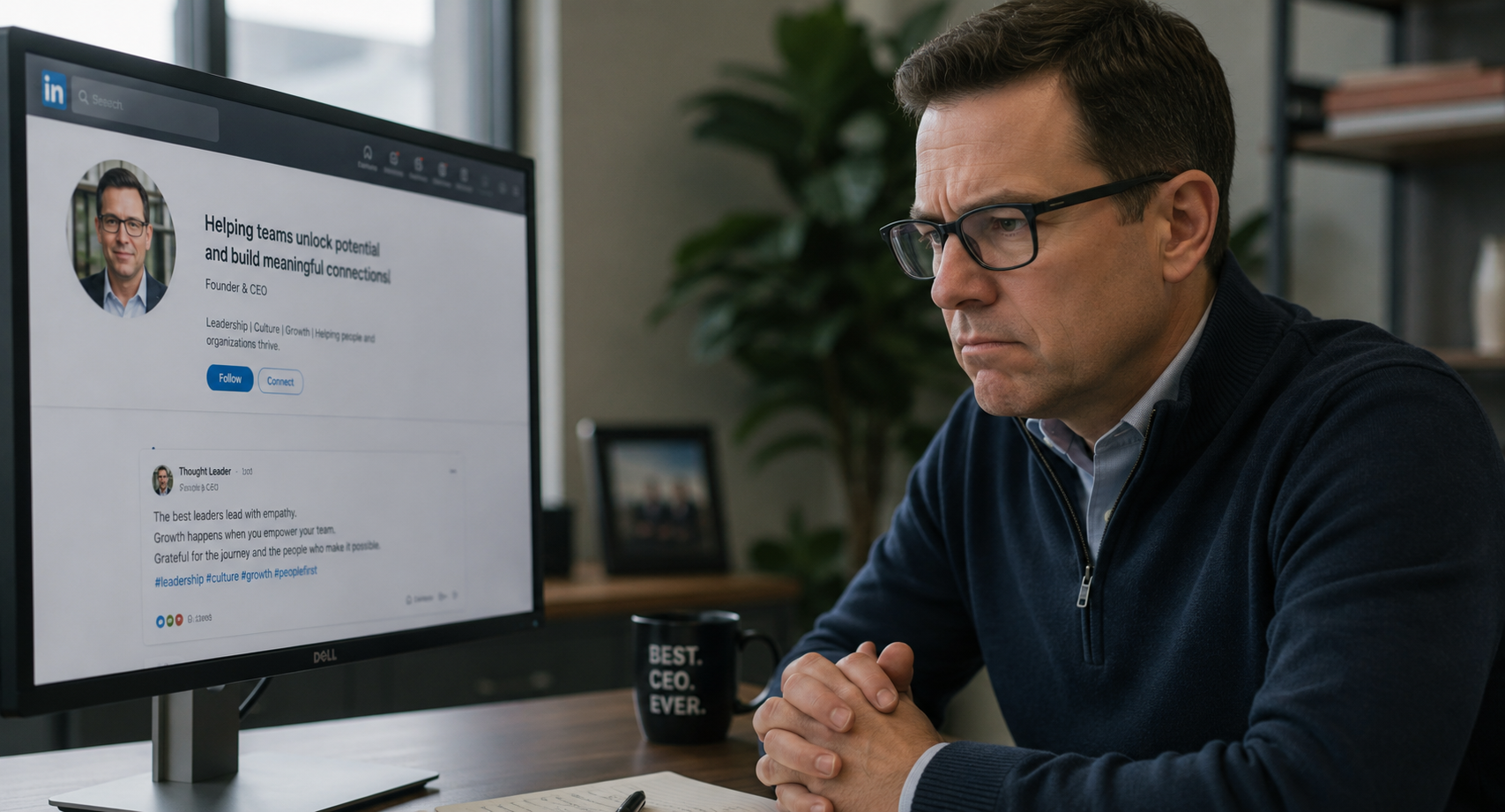
Your Online Persona Is Writing Checks Your Real Personality Can't Cash
There's a particular type of B2B founder whose LinkedIn is warm, relatable, and full of hard-won wisdom — and who is none of those things in person. It used to be a manageable gap. In 2026, with 90% of buyers researching before first contact and 71% of purchasing authority held by Millennials and Gen Z, that gap is becoming a liability the data can no longer ignore.
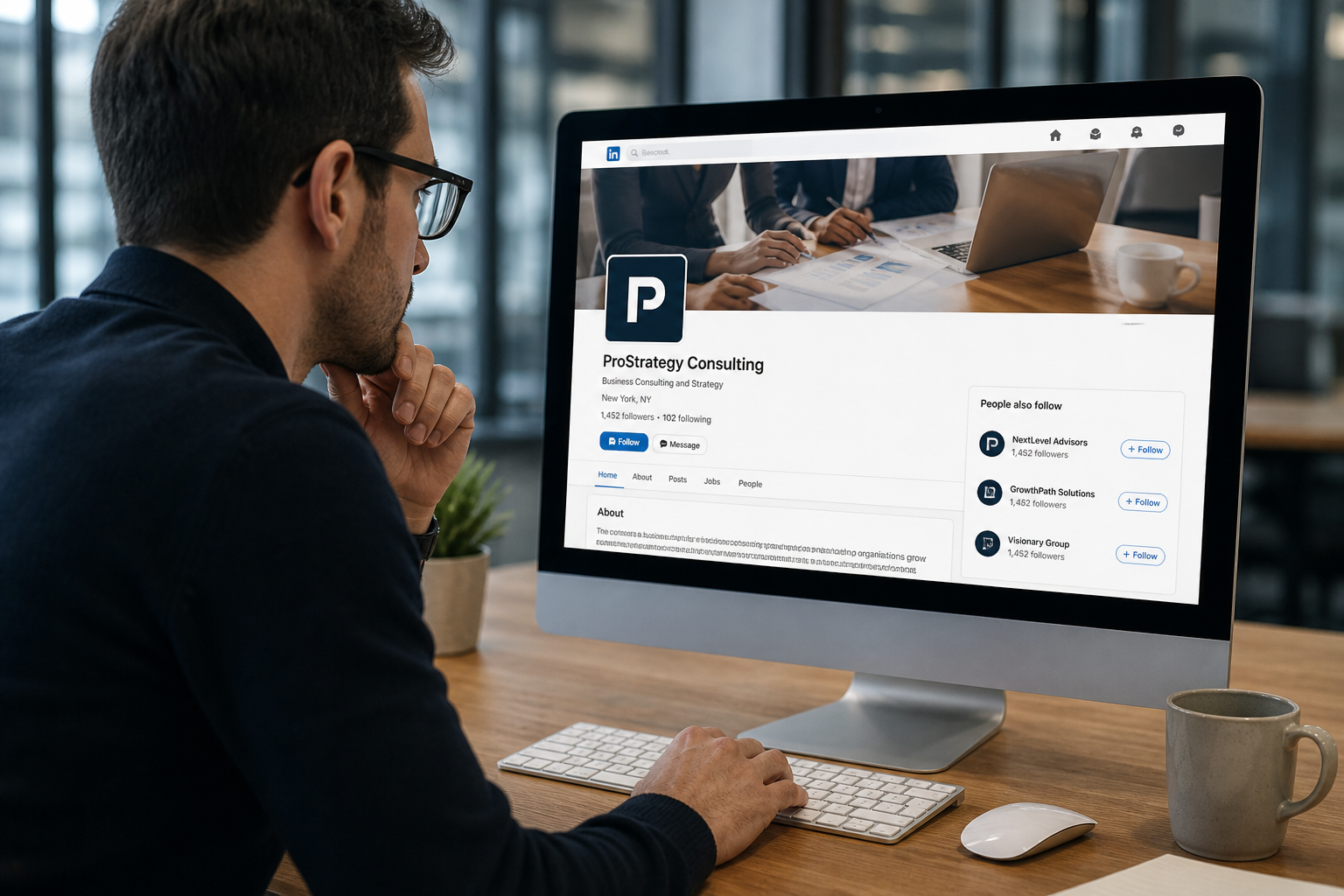
The Silent Sales Rep: Why Your Follower Count Is Sending a Message Before You Ever Say a Word
Before a prospect takes your meeting, reads your proposal, or returns your call — they've already looked you up. Here's why your social media follower count is one of the most powerful trust signals your brand has, and what it's saying about you right now.

CEO vs. Founder: A Branding Analysis of Which Title Is Better for Your Personal Brand
If you started your company, you hold both titles — so which one should you lead with? The answer isn't as obvious as it looks. CEO and Founder trigger completely different associations in the minds of investors, enterprise buyers, prospective hires, and media contacts. One signals story and authenticity. The other signals operational authority and institutional maturity. Lead with the wrong one in the wrong context and you're closing doors before you've had a chance to open them. This branding analysis breaks down exactly what each title communicates, when each one serves you better, and how to think about the choice across different stages of your company and career.
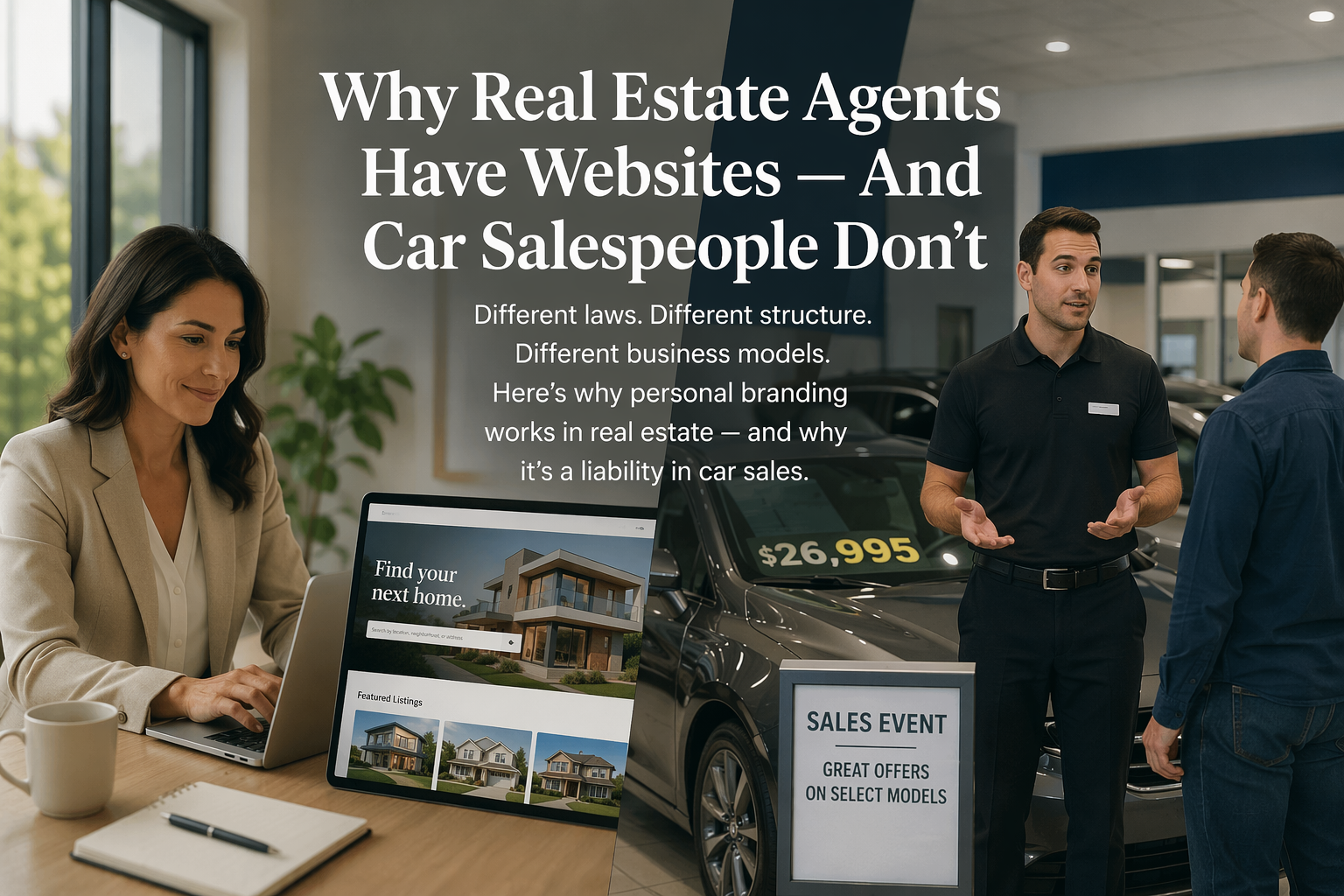
Why Real Estate Agents Build Personal Websites and Car Salespeople Don't: A Regulatory Tale of Two Sales Jobs
Every real estate agent seems to have their own website. No car salesperson does. It's not a matter of ambition, tech-savviness, or marketing sophistication — it's a matter of law. Real estate agents are federally classified as independent contractors who own their client relationships and keep their pipelines when they change brokerages. Car salespeople are legally defined as employees of licensed dealers, with licenses tied to specific stores and advertising compliance obligations that make independent marketing a liability rather than an asset. Here's why that structural difference matters for every business trying to figure out where personal branding actually works — and where company-level marketing is the only strategy that pays off.
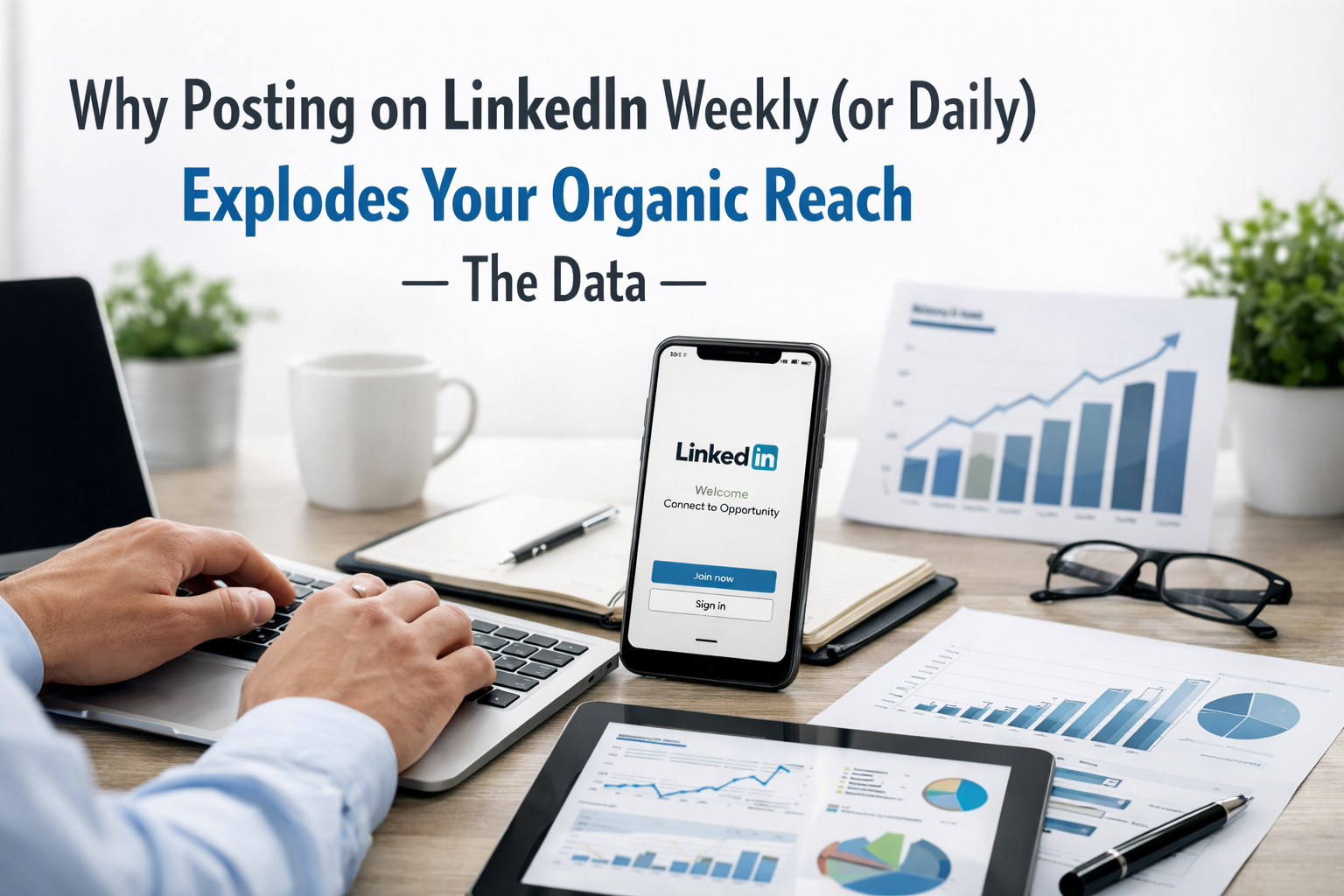
Why Posting on LinkedIn Consistently Is One of the Highest-ROI Moves You Can Make Right Now
LinkedIn's algorithm has fundamentally changed — and personal profiles have never had more structural advantage than they do right now. If you're a consultant, founder, or professional services provider considering a content strategy, this breakdown covers what the data says about posting frequency, organic reach, thought leadership ROI, and how consistent LinkedIn content turns into real pipeline.
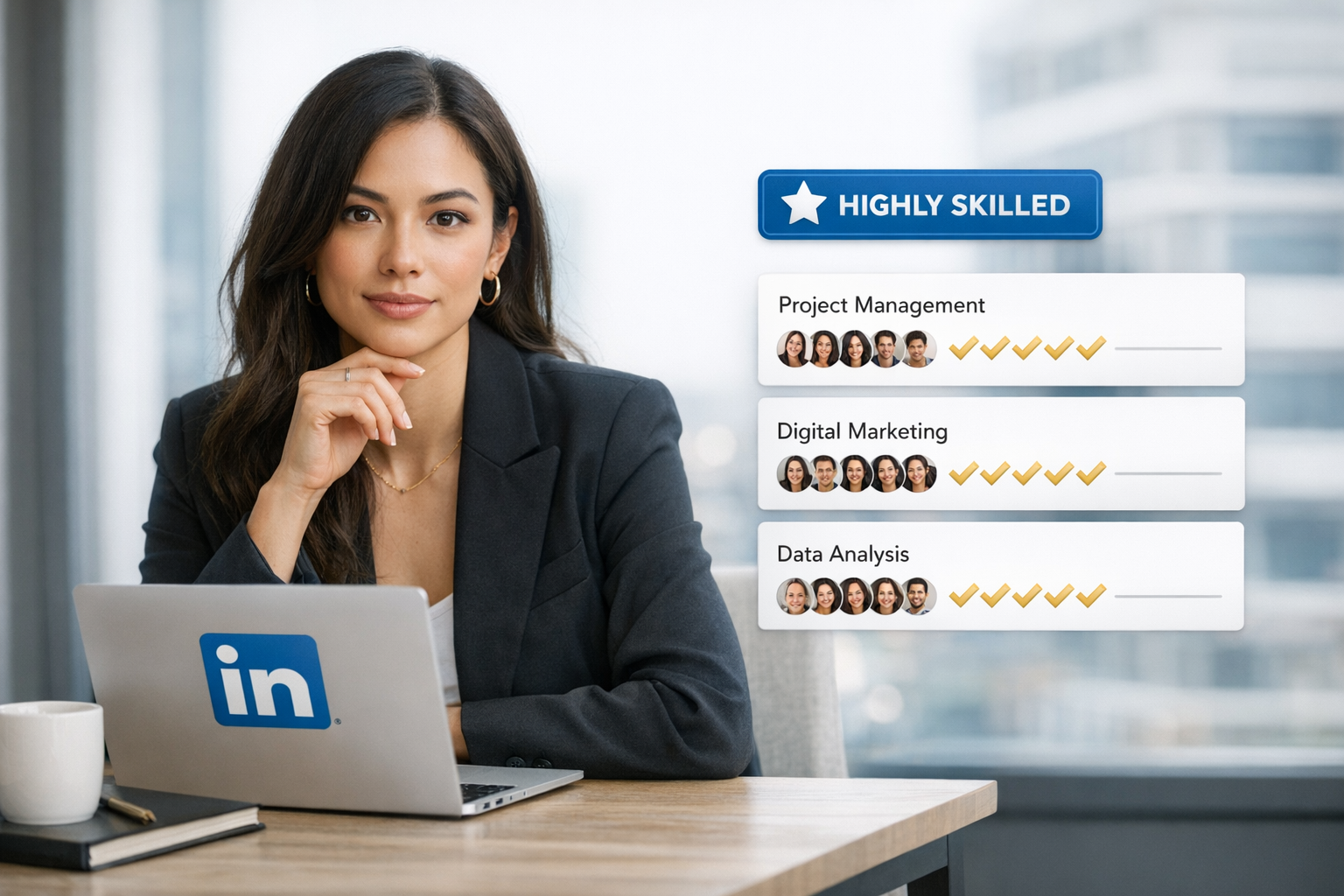
How LinkedIn Endorsements Actually Work — and How to Get the "Highly Skilled" Designation
Most professionals treat LinkedIn endorsements as a passive social nicety — a one-click exchange with a colleague that sits on your profile doing nothing in particular. But endorsements, when understood correctly and built deliberately, are doing real algorithmic work: influencing how LinkedIn surfaces your profile in search, shaping how recruiters and prospective clients evaluate your expertise at a glance, and — when accumulated at sufficient volume and quality from the right sources — earning your profile the "Highly Skilled" designation that LinkedIn awards to skills with exceptional endorsement signals. Most professionals have a skills section with thin endorsement counts that tells an incomplete story about their actual competence. Here's exactly how LinkedIn's endorsement system works, what the "Highly Skilled" label actually means and how LinkedIn decides who gets it, whether there are limits to how many endorsements you can give, and what a deliberate endorsement strategy looks like for professionals who want LinkedIn working as hard as they do.

Why the Founder's Face Outperforms the Company Logo Every Time
The founder posts something genuine on LinkedIn — no graphics, no approval process, just a real observation about their industry. It gets three times the engagement of the company's most polished content. The DMs that follow are from people who want to do business. Meanwhile the company's official page generates a fraction of the reach. This is not a coincidence. It is a fundamental truth about how human beings process trust — and most corporate marketing infrastructure is designed to work against it.
You Don't Have Time to Grow Your LinkedIn Following. We Do.
Most business owners know they should be growing their LinkedIn following. Almost none of them have the time to do it consistently. Ritner Digital handles the outreach, targeting, and follow-up for you — so your network grows every single day while you focus on running your business.
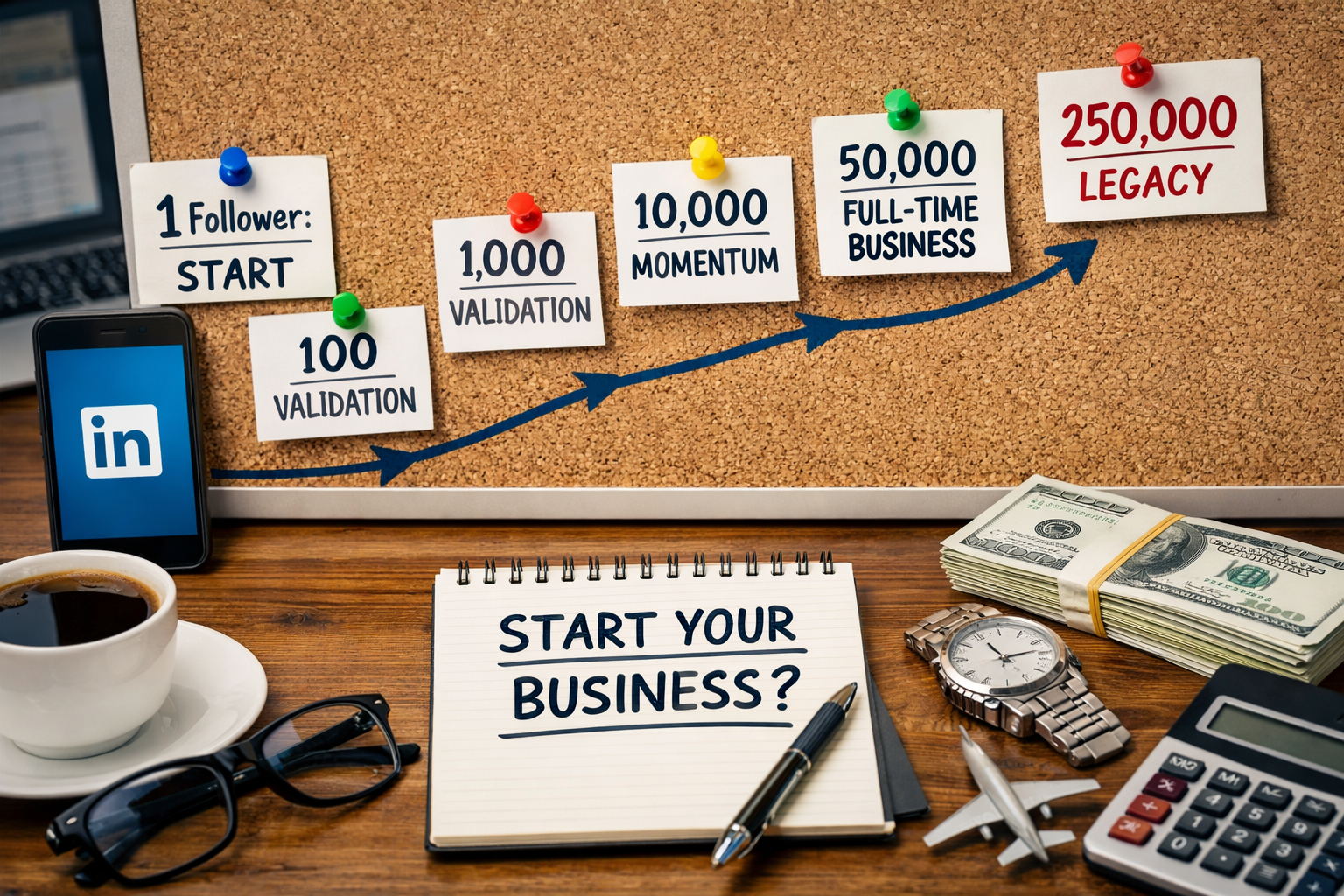
1 Follower to 250,000: How Many LinkedIn Followers Do You Actually Need Before You Start Your Own Business?
There's a framework that gets shared constantly in the LinkedIn creator space. 1 follower is your start. 100 is validation. 1,000 is momentum. 10,000 is a side hustle. 50,000 is a full-time business. 250,000 is your lasting legacy. It's clean, it's satisfying, and it gives people a roadmap where there wasn't one before. It's also only partially true — and the part that isn't true can lead people to make one of two very expensive mistakes. Either waiting far too long to take a leap that was ready to be taken, or jumping far too early based on a follower count that has never been tested against a real business model. Here's what those numbers actually mean, what the framework gets right, and what you actually need before making the leap.