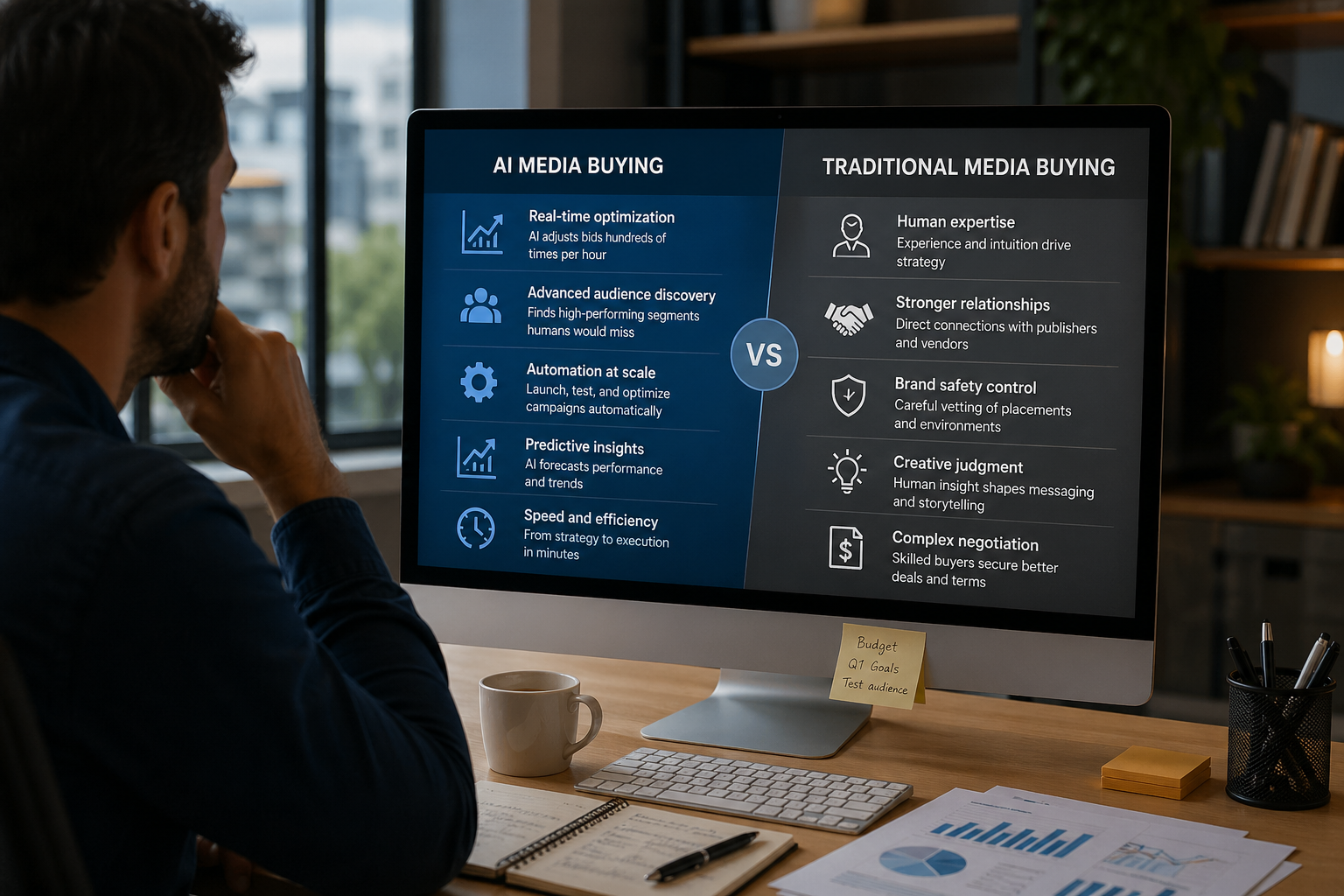
AI Media Buying vs. Traditional Media Buying: A Head-to-Head Breakdown
Global ad spend is expected to exceed $1 trillion in 2026, and the way those dollars get placed has changed permanently. AI systems now adjust bids hundreds of times per hour, discover audience segments no human buyer would identify, and in some cases generate entire campaigns from nothing more than a URL. But the same platforms reporting record AI performance numbers are also the ones defining how that performance gets measured. Here is an honest breakdown of where AI media buying wins, where traditional buying still holds the edge, and what the right balance looks like for your business.
What HubSpot Actually Built — and What Every Brand Gets Wrong About the Inbound Playbook
HubSpot is worth studying not because it built great software, though it did, and not because it grew fast, though it did that too. It is worth studying because it built a media company first and a software company second — and the sequence matters more than almost anyone who tries to copy the model understands. The conventional reading of HubSpot's growth misses the deeper strategic logic: a deliberate, decade-long construction of an audience asset that made every subsequent product, acquisition, and expansion easier and cheaper than it would have been for a company that had simply built software and bought ads.
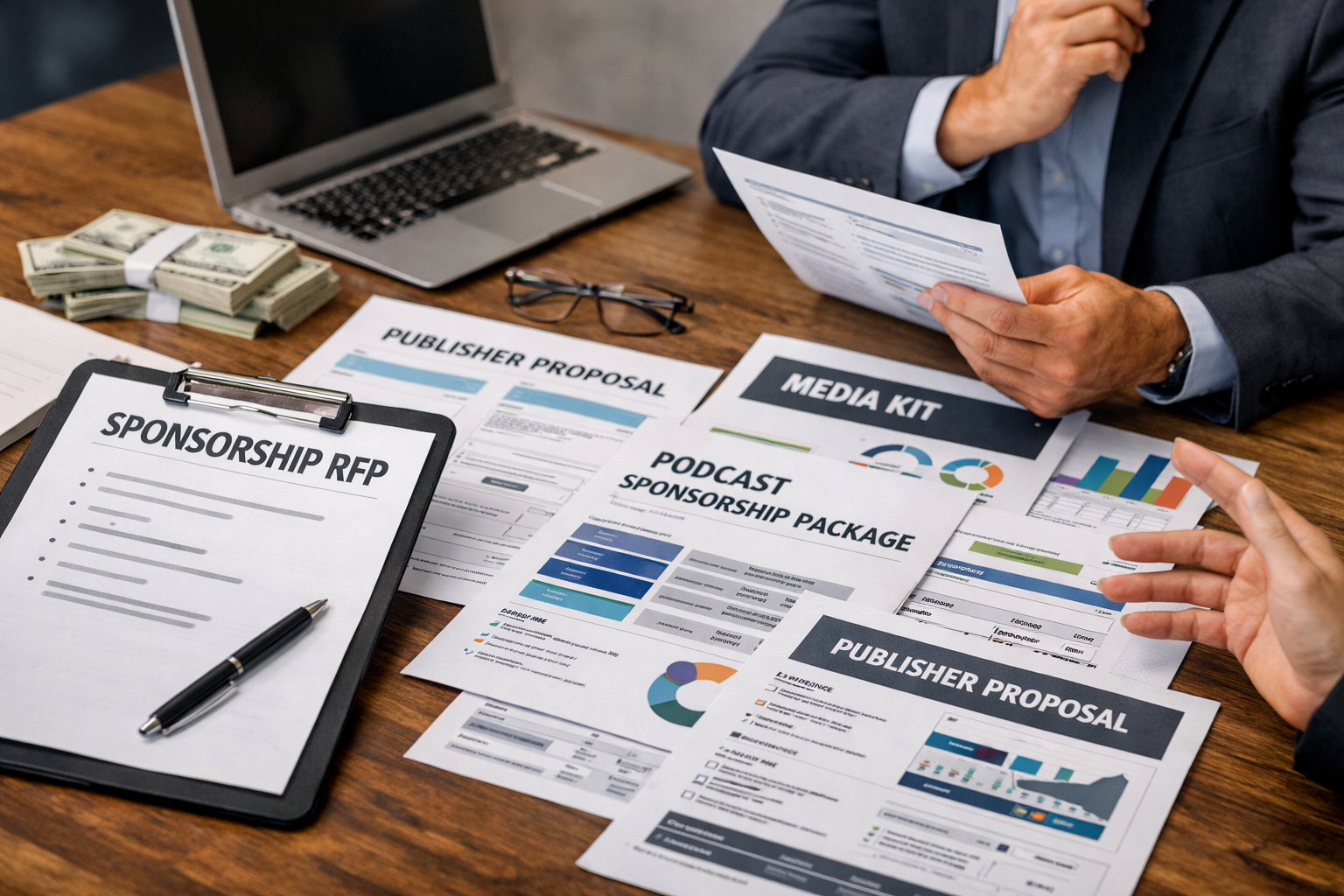
Why Publisher Sponsorship Requests Are Just RFPs in Disguise — and Why Brands Keep Losing Them
When a municipality needs a construction contractor, it issues a Request for Proposals. Every qualified firm gets the same specs, the same timeline, the same criteria. The process is designed for fairness — which means it's also designed to produce commodity outcomes. Most publishers and podcasts run their sponsorship programs the same way, whether they call it that or not. The media kit goes out to every brand in the category simultaneously. Everybody gets the same options at the same price. And brands keep participating, cycle after cycle, wondering why the results feel thin.

What "Engaged Audience" Actually Means — and How to Tell if a Publisher Has One
Every publisher will tell you their audience is engaged. The media kit will show impressive monthly page view numbers, a demographic breakdown that matches your target buyer perfectly, and a rate card positioned to make the investment feel like a bargain. What the media kit will not show you is whether any of those numbers reflect genuine audience loyalty — or whether the trust that makes publisher partnerships valuable actually exists.
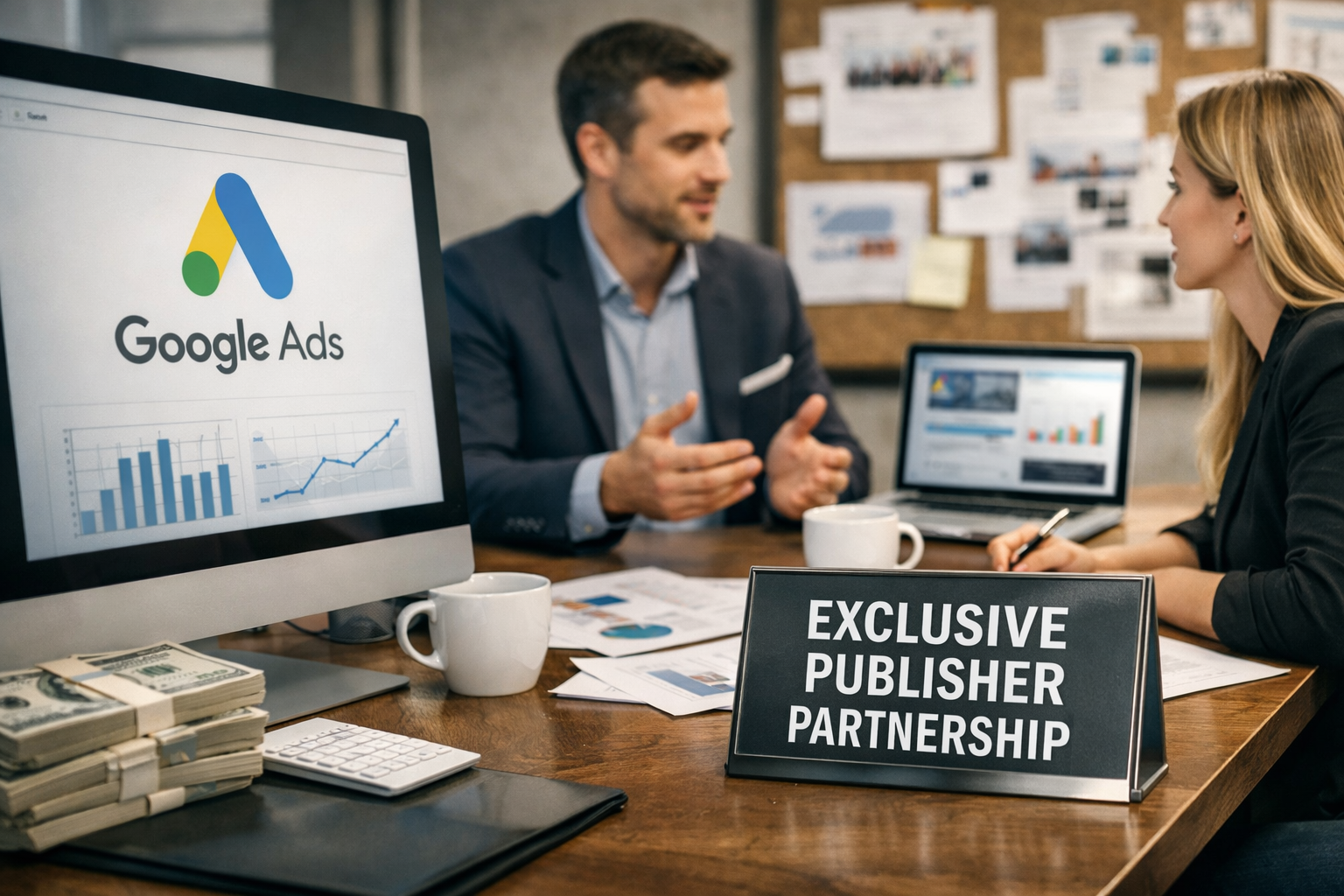
Why Smart Brands Are Ditching Google Ads for Exclusive Publisher Partnerships
You've got a $10,000 to $50,000 ad budget. The instinct is to hand it to Google and watch the leads roll in. That instinct is costing you more than you think — not just in dollars, but in the kind of market position that paid search simply cannot build no matter how much you spend. There's a different model worth understanding, and the brands that figure it out early tend to dominate their category in ways that their competitors, busy optimizing ad spend, never catch up to.