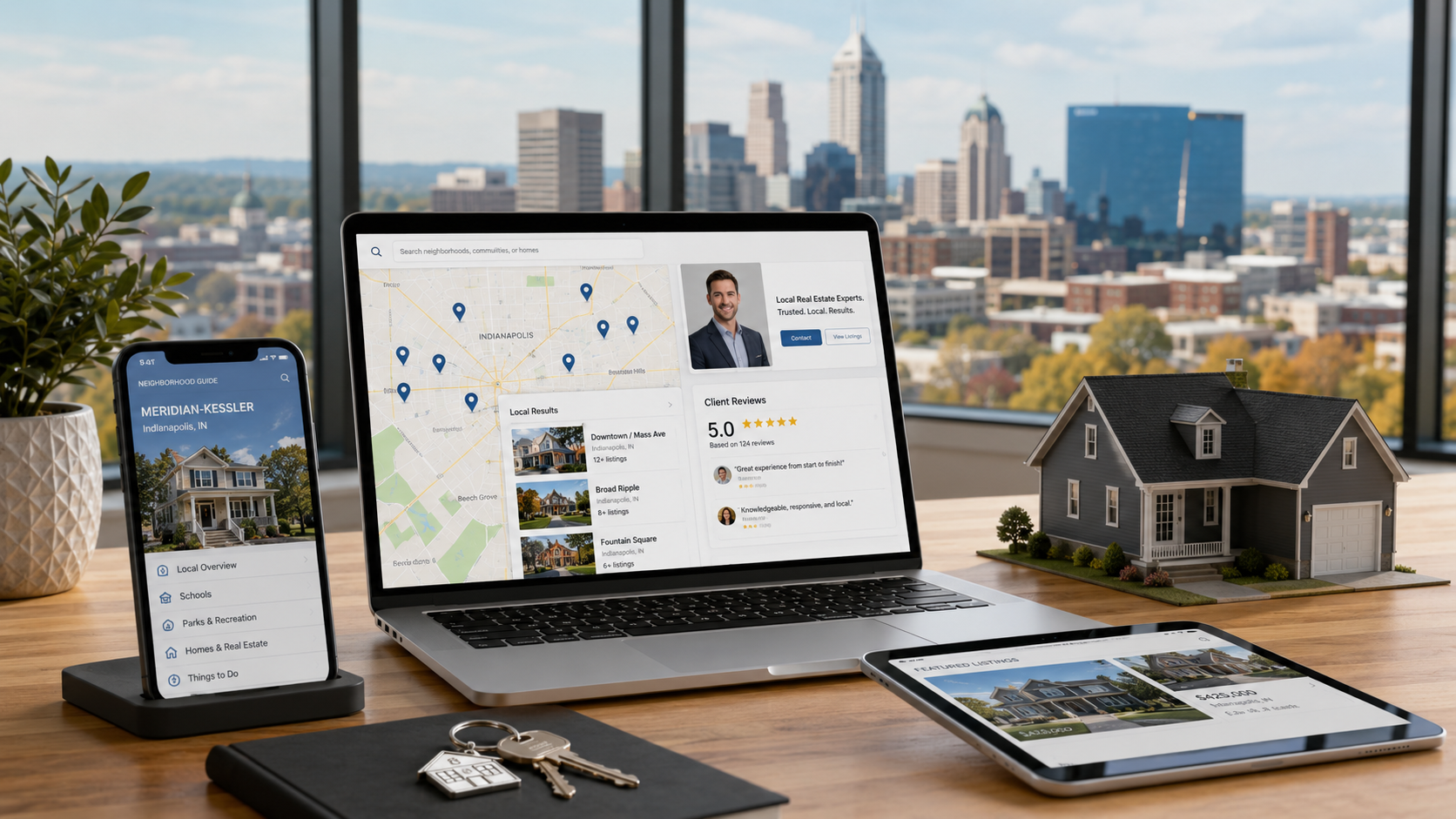
SEO for Indianapolis Real Estate Companies: Beyond Zillow and Realtor.com
Zillow, Realtor.com, and other real estate portals are valuable parts of the home-search journey, but Indianapolis real estate companies should not let third-party platforms own their entire digital presence. This guide explains how brokerages, teams, and agents can build their own search visibility through Google Maps, neighborhood pages, seller content, agent profiles, original market data, reviews, local backlinks, technical SEO, and AI search.

Your Next Wildwood Buyer Is on a Couch in Doylestown, Three Years From Closing. Zillow Plans to Sell Them to You for 35%.
Tonight, your next closing is on a couch in Doylestown typing "is a Wildwood Crest condo a good investment" — three winters from a wire transfer with six zeros. The national data describes this buyer perfectly: 62 years old, repeat purchaser, 30% chance of paying cash, living entirely on screens. This letter maps the multi-year dreaming phase almost no agent farms, runs the Zillow Flex math ($6–7K per closing at 35%), and lays out the content, AI visibility, and remote-buyer proof that make you the family's advisor years before the toll booth can introduce you at the door.

What Skyrocketing Homeownership Costs Mean for SEO and AI Search in Home Services and Real Estate
Owning a home has become one of the most expensive things a middle-class household can do, with emergency repairs up 175% and insurance up 72% since 2019. That cost pressure is permanently changing how homeowners research and choose the businesses they hire — and it's happening just as search splits into two channels: the Google index and the AI answer engines buyers now ask first. Here's what rising homeownership costs mean for SEO and AI search visibility in home services and real estate, and what businesses need to do to capture the demand before a competitor does.
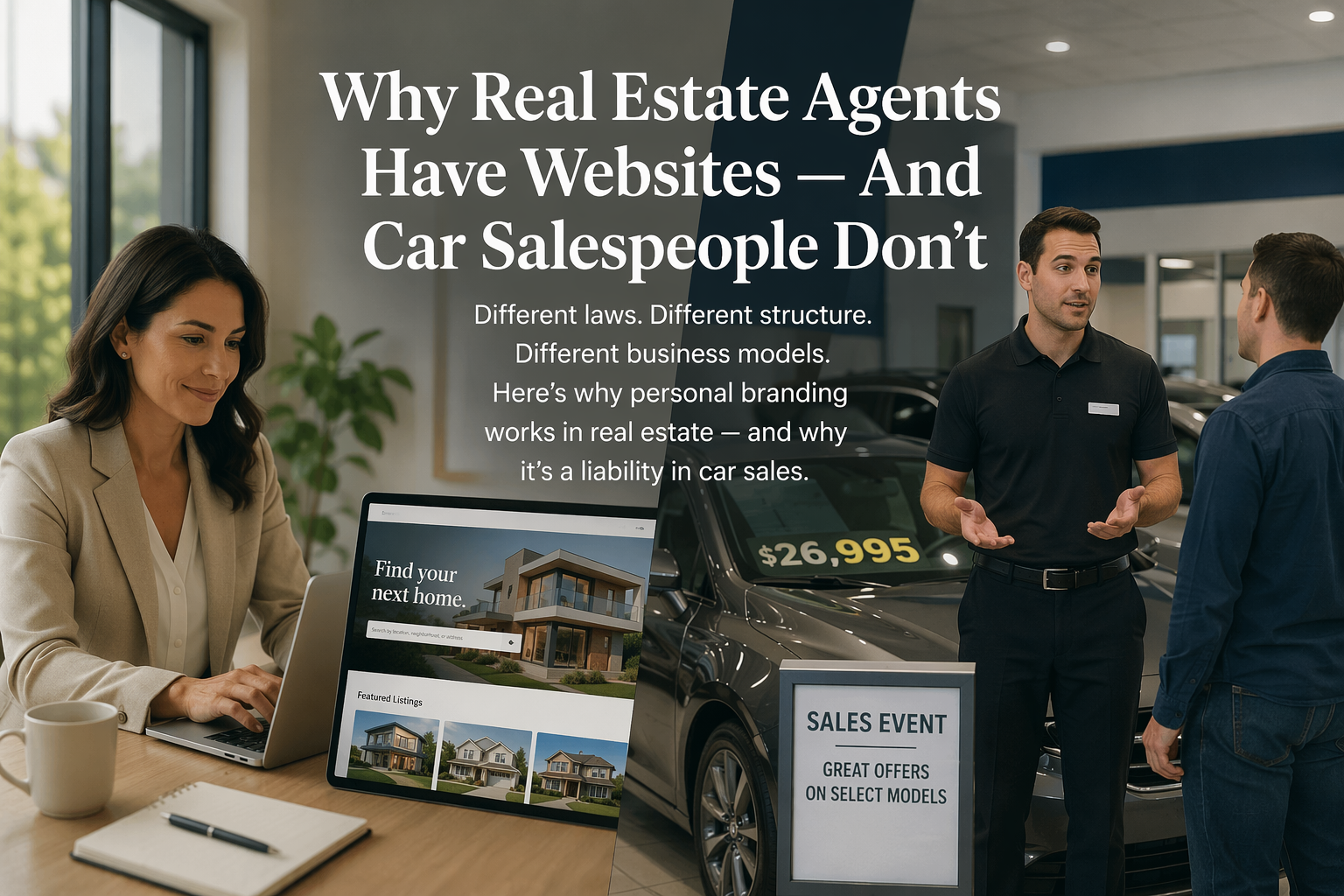
Why Real Estate Agents Build Personal Websites and Car Salespeople Don't: A Regulatory Tale of Two Sales Jobs
Every real estate agent seems to have their own website. No car salesperson does. It's not a matter of ambition, tech-savviness, or marketing sophistication — it's a matter of law. Real estate agents are federally classified as independent contractors who own their client relationships and keep their pipelines when they change brokerages. Car salespeople are legally defined as employees of licensed dealers, with licenses tied to specific stores and advertising compliance obligations that make independent marketing a liability rather than an asset. Here's why that structural difference matters for every business trying to figure out where personal branding actually works — and where company-level marketing is the only strategy that pays off.

The Quiet Shift Happening in Real Estate Marketing (And Why Most Agents Are Missing It)
The agents quietly building the most profitable books of business in the Philadelphia suburbs and South Jersey aren't the ones with the biggest ad spend or the most followers. They've figured out something fundamental about how people actually make decisions — and built their entire marketing approach around it. If you're still relying on your personal brand site as your only digital play, you're leaving a significant portion of your market on the table.
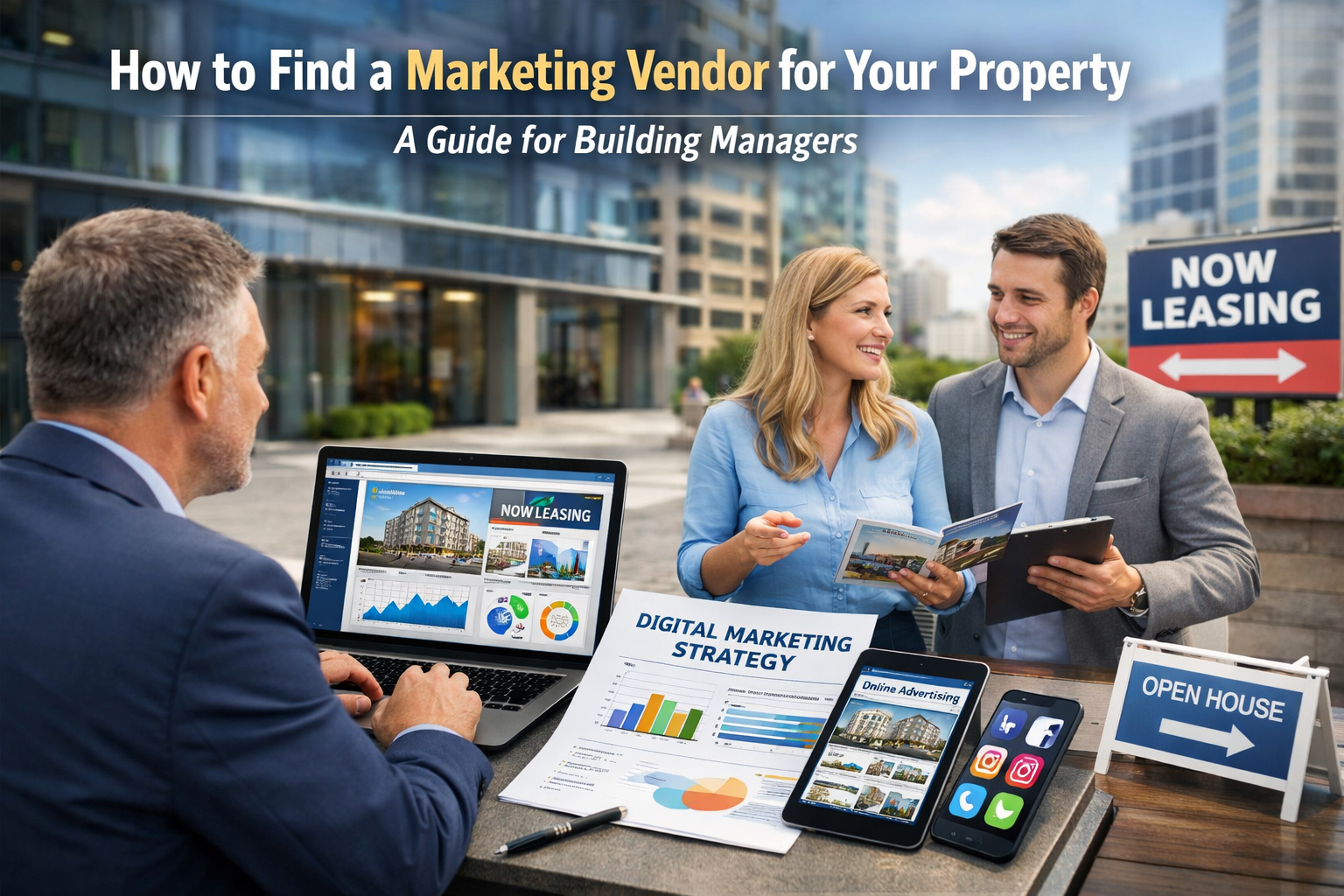
How to Find the Right Marketing Vendor for Your Property — A Guide for Corporate Real Estate and Building Managers
Keeping occupancy high is the single most important variable in your property's performance — and the way tenants find and evaluate buildings has changed completely. Here's a straight-talk guide for corporate real estate managers and building owners on how to find, evaluate, and hire the right digital marketing vendor for your property.

Why Hiring a Digital Agency Pays for Itself for Real Estate Builders and Investment Companies
The question real estate builders and investment companies ask is whether they can justify a $1,000 to $2,000 monthly digital agency retainer. It is the wrong question. The right question is how many deals, investors, and projects their current digital presence is costing them — and whether the revenue attached to even one of those missed opportunities dwarfs the annual cost of the retainer that would have prevented it. For real estate organizations serious about scaling, the math is not close. This blog breaks down exactly how a professional digital agency partnership pays for itself — and then some.
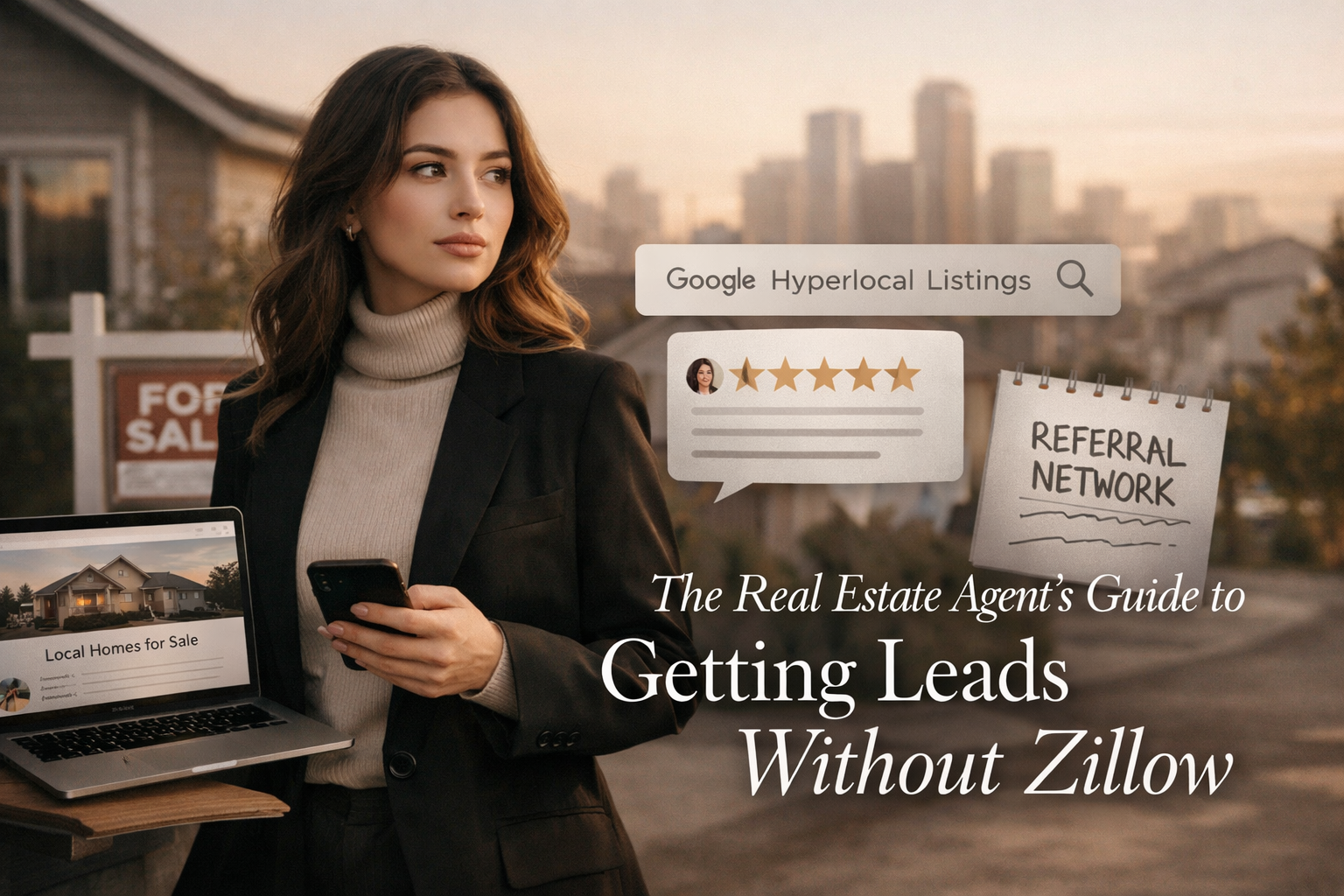
The Real Estate Agent's Guide to Getting Leads Without Zillow
An agent whose business depends on Zillow for lead flow doesn't have a business — they have a subscription. Here's a complete guide to building real estate lead generation you actually own: a website that ranks for hyperlocal searches, content that builds trust before the first conversation, a review strategy that compounds over time, and a referral network that costs nothing but attention. The quality is better, the cost is lower, and the asset appreciates instead of evaporating.