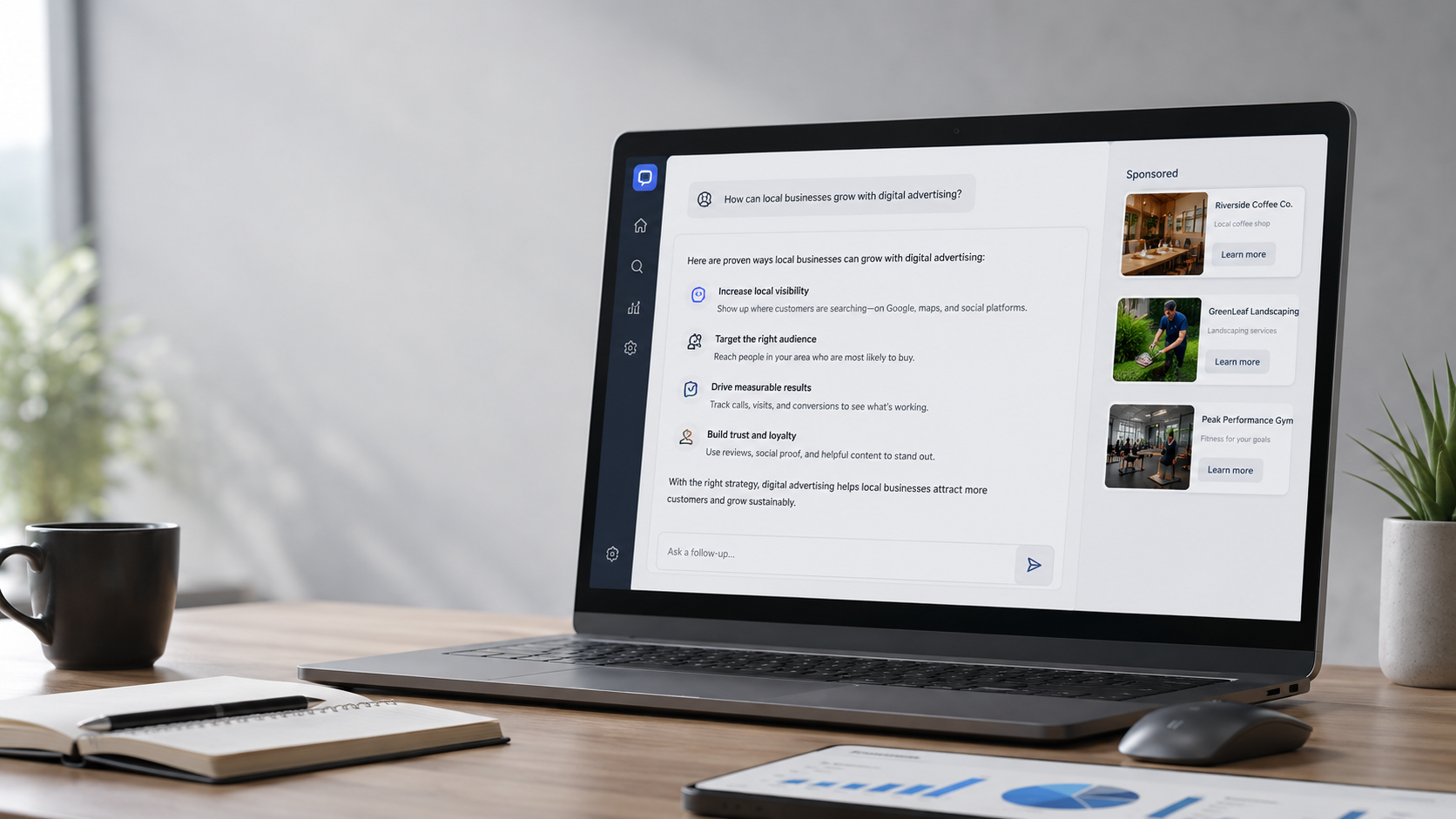
ChatGPT Has Ads Now. Here's What They Can Buy — and the One Thing They Can't.
ChatGPT started showing ads to free-tier users in February, and the rollout has moved fast — international expansion, a self-serve ads manager with no minimum spend, major agencies writing six-figure checks. Here's the full verified timeline, who sees the ads, and the detail that matters most: by OpenAI's own design, the ads sit beside the answer but cannot change it. AI search now has a rent lane and an own lane — and the answer itself is still earned.
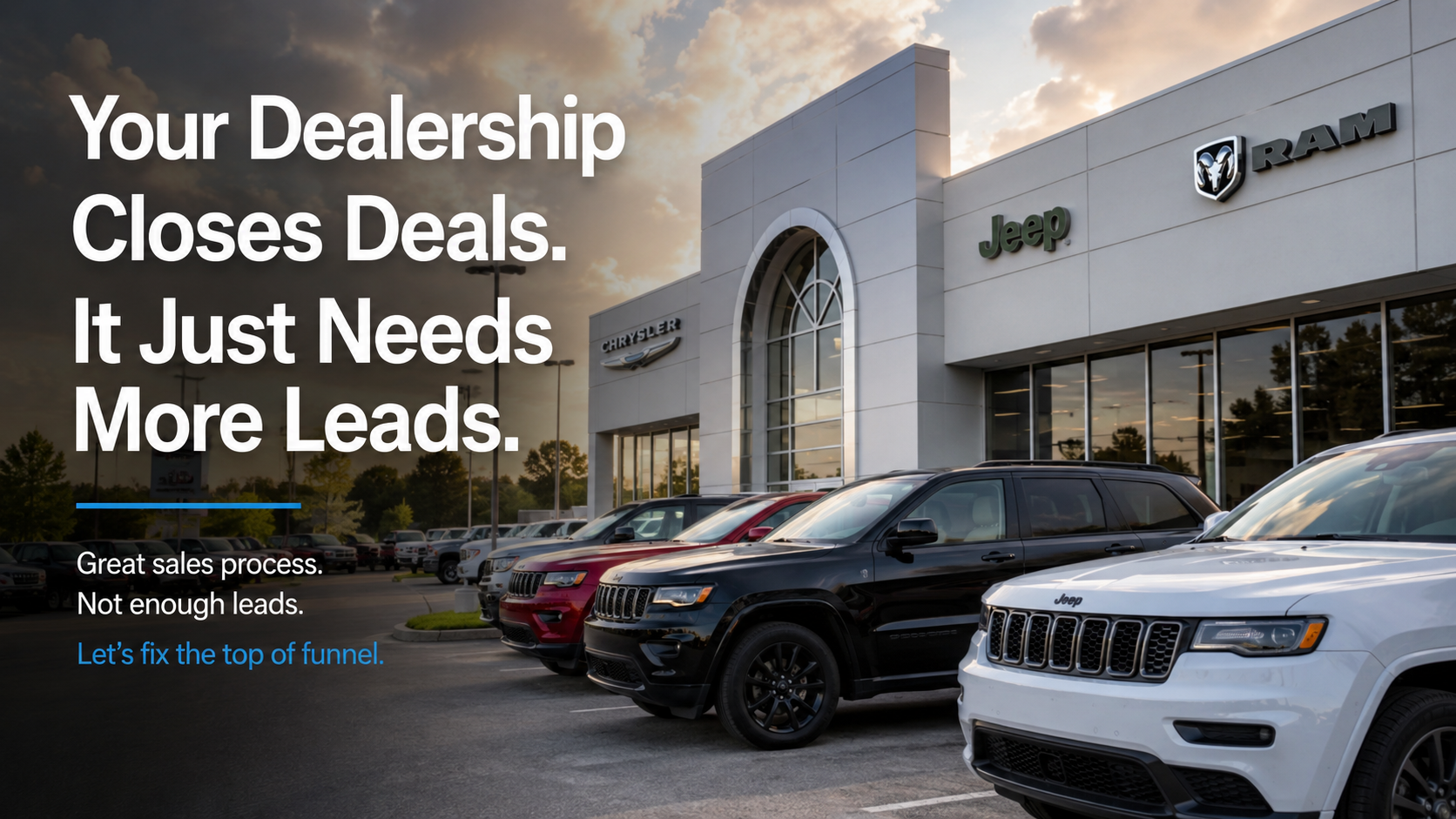
Your CJDR Dealership Closes Deals. It Just Needs More People to Close: The Top-of-Funnel Problem Nobody Talks About
There's a specific frustration that only happens to good dealerships: your team closes at a rate you're proud of, but the leads just aren't showing up. A metro-Atlanta CJDR store put it perfectly — great process, strong closing percentages, just need more prospects to consider them. That's not a sales problem. It's a visibility problem, and it's the fixable half of the funnel. Here's where dealer leads leak and how to feed the talent you've already built.

How Behavioral Targeting with AI Doubles Engagement Rates
Why does an ad for the exact product you were browsing twenty minutes ago feel completely different from an ad for something you've never thought about? Both are ads. Both appear in the same feed. One feels relevant. The other gets scrolled past. That difference is behavioral targeting — and AI has turned it from a useful tactic into the defining competitive advantage in modern digital marketing. Ads using behavioral targeting increase engagement by 50% compared to generic ads. Here's what's driving that number and how to build a system that produces it.

What Is Programmatic Advertising and Why Should You Care in 2026?
Most businesses running digital ads are already buying programmatically — they just don't realize it. And the 90% of digital display spending that flows through programmatic channels includes far more than Google and Meta. Connected TV, digital out-of-home, premium publisher networks, audio — all accessible through the same real-time bidding infrastructure. Here's what programmatic advertising actually is, how it works, what AI has changed, and why it matters for your business in 2026.

Orlando Is Approaching 3 Million People. Is Your Marketing Keeping Up With Who's Actually Moving Here?
Orlando's population just hit nearly 2.96 million — and the region is on the verge of a milestone that would have seemed extraordinary a decade ago. But the headline number isn't the most important part of the story for local businesses. The most important part is who those people are. Since 2020, 65% of Orlando's population growth has come from international migration. More domestic residents left the region than arrived in 2025. The fastest-growing counties are Osceola and Lake — not Orange or Seminole. And the newcomers arriving every week are younger, more diverse, more digitally native, and more multilingual than the customer base most Orlando businesses were built to serve. If your marketing hasn't been updated to reflect that shift, you're not marketing to Orlando. You're marketing to a version of Orlando that no longer exists.
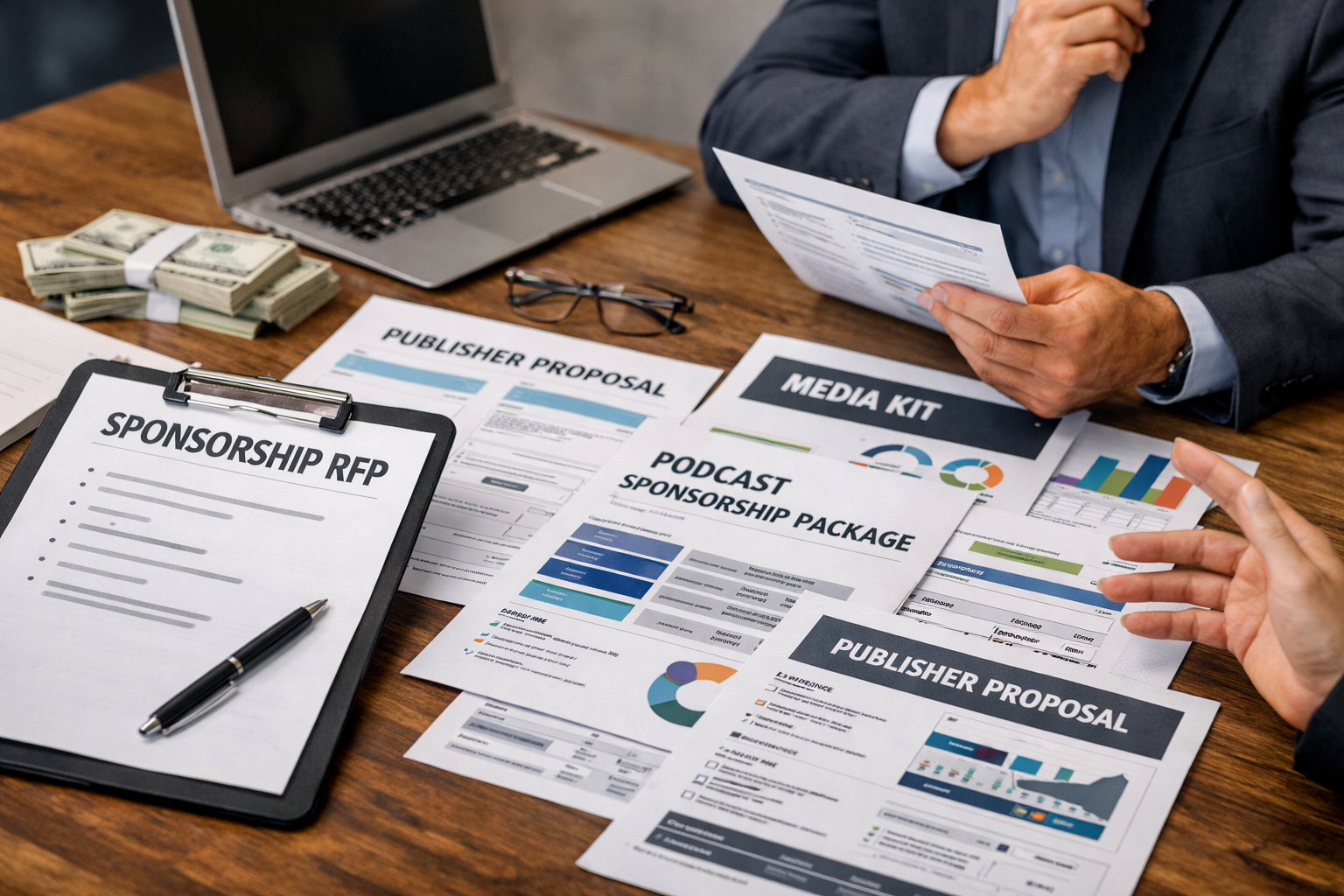
Why Publisher Sponsorship Requests Are Just RFPs in Disguise — and Why Brands Keep Losing Them
When a municipality needs a construction contractor, it issues a Request for Proposals. Every qualified firm gets the same specs, the same timeline, the same criteria. The process is designed for fairness — which means it's also designed to produce commodity outcomes. Most publishers and podcasts run their sponsorship programs the same way, whether they call it that or not. The media kit goes out to every brand in the category simultaneously. Everybody gets the same options at the same price. And brands keep participating, cycle after cycle, wondering why the results feel thin.

The Citation Economy: How Brands Are Learning to Monetize AI Visibility Without the Click
Someone opens ChatGPT, asks which tools are worth considering in your category, and gets a thoughtful answer that mentions your brand by name and positions it favorably. No click. No session in your analytics. No conversion event firing anywhere in your tracking stack. By every metric your marketing dashboard measures, nothing happened. Except something did — and the brands figuring out how to build a business model around that something are developing an advantage that compounds with every month the rest of the market spends waiting for the problem to fit a familiar measurement framework.
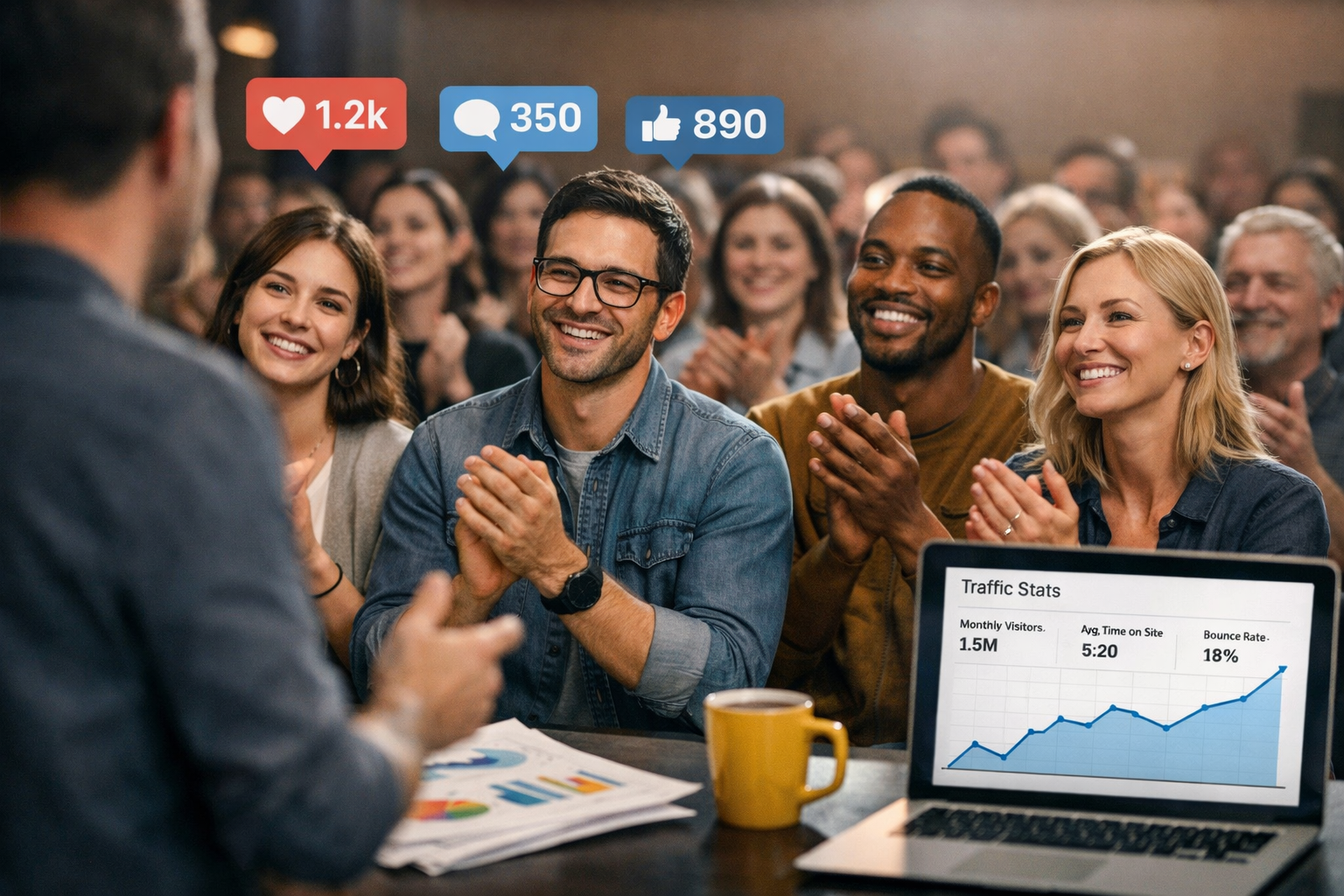
What "Engaged Audience" Actually Means — and How to Tell if a Publisher Has One
Every publisher will tell you their audience is engaged. The media kit will show impressive monthly page view numbers, a demographic breakdown that matches your target buyer perfectly, and a rate card positioned to make the investment feel like a bargain. What the media kit will not show you is whether any of those numbers reflect genuine audience loyalty — or whether the trust that makes publisher partnerships valuable actually exists.

The Attention Rental Economy: Why Most Ad Budgets Build Nothing Permanent
There is a version of marketing that compounds. Every dollar spent builds on the last one, creates something that persists after the spending stops, and produces returns that increase over time rather than resetting to zero when the budget runs out. And there is a version of marketing that doesn't. Most brands are almost entirely invested in the second version — not because they've chosen it deliberately, but because the infrastructure of modern digital advertising makes renting the path of least resistance.
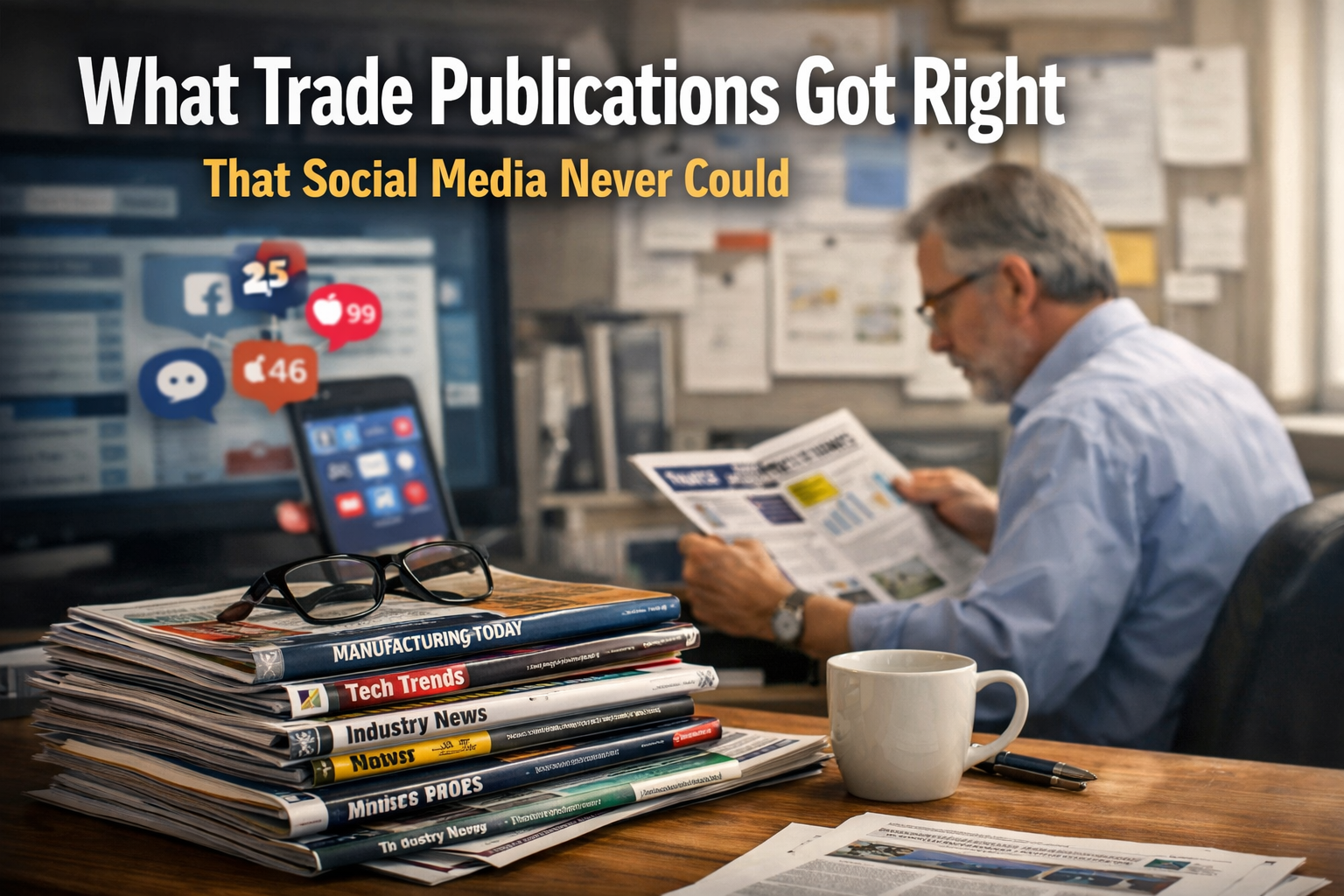
What Trade Publications Got Right That Social Media Never Could
Before Google. Before Facebook. Before the entire architecture of digital advertising was built around the premise that reach was the variable that mattered most, there was a simpler and more durable model for how brands reached the people they needed to reach. That model worked for most of the twentieth century. Then social media scaled, performance marketing took over, and the logic behind it got buried. It's now more relevant than ever — and most brands are still missing it.
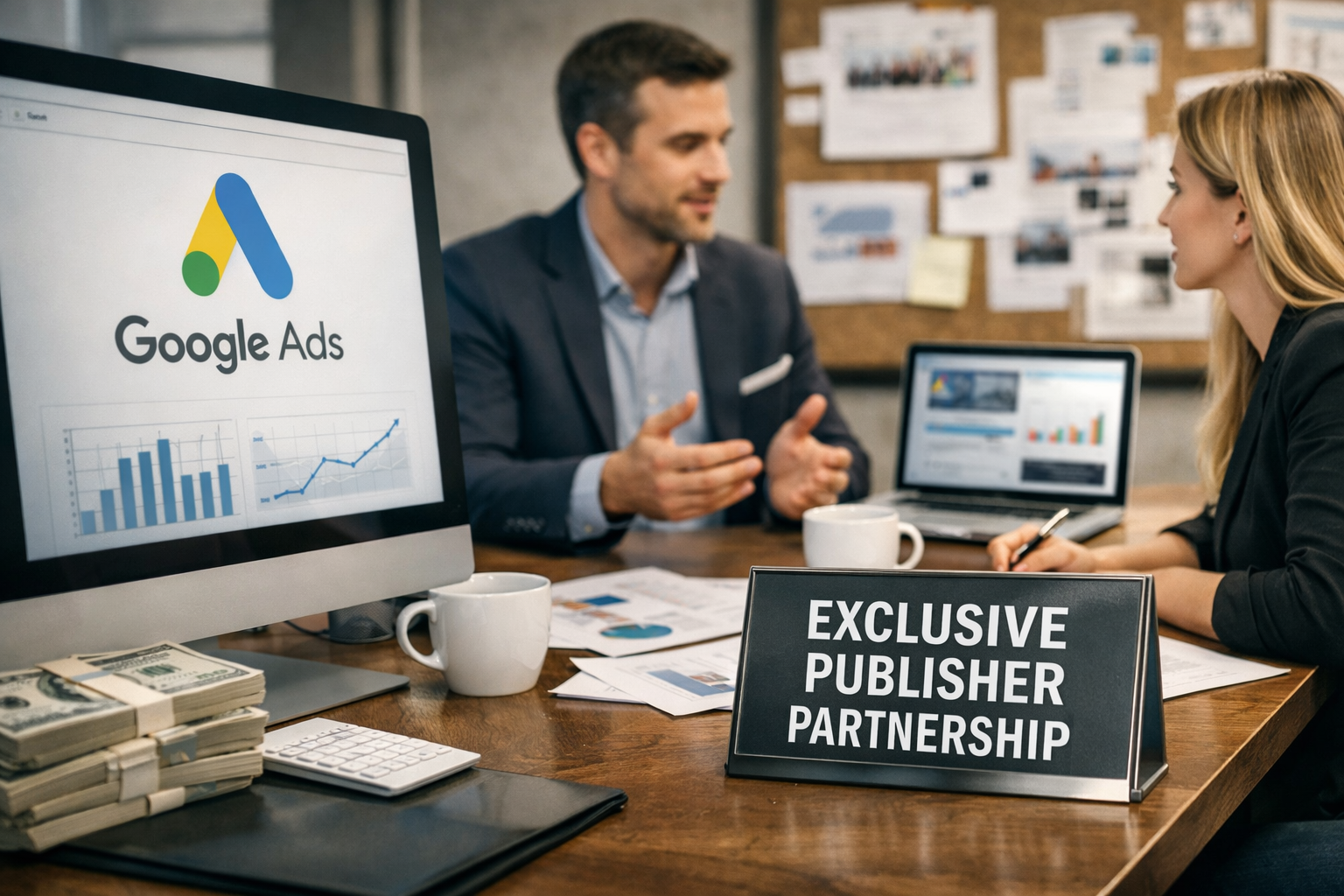
Why Smart Brands Are Ditching Google Ads for Exclusive Publisher Partnerships
You've got a $10,000 to $50,000 ad budget. The instinct is to hand it to Google and watch the leads roll in. That instinct is costing you more than you think — not just in dollars, but in the kind of market position that paid search simply cannot build no matter how much you spend. There's a different model worth understanding, and the brands that figure it out early tend to dominate their category in ways that their competitors, busy optimizing ad spend, never catch up to.
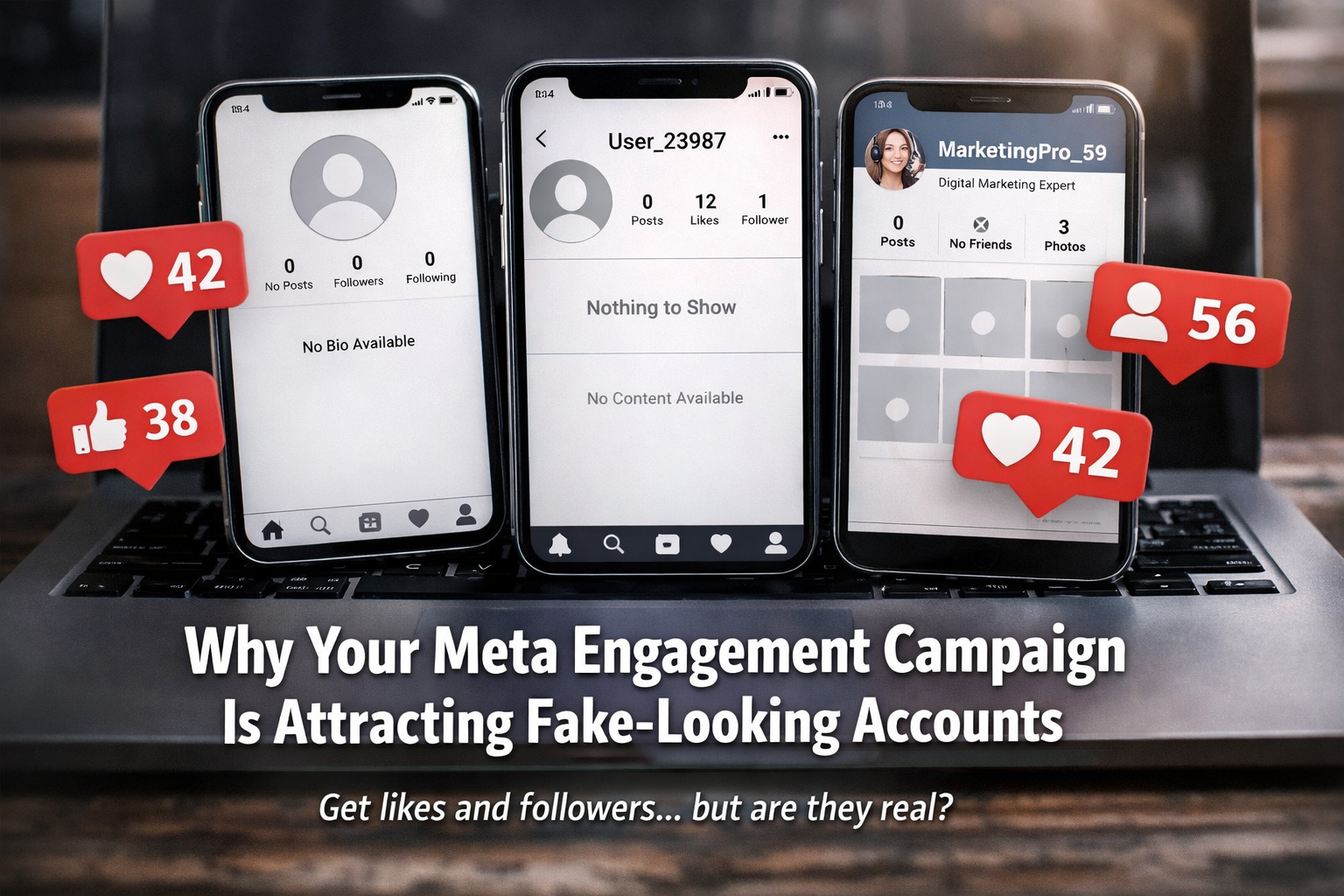
Why Your Meta Engagement Campaign Is Attracting Fake-Looking Accounts (And What to Do About It)
You targeted by job title, field of study, and industry. You set the objective to engagement. And now your notifications are full of accounts with no profile pictures, no posts, and no connection to your actual customer. This isn't a glitch — it's exactly how Meta's engagement objective is designed to work. When you optimize for engagement, Meta finds the cheapest engagements available, and those aren't always coming from real prospects. This post breaks down why it happens, what it's quietly doing to your retargeting audiences and creative feedback loop, and how to structure your campaigns so the algorithm is working toward outcomes that actually matter to your business.