
SEO Agency vs. Doing It Yourself: What Actually Makes Sense for a Small South Jersey Business
70% of small business owners spend under five hours a week on all their marketing combined — and that number, not skill, decides whether DIY SEO can work. Here's the honest framework: what you can genuinely win yourself, the four walls DIY hits, and the middle path agencies don't advertise.

Did SEO Cause Your Facebook Marketplace Leads to Drop? What Car Dealerships Should Actually Check
Your website traffic is climbing, but Facebook Marketplace has gone quiet — and your brain wants to connect the two lines. Here's why SEO can't cause a Marketplace dip, the six things that actually do, and the one real channel interaction that's good news in disguise.

Rolling Window vs. Fixed Date Range: What's the Difference, and Why Does Your Reporting Keep Using Both?
Your dashboard says "last 28 days." Your invoice says "June 1–30." Both are date ranges — so why do they never agree? In this guide, we break down the difference between rolling windows and fixed date ranges in plain English: a fixed range is a photograph (stable, citable, calendar-shaped), while a rolling window is the view out a moving car (always current, recalculated daily). We cover where each shows up — from Google Search Console's 28-day window to trailing-twelve-month revenue — the signature traps of each (spike anniversaries, five-Monday months, overlapping snapshots), and the one rule that prevents most reporting arguments: monitor on rolling, record on fixed.

What Does "28 Days" Mean in Google Search Console? (And Why It's 28 and Not 30)
The number 28 is everywhere in Google Search Console — the Performance report, the Insights page, the Achievements milestones, even the emails. But what does "last 28 days" actually mean, and why 28 instead of 30? The answer is smarter than it looks: 28 days is exactly four weeks, so every window contains the same number of each weekday, making any period cleanly comparable to any other. In this guide, we explain how the rolling window really behaves — including why your totals can drop when nothing is wrong, why Achievement badges stay even when your clicks dip back down, why GSC never matches Google Analytics, and the "spike anniversary" effect that causes most false traffic panics.
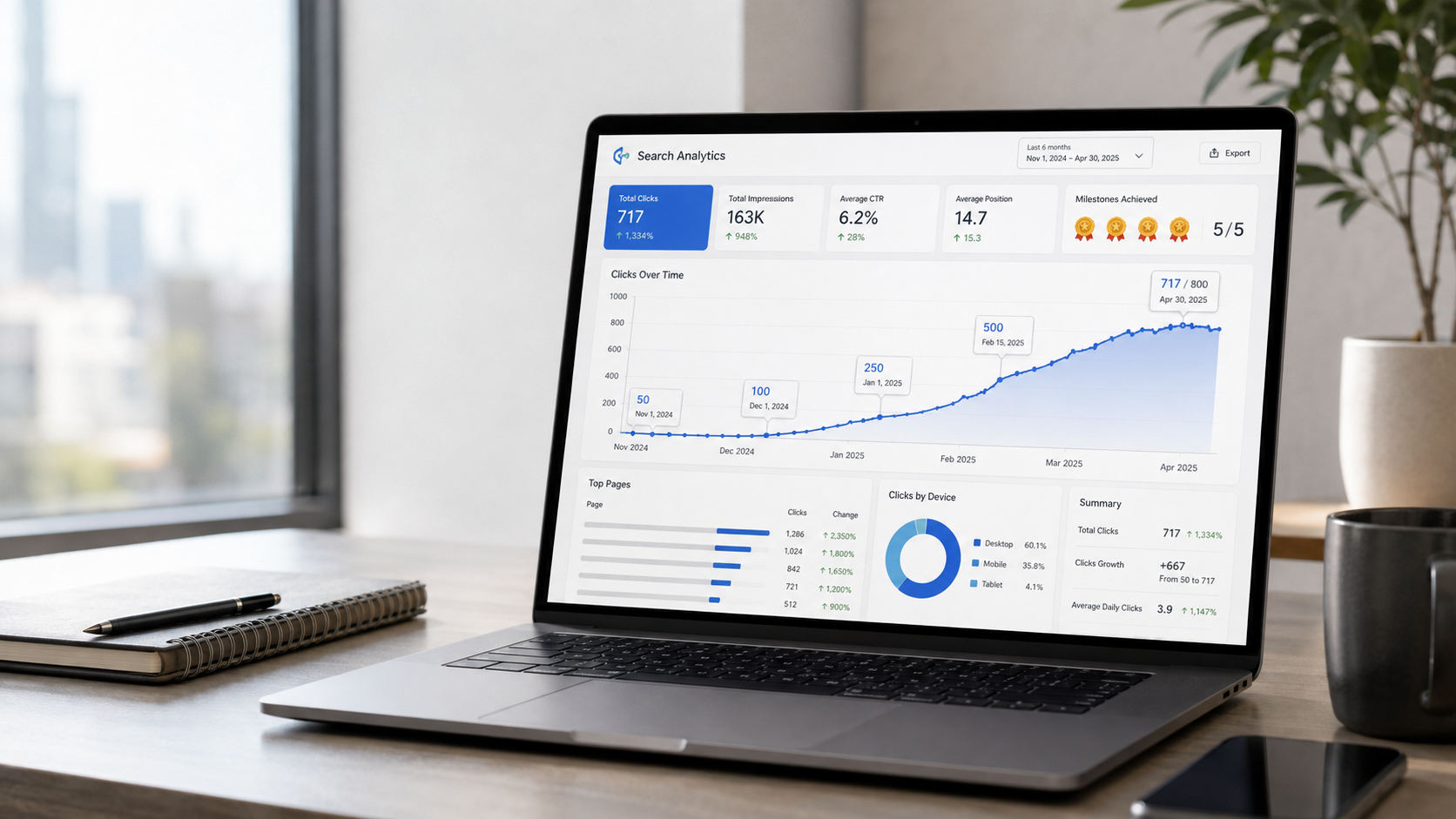
From 50 to 700 Clicks: Our Real Google Search Console Achievements Timeline (And What It Teaches About How SEO Growth Actually Works)
Most agencies tell you SEO compounds. Almost none show you their own dashboard. In this post, we publish our complete Google Search Console Achievements timeline — every click milestone for ritnerdigital.com, with the real dates, from our first 50-click badge in February to 717/800 today. The gaps between the dates tell the whole story: ten slow weeks to go from 50 to 100 clicks, then a three-week run where clicks doubled from 250 to 500 in just 17 days, then an honest plateau. We break down the four phases of compounding SEO growth, explain how the Achievements report works and where to find it, and share exactly what we did to drive a 14x increase in six months.
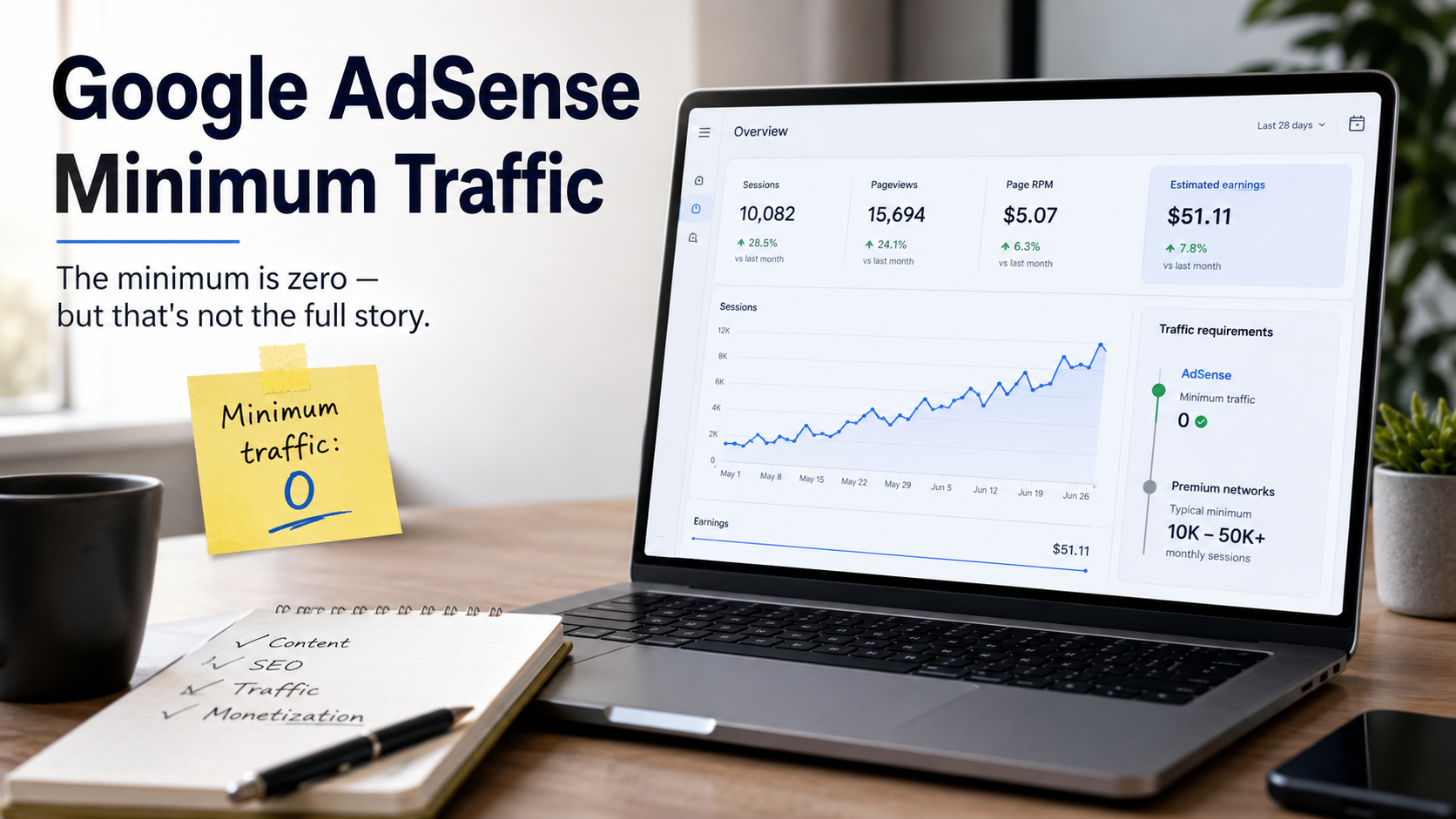
What's the Minimum Sessions Per Month You Need to Hook Up Google AdSense to Your Website?
Wondering how many monthly sessions you need before you can hook up Google AdSense? The official answer is zero — Google publishes no minimum traffic requirement. But the useful answer depends on what you're really asking. In this guide, we break down what actually gets sites approved, the traffic math behind AdSense earnings (spoiler: 10,000 sessions ≈ $50/month), the milestones that unlock premium networks like Mediavine and Raptive that pay 3–5x more, and why most business websites shouldn't run display ads at all — because every session is worth far more as a customer than as an impression.

Your Website Is Your Digital Front Door — and SEO and AI Search Decide How Many People Walk Through It
Every customer journey now starts on a digital street — and your website is the front door. Some visitors walk in ready to buy. Some grab a free sample and leave. Some are just scoping you out for later. In this guide, we break down how SEO, local search, and AI search engines like ChatGPT and Google's AI Overviews determine how much foot traffic your business gets, why AI-referred visitors convert up to 9x better than organic traffic, and what it takes to own your corner of the street before your competitors do.

Is ChatGPT Watermarking Its Text? What's Actually True — and What It Means for Your SEO
You've seen the claim: ChatGPT is secretly watermarking everything it writes. The truth is three different stories tangled together — a text watermark that exists but never shipped, viral "hidden characters" that got an official denial, and image and audio watermarking that quietly DID launch. Here's what's verified, dated and sourced, and the four SEO implications nobody's talking about — starting with why real photos just became a bigger asset.

Why Your Credit Union's Website Traffic Dropped (And How to Get It Back)
If your credit union's website traffic took a nosedive this year, you're not imagining it. AI Overviews, zero-click search, and shifting member behavior have rewritten how people find financial institutions online—and educational content is hit hardest. Here's exactly why your traffic dropped, backed by the latest 2025–2026 data, plus a concrete, actionable plan to win it back.
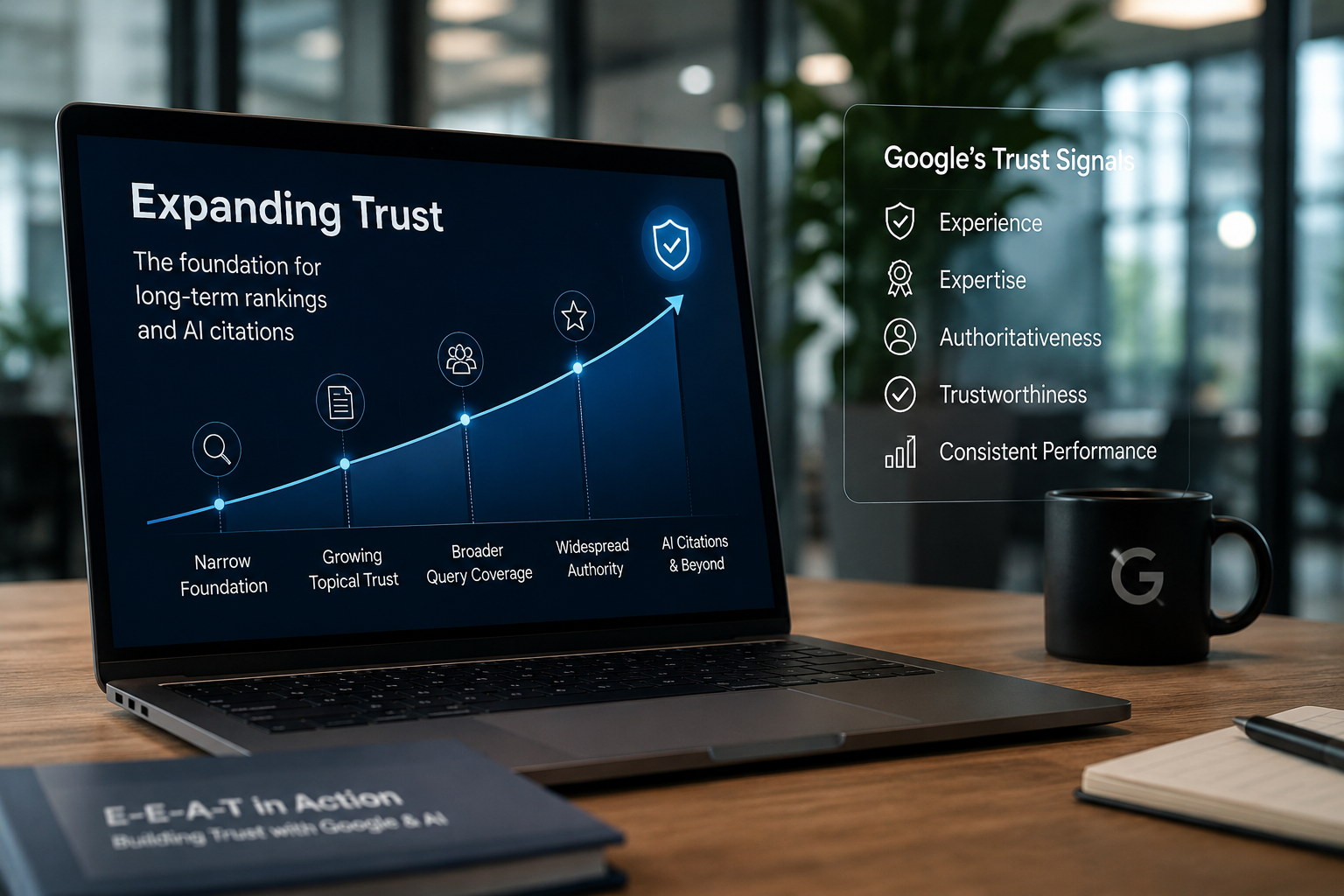
What It Means for a Site to Have "Expanding Trust" in Google — and Why It's the Real Engine of Long-Term Rankings
Most people chase rankings on individual keywords — but the property that actually determines whether a site wins over years is expanding trust: a site's credibility with Google steadily broadening from a narrow foundation into a wider footprint of topics, queries, and AI citations. It's why some brands recover instantly after core updates while others vanish despite "doing SEO right." Trust is observed, not declared; earned, not toggled; and it compounds across Google's results and the AI answer engines alike. Here's what expanding trust really means and how to grow it.

What Toy Story 5's Record Box Office Teaches Us About SEO and AI Search
The plot of Toy Story 5 follows toys fighting to stay relevant as kids drift to screens — and then the film proved the opposite, posting 2026's biggest box-office debut on the strength of a 31-year-old brand. That's not a movie lesson; it's a search lesson. The same forces that made Toy Story 5 a guaranteed blockbuster — compounding brand equity, deep trust signals, and a crystal-clear identity — are exactly what determine whether your brand gets found in Google and cited by AI engines like ChatGPT and Perplexity. Here's the playbook.
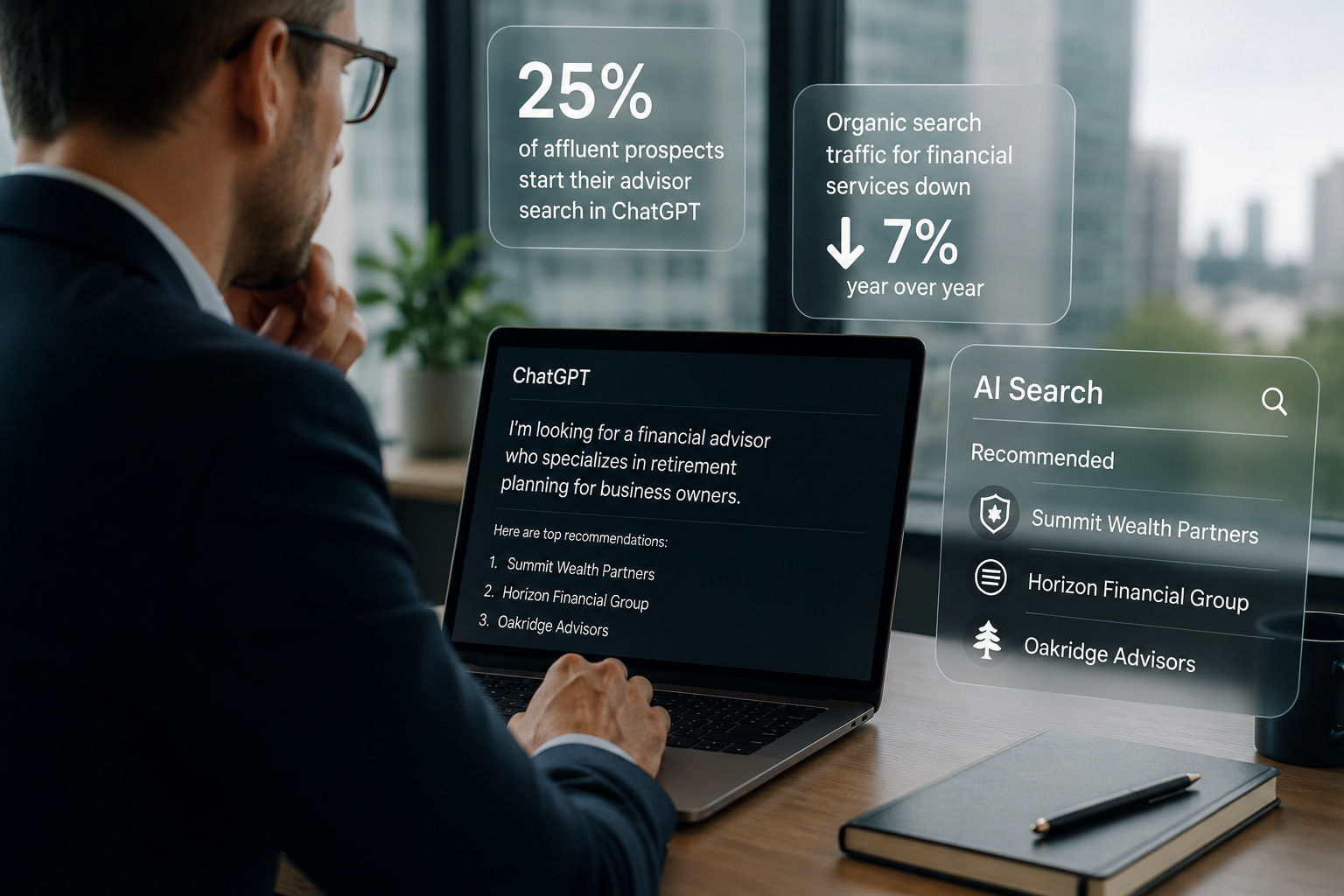
What the AI-Driven Finance Career Boom Tells Us About Search — and Why Finance Firms Should Pay Attention
The next generation of finance talent discovers careers through self-directed digital tools — and the clients they'll serve are already discovering finance firms the same way: by asking AI. With 25% of affluent prospects starting their advisor search in ChatGPT and organic search traffic for financial services down 7% year over year, discovery in financial services is being rewritten. Here's why finance is uniquely exposed to the AI-search shift, why strong Google rankings don't carry over, and what RIAs, wealth managers, and fintechs need to do to be the name AI recommends.

What Skyrocketing Homeownership Costs Mean for SEO and AI Search in Home Services and Real Estate
Owning a home has become one of the most expensive things a middle-class household can do, with emergency repairs up 175% and insurance up 72% since 2019. That cost pressure is permanently changing how homeowners research and choose the businesses they hire — and it's happening just as search splits into two channels: the Google index and the AI answer engines buyers now ask first. Here's what rising homeownership costs mean for SEO and AI search visibility in home services and real estate, and what businesses need to do to capture the demand before a competitor does.

The "Pour Gasoline on It" Mentality: Marketing Lessons from Vayner, Serhant, and the Operators Who Mastered Attention
There's a rare breed of operator who doesn't see marketing as a budget line — they see it as a fire, and their genius is knowing exactly where to pour the gasoline. Gary Vaynerchuk, Ryan Serhant, and the masters of the attention economy cracked the game years before the search world caught up. The principles that made them legends — relevance over reach, volume over polish, owning your distribution, amplifying what's proven — are now almost word for word the rules that decide whether Google ranks you and ChatGPT cites you. Here's what we can learn.
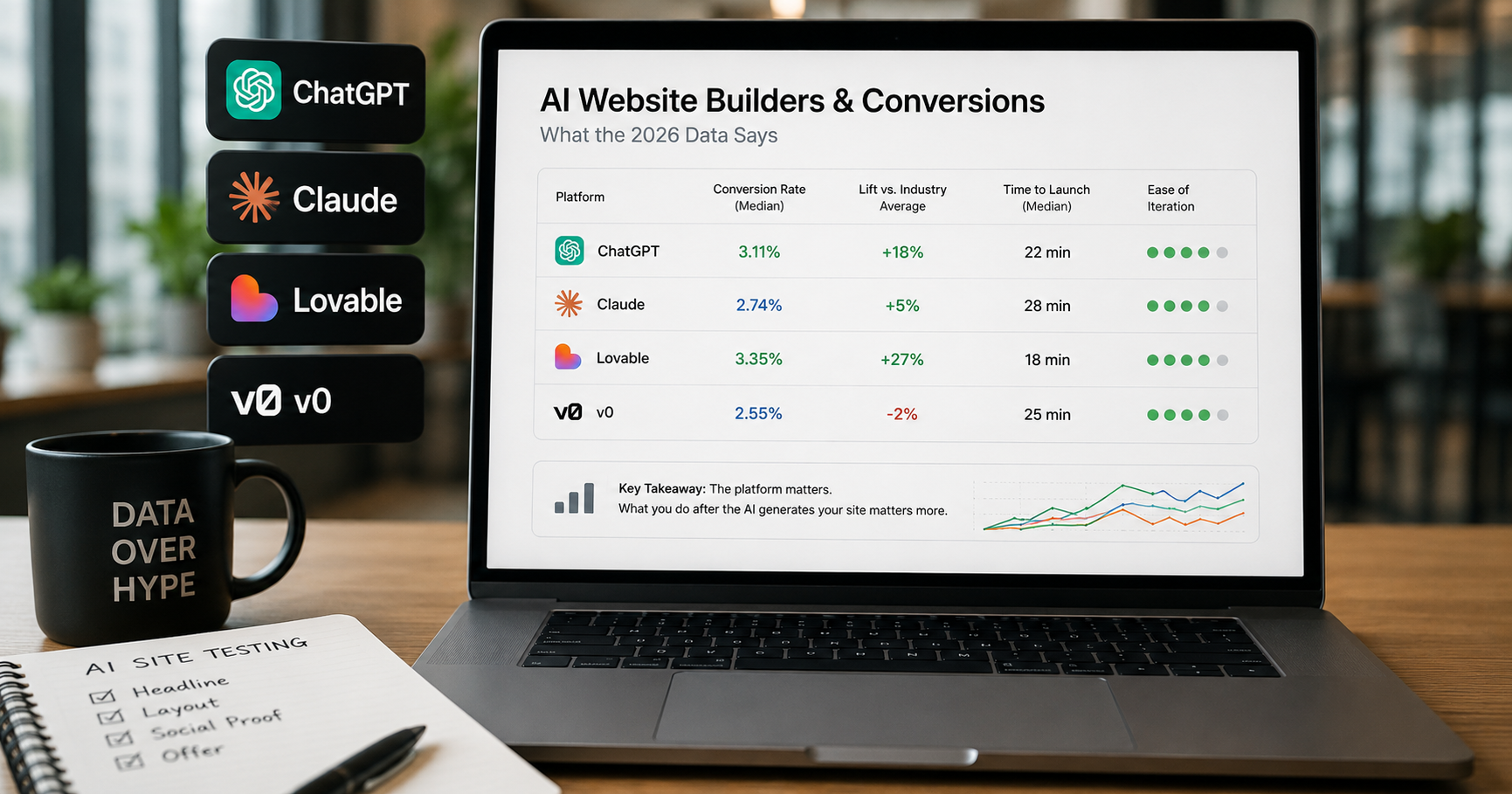
Now That Anyone Can Build a Website With AI, Which Platforms Actually Convert Better?
You can now type a paragraph into ChatGPT, Claude, Lovable, or v0 and watch a working website assemble itself in minutes. But does the platform you pick actually change whether that site turns visitors into customers? We dug into the 2026 data to find out—and the answer is messier (and more useful) than the marketing suggests. Spoiler: the platform matters far less than what you do after the AI hands you a draft.
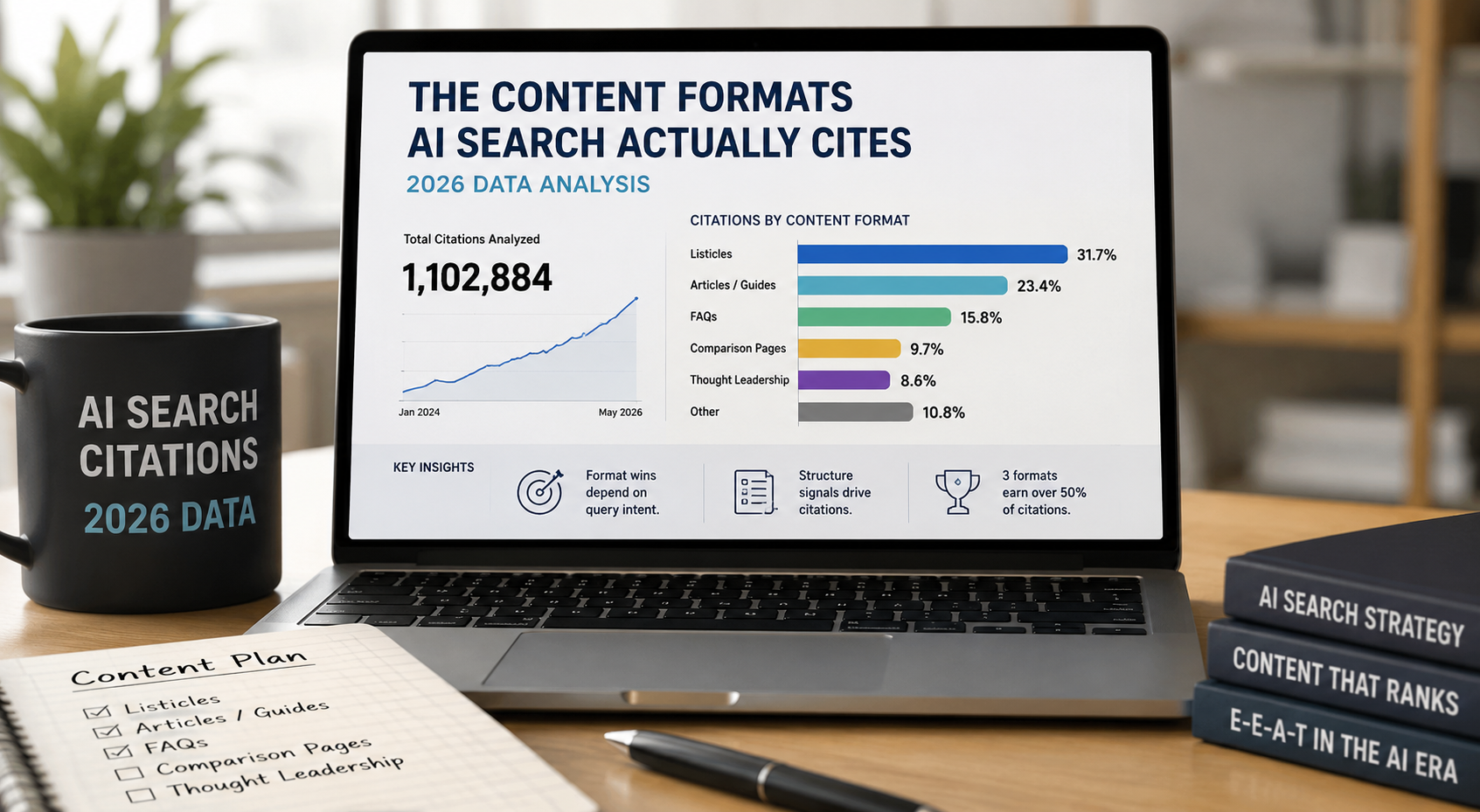
The Content Formats AI Search Actually Cites (Based on What We're Seeing Across Clients)
Most advice about "writing for AI search" is vibes: be helpful, be authoritative, answer questions. True, but useless as a content plan — none of it tells you which formats actually earn the citation. The 2026 citation studies finally do. Across more than a million analyzed citations, three formats earn over half of them, the winning format depends almost entirely on query intent, and a specific set of structural signals separates the cited from the ignored. Here's what the data shows about listicles, articles, FAQs, comparison pages, and thought leadership — and how to build a content plan around what AI actually rewards.
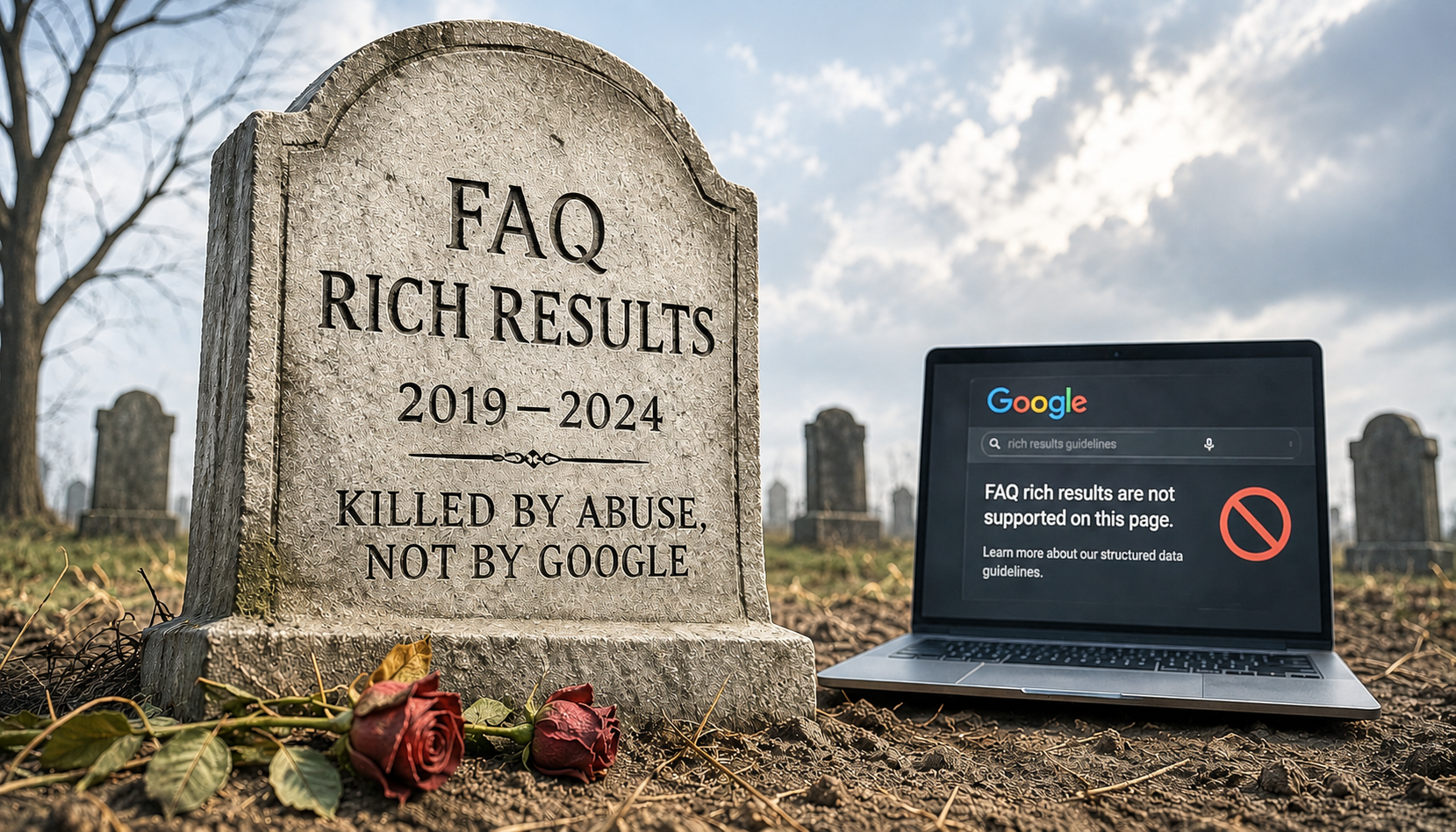
Google Didn't Kill FAQs. It Killed the Abuse of Them. Here's What's Actually Going On.
There's a post making the rounds in SEO circles with a headline that reads like an obituary: "BREAKING: Google just KILLED FAQ rich results." Cue the panic, the hot takes, and the comment section brawl. Here's the thing — both sides are wrong. Google didn't kill FAQs. It killed the abuse of them. Here's what actually happened, why it's been coming since 2023, and what it means for your website.
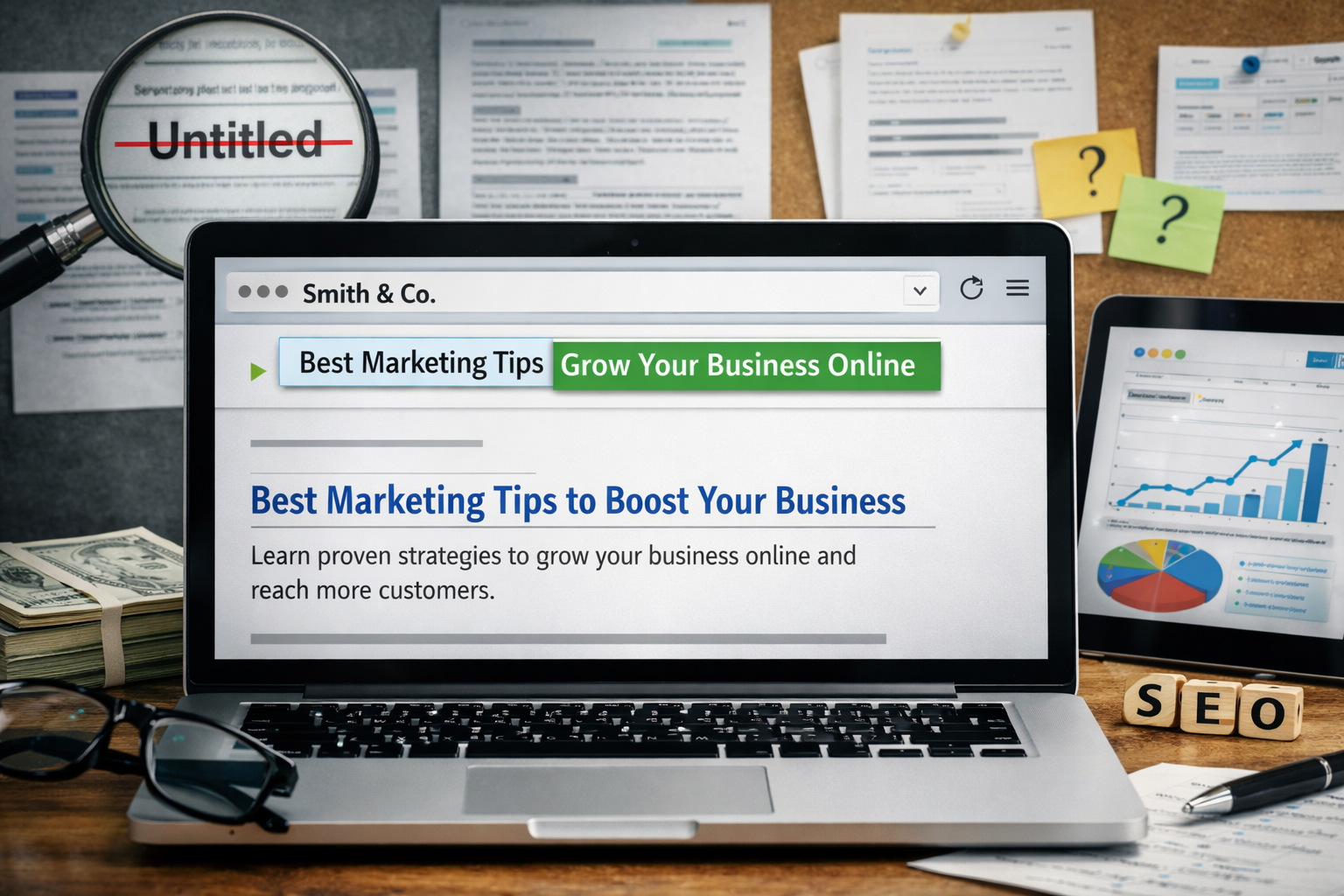
Why Your Site Title Should Do More Than Just Say Your Name
If your homepage title tag is just your business name, you're leaving money on the table. Google rewrites 76% of title tags — usually by stripping brand names — because they don't tell searchers what your page is about. Here's how to write a title tag that actually works for you.
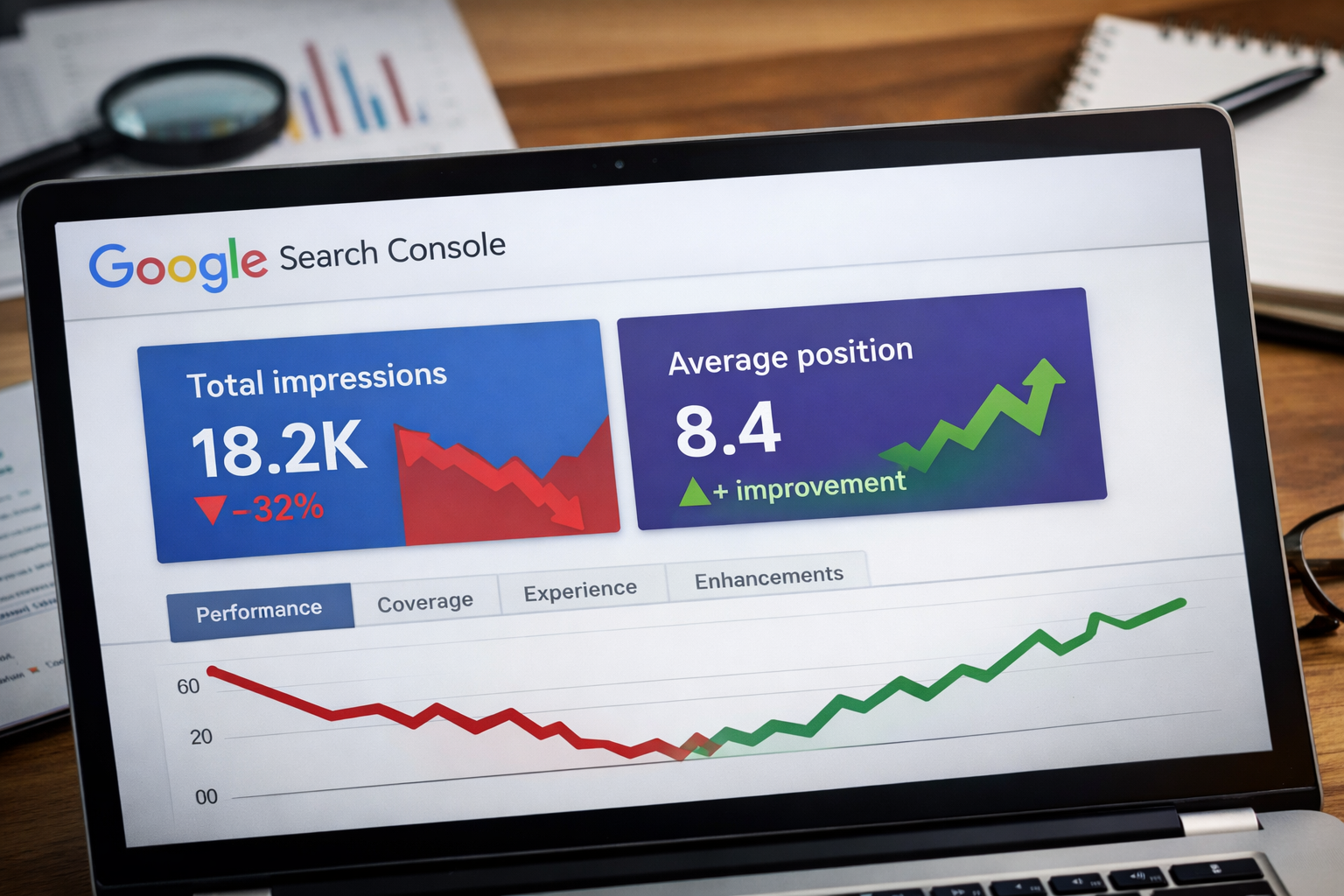
My Impressions Dropped But My Average Position Went Up in Google Search Console — What Does That Mean?
You open Google Search Console and something looks off — your impressions dropped, but your average position improved. That feels like it should be good news, but the dip in visibility has you second-guessing your SEO. Here's what's actually going on, why it usually signals progress rather than problems, and how to know when it's actually worth worrying about.

Do I Need a Full-Service Marketing Agency, or Just SEO / Just Paid Ads?
Every agency has an incentive to sell you their full suite. Every specialist has an incentive to tell you their channel is the only one that matters. Neither answer is automatically right for your business. This guide gives you the actual framework for thinking this through — what full-service vs. specialized agencies really offer, what SEO and paid ads each do and don't do, and the diagnostic questions that will tell you what your business genuinely needs right now.