
Which Big Brands Actually Use Squarespace? The Honest Answer
Search "big brands on Squarespace" and you get a dozen identical listicles: Pixar, NASA, HBO, Lyft. The implication is that Squarespace must be enterprise-grade. The reality is more interesting — and more useful if you're actually choosing a platform. Recognizable names do appear, but 91.8% of Squarespace customers have ten employees or fewer, and the enterprises on the list are mostly running campaign microsites, not their main corporate sites. Here's the honest version.
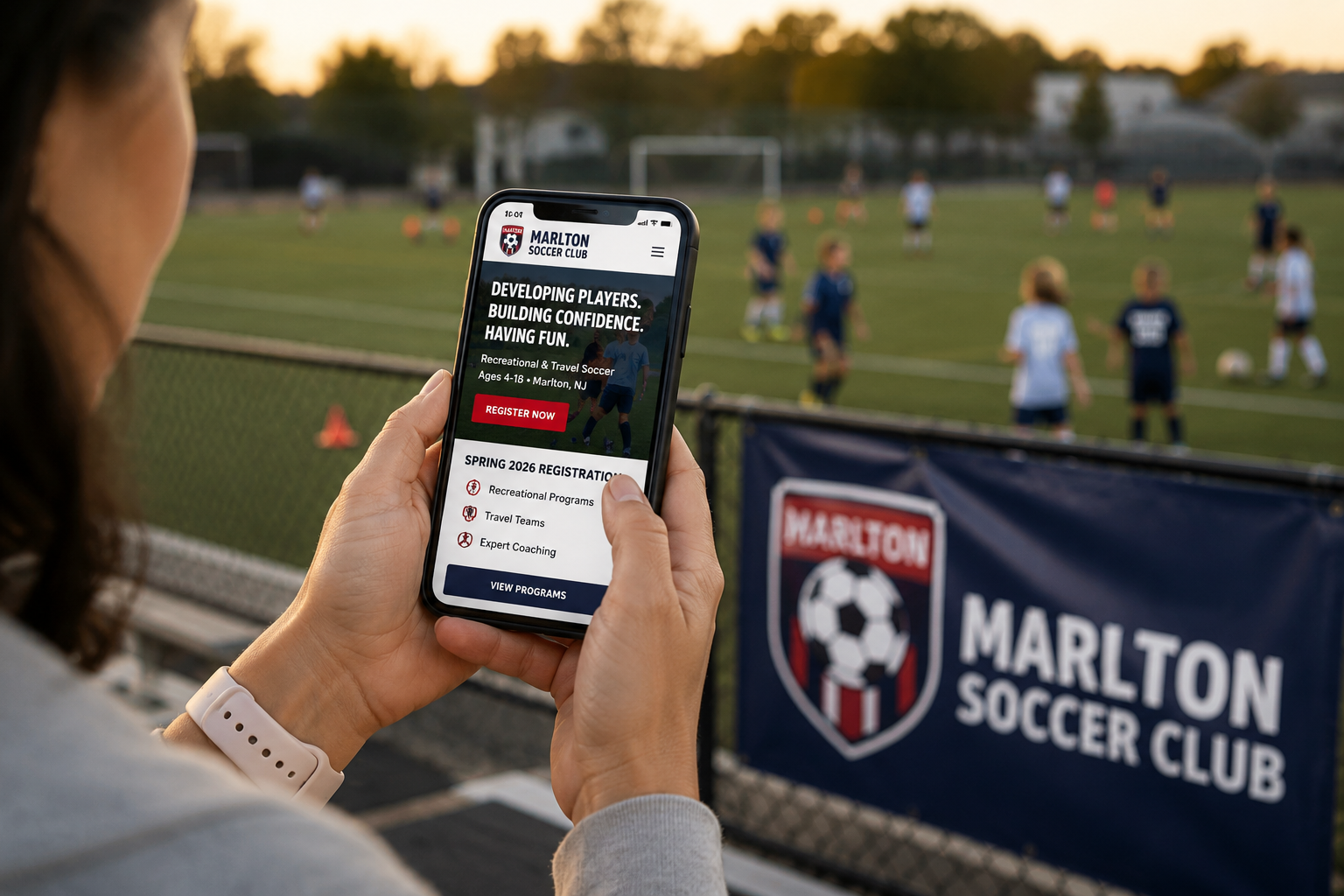
Your Program Is Great. Is Your Website Doing It Justice? A 2026 Look at How Parents Find (and Sign Up for) Kids' Soccer
A parent in Marlton pulls out their phone to check out your soccer program, ready to sign up on the spot. What happens in the next sixty seconds decides everything — and you'll never know if you lost them. Here's how web design, mobile signup, and search work together to win families.

What Happens to Your Website When You Leave Your Agency?
Most businesses assume they own their website. But if an agency built it, registered the domain, set up the hosting, or built it on a proprietary platform, the reality can be very different. This post covers every dimension of website ownership — domain, hosting, code, design files, integrations, and content — and exactly what to do if the answers aren't what you hoped.

What Happens to SEO During a Website Redesign?
Website redesigns are one of the most reliably misunderstood SEO events in digital marketing. The conversation starts as a design conversation — new visual identity, improved user experience, modernized layout. And then somewhere in the execution, design decisions become technical decisions that become SEO decisions that nobody planned for. The result is a pattern that repeats across the industry with predictable frequency: a company launches a redesigned website, celebrates the improved aesthetics, and then watches organic traffic decline over the following weeks as rankings drop on pages that were performing well before the redesign.
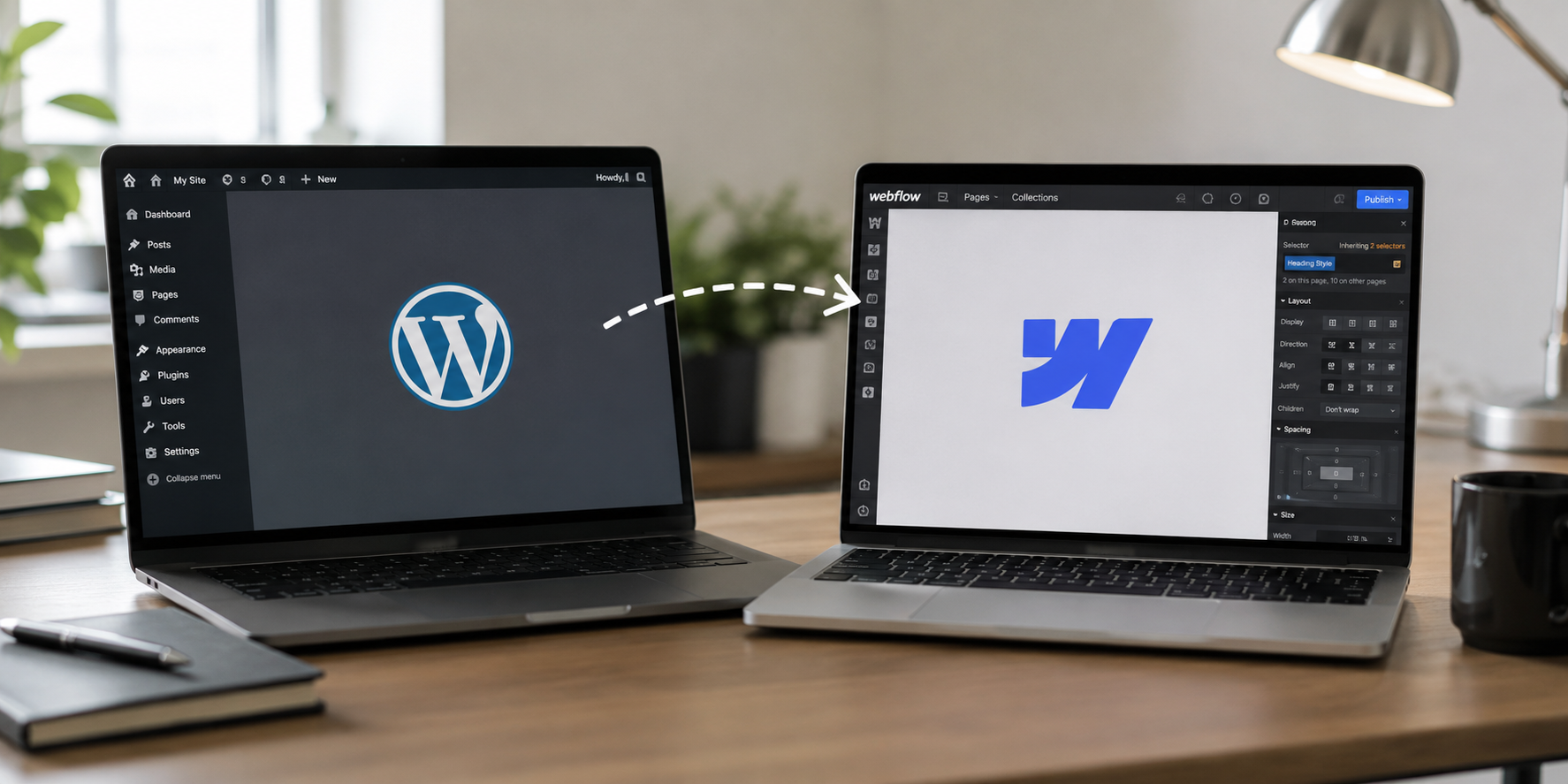
Moving from WordPress to Webflow Without Losing SEO
Platform migrations are one of the highest-risk events in a website's SEO history. Done well, a WordPress to Webflow migration is nearly invisible to search engines — rankings hold, traffic continues, and the new platform's advantages start compounding immediately. Done poorly, it's a traffic cliff that takes six to twelve months to recover from, with ranking losses that often don't fully resolve even after the technical errors are corrected. The difference between those two outcomes is almost entirely in the pre-migration preparation and the precision of execution.

ChatGPT Just Got Seriously Good at Building Websites — Here's What Changed
Ask ChatGPT to build a landing page in mid-2024 and you got something forgettable. Ask it today and the output is a different category entirely. Here's an honest breakdown of the model upgrades — from GPT-4.1 to GPT-5.4 — that got us here, what OpenAI trained for specifically, and what it means for businesses thinking about their next website.
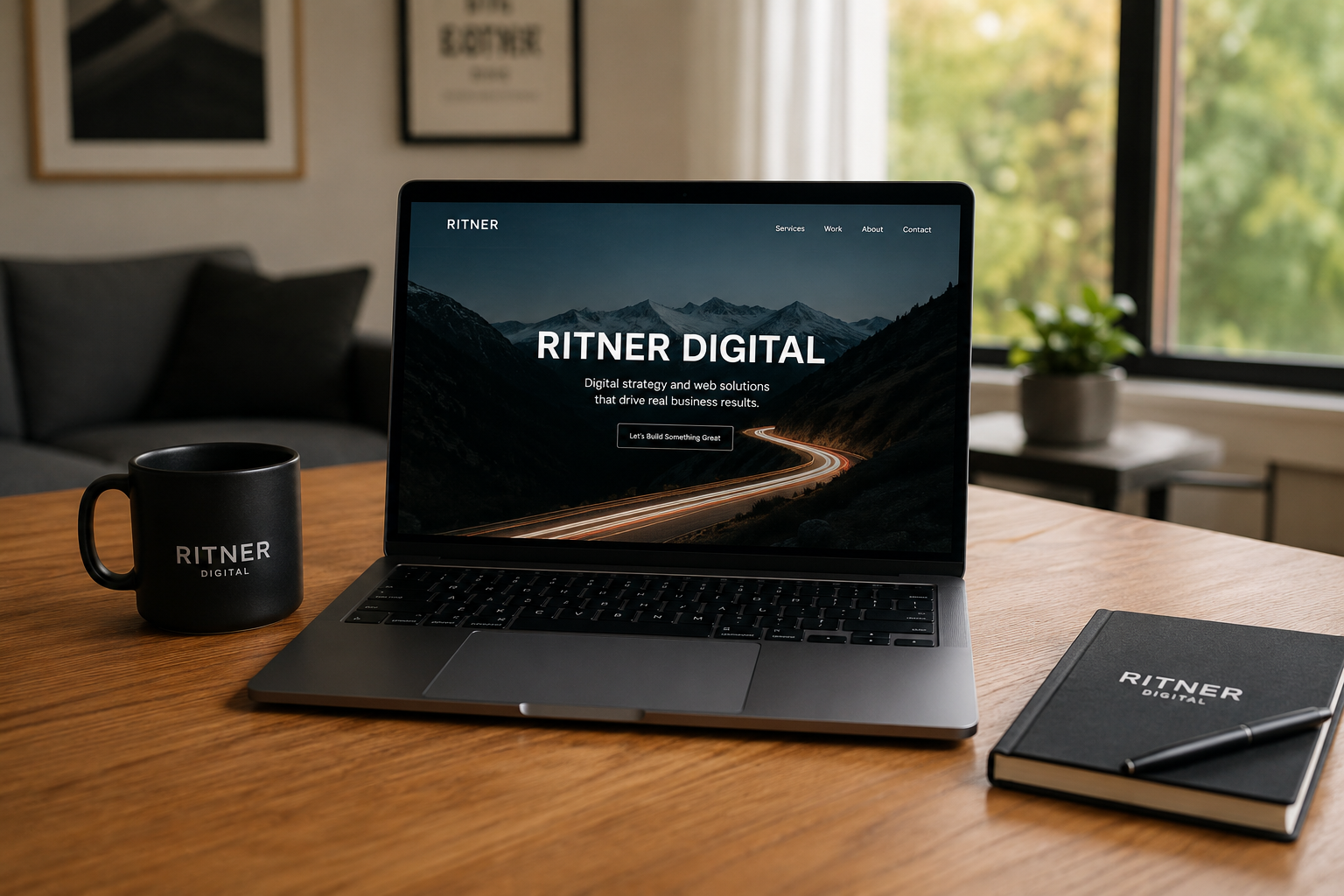
How We Built the Ritner Digital Website Using Claude and Squarespace — and Why That Matters for Your Business
We didn't hire an agency to build our site. We built it ourselves — using Claude as our strategic and creative partner and Squarespace as the platform it lives on. This is the honest story of how that workflow actually runs, what it produces, and why it changes what's possible for companies that need a website that actually works.

What Is a High-Fidelity Wireframe? (And When You Actually Need One)
Not every project needs a high-fidelity wireframe. But when complex flows, stakeholder sign-off, or developer handoff are on the table, getting this level of precision early is one of the most efficient investments you can make in a build process.

Why Your Website Visitors Decide to Trust You (or Not) in About 8 Seconds
Nobody reads your website the way you think they do. They land, they scan, and in somewhere between five and fifteen seconds they've already decided whether this business is real, legitimate, and worth their time — usually without being able to explain why they stayed or left. Understanding the trust signals that drive that split-second judgment is one of the highest-leverage things you can do for your business. Because all the SEO and paid advertising in the world means nothing if the traffic you're generating lands on a site that immediately triggers the wrong instincts.
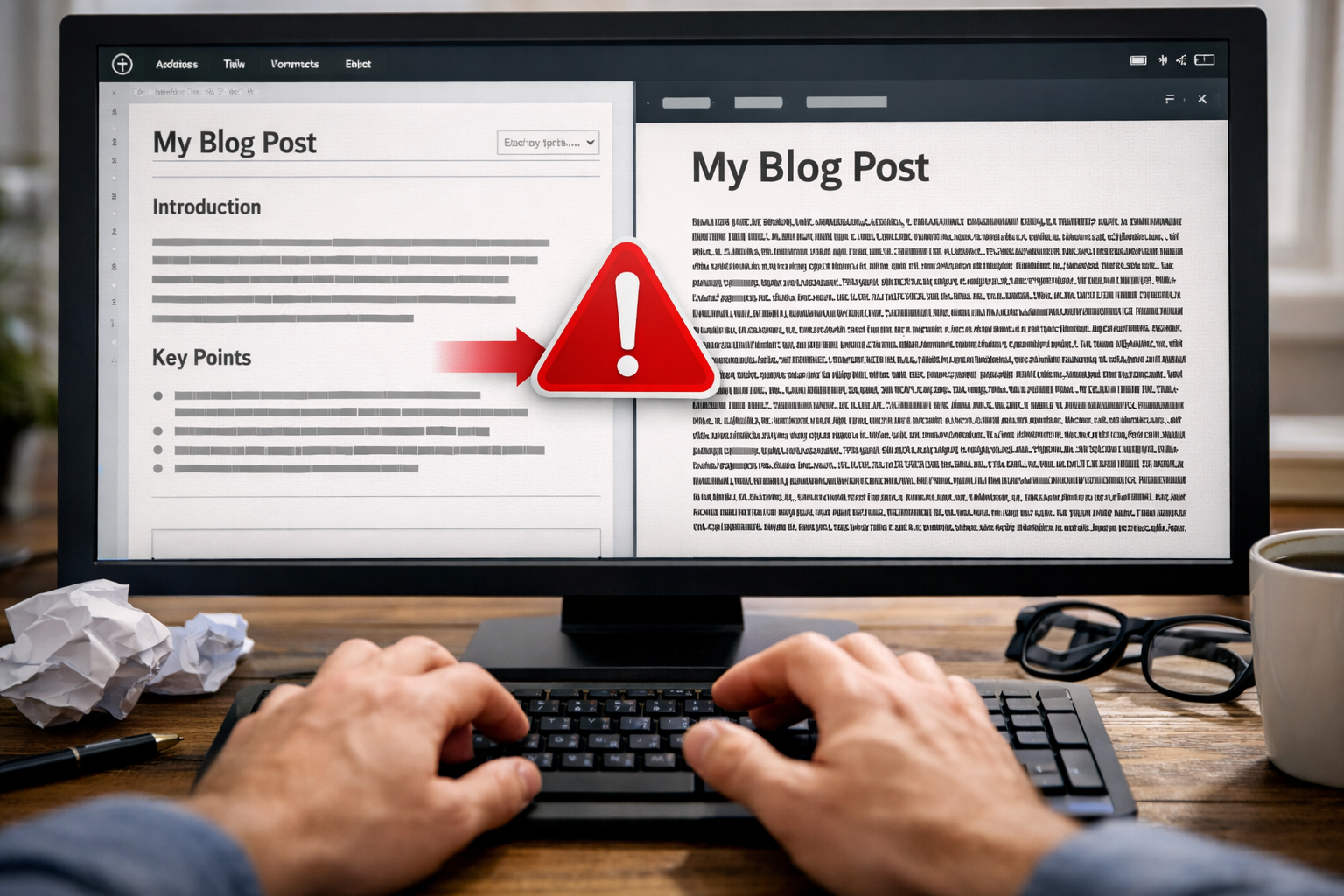
Why Your WordPress Blog Looks Fine in the Editor But Broken on the Front End — And What It's Telling You
You write the post, format it carefully, and hit publish. The editor looks fine. The front end looks like someone removed every line break and compressed your content into a single unreadable block. It's one of WordPress's most reliably maddening quirks — and it happens to businesses every day. Here's why the spacing disappears, what's actually causing it, and why it might be worth asking a bigger question about whether your website is working for you or whether you're working around it.
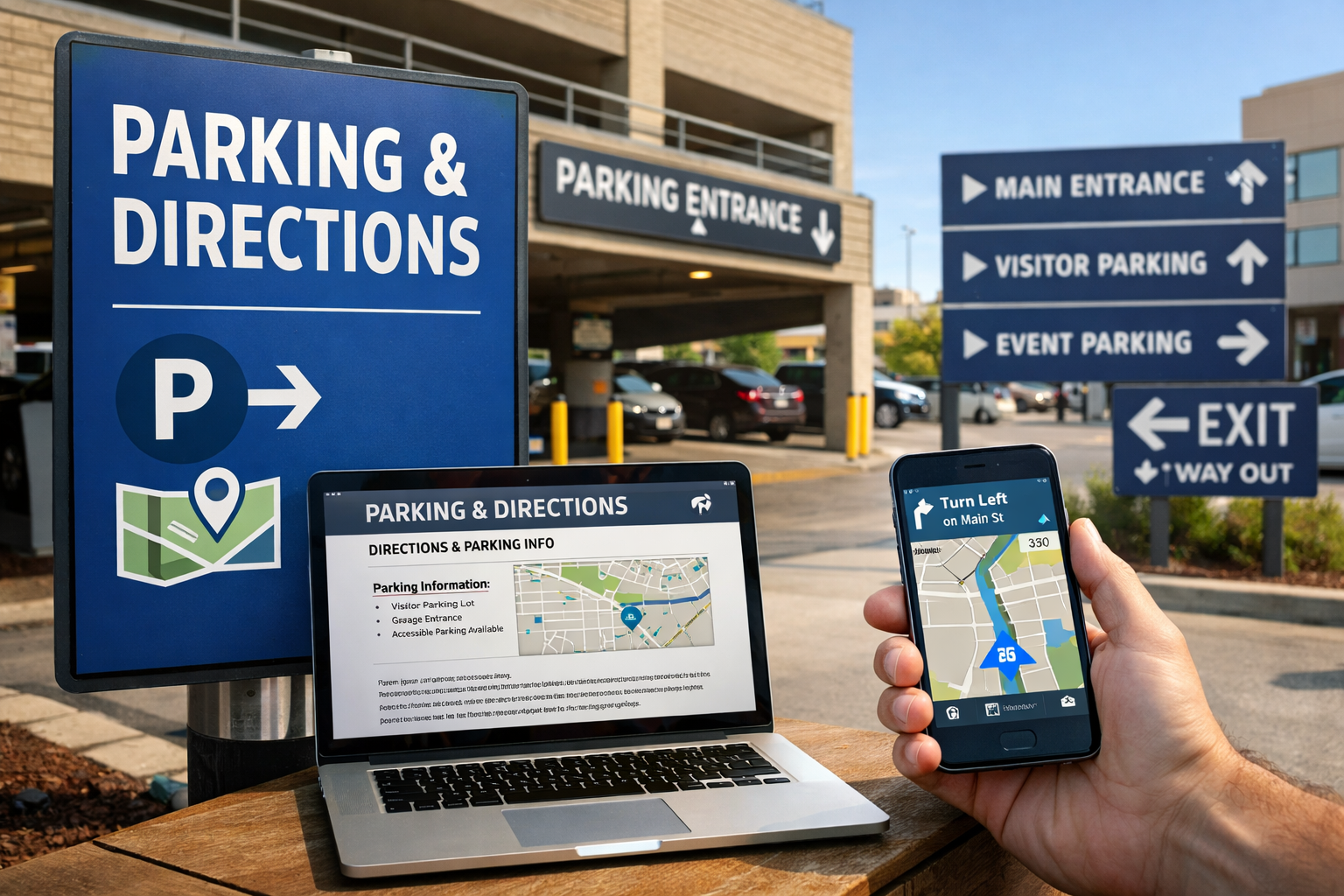
The Website Content Nobody Thinks About Anymore — And Why That's a Mistake
When was the last time you updated the parking and directions information on your website? If your honest answer is "I'm not sure we have any" — you're in the majority. And you're leaving something on the table that costs nothing to fix and produces real value for every first-time visitor to your location. Parking and wayfinding content was standard infrastructure on business websites in the early internet era. Then Google Maps got good, GPS became ubiquitous, and the conventional wisdom hardened: people will just use their phones. That conventional wisdom is wrong — or at least significantly incomplete. Here's why.
Website Hygiene: How Often Should You Redesign, Refresh, and Update — And Does It Change by Industry?
Most businesses treat their website like a construction project. You plan it, you build it, you launch it, and then you move on. This is how you end up with a 2019 website representing a 2026 company. Website hygiene isn't a dramatic concept — it's the discipline of treating your site the way you treat any other business asset that requires regular maintenance to keep performing. This post covers the principles that govern how often a site needs attention, the difference between a redesign, a refresh, and routine maintenance, and how the right cadence changes depending on what industry you're in.
Why Most Dental Practice Websites Lose Patients Before the First Appointment
A potential patient finds your practice online, lands on your website, and leaves within 10 seconds. Not because the dentistry is bad — because the website is. Here's what's costing dental practices patients they'll never know they lost, and how to fix it.
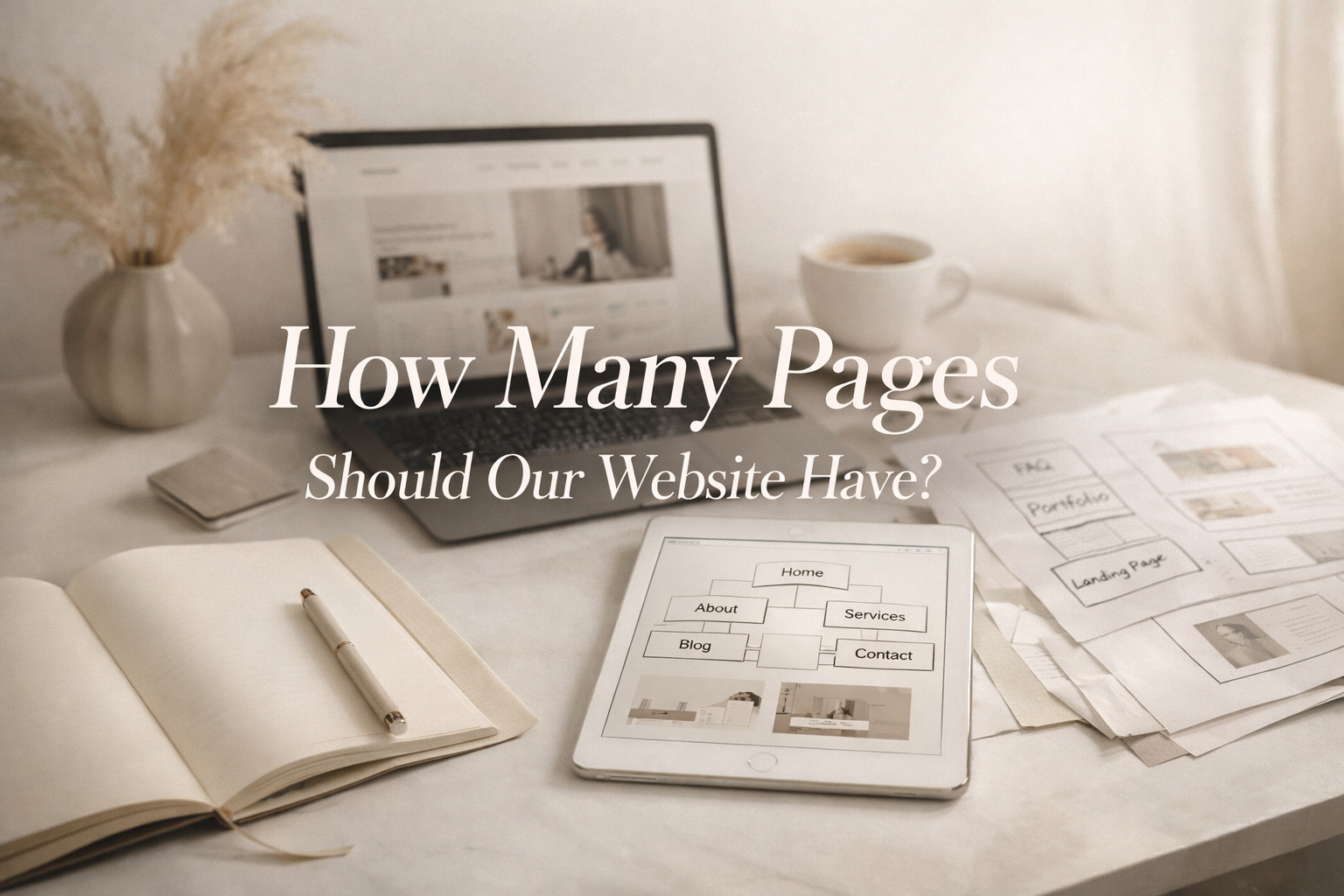
How Many Pages Should Our Website Have?
"How many pages should our website have?" It's one of the most common questions we get from clients, and the honest answer is: it depends. But not in a vague, noncommittal way. There's a real framework for figuring out the right number of pages — and it has everything to do with what your business does, where you do it, and what your customers are actually searching for.

Accordion Folds: UX Hero or SEO Villain?
Accordion folds are a favorite in modern web design — sleek, scannable, and mobile-friendly. But does hiding content behind a click hurt SEO? We break down what Google really sees, what still matters, and how to use accordions without sabotaging your rankings.