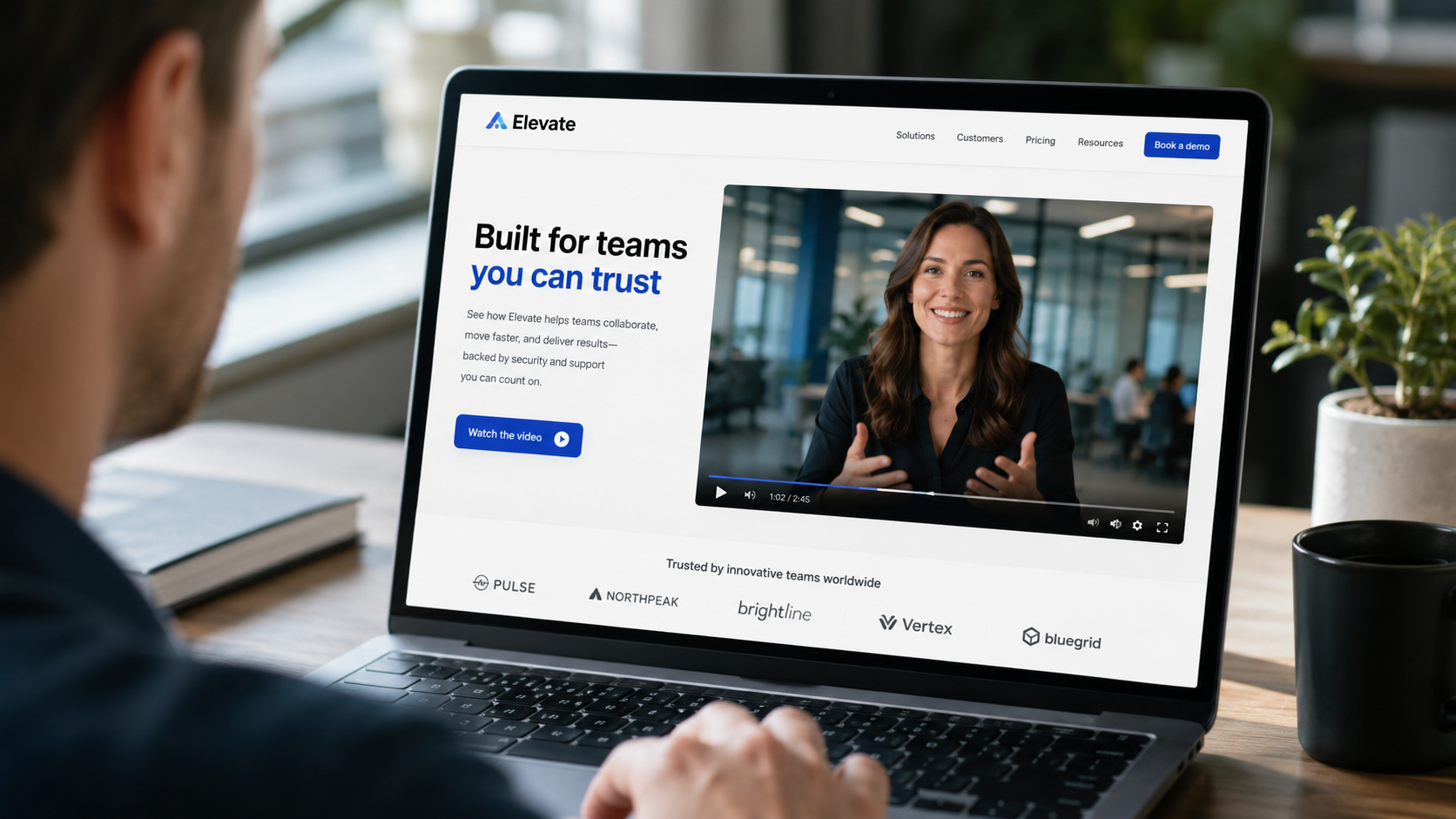
Why Video Accelerates Trust on Websites and for Brands
Buyers form a trust verdict about your brand in a tenth of a second — long before they read your copy. Video is the fastest trust signal you can put on a page, carrying the facial expressions, voice, and body language the brain evolved to read. This piece breaks down the conversion data (video can lift landing-page conversions by up to 86%), the psychology behind why we trust what we see, and the practical rules for using video to build trust on your website and across the AI-driven search experiences shaping discovery in 2026.

ChatGPT Just Got Seriously Good at Building Websites — Here's What Changed
Ask ChatGPT to build a landing page in mid-2024 and you got something forgettable. Ask it today and the output is a different category entirely. Here's an honest breakdown of the model upgrades — from GPT-4.1 to GPT-5.4 — that got us here, what OpenAI trained for specifically, and what it means for businesses thinking about their next website.

Our Website Looks Fine — So Why Isn't It Generating Any Leads?
You invested in a professional website. It looks sharp, your team loves it, and traffic is coming in. So why is the contact form silent? The problem usually isn't your design — it's everything underneath it. We dig into the nine most common reasons websites fail to generate leads, from unclear messaging and weak calls to action to page speed, mobile experience, and the trust signals visitors are looking for before they ever reach out.

Your Website Still Matters. Here's Why Everyone Saying Otherwise Is Wrong.
There is a take making the rounds right now: websites do not matter anymore. Discovery happens on TikTok. Answers come from ChatGPT. Nobody searches Google like they used to. It is a seductive argument — and it is leading brands to make investment decisions they will spend years recovering from. Yes, discovery patterns are changing. None of it means your website does not matter. In fact, for most businesses in 2026, it matters more than it ever has.
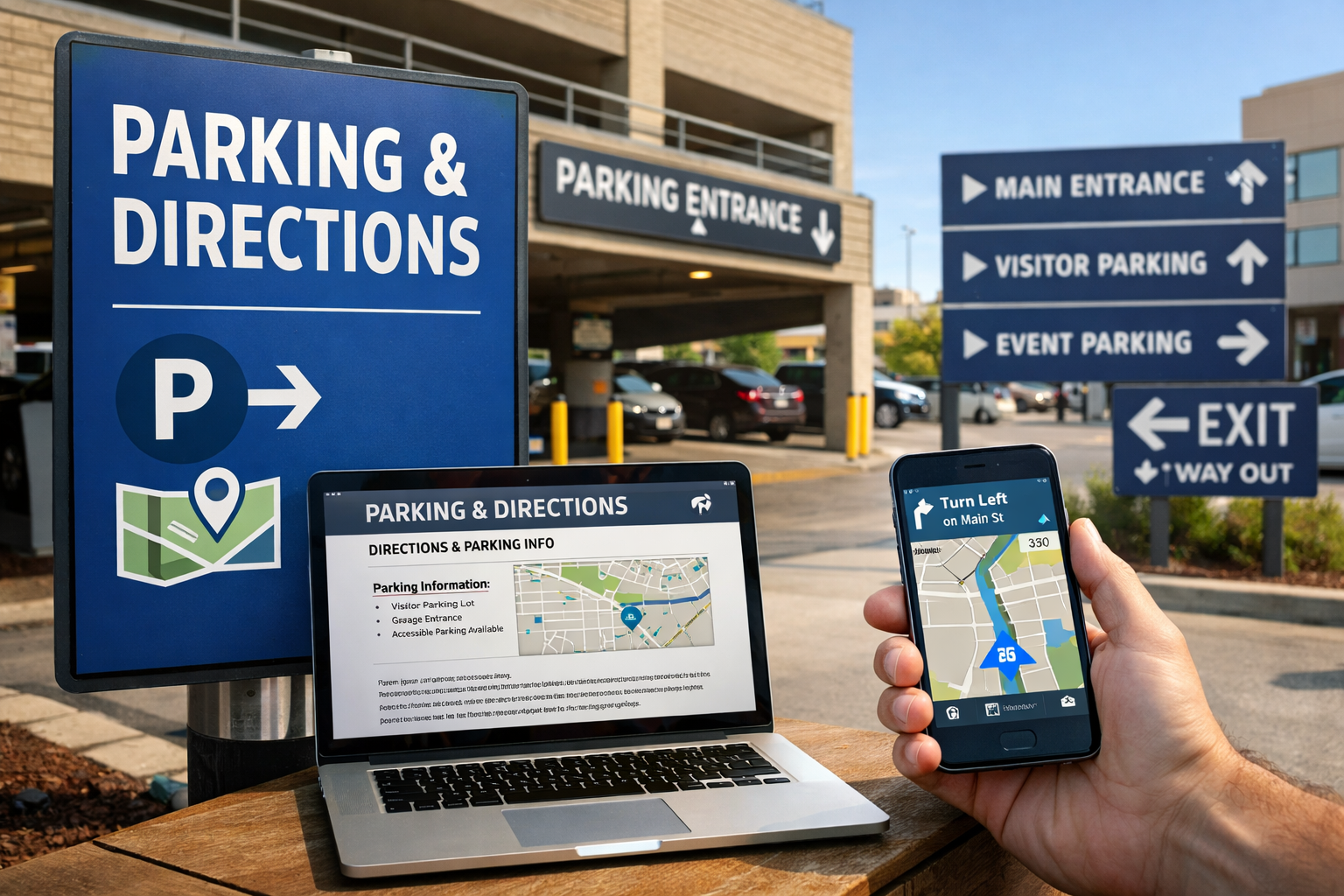
The Website Content Nobody Thinks About Anymore — And Why That's a Mistake
When was the last time you updated the parking and directions information on your website? If your honest answer is "I'm not sure we have any" — you're in the majority. And you're leaving something on the table that costs nothing to fix and produces real value for every first-time visitor to your location. Parking and wayfinding content was standard infrastructure on business websites in the early internet era. Then Google Maps got good, GPS became ubiquitous, and the conventional wisdom hardened: people will just use their phones. That conventional wisdom is wrong — or at least significantly incomplete. Here's why.

Why Athletes and Businesses Can't Find Your Nonprofit — And What to Do About It
Every year, professional athletes, corporations, and business owners look for nonprofit partners. The money is real. The intent is real. The desire to find the right organization is real. And yet a remarkable number of worthy nonprofits never get found — not because their work isn't meaningful, but because when someone with resources sits down to find an organization to support, the nonprofit's digital presence makes it impossible to evaluate or impossible to find at all. A Facebook page last updated in 2023 and a website with no mission description, no leadership team, and no clear way to make contact isn't a digital presence. It's a barrier.
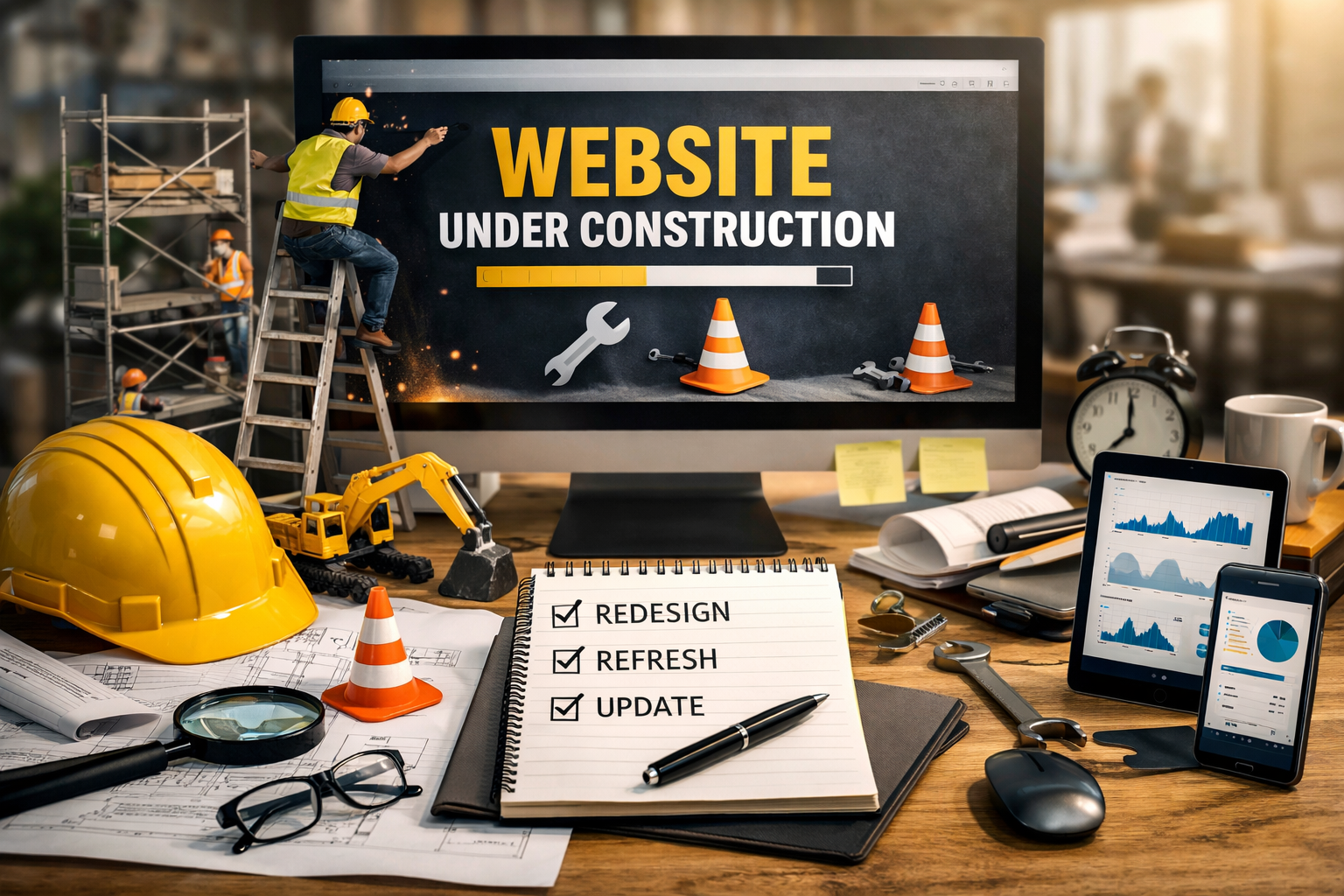
Website Hygiene: How Often Should You Redesign, Refresh, and Update — And Does It Change by Industry?
Most businesses treat their website like a construction project. You plan it, you build it, you launch it, and then you move on. This is how you end up with a 2019 website representing a 2026 company. Website hygiene isn't a dramatic concept — it's the discipline of treating your site the way you treat any other business asset that requires regular maintenance to keep performing. This post covers the principles that govern how often a site needs attention, the difference between a redesign, a refresh, and routine maintenance, and how the right cadence changes depending on what industry you're in.

What Is a CTA — And Why the Wrong One Is Costing You Leads
Every page on your website is asking something of its visitor. The question is whether you're asking clearly, asking the right thing, and asking at the right moment. A call to action — CTA — is the mechanism through which that ask gets made. Done well, it's the bridge between someone who is interested and someone who has taken a step. Done poorly — or left out entirely — it's the reason a page full of good content produces nothing. Most businesses treat CTAs as an afterthought. This post covers what they actually are, why they matter more than most people think, and the specific principles that separate CTAs that convert from ones that get ignored.

Why Spam Form Fills Are Actually a Good Sign (Seriously)
You open your CRM and find another vendor pitch sitting in your submissions. Frustrating — but before you hit delete, consider what it's actually telling you. When real companies with real domains are finding your contact form through their own research, it means your website is visible, your positioning is clear, and your brand looks credible enough to be worth targeting. Here's how to read the signal hiding inside the noise.
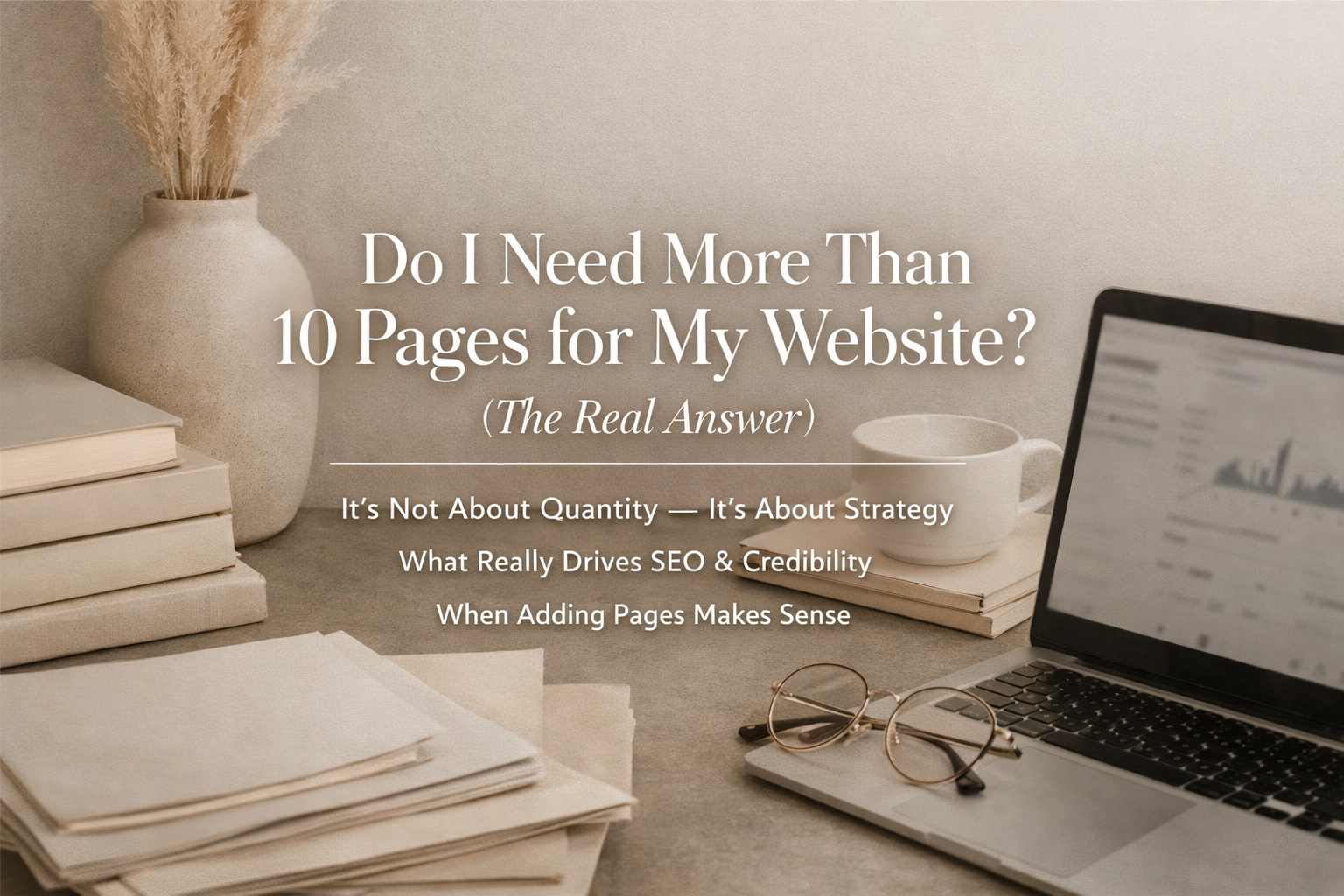
Do I Need More Than 10 Pages for My Website?
More pages doesn’t automatically mean more traffic. If you’re wondering whether your website needs more than 10 pages, the answer isn’t about volume — it’s about strategy. Here’s what actually drives SEO, credibility, and conversions (and when adding pages makes sense).
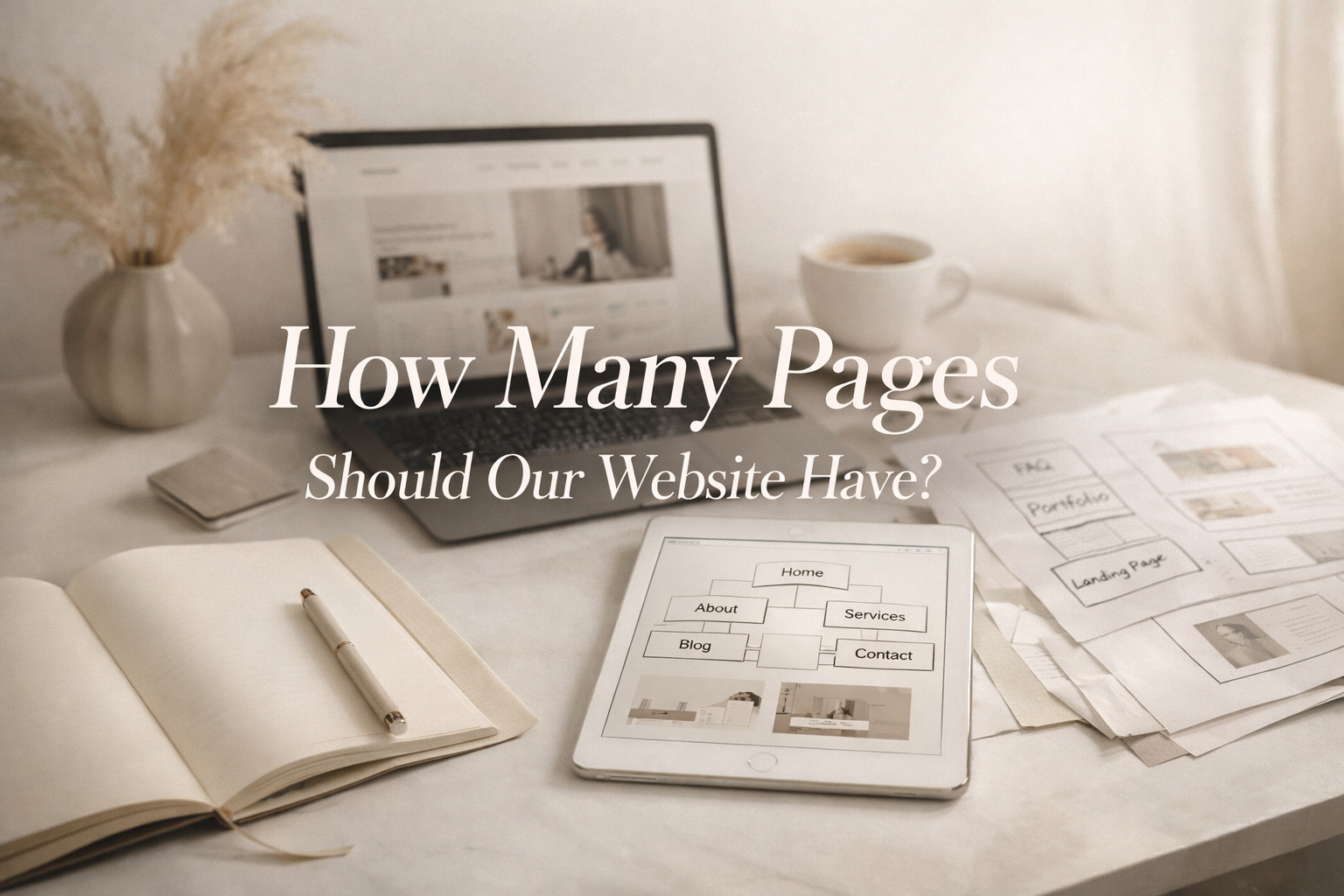
How Many Pages Should Our Website Have?
"How many pages should our website have?" It's one of the most common questions we get from clients, and the honest answer is: it depends. But not in a vague, noncommittal way. There's a real framework for figuring out the right number of pages — and it has everything to do with what your business does, where you do it, and what your customers are actually searching for.

Your Homepage Has ~5 Seconds to Work. Here’s How to Win Them.
Your website homepage has one job: convince visitors they’re in the right place. In this guide, we break down what should be on your homepage, best practices that actually convert, and a simple outline you can steal.