
How Long Until AI Can Take a URL and Give You a Near-Perfect Website Recreation?
It's one of the hottest questions in web development right now: how long until you paste a URL into an AI tool and get back a near-perfect, deployable website? The answer depends on which layer of the site you're talking about. The frontend? AI is already remarkably capable. The backend? Still years out. Here's an honest, research-backed breakdown of exactly where the technology stands in 2026 — and what web developers and business owners should actually expect.

CMS Page Limits Compared: Every Major Platform and Which Is Best for Content-Heavy Sites
Before you commit to a CMS, there's a question worth asking that most platform comparison guides skip entirely: what happens when your content library grows? Every major platform handles page limits differently — some impose hard ceilings, some degrade quietly under volume, and a few are genuinely built to scale without friction. We break down the real numbers for WordPress, Squarespace, Wix, Webflow, HubSpot, Drupal, and Shopify so you can choose a platform that fits not just where you are today, but where your content strategy is headed.

Do Your Squarespace Blog Posts Count Toward Your Page Limit?
It's one of those Squarespace questions that seems simple until you actually try to find a straight answer: do your individual blog posts each count as a page toward your site limit, or does only the Blog page itself count? The answer is both — and understanding exactly how Squarespace counts pages could matter a lot depending on your plan, your publishing pace, and how long you've been building out your site.
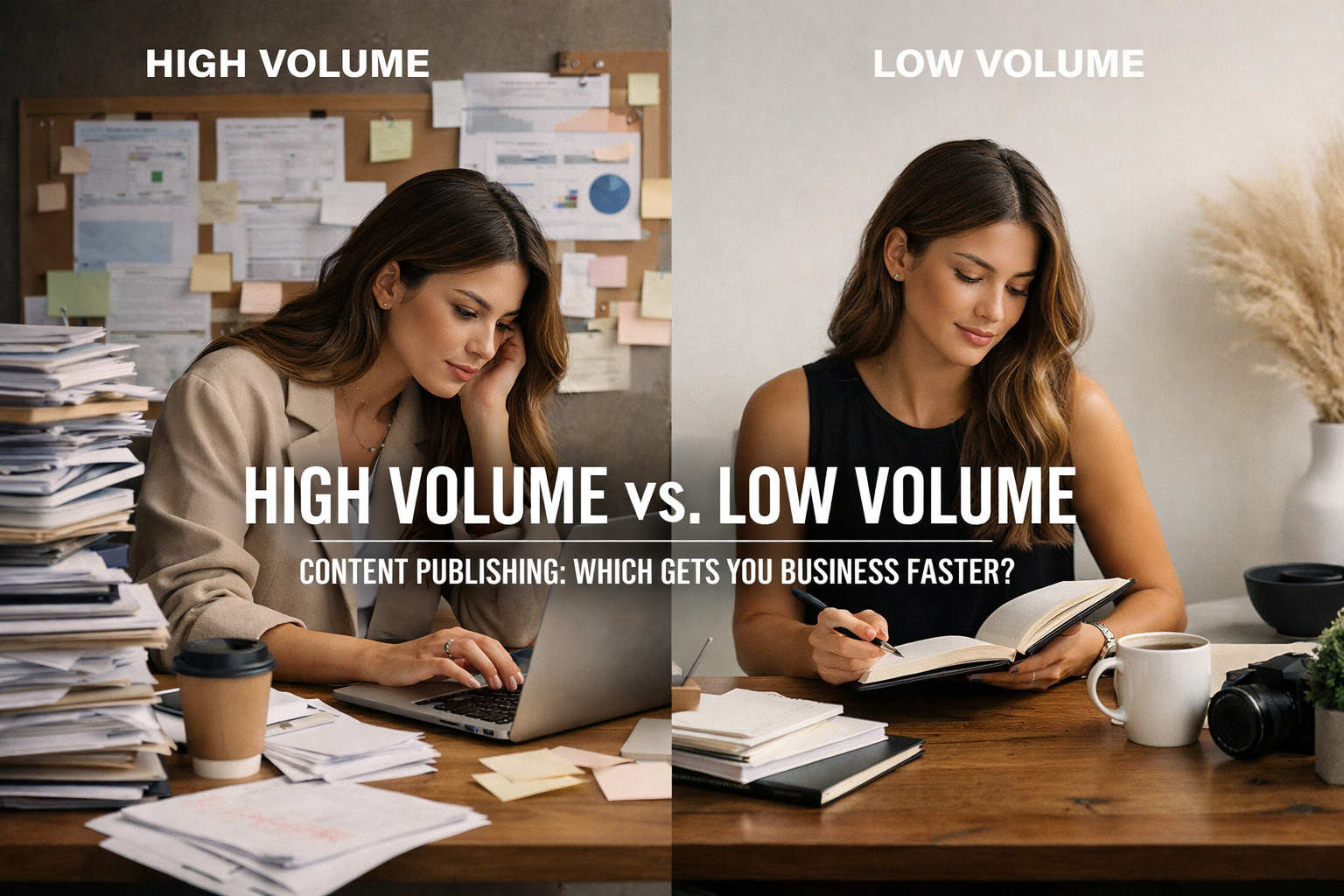
High Volume vs. Low Volume Publishing: Which Actually Gets You Business Faster?
It's one of the oldest debates in content marketing: publish as much as possible, or focus everything on fewer, higher-quality pieces? The answer isn't as simple as either camp wants you to believe. We dig into the actual research — from HubSpot's own internal publishing experiments to real-world niche case studies — to give business owners and marketing managers a data-driven answer to which publishing strategy actually generates leads faster, and what it depends on.

Our Website Looks Fine — So Why Isn't It Generating Any Leads?
You invested in a professional website. It looks sharp, your team loves it, and traffic is coming in. So why is the contact form silent? The problem usually isn't your design — it's everything underneath it. We dig into the nine most common reasons websites fail to generate leads, from unclear messaging and weak calls to action to page speed, mobile experience, and the trust signals visitors are looking for before they ever reach out.
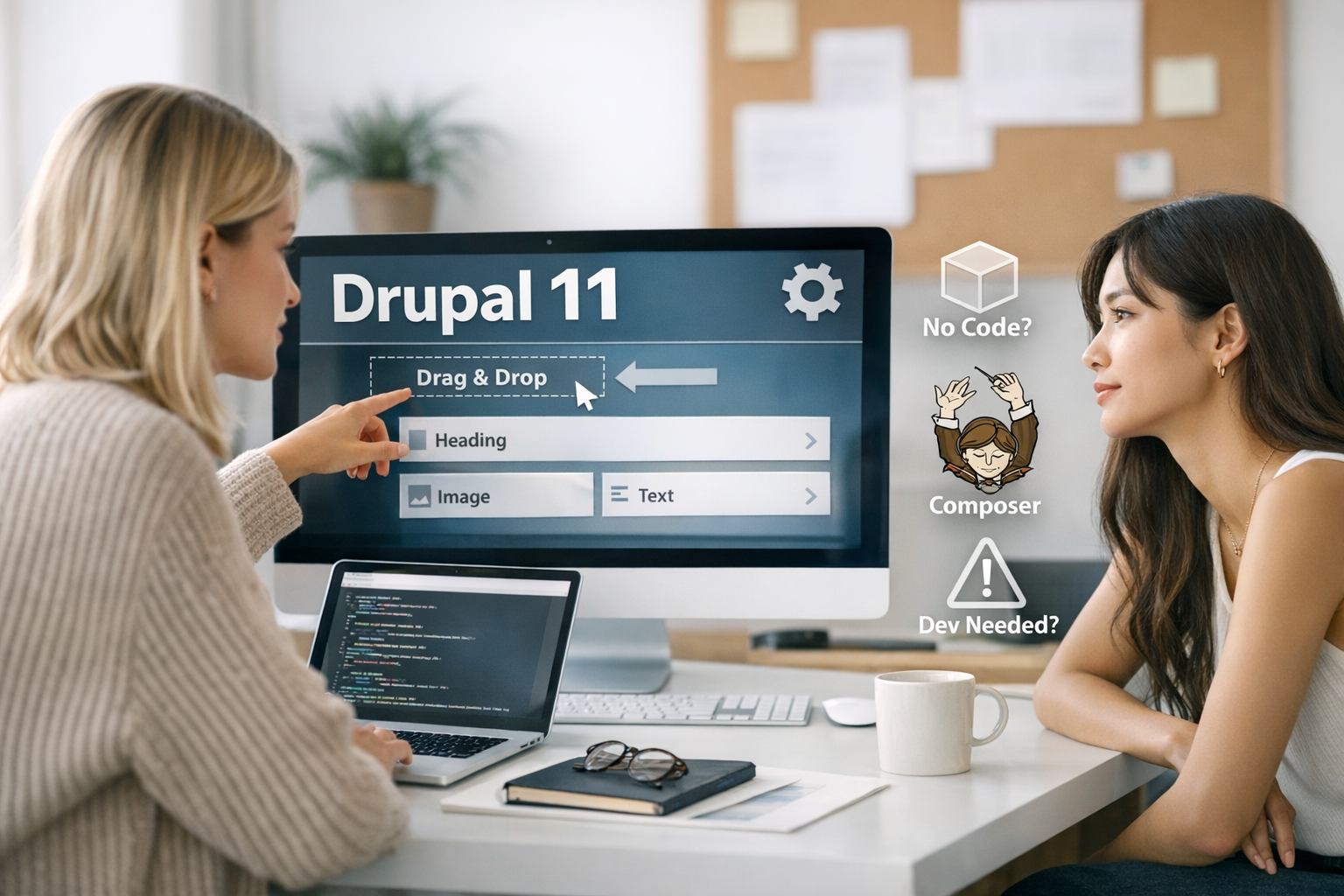
Is Drupal 11 Really Drag-and-Drop? Let's Cut Through the Confusion
Everyone's saying Drupal 11 is drag-and-drop — but what does that actually mean for your marketing team? The truth is more nuanced than the pitch. We dig into Layout Builder, the death of the Add Module button, Composer requirements, and where Drupal CMS is headed so you can make an informed decision about your website platform.
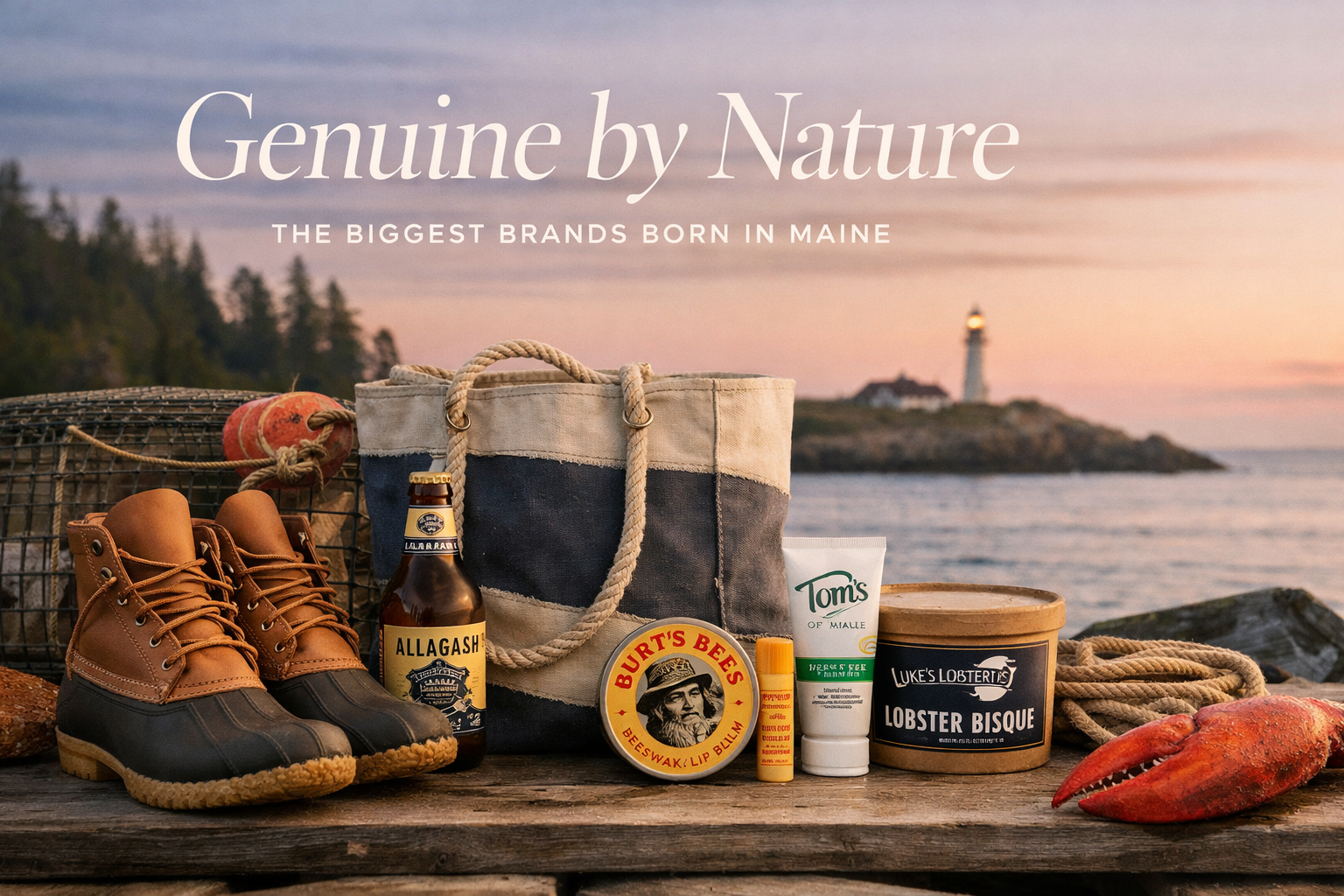
Genuine by Nature: The Biggest Brands Born in Maine and What the Pine Tree State Is Actually Buying
Maine is not a state that shouts. It is a state that endures. And from this cold, beautiful, stubbornly independent corner of New England has emerged some of the most genuinely beloved brands in American consumer history — not flashy brands, not brands built on hype cycles or venture capital, but brands built on solving real problems, making things that last, and earning trust one honest product at a time. L.L. Bean. Burt's Bees. Tom's of Maine. Allagash. Sea Bags. Luke's Lobster. Here's the full story of how Maine builds brands — and what its consumers actually buy.

No State, No Problem: The Brands Born in Washington DC and What the Nation's Capital Is Actually Buying
Technically, Washington DC is not a state. It has no senators, one non-voting House delegate, and has been fighting for full congressional representation since the city was founded. But if you think that means DC doesn't belong in a series about American brand ecosystems and consumer behavior — you've never actually been to DC. The District is unlike anywhere else in the country: the seat of global power, a majority-Black city with a rich cultural history, one of the most educated consumer bases in America, and a market currently navigating one of the most turbulent economic moments in its modern history. Here's the full story.
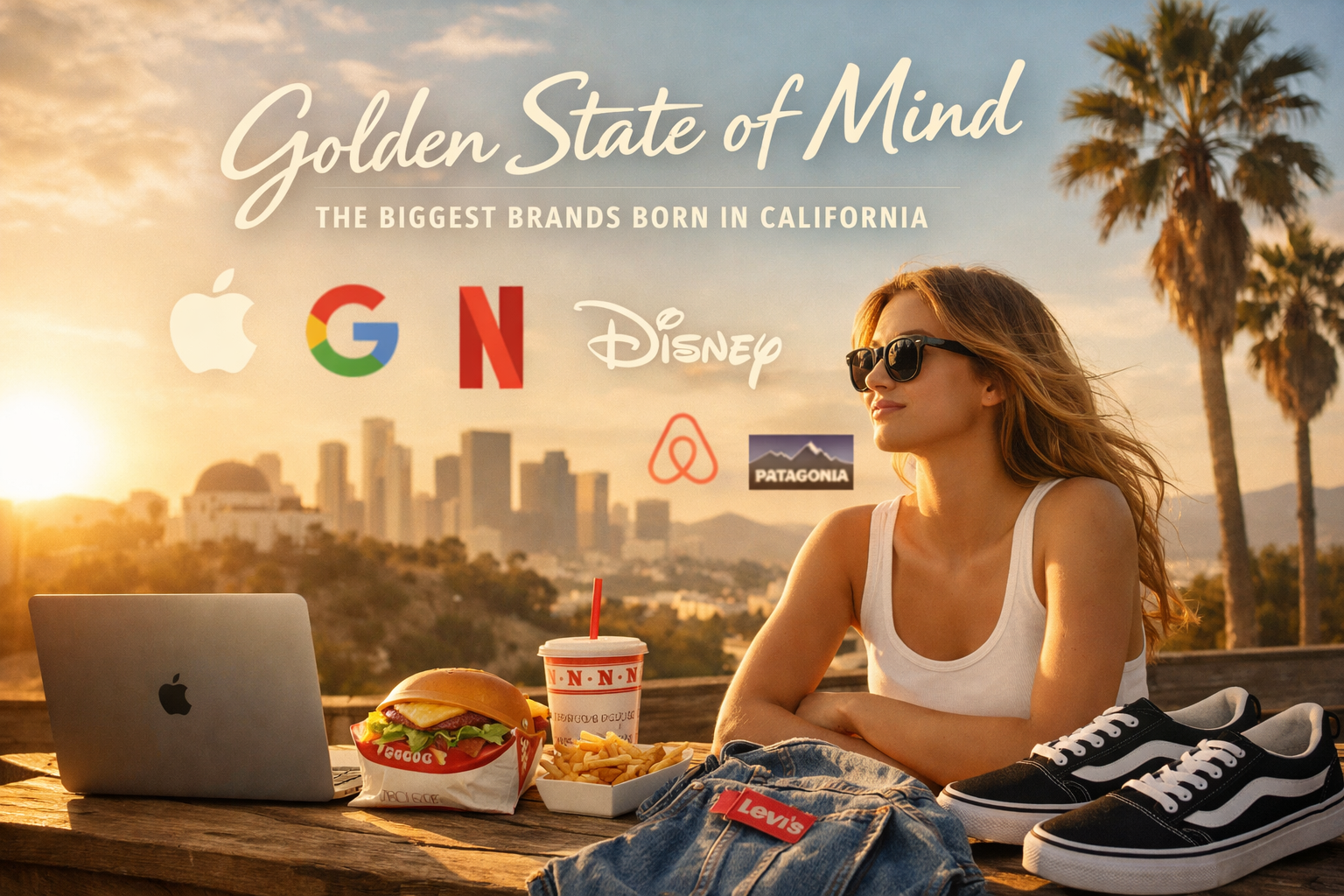
Golden State of Mind: The Biggest Brands Born in California and What the World's Fifth-Largest Economy Is Buying
California doesn't sneak up on you with a brand surprise — it arrives with a list so long, so globally dominant, so deeply woven into the fabric of modern life that the real challenge isn't finding the brands. It's deciding which ones to focus on. Apple. Google. Disney. Netflix. Levi's. In-N-Out. Patagonia. Vans. Airbnb. These aren't brands that happen to be from California. They are California — packaged and exported to the entire planet. Here's the full story of how the Golden State became the world's greatest brand-building machine, and what its 40 million consumers are buying right now.
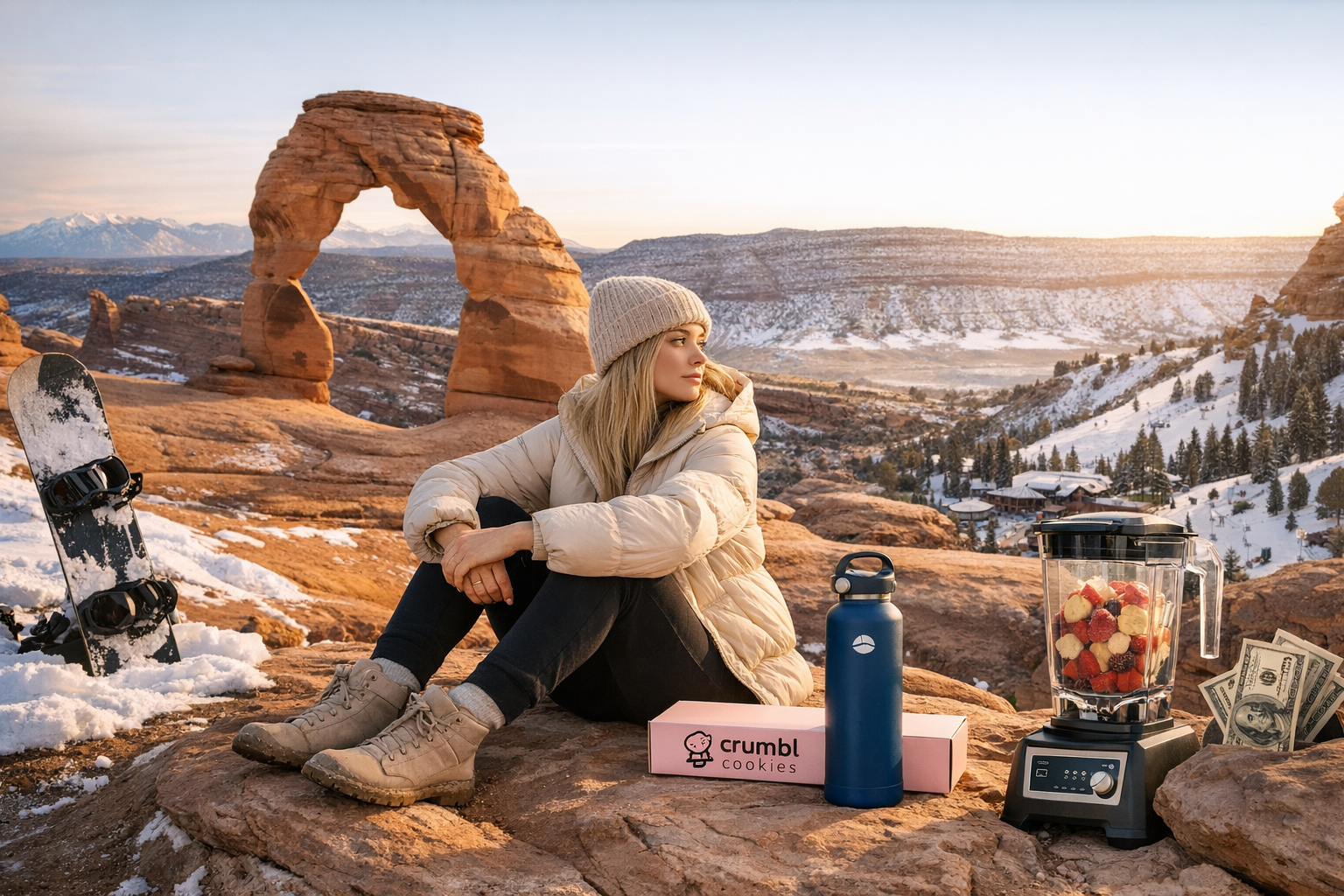
Built on the Slopes: The Biggest Brands Born in Utah and What the Beehive State Is Actually Buying
When most people think of Utah, they think of red rock canyons, world-class ski resorts, and the Great Salt Lake. What they don't think about is that this mountain-flanked state has quietly become one of the most fertile brand-building environments in the country — producing a cookie company that broke the internet, a blender brand that invented viral marketing before it had a name, and a water bottle Gen Z can't stop posting about. Utah's brand story is one of the most surprising in America, and its consumer market is one of the most misunderstood.
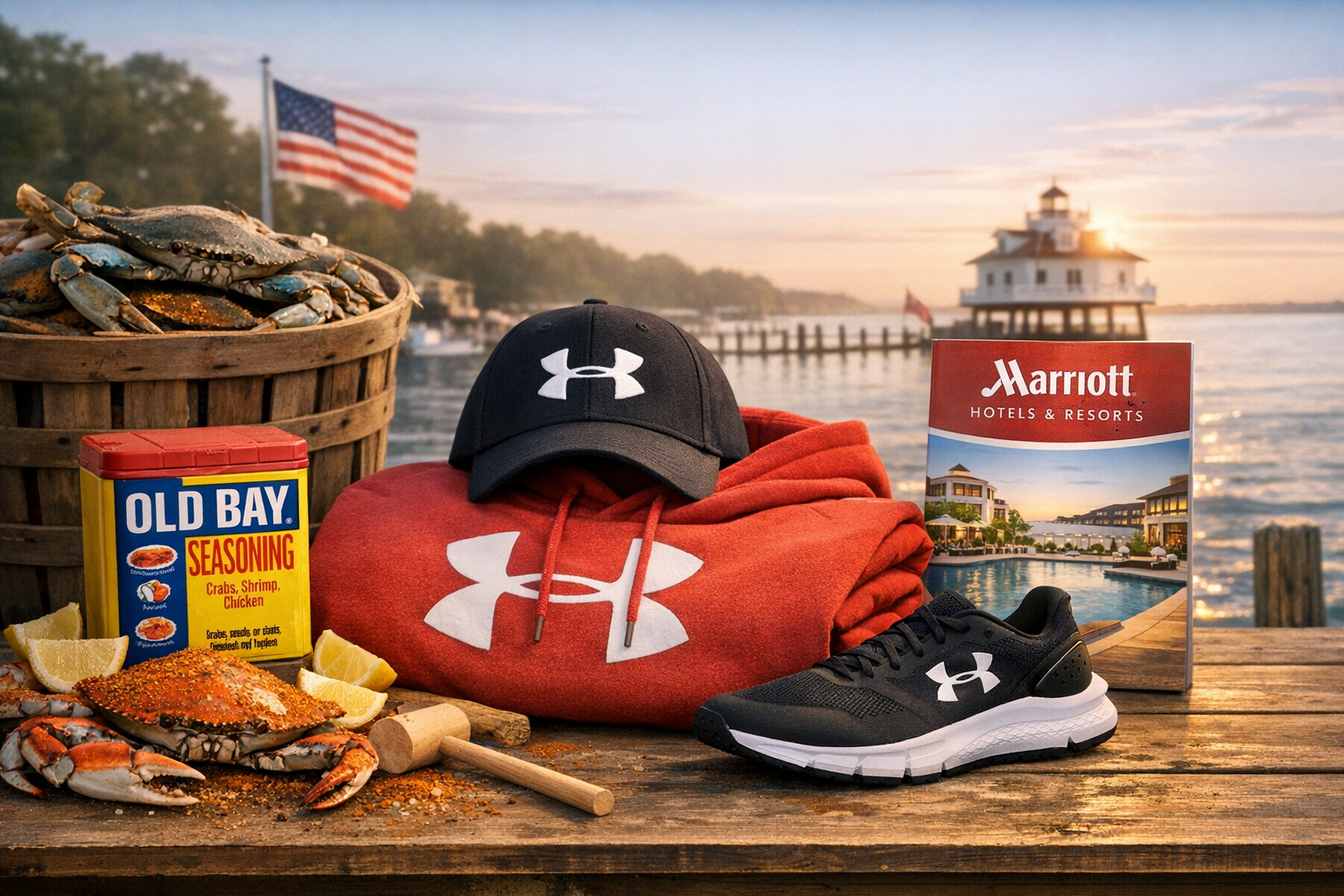
Old Bay on Everything: The Biggest Brands Born in Maryland and What the Old Line State Is Actually Buying
People hear "Maryland" and think crab cakes, the Chesapeake Bay, and maybe Ravens football. What they don't think about is that this small mid-Atlantic state is home to one of the most consequential collections of brands in America — a spice tin that became a cultural identity, a performance apparel company that rewrote the rules of athletic wear, and a hotel chain that dominates the global hospitality market. Here's the full story of Maryland's brand ecosystem and the highly educated, fiercely loyal consumers who shop there.
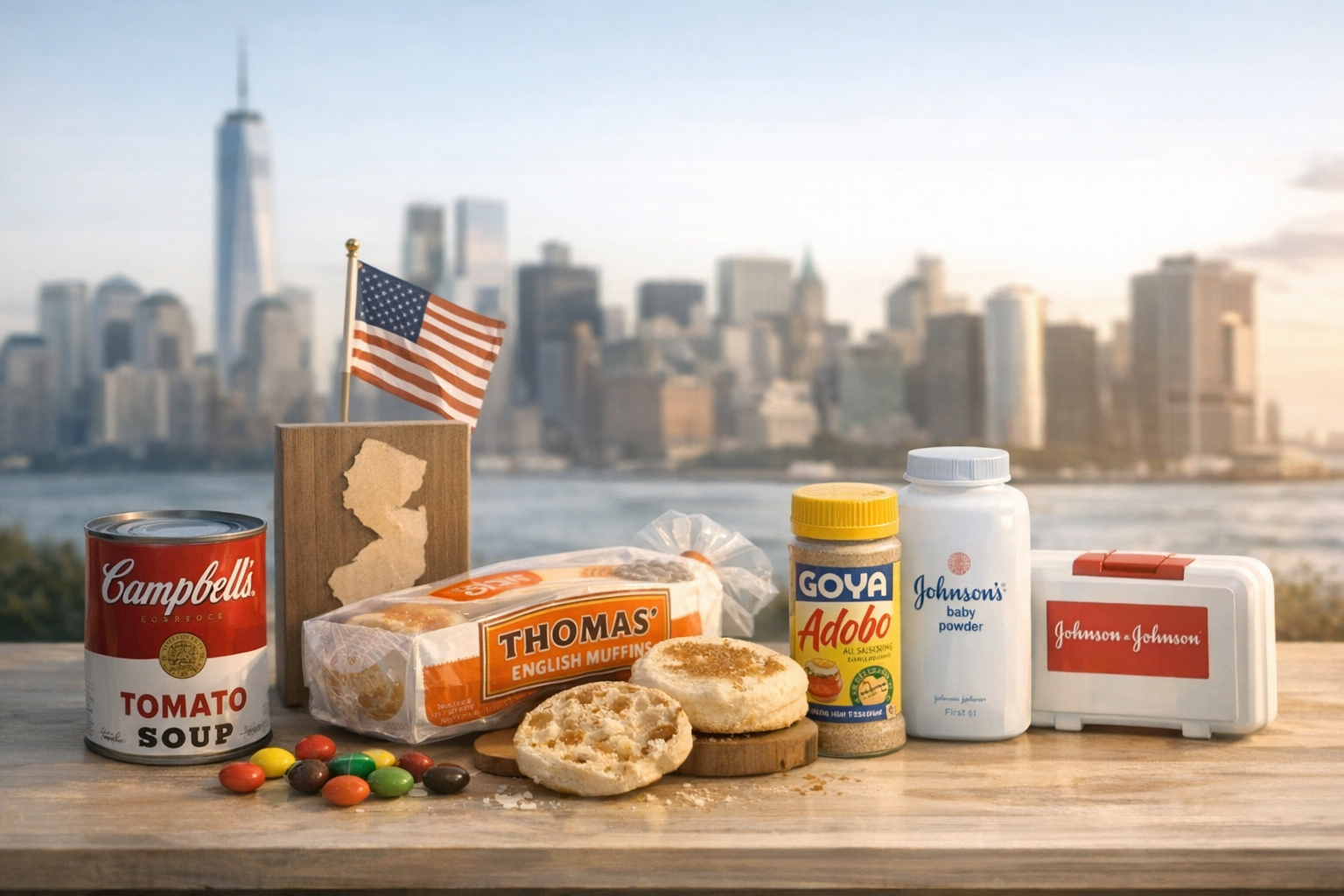
Jersey Proud: The Biggest Brands Born in New Jersey and What Garden State Consumers Actually Buy
New Jersey doesn't get nearly enough credit. For a state that gets constantly dunked on by people who've only ever seen it from the turnpike, the Garden State has quietly produced some of the most iconic brands in American history — Campbell's Soup, Goya Foods, M&Ms, Thomas' English Muffins, and Johnson & Johnson, to name just a few. Here's a look at the brands born here, the ones NJ consumers stay loyal to, and what it all means for marketers trying to crack one of the most diverse and discerning consumer markets in the country.
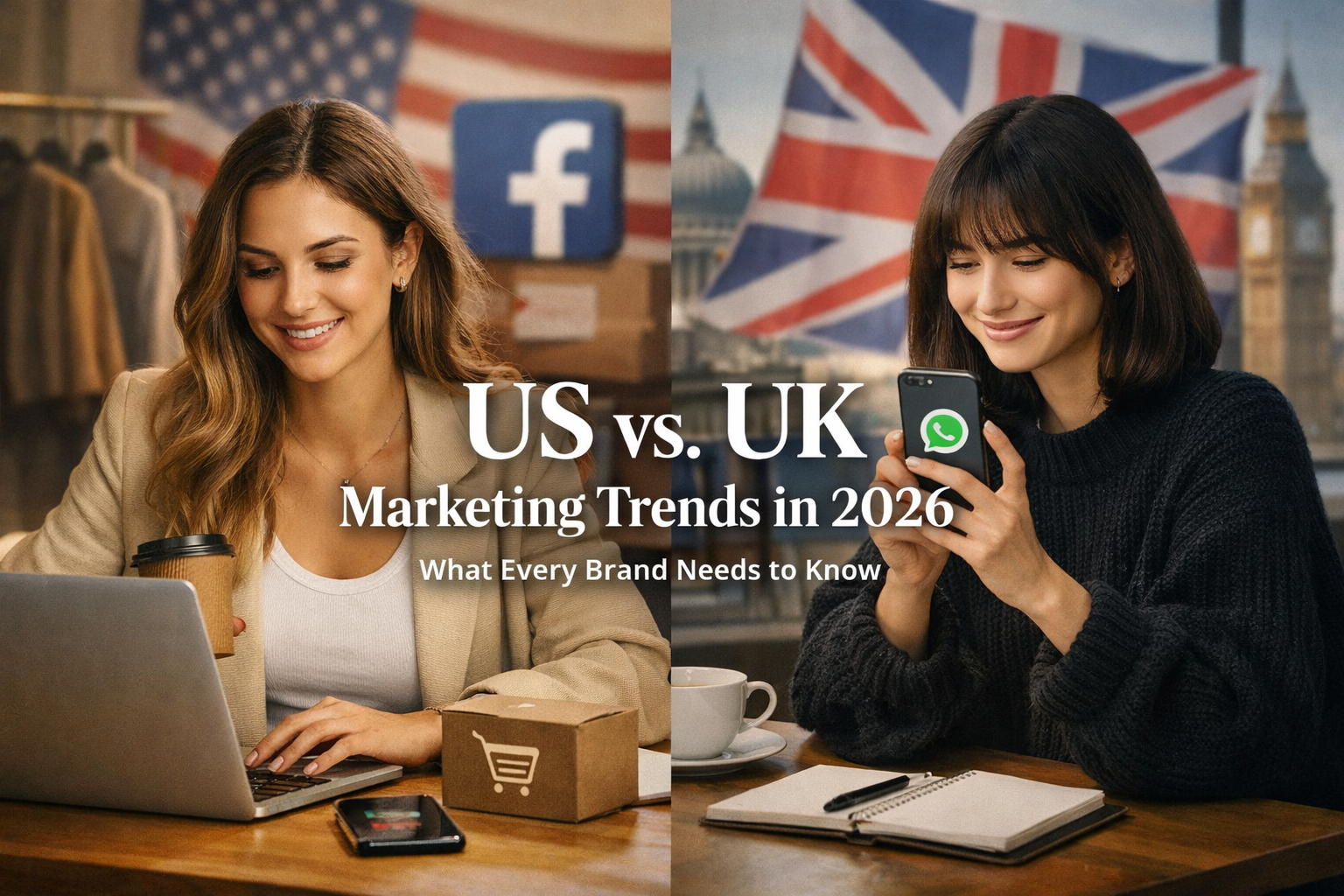
Same Language, Different Playbook: Marketing Trends in the US vs. UK in 2026
There's a persistent myth in marketing that the US and UK are basically the same market. Same language, same platforms, same pop culture — how different could they really be? The answer, in 2026, is: significantly. From WhatsApp brand communication dominating the UK to Facebook-driven social commerce leading the US, the divergences run deep. Here's what the data actually says — and what it means for your strategy.
How LinkedIn Endorsements Actually Work — and How to Get the "Highly Skilled" Designation
Most professionals treat LinkedIn endorsements as a passive social nicety — a one-click exchange with a colleague that sits on your profile doing nothing in particular. But endorsements, when understood correctly and built deliberately, are doing real algorithmic work: influencing how LinkedIn surfaces your profile in search, shaping how recruiters and prospective clients evaluate your expertise at a glance, and — when accumulated at sufficient volume and quality from the right sources — earning your profile the "Highly Skilled" designation that LinkedIn awards to skills with exceptional endorsement signals. Most professionals have a skills section with thin endorsement counts that tells an incomplete story about their actual competence. Here's exactly how LinkedIn's endorsement system works, what the "Highly Skilled" label actually means and how LinkedIn decides who gets it, whether there are limits to how many endorsements you can give, and what a deliberate endorsement strategy looks like for professionals who want LinkedIn working as hard as they do.

ChatGPT Quietly Removed Image Titles From Its Generator — and It's a Bigger ADA Problem Than Anyone Is Talking About
ChatGPT's image generator used to do something small but important: it gave every generated image a descriptive title. Not perfect alt text by any standard, but a functional label — a starting point that content creators could use when deploying AI-generated images on websites, in emails, and across social media. That title is gone now. ChatGPT generates the image, displays it, and offers it for download with no descriptive text, no meaningful file name, and nothing that assistive technology can use to communicate the image's content to a user who cannot see it. For most sighted users, this change is nearly invisible. For users who rely on screen readers, and for every business deploying AI-generated images without alt text on their own digital properties, it is a meaningful regression in accessibility with real legal implications under the ADA. Here's what changed, why it matters, and what businesses using AI image generation need to do about it right now.
Why 10,000 LinkedIn Followers Is Such a Big Milestone — and Why Most Established Businesses Are Nowhere Near It
There is a number that matters more than most business owners realize on LinkedIn: 10,000. It's the threshold that unlocks platform features, signals established authority to every prospective client or candidate who lands on your page, and triggers the compounding growth dynamics that make the path from 10,000 to 20,000 faster than the path from 1,000 to 10,000. And here is what surprises most people: the majority of businesses — including many that have been operating for twenty, thirty, or forty years — have fewer than 3,000 followers on their LinkedIn company page. Not because they're bad businesses. Not because they lack expertise or credibility. But because LinkedIn company page growth doesn't happen by accident, and most established businesses have never made a deliberate investment in building it. Here's why the gap exists, why it matters more than most owners appreciate, and why working with an agency to close it is one of the highest-leverage investments a professional services or B2B business can make.

What Happens to Your Marketing When Your In-House Person Goes on Maternity Leave?
Your in-house marketer goes on maternity leave. The Google Business Profile stops getting updated. The emails stop going out. The reviews go unanswered. The content publishing stalls. And twelve weeks later, your marketing presence is measurably worse than it was before the leave began — with rankings slipped, review velocity stalled, and an email list that's gone cold. For most small businesses, one person is the entire marketing operation — which means one person going on leave is all it takes for everything to stop. The hybrid model, pairing an in-house team member with a retained marketing agency, is the structural solution to that single point of failure. The agency holds the access, the institutional knowledge, and the execution capacity to keep your marketing running regardless of who is or isn't in the office. Here's exactly how it works — and why the continuity argument alone makes it worth the investment.
Economic Uncertainty Is Hitting Washington Township Businesses From Every Direction — Here's Why Cutting Your Digital Marketing Budget Is the Wrong Response
Washington Township businesses are facing a perfect storm in 2026. The $72.6 million Route 42 construction project is disrupting the Black Horse Pike commercial corridor through summer 2027. Floor & Decor, K9 Resorts, and other national chains are arriving with corporate marketing budgets that dwarf what independent local businesses can spend. Tariffs are driving up costs for contractors and retailers. And general economic uncertainty is making customers more deliberate about every dollar they spend. When revenue is under pressure, the instinct is to cut marketing first. But a hundred years of recession research — from Harvard Business Review to studies spanning every major economic downturn on record — shows that's the move that turns a temporary challenge into a lasting competitive disadvantage. The businesses that stayed visible during past downturns came out 20% ahead of where they started. The ones that went quiet ended up 7% below. Here's the data-driven case for staying visible in Washington Township — and exactly which high-ROI channels make sense when the budget is tight.
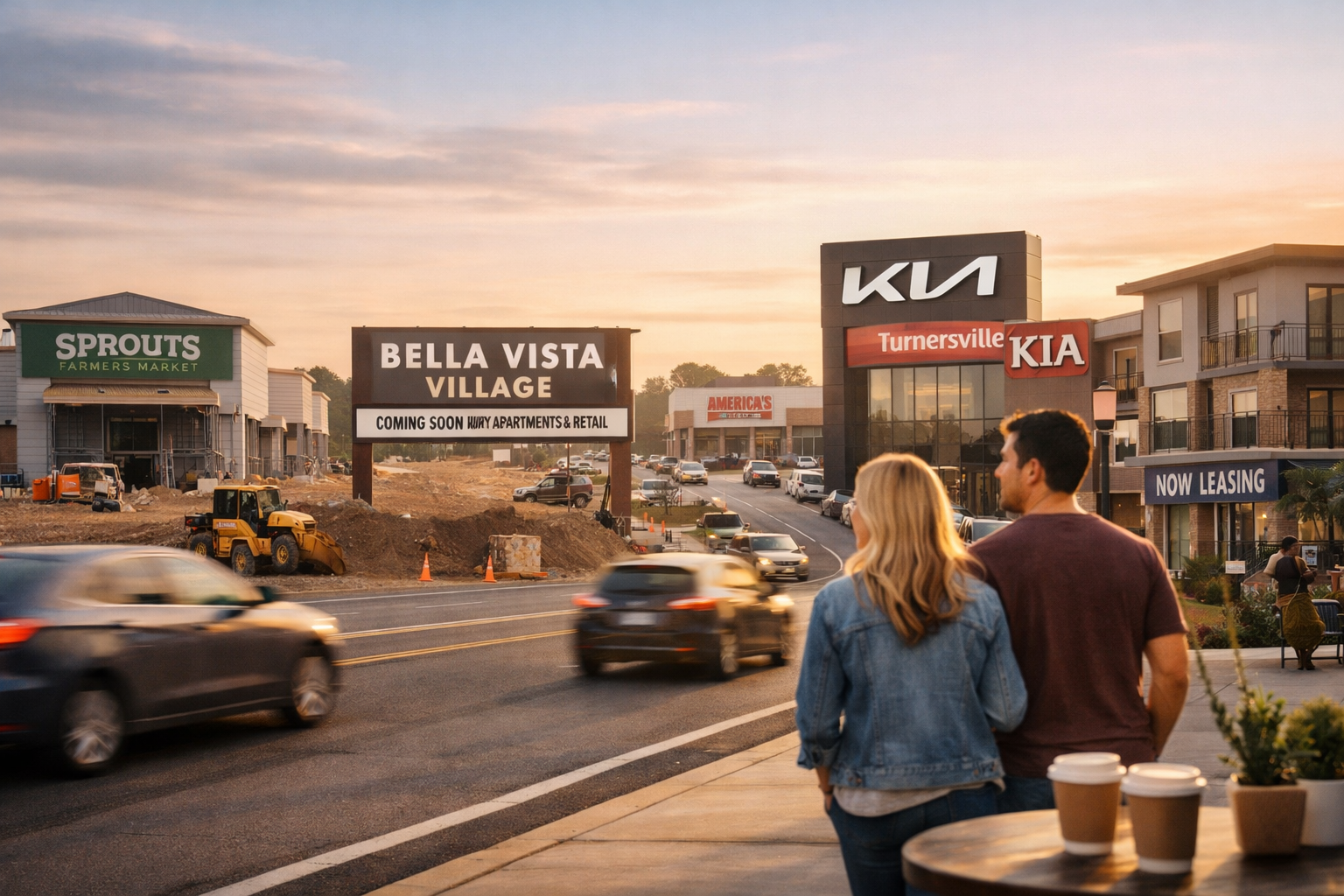
New Development Is Changing the Face of Washington Township — Here's How Turnersville Businesses Can Capture New Customers First
Washington Township is growing — and the development activity happening right now makes that clearer than ever. Bella Vista Village is clearing land on Delsea Drive for 60 new residential units above ground-floor retail. A mixed-use development at 4040 Black Horse Pike is bringing America's Tire, additional retail pad sites, and a relocated and dramatically expanded Turnersville Kia dealership. Sprouts Farmers Market is under construction on Egg Harbor Road. Every one of these projects brings new residents and new daily traffic patterns to Washington Township — and every one of those new residents will arrive without a go-to plumber, dentist, restaurant, mechanic, or pet groomer. They're going to open Google and search. The businesses that show up first, with complete profiles and strong recent reviews, will win customers who could stay loyal for years. Here's the full local SEO playbook for capturing new Washington Township residents before your competitors do.
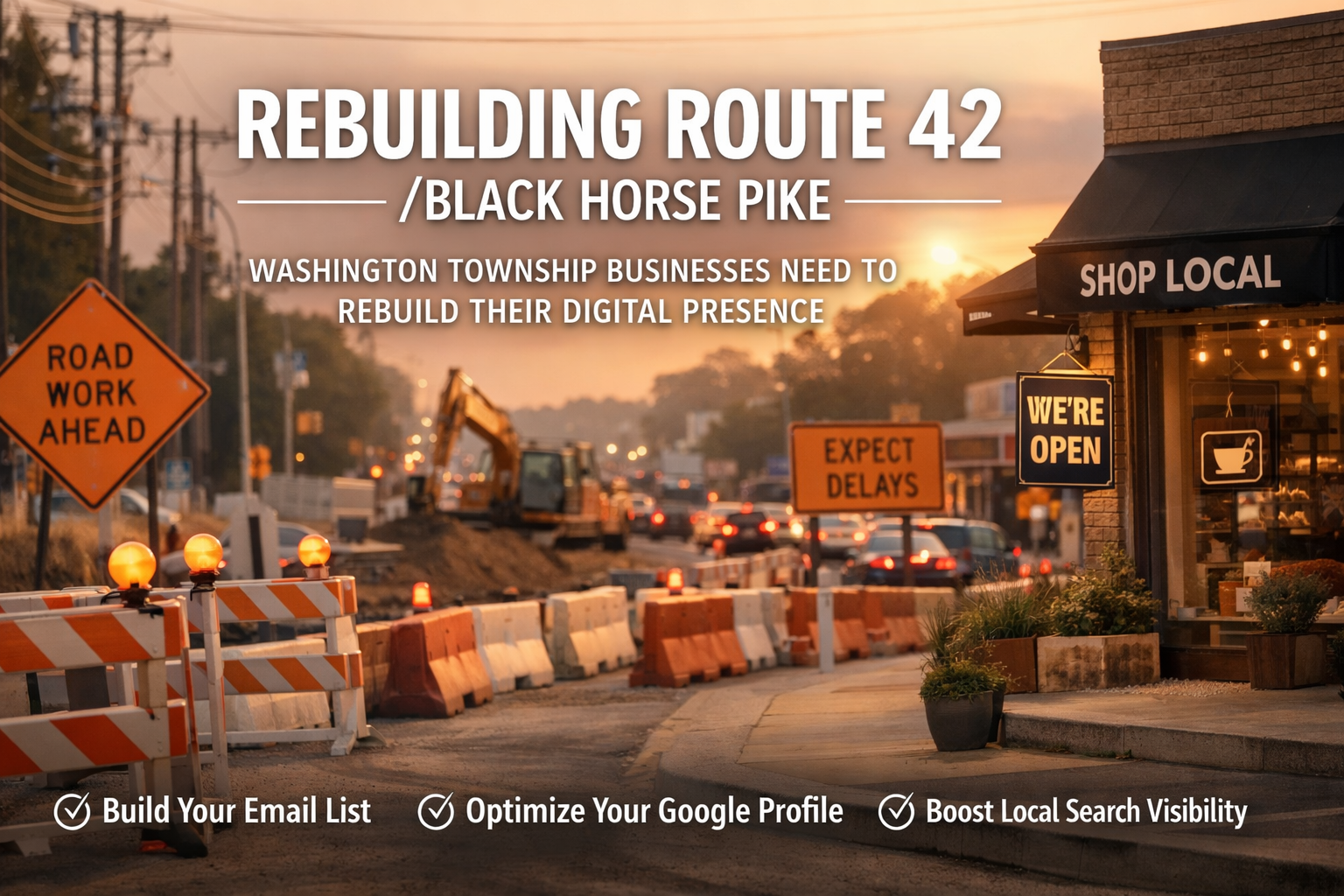
NJDOT Is Rebuilding Route 42/Black Horse Pike Through Washington Township — Your Business Should Be Rebuilding Its Digital Presence Too
The $72.6 million NJDOT Route 42 improvement project started in spring 2024 and won't be finished until summer 2027 — three years of active construction running through the heart of Washington Township's commercial corridor. Add the Black Horse Pike resurfacing project beginning in early 2026 through Gloucester Township, and you're looking at nearly 10 miles of simultaneous road reconstruction across South Jersey's most commercially dense stretch of highway. Research is clear that road construction hits small, single-location businesses hardest — some losing 20 to 30 percent of revenue during active construction, with some of those customers never returning. The businesses that hold onto their customers through a multi-year disruption are the ones with email lists, optimized Google Business Profiles, and strong local search visibility that keeps them found even when the road makes getting there feel complicated. Here's the full digital playbook for Black Horse Pike businesses that need to get ready now.