
If AI Is Eating Your Content Marketing Career, Consider This Pivot
A significant portion of what content marketers have been paid to do can now be done faster and cheaper by AI — and the market is adjusting accordingly. But the displacement isn't uniform. There's a pivot available right now that AI genuinely cannot replicate, that the market is undervaluing, and that's sitting largely untapped inside most of the businesses you've worked for. That pivot is data journalism — and if you're a content marketer looking for ground worth standing on, this is it.
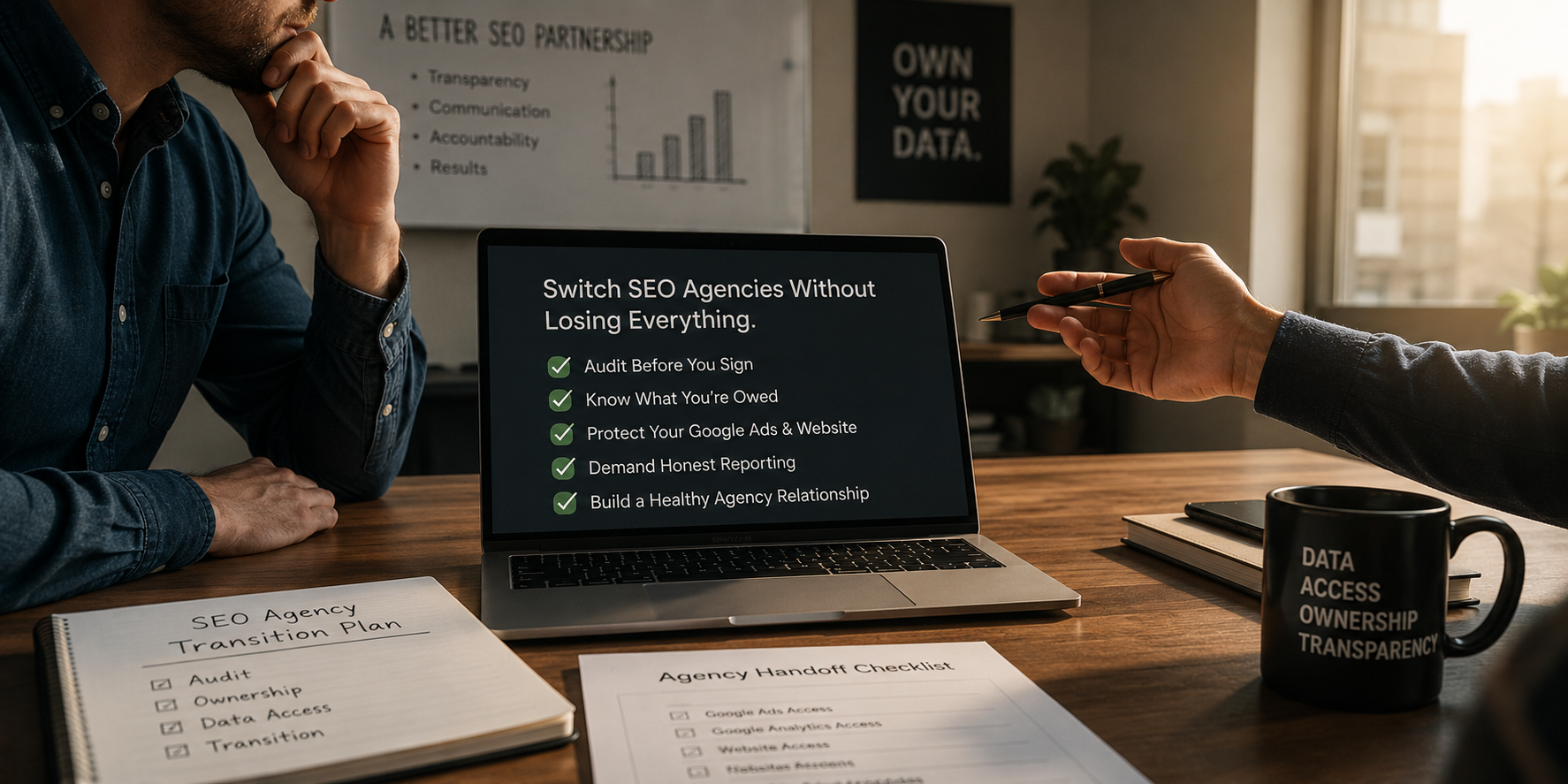
How to Switch SEO Agencies Without Losing Everything: The Complete Guide
Switching SEO agencies is one of the highest-stakes decisions a marketing team makes — and one of the least documented. This pillar post connects every part of the process: how to audit an agency before you sign, what you're owed when you leave, who owns your Google Ads account and your website, what honest reporting looks like, and what a healthy agency relationship is actually supposed to feel like. If you're considering a switch, mid-transition, or simply want to understand how this process should work before you ever need it — start here.

What a Healthy Agency-Client Relationship Actually Looks Like
A healthy agency-client relationship isn't just the absence of red flags. It has its own positive qualities — a specific kind of communication, a specific kind of accountability, and a specific kind of trust that gets built through consistent behavior rather than promised in a sales pitch. Here's what it looks like in practice, what both sides have to contribute to make it work, and how to know whether the relationship you're in has the foundation to be genuinely productive.
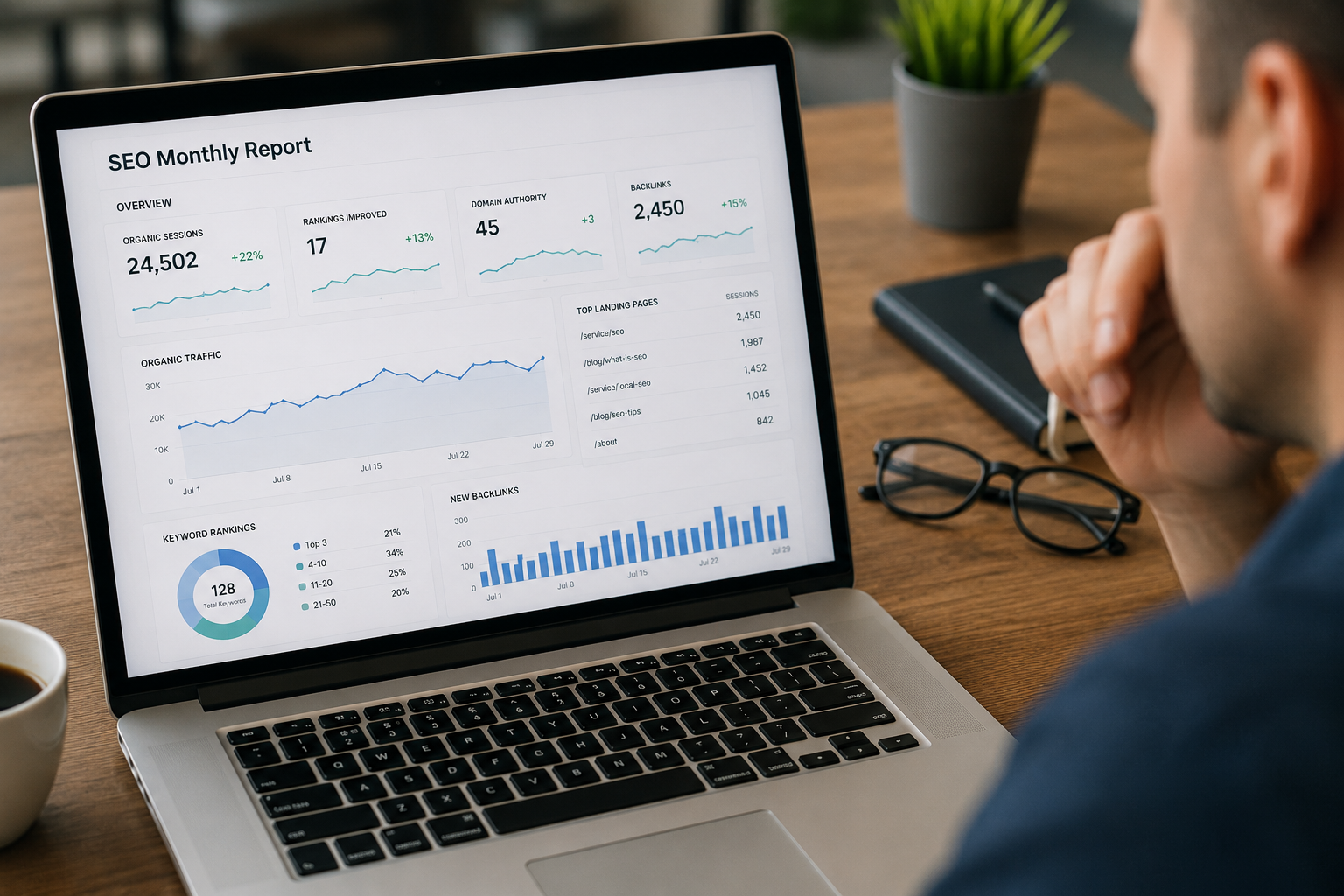
Red Flags in SEO Reporting: What Your Agency Might Be Hiding in Plain Sight
Every month the report arrives and everything looks good on paper — traffic up, rankings improved, targets hit. But the phone isn't ringing more and the leads aren't increasing. If that gap feels familiar, the problem might be your reports. Here are the ten biggest red flags in SEO reporting, from cherry-picked date ranges to activity metrics with no outcome data, and what your agency should be showing you instead.
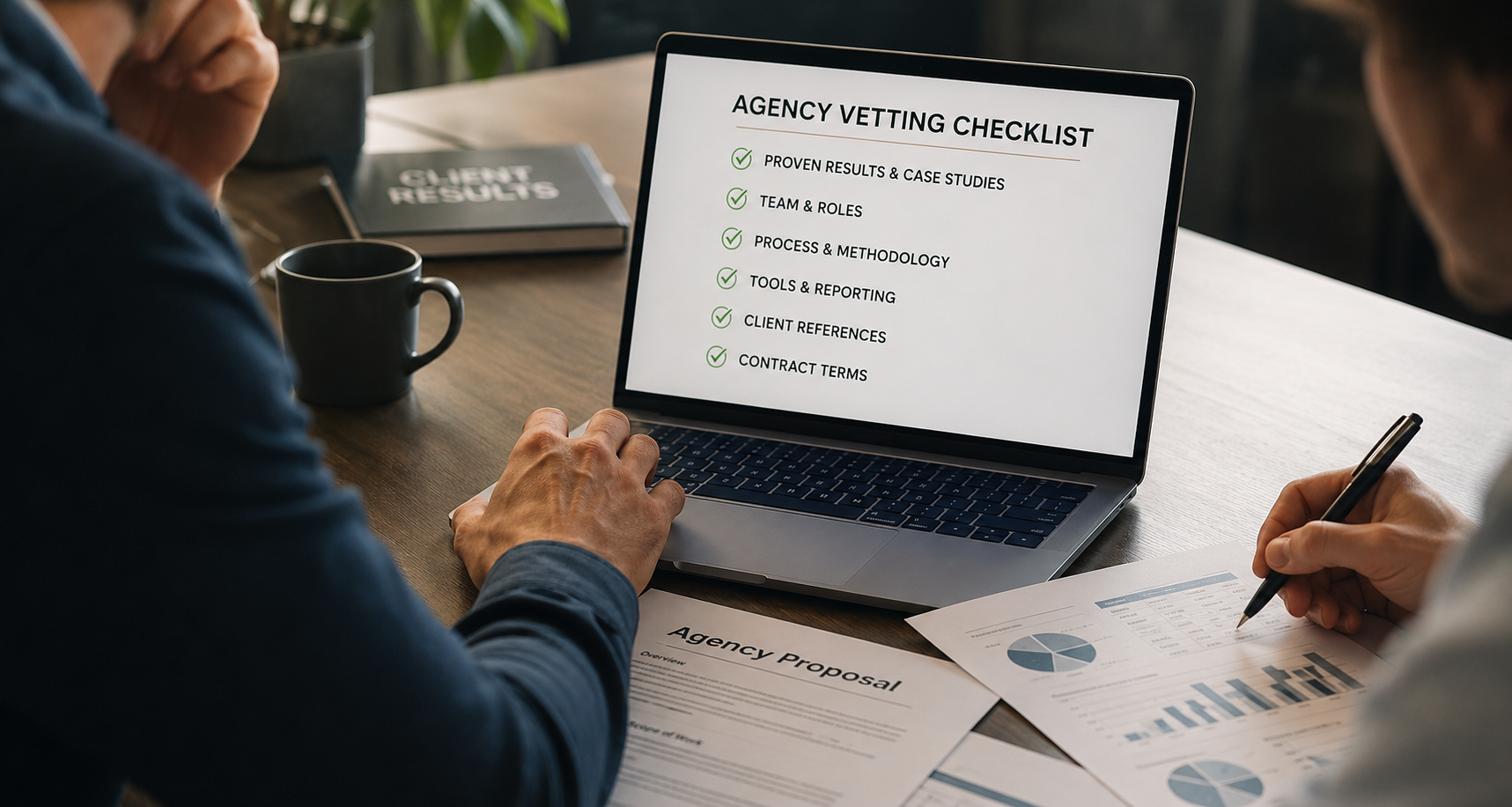
How to Audit an Agency Before You Sign Anything
A polished proposal and a confident pitch tell you an agency is good at winning business. They tell you almost nothing about whether the agency is good at the actual work. This is the complete pre-signing audit framework — how to evaluate an agency's real capabilities, who will actually work on your account, what the contract should say, and the questions that separate agencies worth hiring from agencies worth avoiding.
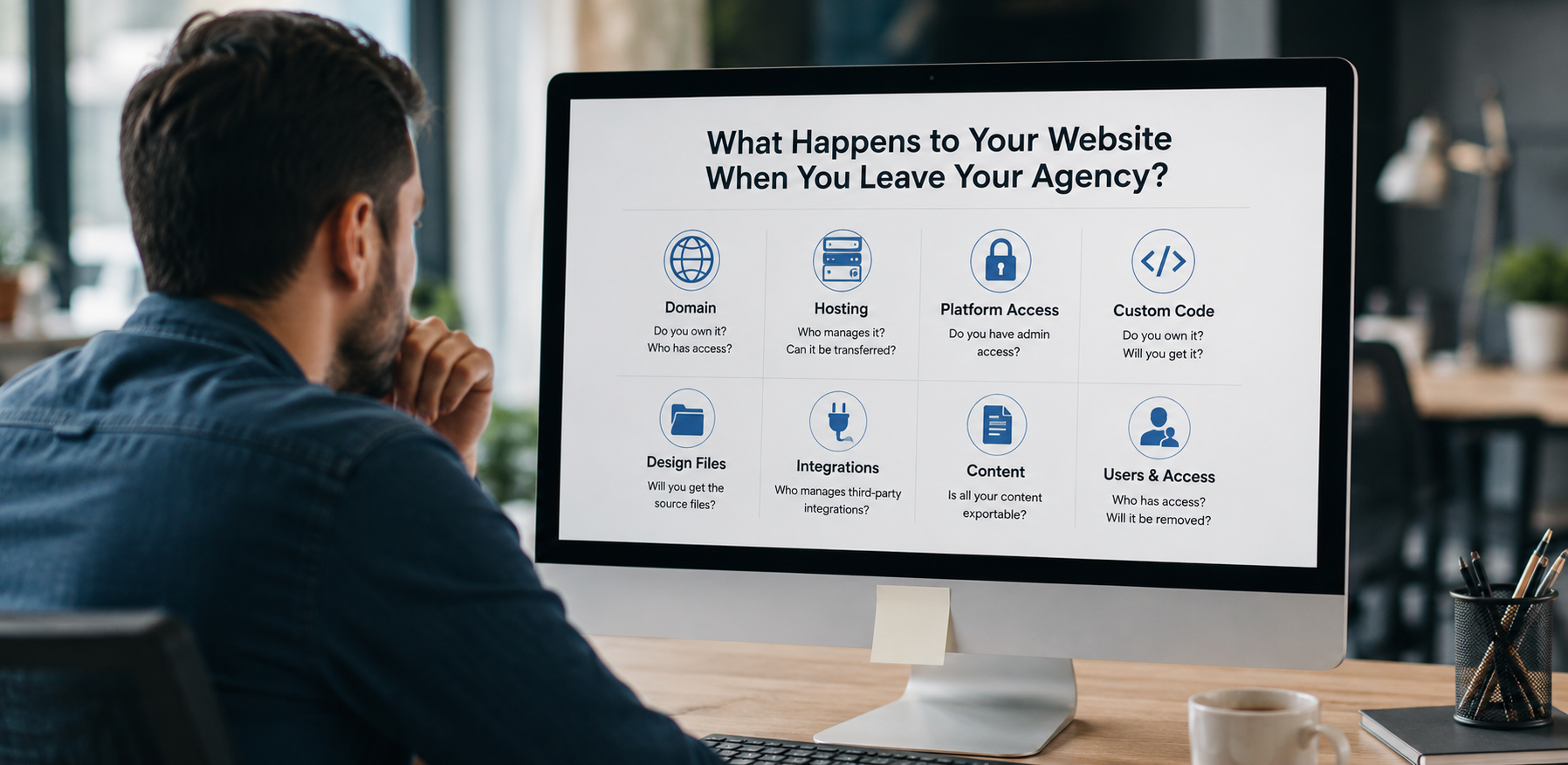
What Happens to Your Website When You Leave Your Agency?
Most businesses assume they own their website. But if an agency built it, registered the domain, set up the hosting, or built it on a proprietary platform, the reality can be very different. This post covers every dimension of website ownership — domain, hosting, code, design files, integrations, and content — and exactly what to do if the answers aren't what you hoped.
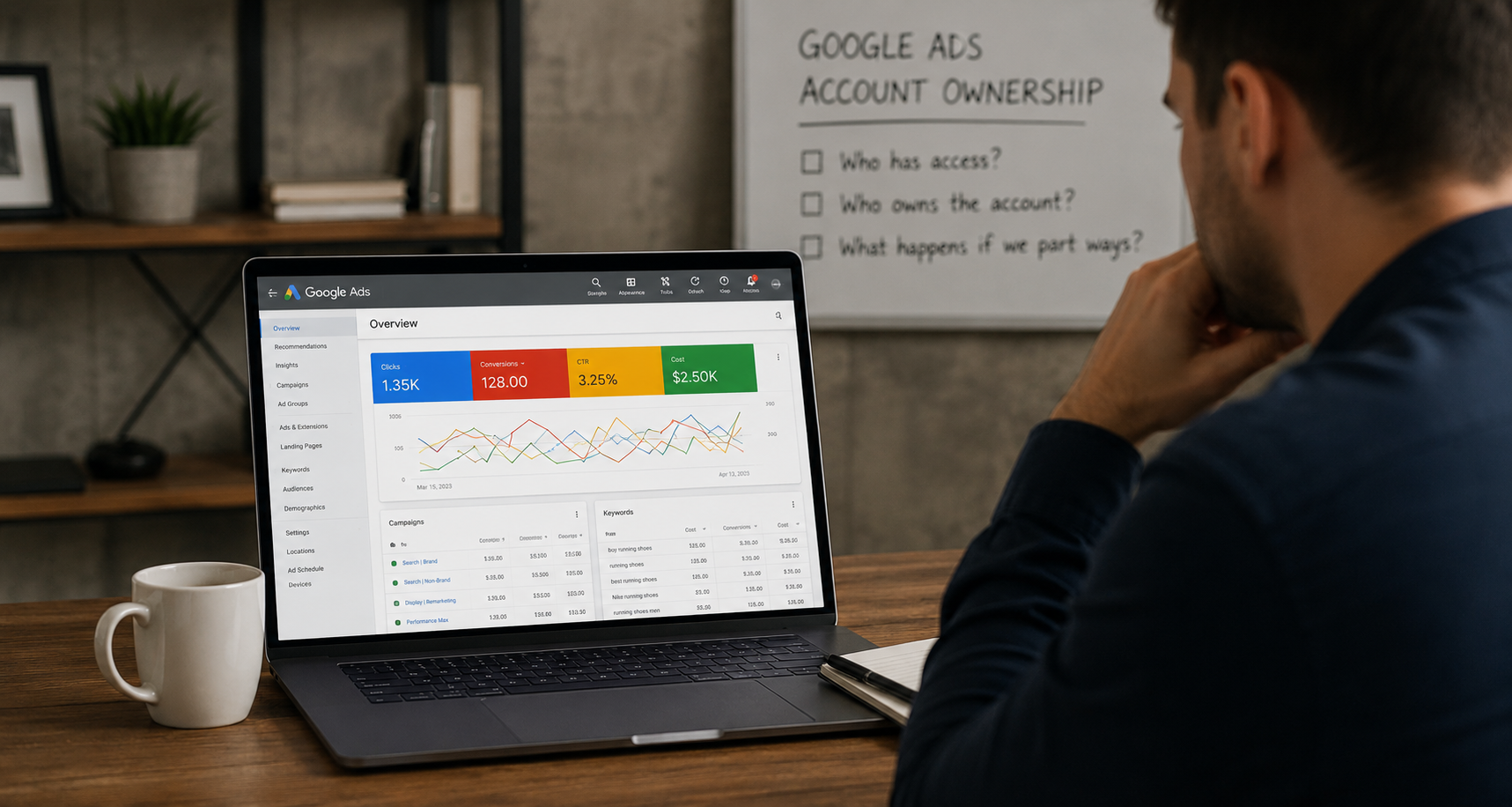
Who Owns Your Google Ads Account? (And Why the Answer Matters More Than You Think)
Most businesses assume they own their Google Ads account. Many don't. When an agency relationship ends badly, clients discover their campaigns, conversion history, remarketing audiences, and Quality Scores all lived inside an account the agency controlled — and walked away with. Here's how Google Ads account ownership actually works, how to check your current situation, and how to make sure it never becomes a problem.
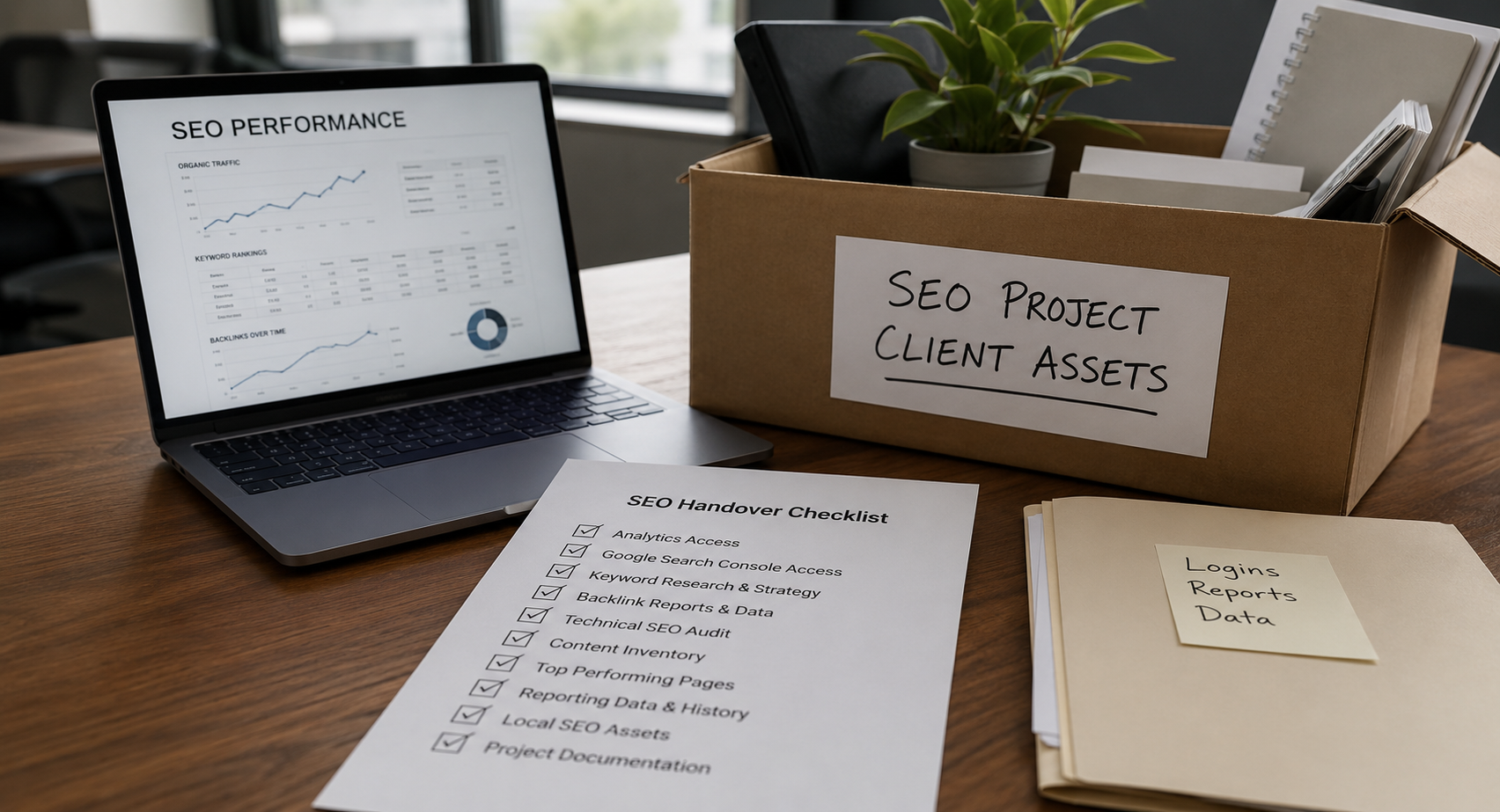
What Your Old SEO Agency Should Give You Before They Leave
When an SEO agency relationship ends, most clients ask for their logins back and call it done. But there's a lot more that belongs to you — keyword strategies, link building records, technical documentation, content archives, and years of reporting data that your next agency needs to hit the ground running. Here's the complete list of what you're owed and how to make sure you get it.
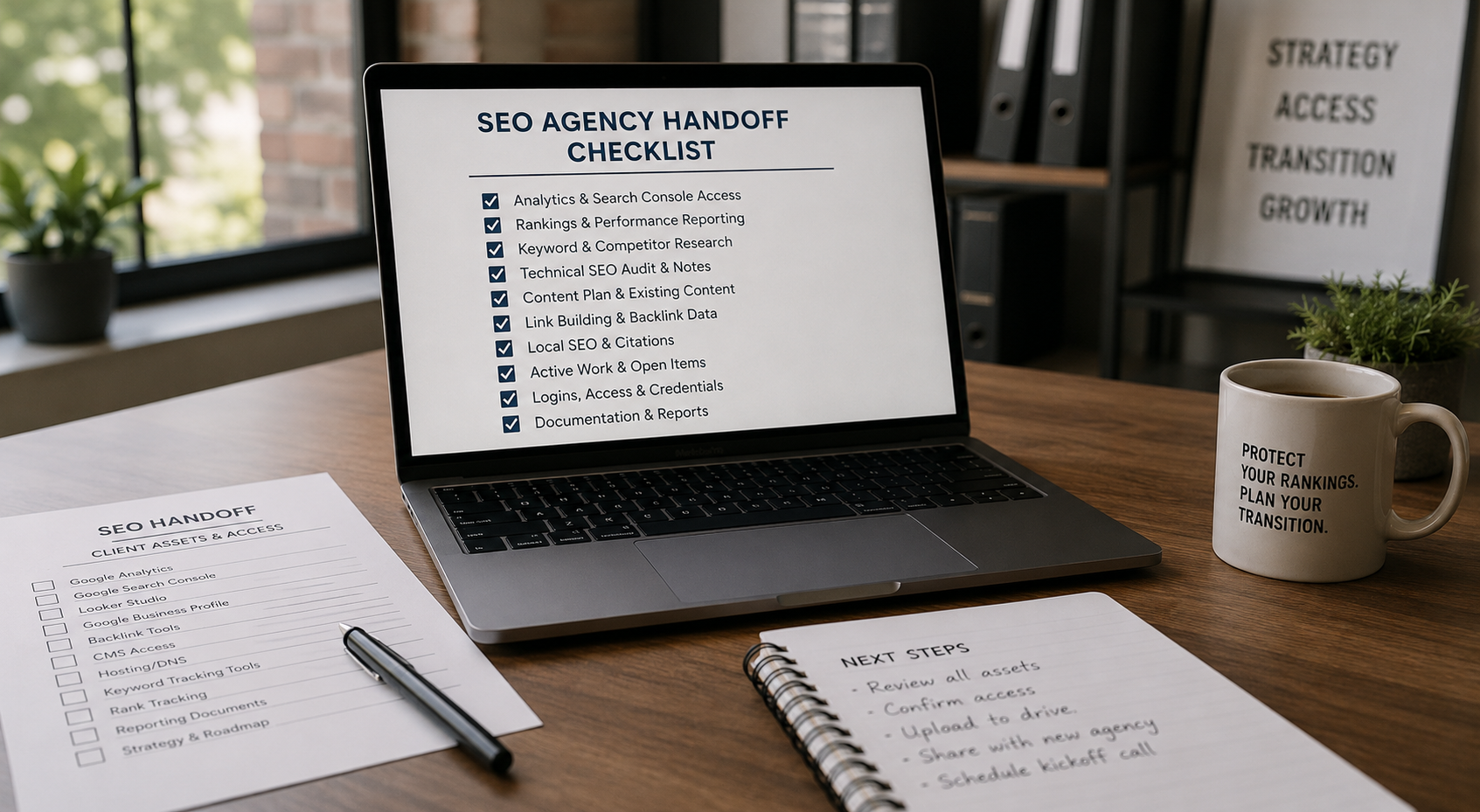
The SEO Agency Handoff Checklist: Everything You Need Before You Switch
Switching SEO agencies goes wrong in predictable ways — lost access, missing documentation, and gaps in active work that quietly erode rankings you spent years building. This checklist covers every asset, account, and piece of documentation you need to secure before your current agency's last day, so your transition protects what you've built instead of undoing it.
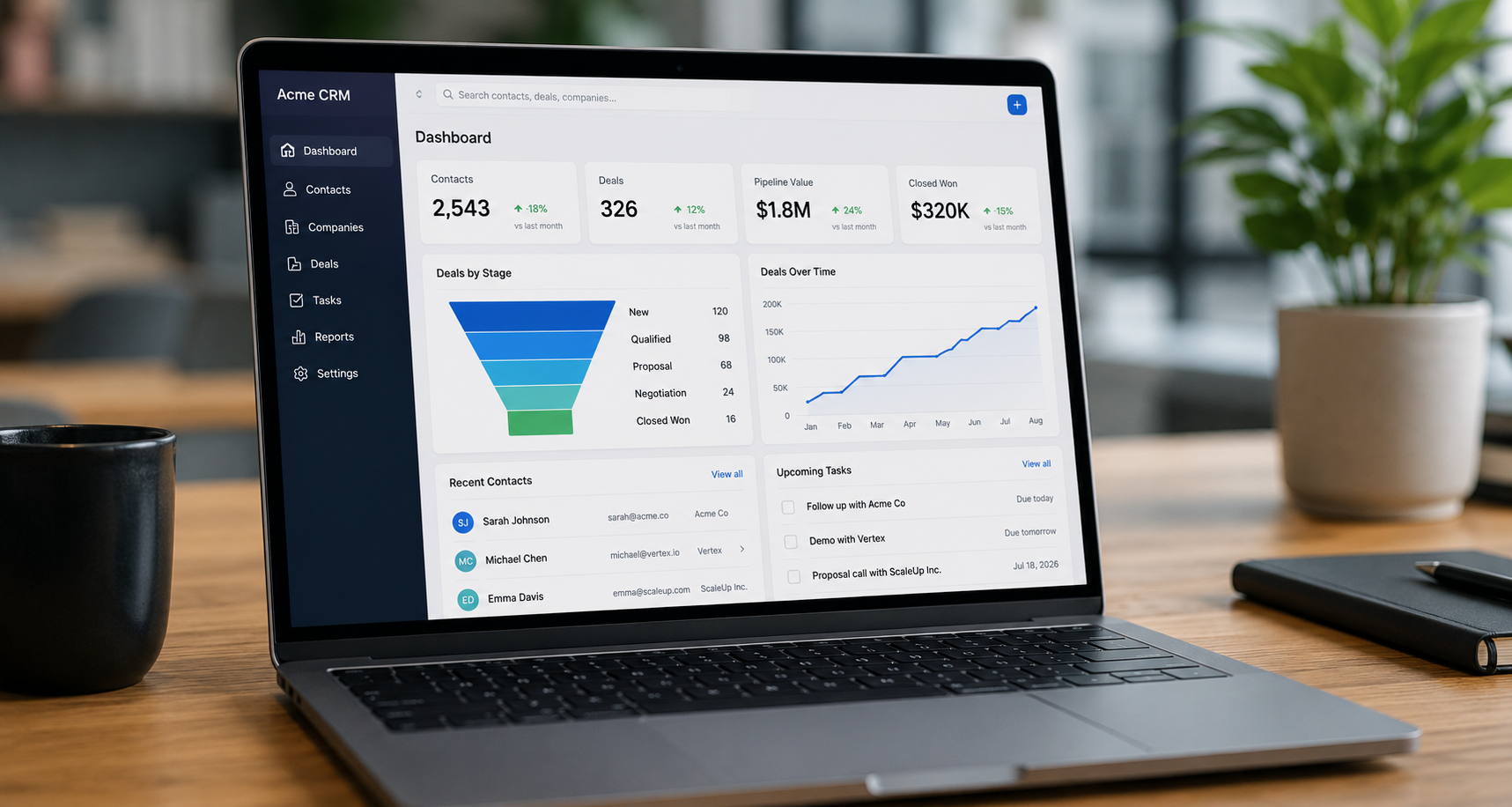
The Best CRM Alternatives to HubSpot in 2026 (If You Actually Just Need Contacts, Companies, Deals, and Reporting)
If you signed up for HubSpot to track contacts, manage companies, move deals through a pipeline, and pull decent reports — but the platform has become too complex, too expensive, and too hard to navigate — you're not alone. Here's a practical breakdown of the best CRM alternatives in 2026 for teams who know exactly what they need and want a tool that's actually beautiful to use.
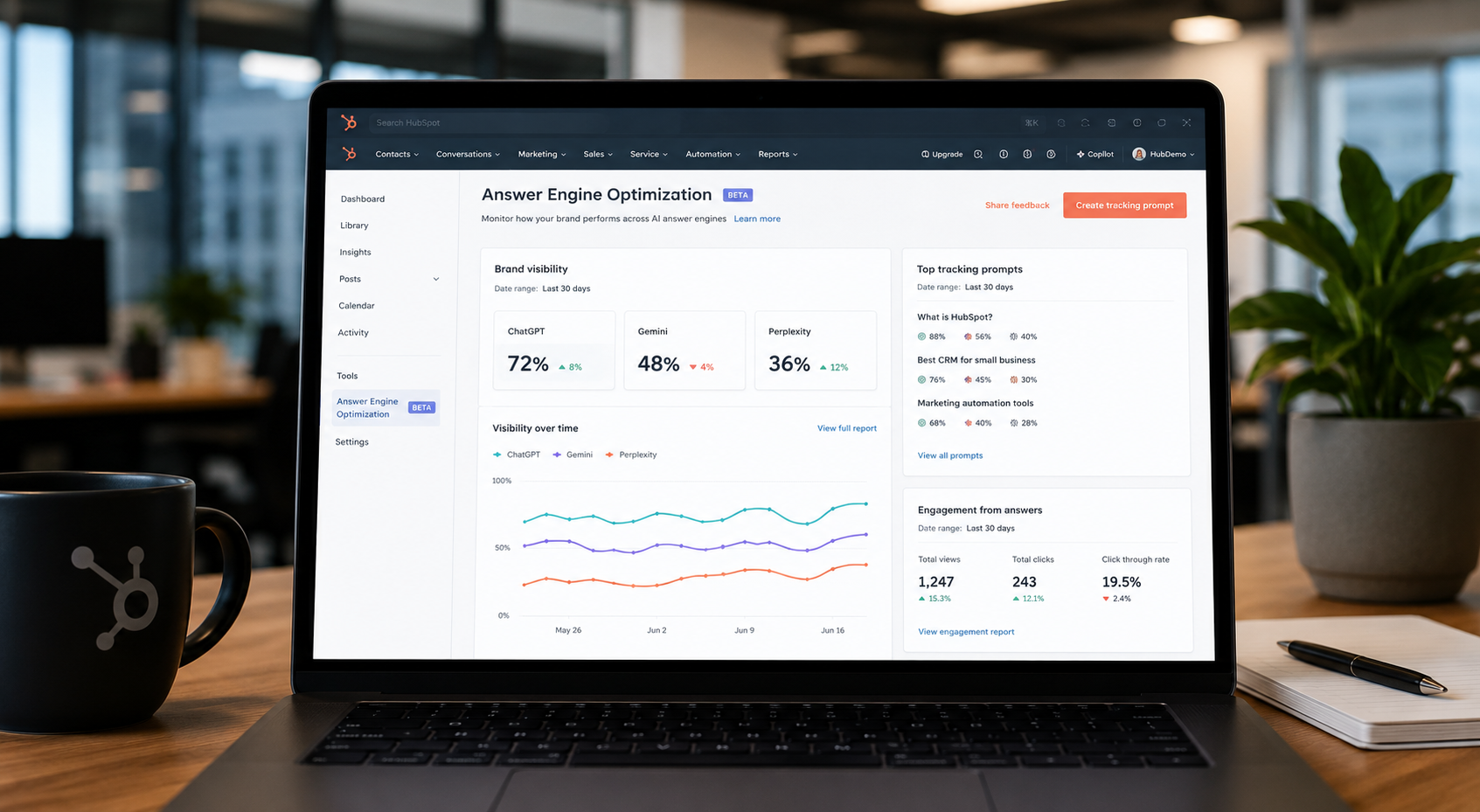
HubSpot's AEO Tracker Has a UX Problem Nobody's Talking About
HubSpot's Answer Engine Optimization tracker arrived with a strong pitch — monitor your brand across ChatGPT, Gemini, and Perplexity using CRM-powered insights. The concept is right. The execution, however, is giving Drupal energy in 2026. Here's what we found when we logged in, why it matters for your brand visibility, and what AEO tooling actually needs to do to be worth your time.
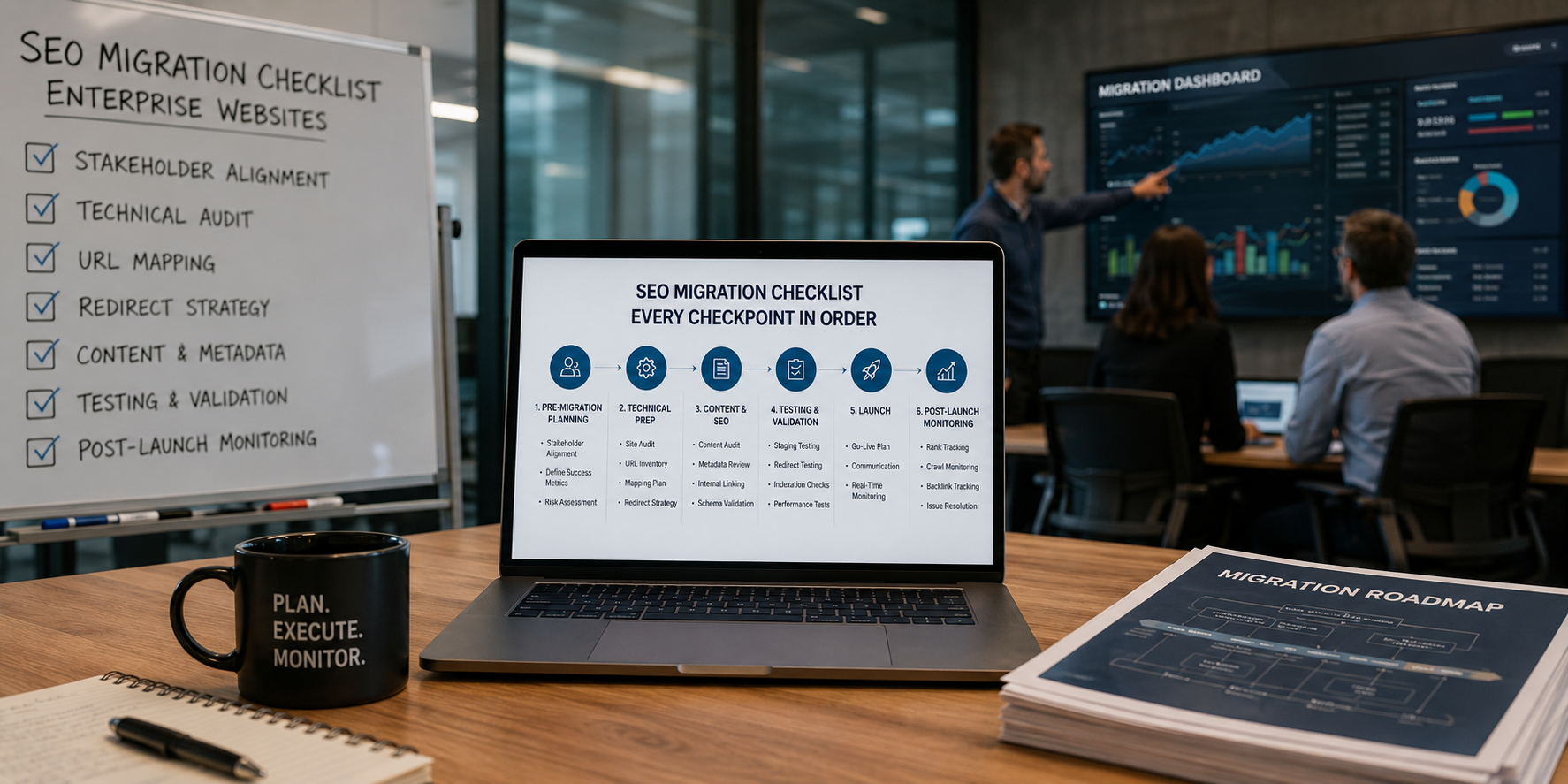
SEO Migration Checklist for Enterprise Websites
Enterprise website migrations are categorically different from small business migrations in ways that matter significantly for SEO execution. The URL count isn't just larger — it's large enough that manual processes break down and systematic automation becomes necessary. The backlink profile isn't just more valuable — it's distributed across thousands of referring domains in ways that require prioritization frameworks rather than comprehensive manual outreach. The stakeholder landscape isn't just more complex — it includes legal, compliance, IT security, and procurement functions whose requirements shape the migration timeline in ways that pure SEO planning can't account for.
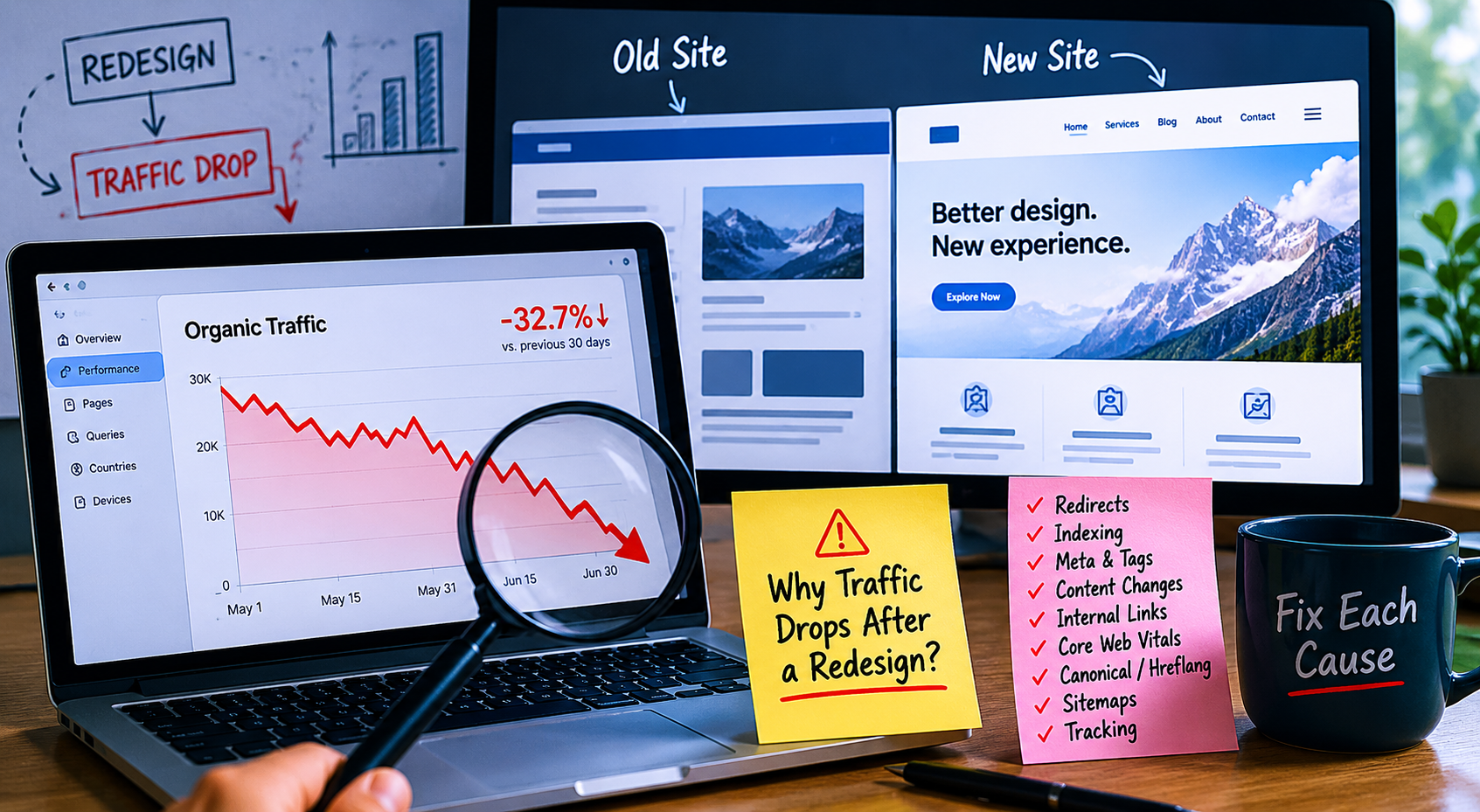
Why Traffic Drops After a Redesign
You launched the new site. It looks better. It loads on mobile. The stakeholders are happy. And then the traffic graph starts going in the wrong direction. Post-redesign traffic drops are one of the most common and most preventable problems in digital marketing — and one of the most frustrating, because the cause is almost never obvious from looking at the new site. The design looks fine. The pages load. Users can navigate. But Google is seeing something different from what the design team built, and the ranking signals it's evaluating have changed in ways that nobody planned.
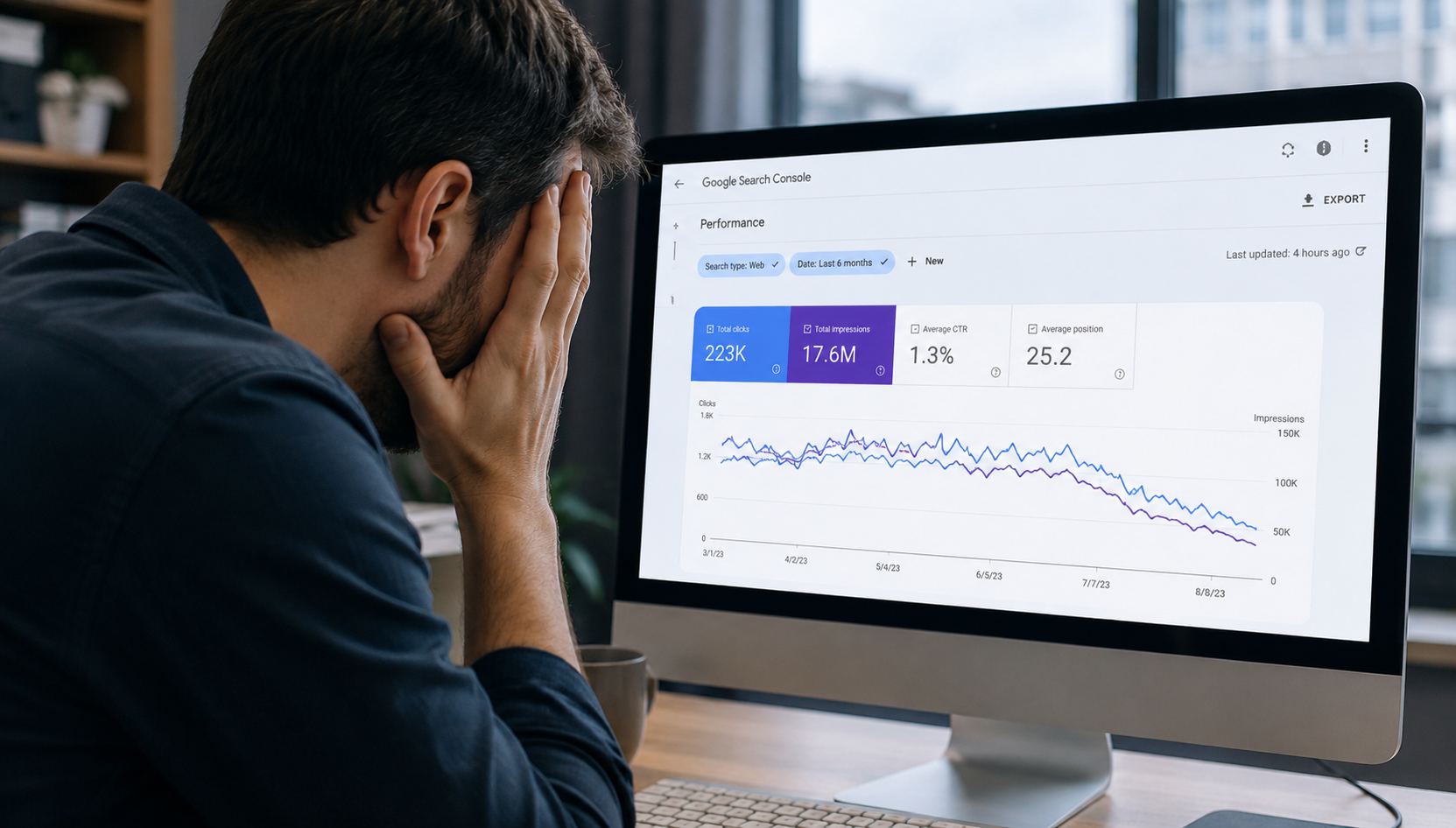
What Happens to SEO During a Website Redesign?
Website redesigns are one of the most reliably misunderstood SEO events in digital marketing. The conversation starts as a design conversation — new visual identity, improved user experience, modernized layout. And then somewhere in the execution, design decisions become technical decisions that become SEO decisions that nobody planned for. The result is a pattern that repeats across the industry with predictable frequency: a company launches a redesigned website, celebrates the improved aesthetics, and then watches organic traffic decline over the following weeks as rankings drop on pages that were performing well before the redesign.
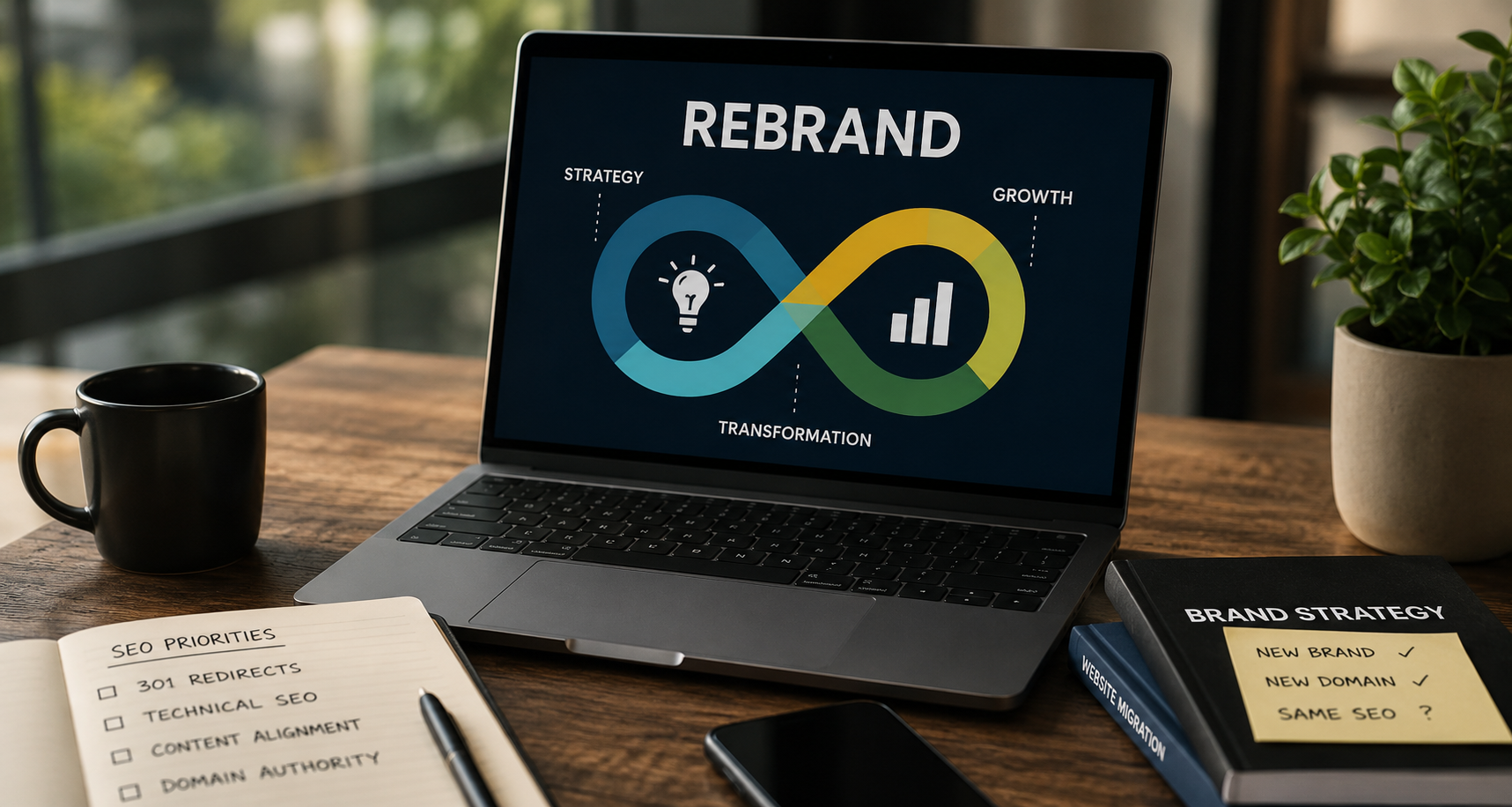
Rebranding Without Losing Rankings
A rebrand is one of the highest-stakes events in a company's digital history. Done well, it's an opportunity — new positioning, new domain authority trajectory, new content strategy aligned with who the company actually is. Done poorly, it's a self-inflicted traffic wound that takes years to heal. The SEO risk isn't theoretical. Domain changes, brand name changes, and URL restructuring all trigger the same fundamental search engine recalculation that platform migrations trigger — except rebrands often happen alongside content changes and positioning changes that multiply the variables and make diagnosing post-rebrand ranking losses significantly more complex.
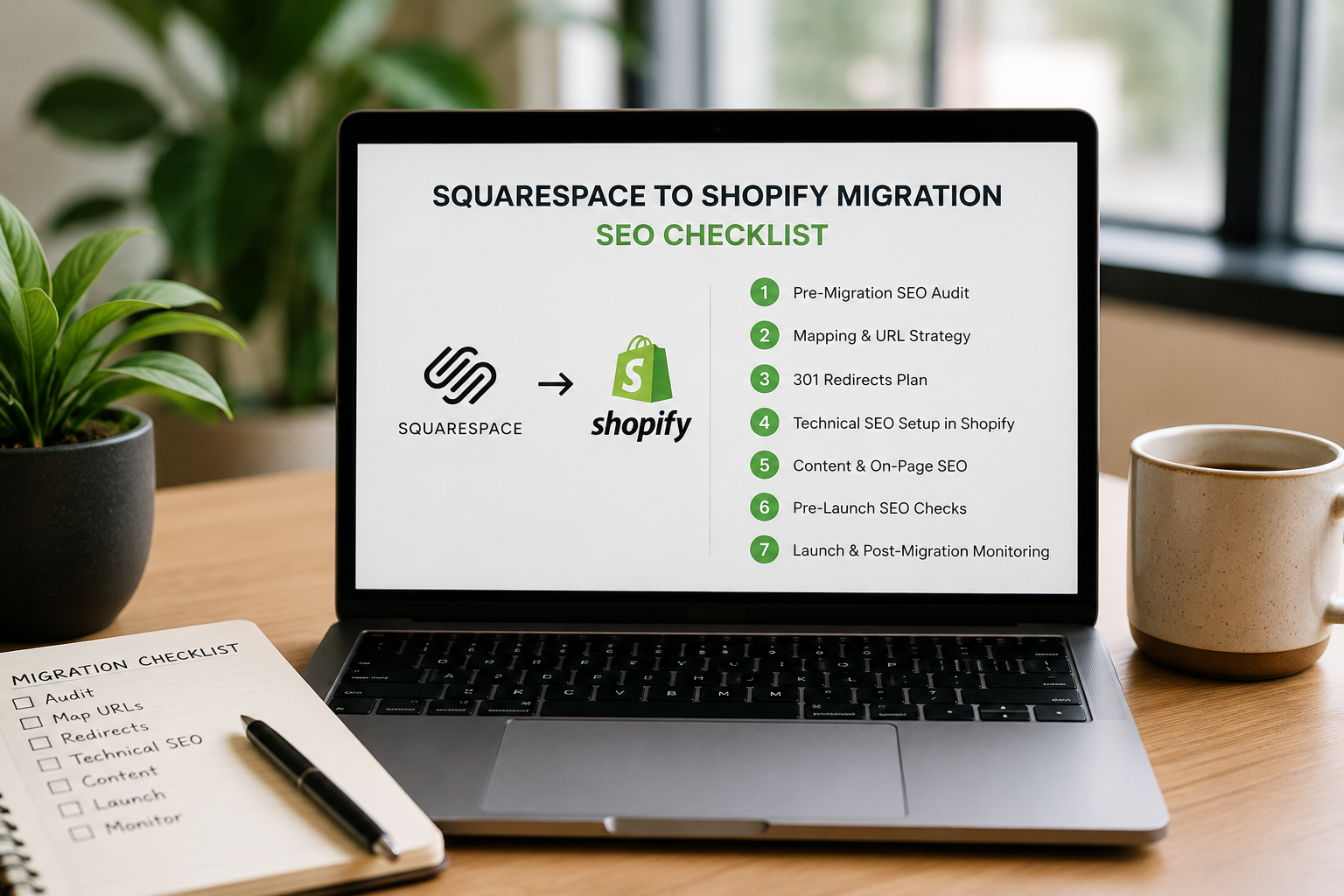
Squarespace to Shopify Migration SEO Checklist
Migrating an e-commerce site from Squarespace to Shopify is one of the most common platform moves in the DTC and small business space right now — and one of the most SEO-consequential. Unlike a brochure site migration where a handful of pages and a few hundred backlinks are at stake, an e-commerce migration involves product pages, collection pages, variant URLs, canonical handling for filtered results, and a revenue stream that is directly tied to search visibility. The stakes are higher and the complexity is greater than most merchants anticipate when they initiate the move.
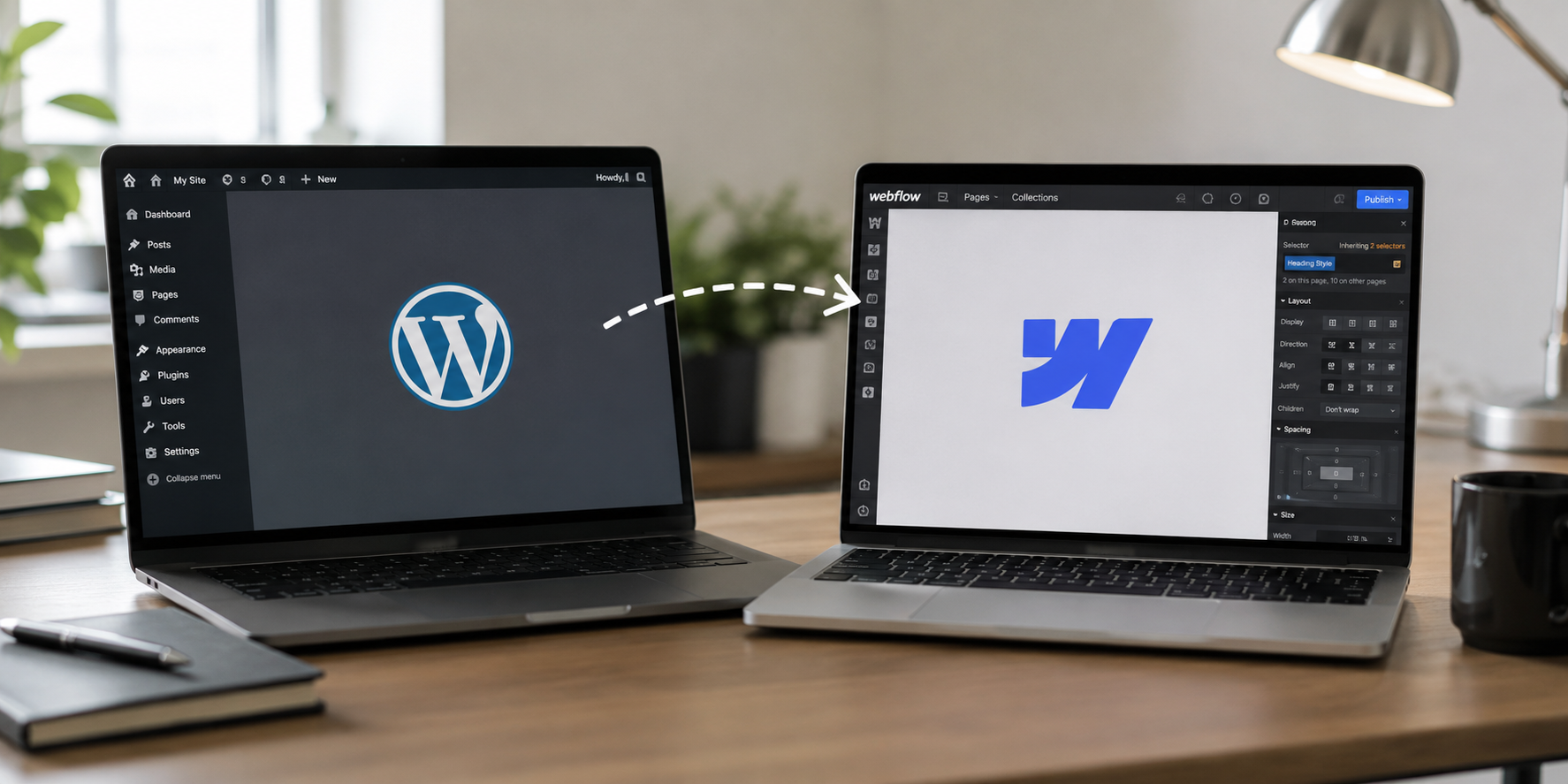
Moving from WordPress to Webflow Without Losing SEO
Platform migrations are one of the highest-risk events in a website's SEO history. Done well, a WordPress to Webflow migration is nearly invisible to search engines — rankings hold, traffic continues, and the new platform's advantages start compounding immediately. Done poorly, it's a traffic cliff that takes six to twelve months to recover from, with ranking losses that often don't fully resolve even after the technical errors are corrected. The difference between those two outcomes is almost entirely in the pre-migration preparation and the precision of execution.
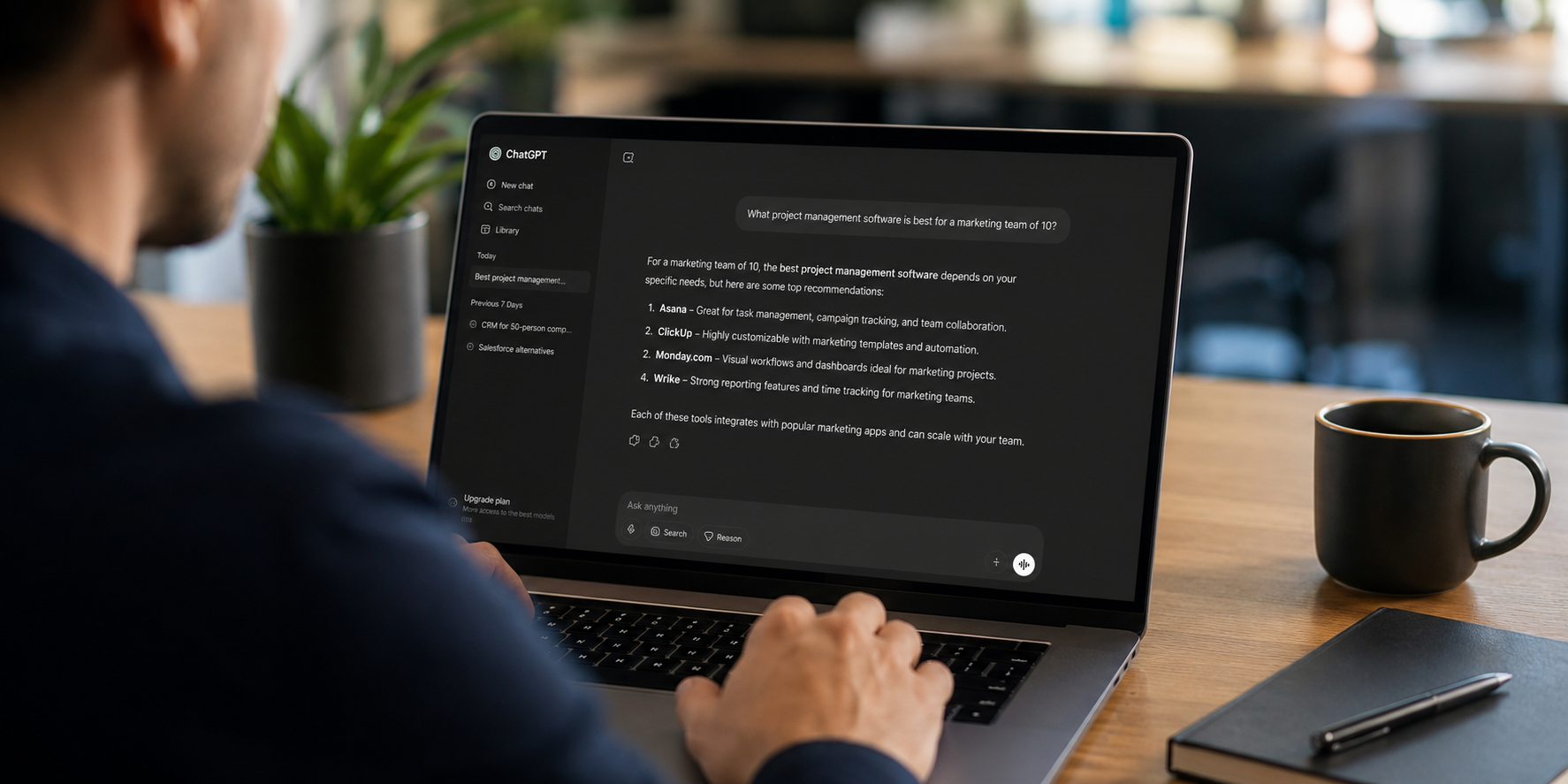
AI Search Strategy for SaaS Companies
SaaS buying has always been a research-heavy process. What's changing is where that research begins. Increasingly it begins with an AI system — not a Google search returning a list of G2 comparison pages, but a direct question to ChatGPT or Perplexity: what's the best project management software for a marketing team, what CRM should a 50-person B2B company use, what are the alternatives to Salesforce. The companies that appear credibly in those AI-generated answers are on the shortlist. The ones that don't are being evaluated against a competitive landscape they can't see and aren't part of.
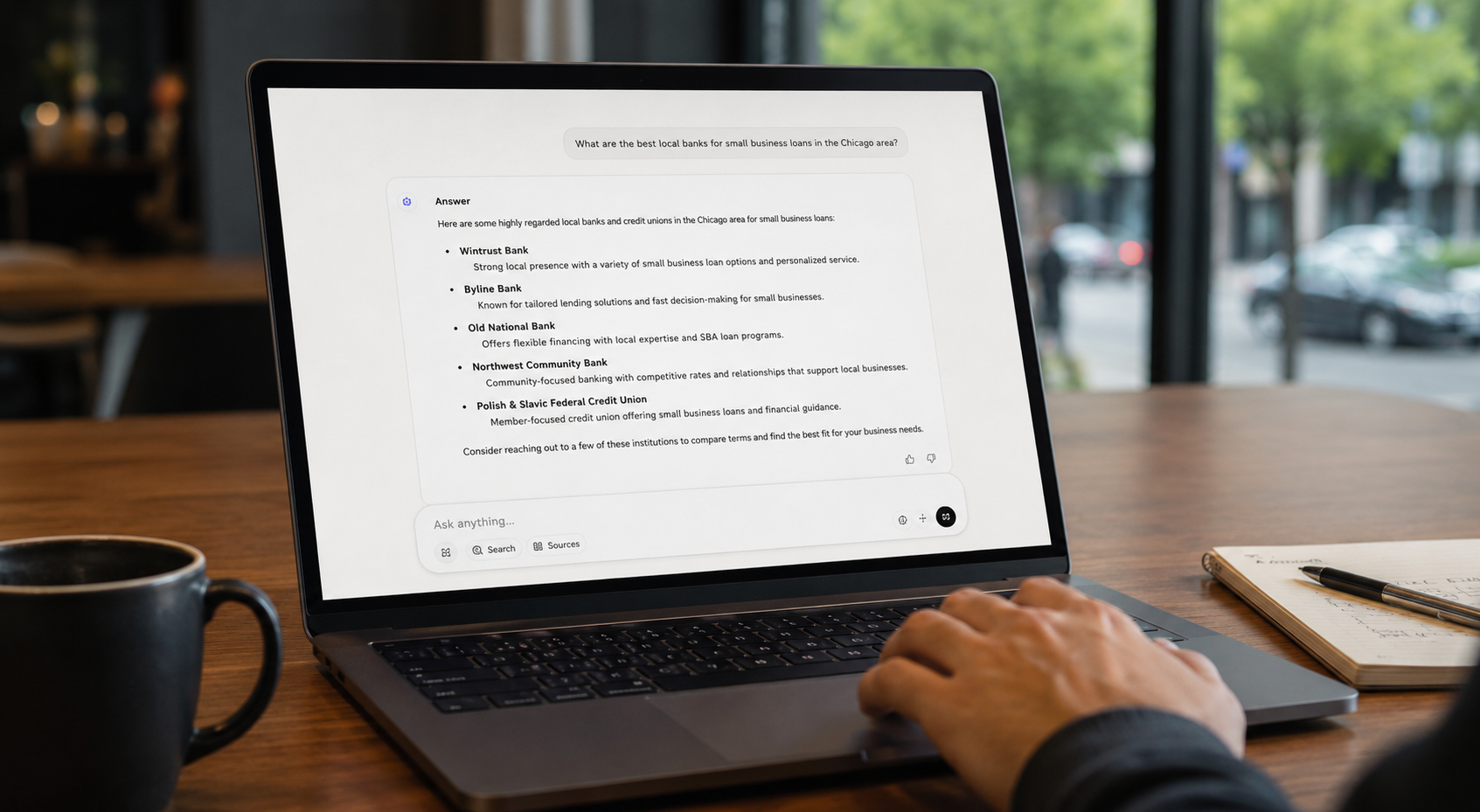
AI Search Strategy for Banks and Financial Institutions
The person comparing mortgage rates, evaluating checking account options, or looking for a community bank that serves small businesses in their area is increasingly starting with an AI system rather than a bank's website or a Google search. Large national banks surface in AI answers through brand recognition whether they optimize for it or not. Community banks and credit unions — whose competitive advantage is local relationship and personalized service — are invisible in AI search unless they build the signals that make them citable. The window to build that advantage is open right now.
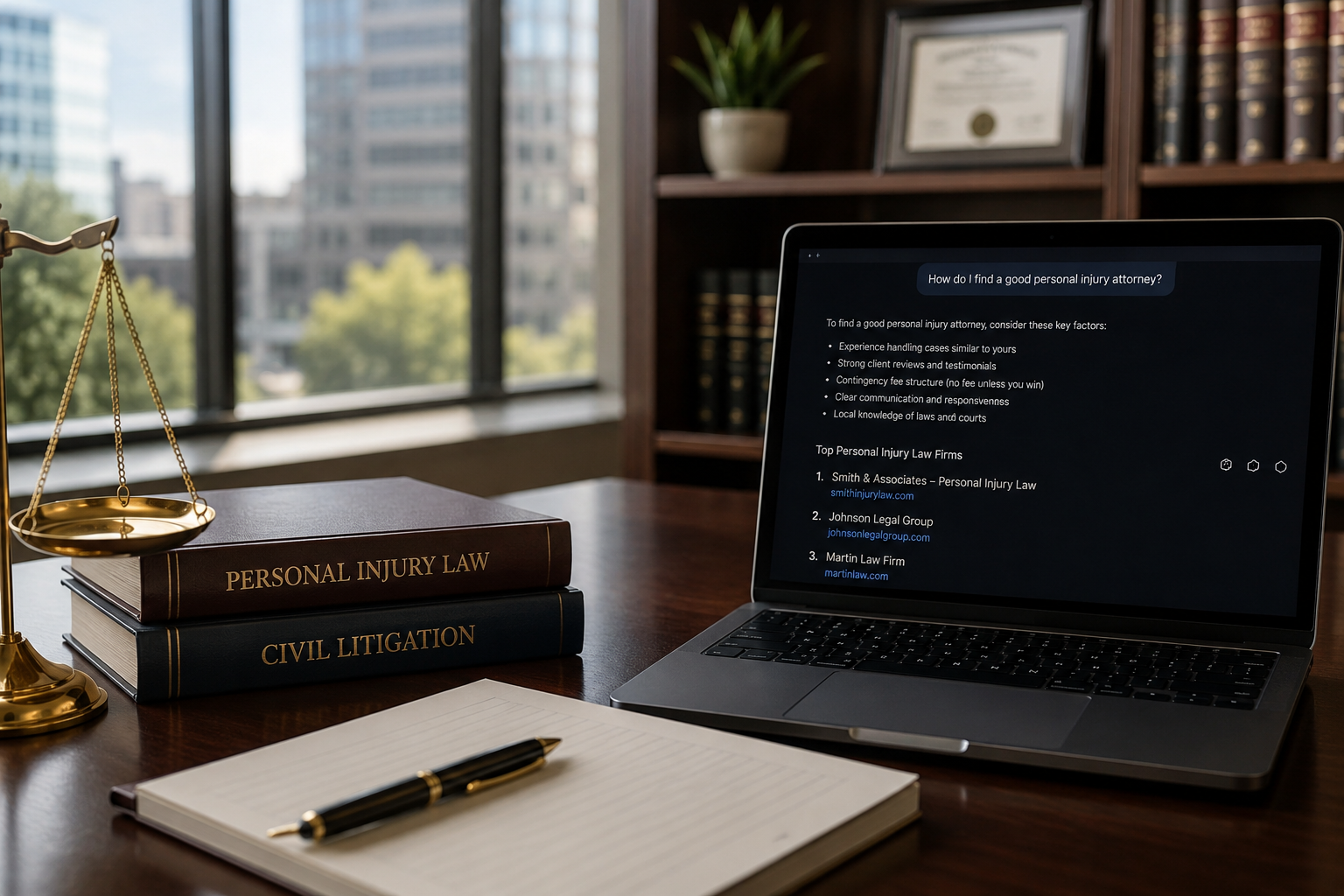
AI Search Strategy for Law Firms
When someone faces a legal problem, their first move is increasingly an AI system. Not a Google search returning a list of law firm websites. A direct question to ChatGPT, Perplexity, or Google AI Overviews: what type of lawyer do I need, how do I find a good attorney, is it worth hiring a lawyer for this situation. The firms that appear in those AI-generated answers are being considered. The firms that don't are being eliminated from a process they didn't know they were in.