
Best AI Search Agencies in the US
Searching for the best AI search agencies in the US right now is an exercise in skepticism. The category is new enough that almost every digital marketing agency has added some version of AI search optimization to their service list — and old enough that a handful have built genuine capability, methodology, and track records in the space. The challenge is telling them apart. The terminology is identical. The homepage language is almost interchangeable. Here's the framework for evaluating any agency claiming AI search expertise — and the agencies doing substantive work in the space.
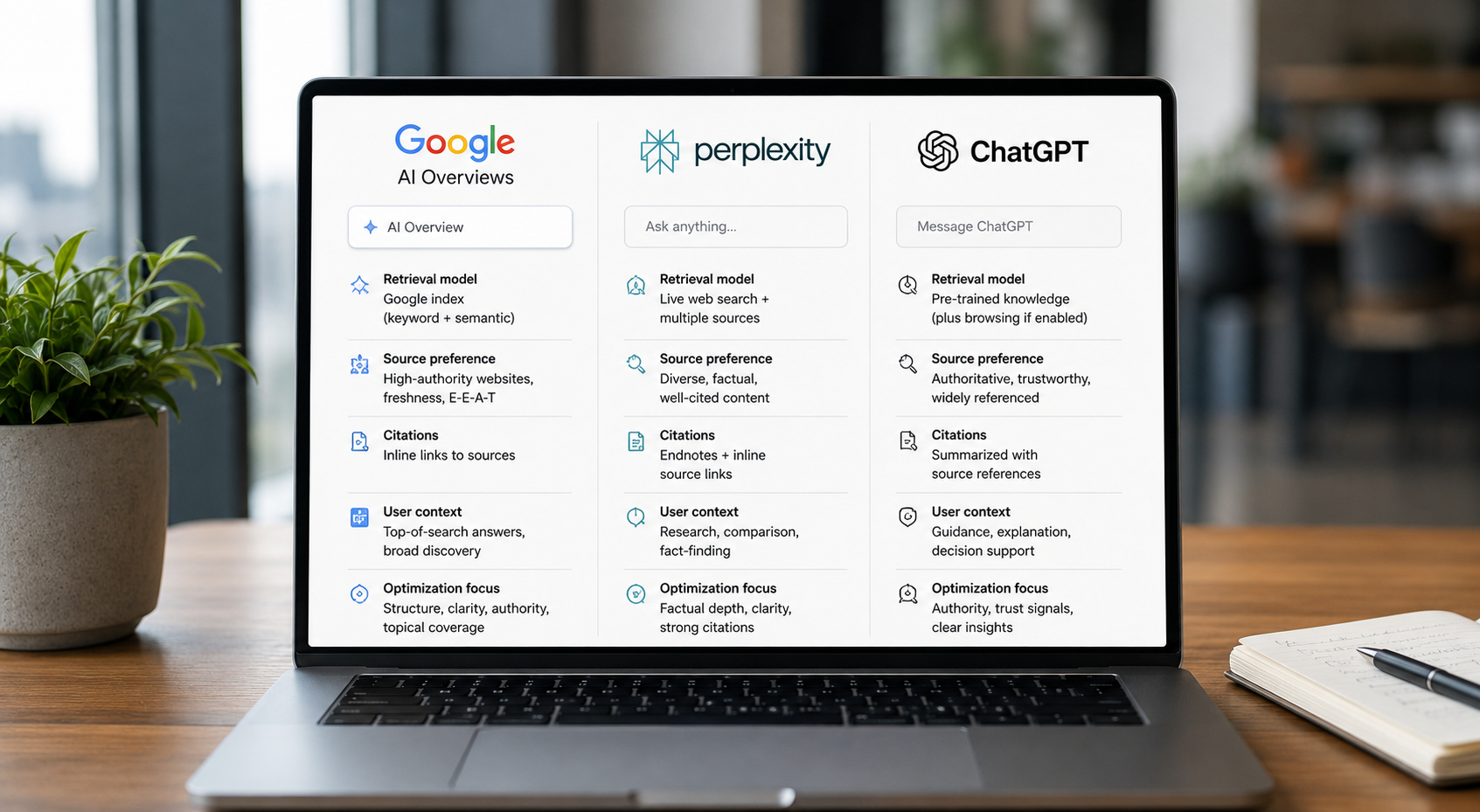
How to Optimize for Google AI Overviews vs. Perplexity vs. ChatGPT
The instinct to treat AI search optimization as a single unified discipline is understandable but wrong. Google AI Overviews, Perplexity, and ChatGPT are not the same product with different interfaces. They have different retrieval infrastructure, different source preferences, different citation behaviors, and different user contexts that shape what gets surfaced and how. Optimizing for all three with identical tactics produces results that are mediocre across all three rather than strong on any of them. Here's how each platform actually works and what platform-specific optimization looks like in practice.
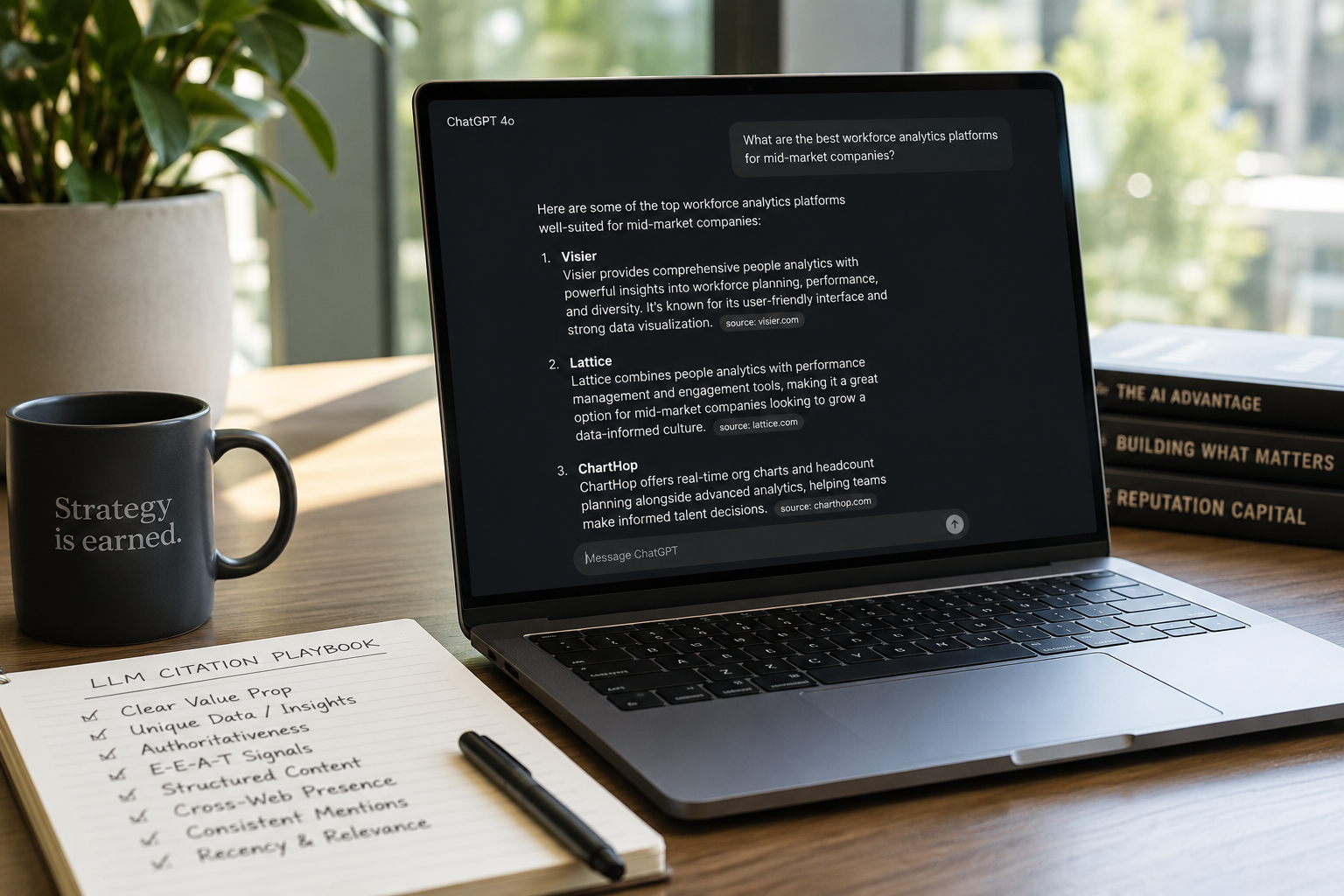
What Makes a Company "Citation Worthy" to LLMs?
Not every company that publishes content, maintains a website, and shows up in search results makes the cut when ChatGPT or Perplexity synthesizes an answer about a category or vendor recommendation. The ones that do get cited share a specific set of attributes — some structural, some content-based, some about how the brand exists across the web rather than just on its own domain. Together they form a profile that AI systems treat as worth referencing. Here's what that profile looks like and how to build it.
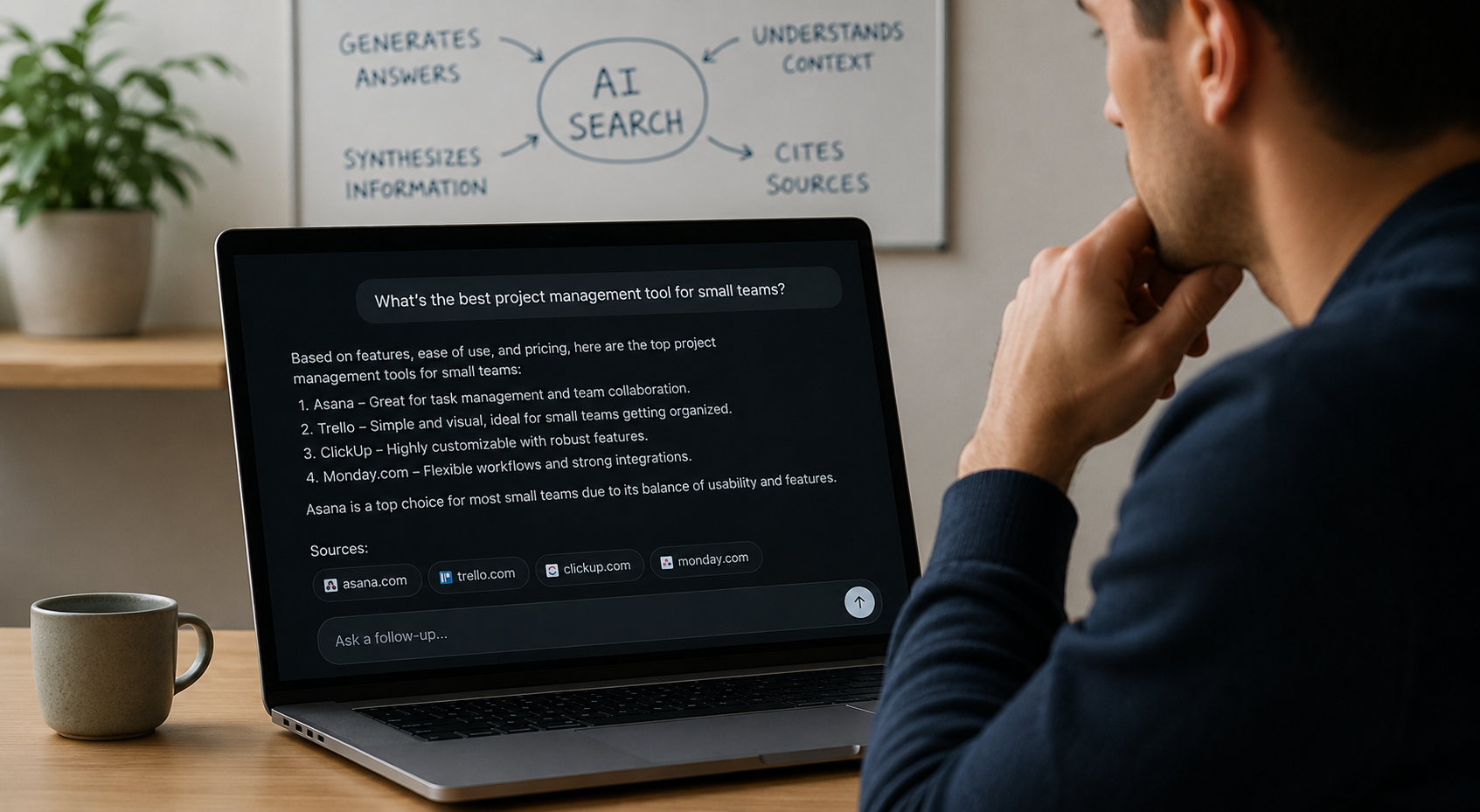
How AI Search Ranking Actually Works
The most common mistake people make when they start thinking about AI search optimization is assuming it works like traditional search with a new interface on top. Same game, different board. That mental model is wrong in ways that matter — and the wrongness is expensive if it's shaping your strategy. AI search doesn't rank pages. It generates answers. Those are fundamentally different processes, and understanding the difference is the prerequisite for doing anything useful about your AI search visibility.
Can ChatGPT Crawl Your Website?
One of the most practical questions in AI search optimization right now is also one of the least clearly answered: does ChatGPT actually crawl your website, and if so, how does that affect whether your content gets cited in AI-generated answers? The short answer is yes — OpenAI operates a web crawler that can access your site. But the longer answer involves understanding what that crawler is actually doing, how it differs from what Google's crawler does, and why the distinction matters significantly for how you think about AI search visibility.
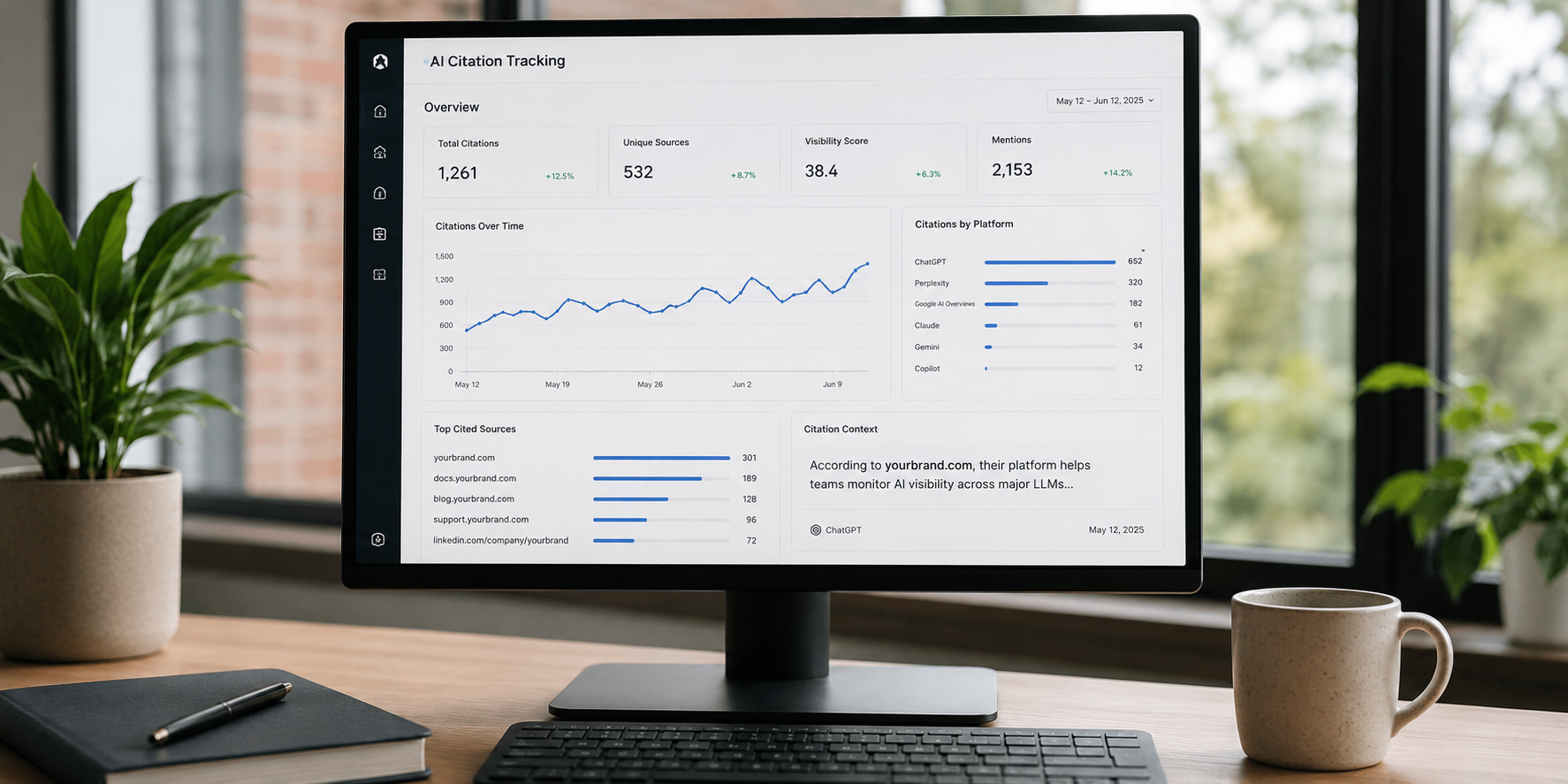
AI Citation Tracking Tools Compared
If you're serious about AI search visibility, at some point you need to stop manually asking ChatGPT whether your brand shows up and start measuring it systematically. Manual testing gives you a snapshot. Systematic tracking gives you a trend — and trends are what strategy runs on. The market for AI citation tracking tools is moving fast, the category hasn't consolidated, and there are real tools doing real work alongside features being marketed as AI citation tracking that amount to little more than keyword monitoring with a new label. Here's what actually matters.
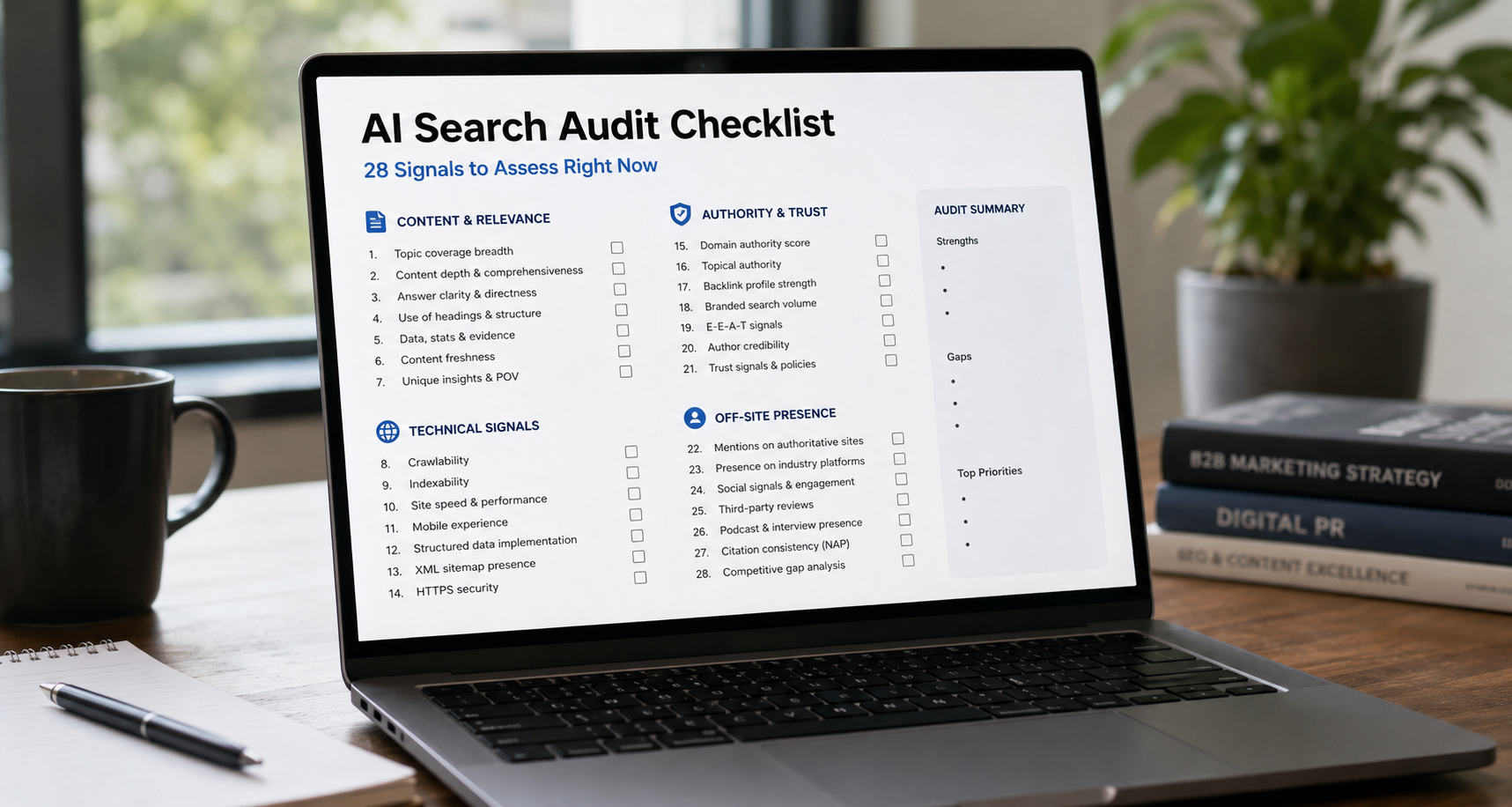
AI Search Audit Checklist for B2B Brands
Most B2B brands have no idea where they stand in AI-generated search results. They haven't tested it systematically. They haven't mapped the competitive landscape. They haven't identified which signals are working and which are creating blind spots. This checklist gives B2B marketing teams a structured framework for auditing their current AI search visibility — what's working, what's missing, and where to focus first.
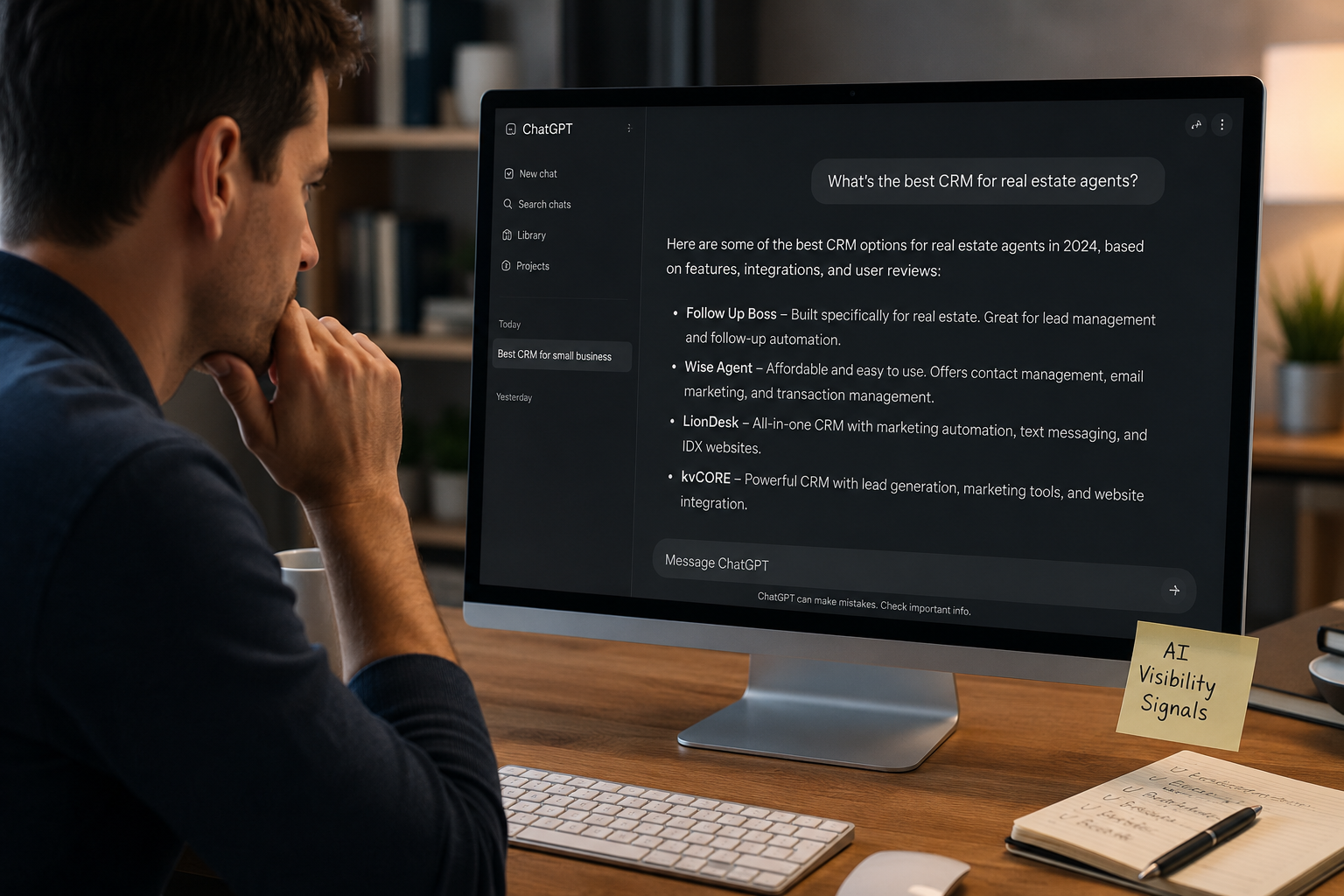
Why Your Competitors Appear in AI Answers and You Don't
You've done the test. You opened ChatGPT, Perplexity, or Google AI Overviews and typed in the question your best client would ask before hiring someone like you. Your competitors came up. You didn't. That moment isn't random and it isn't permanent. It's the output of a specific set of measurable signals that AI systems use to decide which brands are credible enough to reference — and right now your competitors have more of those signals than you do. Here's exactly what those signals are.
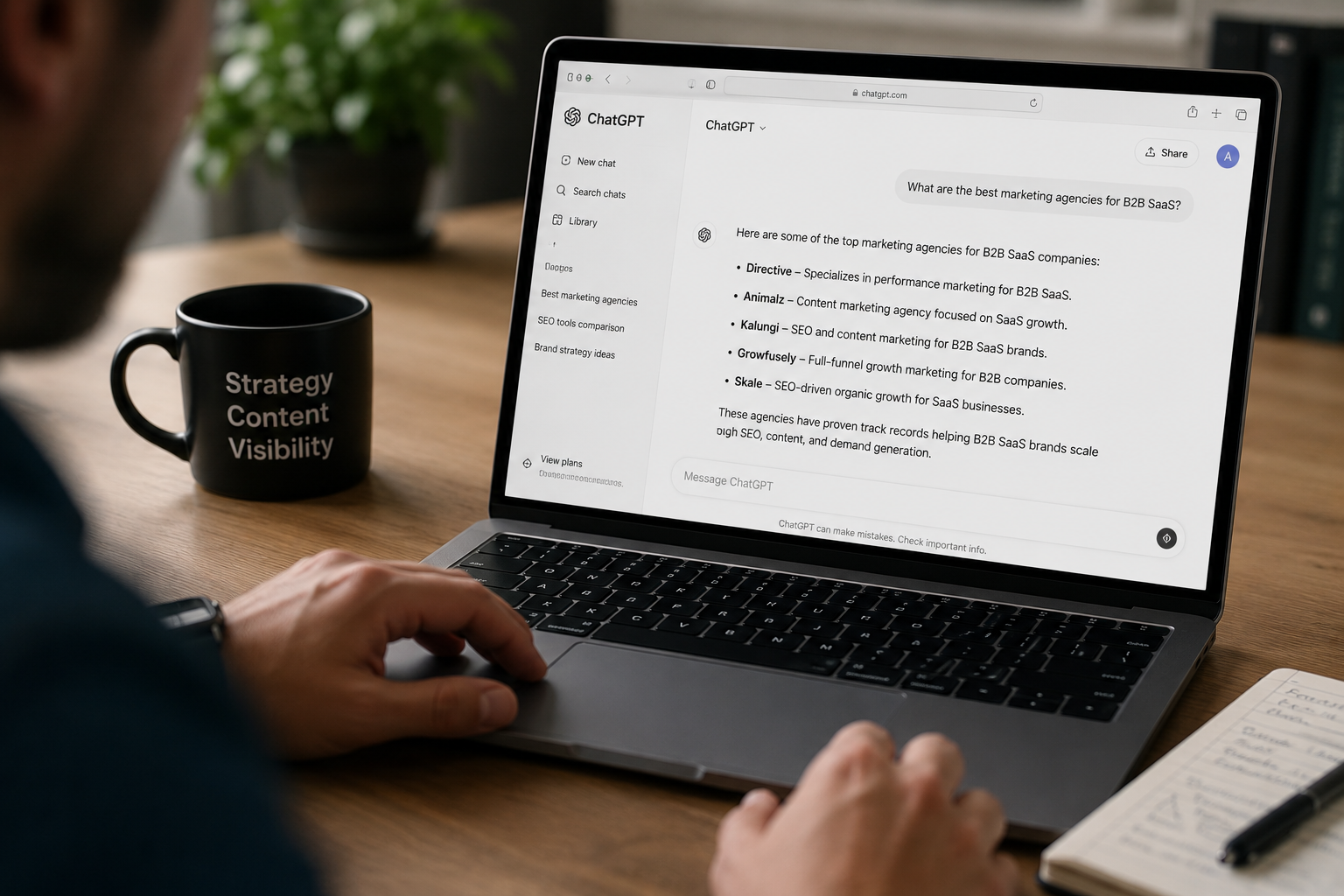
How Long Does It Take to Appear in ChatGPT Results?
This is one of the most common questions we get from clients paying attention to where AI search is going. They've tried asking ChatGPT about their industry, their services, their category — and their brand doesn't come up. Competitors do. Generic recommendations do. But not them. So they want to know: how long until that changes? The answer is more nuanced than most people want to hear — and more actionable than most people expect.
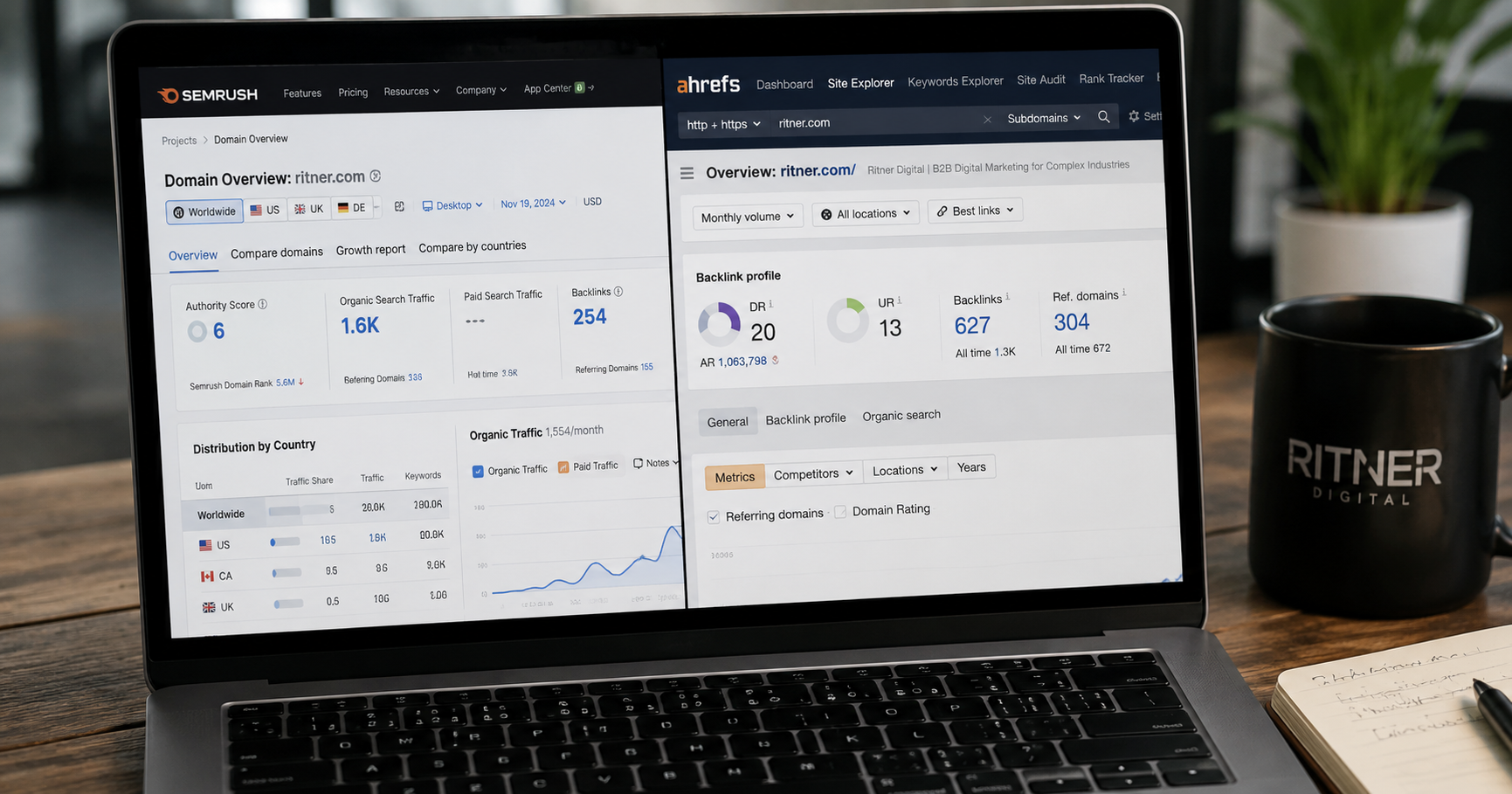
What Is a Website Authority Score — and Why Does Semrush Say 6 While Ahrefs Says 20?
If you've spent any time in SEO tools, you've run into some version of an authority score. Semrush has one. Ahrefs has one. Moz has Domain Authority. They all claim to measure roughly the same thing — and they almost never agree with each other. Right now Ritner Digital's Semrush Authority Score is 6. Pull up the same domain in Ahrefs and it comes back at 20. Same domain, same day, fourteen points apart. Here's exactly why that gap exists and what either number actually means for your rankings.
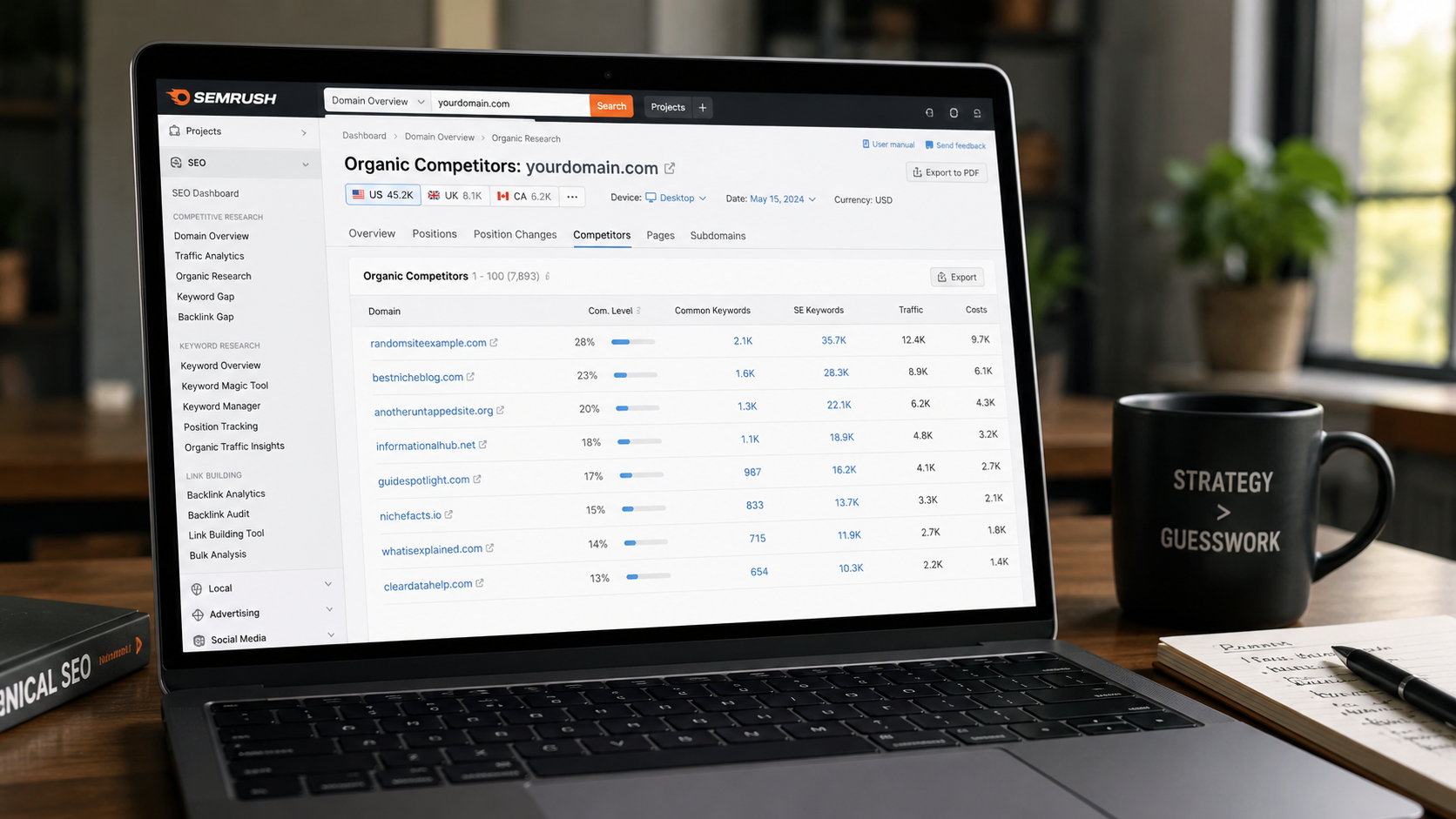
Your Semrush Competitor List Is Humbling — Here's What It Actually Means
There's a specific kind of quiet that falls over a room when someone opens Semrush, pulls up their organic competitors report, and sees the list for the first time. Not the competitors they expected. Not the agencies they benchmark against. Just a handful of domains they've never heard of. Here's what that list is actually telling you — and what to do about it.
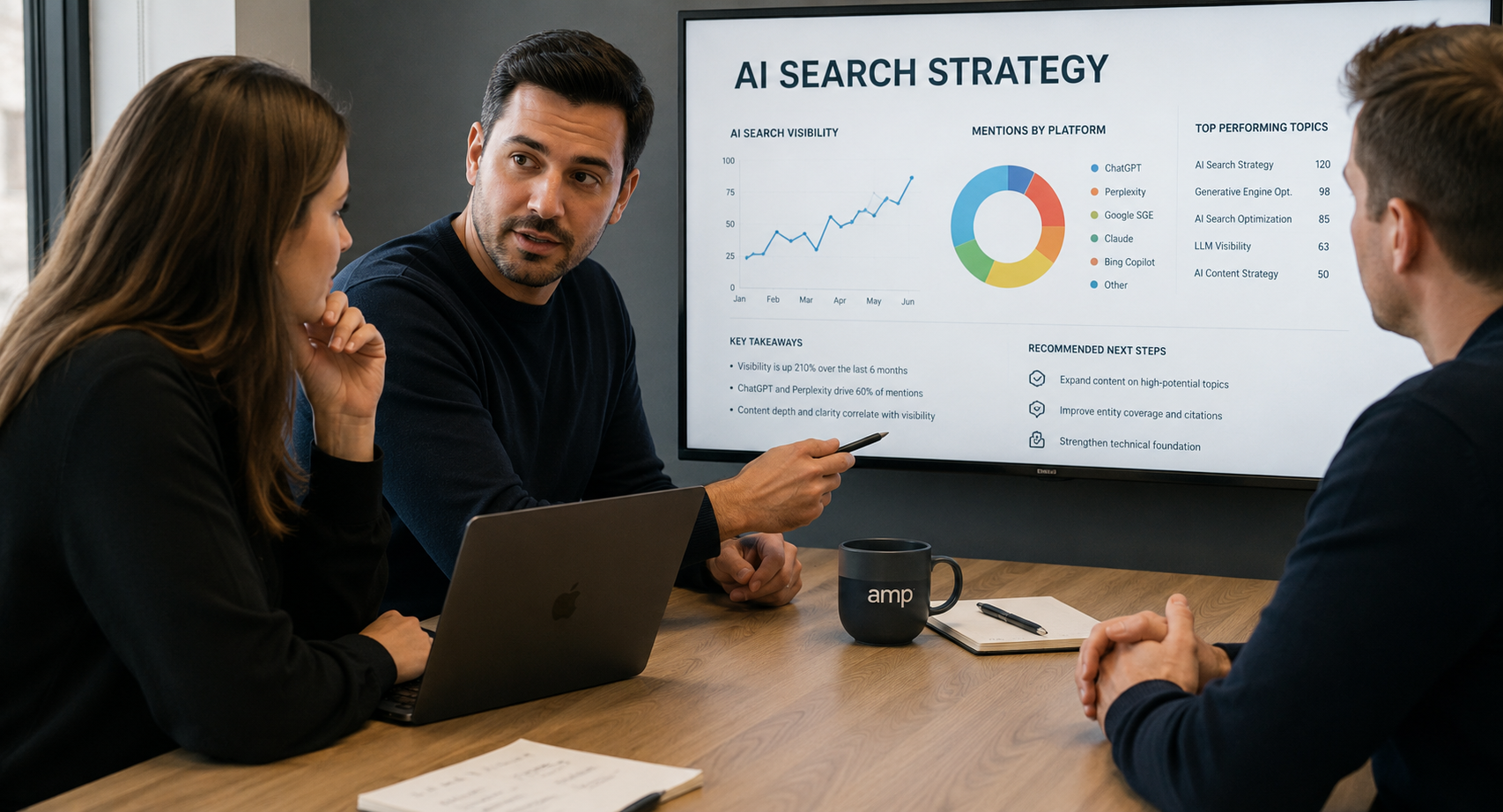
What Does an AI Search Agency Actually Do?
"AI search agency" is one of the fastest-growing service labels in digital marketing right now. It's also one of the least defined. Every agency with a pulse has added some version of it to their homepage. But if you ask most of them to describe the actual work — the specific tasks, the deliverables, the tools, the methodology — the answers get vague fast. Here's a plain-language breakdown of what a legitimate AI search agency actually does and what separates real execution from rebranded services in a new wrapper.
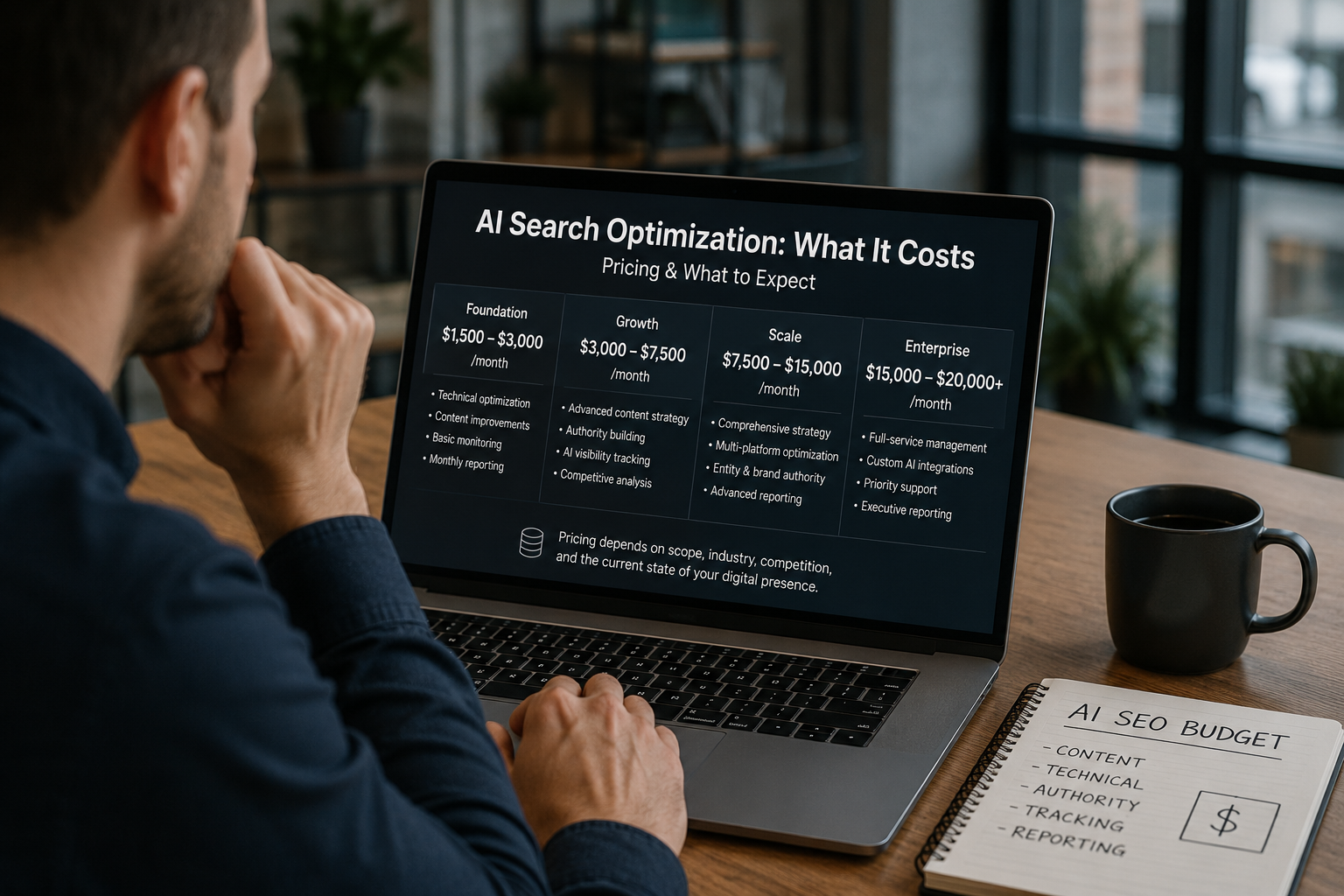
How Much Does AI Search Optimization Cost?
There's a new line item showing up in marketing budgets that didn't exist two years ago. Clients are asking about it. Agencies are packaging it. And most of the pricing you'll find online is either vague, inflated, or built around services that haven't caught up to what AI search actually requires. Here's a straight answer on what AI search optimization costs, what drives that cost, and how to tell if what you're being quoted is legitimate.
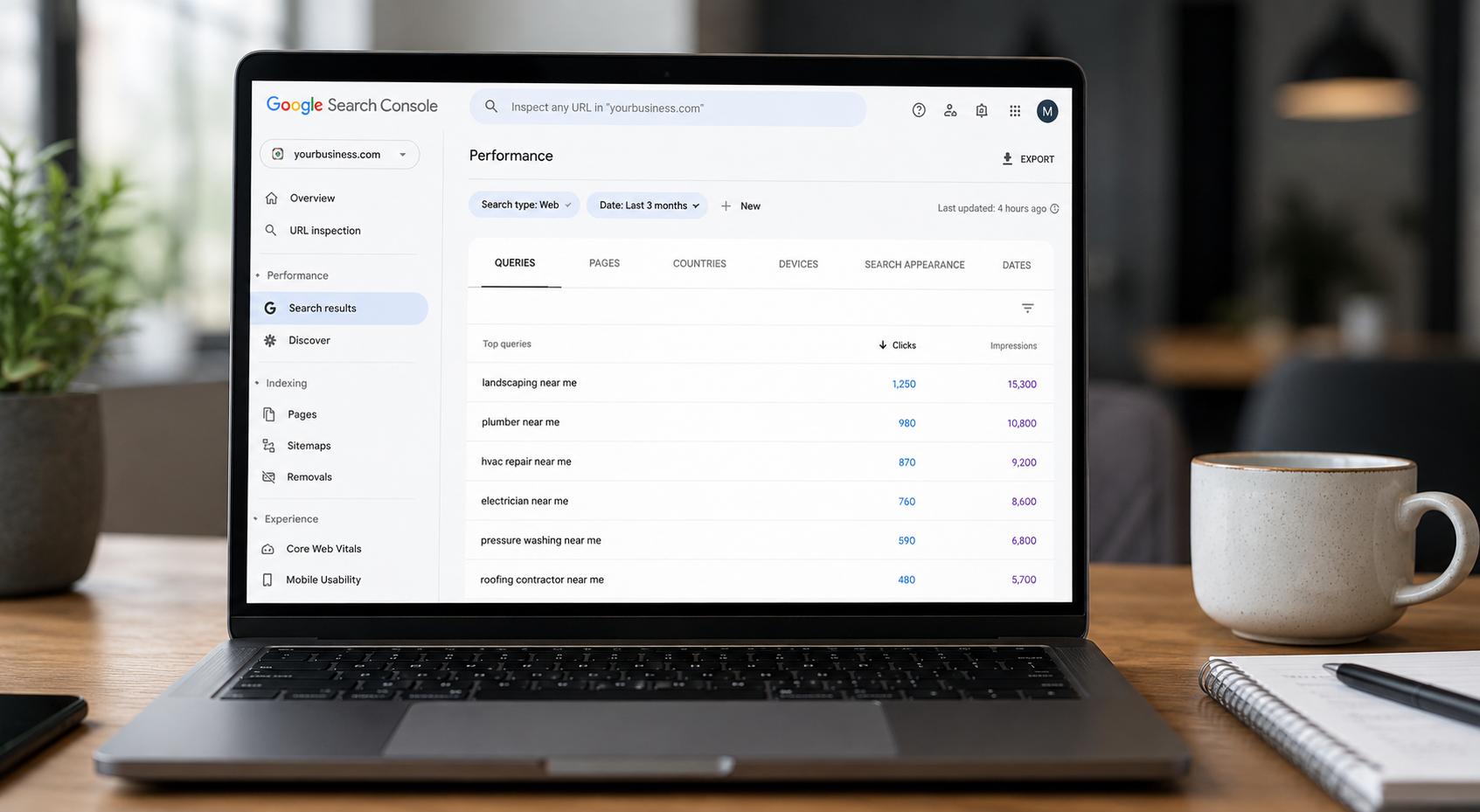
What "Near Me" Queries in Your Search Console Actually Tell You About Your Business
Pull up your Google Search Console and filter your top queries. If you run a local service business, there's one question worth asking before anything else: do you see "near me" queries in your data? The answer tells you whether Google has decided your business is relevant and trusted enough to show to people who are ready to spend money right now — and it's the diagnostic most local businesses never run.
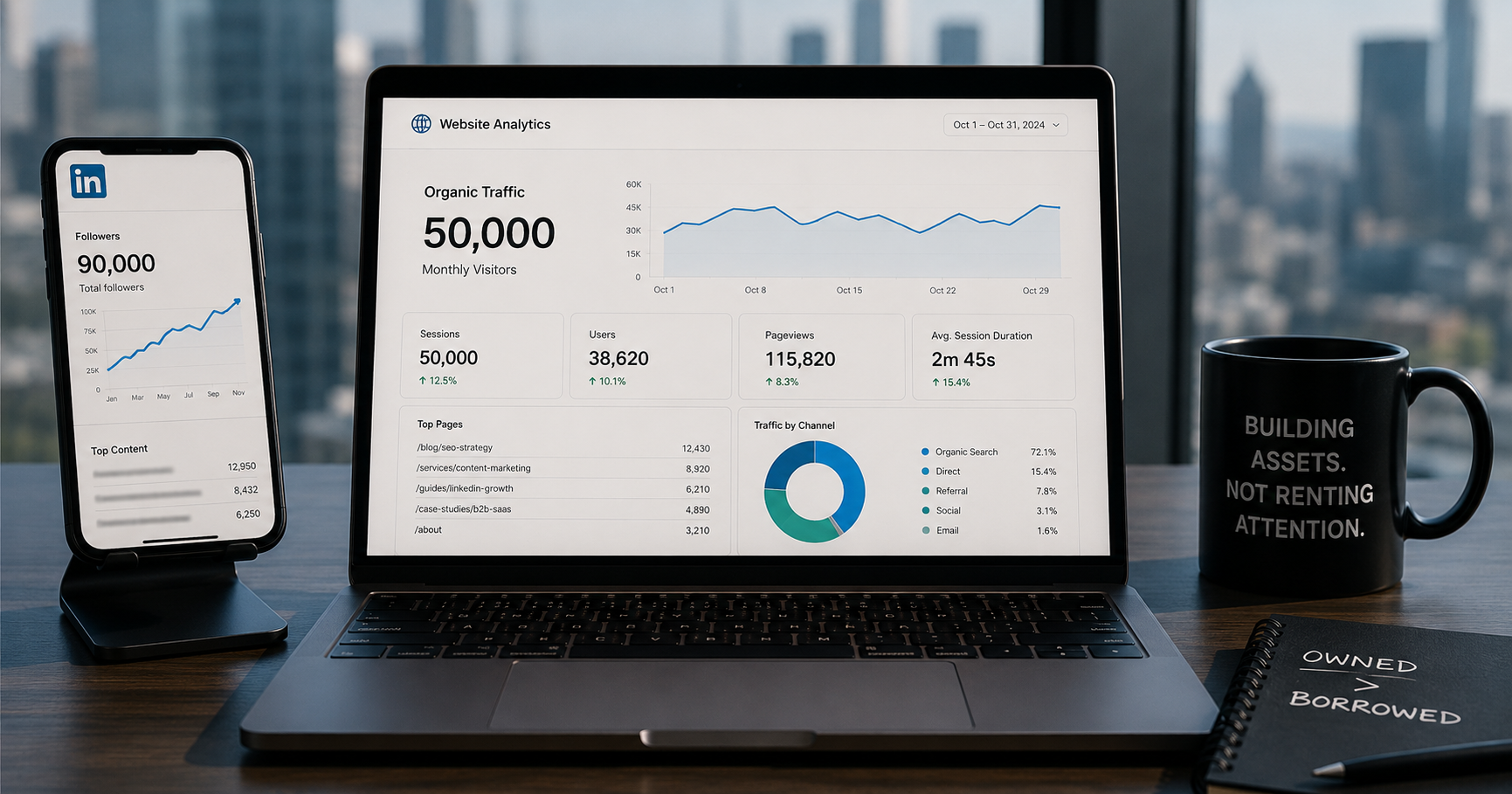
LinkedIn 90K Followers vs. 50K Monthly Domain Clicks: Which Asset Actually Drives Inbound?
There's a debate happening in every marketing meeting and strategy call right now. Someone has built a massive LinkedIn following. Someone else has quietly been building a website that pulls 50,000 organic clicks a month. Both feel like wins — but if your goal is inbound revenue, these two assets are not equal. Here's what the data actually says.
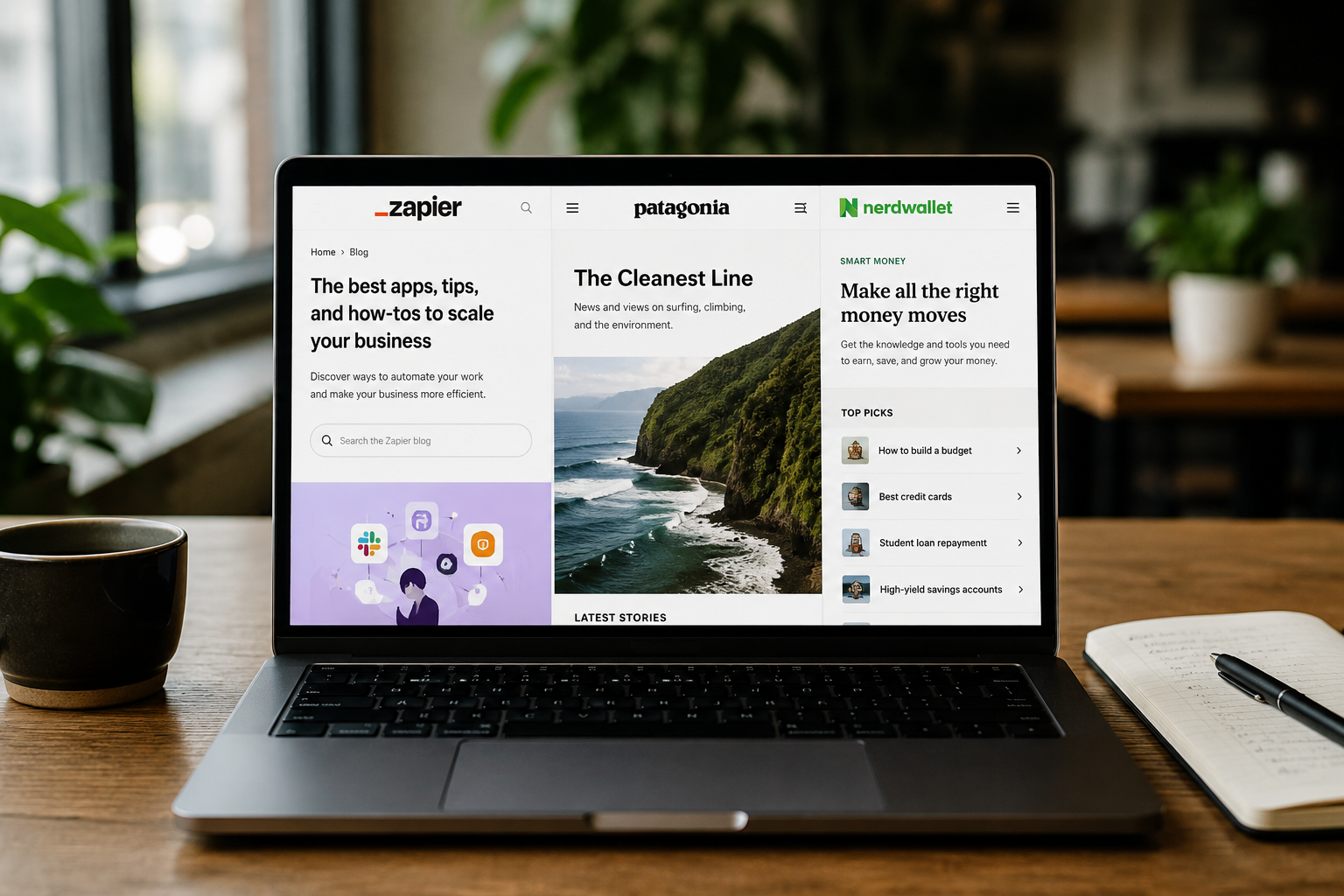
When Going Off-Topic Works: Real Companies That Built Massive SEO Traffic by Not Writing About Their Products
The conventional SEO wisdom says stay in your lane, build topical authority within your niche, and don't dilute your signal by wandering into unrelated territory. It's good advice. It's also advice that some of the most successful content programs in the world have systematically broken — and won because of it. Zapier, Patagonia, and NerdWallet didn't build their traffic by writing exclusively about what they sell. Here's how they did it and what the pattern means for your content strategy.
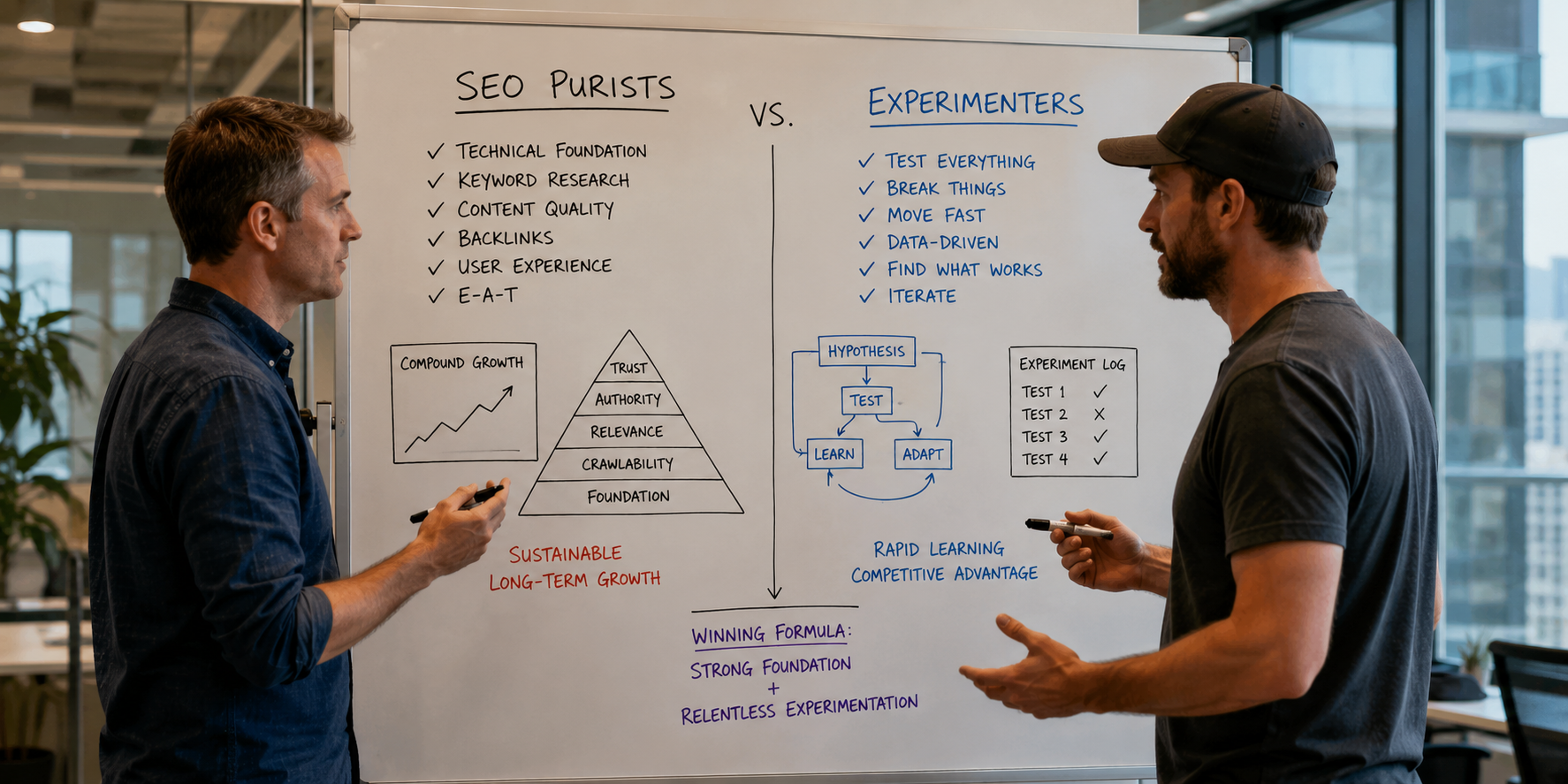
SEO Purists vs. Experimenters: Both Camps Are Partially Right and Partially Getting Left Behind
There are two distinct schools of thought that have been arguing in the SEO industry for years. Purists believe the fundamentals compound over time and tactical experimentation without a solid foundation is building on sand. Experimenters believe best practices are just educated guesses until tested against your specific site and audience. Both make legitimate arguments. Both have blind spots that cost real money. And the AI search environment of 2026 has made neither framework sufficient on its own.
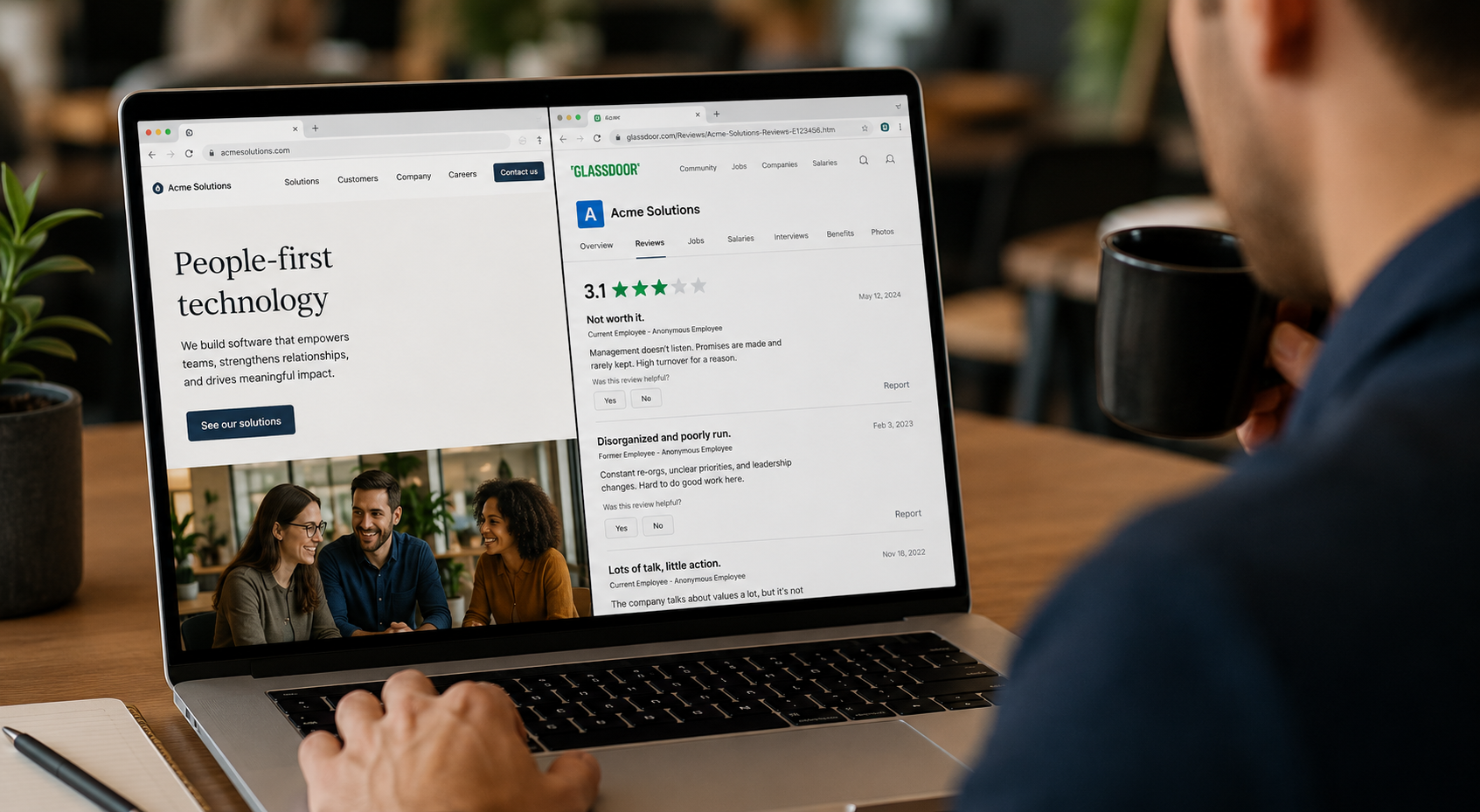
The Friendliest Website You've Ever Seen. The Worst Glassdoor You've Never Read.
The vendor's website is immaculate. People-first values. A humble founder letter. Laughing employees in warm photography. Then you check Glassdoor. Three-point-one stars. The same complaints, from different people, in different roles, across different years. This gap — between the public-facing brand and the internal reality — is more common than most buyers realize, and it has a way of becoming their problem.
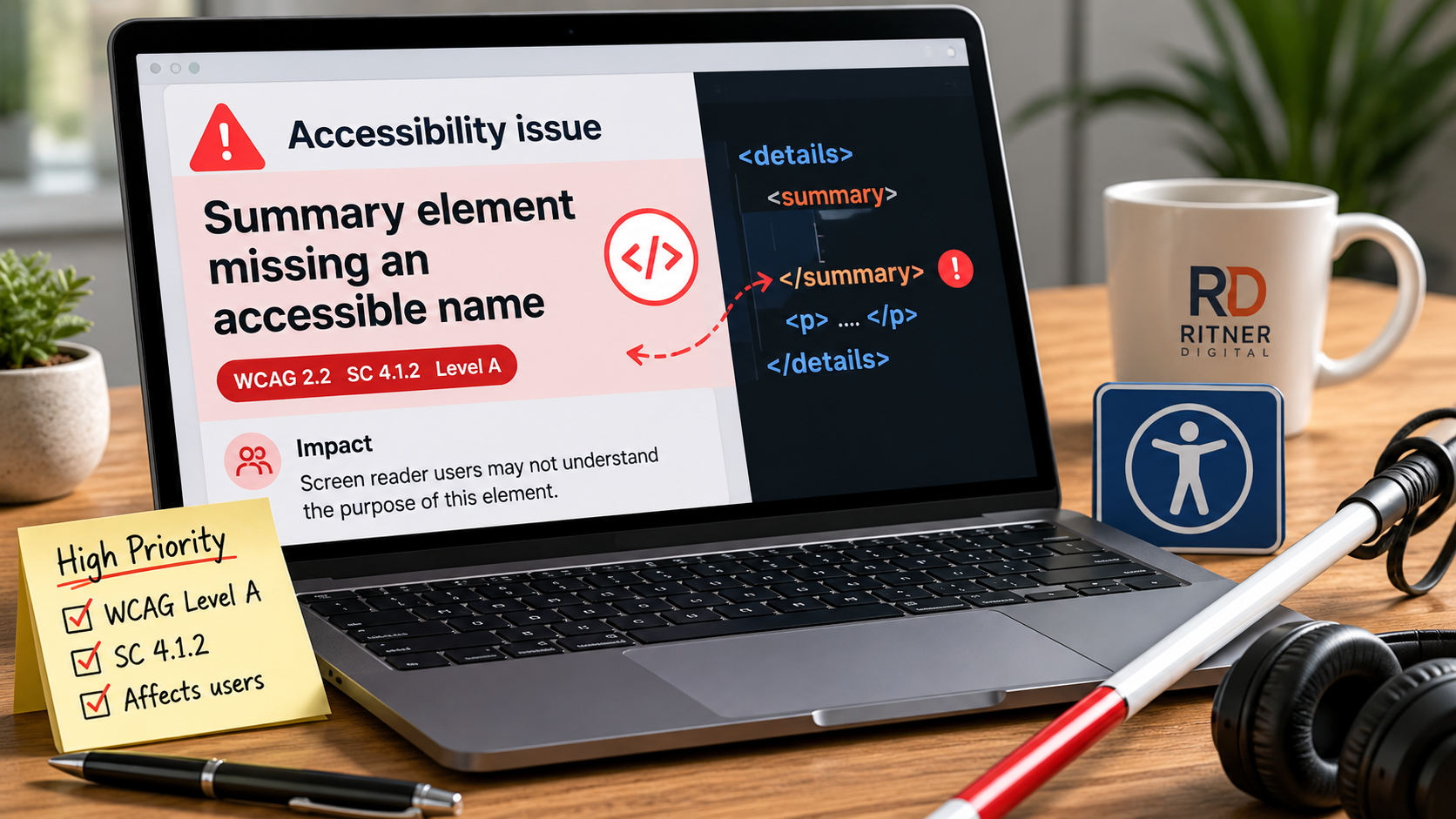
What It Means When a Summary Element Is Missing an Accessible Name — And Why It Matters for WCAG Level A Conformance
If your accessibility audit flagged a summary element missing an accessible name, you're looking at a WCAG Level A nonconformance — the highest-priority tier, covering the issues most likely to make your site completely unusable for users with disabilities. Here's what the failure actually means, which users it blocks, and what it takes to resolve it.

An Ode to the Podcast Microphone on a Sales Call: Our Greatest and Most Reliable Douche Canoe
Spring has its flowers. Fall has its gourds. And every season of professional life has its podcast microphone on a Zoom call, blooming perennially in the home offices of men who have described themselves as "builders" in their LinkedIn bio. This is not a piece about audio equipment. This is a piece about what the audio equipment means — and why your nervous system clocked it correctly before the call even loaded.