
How Much Does SEO Cost in Indianapolis? A Real Pricing Guide
SEO pricing in Indianapolis can range from a few hundred dollars per month to $10,000+ depending on competition, scope, locations, content, technical work, and authority building. This guide breaks down what Indianapolis businesses should realistically expect to pay in 2026, what different budgets usually buy, which pricing models make sense, and how to tell whether an SEO quote is cheap, fair, or overpriced.
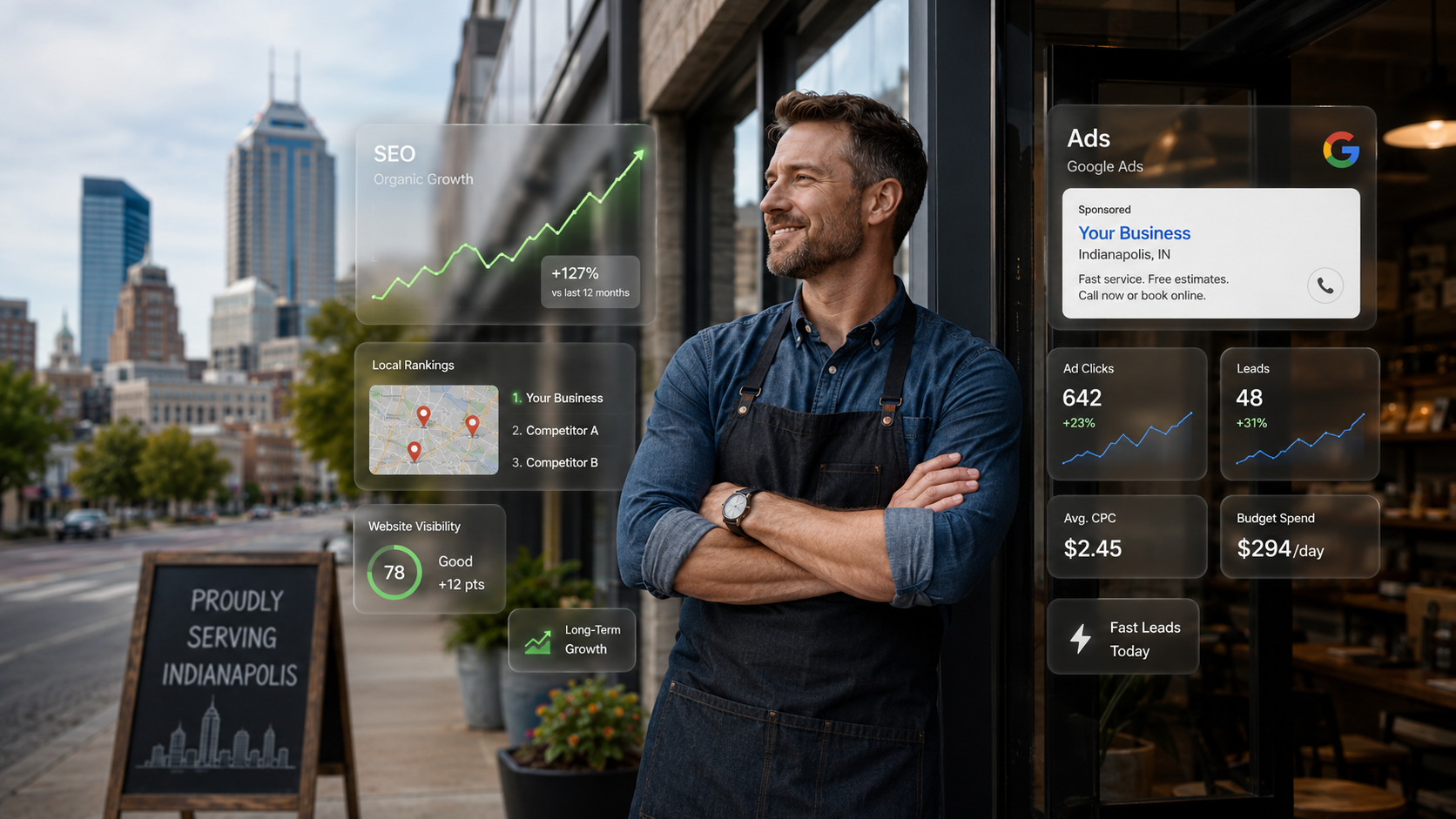
SEO vs. Google Ads for Indianapolis Businesses: Where Should You Spend First?
Should your Indianapolis business spend its next marketing dollar on SEO or Google Ads? The answer depends on how quickly you need leads, your margins, competition, website quality, local visibility, and long-term growth goals. This guide breaks down when Indianapolis businesses should prioritize SEO, when paid search makes more sense, and when combining both creates the strongest strategy.
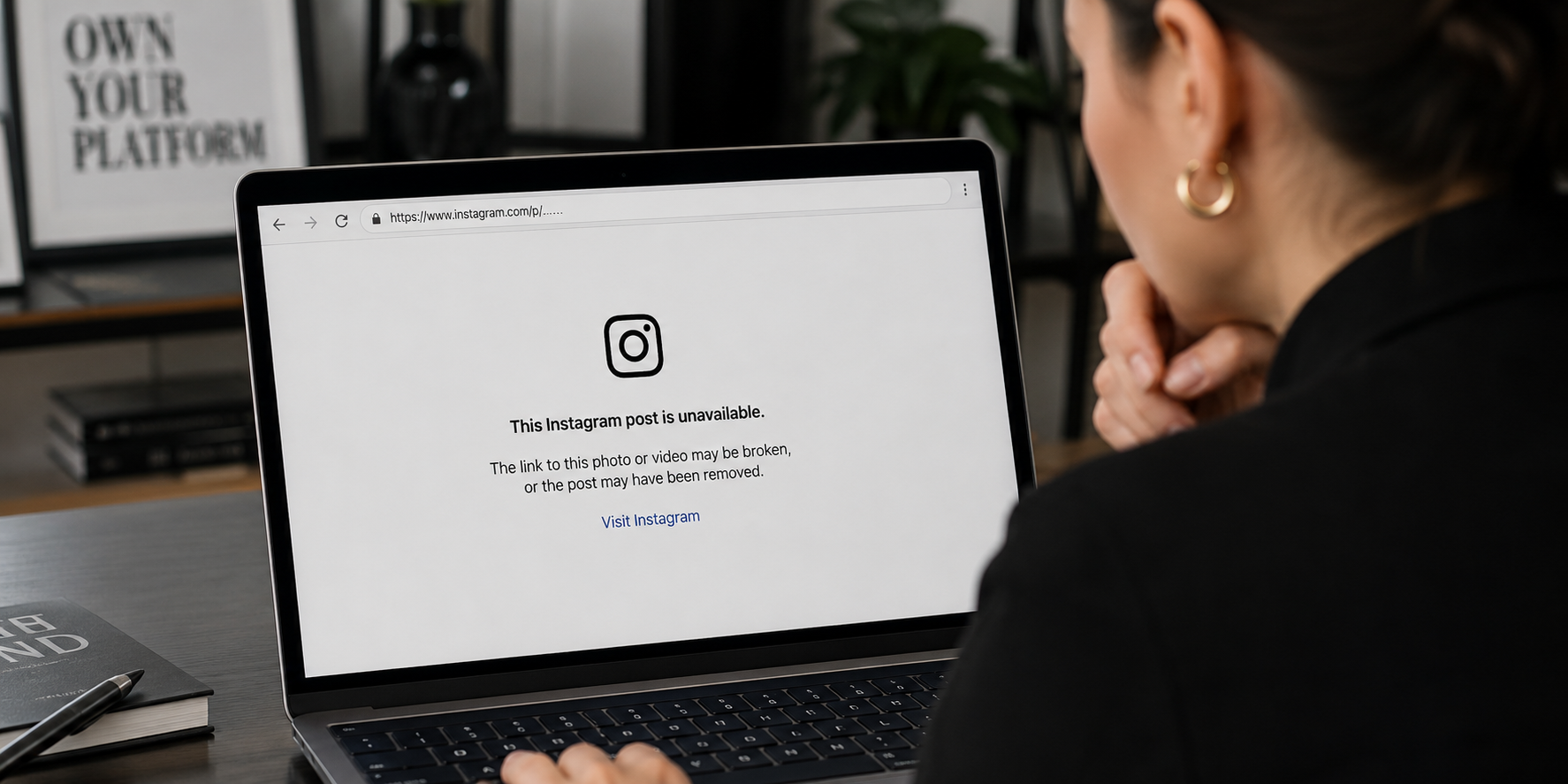
Why the Biggest Personal Brands Turn Off Instagram Embeds (And What It Teaches You About Owning Your Platform)
I went to grab Instagram embeds for three of the most accomplished women in business — and all three came back unavailable. My first thought was a glitch. The truth is more interesting: part broken platform plumbing, part deliberate choice. The most sophisticated brands have decided that controlling how and where their content travels is worth more than the scraps of extra exposure an open embed provides. Here's the why — and what it teaches you about owning your platform instead of renting it.
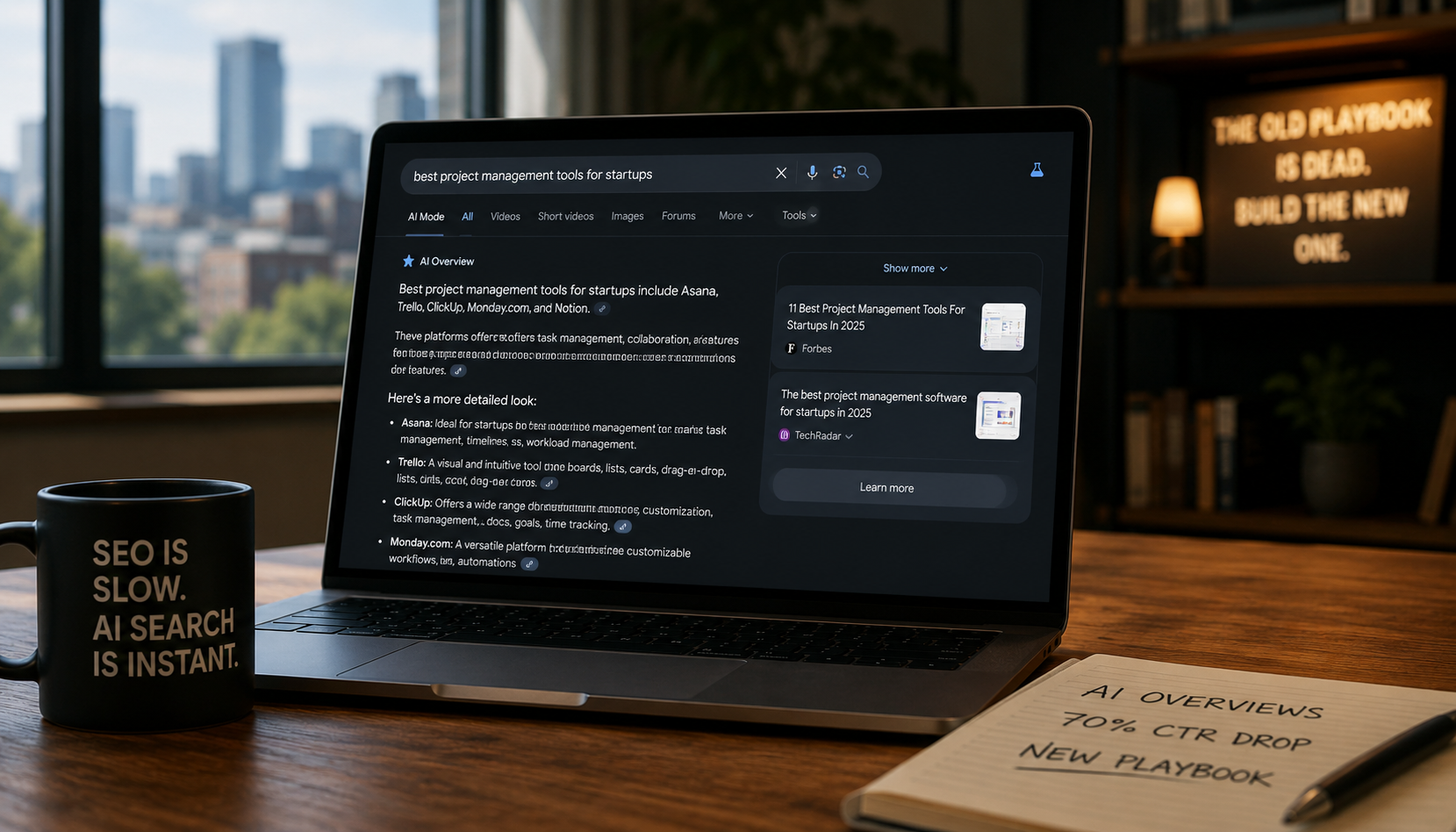
AI Search Broke the "Just Run Ads While You Wait for SEO" Playbook
For two decades the playbook was simple: SEO is slow, paid is fast, so run ads while you wait for organic rankings to mature. AI search pulled out the structural beam. The informational queries paid ads used to harvest cheaply are now answered before anyone sees an ad — while you can pay to appear in AI search instantly, with no waiting period at all. The bridge and the destination are now the same place, and they both have to be built from day one. Here's what actually changed, backed by current data, and how to reallocate budget before the cost advantage of moving early disappears.
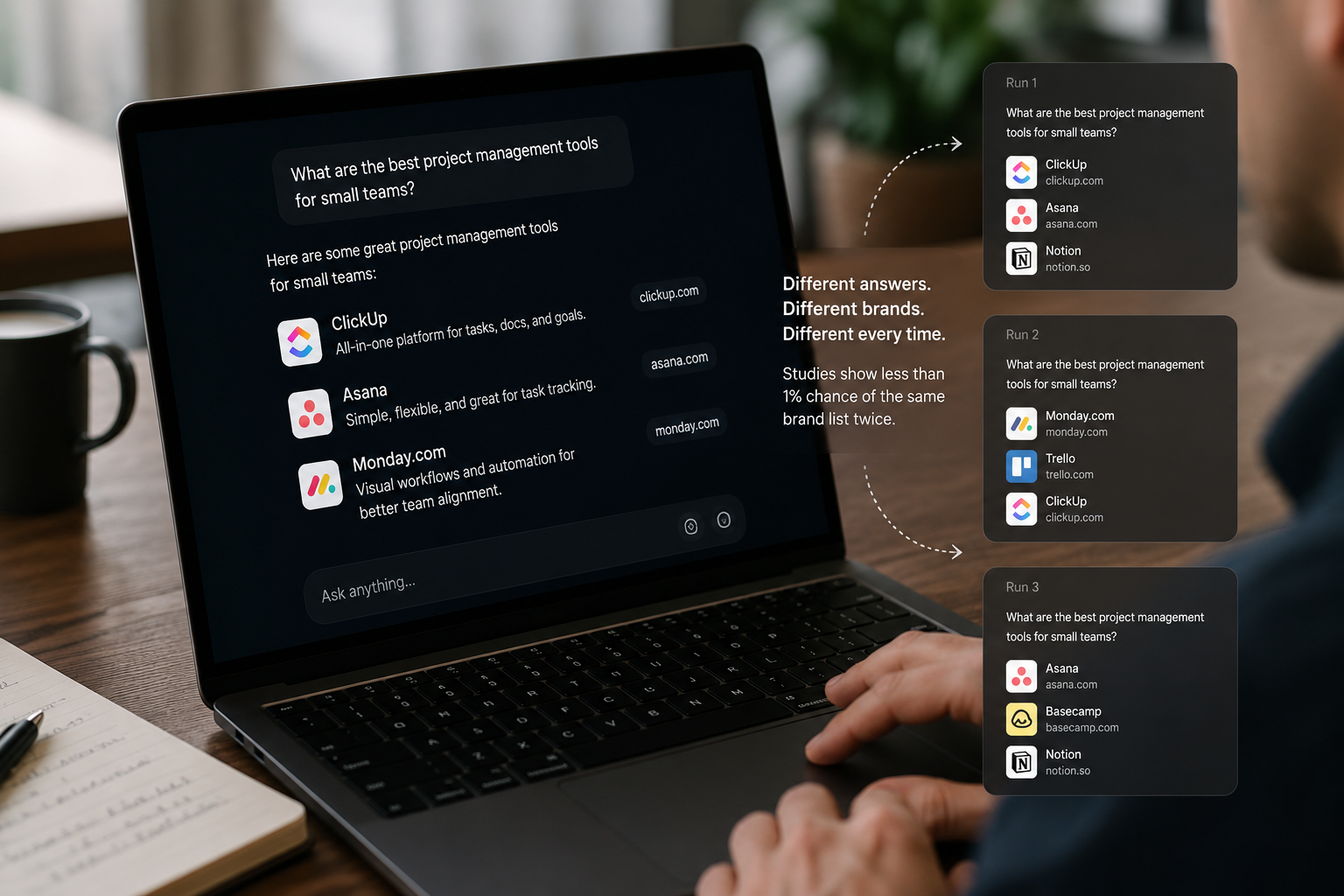
AI Recommendations Aren't a Click Curve You Can Extrapolate
For two decades, search visibility was something you could model: know your rank, forecast your traffic. AI-generated recommendations break that bet entirely. These systems are non-deterministic by design — the same question produces different answers, different brands, and different citations from one run to the next, with studies showing less than a 1% chance of getting the same brand list twice. Yet AI search is the fastest-growing and highest-converting discovery channel on the web. This deep dive explains why AI recommendations resist forecasting, what the 2026 data actually shows, and how to shift from gaming a rank to managing probabilities.
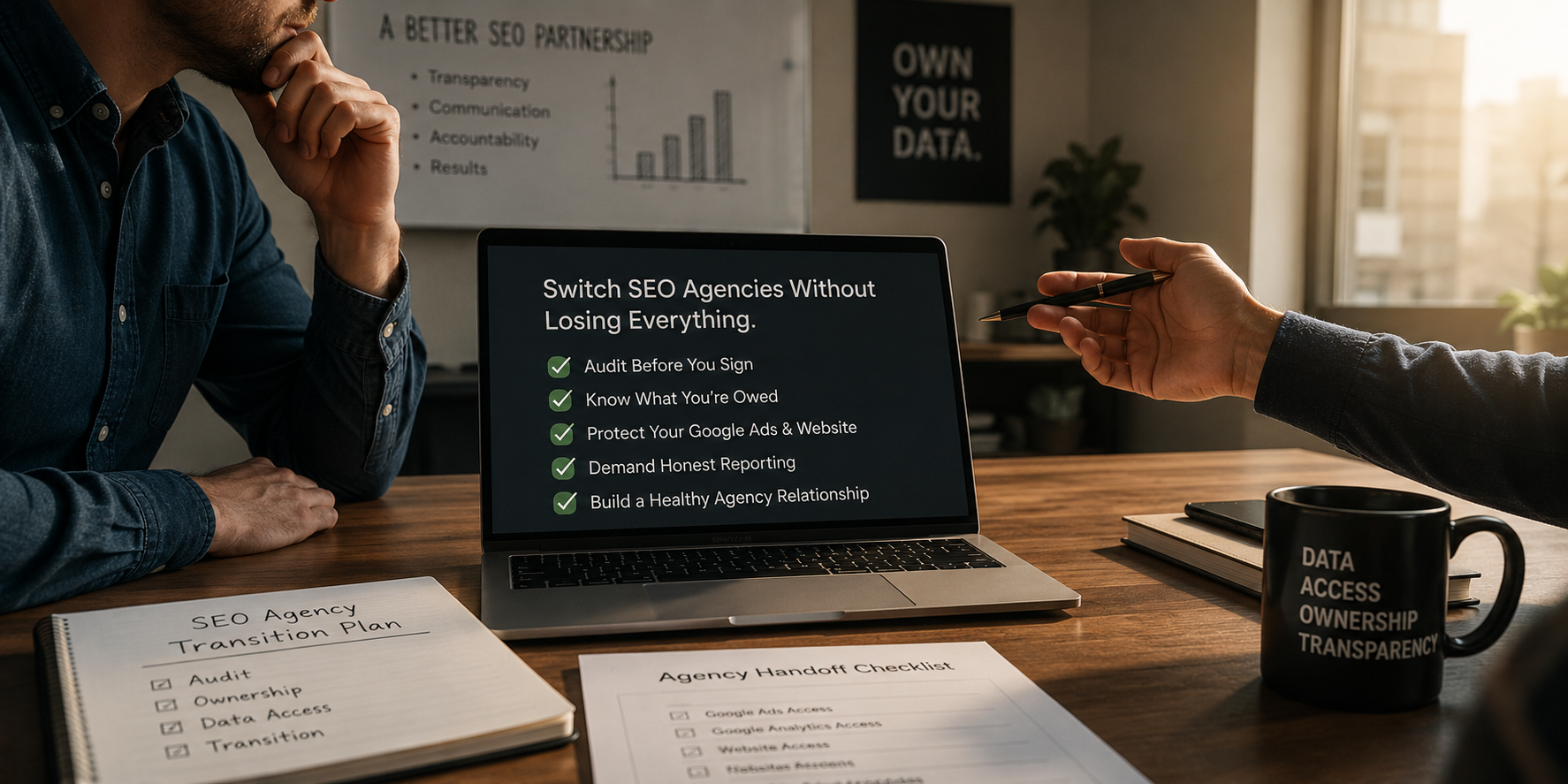
How to Switch SEO Agencies Without Losing Everything: The Complete Guide
Switching SEO agencies is one of the highest-stakes decisions a marketing team makes — and one of the least documented. This pillar post connects every part of the process: how to audit an agency before you sign, what you're owed when you leave, who owns your Google Ads account and your website, what honest reporting looks like, and what a healthy agency relationship is actually supposed to feel like. If you're considering a switch, mid-transition, or simply want to understand how this process should work before you ever need it — start here.

What a Healthy Agency-Client Relationship Actually Looks Like
A healthy agency-client relationship isn't just the absence of red flags. It has its own positive qualities — a specific kind of communication, a specific kind of accountability, and a specific kind of trust that gets built through consistent behavior rather than promised in a sales pitch. Here's what it looks like in practice, what both sides have to contribute to make it work, and how to know whether the relationship you're in has the foundation to be genuinely productive.
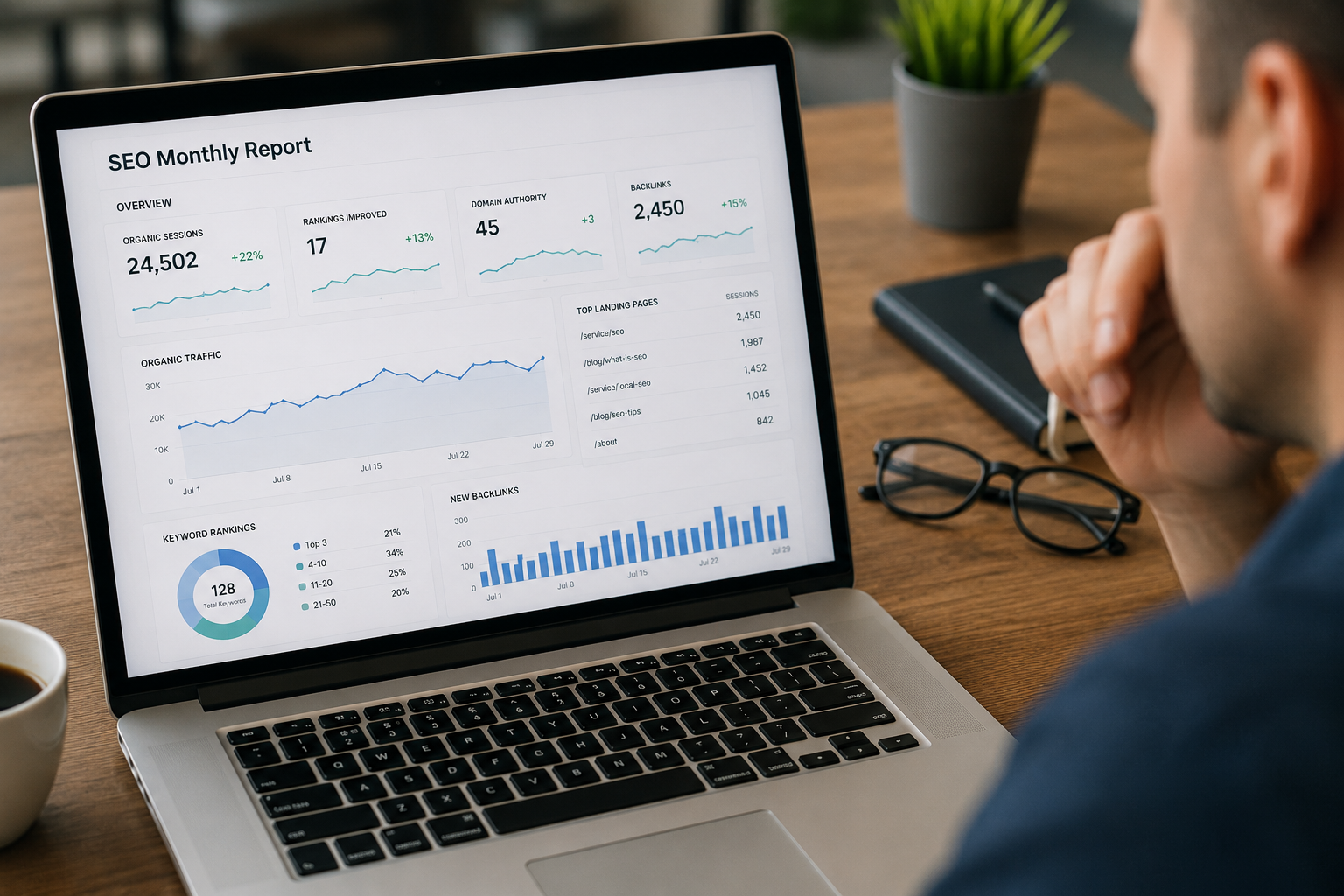
Red Flags in SEO Reporting: What Your Agency Might Be Hiding in Plain Sight
Every month the report arrives and everything looks good on paper — traffic up, rankings improved, targets hit. But the phone isn't ringing more and the leads aren't increasing. If that gap feels familiar, the problem might be your reports. Here are the ten biggest red flags in SEO reporting, from cherry-picked date ranges to activity metrics with no outcome data, and what your agency should be showing you instead.
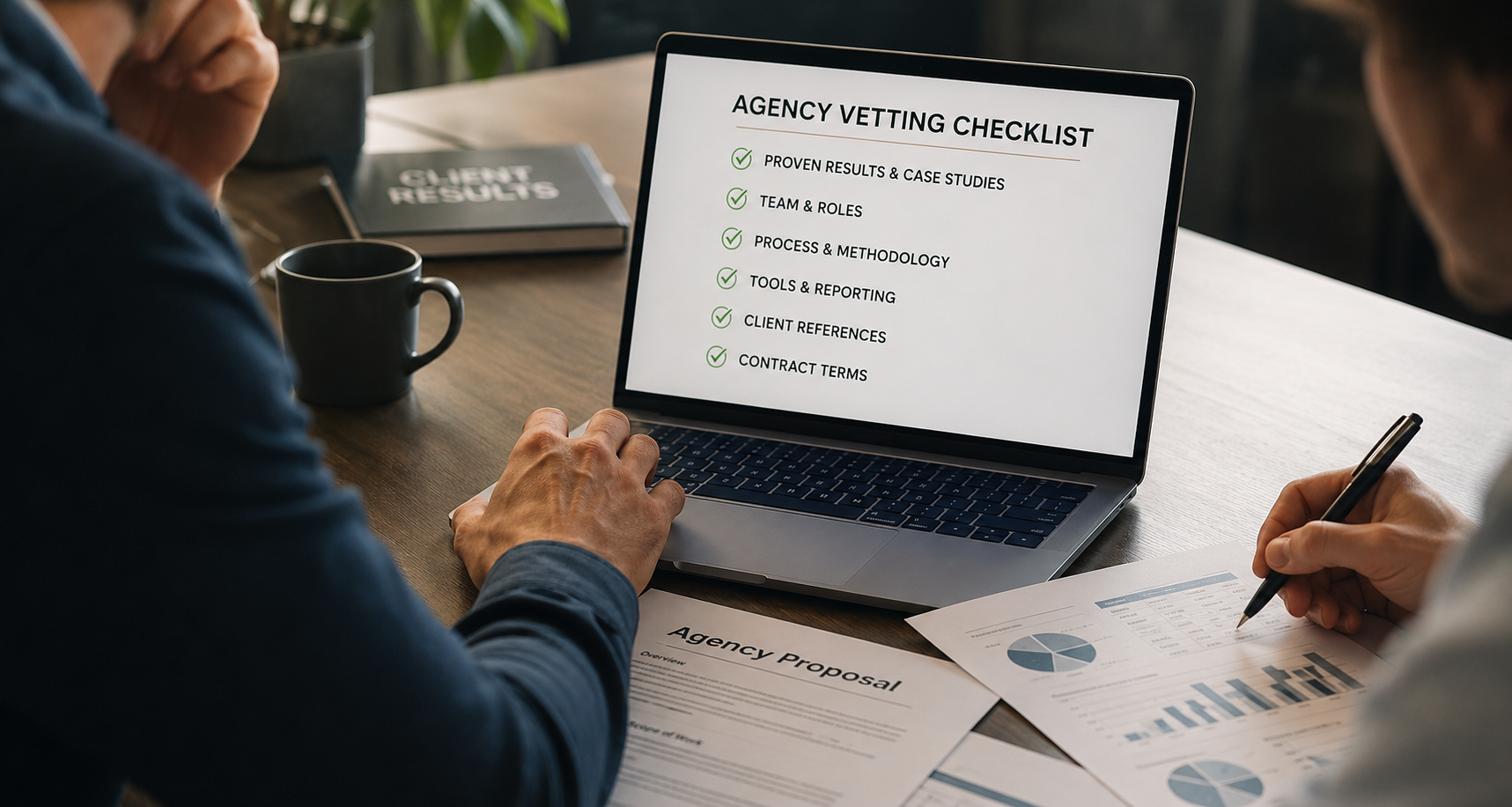
How to Audit an Agency Before You Sign Anything
A polished proposal and a confident pitch tell you an agency is good at winning business. They tell you almost nothing about whether the agency is good at the actual work. This is the complete pre-signing audit framework — how to evaluate an agency's real capabilities, who will actually work on your account, what the contract should say, and the questions that separate agencies worth hiring from agencies worth avoiding.
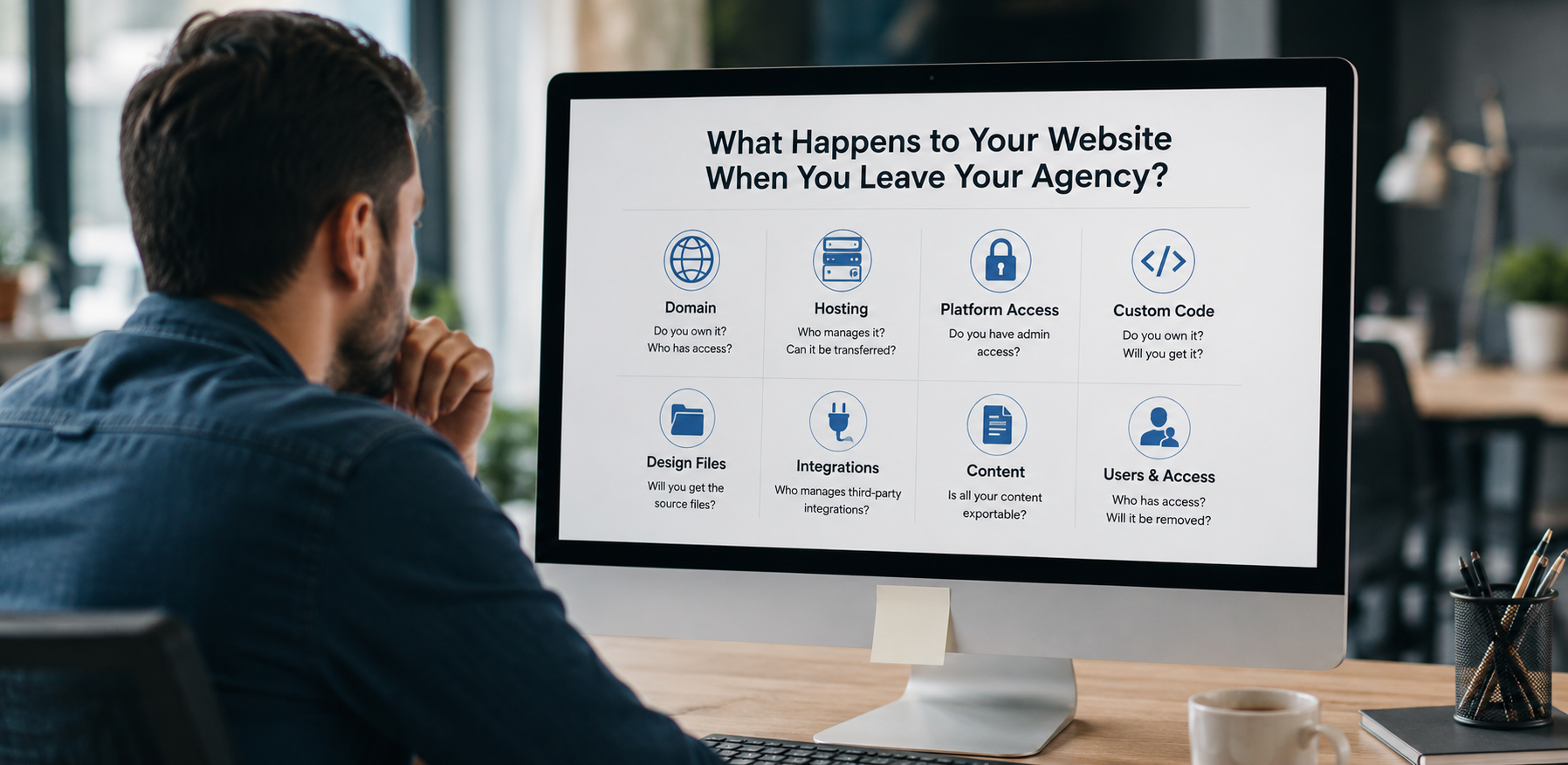
What Happens to Your Website When You Leave Your Agency?
Most businesses assume they own their website. But if an agency built it, registered the domain, set up the hosting, or built it on a proprietary platform, the reality can be very different. This post covers every dimension of website ownership — domain, hosting, code, design files, integrations, and content — and exactly what to do if the answers aren't what you hoped.
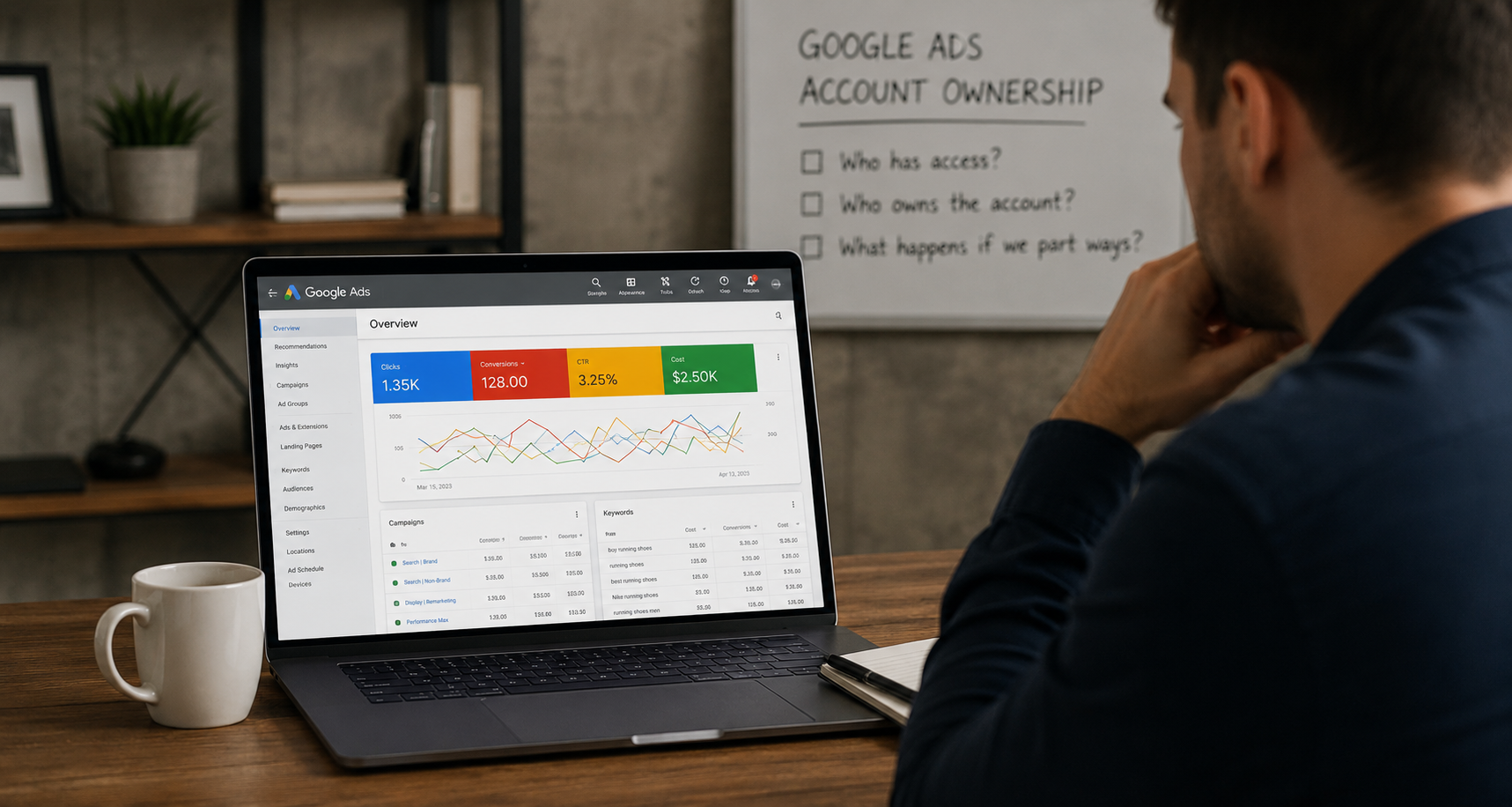
Who Owns Your Google Ads Account? (And Why the Answer Matters More Than You Think)
Most businesses assume they own their Google Ads account. Many don't. When an agency relationship ends badly, clients discover their campaigns, conversion history, remarketing audiences, and Quality Scores all lived inside an account the agency controlled — and walked away with. Here's how Google Ads account ownership actually works, how to check your current situation, and how to make sure it never becomes a problem.
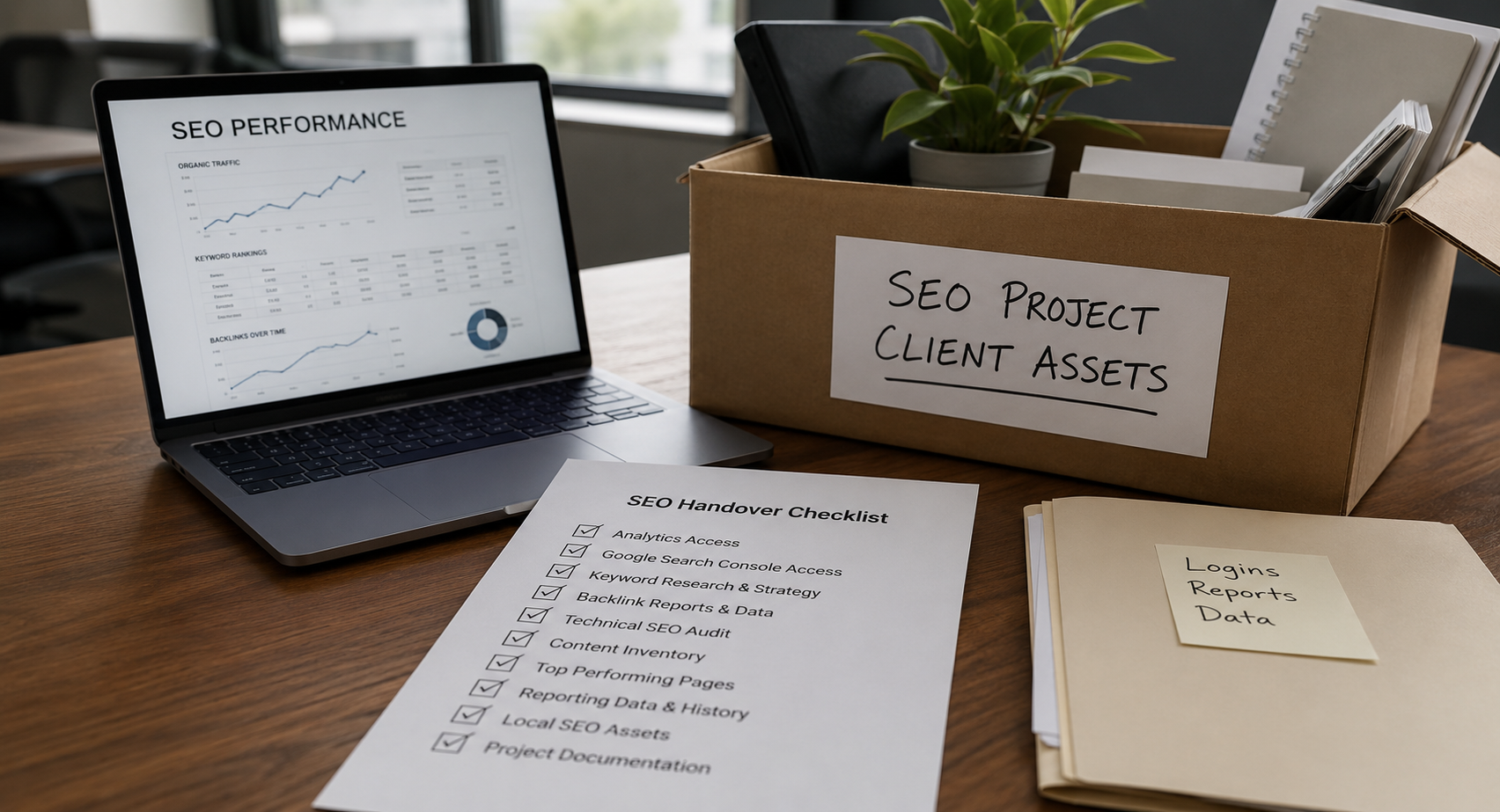
What Your Old SEO Agency Should Give You Before They Leave
When an SEO agency relationship ends, most clients ask for their logins back and call it done. But there's a lot more that belongs to you — keyword strategies, link building records, technical documentation, content archives, and years of reporting data that your next agency needs to hit the ground running. Here's the complete list of what you're owed and how to make sure you get it.
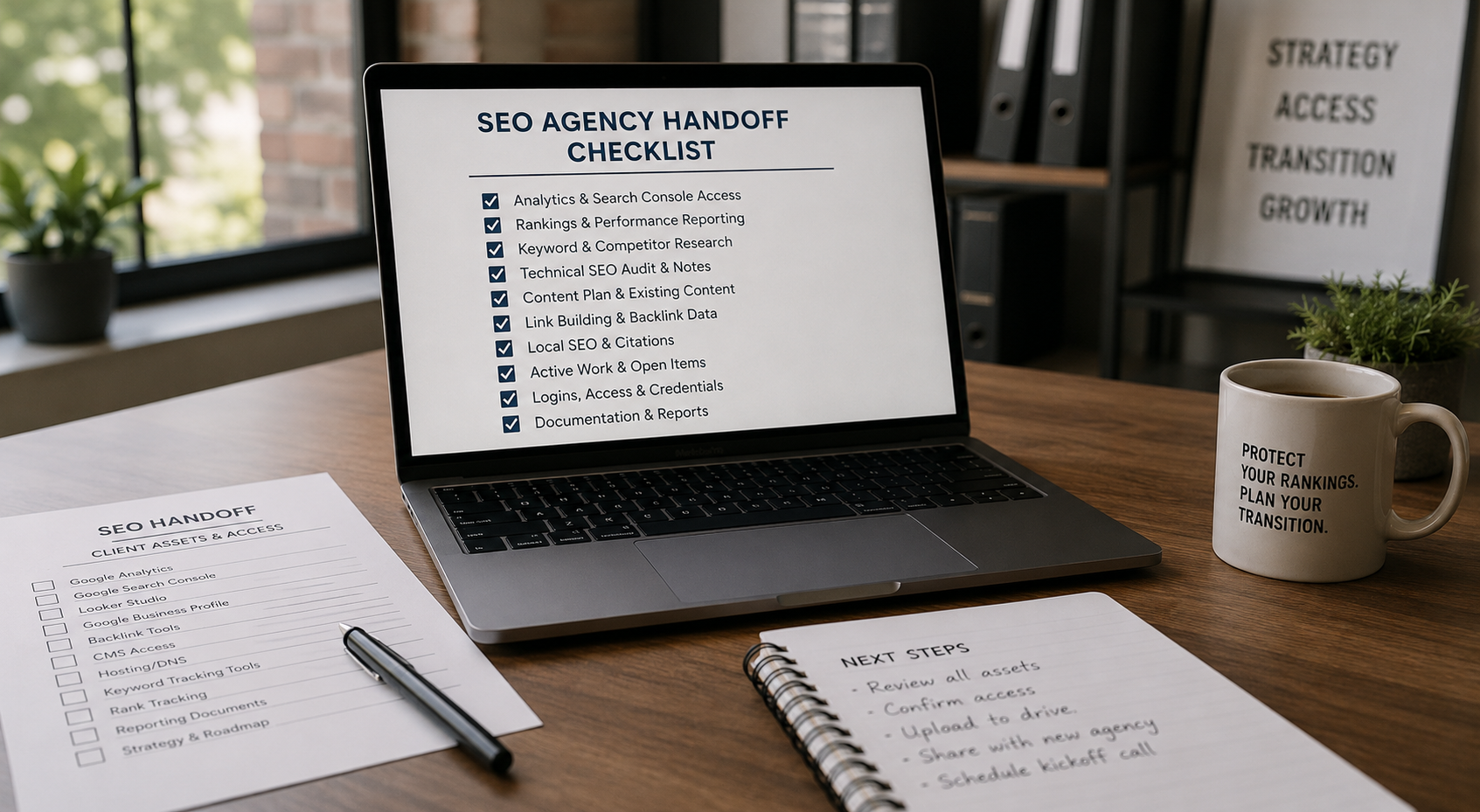
The SEO Agency Handoff Checklist: Everything You Need Before You Switch
Switching SEO agencies goes wrong in predictable ways — lost access, missing documentation, and gaps in active work that quietly erode rankings you spent years building. This checklist covers every asset, account, and piece of documentation you need to secure before your current agency's last day, so your transition protects what you've built instead of undoing it.

Should You Hire an SEO Agency That Specializes in One Industry — or One That Works Across Many?
It's one of the most common questions businesses ask when vetting SEO partners: does it matter if my agency only works with companies like mine? On the surface, hiring a vertically specialized agency seems like the safe bet. But dig deeper, and the picture gets more complicated — and the answer depends far less on industry experience than most people think.
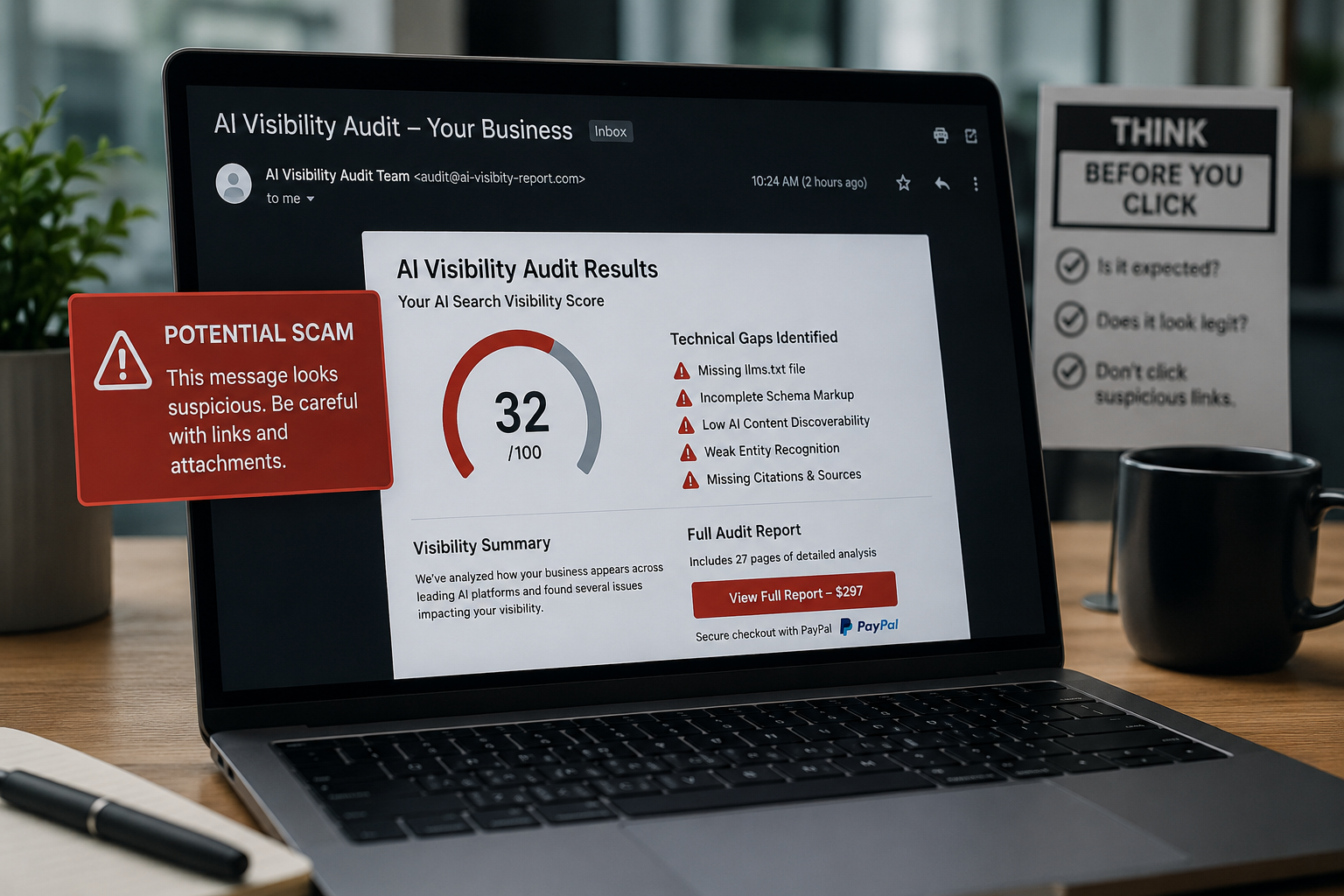
The AI Visibility Audit Scam Is Targeting Businesses — Here's How to Spot It
If a stranger reached out through your contact form claiming they already audited your AI search visibility — complete with a score, a list of technical gaps, and a PayPal link — you weren't alone, and it wasn't legitimate. Here's exactly how this new wave of AI-powered spam works, why the technical language sounds so convincing, and what genuine AI visibility work actually involves.
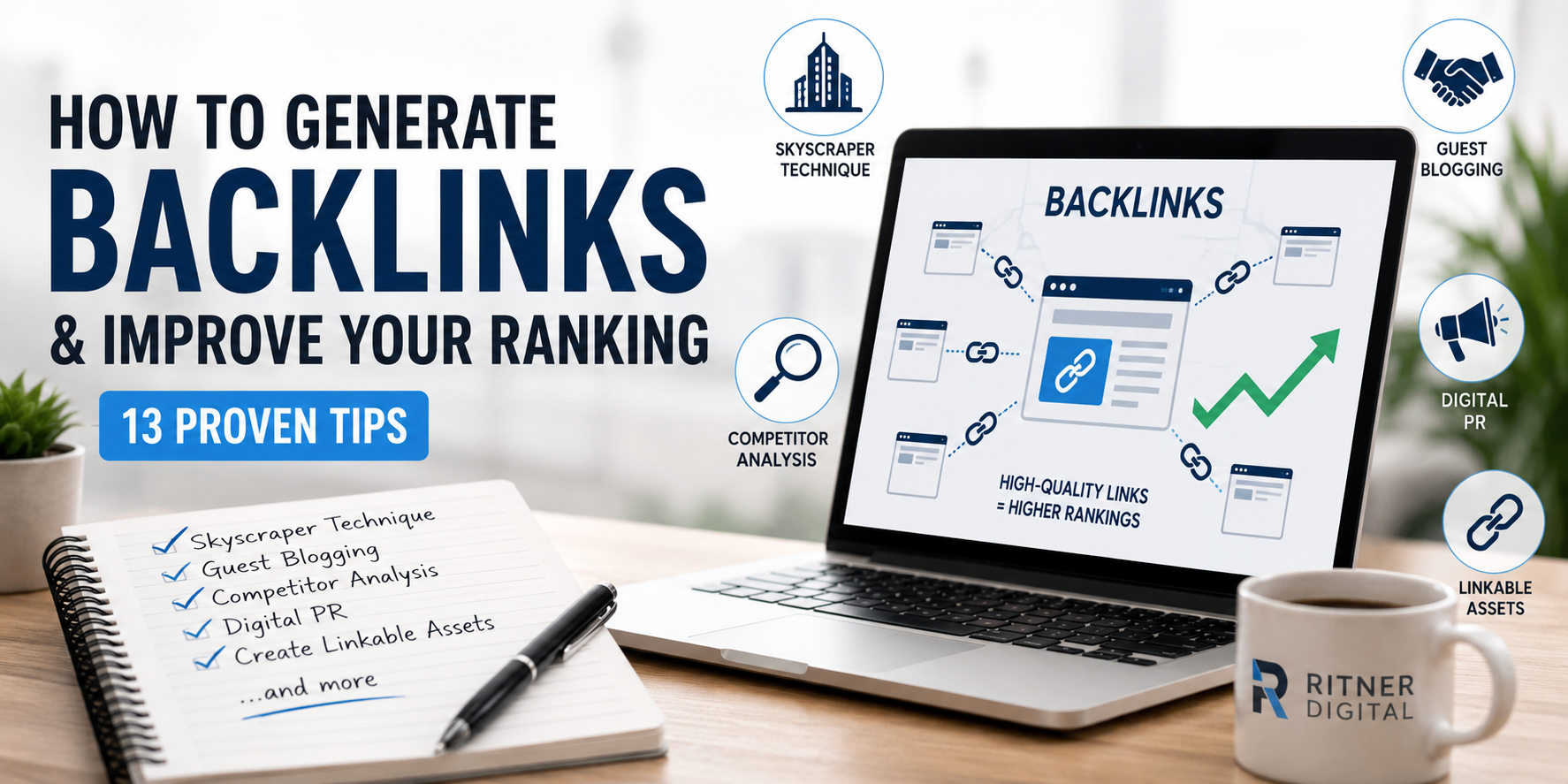
How to Generate Backlinks and Improve Your Ranking — 13 Tips That Actually Work
Backlinks are still the most powerful off-page ranking signal in Google's algorithm — and in 2025, earning the right ones can be the difference between page one and page three. In this guide, Ritner Digital breaks down 13 actionable strategies to build high-quality backlinks, from the Skyscraper Technique and guest blogging to competitor analysis and digital PR. Whether you're starting from scratch or looking to accelerate results, this is your complete playbook for link building that actually works.
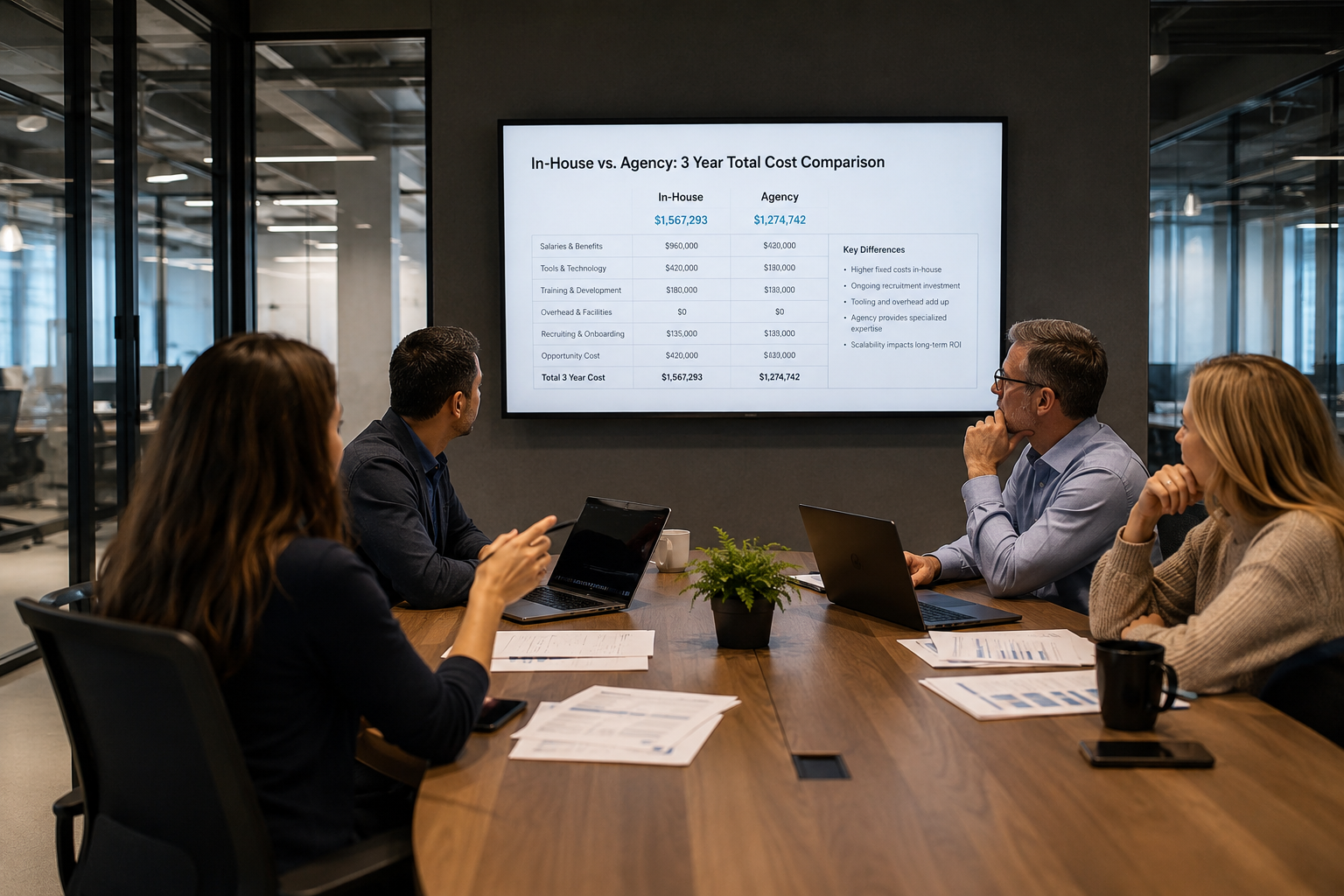
Before You Cancel Your Agency Retainer and Bring Everything In-House, Read This
The agency retainer feels expensive. AI tools feel capable. Your internal team feels ready. The math looks obvious — until you run it honestly. The companies cancelling agency relationships right now and going fully in-house are discovering costs, risks, and capability gaps that didn't show up in the original spreadsheet. Here's what the decision actually involves.

Social Media Is the New Search Engine: What the Data Says About Discovery in 2026
As AI Overviews eroded organic clicks and search trust frayed, consumers didn't disappear — they migrated. To TikTok, Instagram, YouTube, and Reddit. The data on this shift is now definitive: over 60% of product discovery happens on social platforms, and Gen Z uses social more than Google to find information. Here's what the numbers say and what your brand needs to do about it.
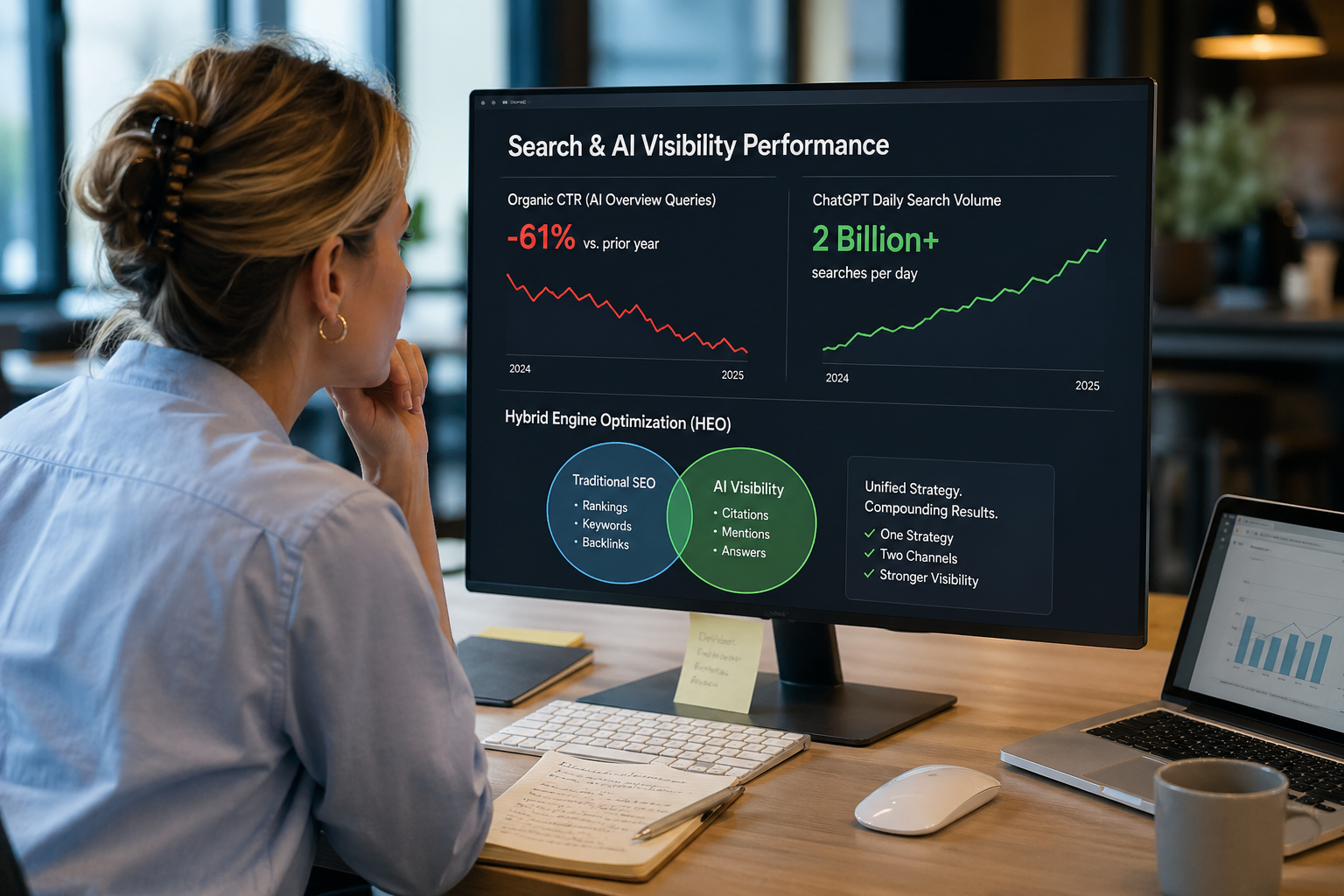
Hybrid Engine Optimization (HEO): The New Playbook for Search & AI Visibility in 2026
At SEO Week 2026 in New York City, one concept cut through the noise: Hybrid Engine Optimization. With organic click-through rates down 61% on AI Overview queries and ChatGPT processing 2 billion searches daily, the brands that treat traditional SEO and AI visibility as one unified system are the ones pulling ahead. Here's what HEO is, what the data says, and what your business needs to do about it.
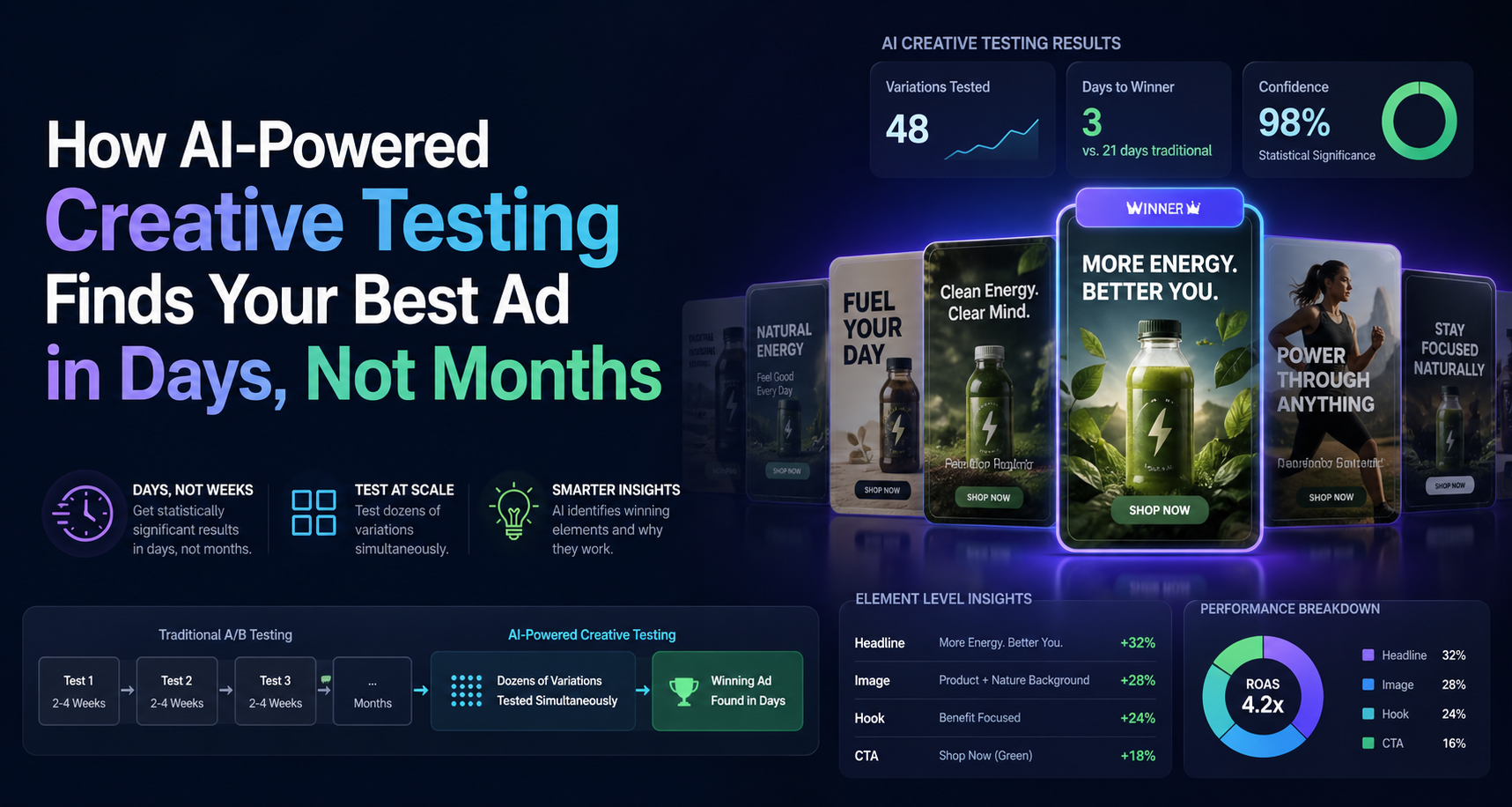
How AI-Powered Creative Testing Finds Your Best Ad in Days, Not Months
There is a math problem at the center of advertising creative that most businesses have never fully solved. You know different headlines, images, and hooks perform differently. You know the only way to find what works is to test. But testing takes time — two to four weeks per test, one variable at a time, running sequentially. By the time you have an answer, the market has moved. AI-powered creative testing changes all three constraints simultaneously: it runs dozens of variations at once, surfaces statistically significant winners in days rather than weeks, and generates element-level intelligence that traditional A/B testing was never designed to produce.