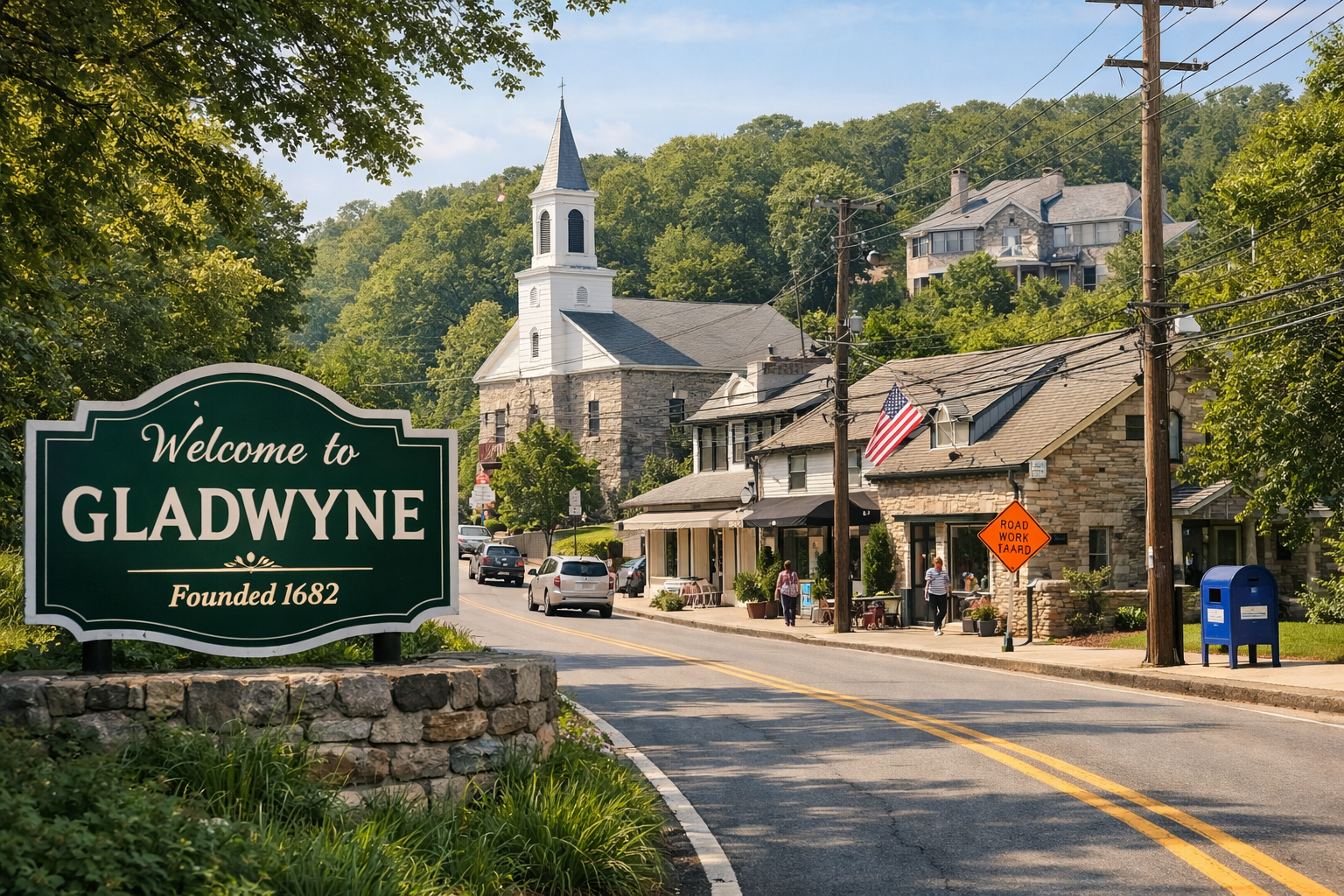
Why Gladwyne Is the Hardest and Most Rewarding Local SEO Market on the Main Line
Gladwyne, Pennsylvania is not a large market. There are 4,096 people in the zip code and 35 business mailboxes. You could drive through the village center in under three minutes. And yet it is simultaneously the hardest local SEO market on the Main Line and one of the most rewarding places to build a digital presence in the entire Philadelphia region. Understanding why requires understanding something specific about how trust moves in Gladwyne — and exactly where it doesn't reach.

If You're Going to Put a Stake in the Ground, Slam It In
There is a saying in marketing that gets repeated often enough that most people who work in the industry have heard it, nodded at it, and then proceeded to ignore it completely: if you're going to put a stake in the ground, slam it in. The saying exists because the alternative is so common. The halfway stake. The hedge. The campaign that launches at sixty percent because someone was nervous about the budget, or unsure about the timing, or waiting to see how it performs before committing the rest of the resources. It never works that way. Not because the strategy is wrong. Because the execution was a whisper when it needed to be a statement.
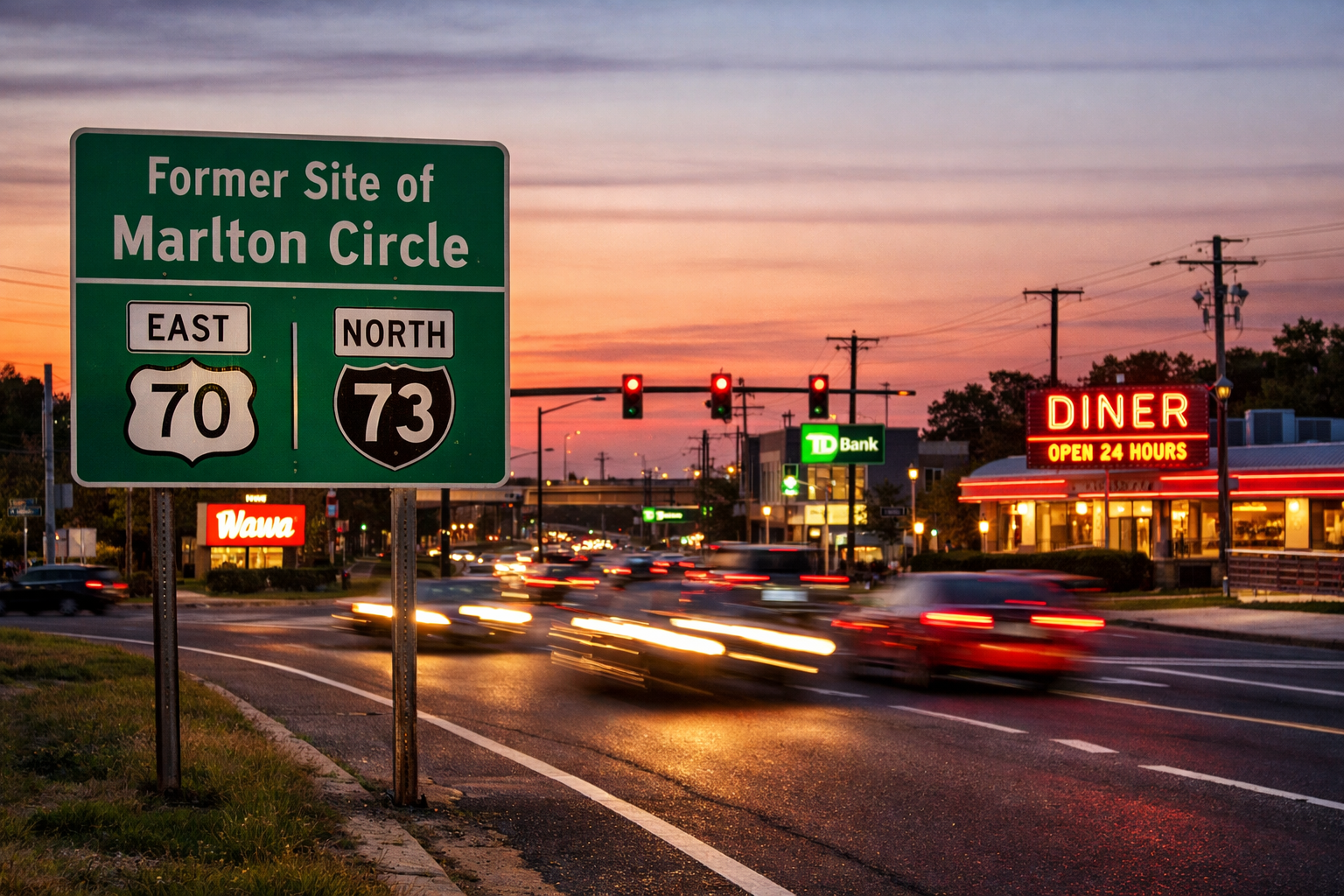
The Marlton Circle Is Gone But the Businesses That Survived It Are Still Here
The Marlton Circle was built in the 1940s when Routes 70 and 73 were quiet enough that a single-lane rotary could handle everything coming through. Then the township grew. Then the suburbs arrived. Then the families started moving out from Philadelphia and Camden and the circle that had been perfectly adequate for a farming community became, in one motorist's words, "not a traffic circle — a non-traffic circle." By the time anyone got serious about fixing it, the businesses around it had to decide what to do. Some of them didn't survive the waiting.
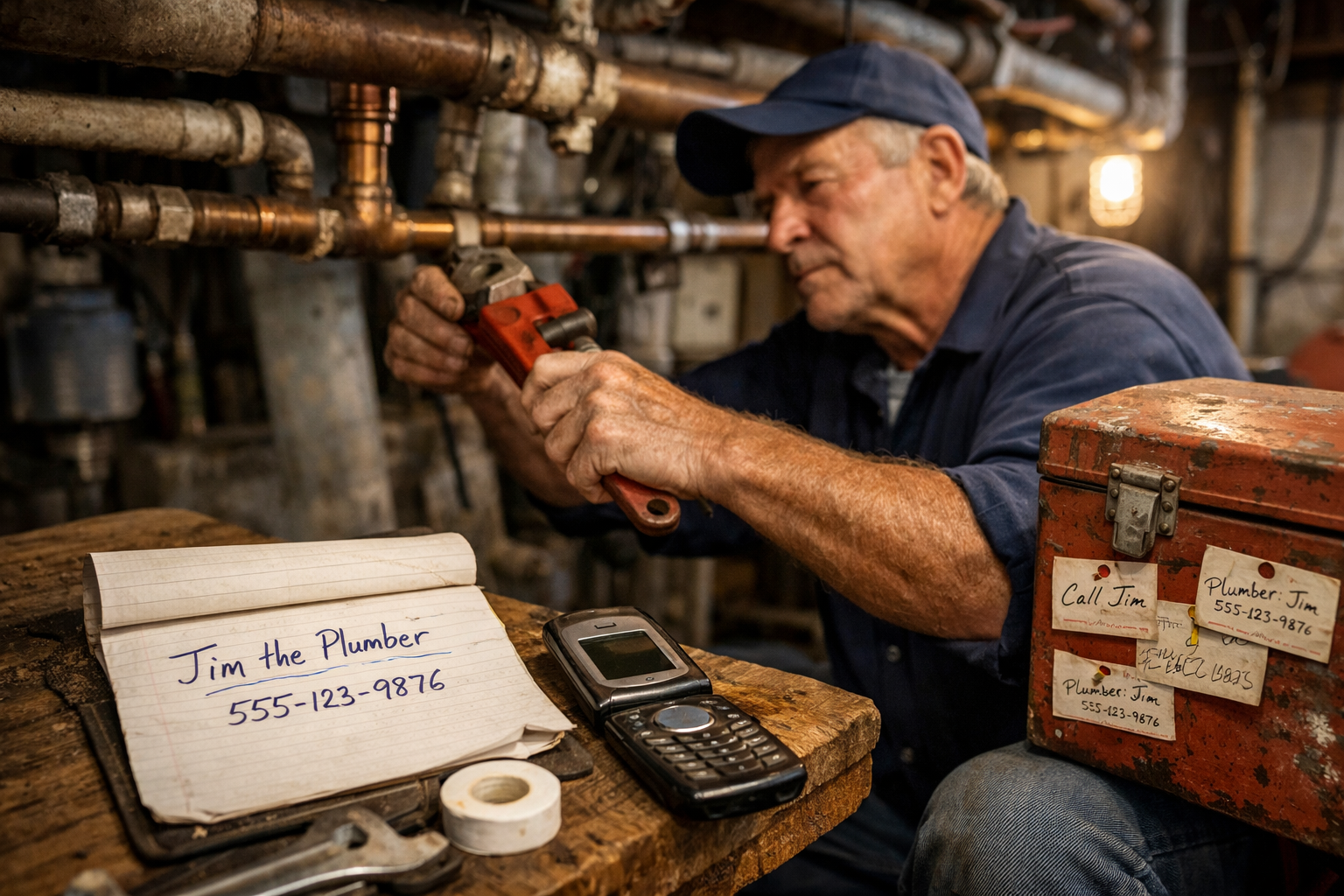
Why the Best Contractors in Burlington County Don't Have Websites — And Their Schedules Are Still Full
There is a plumber in Marlton who has been doing the same work, in the same neighborhoods, for the same families, for thirty years. No website. Not on Angi. His phone number lives in roughly four hundred contact lists across Evesham Township and Voorhees, passed from neighbor to neighbor with a specific endorsement attached. He is booked six weeks out. He has been booked six weeks out for as long as anyone can remember. This is not an accident. It is also not the whole story.
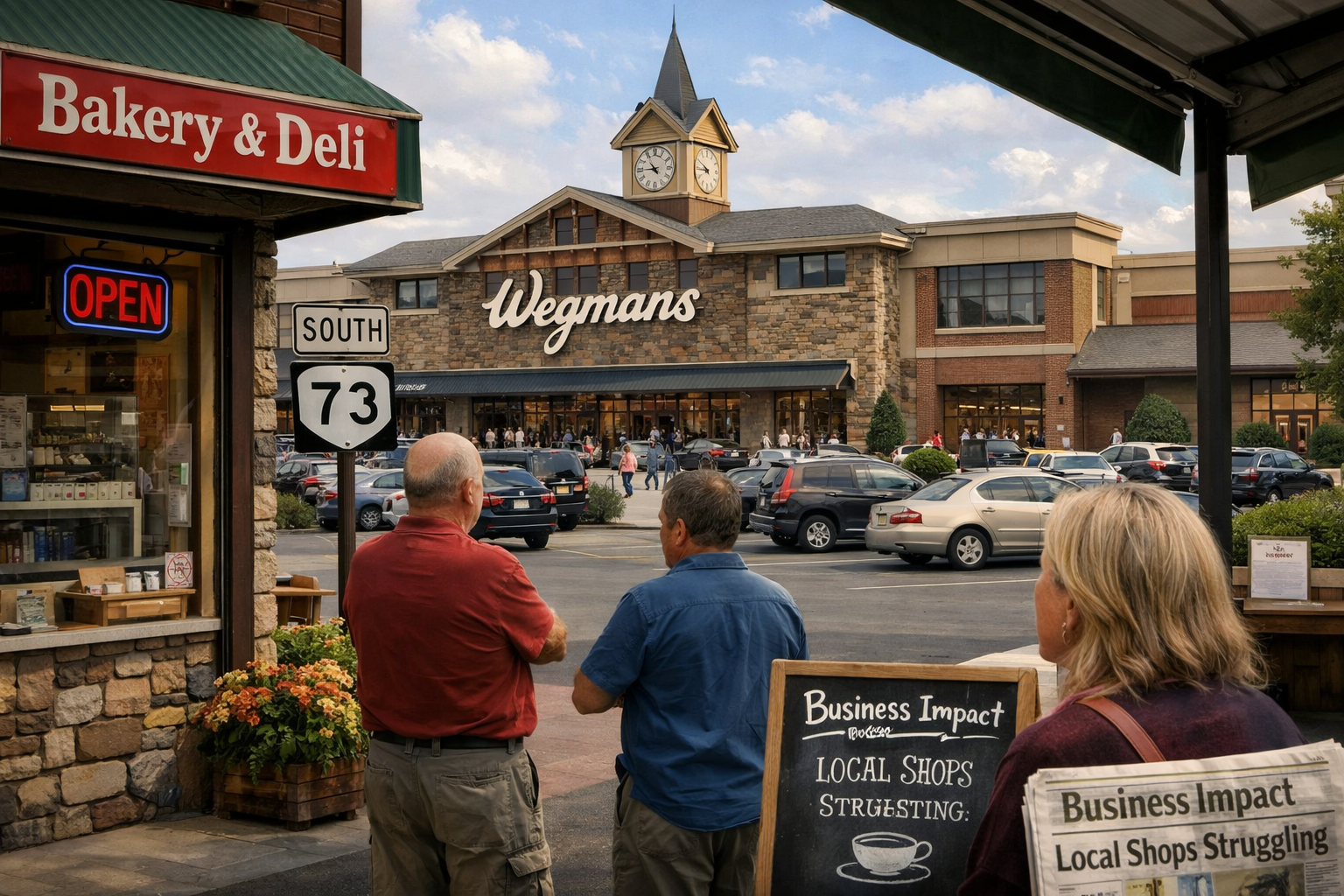
What Wegmans Coming to Route 73 Taught Every Small Business Owner in South Jersey About Competing on Experience
When Wegmans opened on Route 73 in Marlton, the conversation in South Jersey business circles went predictably. Smaller operators worried. Regional chains ran the numbers. People drove in from three towns over just to walk the produce section. And somewhere in all of that, a lesson was available to every small business owner in the region. Most of them missed it. The ones who caught it are still here.
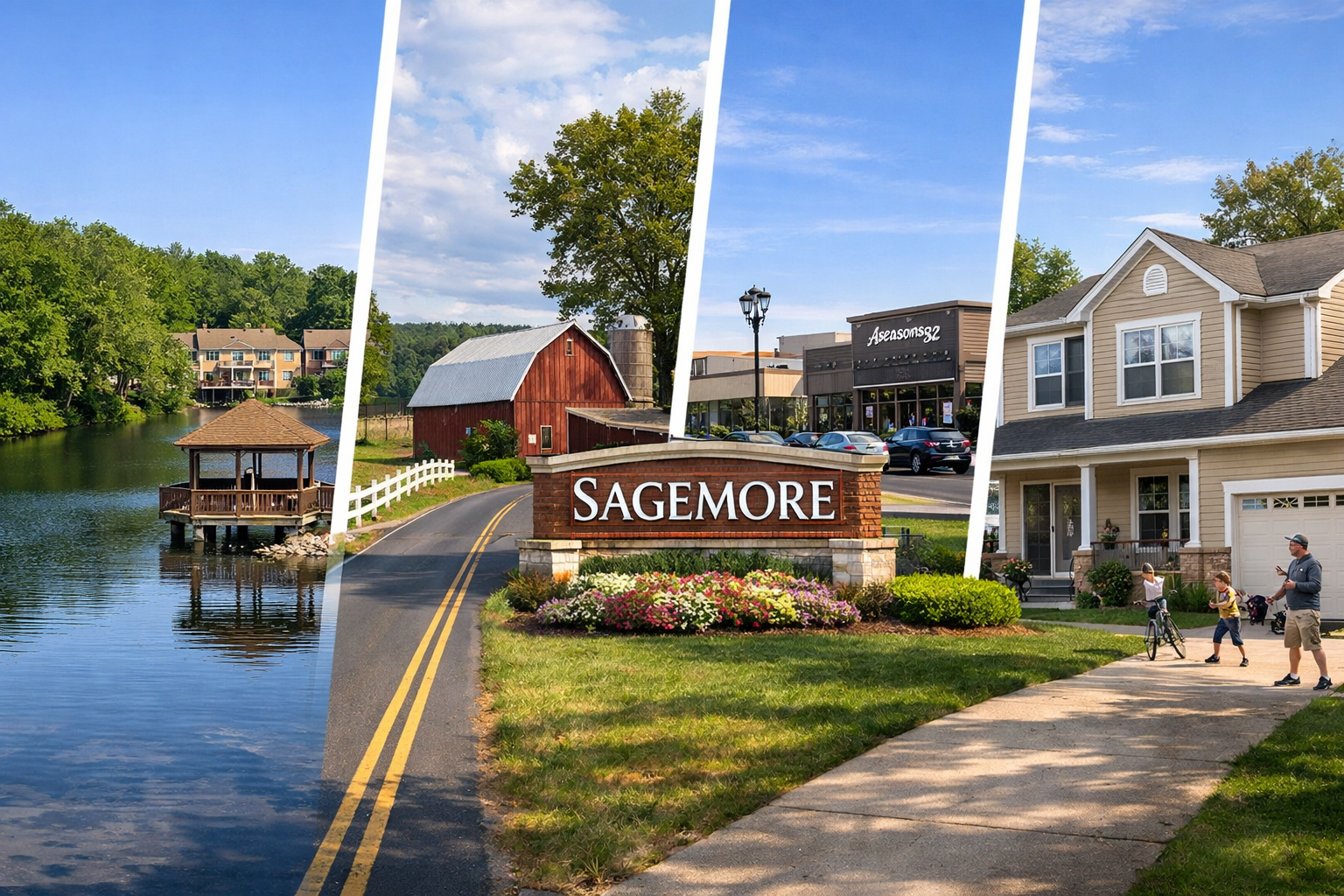
Marlton Doesn't Have a Neighborhood Feel. It Has Five of Them.
Most people who don't live here think of Marlton as a single place — a stretch of Route 73 with good schools and easy Turnpike access. That's technically accurate and almost entirely useless if you're trying to understand how people actually live here, or how to reach them. Evesham Township is a collection of distinct neighborhoods, each with its own loyalties, its own way of circulating recommendations, and its own rules for who gets trusted.
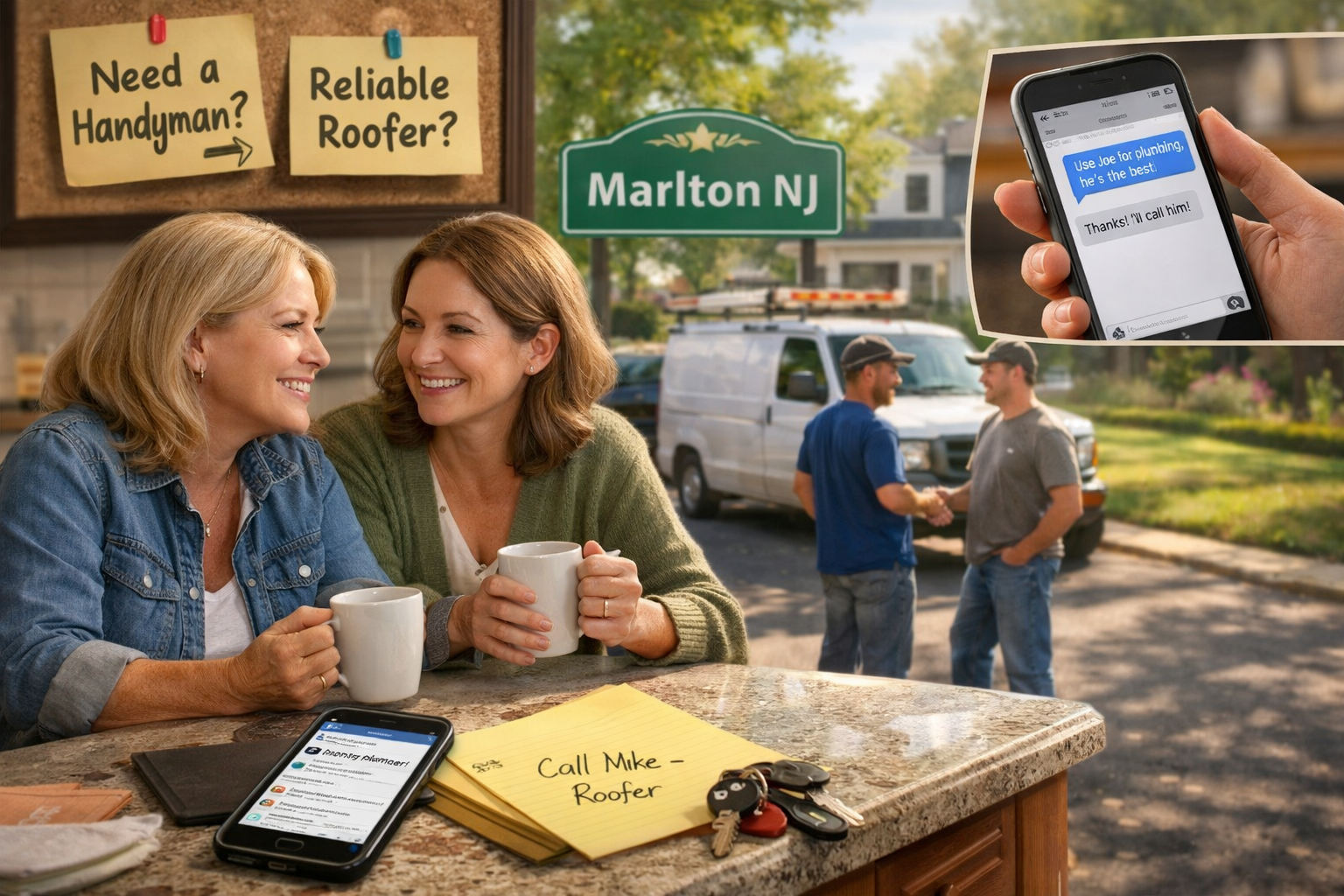
The Evesham Township Whisper Network: How Word of Mouth Actually Works in a Burlington County Suburb — And What It Means for Your Business
Every two weeks or so, someone posts on the Marlton Nextdoor looking for a plumber, a roofer, a handyman who actually shows up. The thread gets twelve replies in four hours. Those recommendations will circulate in text messages and kitchen conversations for the next three years. That's the Evesham Township whisper network — and if you run a business here, understanding how it works is more important than any ad campaign you could run.
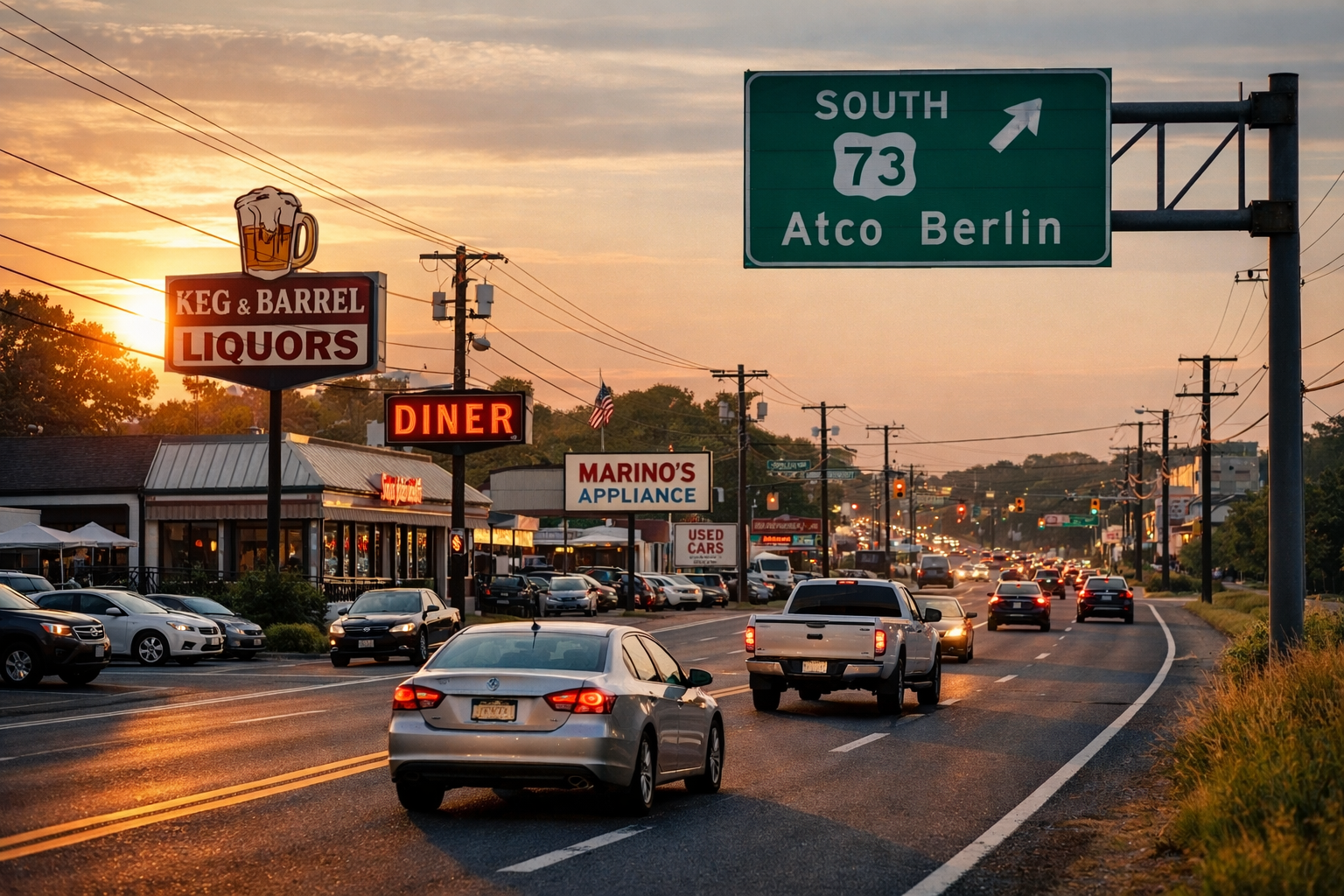
Why the Businesses That Have Been on Route 73 for 30 Years Never Needed SEO — And What That Means for Everyone Who Opened After Google Existed
The businesses that have been on Route 73 for thirty or forty years didn't build customer bases. They built habits. They built into the rhythms of how South Jersey families move through their weeks. Here's what that actually took — and why the rules changed the day Google showed up.

That First Contact Form Fill From a Stranger Is Bigger Than You Think
There's a moment every business hits when they commit to SEO and stick with it long enough. A contact form fill from someone you've never met, never pitched, and have no mutual connections with. It's easy to underreact to. You shouldn't. That form fill is proof of concept — and it changes everything about how you think about what you're building.

We Work Best With the Ones Who Want to Win
Some businesses want to maintain what they have. Some want to clean up their website and check a box. That's not who we built this agency for. We built it for the ones who want to own their market — and we bring everything we have to help them get there.
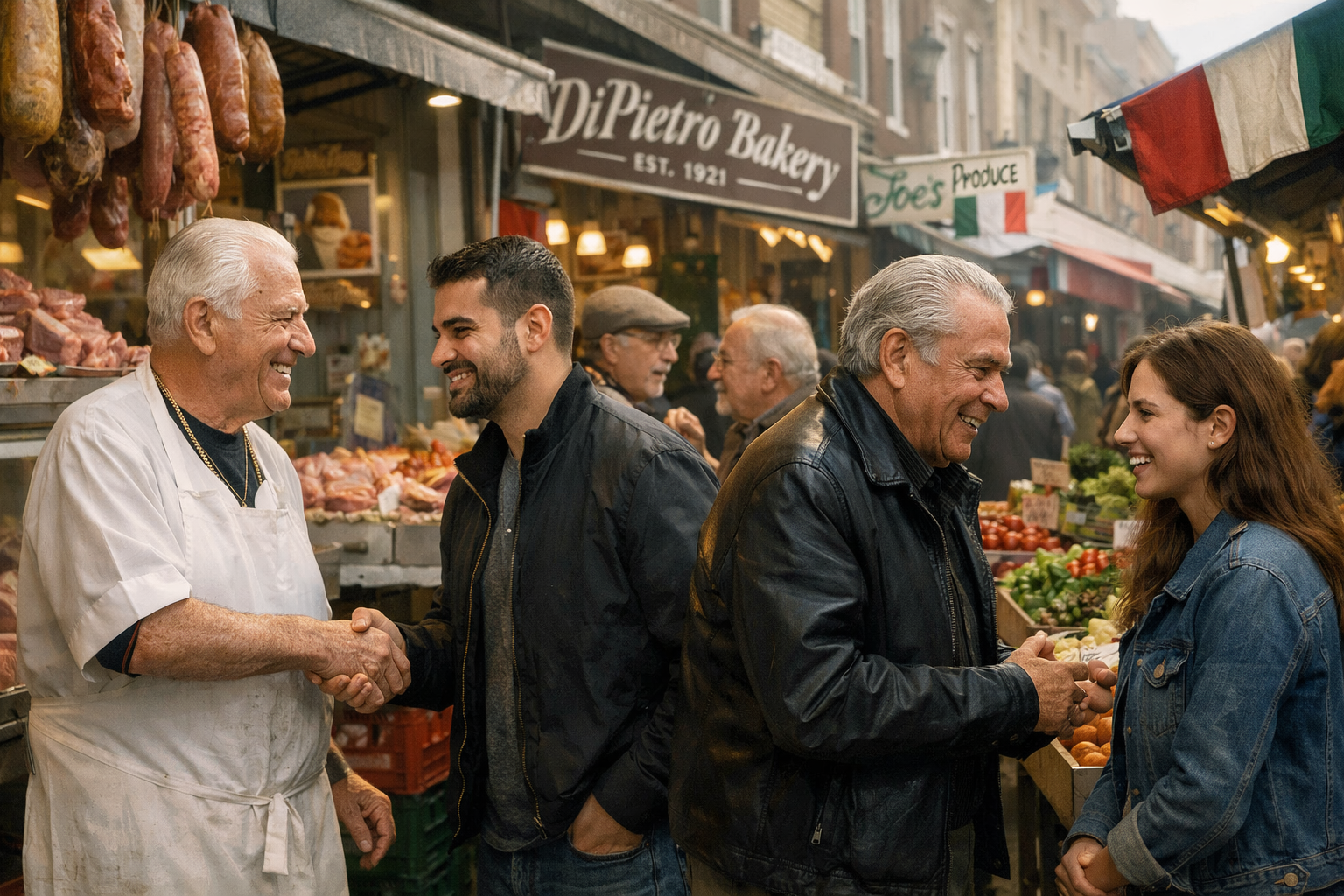
Why Philadelphia's Italian-American Community Still Does Business on a Name
There are neighborhoods in South Philadelphia where the same families have been buying from the same families for three and four generations. It's not nostalgia. It's one of the most psychologically durable trust systems ever built into a commercial culture — and it's very much still running in 2026.

By the Time You Reach Out, You've Already Made Up Your Mind
By the time a business owner fills out a contact form, they've already been watching, reading, and quietly evaluating for weeks — sometimes months. The form submission isn't the beginning of the decision. It's the end of one. Here's what the journey actually looks like.

Your Traffic Is Growing. But Is It Real?
You log into your analytics and the numbers are up. But as your business grows, a bigger and bigger chunk of that traffic isn't potential customers — it's the noise that comes with running a real company. Here's what's actually hiding inside your session count.
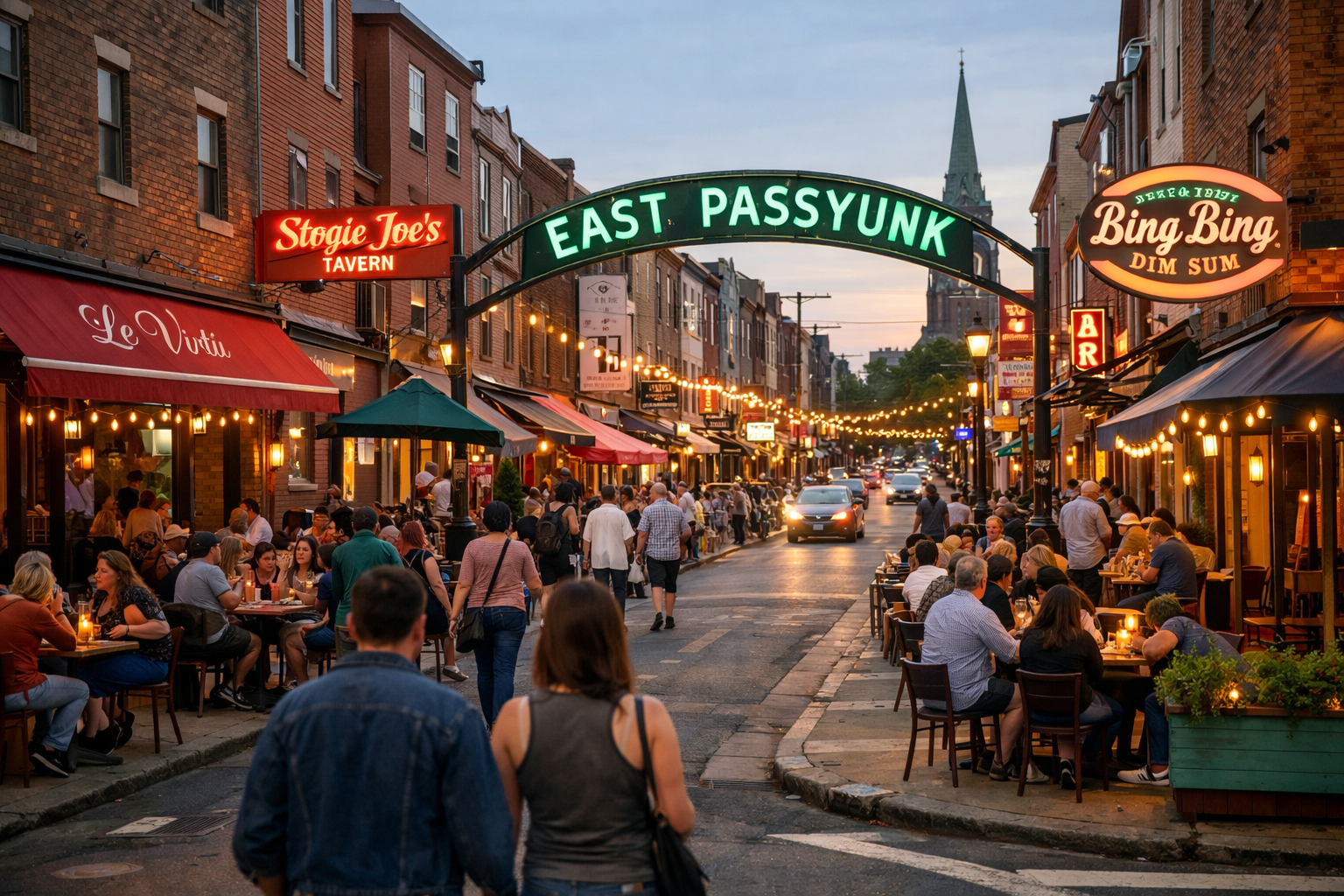
The Passyunk Effect: Why the Best Businesses in Philly Let the Block Do the Marketing
East Passyunk Avenue is a mile and a half of diagonal street in South Philadelphia that became one of the most acclaimed restaurant corridors in America without running a single ad campaign. Here's what happened when enough people who cared about quality decided to work on the same block — and what that means for your business.
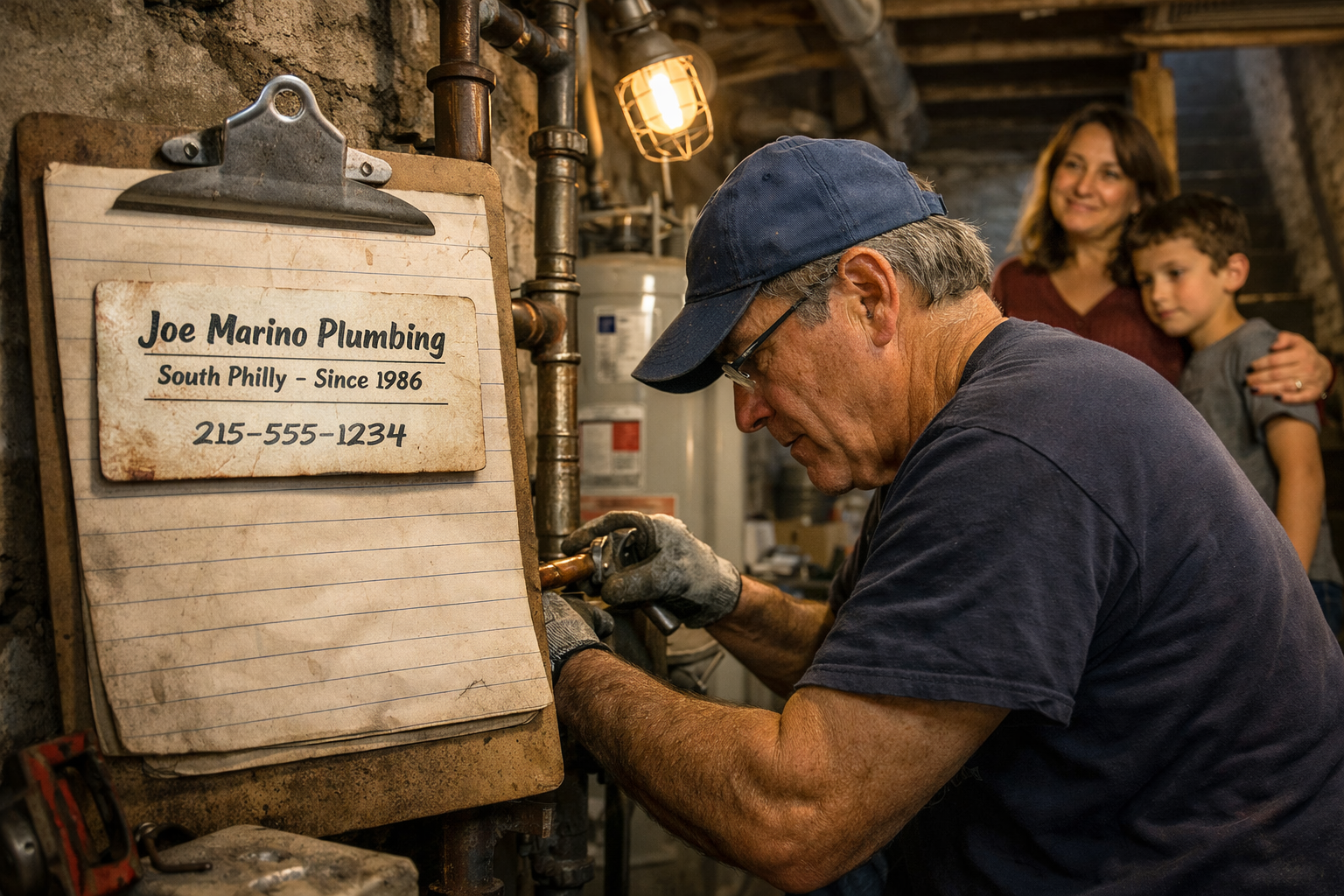
Why Philly Contractors Build Generational Businesses on Zero Advertising (And What That Actually Takes)
There is a plumber in South Philly who has been doing the same work, in the same neighborhoods, for the same families, for thirty-five years. No website. No Google Business Profile. Not on Angi or Thumbtack. His phone number lives in the contact lists of roughly four hundred households, passed from parent to child the way heirlooms are passed. His schedule has been full for twenty years. This is not a unicorn story. This is how the trades have worked in Philadelphia's tight row home neighborhoods for as long as there have been row homes and tradespeople to fix them. Here's what it actually takes — and where the model hits its ceiling.
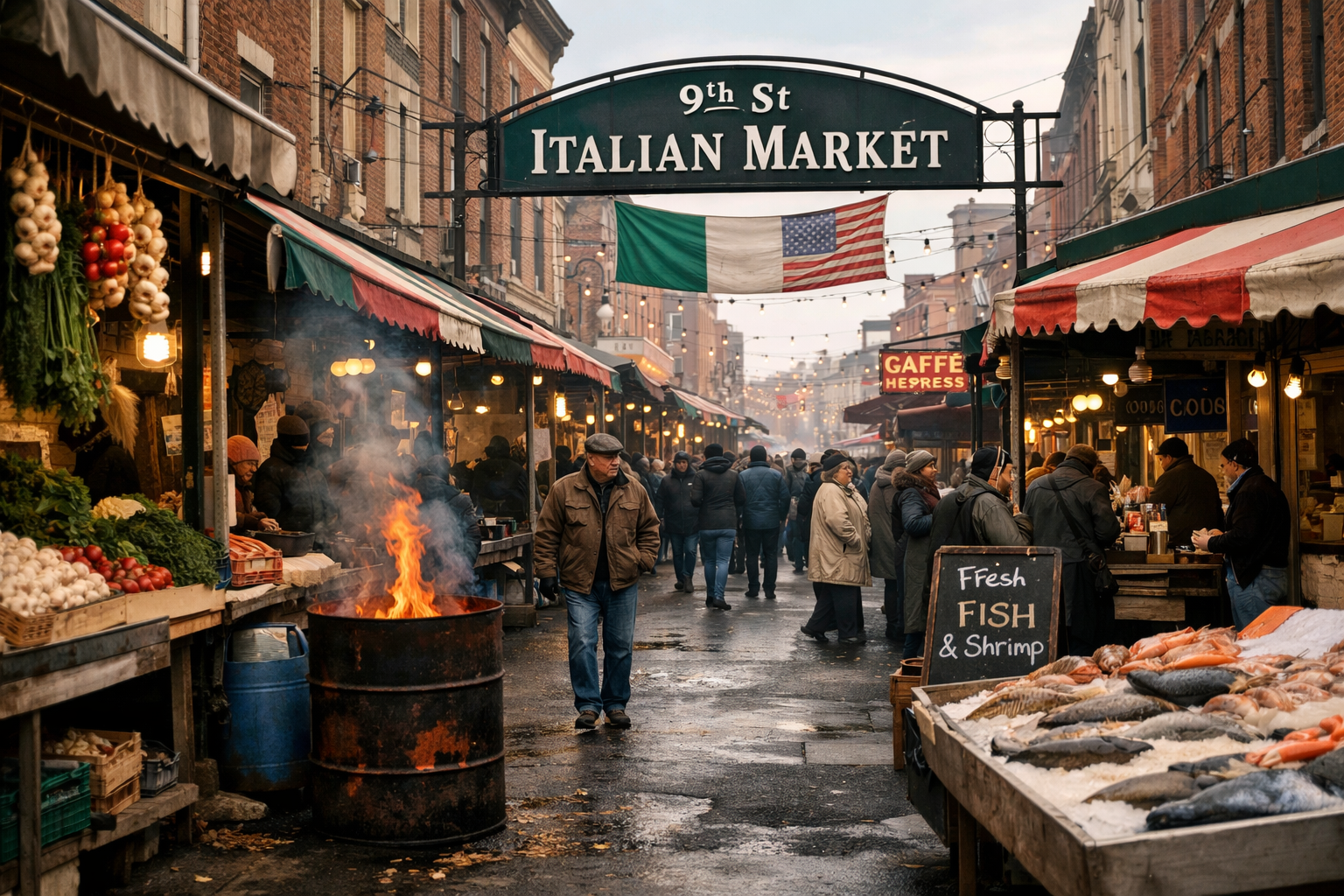
The Italian Market Didn't Need a Brand Strategy. It Was One.
There is no unified logo for the Italian Market. No brand guidelines, no color palette, no approved font. No marketing department coordinates the messaging. There are awnings, burn barrels in winter, and the smell of herbs and spices and fresh seafood and ground coffee layered together in a combination that exists nowhere else on earth. None of it was designed. All of it is real. And 140 years of genuinely real commerce on a specific half-mile of South Philadelphia has produced something that no brand strategy could have manufactured — and that no amount of money can replicate.
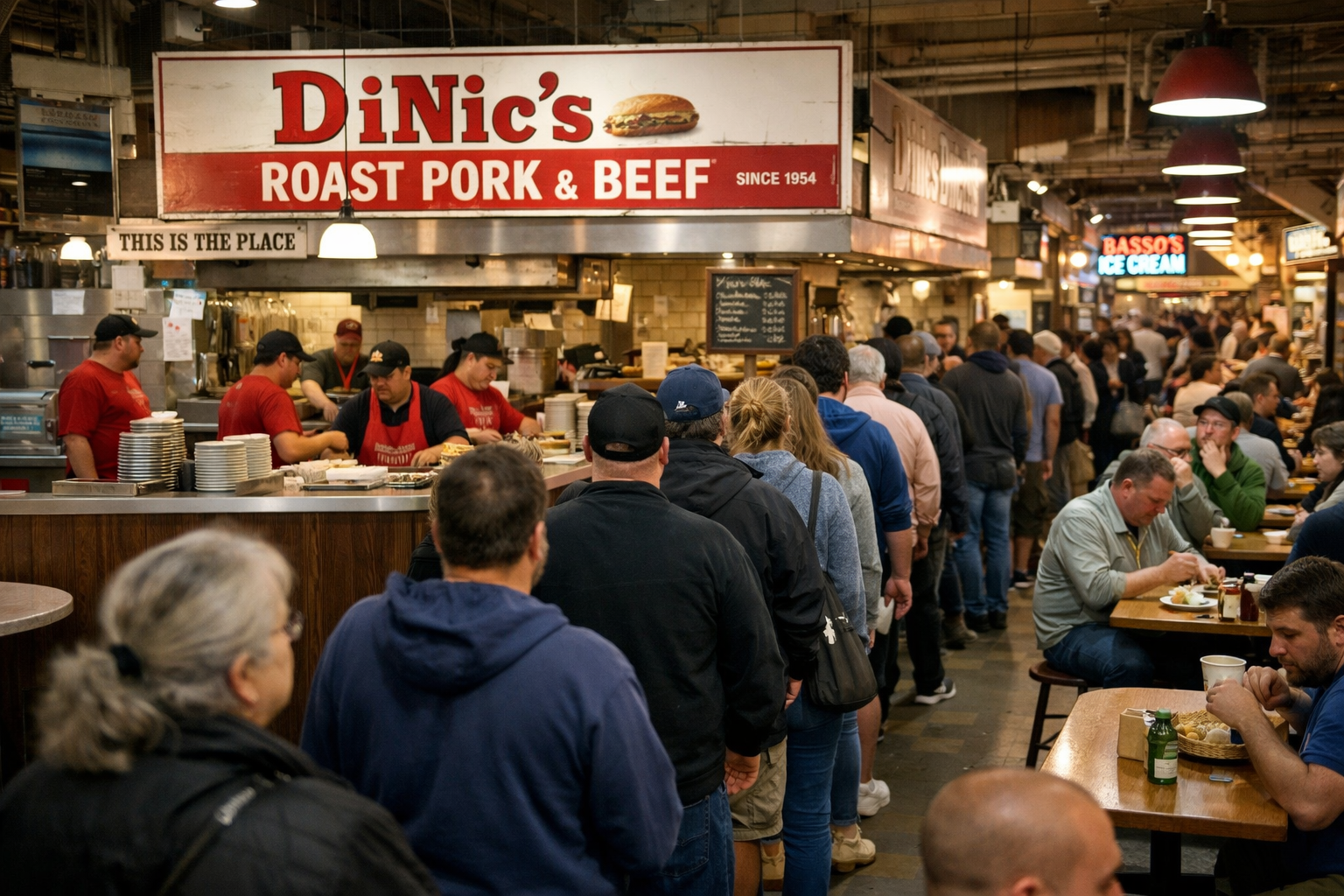
Reading Terminal Market and the Power of Earned Scarcity
On a Tuesday morning at 11am, there is a line at DiNic's. Not a polite, two-person line. A real line — the kind that snakes past neighboring stalls, past people eating at communal tables, past tourists reconsidering their priorities. DiNic's has no Instagram campaign, no loyalty app, no influencer partnership. There is a counter, a family recipe, and a line that has been forming at roughly the same hour for forty-five years. The line is the advertisement. Here's what 130 years of Reading Terminal Market teaches every business about quality, consistency, and the only kind of scarcity that actually compounds.
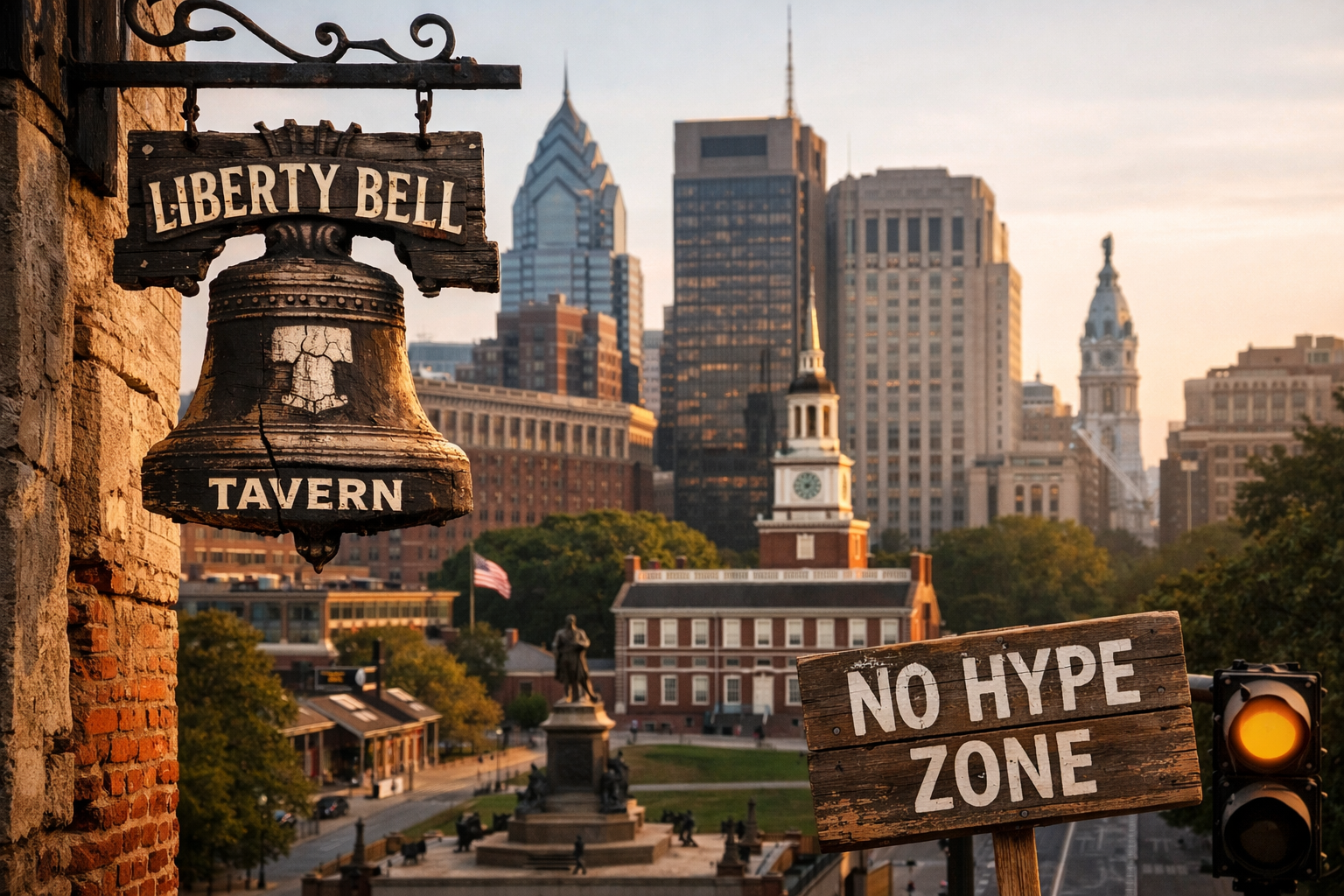
The Philadelphia Story: Why This City Has Always Been Allergic to Hype — And What That Means for Your Brand
Philadelphia was the most important city in America for the better part of a century. It wrote the Declaration of Independence, ratified the Constitution, hosted the nation's capital — and then watched all of it get redistributed to cities that were louder about wanting it. What you develop from that history isn't bitterness. It's a deep structural skepticism about claims that outrun the work behind them. Two hundred and twenty-five years later, that skepticism is still the most important thing to understand about building a brand in this market.
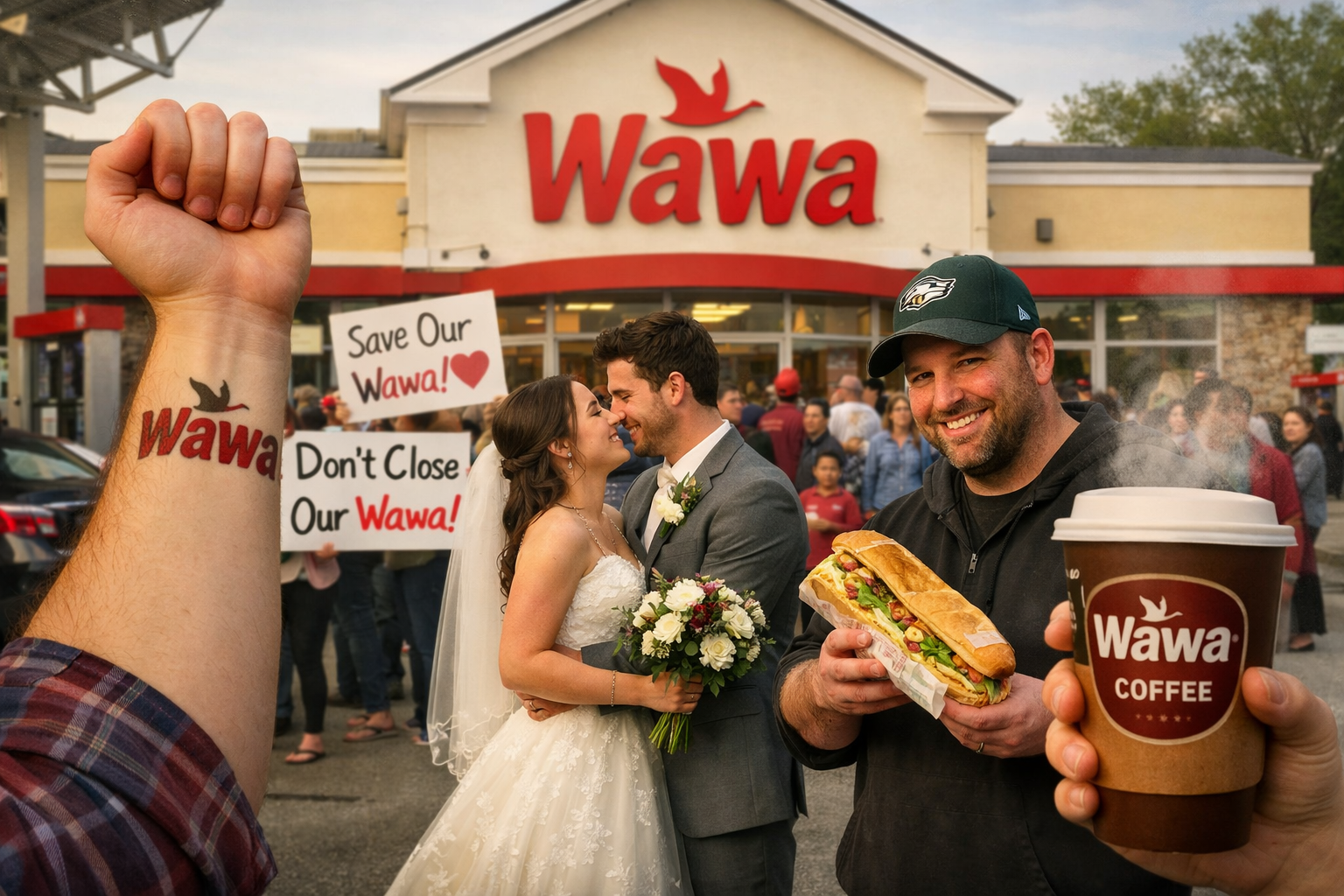
What Wawa Got Right That Most National Brands Never Will
There is no Wawa Super Bowl commercial. No celebrity endorsement deal. No influencer campaign. The company has been doing business in the Delaware Valley since 1964 and has grown not by buying attention but by earning it — one cup of coffee, one hoagie, one consistent interaction at a time. The result is something hundreds of millions of dollars in marketing budgets have tried and failed to manufacture: a customer base that protests when a location closes, gets the logo tattooed on their body, and holds their wedding at the store where they met. Here's what Wawa actually got right — and what it means for your business.
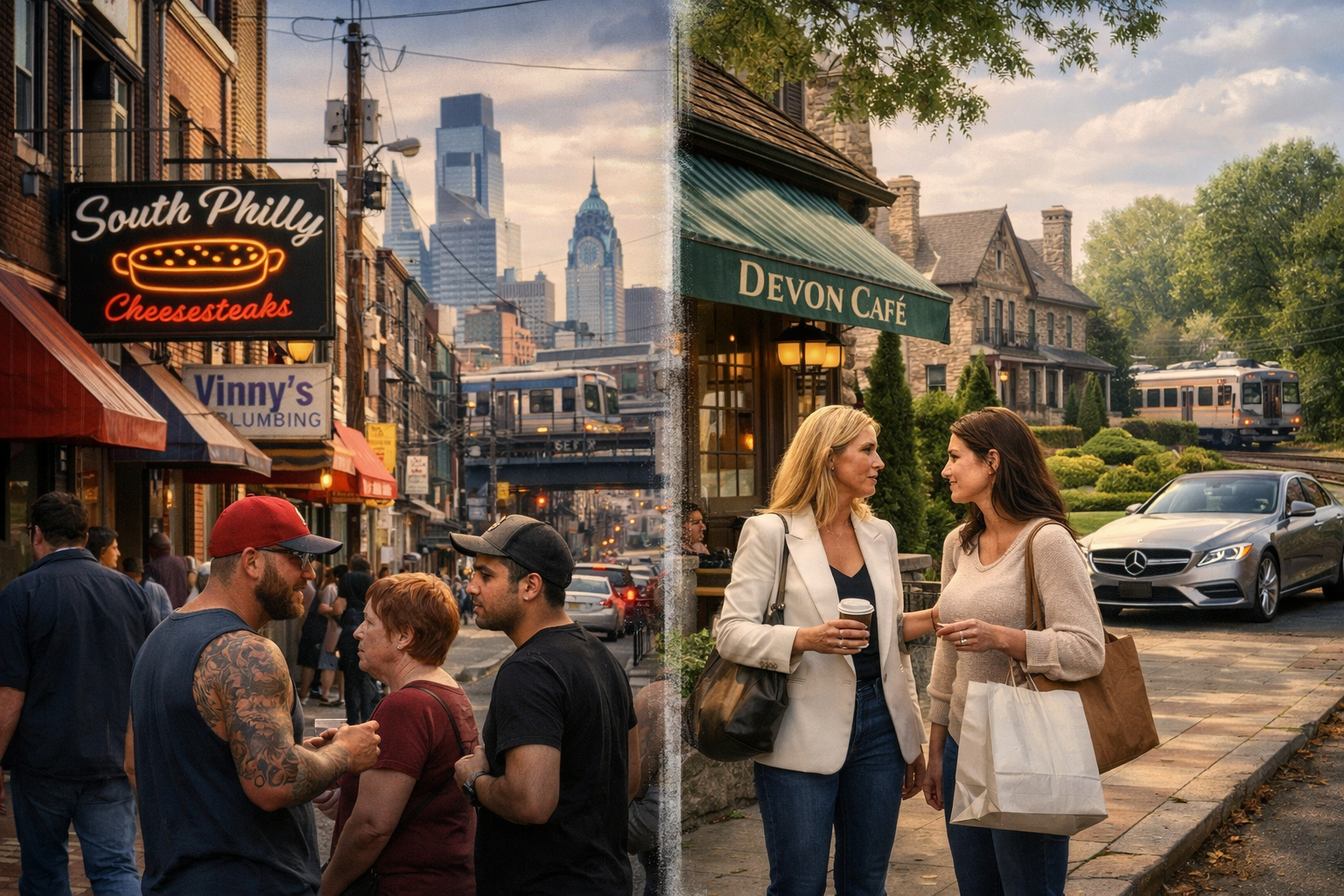
South Philly vs. The Main Line: Two Completely Different Approaches to the Same Whisper Network
They're separated by twelve miles, a train ride, and roughly three tax brackets. But South Philadelphia and the Main Line operate on the same fundamental principle: the best businesses don't advertise — they get recommended. The mechanism is identical. The texture is completely different. And if you run a business in either market, understanding that difference is the difference between a digital strategy that actually works and one that quietly misses the room it's supposed to reach.