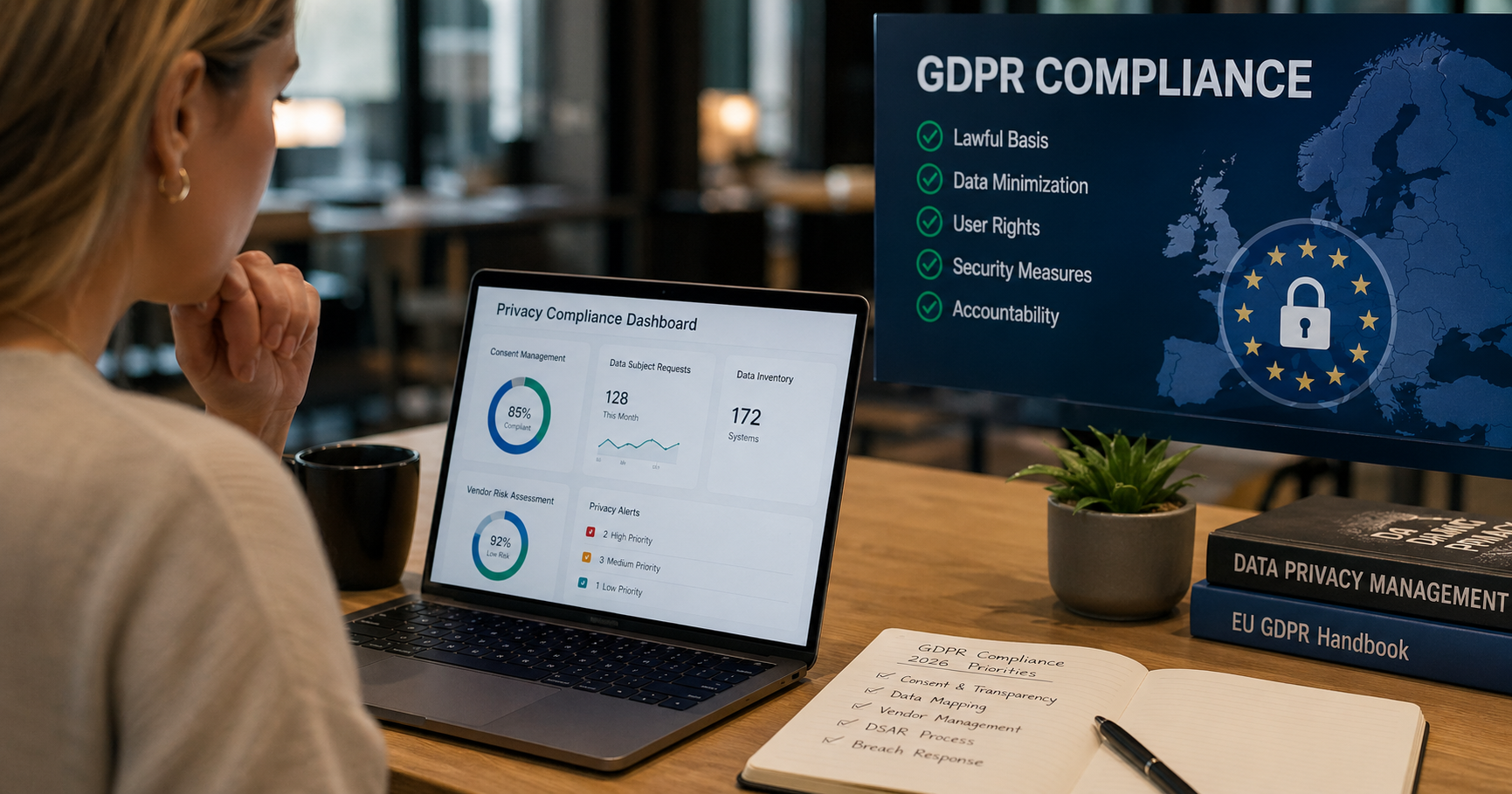
What GDPR Compliance Looks Like for US Companies in 2026 — And What Smart Marketers Are Doing About It
For years, the standard American business response to GDPR was some version of: "That's a European thing. We're fine." In 2026, that position is no longer defensible. With over 20 US state privacy laws in effect, coordinated enforcement sweeps targeting marketing-specific violations, and cumulative GDPR fines surpassing $5.88 billion globally, data privacy compliance has become a core operational requirement — not a legal department checkbox. Here's what it actually looks like, what regulators are actively targeting, and what smart companies are doing to stay ahead of it.
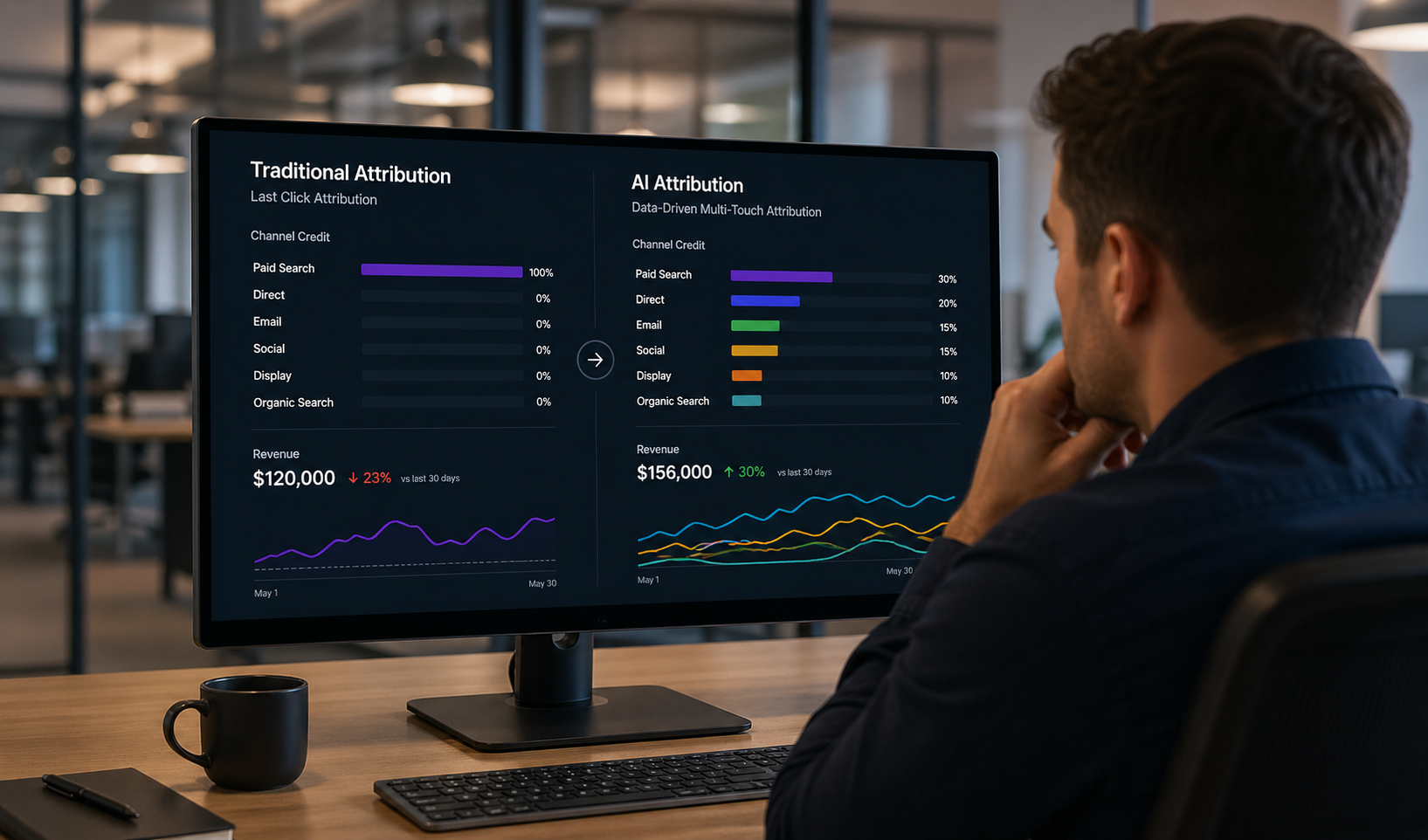
Why Marketing Attribution Is Broken — And How AI Fixes It
Ask any marketing team where their best customers come from and you'll get a confident answer backed by data. In most cases, that answer is wrong. Traditional attribution models — last-click, first-click, even rules-based multi-touch — were built for a buyer journey that no longer exists. They credit what's trackable, ignore what's influential, and systematically misdirect budgets at scale. AI attribution doesn't just offer a better version of the same approach. It changes the methodology entirely — from counting touches to understanding influence. Here's what's broken, why it matters, and how AI fixes it.
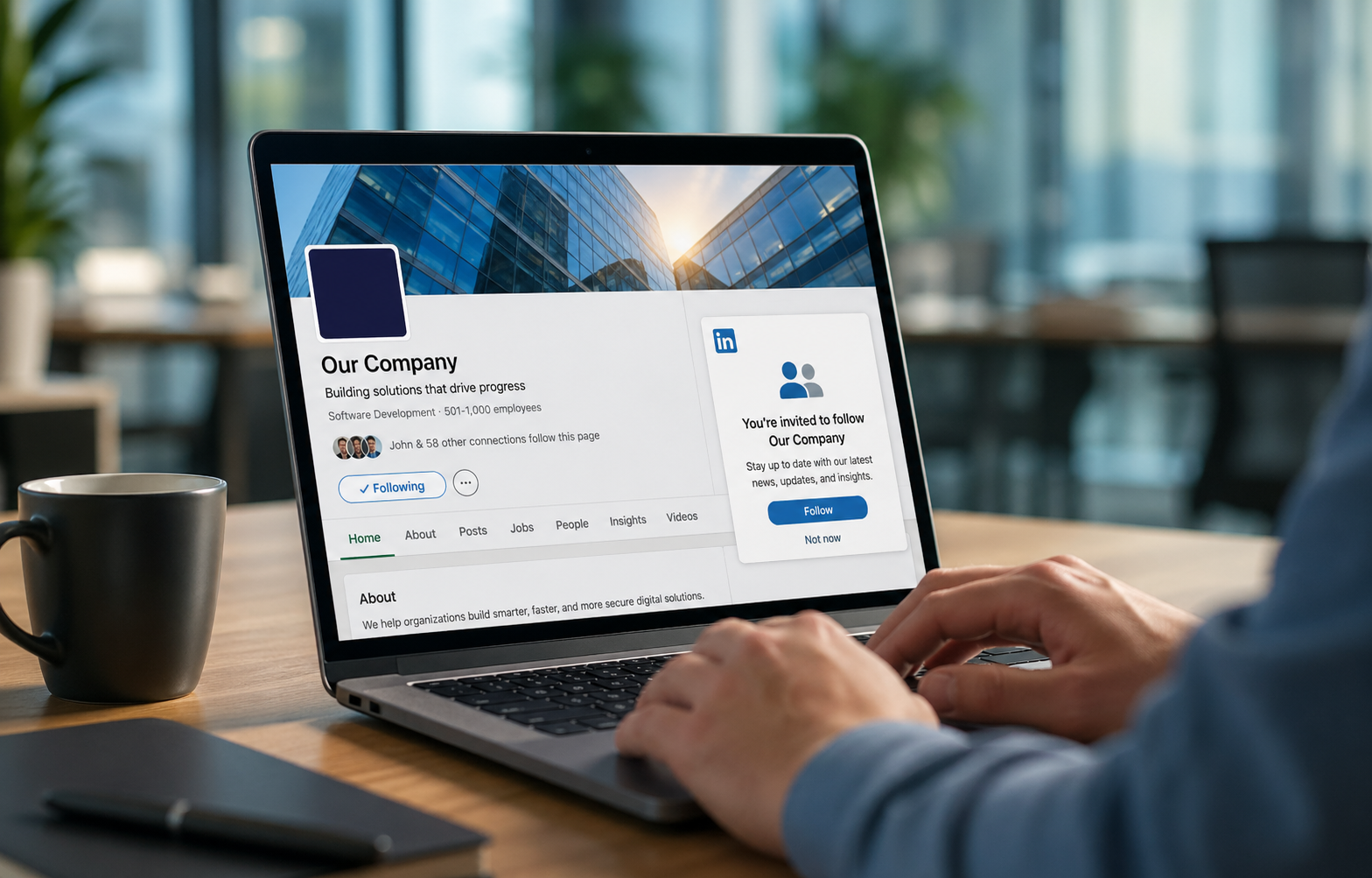
Why Every LinkedIn Company Page Needs the Auto-Invite Feature Turned On Right Now
Every time someone reacts to, comments on, or shares your LinkedIn company page content, they're raising their hand. Without the auto-invite feature, that warm signal disappears the moment they scroll away. With it turned on, they get an automatic follow invitation while your content is still fresh in their mind — no credits used, no manual effort required. LinkedIn says it can grow your followers 6.7x faster. Here's everything you need to know about the feature and why leaving it off is one of the most common and costly mistakes on the platform.
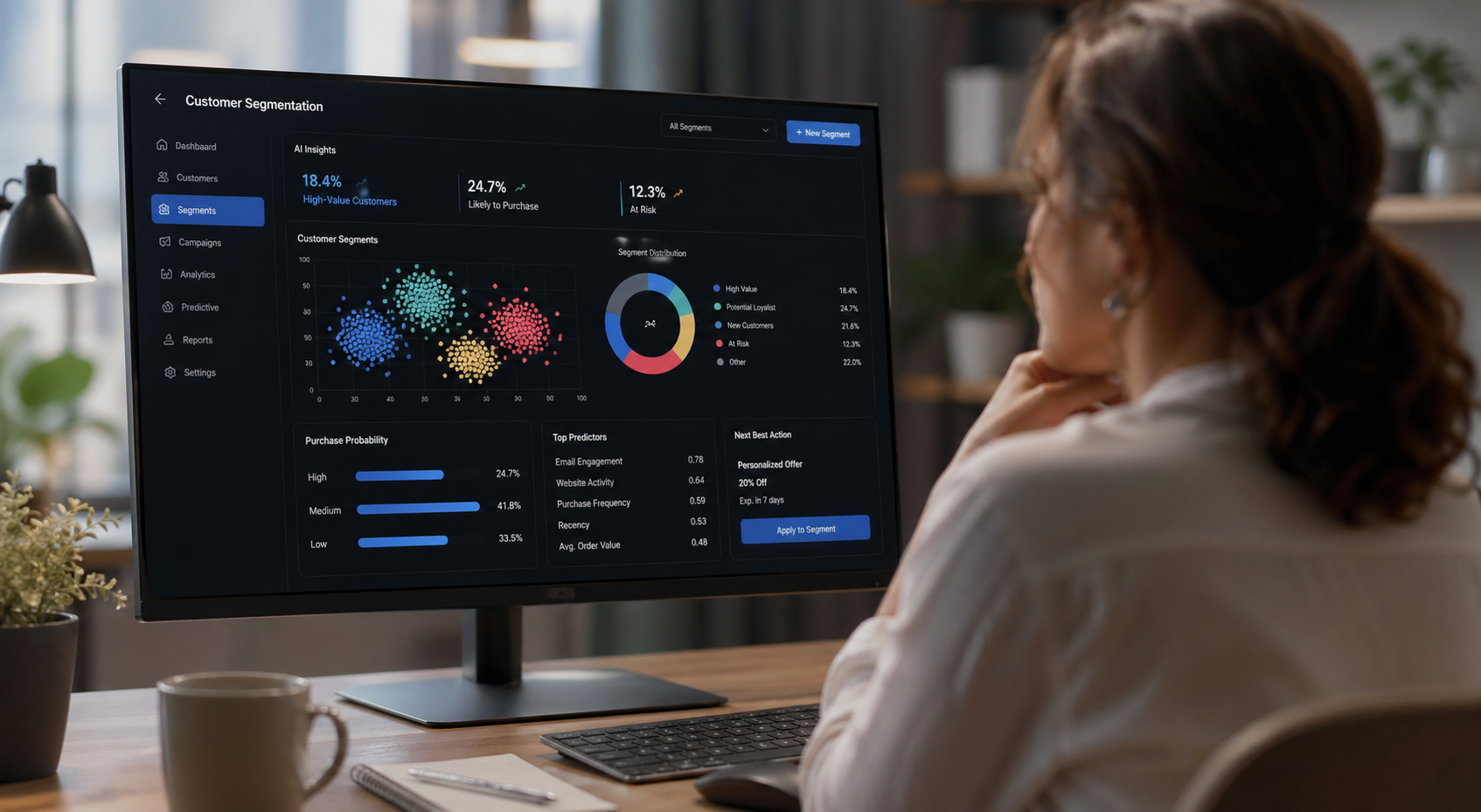
How AI Customer Segmentation Finds Buyers You Never Knew You Had
Your most valuable future customers might already be in your database — browsing your site, opening your emails, and buying occasionally. But traditional segmentation is too blunt to find them. AI customer segmentation uses machine learning to scan hundreds of behavioral signals at once, surface hidden buying patterns, and identify your next best customer before they ever raise their hand. Here's how it works and what it means for your business.

What Is a Domain Name Server? A Plain-English Guide for Business Owners
Every time someone types your website address into a browser, a chain of lookups and translations happens in under a second — and most business owners have no idea it's occurring. That system is called DNS, and understanding it isn't just for tech people. It affects your website speed, your email delivery, your uptime, and your security. Here's everything you need to know in plain English.

What Hitting 5,000 Followers on LinkedIn Actually Signals About Your Personal Brand
Most people treat their LinkedIn follower count as a vanity metric. The professionals winning new business from the platform know it's something else entirely — it's social proof, market validation, and a trust signal that does your selling before you ever get on a call. Here's what crossing 5,000 followers actually communicates, and why it matters more than you think.
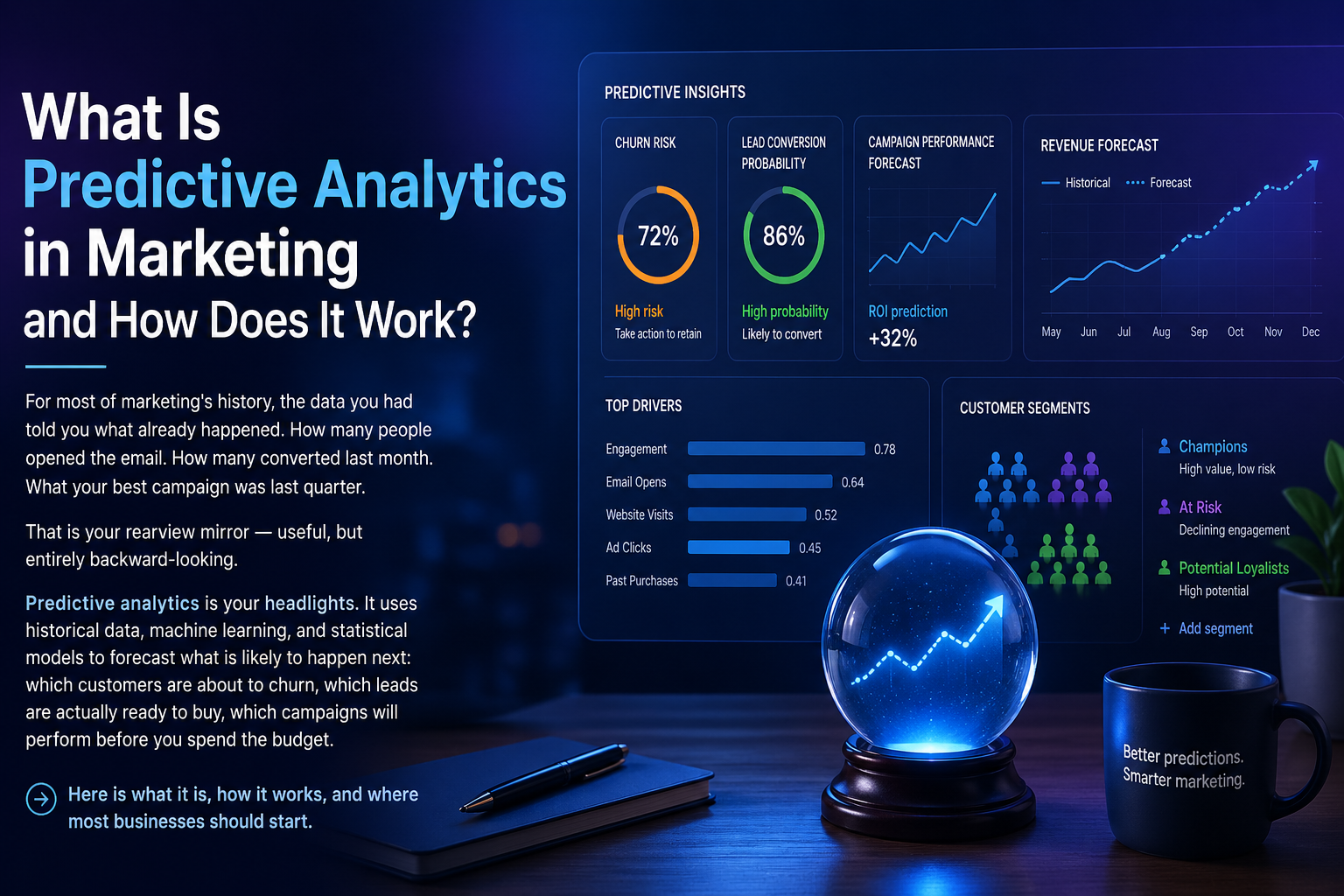
What Is Predictive Analytics in Marketing and How Does It Work?
For most of marketing's history, the data you had told you what already happened. How many people opened the email. How many converted last month. What your best campaign was last quarter. That is your rearview mirror — useful, but entirely backward-looking. Predictive analytics is your headlights. It uses historical data, machine learning, and statistical models to forecast what is likely to happen next: which customers are about to churn, which leads are actually ready to buy, which campaigns will perform before you spend the budget. Here is what it is, how it works, and where most businesses should start.
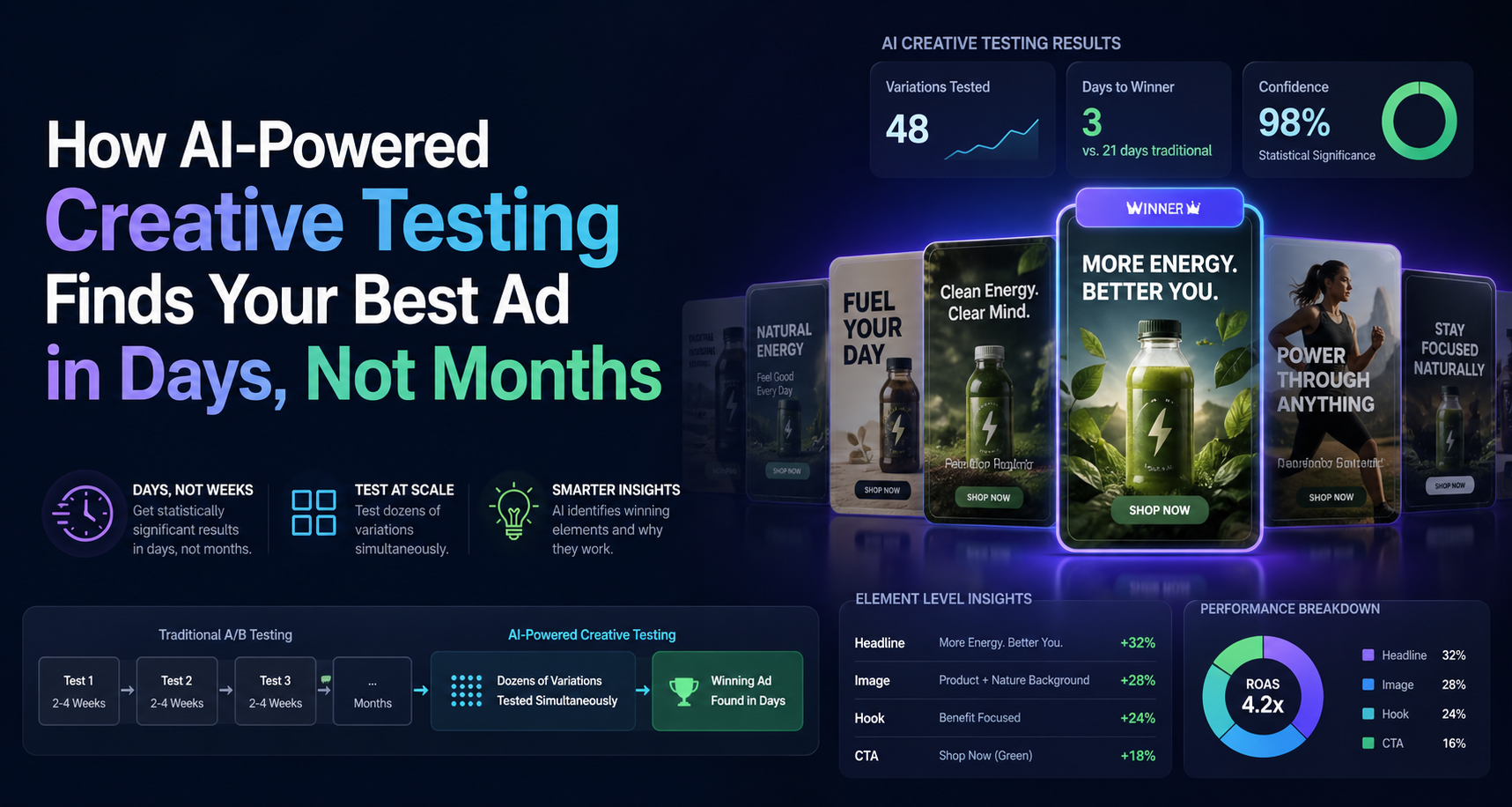
How AI-Powered Creative Testing Finds Your Best Ad in Days, Not Months
There is a math problem at the center of advertising creative that most businesses have never fully solved. You know different headlines, images, and hooks perform differently. You know the only way to find what works is to test. But testing takes time — two to four weeks per test, one variable at a time, running sequentially. By the time you have an answer, the market has moved. AI-powered creative testing changes all three constraints simultaneously: it runs dozens of variations at once, surfaces statistically significant winners in days rather than weeks, and generates element-level intelligence that traditional A/B testing was never designed to produce.
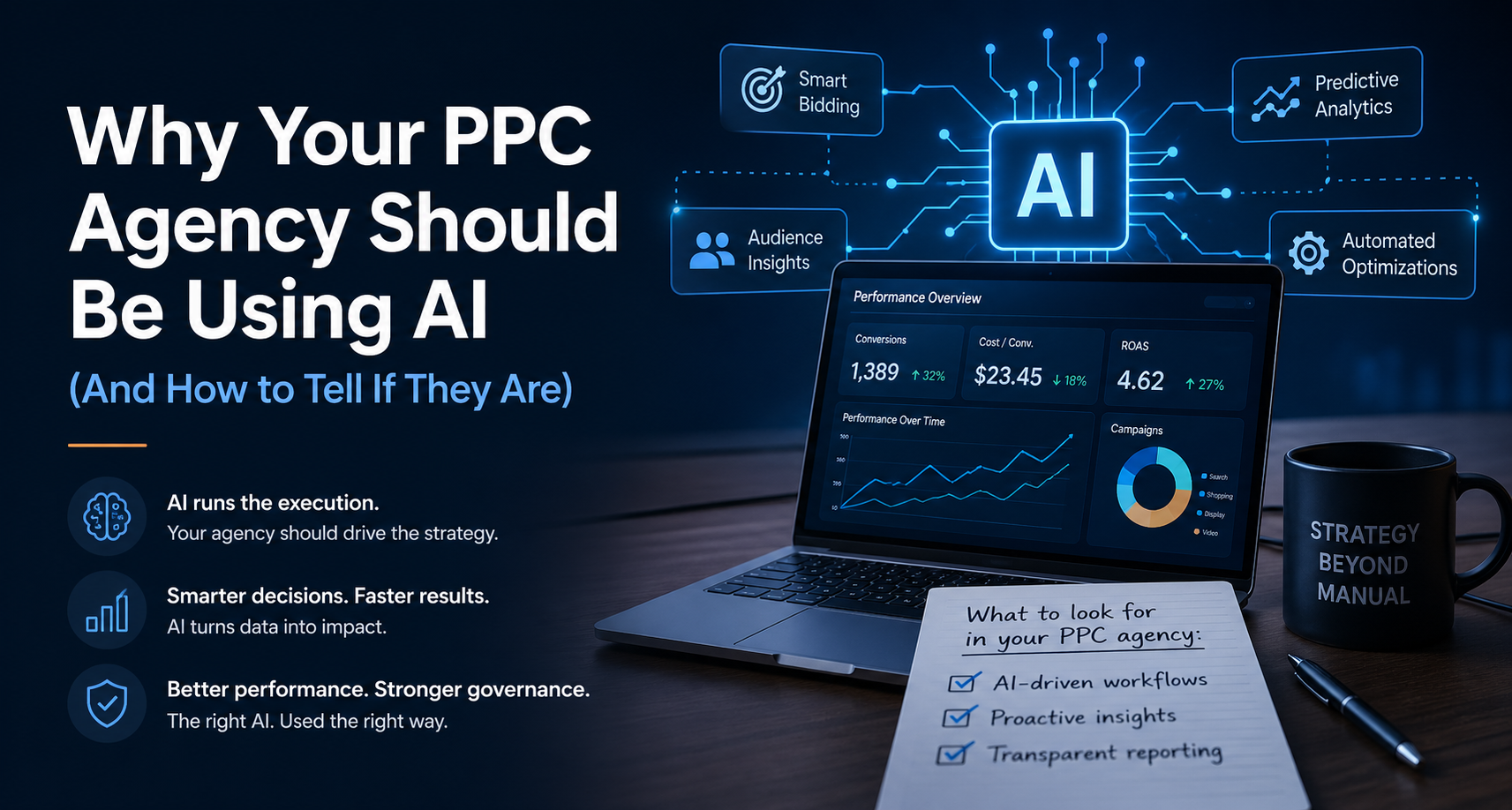
Why Your PPC Agency Should Be Using AI (And How to Tell If They Are)
When most businesses hire a PPC agency, they are buying expertise, time, and access. For most of the past decade, that value proposition held up. The knowledge gap between a skilled agency and an amateur was real and meaningful. That gap has not disappeared — but it has fundamentally shifted. 53% of PPC professionals say their work is harder today than two years ago. The platforms are more automated, more opaque, and faster-moving than any human team can match without AI. The agencies navigating this environment well are not the ones with the most manual bidding experience. They are the ones that know how to configure, govern, and extract strategic value from the AI systems that now control most of the execution layer. Here is how to tell whether yours is one of them.
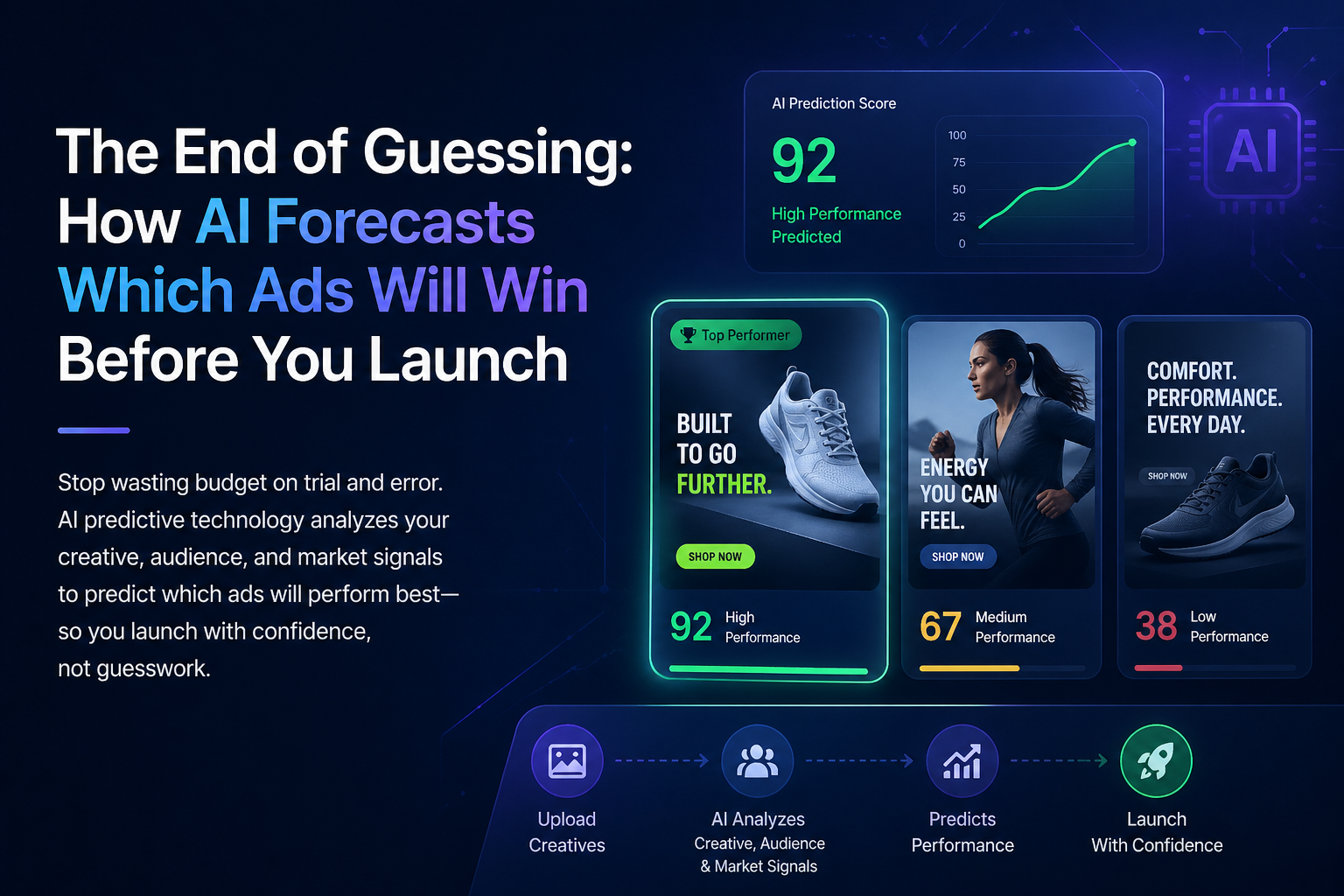
The End of Guessing: How AI Forecasts Which Ads Will Win Before You Launch
You have spent time developing a campaign. The creative looks sharp. The copy feels right. You hit launch — and then you wait. Forty-eight hours of refreshing the dashboard, hoping the instinct that guided your creative decisions turns out to be correct. Sometimes it is. More often, you discover which headline was wrong, which image was not converting, and which variation you almost cut is quietly outperforming everything else. By the time you know this, you have already spent real budget finding it out. AI creative prediction is designed to eliminate that cost. Here is how it works.
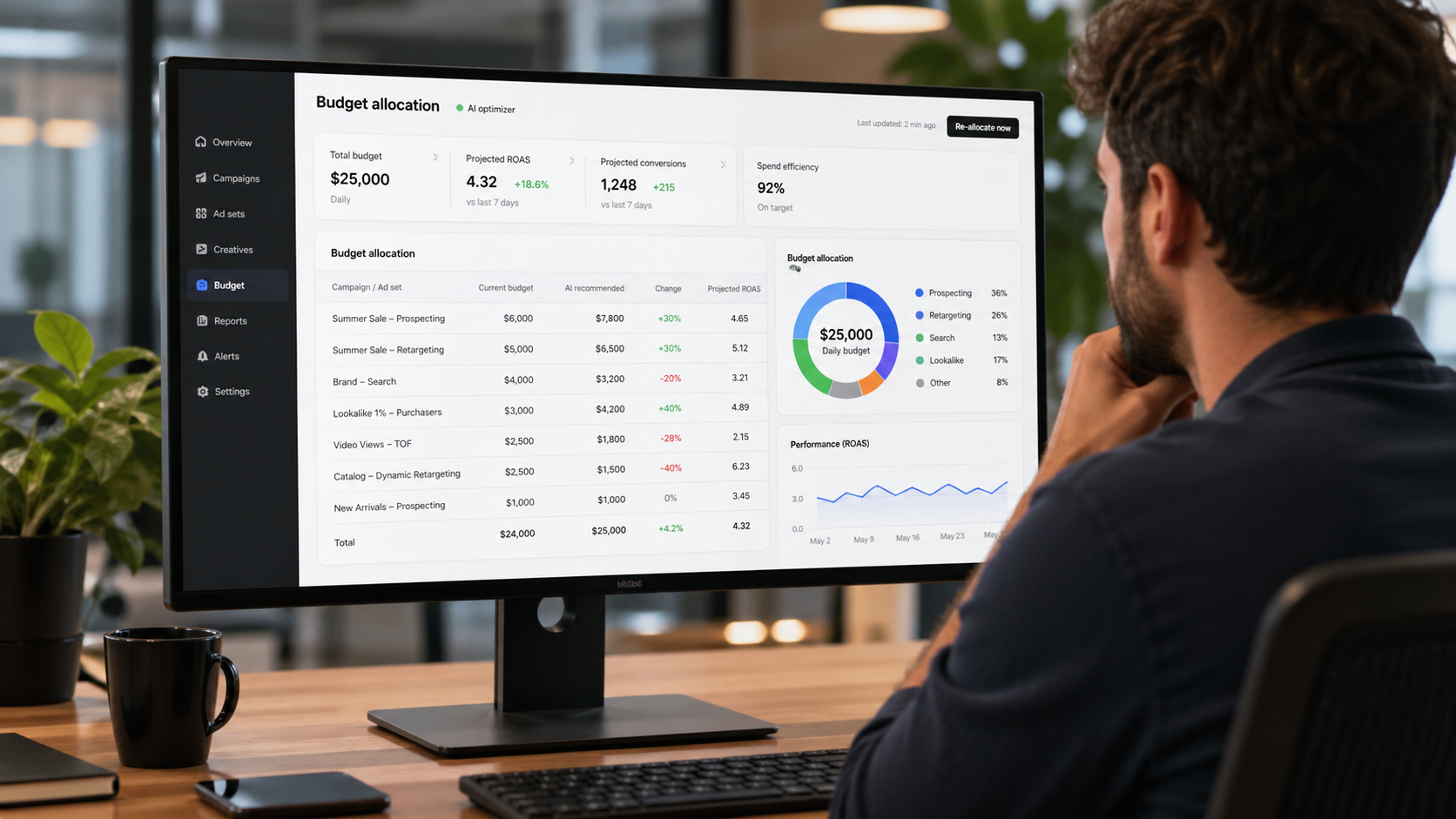
How to Let AI Automatically Allocate Your Ad Budget for Better ROI
Every week, businesses running paid ads face the same problem. A campaign that was converting well last Tuesday is underperforming today. Another ad set is burning through budget on clicks that never convert. A third runs out of money by noon and misses the evening traffic window where half the day's conversions happen. The traditional fix is a manual review — shift some budget, adjust some bids, hope it holds until next week. The problem is that Google and Meta's auction systems change thousands of times between each human check-in. Here is how AI budget allocation closes that gap, and how to set it up so it actually works.

Why Your Website's Search Bar Can't Find Your Own Content (And How to Fix It)
You publish a blog post. You want to share it with a client. So you go to your own website, type the full title into the search bar — and nothing comes up. You try one word from the title and there it is immediately. The post exists. The search bar knows your website. But it could not find the thing you were looking for when you asked for it directly. This is not a bug. It is how most website search functions work by default — and it is quietly making your content invisible to the people most likely to want it.
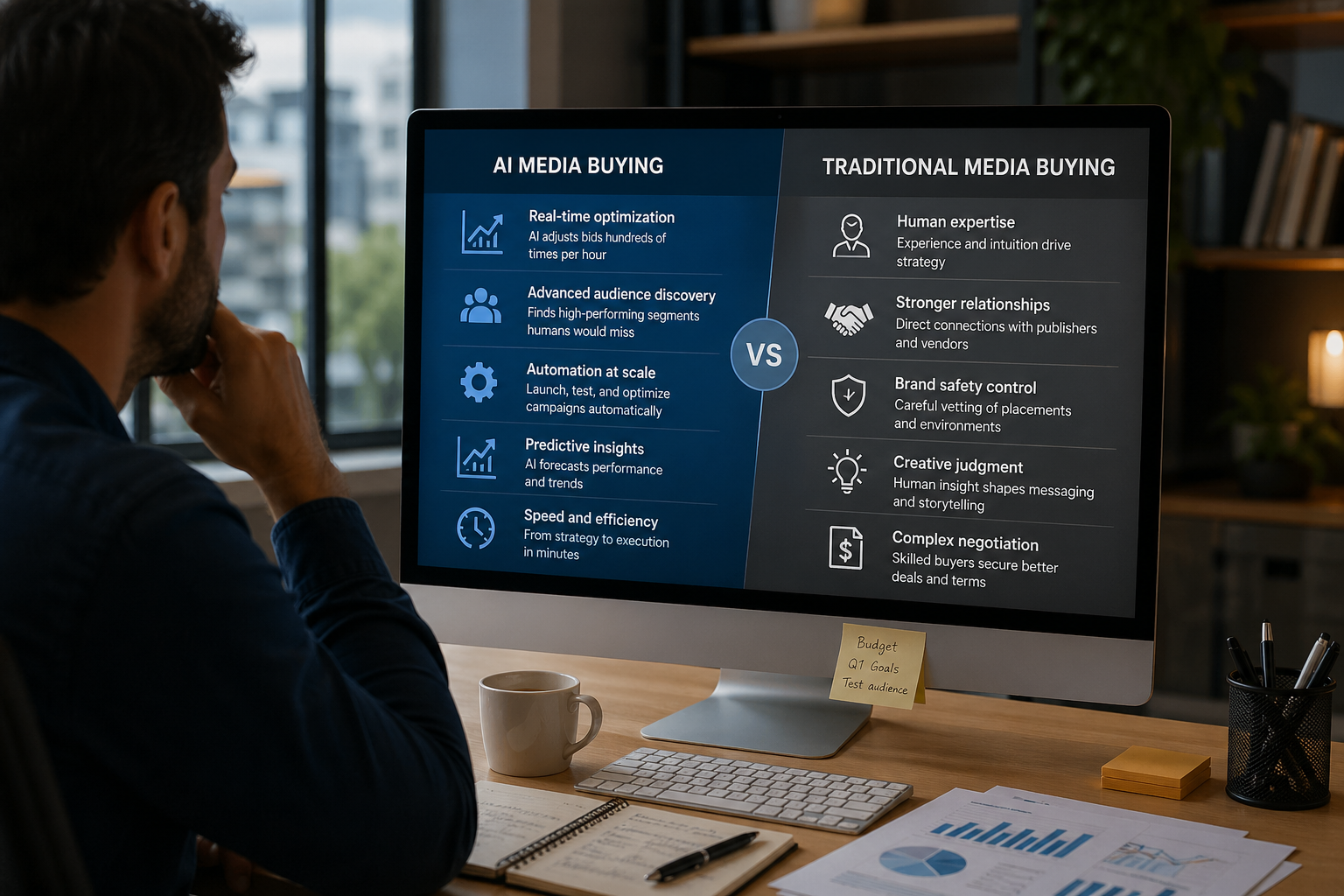
AI Media Buying vs. Traditional Media Buying: A Head-to-Head Breakdown
Global ad spend is expected to exceed $1 trillion in 2026, and the way those dollars get placed has changed permanently. AI systems now adjust bids hundreds of times per hour, discover audience segments no human buyer would identify, and in some cases generate entire campaigns from nothing more than a URL. But the same platforms reporting record AI performance numbers are also the ones defining how that performance gets measured. Here is an honest breakdown of where AI media buying wins, where traditional buying still holds the edge, and what the right balance looks like for your business.
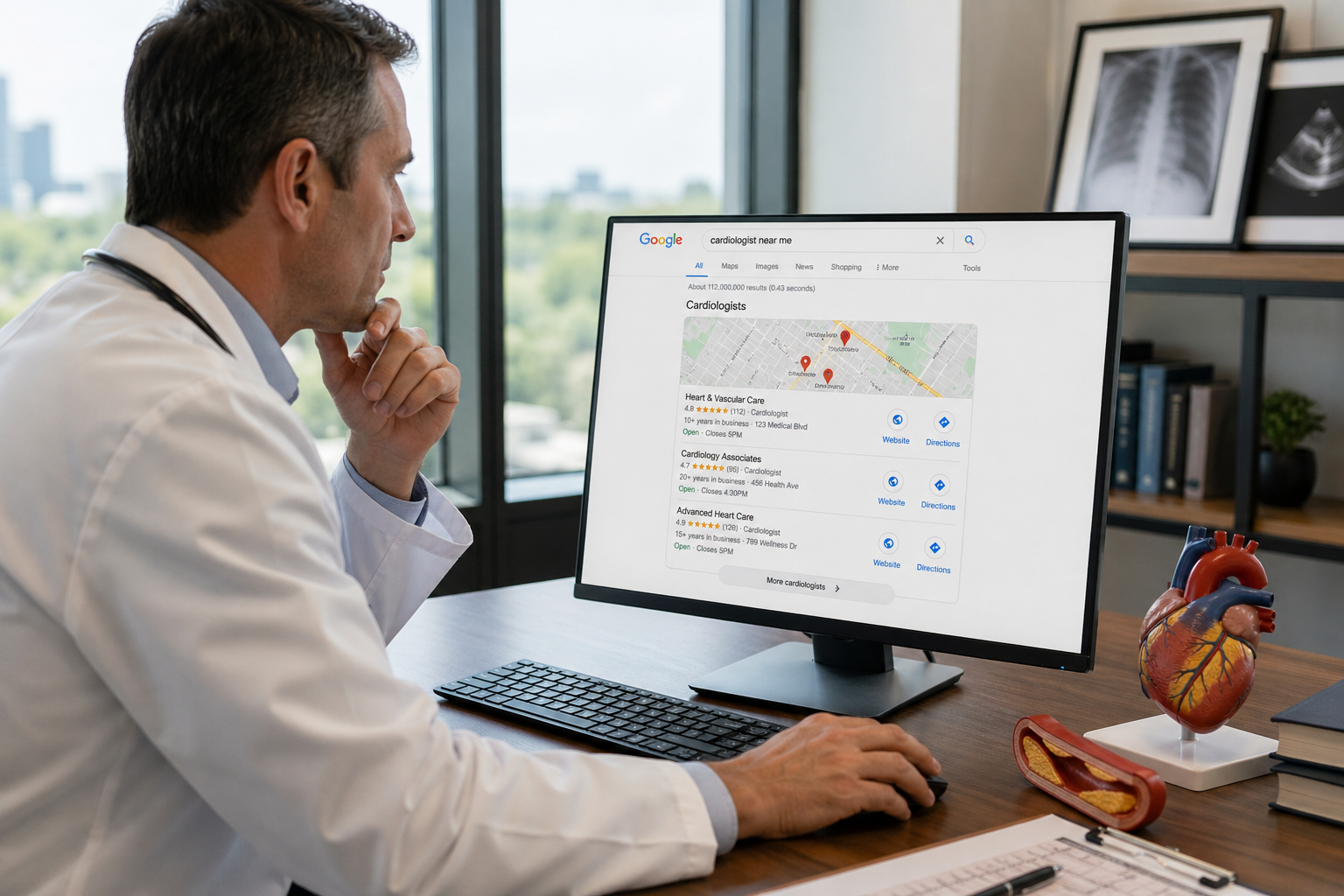
SEO for Cardiologists: The Complete Guide to Getting Found by Patients in 2026
The referral-only era for cardiologists is fading. Patients who receive a referral now routinely Google the recommended cardiologist before confirming the appointment — and they frequently switch providers based on what they find. Meanwhile, a growing share of cardiac patients are searching for specialists directly, without any referral at all. If your practice is not visible in local search results, you are invisible to the majority of patients who are actively looking for cardiac care right now. Here is everything your practice needs to know about SEO in 2026.
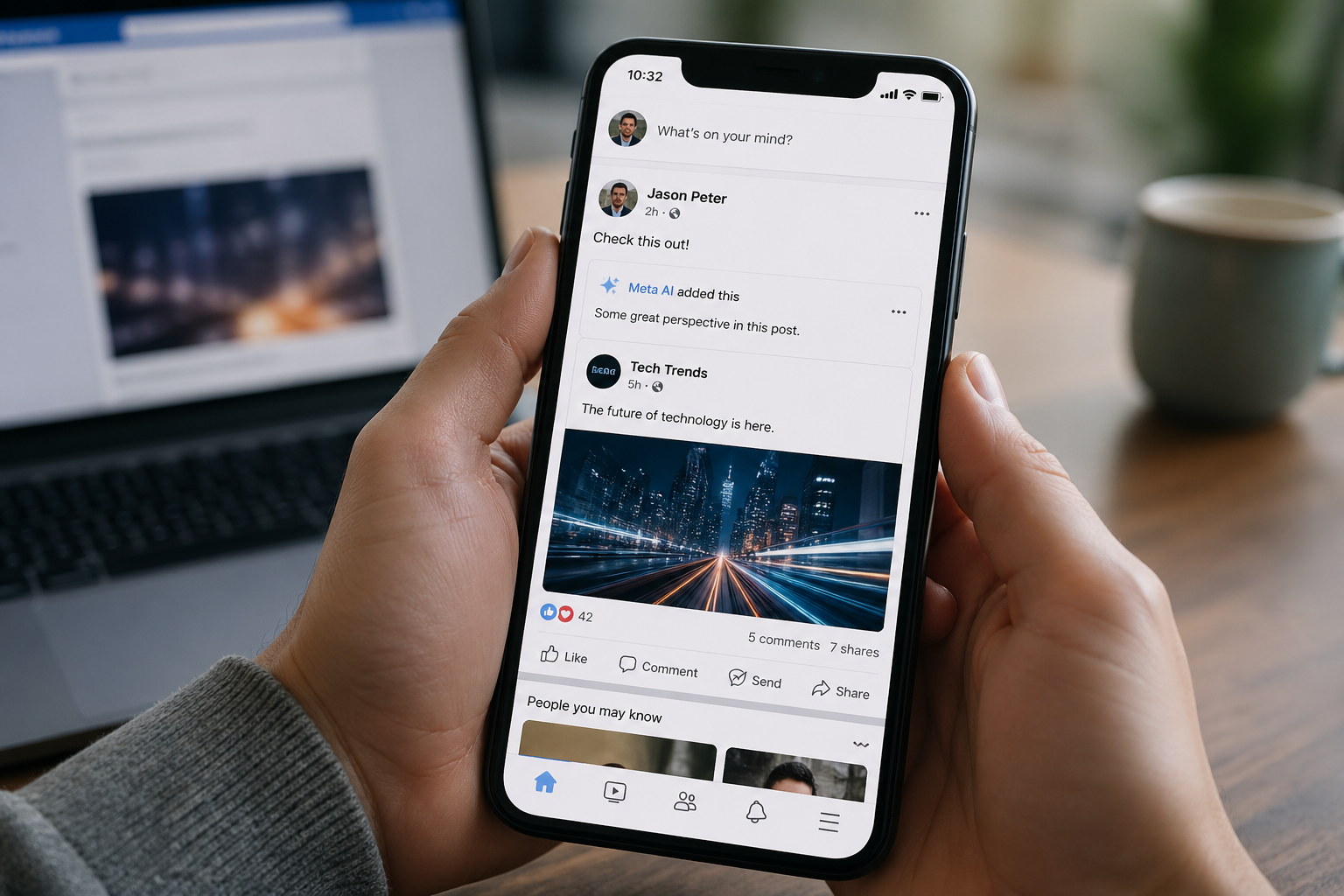
Meta AI Is Writing on Your Posts — Whether You Asked It To or Not
You shared a post on Facebook. You added your own caption — or maybe nothing at all — and hit publish. Then you looked at what actually went live. There was text you did not write. A phrase attached to your reshare that you never approved. Meta AI added it automatically, on your behalf, to your post. For individual users it is annoying. For businesses managing a brand, it is a content authenticity problem that needs to be addressed right now. Here is exactly what is happening and what to do about it.
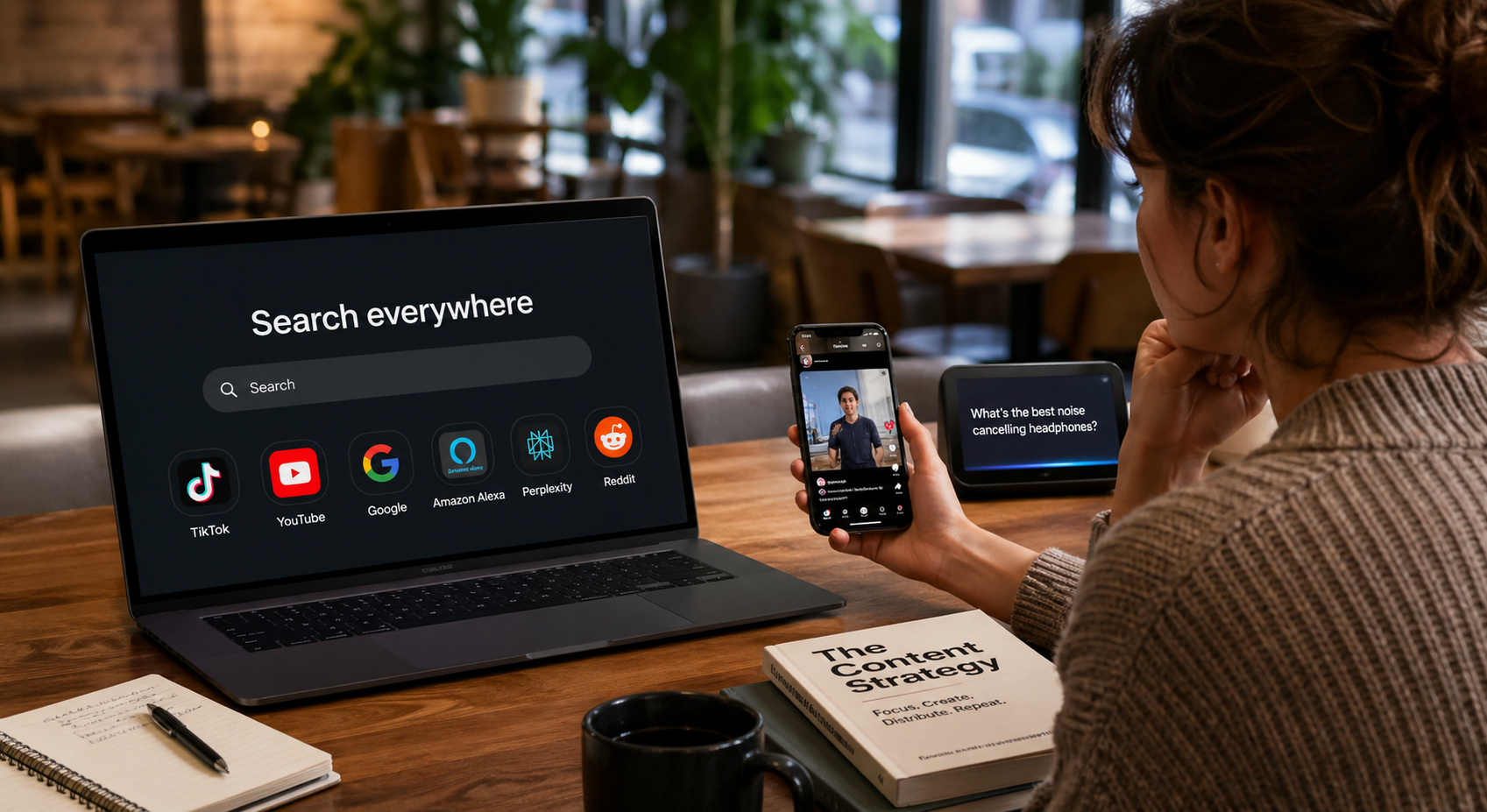
Why 2026 Is the Year of "Search Everywhere" Optimization
Search used to have a front door. You opened a browser, went to Google, typed a query, and clicked a link. That model is gone. In 2026, your customers are searching on TikTok, asking Alexa, querying Perplexity, validating decisions on Reddit, and watching YouTube — often before they ever see a traditional search results page. If your strategy is still built around one platform, you are optimizing for a search landscape that no longer exists. Here is what to do instead.
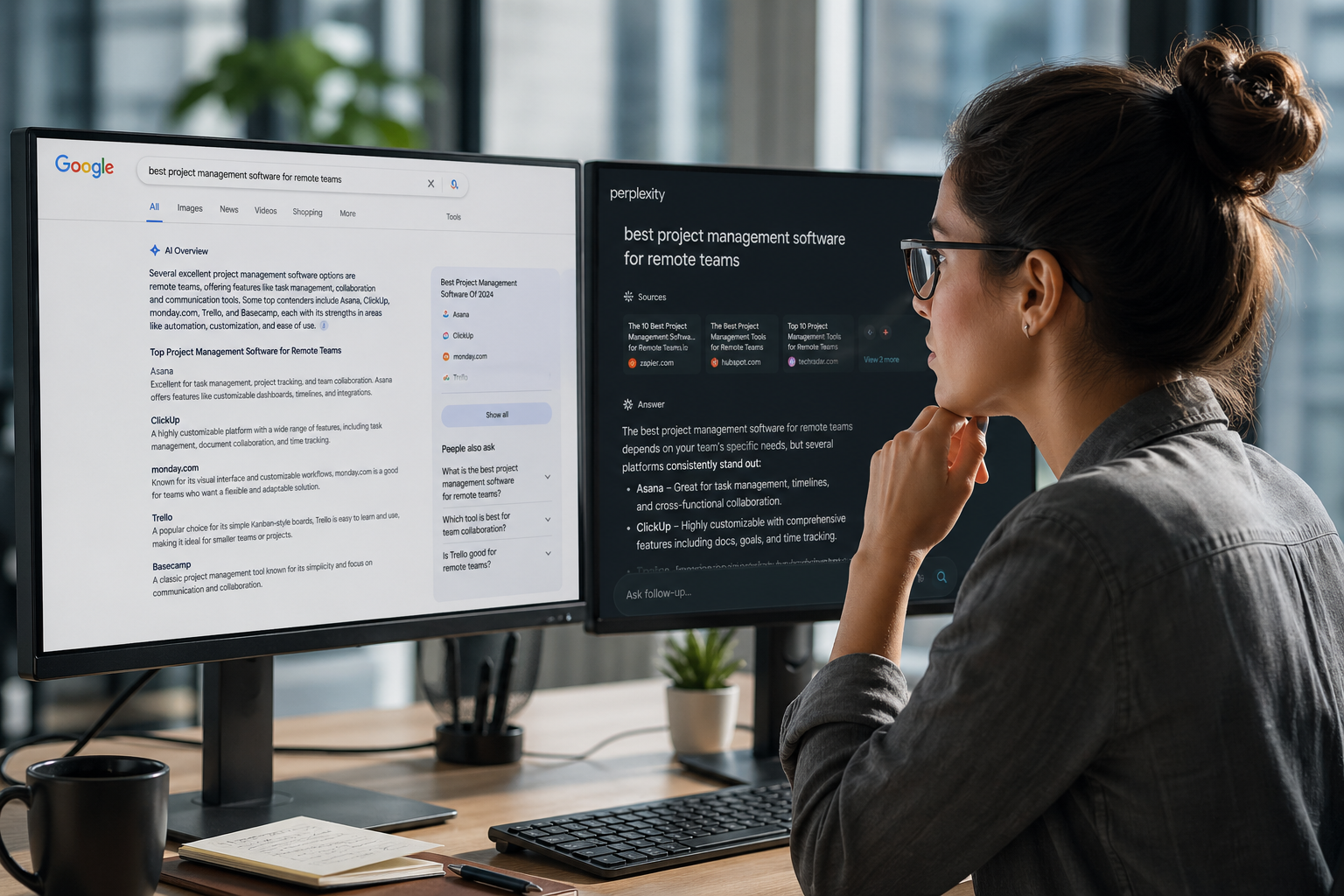
Bifurcated Search Strategy: Optimizing for Google AIO vs. Perplexity
For two decades, ranking on Google was the whole game. That era is over. In 2026, your customers are finding you — or not finding you — through platforms with fundamentally different architectures, different citation signals, and different content preferences. Google AI Overviews and Perplexity are not competing versions of the same tool. They are different systems that reward different strategies. Here's how to build one that works on both.
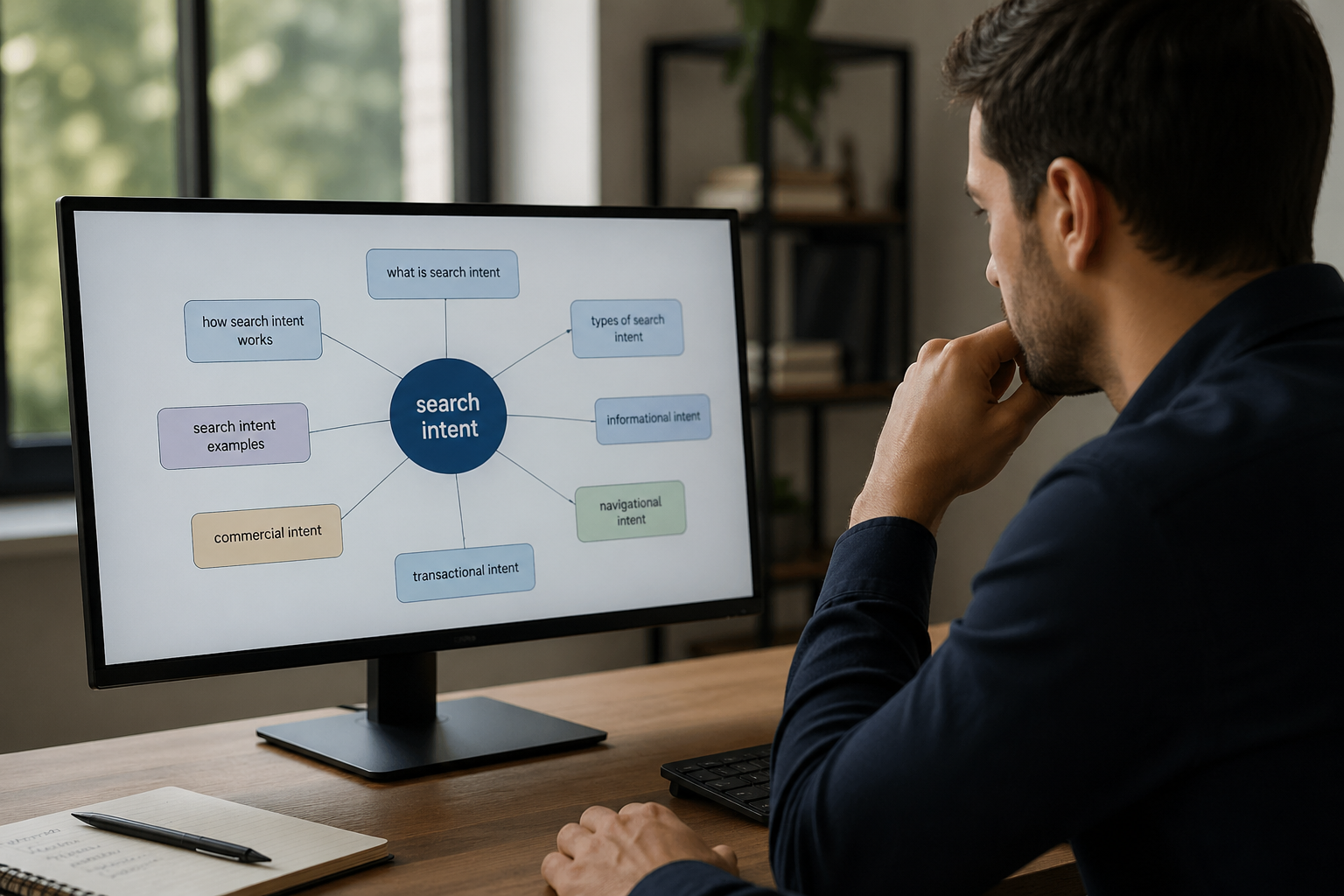
The Death of the Keyword: Why Semantic Intent is Your New North Star
There's a version of SEO that a lot of businesses are still running: find a keyword, repeat it in your headings, hit a word count, and wait for Google to reward you. It worked once. It doesn't anymore. The search engine that ranked pages based on keyword density has been replaced by one that reads content the way a human expert would — judging meaning, context, and intent. Here's what that shift means for your business and how to build a strategy that actually works in 2026.
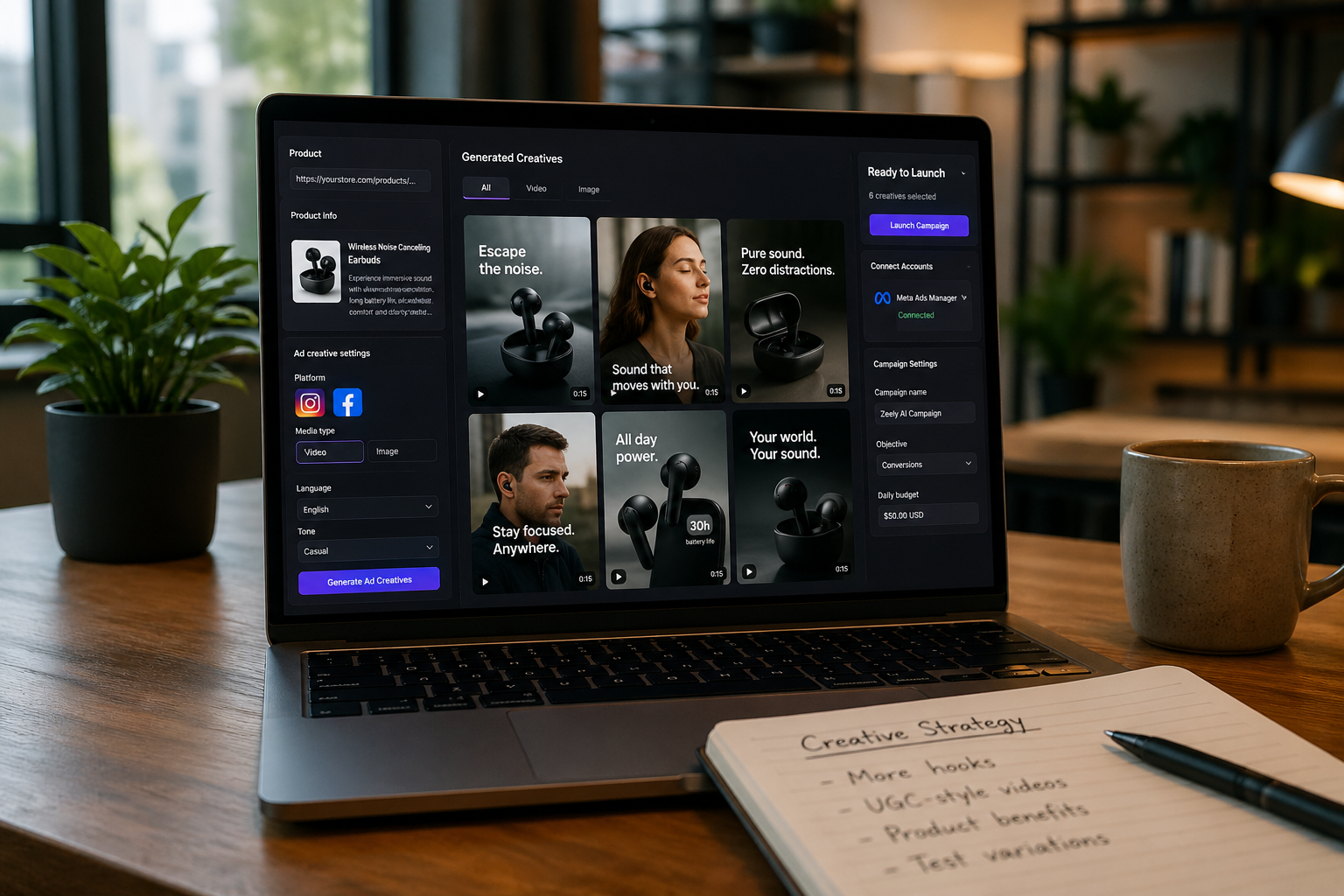
Why Zeely AI Is One of the Best AI Ad Creation Tools on the Market Right Now — and Why Our Clients Swear By It
We test a lot of AI tools. Most earn a "promising but not ready" verdict. Zeely AI earned something different — a permanent spot in how we build paid social campaigns for our clients. It turns a product URL into complete ad creative in minutes, connects directly to Meta Ads Manager to launch campaigns, and integrates the best AI video models available including Sora, Kling AI, and Google's Veo. The result: clients producing 3x more creative variations per month, cutting time-to-live-ad by 40%, and finding winning ads faster than they ever could with traditional production processes. Here's the full story on what Zeely is, how it works, and why it is one of the most practical AI marketing tools available right now.

Why New Domains Die in the Index Queue — and Why Checking Daily Is the Difference Between Weeks and Months of Lost Visibility
Most founders launching on a new domain assume that publishing good content is the hard part. It isn't. The hard part is that Google limits manual indexing requests to roughly 10 to 12 URLs per day per account — and for new domains with almost no crawl budget, missing even a single daily quota window is capacity you can never get back. Without someone checking for index windows every single day and submitting priority content the moment the quota resets, your published content can sit invisible in the "Discovered — currently not indexed" queue for weeks. Multiply that across a full content launch, and you are looking at a go-to-market timeline that is two to four months longer than it needed to be.