Why Philly Contractors Build Generational Businesses on Zero Advertising (And What That Actually Takes)
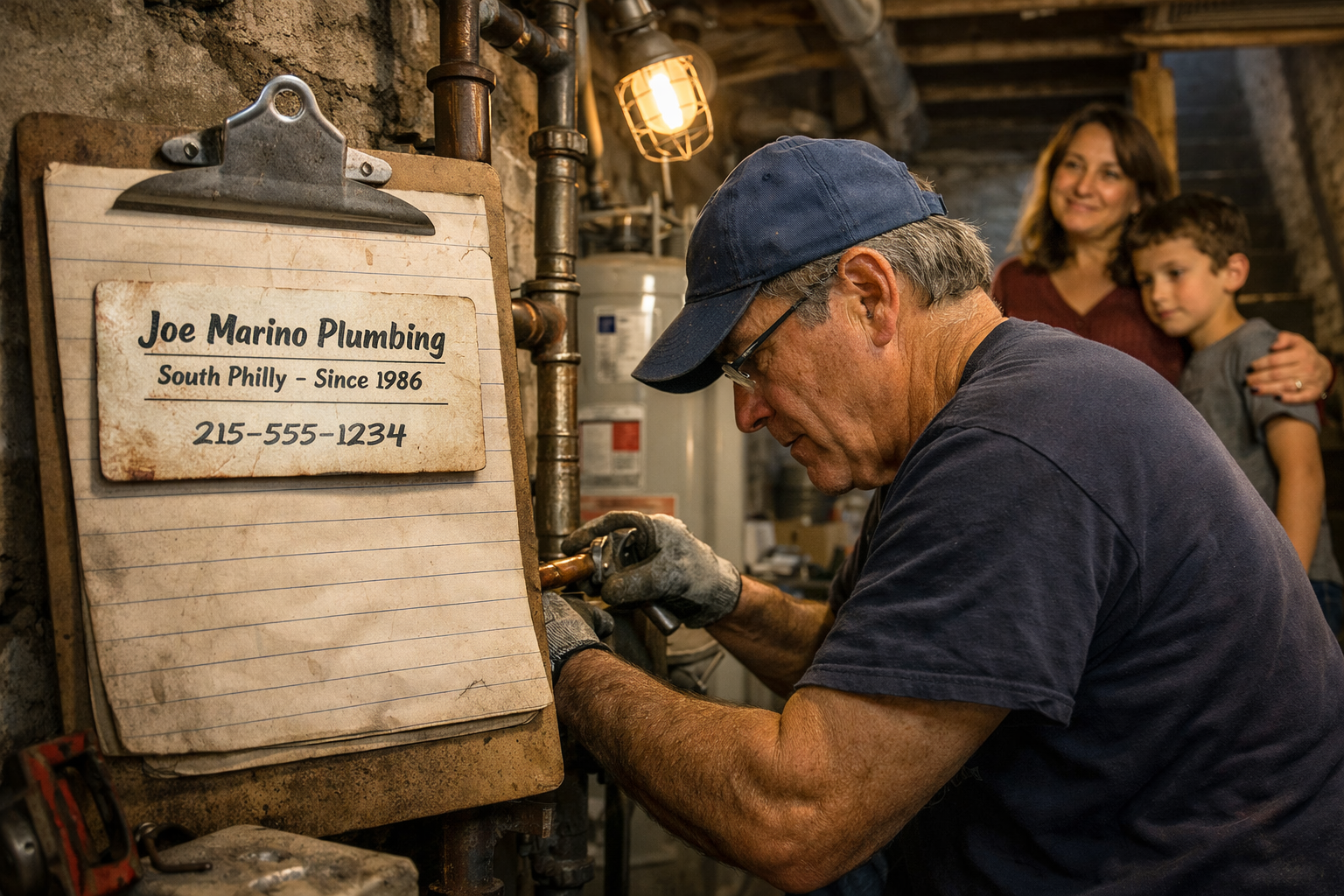
There is a plumber in South Philly who has been doing the same work, in the same neighborhoods, for the same families, for thirty-five years. No website. No Google Business Profile. Not on Angi or Thumbtack. His phone number lives in the contact lists of roughly four hundred households, passed from parent to child the way heirlooms are passed. His schedule has been full for twenty years. This is not a unicorn story. This is how the trades have worked in Philadelphia's tight row home neighborhoods for as long as there have been row homes and tradespeople to fix them. Here's what it actually takes — and where the model hits its ceiling.
The Italian Market Didn't Need a Brand Strategy. It Was One.
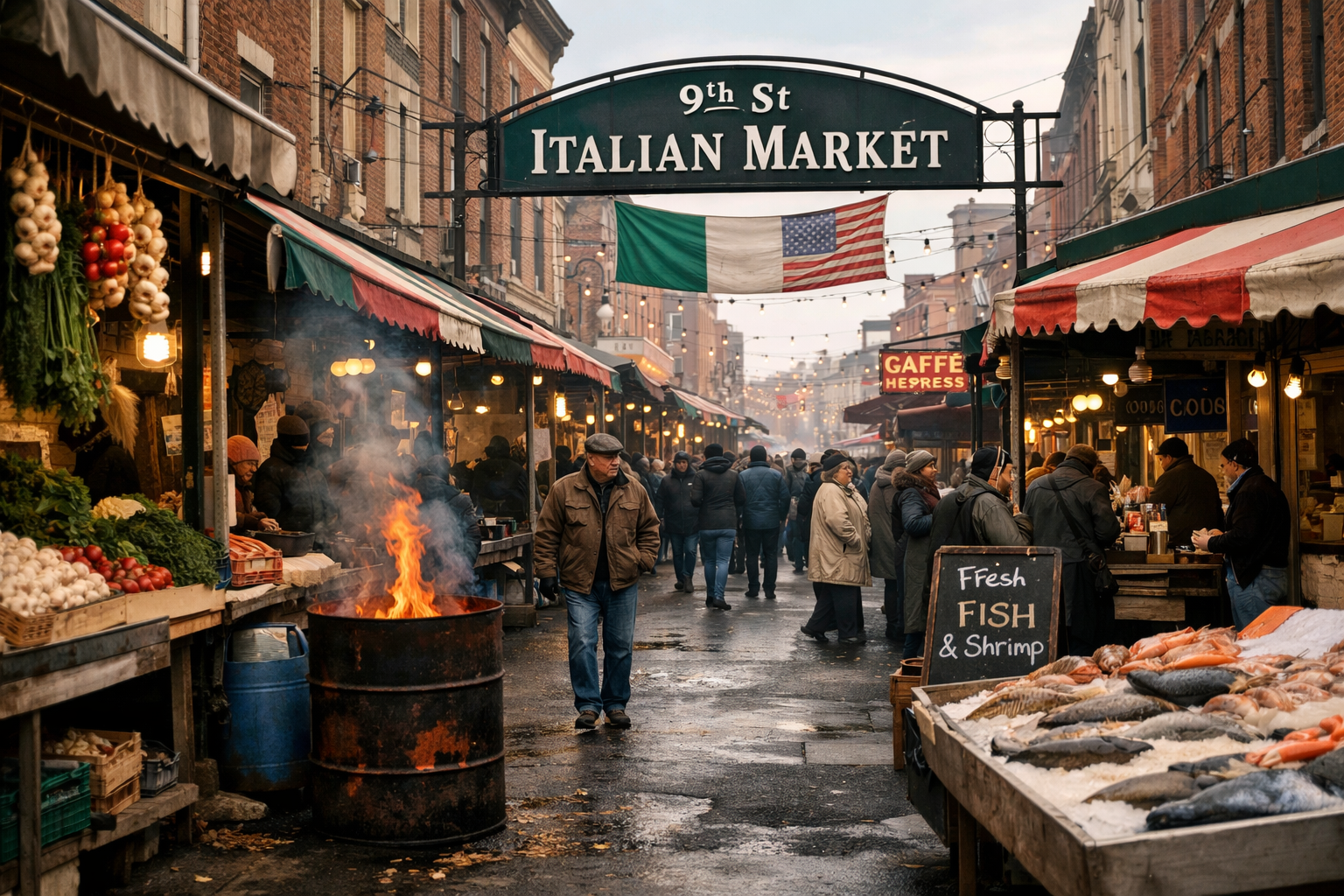
There is no unified logo for the Italian Market. No brand guidelines, no color palette, no approved font. No marketing department coordinates the messaging. There are awnings, burn barrels in winter, and the smell of herbs and spices and fresh seafood and ground coffee layered together in a combination that exists nowhere else on earth. None of it was designed. All of it is real. And 140 years of genuinely real commerce on a specific half-mile of South Philadelphia has produced something that no brand strategy could have manufactured — and that no amount of money can replicate.
Reading Terminal Market and the Power of Earned Scarcity
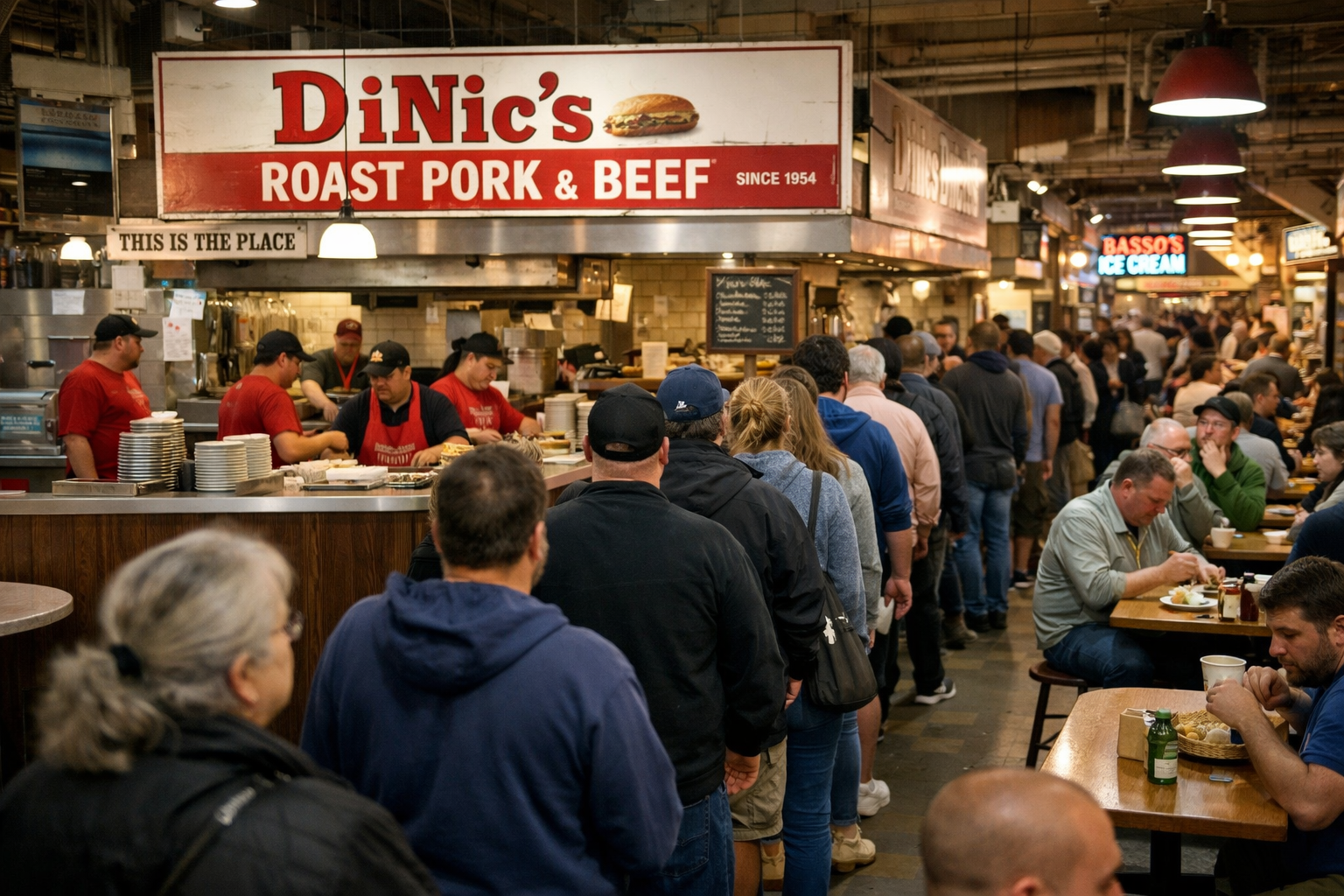
On a Tuesday morning at 11am, there is a line at DiNic's. Not a polite, two-person line. A real line — the kind that snakes past neighboring stalls, past people eating at communal tables, past tourists reconsidering their priorities. DiNic's has no Instagram campaign, no loyalty app, no influencer partnership. There is a counter, a family recipe, and a line that has been forming at roughly the same hour for forty-five years. The line is the advertisement. Here's what 130 years of Reading Terminal Market teaches every business about quality, consistency, and the only kind of scarcity that actually compounds.
The Philadelphia Story: Why This City Has Always Been Allergic to Hype — And What That Means for Your Brand
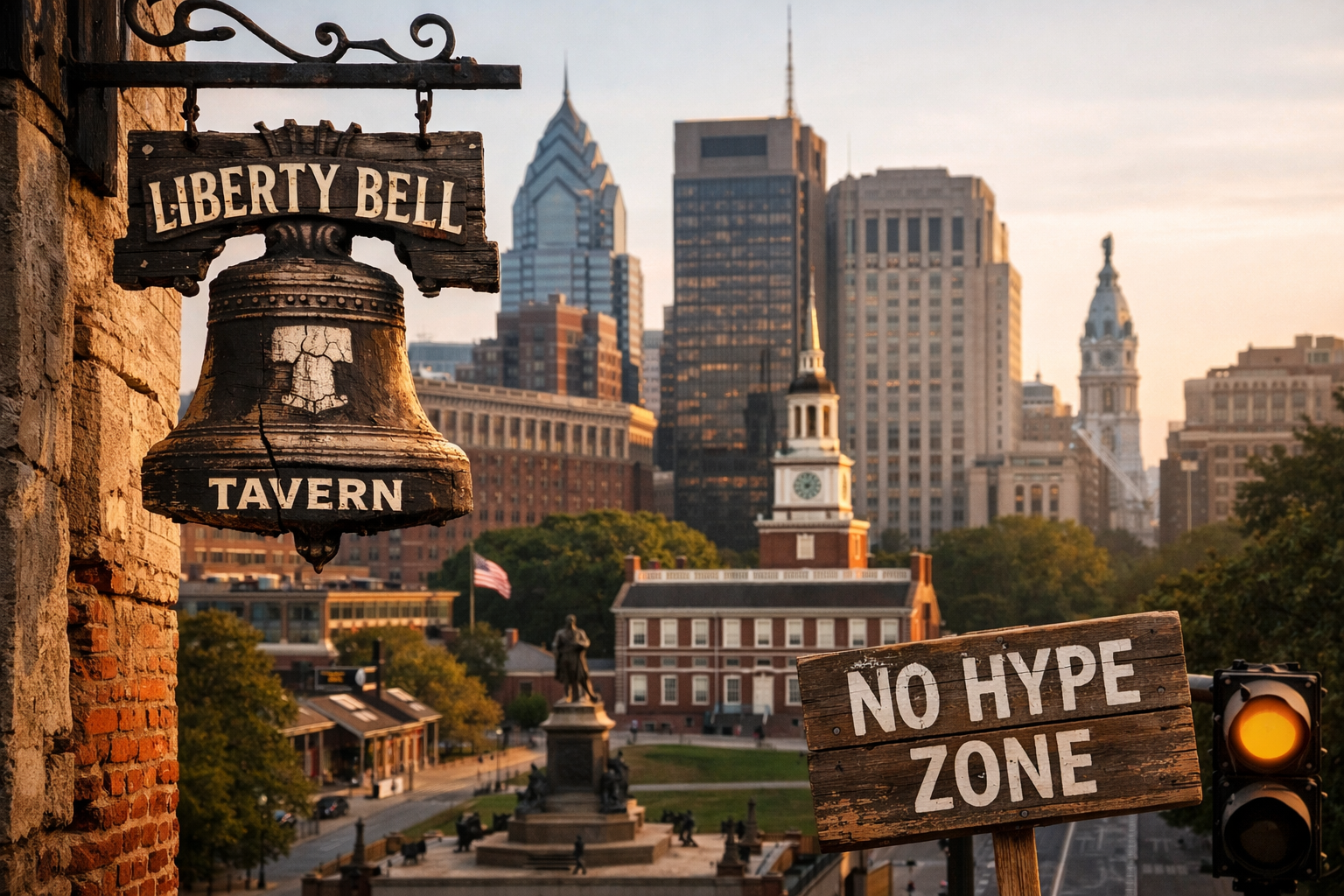
Philadelphia was the most important city in America for the better part of a century. It wrote the Declaration of Independence, ratified the Constitution, hosted the nation's capital — and then watched all of it get redistributed to cities that were louder about wanting it. What you develop from that history isn't bitterness. It's a deep structural skepticism about claims that outrun the work behind them. Two hundred and twenty-five years later, that skepticism is still the most important thing to understand about building a brand in this market.
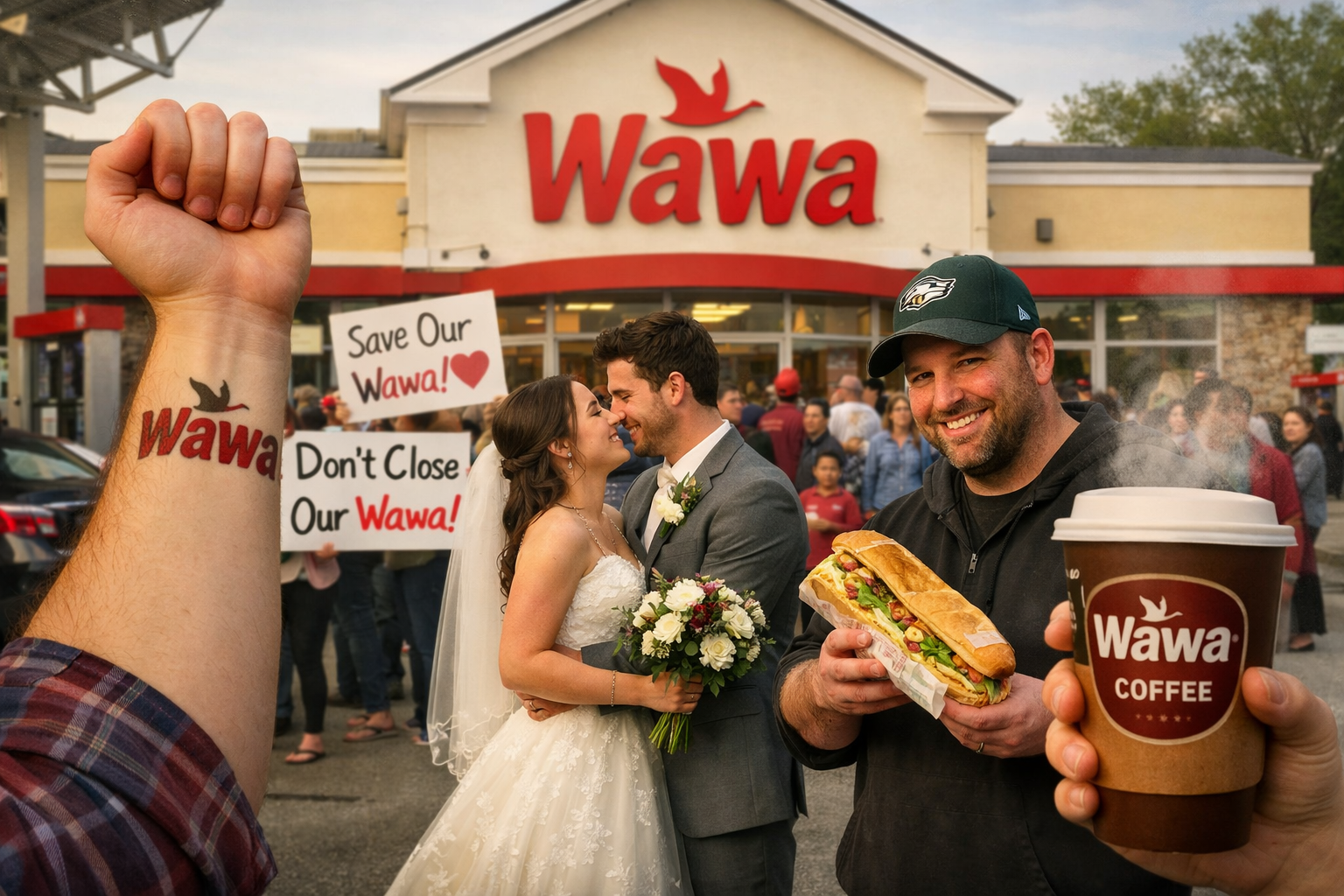
What Wawa Got Right That Most National Brands Never Will
There is no Wawa Super Bowl commercial. No celebrity endorsement deal. No influencer campaign. The company has been doing business in the Delaware Valley since 1964 and has grown not by buying attention but by earning it — one cup of coffee, one hoagie, one consistent interaction at a time. The result is something hundreds of millions of dollars in marketing budgets have tried and failed to manufacture: a customer base that protests when a location closes, gets the logo tattooed on their body, and holds their wedding at the store where they met. Here's what Wawa actually got right — and what it means for your business.
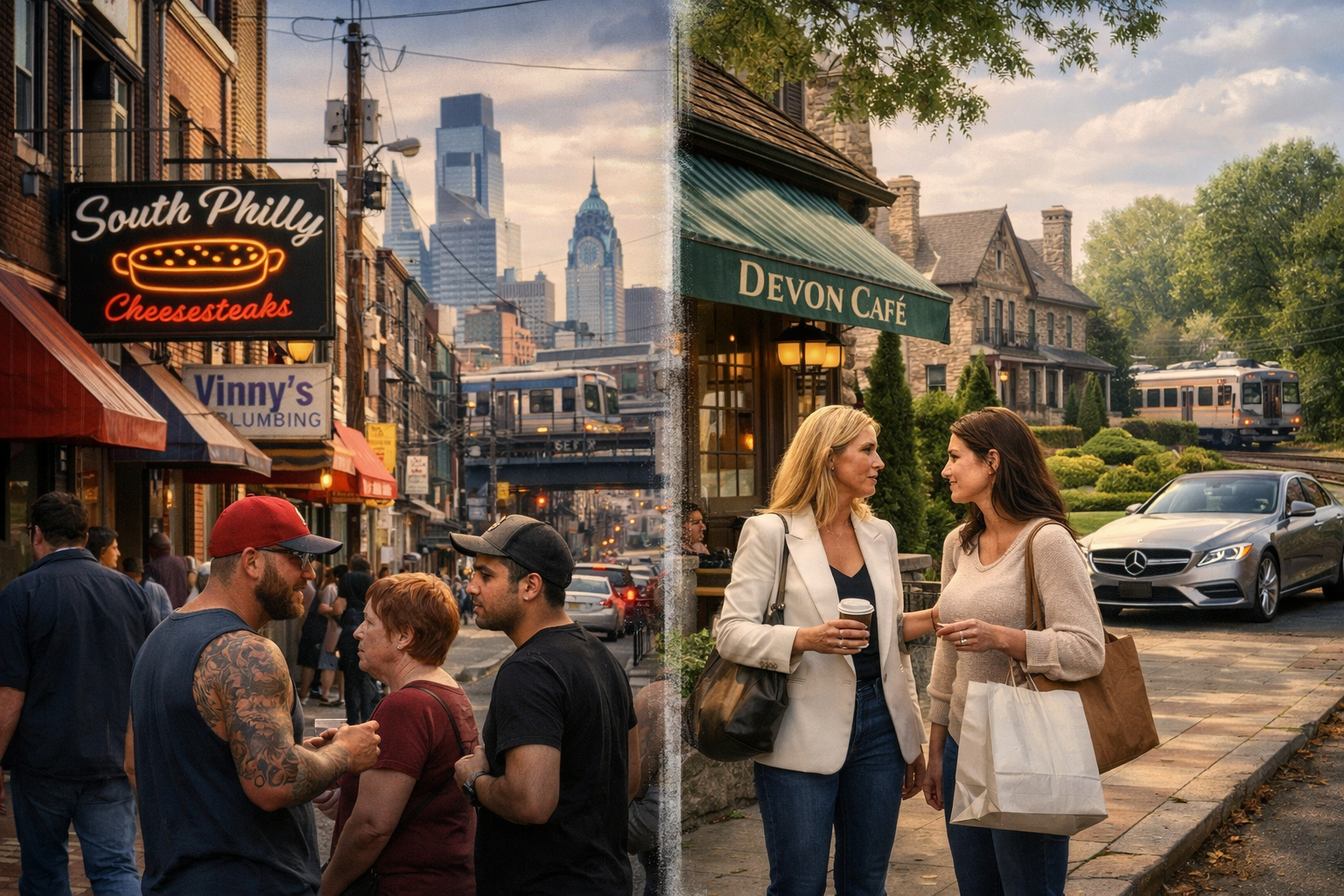
South Philly vs. The Main Line: Two Completely Different Approaches to the Same Whisper Network
They're separated by twelve miles, a train ride, and roughly three tax brackets. But South Philadelphia and the Main Line operate on the same fundamental principle: the best businesses don't advertise — they get recommended. The mechanism is identical. The texture is completely different. And if you run a business in either market, understanding that difference is the difference between a digital strategy that actually works and one that quietly misses the room it's supposed to reach.
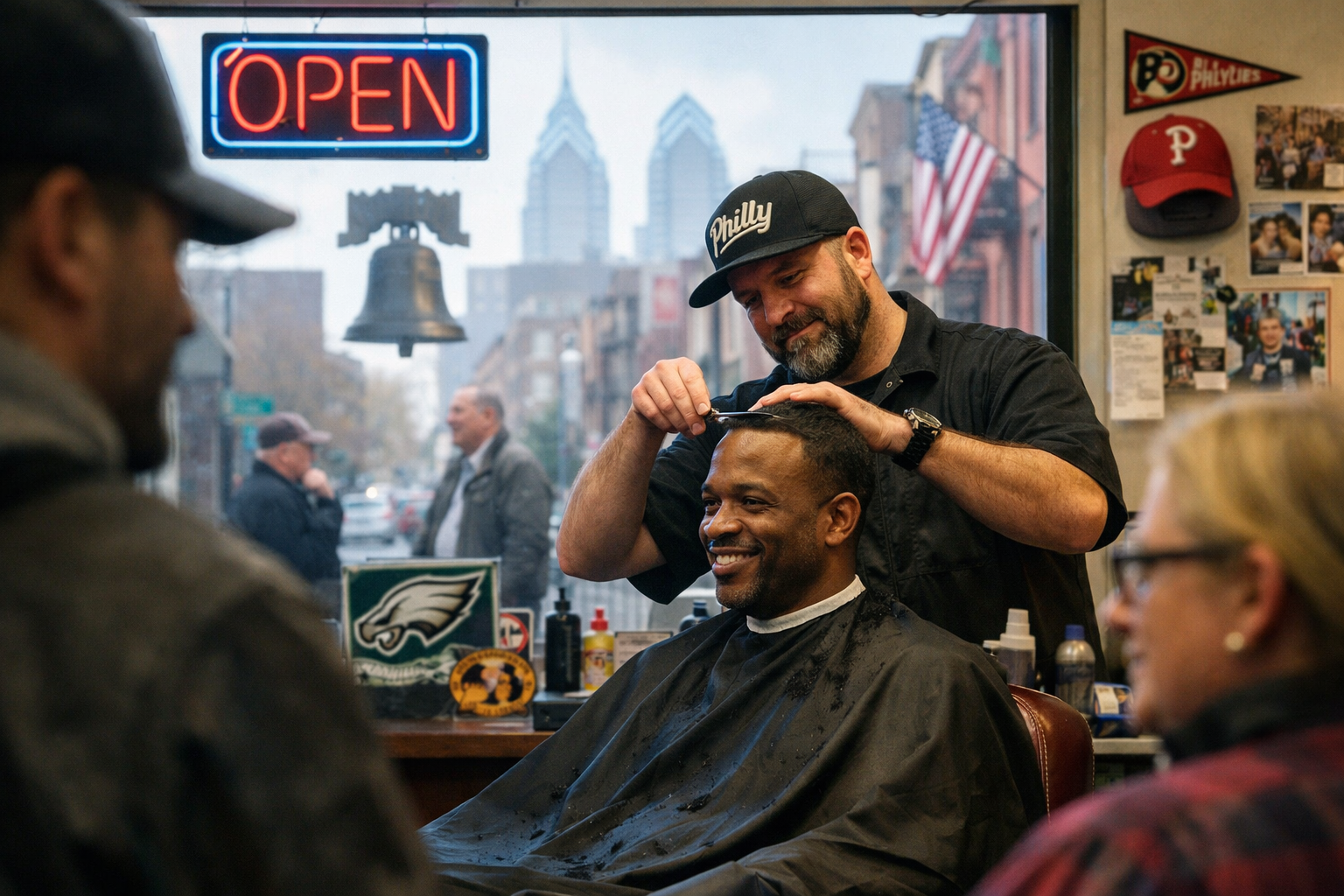
The Garage Gym, the Corner Barbershop, and the Neighborhood Spot That's Been There Since Before You Were Born
There's a barbershop somewhere in this city where a man drives 45 minutes from the suburbs every six weeks to get his hair cut. His wife thinks he's being stubborn. He doesn't care. Philadelphia runs on businesses that serve a three-block radius with such depth and consistency that their customers carry the loyalty with them when they leave. This post is about what actually creates that, why it's nearly impossible to fake, and how a business that has genuinely earned it can use digital presence to extend its reach without losing the thing that makes it worth reaching for.
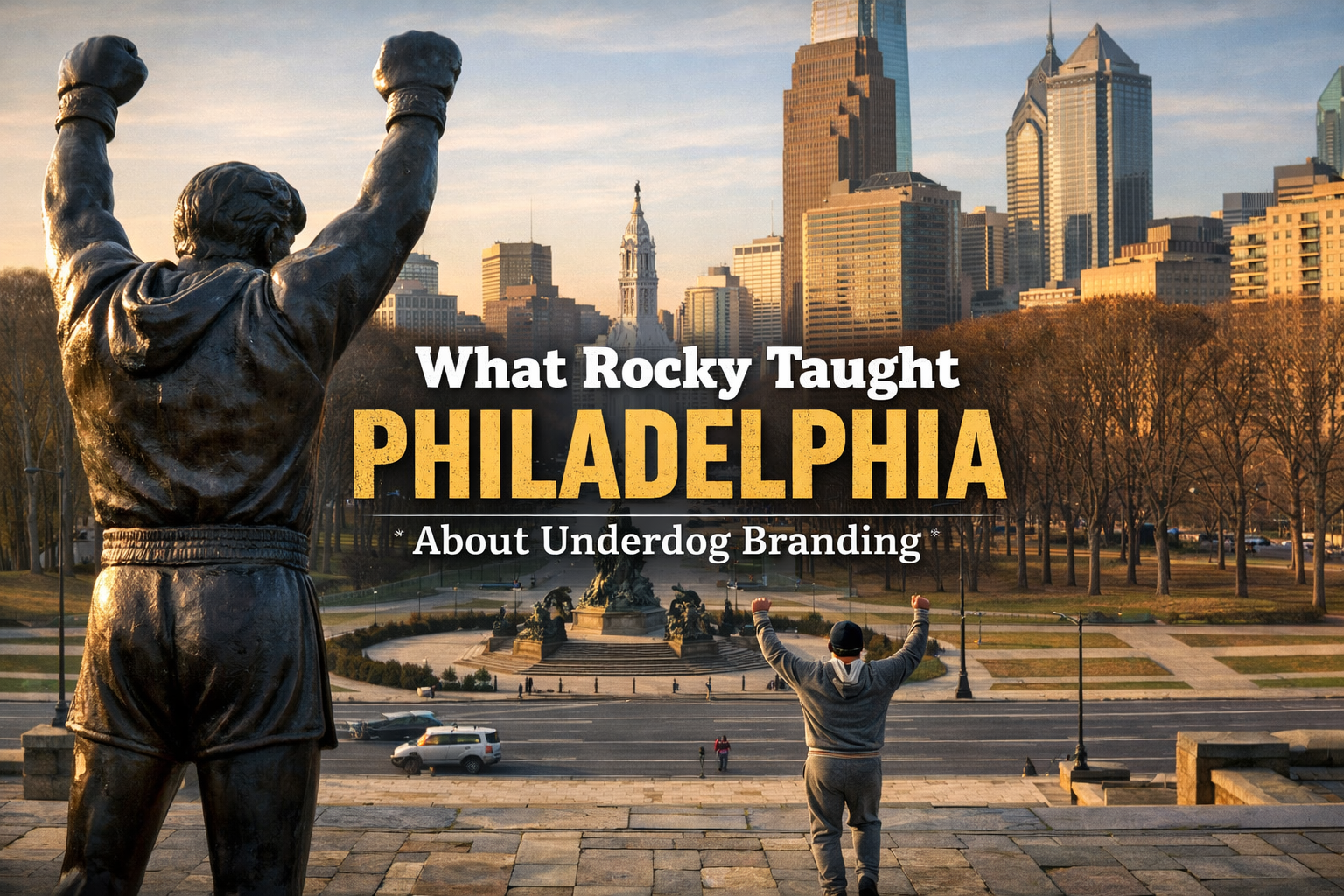
What Rocky Taught Philadelphia About Underdog Branding — And Why the City Never Needed to Be Told
In 1975, a broke and unknown actor wrote a screenplay in three days and turned down $360,000 to star in it himself. The film he made became the highest-grossing movie of 1976, won Best Picture, and permanently branded an entire city. Rocky didn't manufacture Philadelphia's underdog identity — it found it already there and gave it a shape the rest of the world could see. Here's what that actually means for your business.
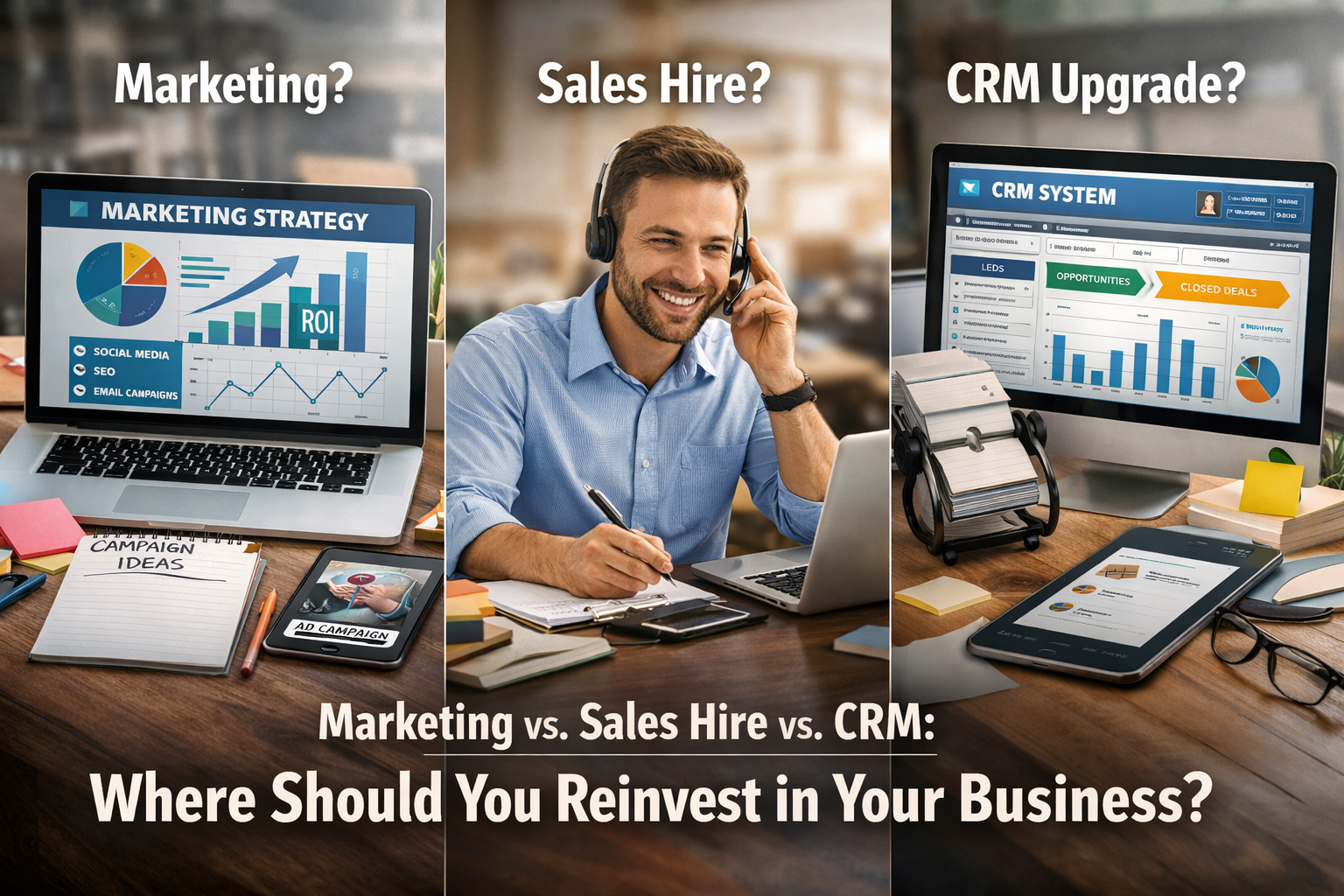
The Best Investment You Can Make in Your Business Right Now Isn't Another Sales Rep
Every growing business eventually hits the same wall: you have money to reinvest and a list of competing priorities. Another sales rep. A CRM upgrade. A marketing push. Most business owners default to the first two because marketing feels uncertain and hard to attribute. This post makes the case — with real numbers — for why that instinct is costing you, and why marketing investment compounds in ways that a sales hire simply can't.
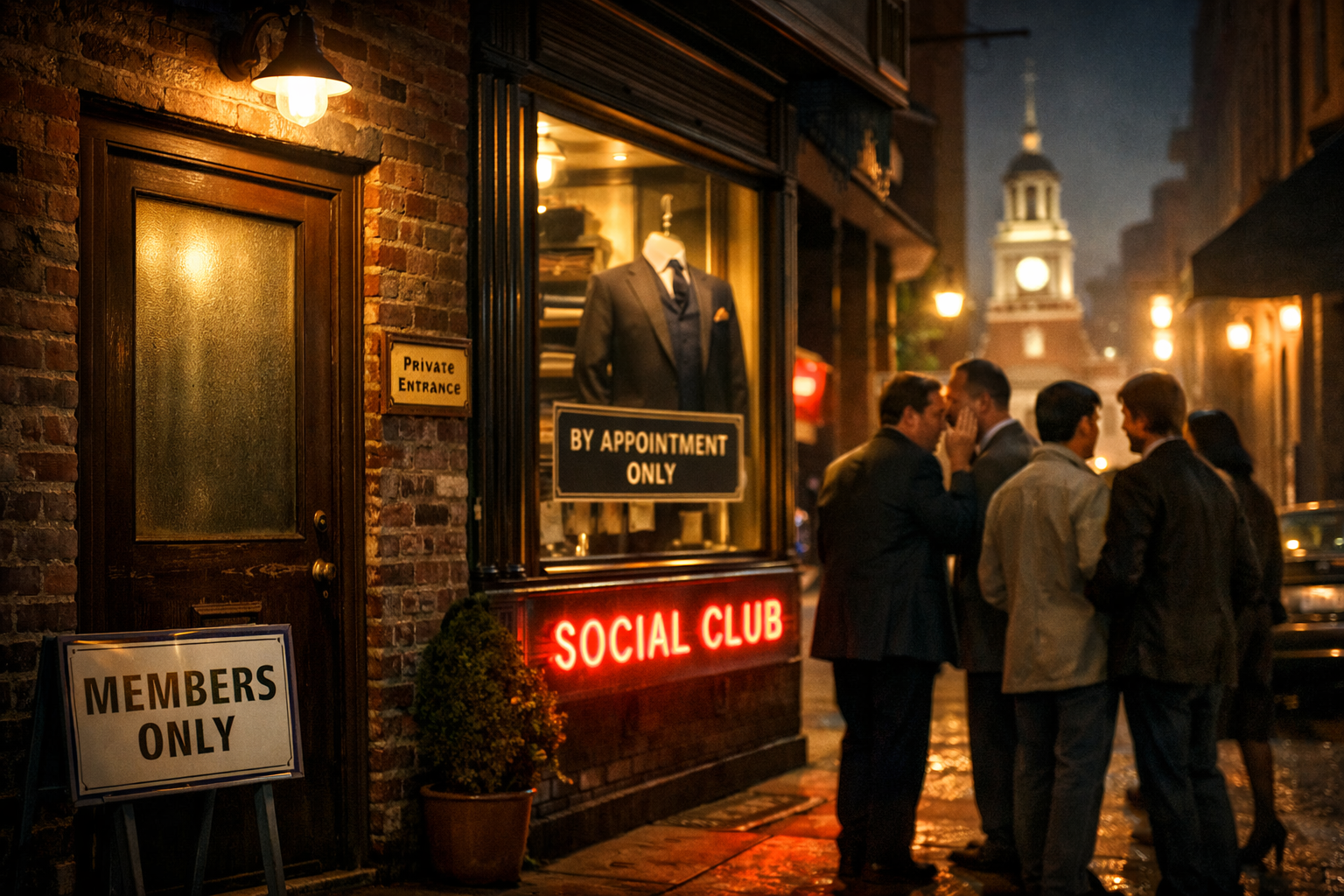
Philly Has Always Known the Most Powerful Marketing Strategy: Saying Nothing at All
There's a strategy the world's most coveted brands have spent decades trying to reverse-engineer — no ads, no social media, no phone number on the door. Philadelphia has been running this playbook for two centuries. From the Rabbit Club to Palizzi Social Club to the appointment-only tailors on Chestnut Street, the city's best businesses have always understood that scarcity of information creates demand. Here's what that means for yours.
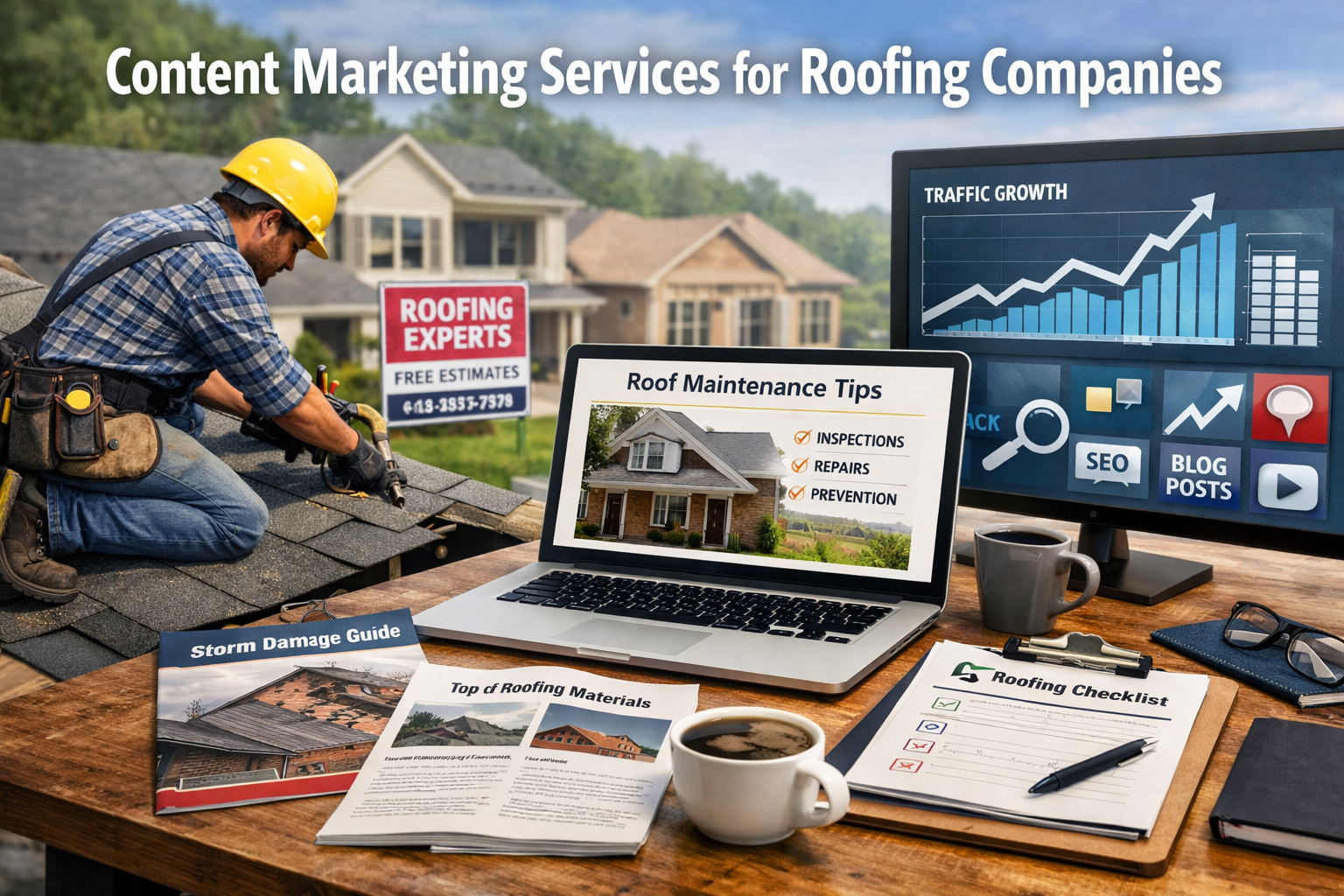
Content Marketing Services for Roofing Companies: The Complete Guide to Turning Your Website Into a Lead Machine
Most roofing companies compete on yard signs, door hangers, and a Google Ads budget that bleeds money every storm season. Content marketing is different — it builds an asset that generates qualified leads long after the work is published. Here's what a real roofing content strategy looks like, why most companies get it wrong, and how to build one that compounds over time.
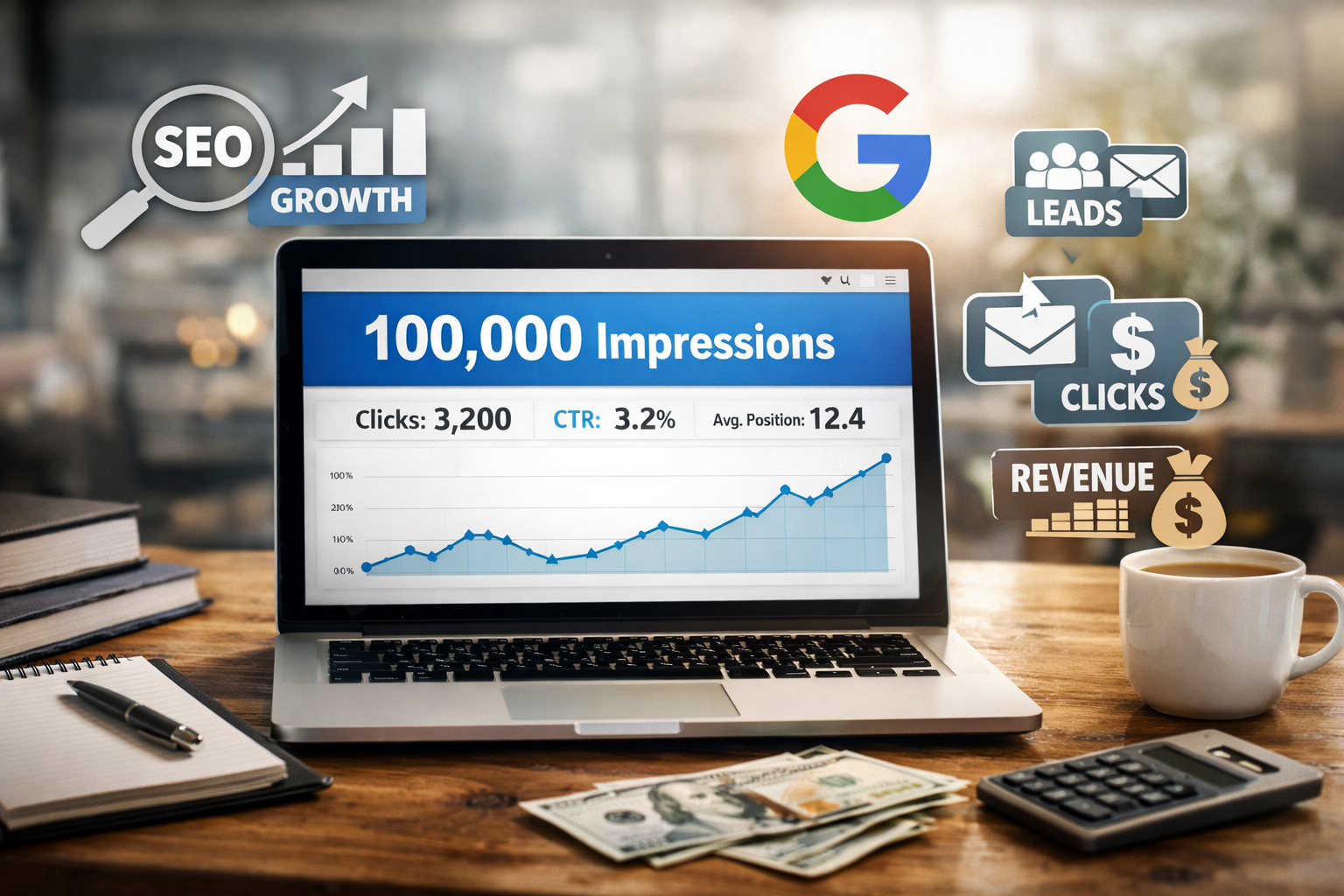
How Long Does It Take to Scale to 100,000 Google Impressions Per Month — And What Should That Actually Mean for Your Business?
One hundred thousand monthly Google impressions is a milestone a lot of small and mid-size business owners have heard about — but very few understand what it actually takes to get there, how long it realistically takes, and what those impressions should translate to in clicks, leads, and revenue. This guide sets honest expectations on all three questions. From realistic monthly benchmarks and the factors that accelerate or slow the timeline, to click-through rate realities by search position and what a mature organic search program actually looks like for a small or mid-size business, here is everything you need to know before investing in SEO growth.
Why Hiring a Digital Agency Pays for Itself for Real Estate Builders and Investment Companies
The question real estate builders and investment companies ask is whether they can justify a $1,000 to $2,000 monthly digital agency retainer. It is the wrong question. The right question is how many deals, investors, and projects their current digital presence is costing them — and whether the revenue attached to even one of those missed opportunities dwarfs the annual cost of the retainer that would have prevented it. For real estate organizations serious about scaling, the math is not close. This blog breaks down exactly how a professional digital agency partnership pays for itself — and then some.

New York vs. Phoenix Real Estate Developer Websites — Two Markets, Two Buyer Psychologies, Two Completely Different Playbooks
Take a high-converting New York developer website and launch it in Phoenix — it will underperform. Do the same in reverse and you will get the same result. New York and Phoenix represent two of the most active and most contrasting real estate markets in the country, and the buyer psychology that drives decisions in each is fundamentally different. This blog breaks down exactly how those differences show up in website strategy — from homepage messaging and project presentation to lead generation architecture and content strategy — and what developers and builders in each market need to know to build a digital presence that actually converts their specific audience.
Digital Strategy for Scottsdale and Phoenix Real Estate Companies That Are Ready to Scale
The Scottsdale and Phoenix metro real estate market is one of the most competitive in the country — and the organizations winning at scale are the ones treating their digital presence as a strategic asset, not an afterthought. From investor relations infrastructure and portfolio presentation to submarket SEO and brand positioning, a full digital strategy for a growing Arizona real estate firm looks very different from a standard website project. This guide breaks down exactly what that strategy looks like and how to build a digital presence that matches the ambitions of a scaling Phoenix metro real estate operation.
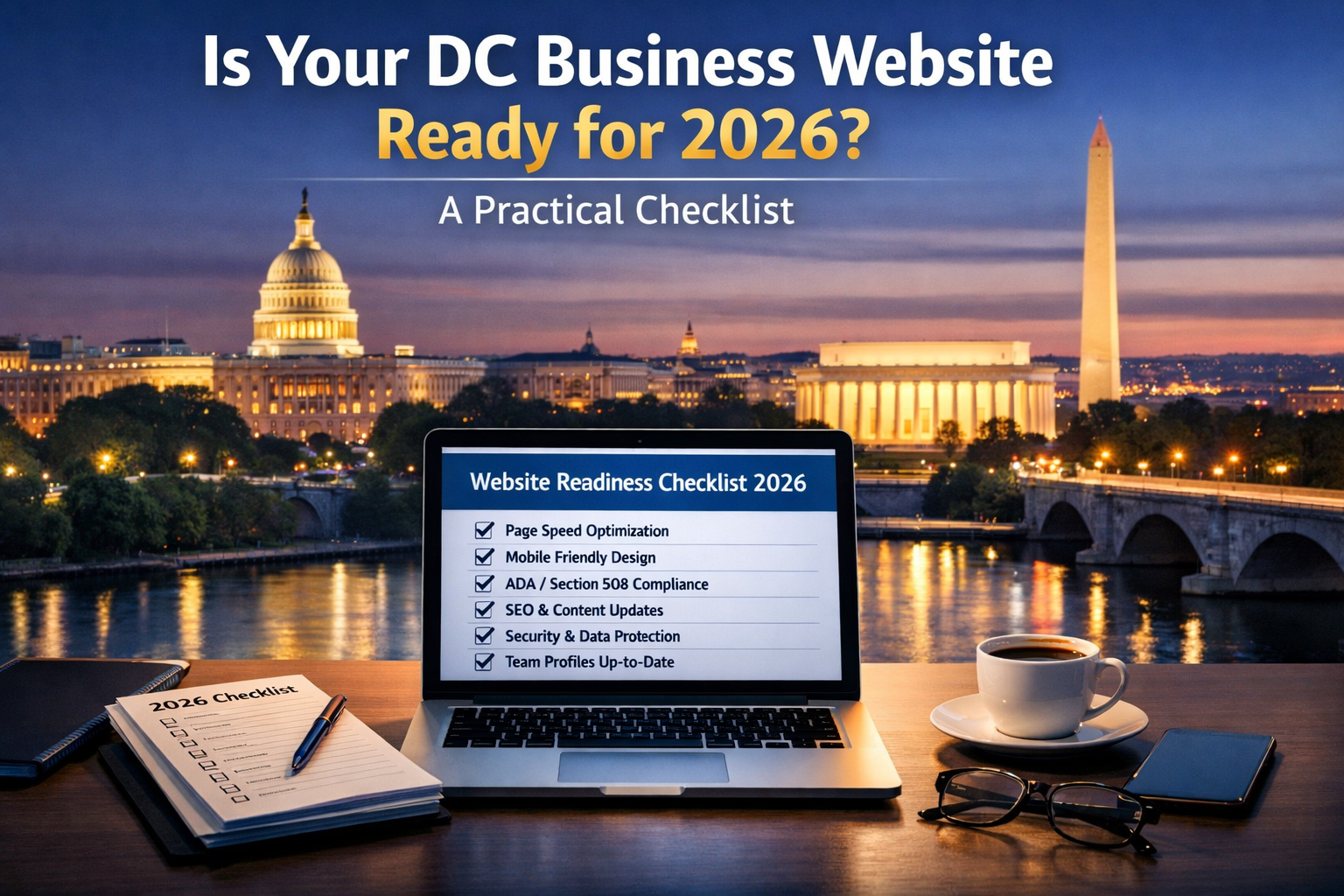
Is Your DC Business Website Ready for 2026? A Practical Checklist
In Washington DC, a website that is merely adequate is not neutral — it is actively costing you. Every slow page load, every accessibility failure, every outdated team profile, and every vague value proposition loses ground with the sophisticated professional audience that defines this market. This practical checklist covers every dimension of website readiness for DC-area businesses, contractors, nonprofits, and associations — from technical performance and Section 508 compliance to content strategy and security — so you know exactly where your site stands and what to prioritize in 2026.

Section 508 Compliance & Your Website — What DC-Area Businesses and Government Contractors Need to Know
Most DC-area businesses assume Section 508 compliance is something federal agencies handle internally. It isn't. If your organization contracts with a federal agency, receives federal funding, or sells digital products to the government, Section 508 requirements extend directly to you — and your website is almost certainly part of what needs to meet the standard. This guide covers what Section 508 is, who it applies to, what WCAG 2.0 AA actually requires, and how DC-area contractors and nonprofits can get compliant before it becomes a problem.
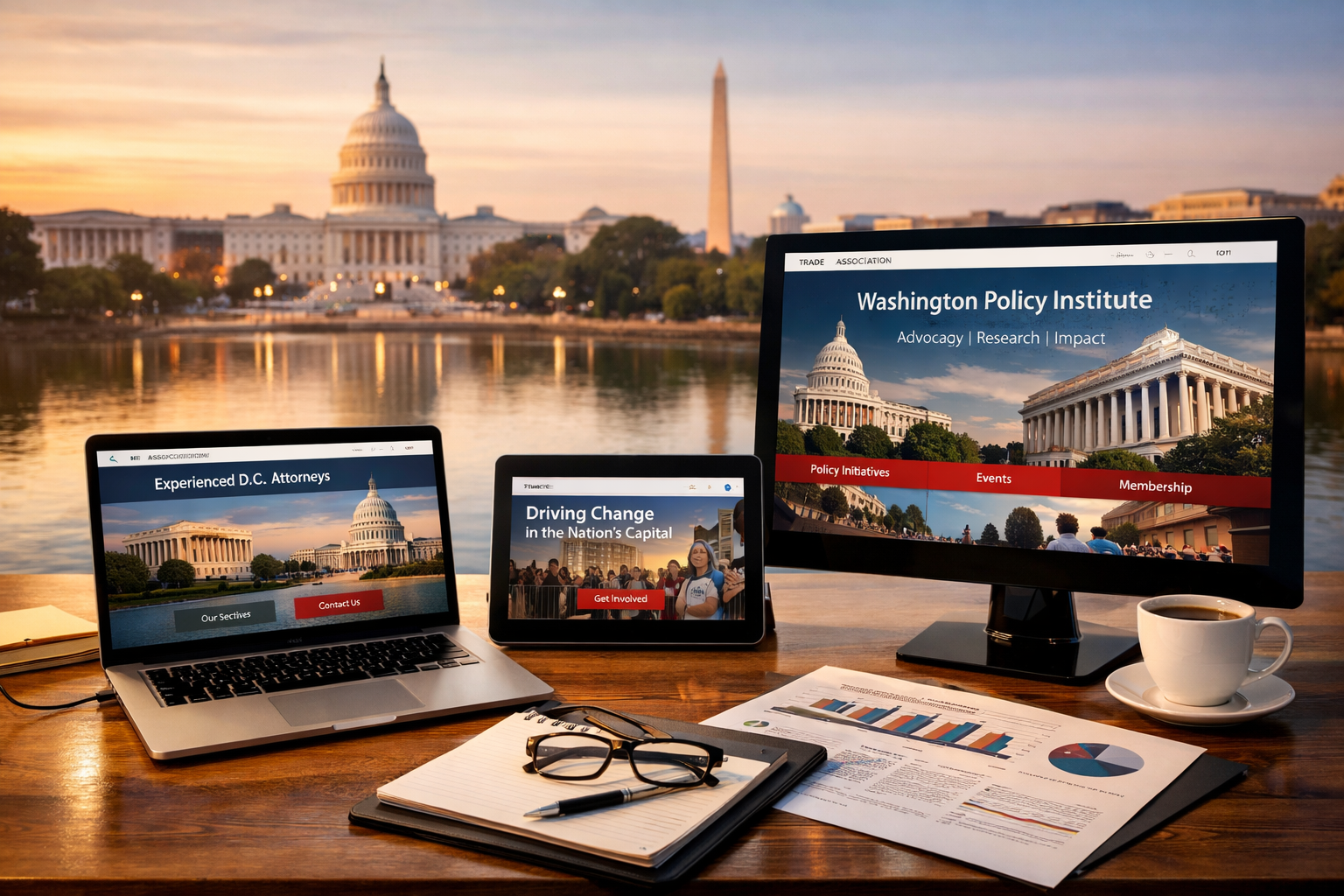
Web Design for DC Law Firms, Nonprofits, and Associations — What Makes a DMV Website Actually Convert
In Washington DC, your website is a credential. The law firms, trade associations, think tanks, and nonprofits that define this city operate in an environment where credibility is currency — and a generic template sends exactly the wrong signal to a sophisticated professional audience. This guide breaks down what DC buyers actually look for, why off-the-shelf web design fails in this market, and what it takes to build a DMV website that establishes authority and drives real business development results.
Headless CMS and Drupal for DC Government & Enterprise Organizations — What You Need to Know
Washington DC organizations operate under a different set of digital requirements than most. From Section 508 compliance and federal security expectations to complex multilingual content and enterprise editorial workflows, the stakes are higher here. Headless Drupal brings together a proven security track record, API-first architecture, and best-in-class content modeling to meet those demands — and Drupal 11 makes the case stronger than ever. Here's what DC government and enterprise organizations need to know before choosing a CMS.
Drupal 11: Everything You Need to Know
Drupal 11 arrived in August 2024 with a modernized tech stack, a redesigned admin experience, and features that make the platform easier to manage than ever. Whether you're planning an upgrade from Drupal 10, migrating from Drupal 7, or simply evaluating your CMS options, here's everything you need to know about what Drupal 11 brings to the table — and why now is the time to act.