
Bezos Just Put $41 Billion Behind AI for the Physical World. Here's the Quieter Signal B2B Brands Should Read.
Jeff Bezos's new venture, Prometheus, just raised $12 billion at a $41 billion valuation to build an "artificial general engineer" — AI for manufacturing, engineering, and the physical world. The headlines are about the moonshot. The quieter signal is the one B2B brands should read: it's a massive bet that no industry is too physical or too technical for AI to enter. And if AI can engineer a turbine, it can recommend a turbine supplier. Here's why your buyers — even in industrial and technical B2B — are already asking AI who to trust, and how to make sure it names you.
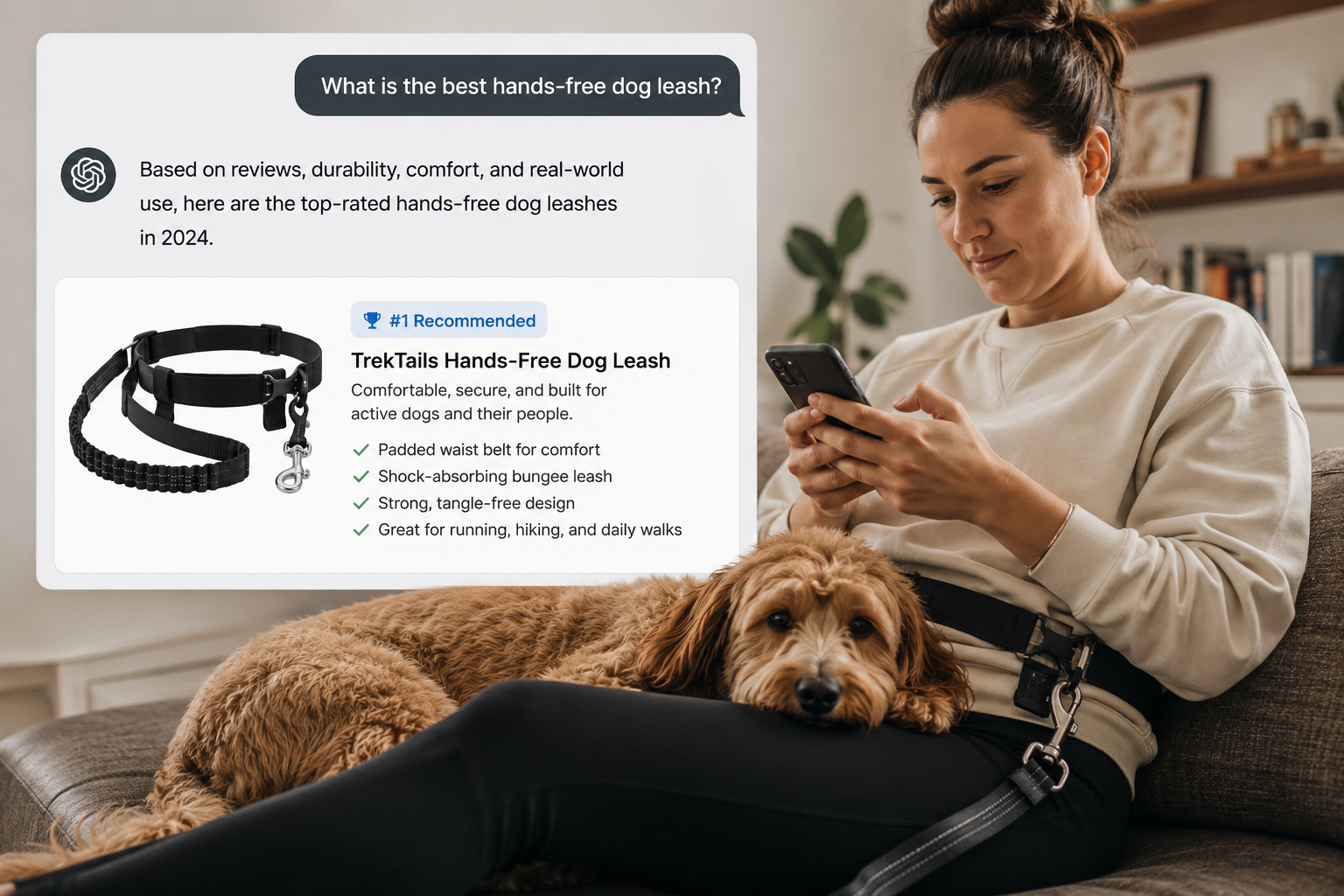
"Best Hands-Free Dog Leash?" Is Now an AI Question — and Almost Every Brand Is Invisible in the Answer
Search "hands-free dog leash" and you get a wall of identical products — same specs, same pitch, different names. But buyers increasingly skip that wall and ask ChatGPT or Perplexity instead, then act on the recommendation. In a category this commoditized, the engine is deciding who to name, and it probably isn't naming you. Here's why a great leash can be invisible in the answer that drives the sale — and how the first brand to break out of the generic list wins the whole category.

"What Should I Take Before Drinking?" Is Now an AI Question — and Most Supplement Brands Are Losing the Answer
The pre-alcohol and hangover-supplement category is booming — but the buyer's first question no longer goes to Google. It goes to AI. When someone asks ChatGPT or Perplexity "what should I take before drinking so I feel okay tomorrow?", the engine returns a recommendation, not a list of links. Most brands in this space are being flattened into generic roundups, swept into the category's skepticism, or winning one engine while vanishing on the others — with no dashboard showing the loss. Here's why a strong product isn't enough, and how to become the brand AI names by default.
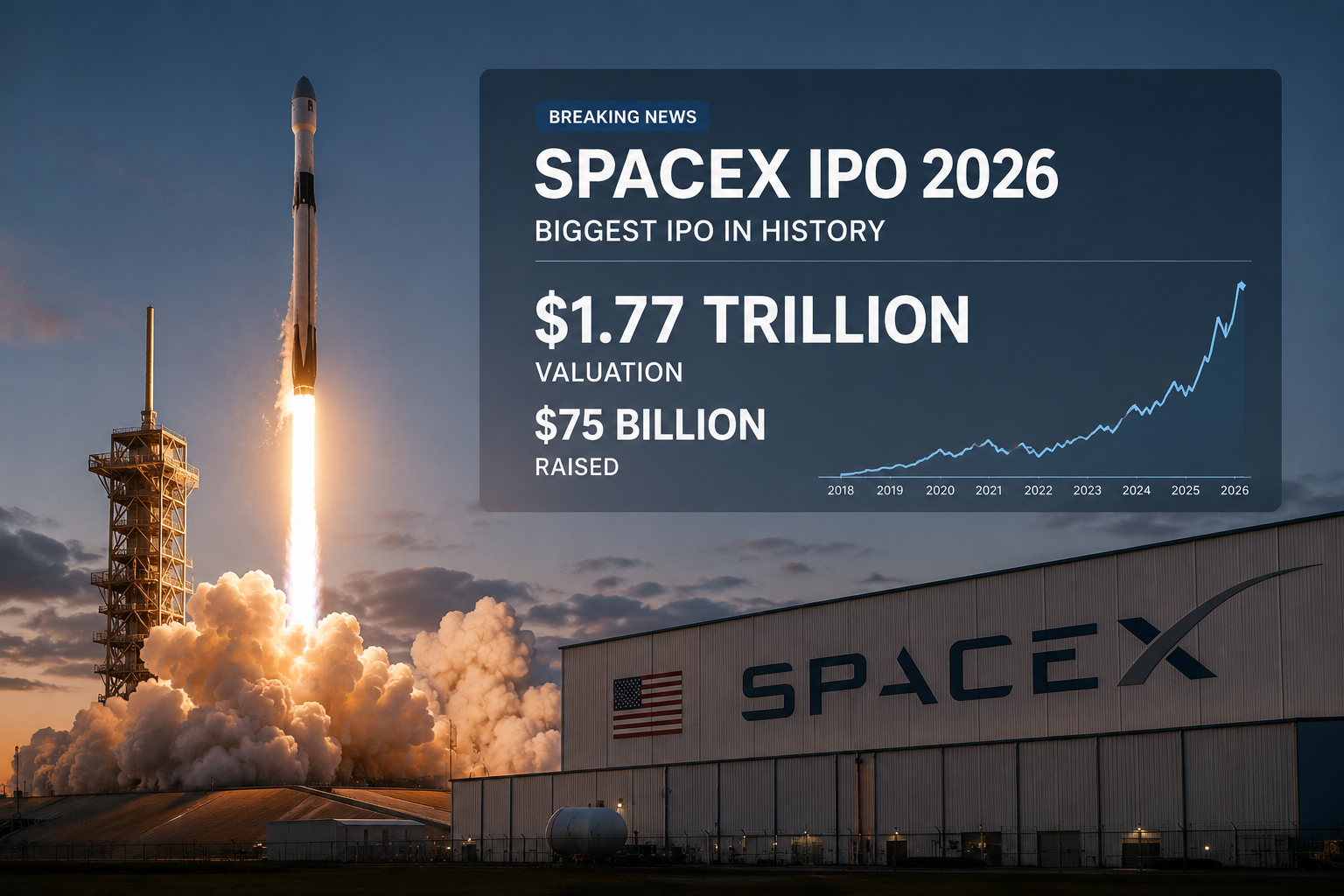
SpaceX Just Became the Biggest IPO in History. Here's the Visibility Lesson Every B2B Brand Should Steal From It.
On June 12, 2026, SpaceX blasted into public markets with the largest IPO in history — $75 billion raised at a $1.77 trillion valuation. But the real story for B2B marketers isn't the rocket company. It's what happened in the milliseconds after: millions of people asked ChatGPT, Perplexity, Gemini, and Claude about SpaceX, and those engines instantly decided which sources to trust and which brands to name. Here's the visibility lesson every B2B brand should steal from it — and why authority, not keywords, is what gets you cited.

Did Claude Get Meaner? The Truth About Pushback and Tone in 2026
You've seen the complaints: "Claude is arguing with me." "It feels colder than it used to." So did Claude actually get meaner in 2026? The honest answer is that two different things are happening at once — and they point in opposite directions. Here's what the data really shows.

Why Squarespace Won't Let You Delete a Site From Your Dashboard — Even After Billing Has Expired
You canceled the subscription, the billing lapsed, and the site shows "Website Expired"—so why won't Squarespace let you delete it? The answer comes down to one rule the dashboard never explains: an expired website isn't the same as a deletable one. Here's exactly what's blocking the delete, why Squarespace designed it that way, and how to actually remove the site.
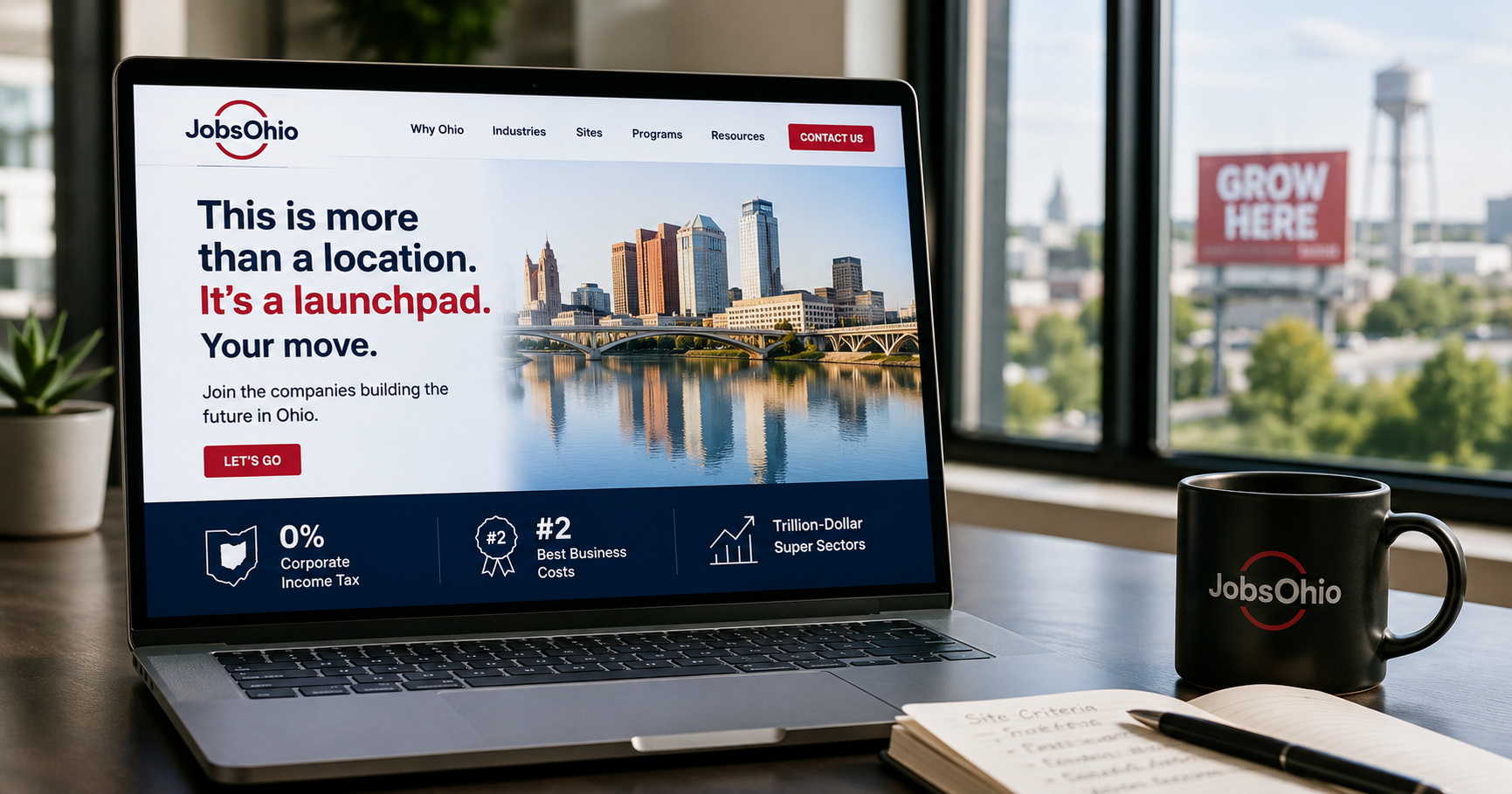
"Your Move, Ohio Is Waiting": What Economic Development Marketing Teaches Us About Winning in AI Search
"This is more than a location. It's a launchpad. Your move." JobsOhio's confident pitch — 0% corporate income tax, #2 business costs, trillion-dollar super sectors — is polished place marketing. But when a company actually decides where to build, that decision now starts in a search bar and, increasingly, an AI answer engine. Here's what economic development marketing reveals about a problem every business shares: your real advantages only count if AI systems can find, trust, and cite them.
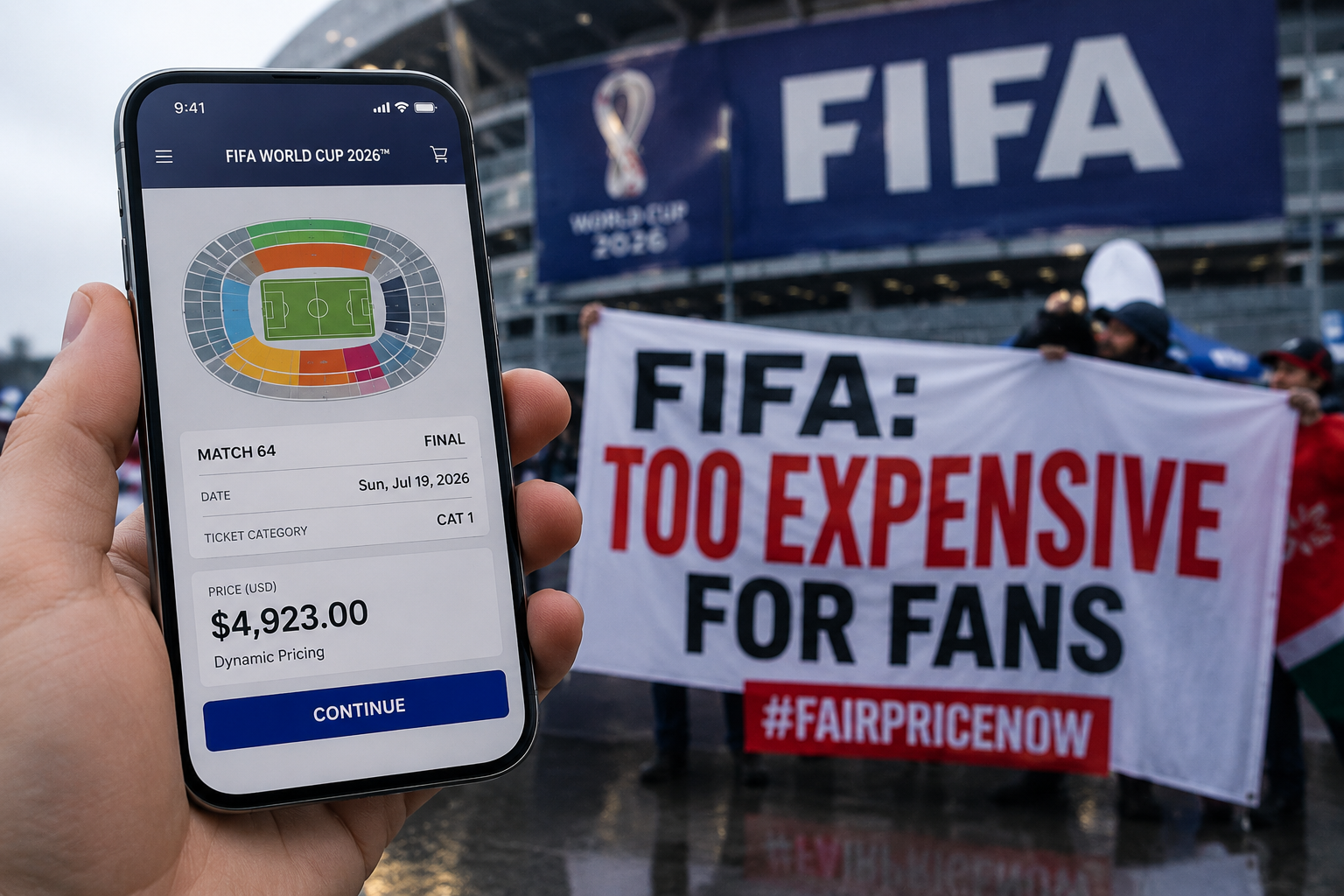
FIFA's Ticket Backlash Is a Masterclass in How AI Search Now Writes Your Reputation
It's World Cup eve and everyone's furious at FIFA. Its first-ever dynamic ticket pricing made seats so expensive that 180,000 sat unsold — drawing fan revolt and state subpoenas. But underneath the soccer drama is a lesson for every business: in 2026, your reputation is written, summarized, and served by search engines and AI answer systems. The narrative being published this week is the one the machines will tell for years. Here's how to make sure they tell the right one about you.

What a Viral German Tourist Named Freddy Can Teach You About SEO and AI Search
A German soccer fan named Freddy is road-tripping through the American South for the 2026 World Cup, calling Taco Bell "the holy land" and reviewing Waffle House at 1 a.m. — and the brands that won the moment were the ones already built to show up. His viral fame is a free, very loud lesson about how discovery actually works now: across both traditional search and AI answer engines like ChatGPT, Perplexity, and Google AI Overviews. Here's how to make your business the answer when a demand surge hits.
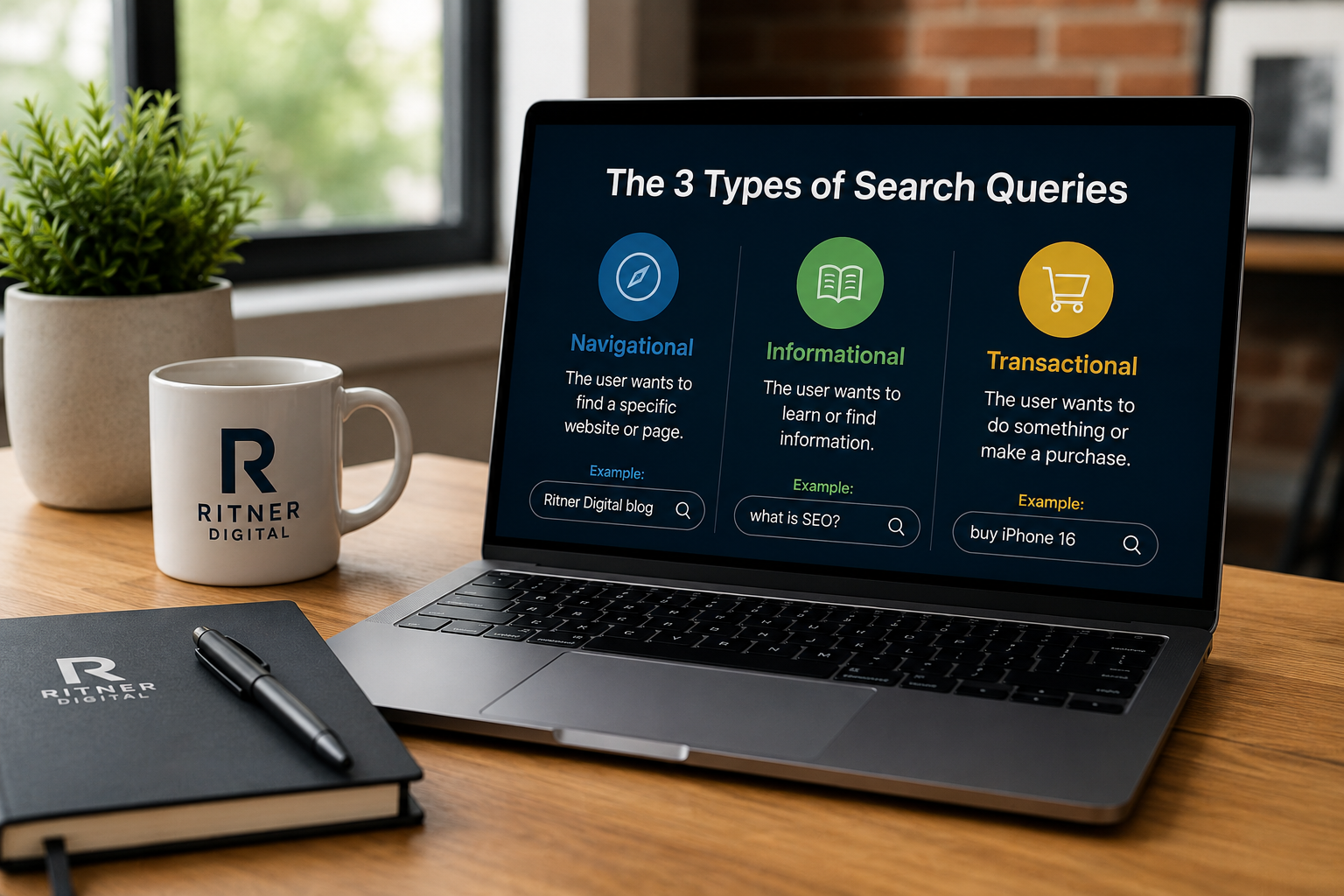
Navigational, Informational, Transactional: The Three Types of Search Queries (and Why They Matter More in the AI Era, Not Less)
Every search starts with a goal: find a site, learn something, or buy something. Those goals map to the three classic types of search queries — navigational, informational, and transactional — and getting them right is one of the highest-leverage things any brand can do for visibility. But the framework was built for ten blue links, and that world is dissolving. Here's how each query type works, how to map content to it, and what they look like now that AI Overviews, ChatGPT, and Perplexity are answering searches before anyone clicks.
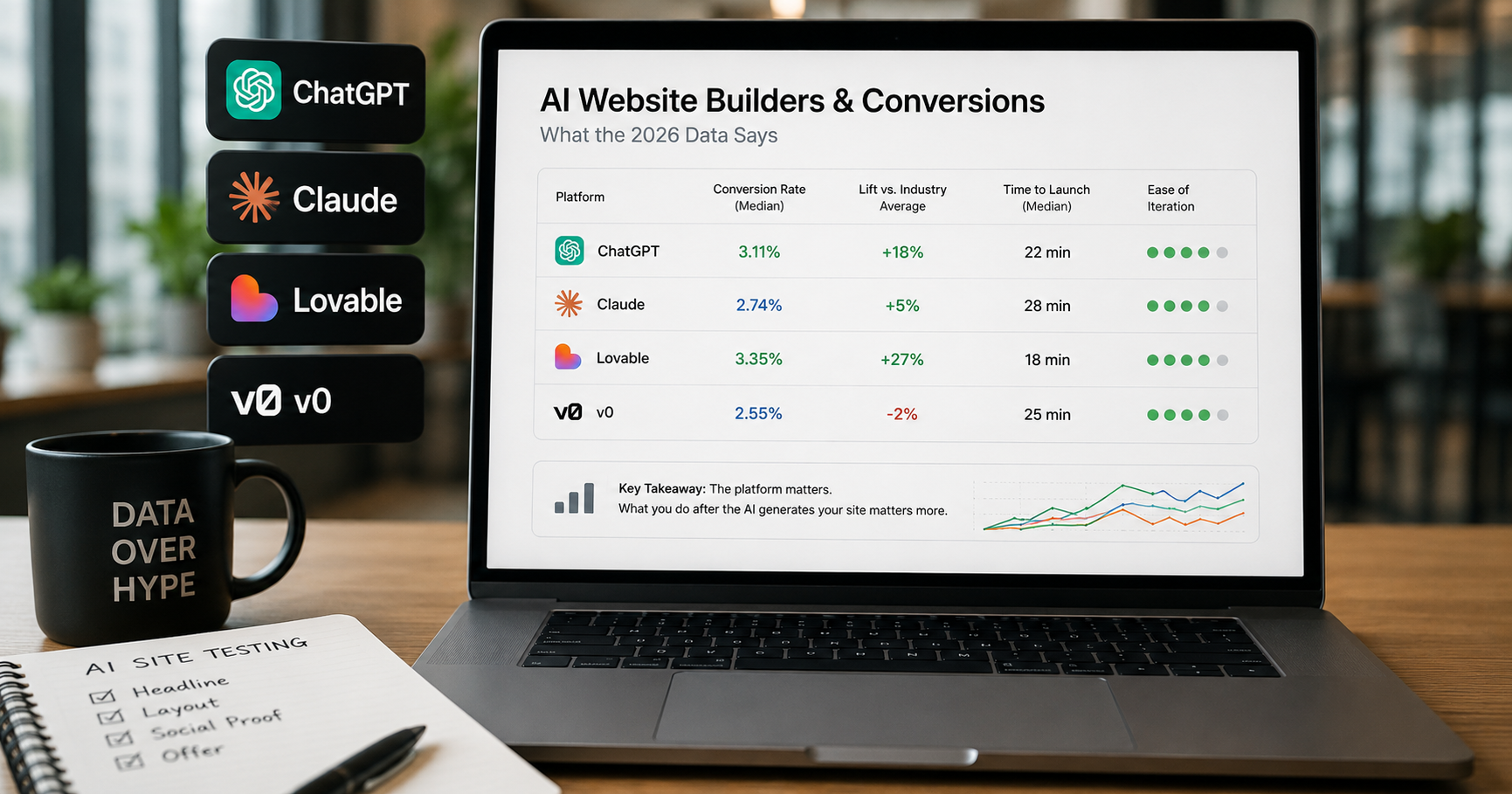
Now That Anyone Can Build a Website With AI, Which Platforms Actually Convert Better?
You can now type a paragraph into ChatGPT, Claude, Lovable, or v0 and watch a working website assemble itself in minutes. But does the platform you pick actually change whether that site turns visitors into customers? We dug into the 2026 data to find out—and the answer is messier (and more useful) than the marketing suggests. Spoiler: the platform matters far less than what you do after the AI hands you a draft.

What Would Your First 90 Days Look Like? (Be Specific About Deliverables, KPIs, and Expected Outcomes)
This is the question every serious buyer should ask an agency before signing anything — and the one that separates firms with a real process from firms that will figure it out on your dime. If we can't tell you exactly what the next 90 days look like, with specific deliverables, real KPIs, and honest expectations, you shouldn't hire us. So here's our actual answer: a month-by-month breakdown of diagnosis and baseline, implementation and content architecture, and the compounding authority work — plus an honest account of what 90 days can and can't do, and what would make us tell you not to hire us at all.

What Enterprise Marketing Leaders Get Wrong About AI Search (And Why It's Going to Cost Them)
AI search has landed on your desk — as a slide, a "GEO pilot," or a vendor pitch — and odds are it got filed where every emerging channel goes: experiments. Test it small, hand it to a junior team, revisit next quarter. That categorization is the single most expensive mistake enterprise marketing leaders are making right now, because AI search isn't a channel at all. It's the layer where customers form opinions about your brand before they ever reach you. The organizations treating it as a pilot will retrofit under pressure at far higher cost, while competitors who built it as infrastructure have already claimed the ground. Here's what leaders get wrong, why each error costs them, and what the right executive framing looks like.
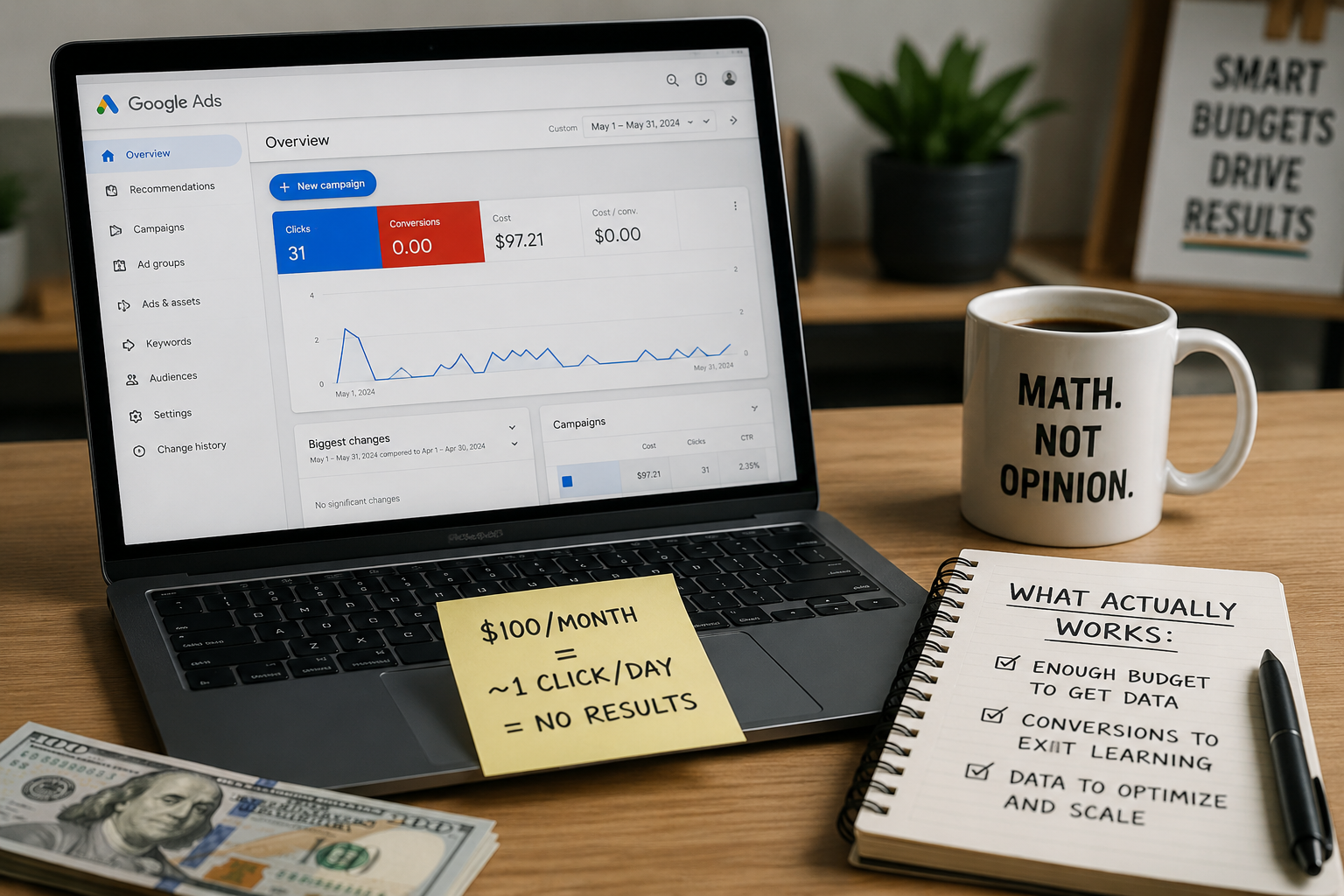
Why a $100/Month Google Ads Budget Is a Waste of Money — and Why You Should Fire Any Agency That Recommends It
Let's be direct: a $100-per-month Google Ads budget will not work. It cannot work. And if an agency pitched you one as a real strategy — especially while charging a management fee on top — that's a disqualifying red flag. This isn't an opinion about taste; it's math. A $100 budget buys about one click a day, never produces enough conversions to escape Google's learning phase, and never generates enough data to optimize or even measure. You're not buying a small amount of advertising — you're buying nothing, slowly, while paying someone to watch. Here's exactly why, and what honest advice actually sounds like instead.
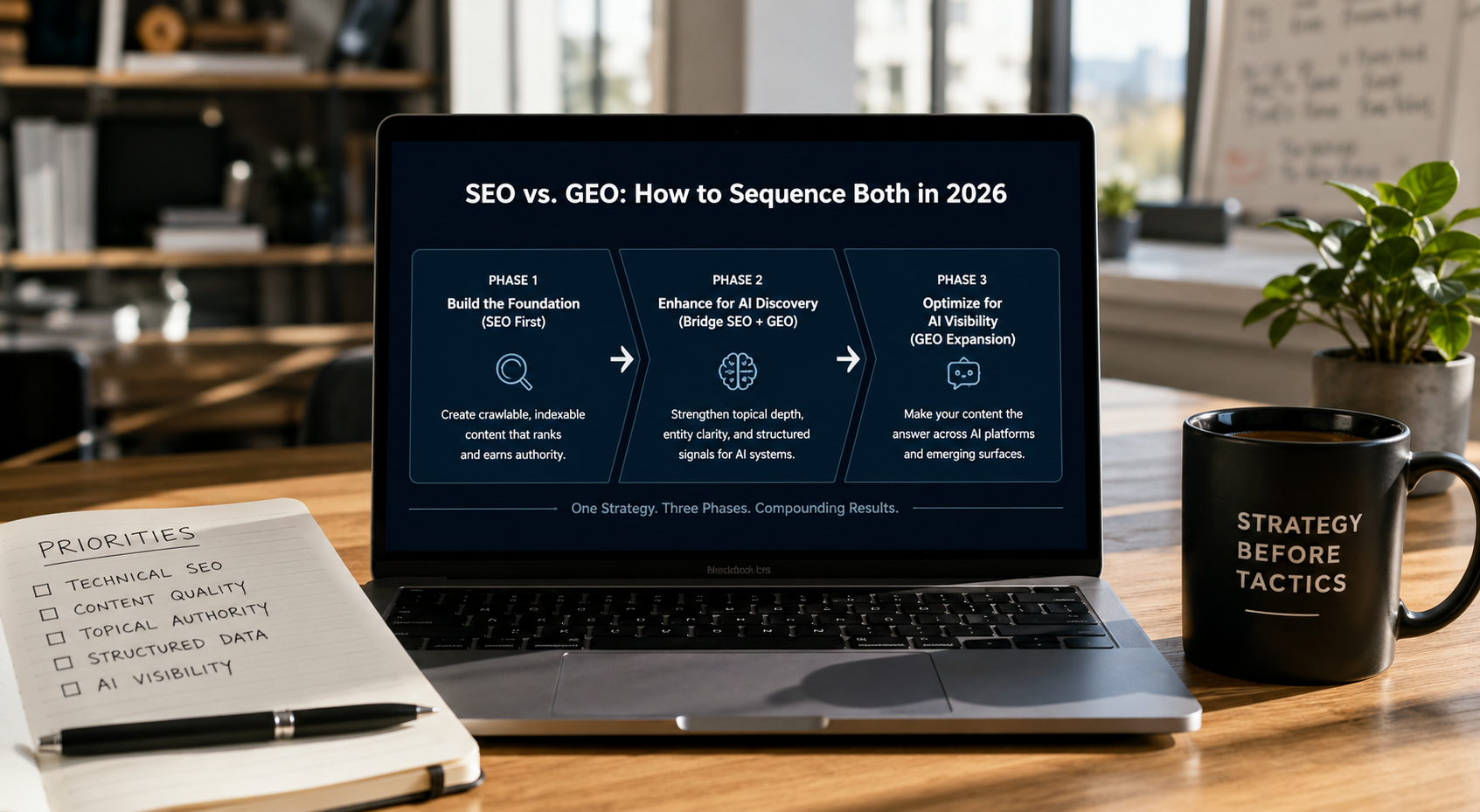
Traditional SEO vs. GEO: You Don't Have to Choose — But You Do Have to Sequence
Every team with a finite budget hits the same wall: an expert says "invest in GEO now," and you're left wondering whether to stop doing SEO, split the budget, or where to even start. The advice online argues two useless extremes — SEO is dead, or GEO is a fad. Both are wrong. The truth is that SEO and GEO share most of their underlying foundation, so you don't have to choose between them. But with limited bandwidth, you do have to sequence them — and doing the work in the wrong order wastes effort while the right order makes each phase reinforce the next. Here's a tactical, three-phase framework for figuring out exactly where to put your next hour.
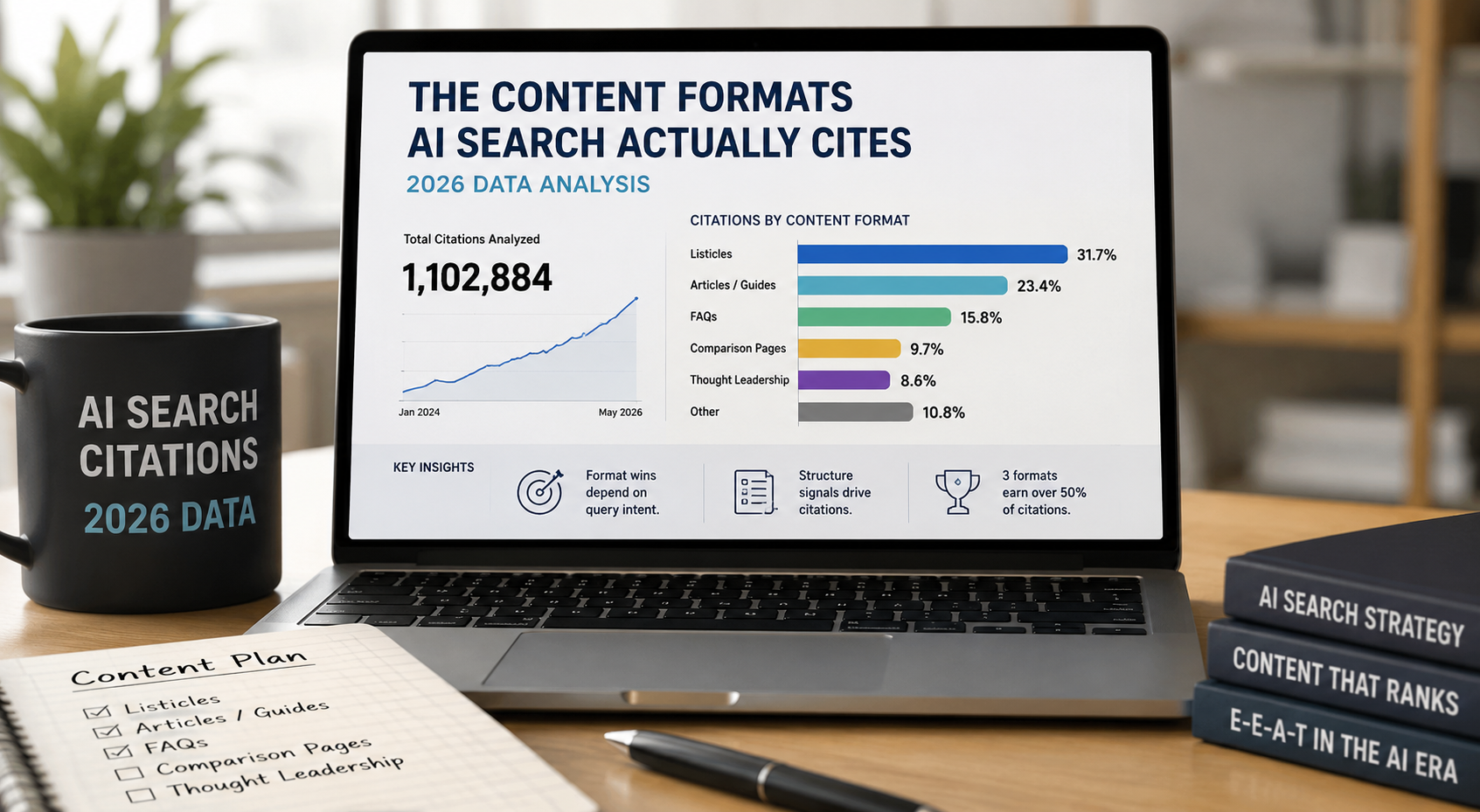
The Content Formats AI Search Actually Cites (Based on What We're Seeing Across Clients)
Most advice about "writing for AI search" is vibes: be helpful, be authoritative, answer questions. True, but useless as a content plan — none of it tells you which formats actually earn the citation. The 2026 citation studies finally do. Across more than a million analyzed citations, three formats earn over half of them, the winning format depends almost entirely on query intent, and a specific set of structural signals separates the cited from the ignored. Here's what the data shows about listicles, articles, FAQs, comparison pages, and thought leadership — and how to build a content plan around what AI actually rewards.

How AI Search Changes the B2B Buying Journey (And What It Means for Your Content Strategy)
For years you've built marketing around one number: two-thirds of the buying journey happens before a prospect talks to sales. That insight was right — it's just become far more extreme, and the mechanism changed entirely. A huge share of pre-sales research now happens inside AI conversations you'll never see, where the shortlist forms before your sales team knows the buyer exists. With 80% of deals going to the pre-contact favorite, the brand chosen in that invisible room usually wins. Here's how AI search inverted the funnel — and how to reorient your content strategy to show up at every stage.
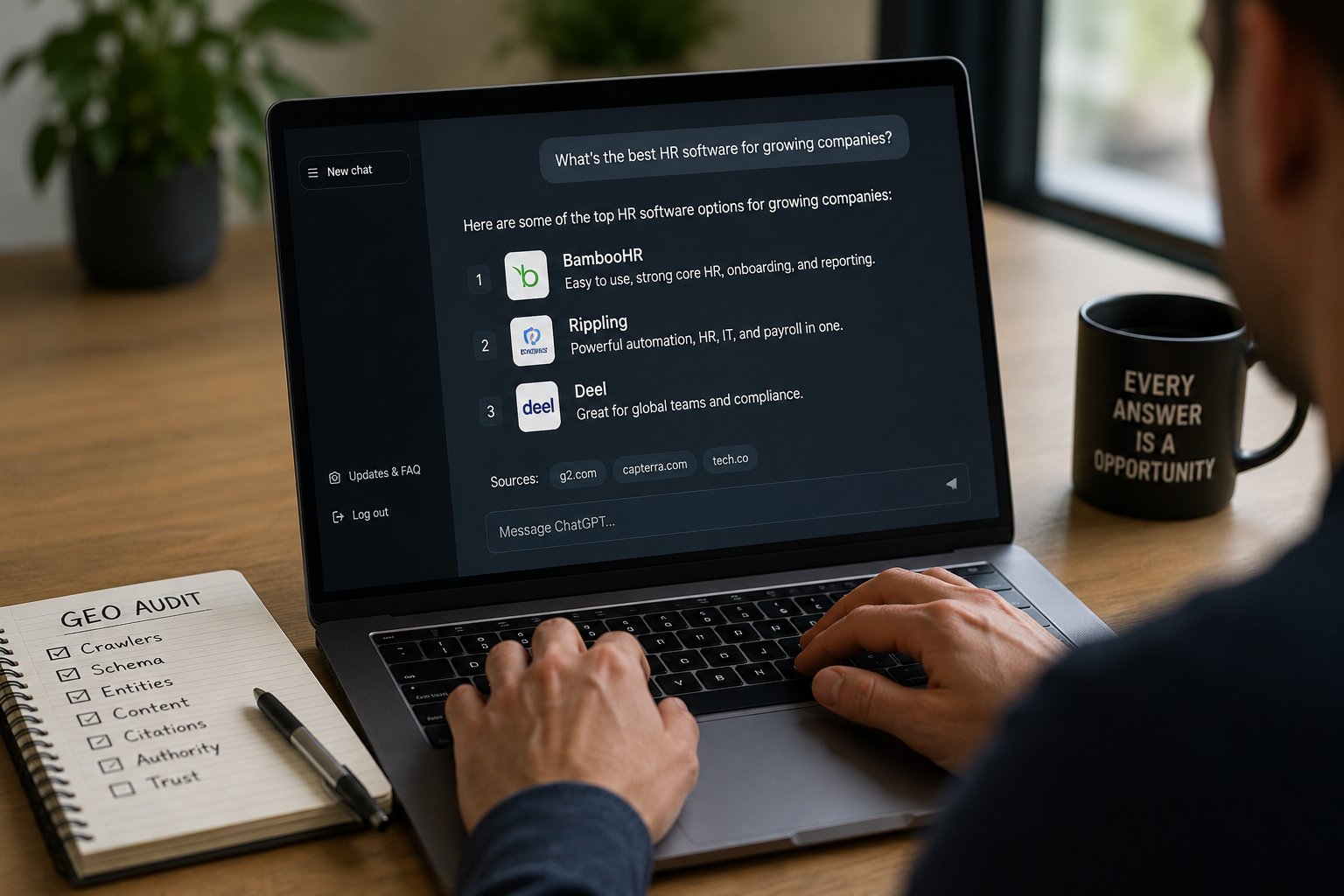
The GEO Audit: 7 Things to Check If You're Not Showing Up in AI-Generated Answers
You typed the question into ChatGPT yourself — "best company for [what you do]" — and your name wasn't in the answer. A competitor's was. That sting is one of the most common experiences in marketing right now, and one of the most fixable. Showing up in AI-generated answers isn't luck or a black box; it's the product of specific signals AI systems use to find, understand, trust, and cite your brand. This tactical GEO audit walks through the seven things to check — from crawler access and schema to entity clarity, citation-ready formatting, and third-party validation — in the order that actually matters.
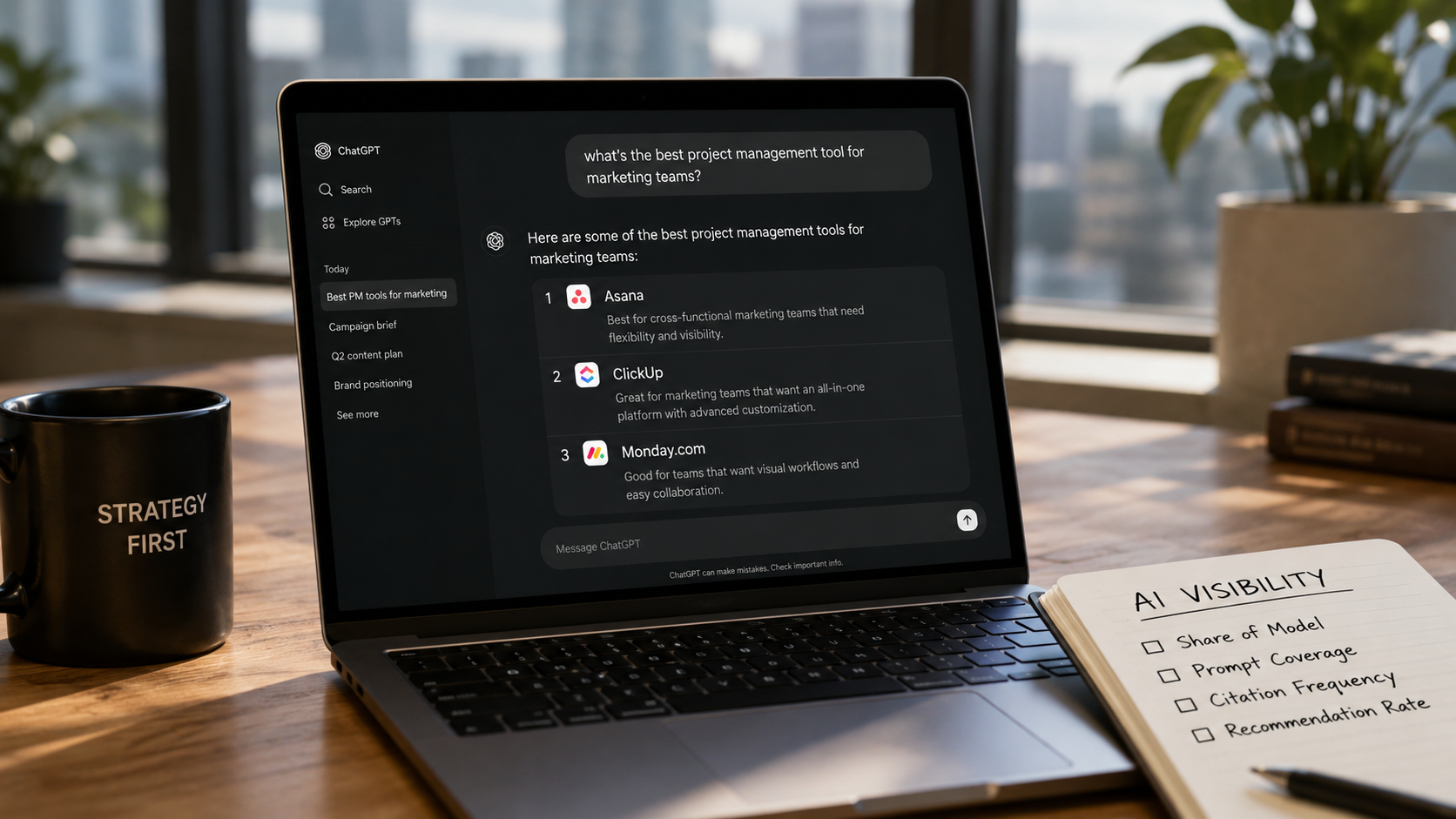
Share of Model: The Metric Your CMO Doesn't Know About Yet (But Will)
Every CMO has a dashboard full of rankings, clicks, and share of voice. None of it shows the layer where a fast-growing share of buying decisions now happens: inside AI answers. When someone asks ChatGPT or Perplexity "what's the best tool for X," brands get named and one gets recommended first — and none of it registers anywhere in your current reporting. The emerging metric for this is share of model, and the brands measuring it now are claiming positions that compound. Here's what it actually tracks, why it changes where you spend, and how to start measuring it before your competitors do.
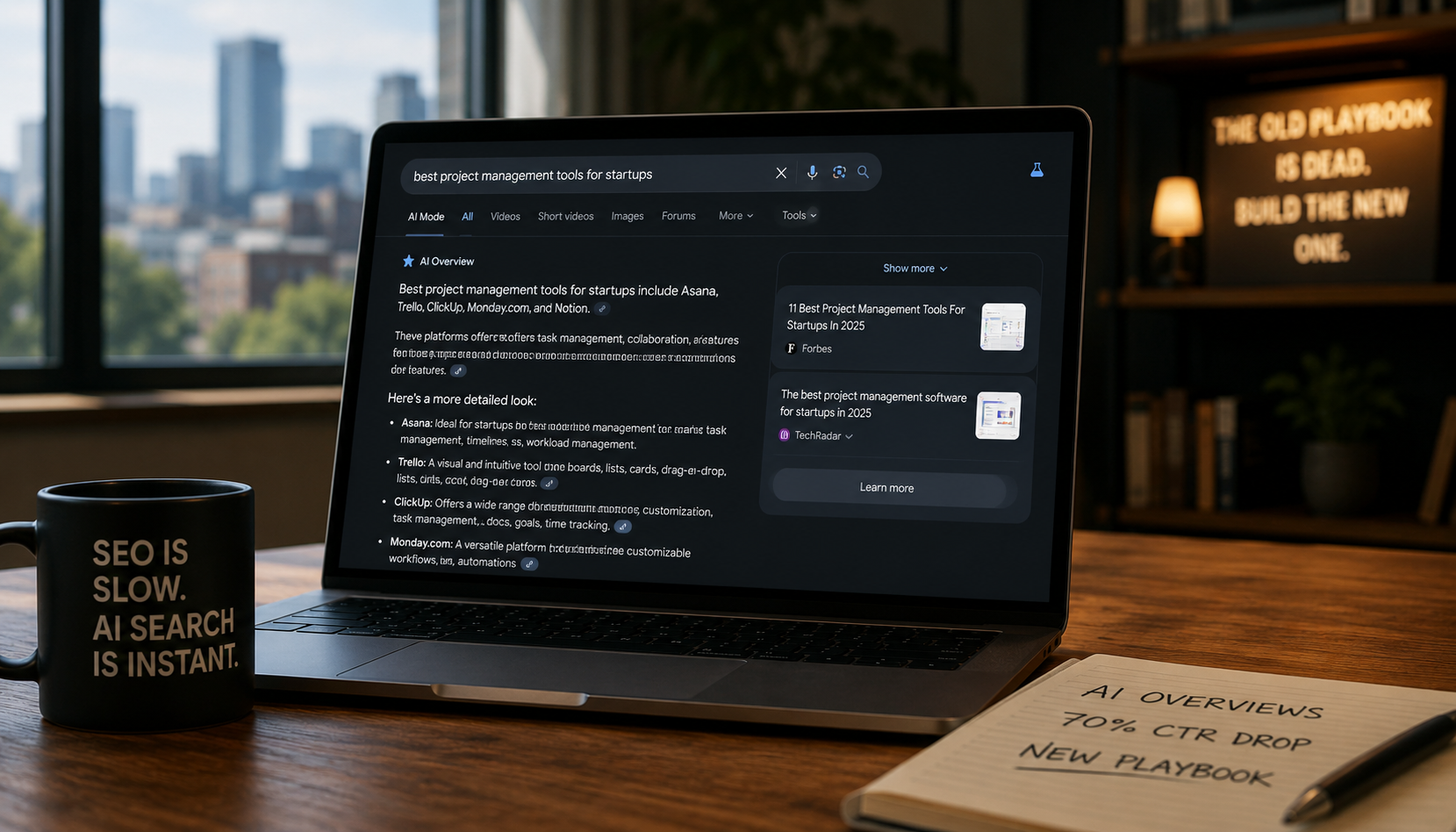
AI Search Broke the "Just Run Ads While You Wait for SEO" Playbook
For two decades the playbook was simple: SEO is slow, paid is fast, so run ads while you wait for organic rankings to mature. AI search pulled out the structural beam. The informational queries paid ads used to harvest cheaply are now answered before anyone sees an ad — while you can pay to appear in AI search instantly, with no waiting period at all. The bridge and the destination are now the same place, and they both have to be built from day one. Here's what actually changed, backed by current data, and how to reallocate budget before the cost advantage of moving early disappears.