
Why Your Website Isn't Showing Up in Perplexity — And How to Fix It
You search for what your business does in Perplexity. A confident, well-sourced answer appears. It cites three competitors. Your website isn't mentioned anywhere. The reason probably isn't that your content is bad — it's that your content isn't structured, accessible, or authoritative in the specific ways Perplexity's retrieval system requires. Here's why your site is being skipped and exactly what to do about it.
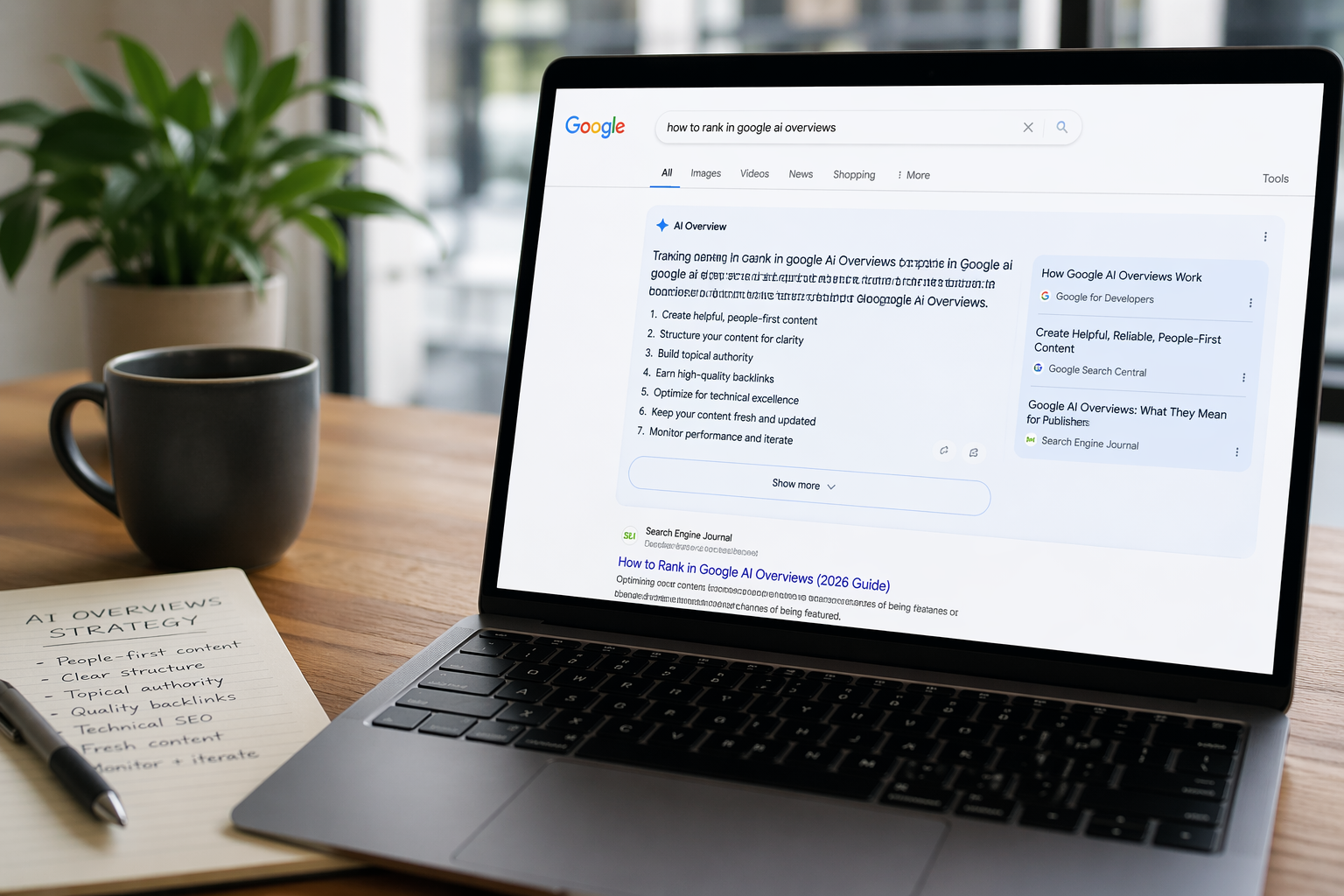
How to Rank in Google AI Overviews (Step-by-Step)
You're ranking on page one. Your content is solid. But a Google AI Overview is sitting above your listing, answering your customers' questions, and sending them on their way without a click. That's the new reality of search in 2026 — and the brands appearing inside those summaries are winning the visibility game. Here's the exact step-by-step process to get your content cited in Google AI Overviews.
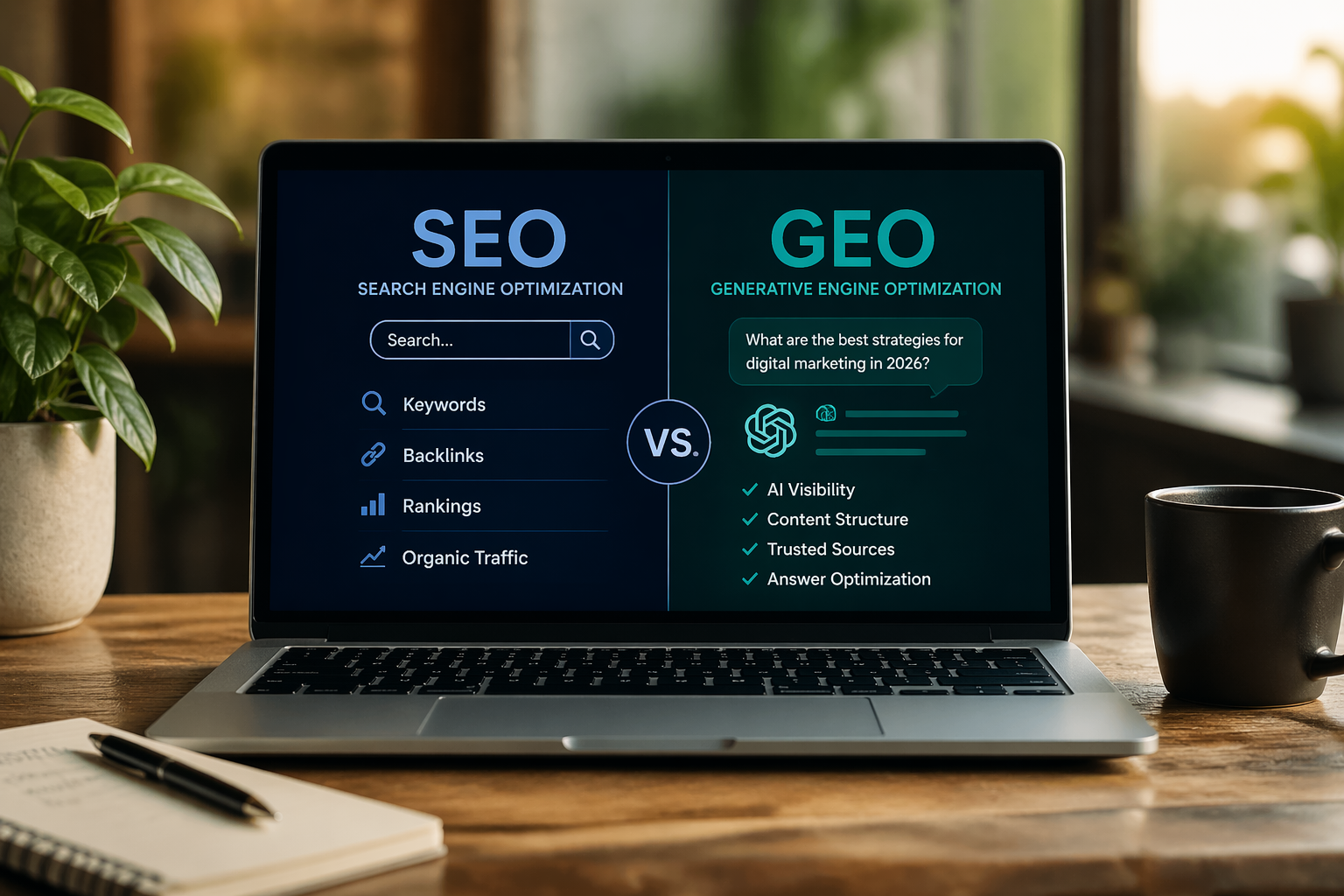
GEO vs. SEO: What's the Difference and Which One Wins in 2026?
Zero-click searches just hit 69% of all Google queries. AI-referred sessions jumped 527% year-over-year. More than a third of US consumers now start product research in AI, not search. The landscape has shifted — and if your visibility strategy is still SEO-only, you're already behind. Here's what GEO is, how it differs from SEO, and why the winning answer in 2026 isn't one or the other — it's both.
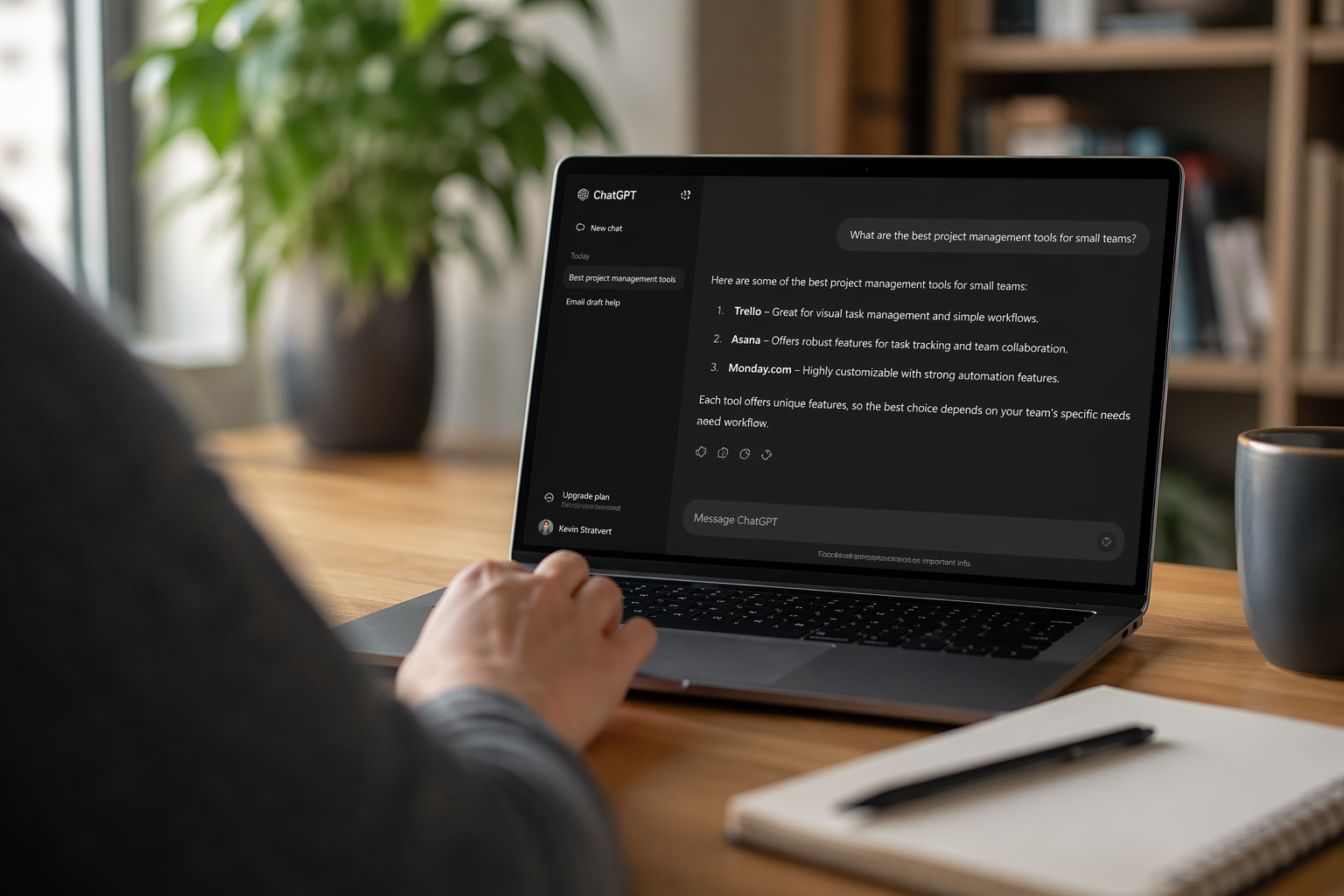
How to Get Your Brand Cited in ChatGPT Answers
Someone just asked ChatGPT for the best solution to your customer's exact problem. An answer came back with three brand names. Yours wasn't one of them. That scenario is playing out millions of times every day — and the brands showing up aren't getting lucky. They're following a clear, repeatable strategy. Here's exactly what it takes to get your brand cited in ChatGPT answers.
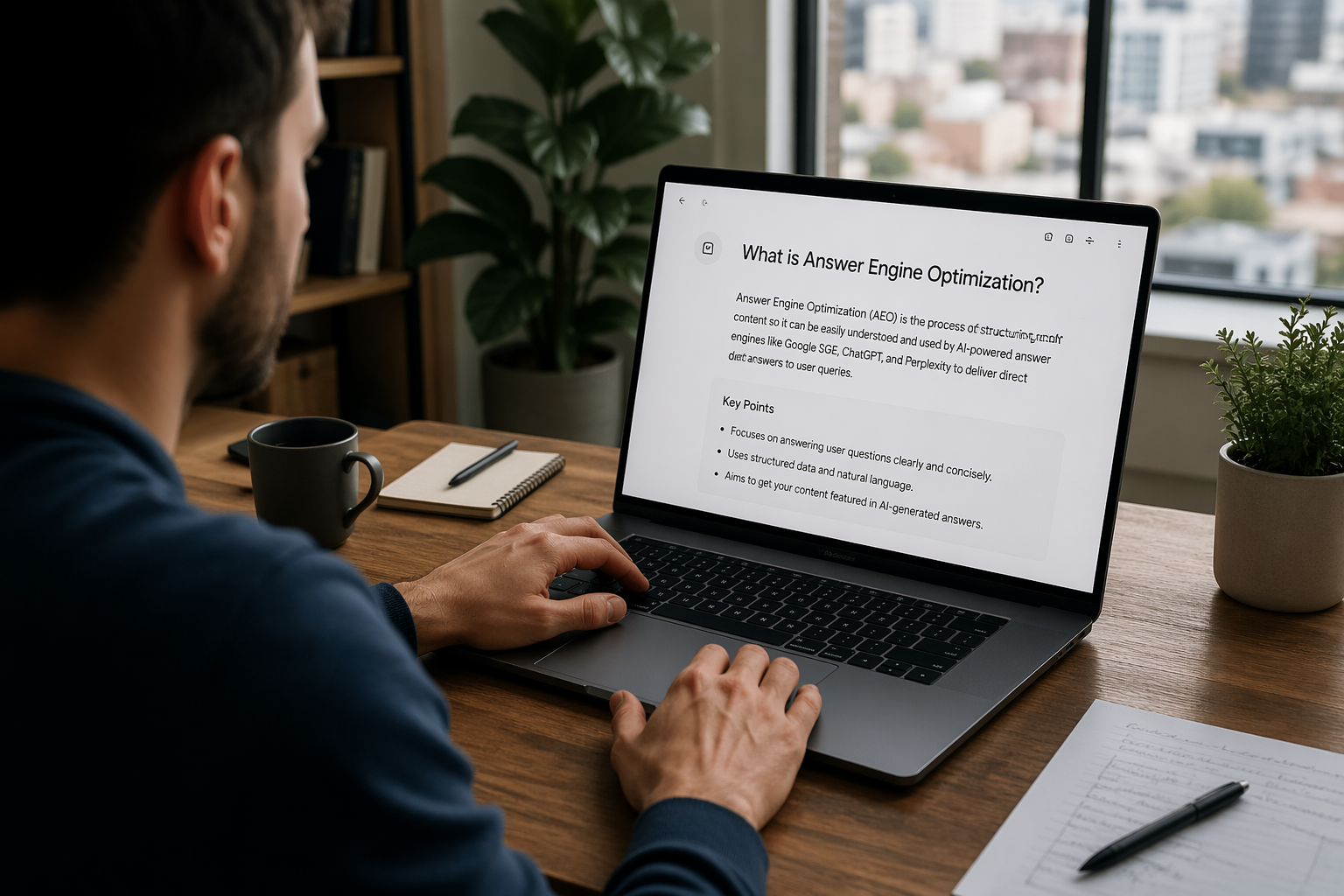
What Is Answer Engine Optimization (AEO) and Why Your Business Needs It Now
More than two-thirds of Google searches now end without a single click to a website. ChatGPT serves 800 million users weekly. The way your customers find you is changing faster than most businesses realize — and the brands that adapt now will be the ones showing up when AI gives the answer. Here's what Answer Engine Optimization is, why it matters, and what to do about it.
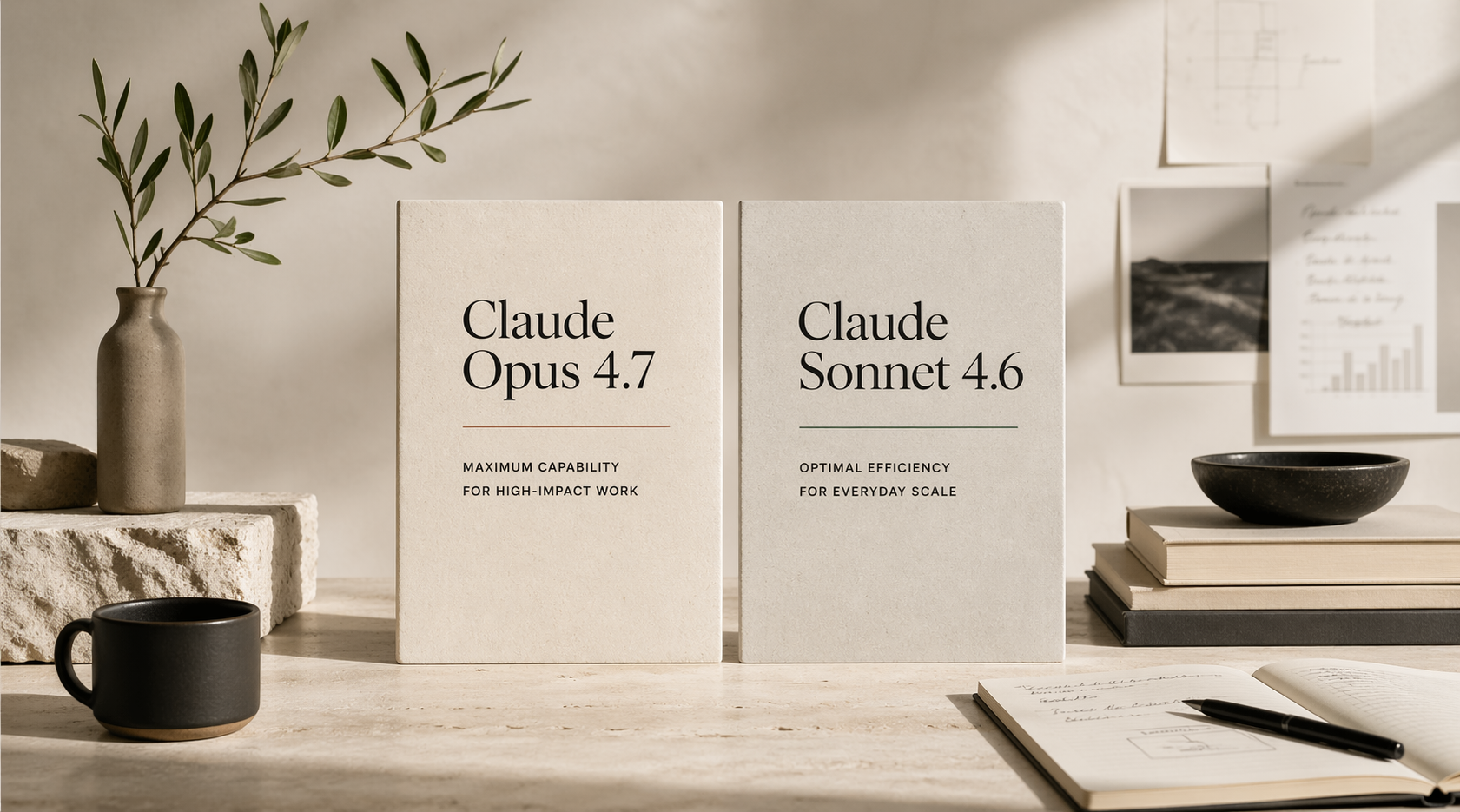
Claude Opus 4.7 vs. Claude Sonnet 4.6 for Marketing Operations: Which Model Should Actually Run Your Marketing Stack
For marketing teams that have moved from experimenting with AI to actually building it into their core operations, the question of which Claude model to use isn't theoretical anymore — it's a budget line item with real cost and quality implications every month. Claude Opus 4.7 launched in April 2026 at $5/$25 per million tokens. Claude Sonnet 4.6 sits at $3/$15. Both are capable. Both have legitimate marketing use cases. And the wrong default can leave you spending 40-60% more than you need to without any noticeable lift in output quality. Here's how to actually think through the choice for marketing operations specifically — what each model is best at, where the cost-performance tradeoff lands for the work that actually gets done in modern marketing teams, and how to build a routing strategy that gets the leverage of Opus where it counts and the cost efficiency of Sonnet everywhere else.

Hiring a C-Suite Executive With No Personal Brand Is a Strategic Risk. Here's What It's Actually Costing You.
A decade ago, a senior executive with no personal brand was unremarkable. Gravitas came from being unreachable, and anyone too active on LinkedIn was probably just looking for their next job. That world is gone. In 2026, an executive with no public footprint isn't projecting gravitas — they're projecting absence, and the cost to the companies that hire them is no longer hypothetical. Edelman puts 71% of consumer trust on the line. Weber Shandwick ties 44% of company market value to CEO reputation. Brunswick finds 82% of candidates research an executive's online presence before accepting a role. Here's what hiring senior leaders with no personal brand is actually costing your company, why most great executives don't have one, and what to do about it without asking the executive to add another full-time job to their plate.
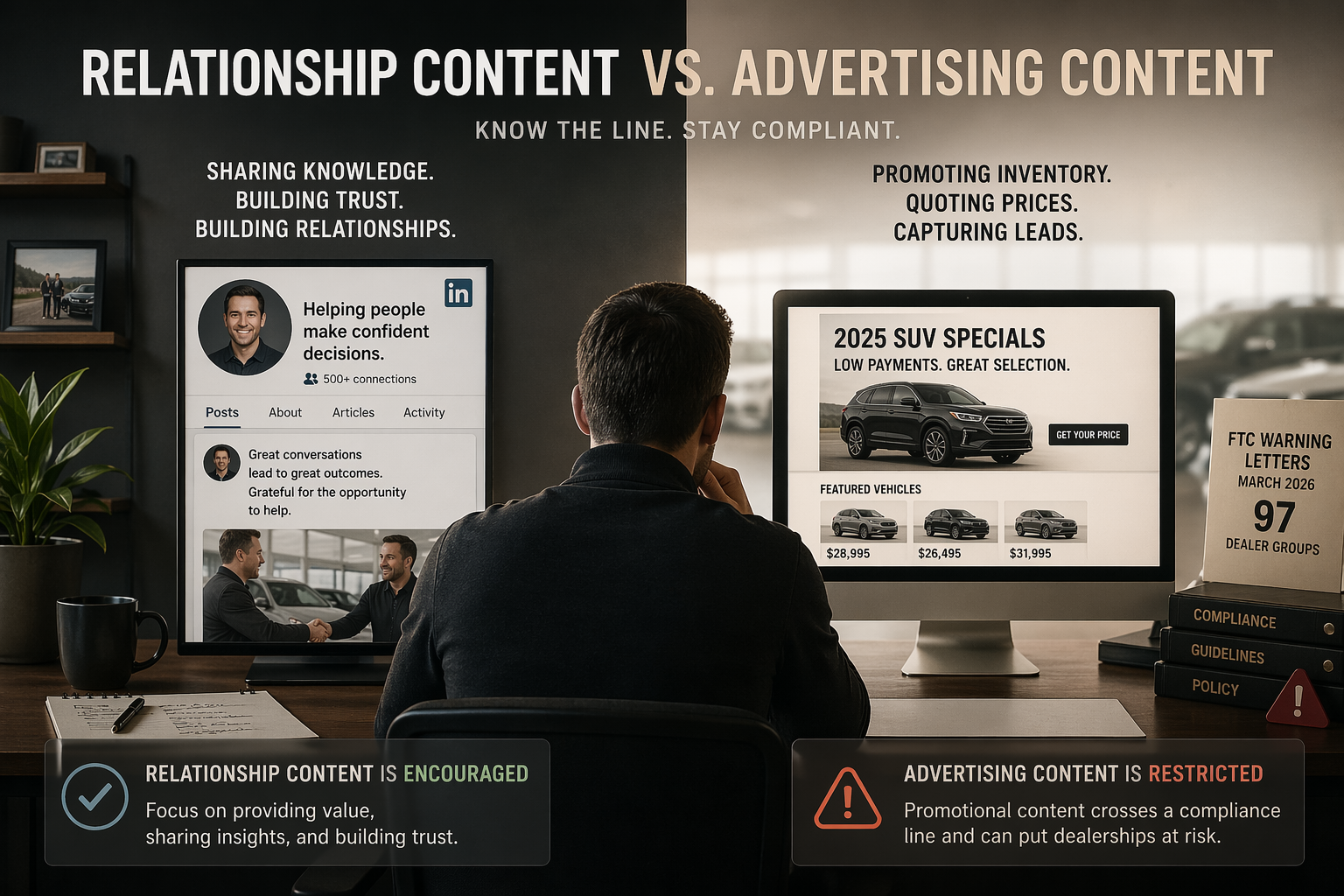
The Auto Sales LinkedIn Loophole: Why Personal Social Branding Works But a Personal Lead-Gen Website Doesn't
A car salesperson can build a 40,000-follower LinkedIn presence, post daily, and become an industry personality — and their dealership will encourage every minute of it. That same salesperson can't build a personal website that advertises vehicles, quotes prices, and captures leads, and if they do, the dealership will shut it down. It looks arbitrary until you realize the distinction isn't between social media and websites at all. It's between relationship content and advertising content — and in the wake of the FTC's March 2026 warning letters to 97 dealer groups, the line has never been sharper. Here's why personal branding works in one channel and crosses a compliance line in the other, and what dealerships and salespeople should actually be doing about it.

Why Real Estate Agents Build Personal Websites and Car Salespeople Don't: A Regulatory Tale of Two Sales Jobs
Every real estate agent seems to have their own website. No car salesperson does. It's not a matter of ambition, tech-savviness, or marketing sophistication — it's a matter of law. Real estate agents are federally classified as independent contractors who own their client relationships and keep their pipelines when they change brokerages. Car salespeople are legally defined as employees of licensed dealers, with licenses tied to specific stores and advertising compliance obligations that make independent marketing a liability rather than an asset. Here's why that structural difference matters for every business trying to figure out where personal branding actually works — and where company-level marketing is the only strategy that pays off.
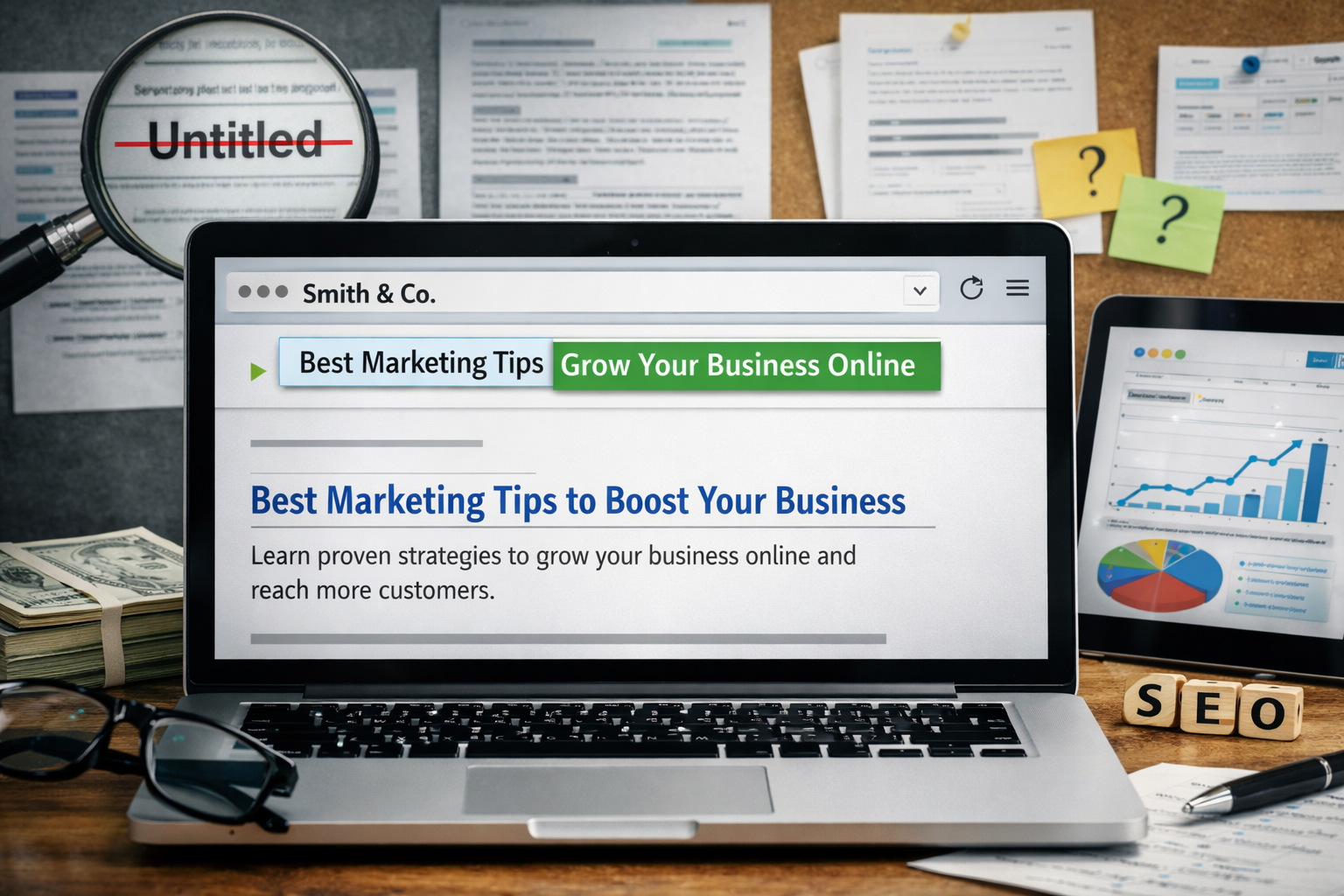
Why Your Site Title Should Do More Than Just Say Your Name
If your homepage title tag is just your business name, you're leaving money on the table. Google rewrites 76% of title tags — usually by stripping brand names — because they don't tell searchers what your page is about. Here's how to write a title tag that actually works for you.
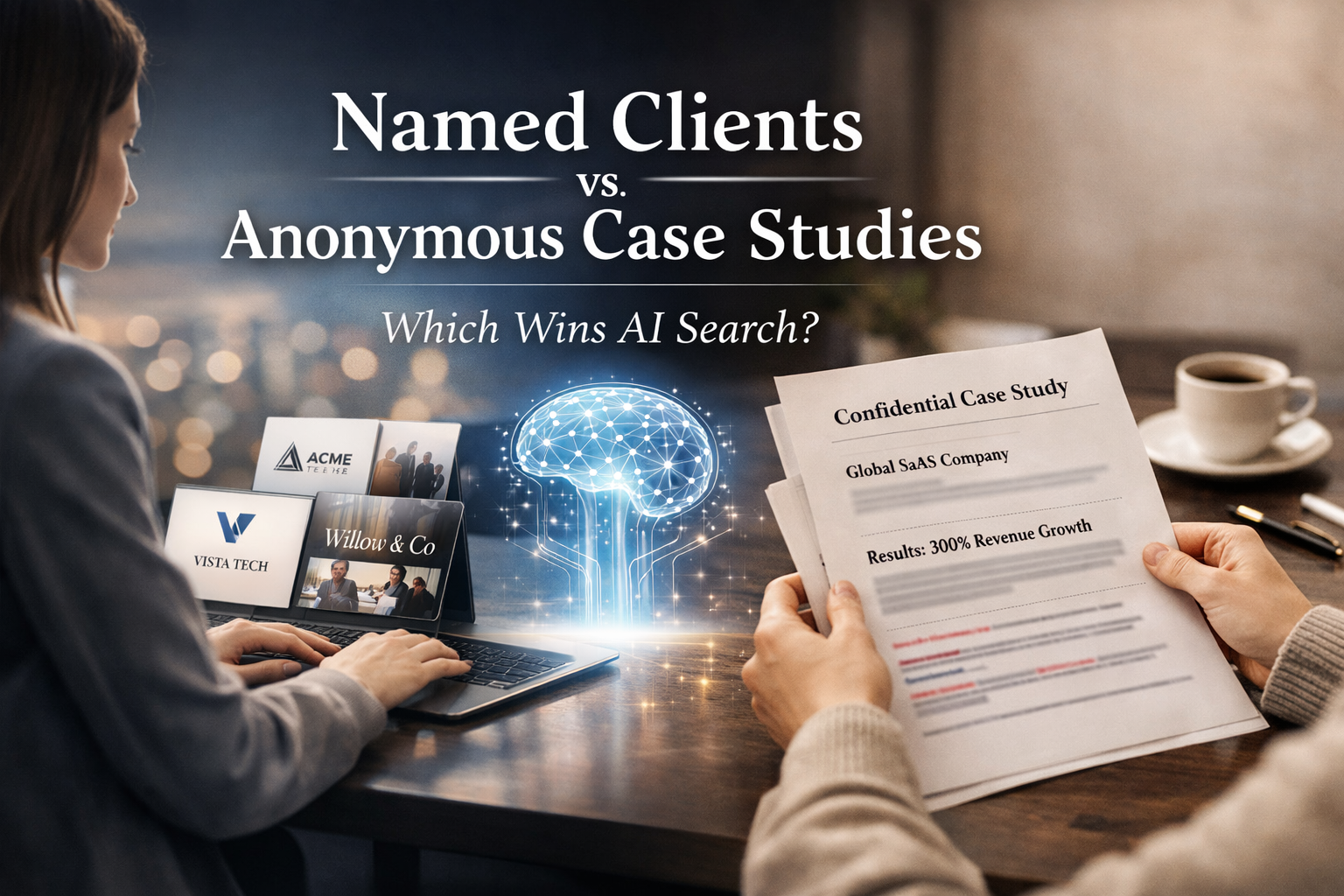
Named Clients vs. Anonymous Case Studies: Which Actually Helps You Get Cited by AI Search?
This is the debate quietly happening inside every marketing team right now. One side says list every client logo you're allowed to name on the homepage — because AI engines need named entities to understand who you work with. The other side says anonymous case studies are safer, more compliant, and let you use bigger numbers. Both camps have a point, but if your goal is actually getting cited by ChatGPT, Perplexity, and Google AI Overviews, the answer isn't close. Named clients win — and not for the reason you think. Here's what's actually happening under the hood, and how to structure your site to take advantage.
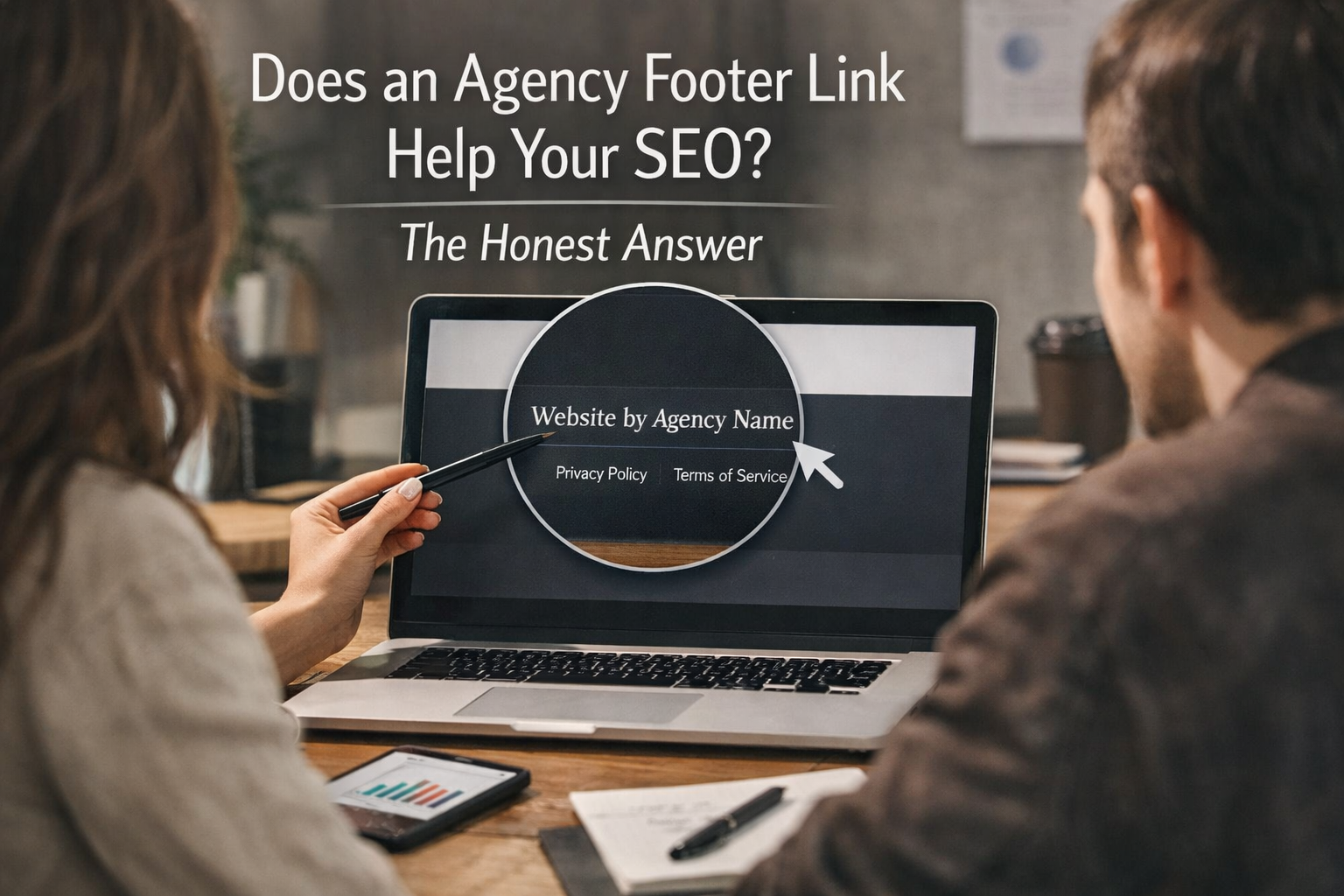
Should You Add Your Agency to Your Website's Footer? The Honest SEO Answer
Walk through the footer of almost any small business website and you'll see it: "Website by [Agency Name]" with a link back to whoever built the site. It's been standard practice for two decades, and somewhere along the way both sides started quietly believing it was helping the client's SEO too. Here's the uncomfortable truth: in most cases, a dofollow footer link pointing from your site to your agency doesn't help your SEO at all. It helps the agency's — and depending on how it's implemented, it can actively hurt yours. Here's the honest breakdown.
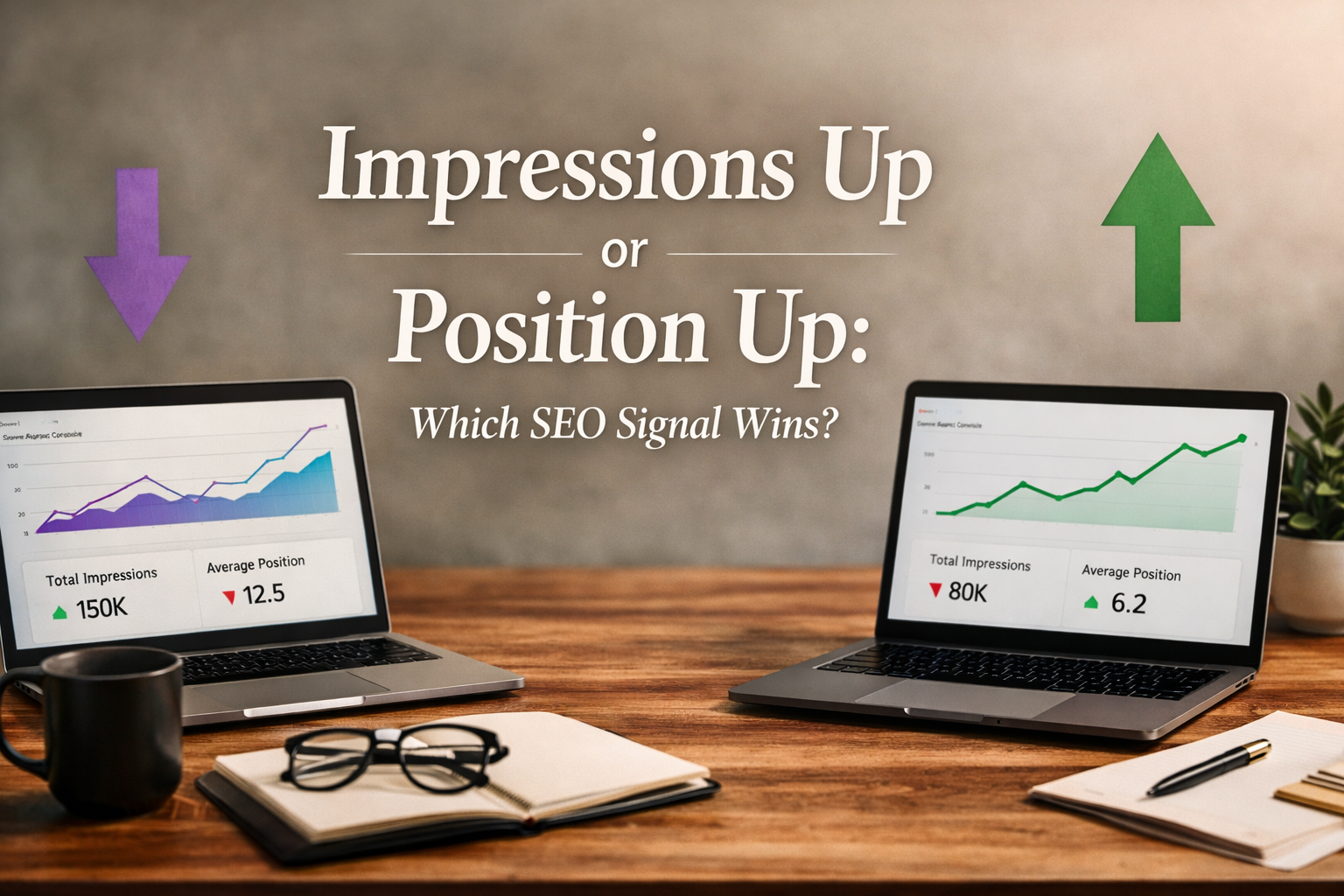
Impressions Up and Position Down — Or Position Up and Impressions Down? What Your Search Console Data Actually Says About Your SEO Maturity
If you've spent any real time in Google Search Console, you've heard both sides of this argument — usually from different SEOs, usually within the same week. "Impressions are up, position is down — that's great." Or the opposite: "Impressions are down, position is up — that's great." Both are technically defensible. Both are also how agencies quietly reframe flat performance as a win. So which one is actually better, and what does each pattern tell you about where your SEO program really sits on the maturity curve? Here's the honest breakdown.
Which Industries Have the Longest Marketing Cycles — And What Does the Data Actually Say?
A plumber can run an ad on Monday and have a booked job by Tuesday. A university might spend 18 months nurturing a prospective student before an application ever gets submitted. The length of your marketing cycle isn't random — it's driven by decision size, stakeholder count, emotional stakes, and risk. Ritner Digital digs into the data on which industries have the longest cycles and what it means for your marketing strategy.
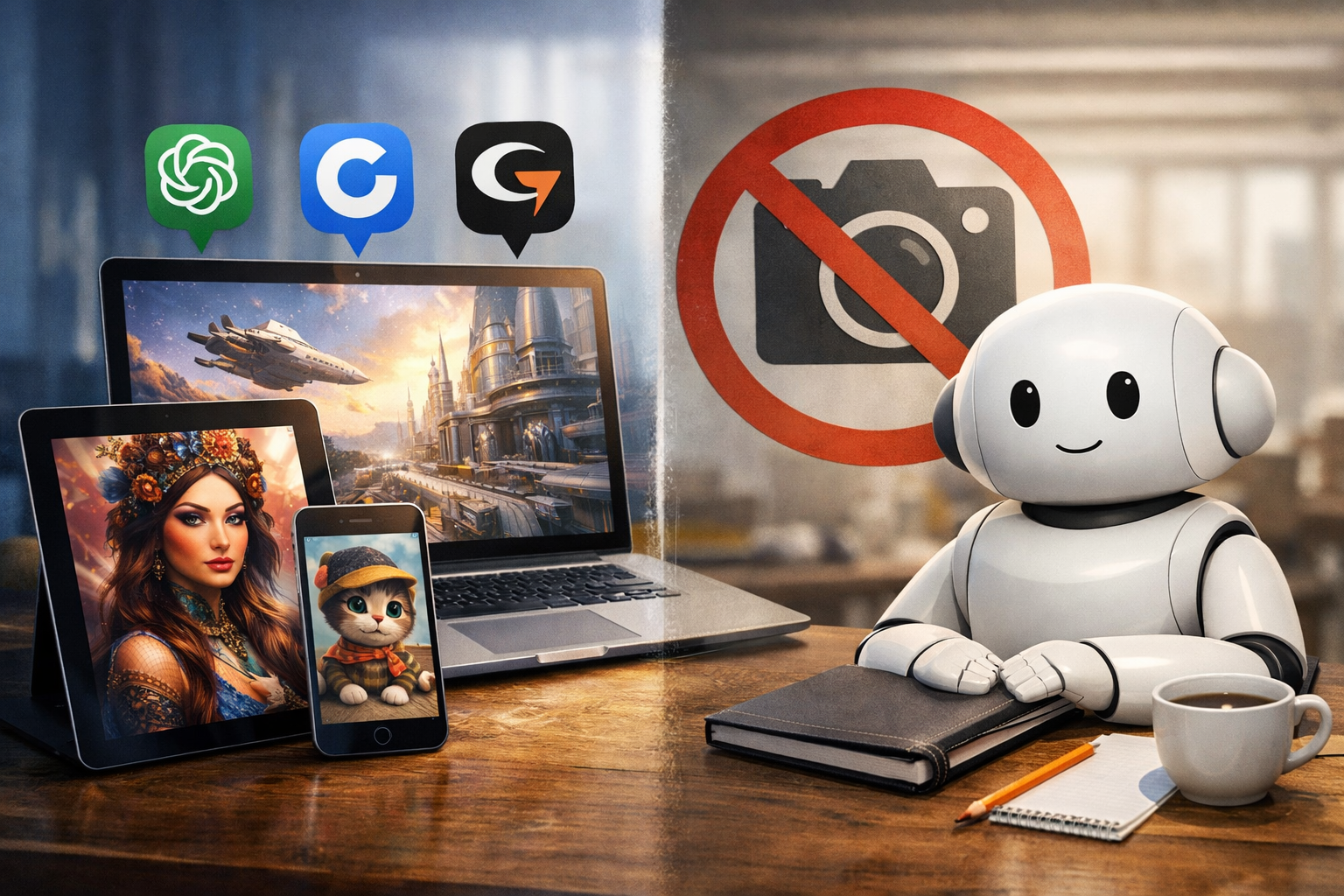
Why Doesn't Claude Have an Image Generator Like ChatGPT? (And Why That's Actually Fine for Your Business)
ChatGPT generates images. Gemini generates images. Grok generates images. Claude doesn't — and for business owners trying to build an AI content workflow, that feels like a gap. But the reason behind it is intentional, the workaround is simple, and for most businesses the missing image tool matters far less than you'd think. Here's the honest breakdown.
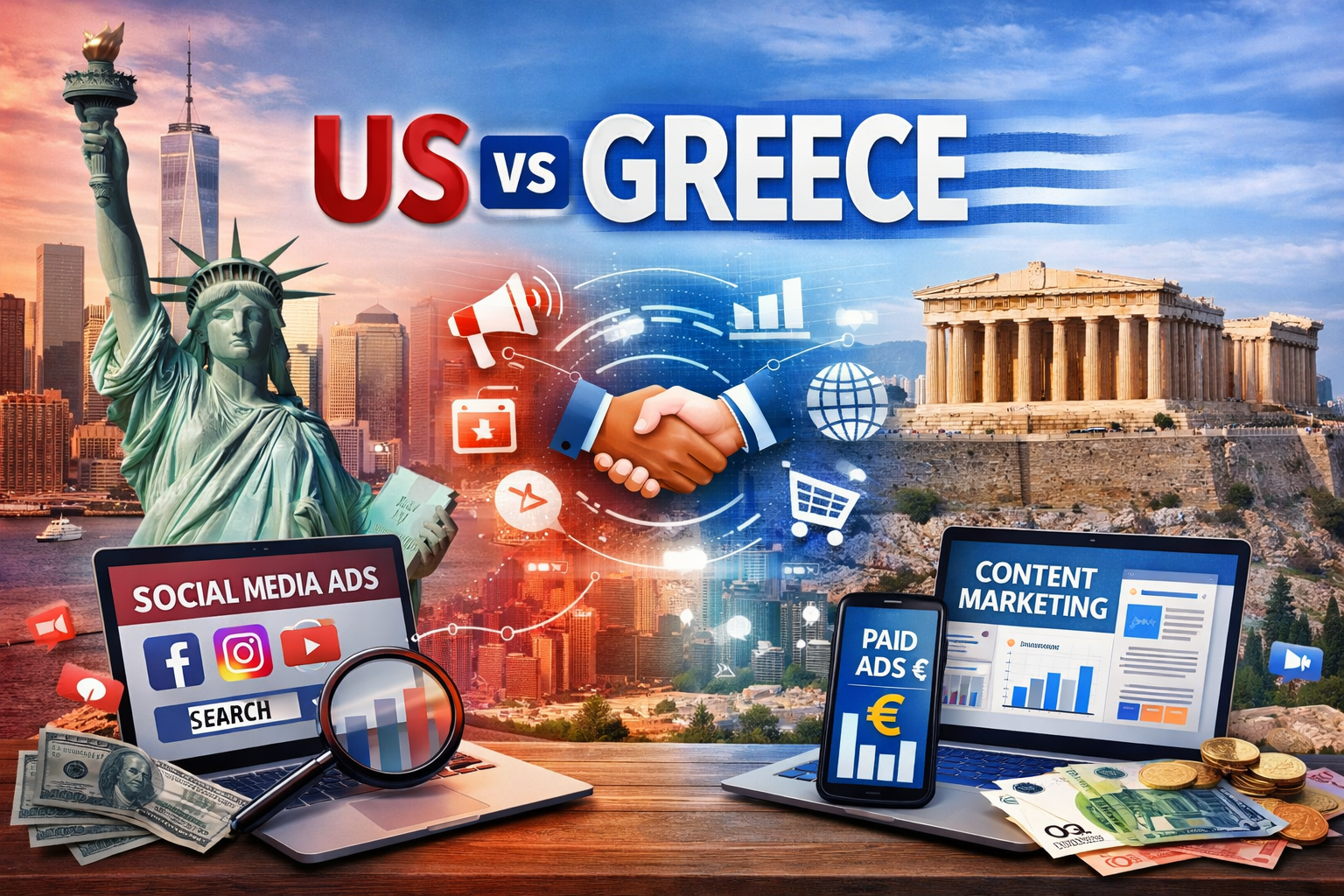
US vs. Greece: How Marketing Trends Compare — And What Each Market Can Learn From the Other
The US and Greece are both digitally connected markets — but the platforms, budgets, consumer behaviors, and trust dynamics that drive results look very different depending on which side of the Atlantic you're operating on. Ritner Digital breaks down the key differences across social media, search, paid advertising, content marketing, and culture — and what businesses in both markets can learn from each other.

Why Americans Can't Stop Falling in Love With Greece — And What It Means for Travel Marketing
Greece has won the hearts of American travelers for five consecutive years — and the numbers behind that loyalty are staggering. US visitors are Greece's fastest-growing and highest-spending long-haul market, and the reasons run deeper than beautiful islands and ancient ruins. In this post, Ritner Digital unpacks exactly why Greece resonates so powerfully with American audiences, and what travel brands need to understand to market to them effectively.
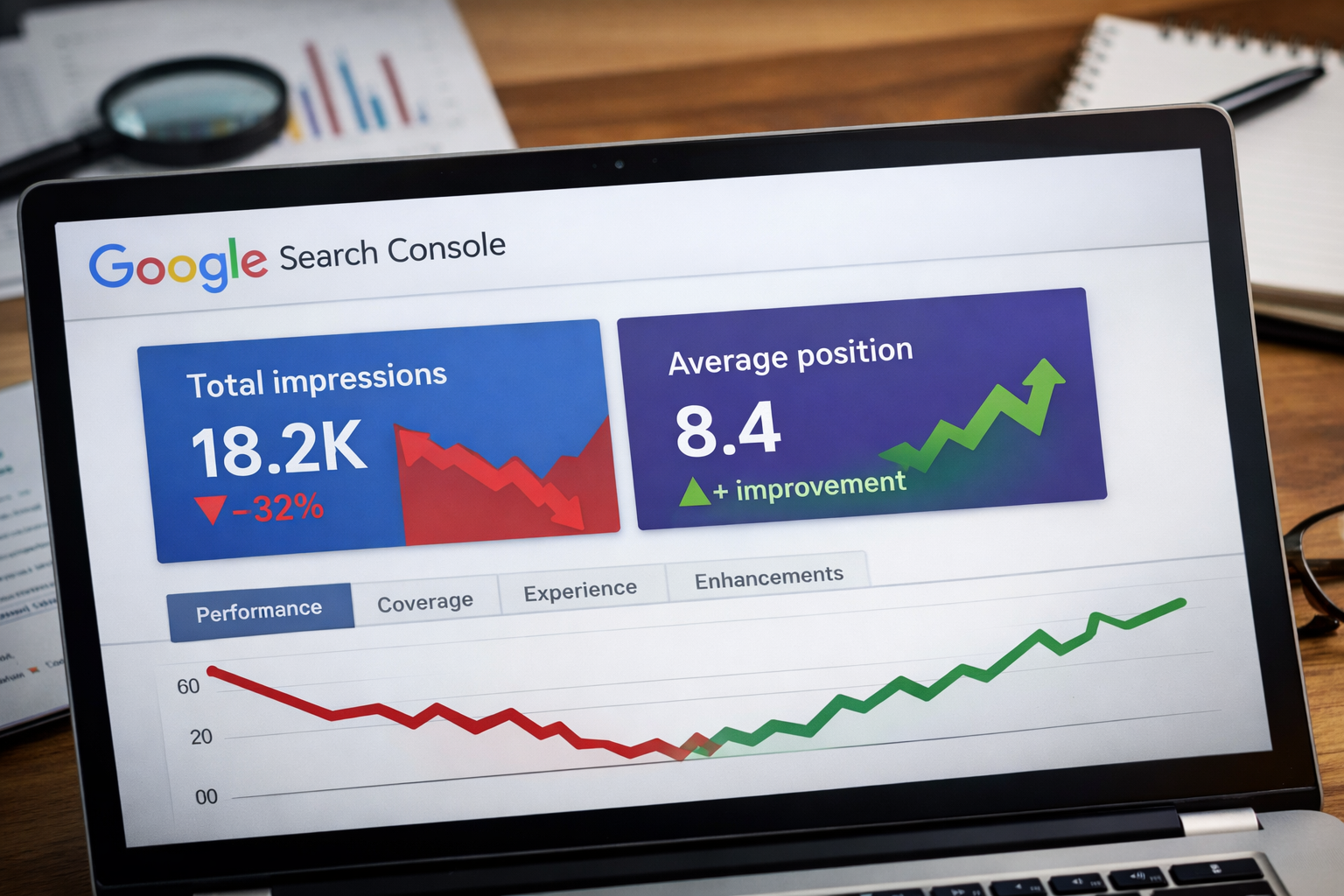
My Impressions Dropped But My Average Position Went Up in Google Search Console — What Does That Mean?
You open Google Search Console and something looks off — your impressions dropped, but your average position improved. That feels like it should be good news, but the dip in visibility has you second-guessing your SEO. Here's what's actually going on, why it usually signals progress rather than problems, and how to know when it's actually worth worrying about.
What Does It Mean to "Stop a Scroll" — And Why Your Business Depends on It
Every day, your potential customers scroll past hundreds of posts without registering most of them. Yours included — unless it does something to make them stop. In this post, Ritner Digital breaks down what "stopping a scroll" actually means, what makes content earn that pause, and why most businesses are unknowingly posting their way into irrelevance.
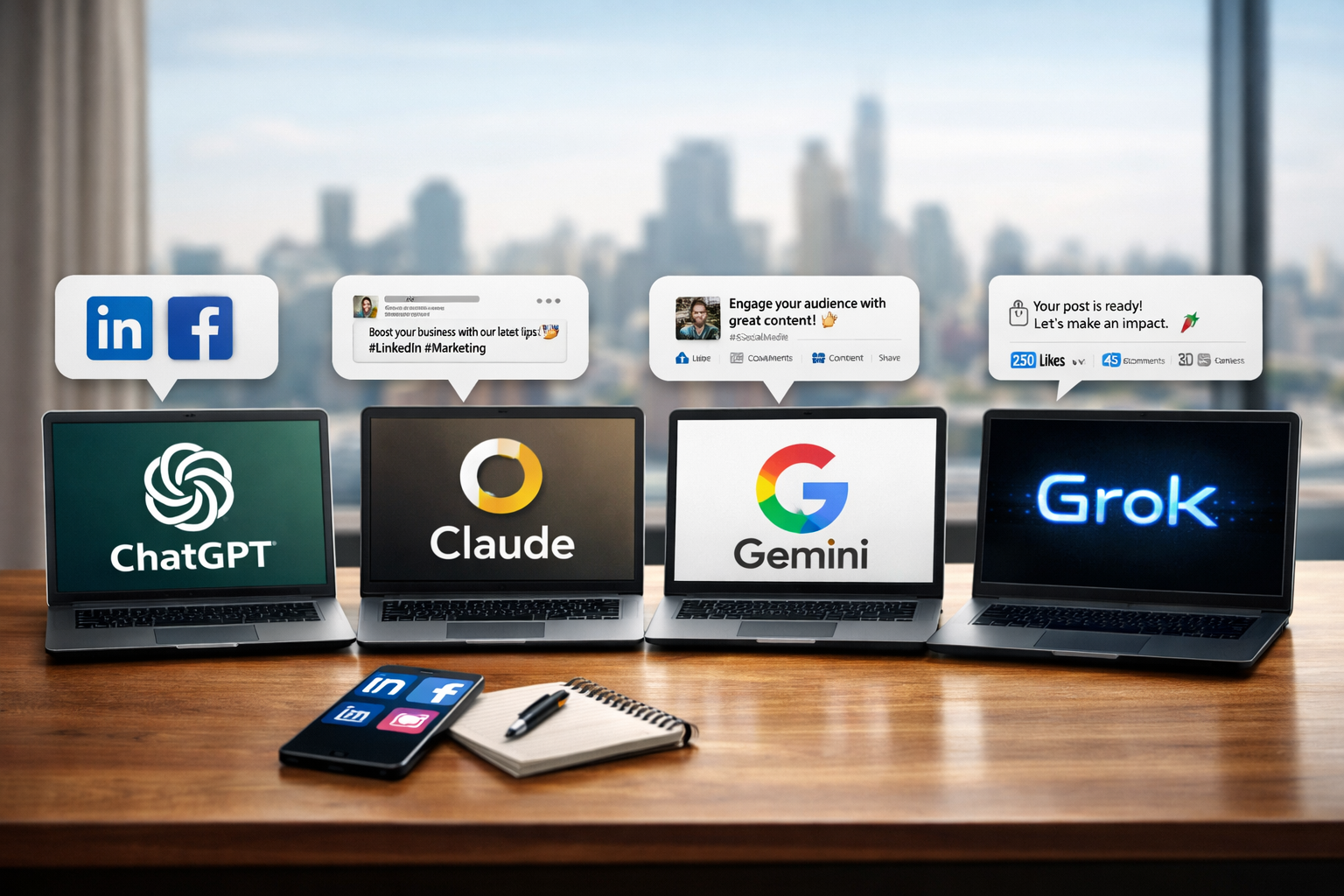
ChatGPT, Claude, Gemini, or Grok: Which AI Writes the Best LinkedIn and Facebook Posts for Your Business?
Every business owner has wondered whether AI can just handle their social media posts. The answer is yes — but only if you're using the right tool. Ritner Digital tested the four biggest AI platforms head-to-head for LinkedIn and Facebook content quality, and the results might surprise you. Here's the honest breakdown, and the clear winner.