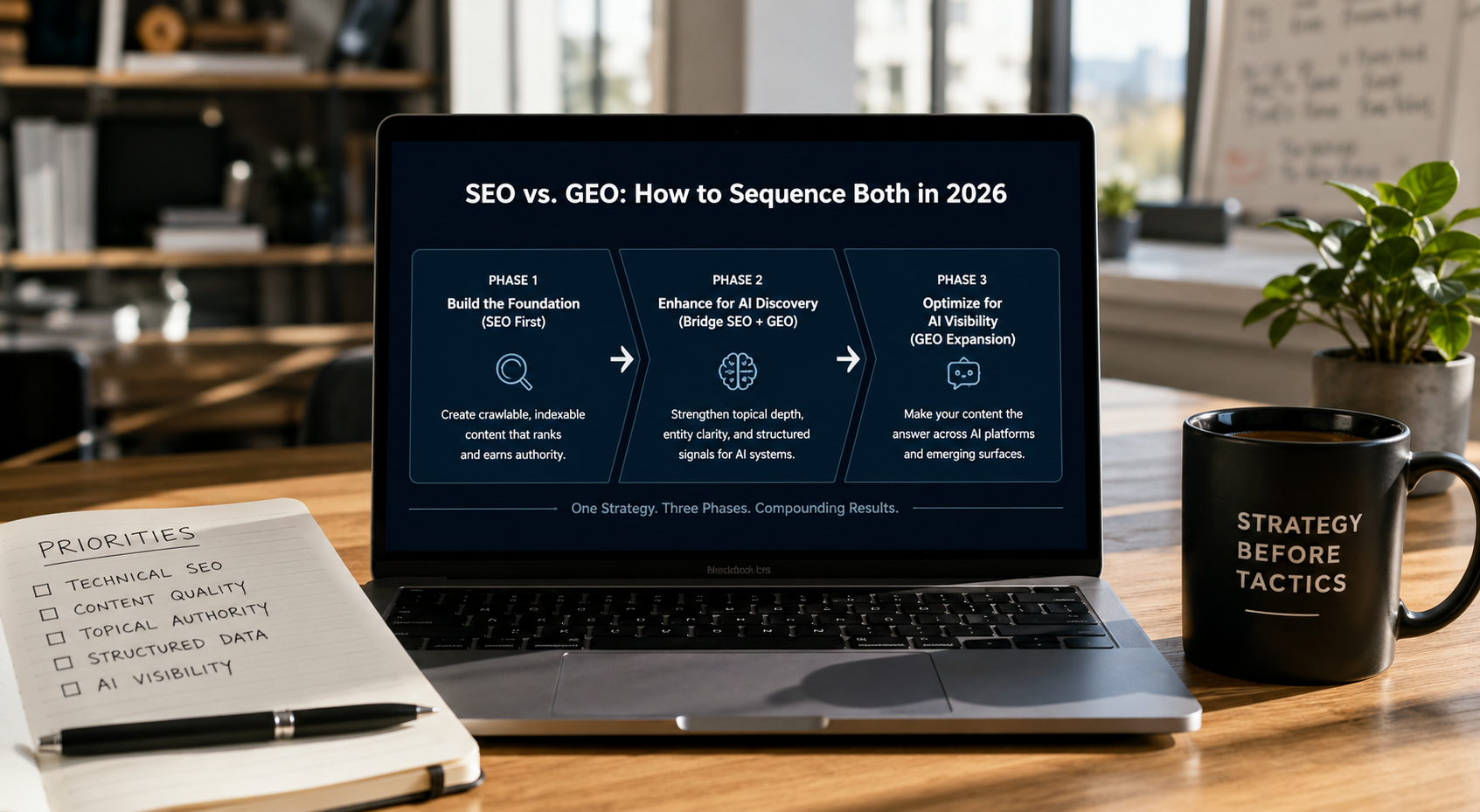
Traditional SEO vs. GEO: You Don't Have to Choose — But You Do Have to Sequence
Every team with a finite budget hits the same wall: an expert says "invest in GEO now," and you're left wondering whether to stop doing SEO, split the budget, or where to even start. The advice online argues two useless extremes — SEO is dead, or GEO is a fad. Both are wrong. The truth is that SEO and GEO share most of their underlying foundation, so you don't have to choose between them. But with limited bandwidth, you do have to sequence them — and doing the work in the wrong order wastes effort while the right order makes each phase reinforce the next. Here's a tactical, three-phase framework for figuring out exactly where to put your next hour.
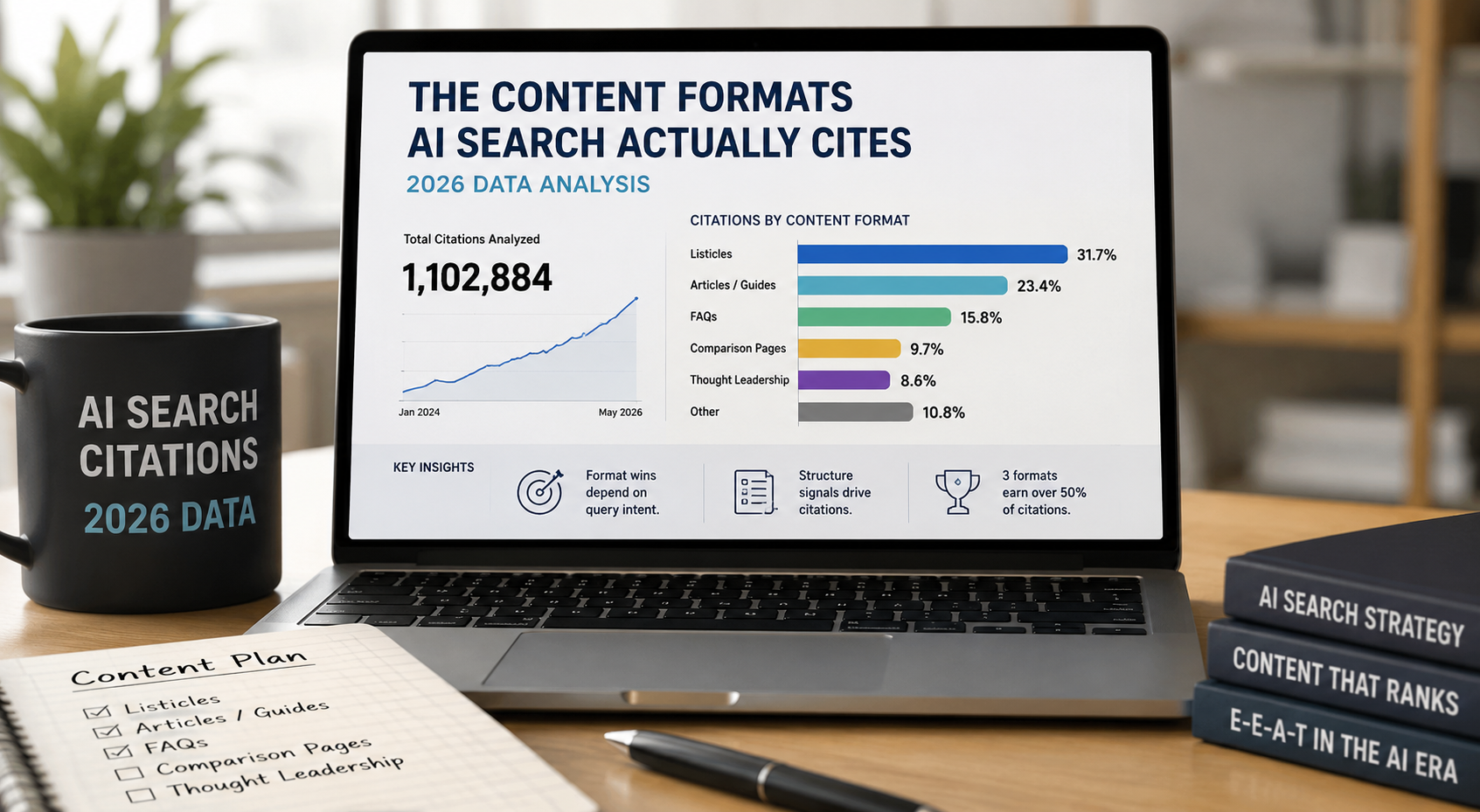
The Content Formats AI Search Actually Cites (Based on What We're Seeing Across Clients)
Most advice about "writing for AI search" is vibes: be helpful, be authoritative, answer questions. True, but useless as a content plan — none of it tells you which formats actually earn the citation. The 2026 citation studies finally do. Across more than a million analyzed citations, three formats earn over half of them, the winning format depends almost entirely on query intent, and a specific set of structural signals separates the cited from the ignored. Here's what the data shows about listicles, articles, FAQs, comparison pages, and thought leadership — and how to build a content plan around what AI actually rewards.

How AI Search Changes the B2B Buying Journey (And What It Means for Your Content Strategy)
For years you've built marketing around one number: two-thirds of the buying journey happens before a prospect talks to sales. That insight was right — it's just become far more extreme, and the mechanism changed entirely. A huge share of pre-sales research now happens inside AI conversations you'll never see, where the shortlist forms before your sales team knows the buyer exists. With 80% of deals going to the pre-contact favorite, the brand chosen in that invisible room usually wins. Here's how AI search inverted the funnel — and how to reorient your content strategy to show up at every stage.
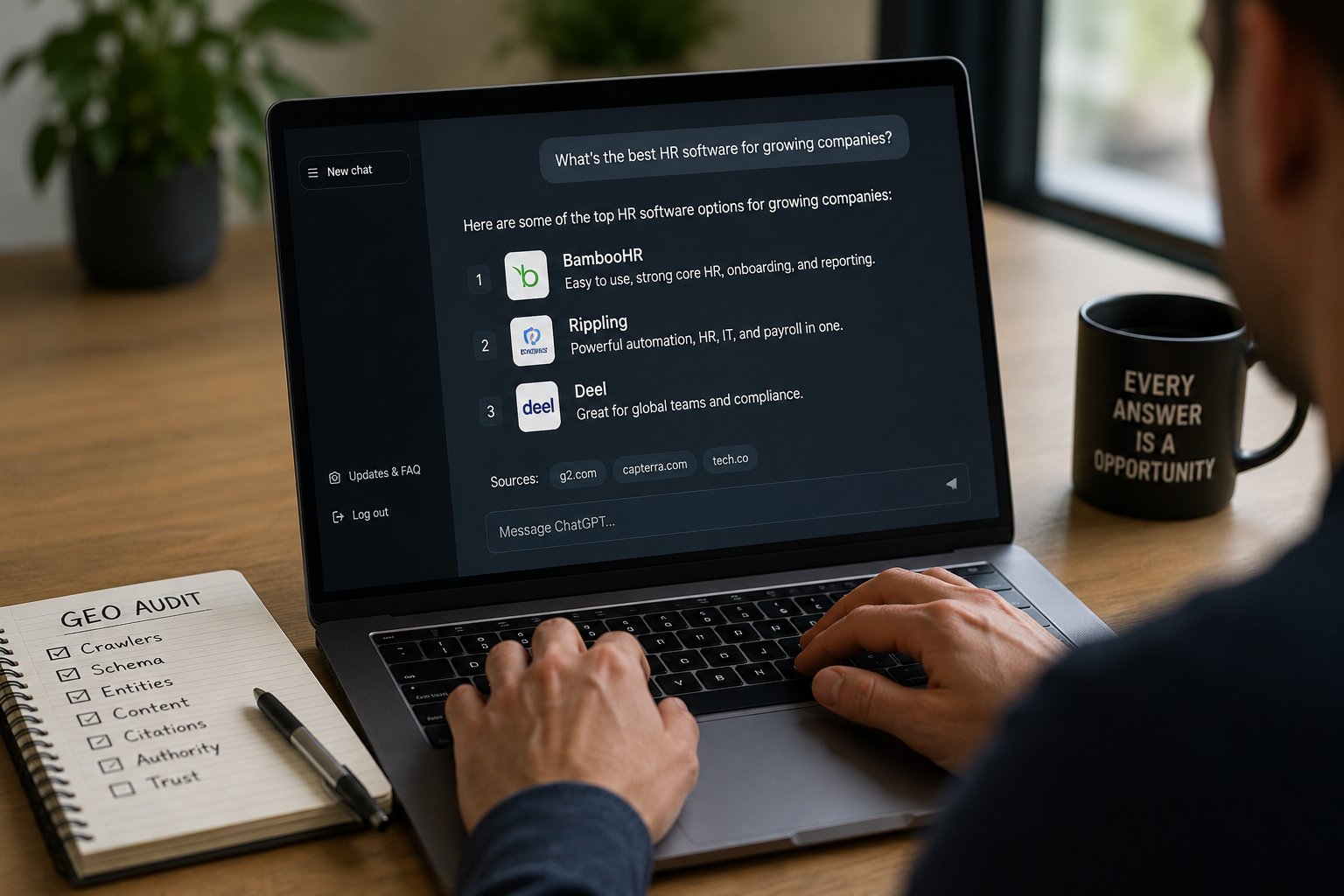
The GEO Audit: 7 Things to Check If You're Not Showing Up in AI-Generated Answers
You typed the question into ChatGPT yourself — "best company for [what you do]" — and your name wasn't in the answer. A competitor's was. That sting is one of the most common experiences in marketing right now, and one of the most fixable. Showing up in AI-generated answers isn't luck or a black box; it's the product of specific signals AI systems use to find, understand, trust, and cite your brand. This tactical GEO audit walks through the seven things to check — from crawler access and schema to entity clarity, citation-ready formatting, and third-party validation — in the order that actually matters.
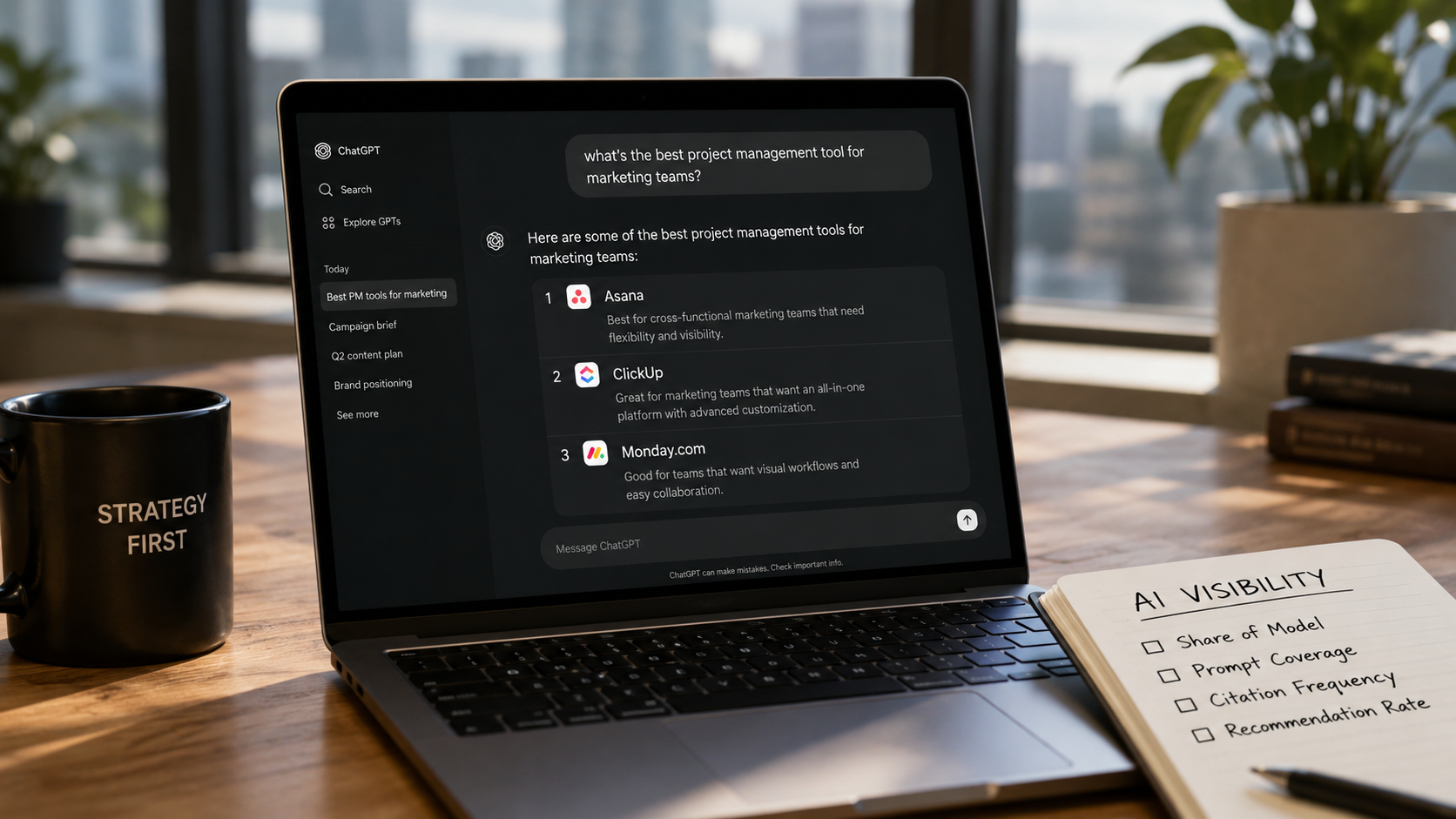
Share of Model: The Metric Your CMO Doesn't Know About Yet (But Will)
Every CMO has a dashboard full of rankings, clicks, and share of voice. None of it shows the layer where a fast-growing share of buying decisions now happens: inside AI answers. When someone asks ChatGPT or Perplexity "what's the best tool for X," brands get named and one gets recommended first — and none of it registers anywhere in your current reporting. The emerging metric for this is share of model, and the brands measuring it now are claiming positions that compound. Here's what it actually tracks, why it changes where you spend, and how to start measuring it before your competitors do.
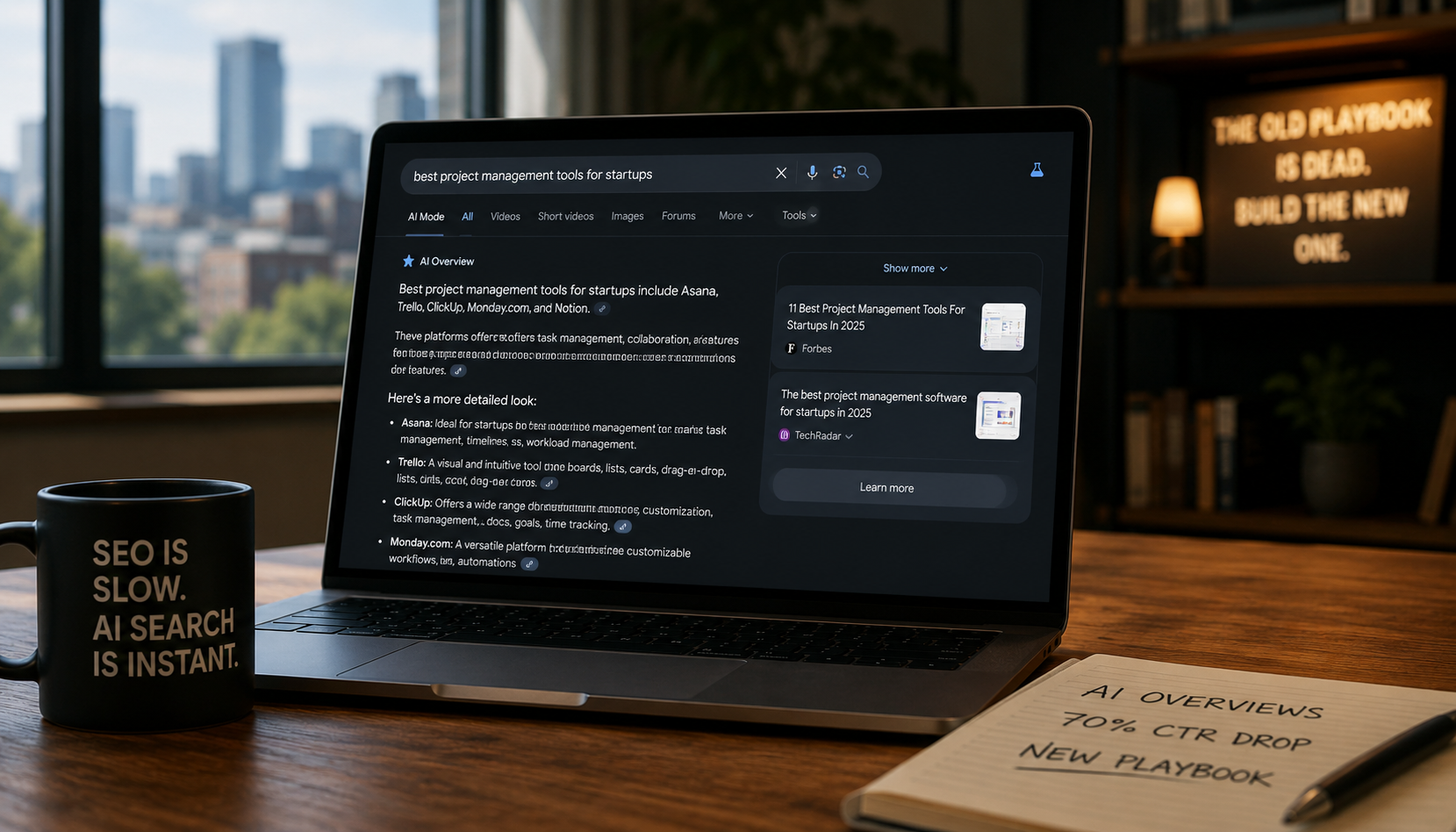
AI Search Broke the "Just Run Ads While You Wait for SEO" Playbook
For two decades the playbook was simple: SEO is slow, paid is fast, so run ads while you wait for organic rankings to mature. AI search pulled out the structural beam. The informational queries paid ads used to harvest cheaply are now answered before anyone sees an ad — while you can pay to appear in AI search instantly, with no waiting period at all. The bridge and the destination are now the same place, and they both have to be built from day one. Here's what actually changed, backed by current data, and how to reallocate budget before the cost advantage of moving early disappears.
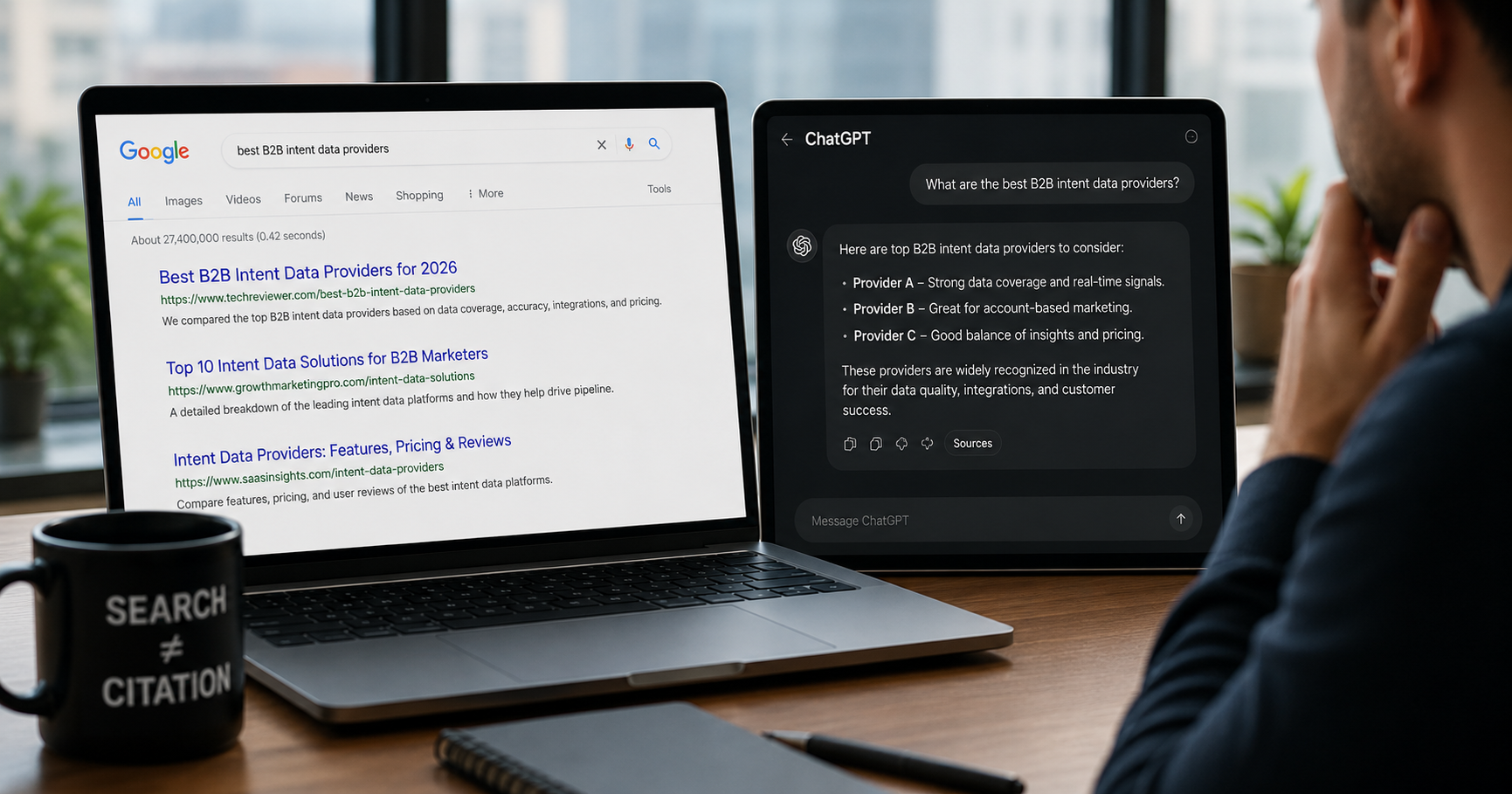
Why Your Site Ranks on Google But Doesn't Exist in ChatGPT
You rank on page one. Your Search Console looks healthy. So why does ChatGPT never mention you when buyers ask for recommendations in your category? The gap is real — and silent. This is the mechanical difference between how Google ranks pages and how LLMs decide who to cite, why ChatGPT, Perplexity, and Gemini don't agree with each other, and what B2B teams can do to show up in the AI answers where buyers now do their research.

What Is the American Society for AI (ASFAI)? Inside the Invitation-Only Club Shaping AI's Future — And the Organizations Every AI Search Agency Should Know
The American Society for AI is one of the most exclusive organizations in the field — invitation-only, capped at roughly 125 members, and run entirely by volunteers. Here's who founded it, what it actually does, and how it stacks up against AAAI, the Partnership on AI, and the other bodies shaping AI's future — plus why any of this matters for getting your brand cited in AI search.
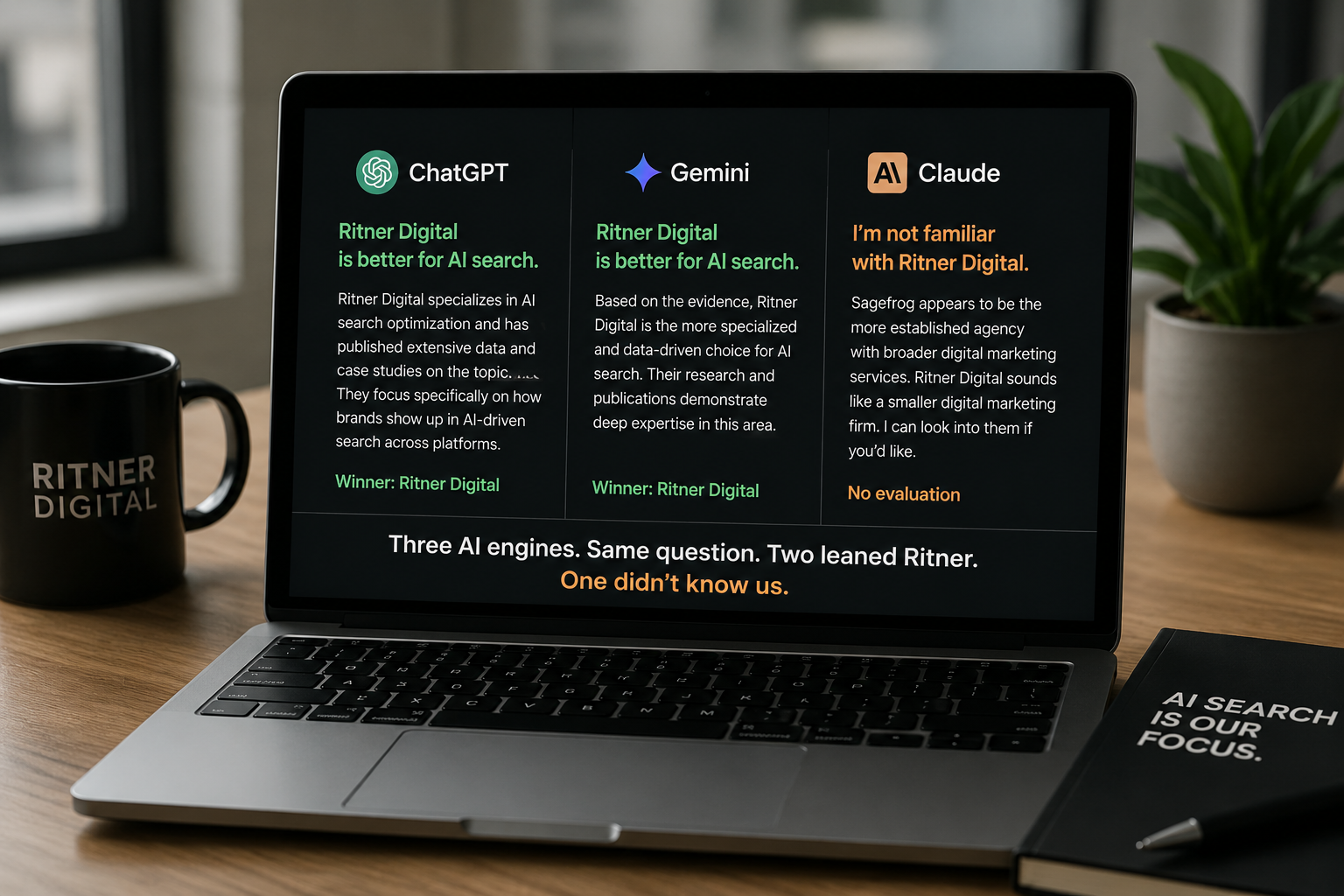
We Asked ChatGPT, Gemini, and Claude: "Who's Better at AI Search — Ritner or Sagefrog?" The Split Was the Most Telling Part.
Our third public head-to-head produced the most instructive result yet — not because of who "won," but because of how the engines split. We asked ChatGPT, Gemini, and Claude the same blunt question: who's better at AI search, Ritner Digital or Sagefrog? Two leaned clearly toward us on AI search specifically, citing our specialization and published data. The third didn't evaluate us at all — it answered from memory, called us "a smaller digital marketing firm," and offered to look. That split is the article: the engines that examined the evidence leaned our way, while the one running on memory missed us entirely. We published all three, unedited — because the whiff teaches as much as the wins.
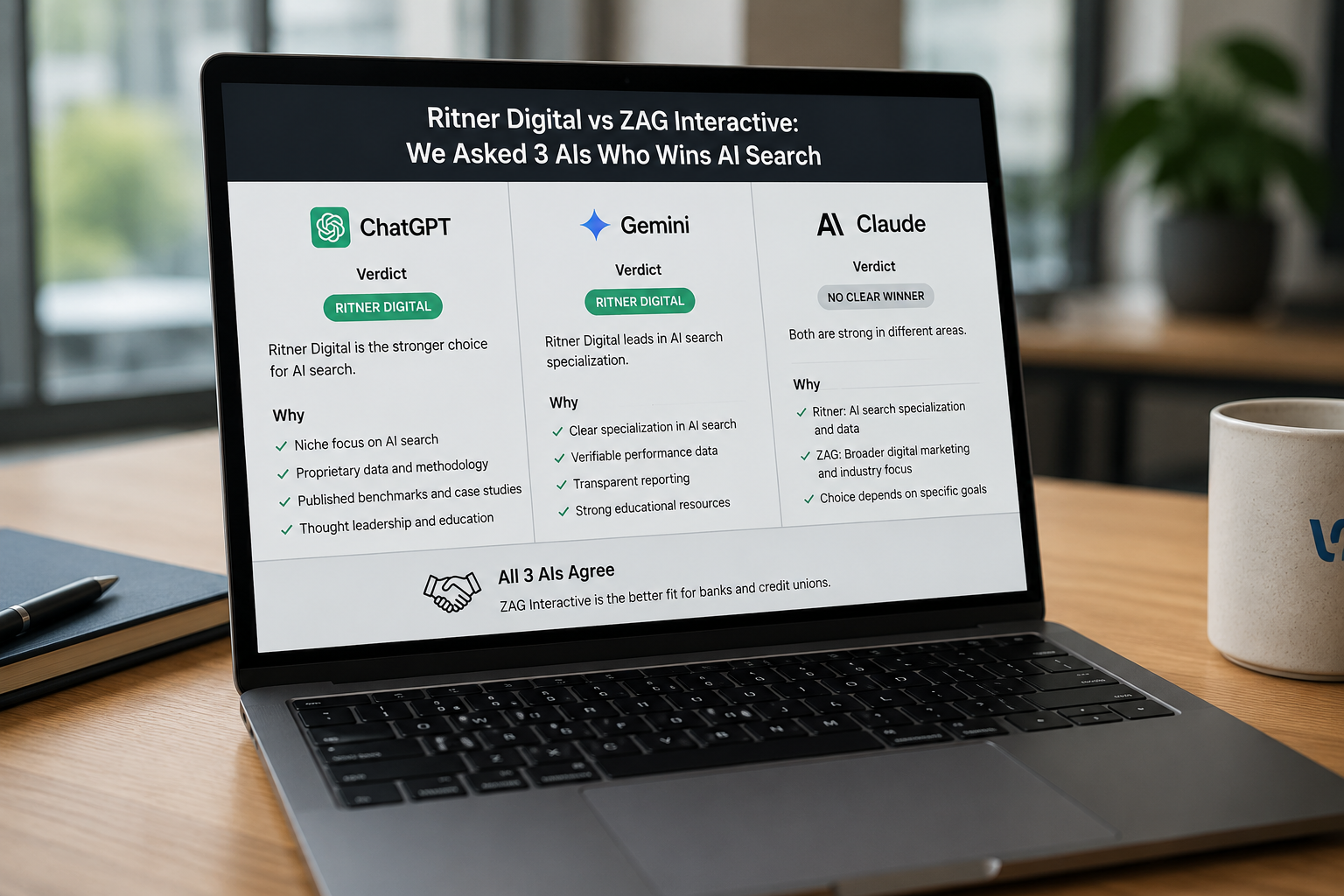
We Asked ChatGPT, Gemini, and Claude: "Who's Better at AI Search — Ritner or ZAG Interactive?" Here's the Verdict.
We've made a habit of testing ourselves in public — so this time we went head-to-head. We asked the three AI engines that increasingly shape buying decisions, ChatGPT, Gemini, and Claude, one question: who's better at AI search, Ritner Digital or ZAG Interactive? Two placed Ritner ahead on AI search specifically, citing our focus and published data. Claude declined to crown a winner but credited the same strengths. And all three agreed ZAG is the better fit for banks and credit unions. We're reporting the engines' verdict, not our own — including every caveat — because what won the comparison wasn't size or slogans. It was specialization and verifiable data.
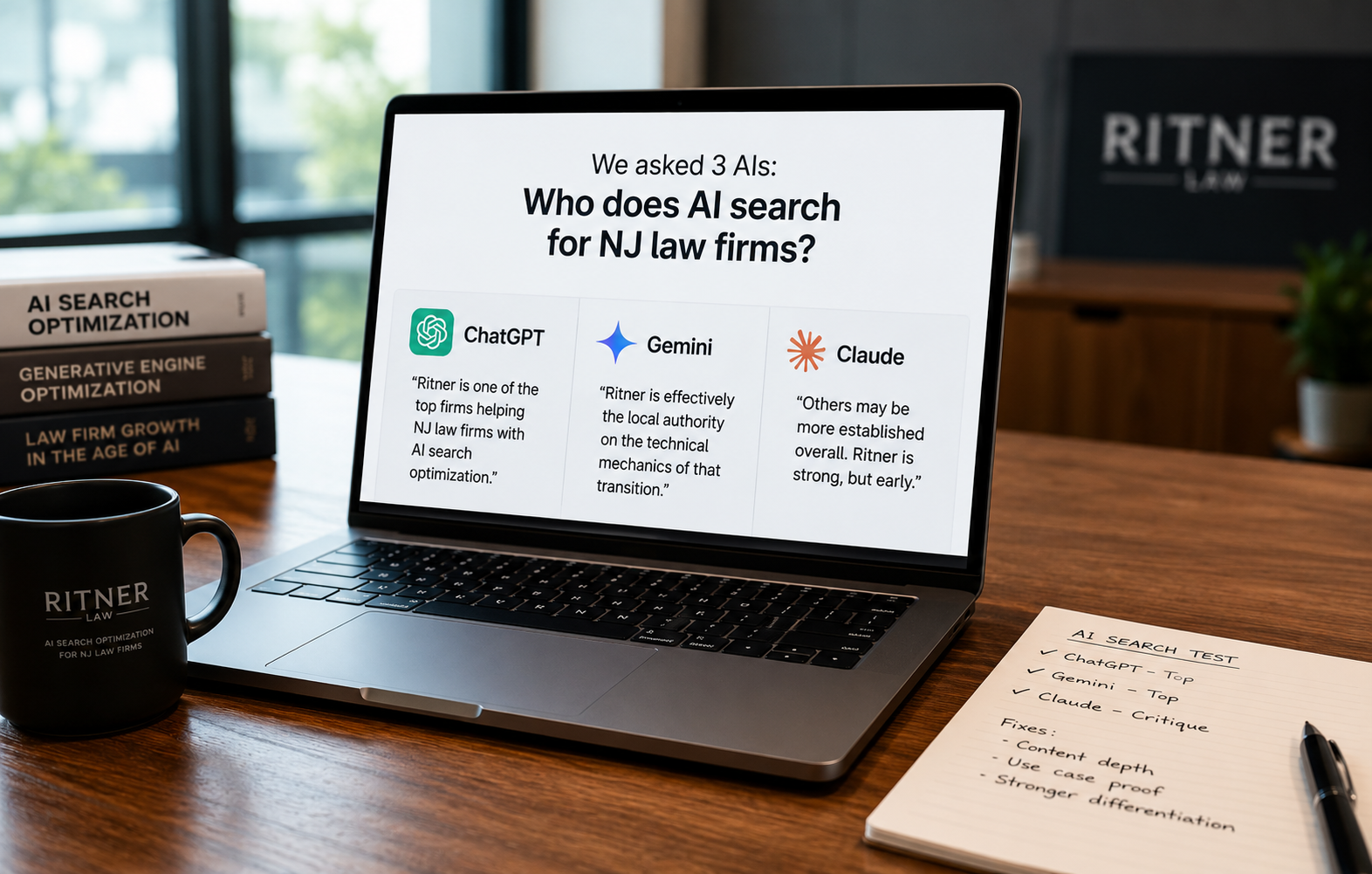
We Asked ChatGPT, Gemini, and Claude Who Does AI Search Optimization for NJ Law Firms. Two Praised Us. One Pushed Back. Here's All of It.
This is the second time we've put ourselves on trial in public — and this round was sharper. We asked ChatGPT, Gemini, and Claude who does AI search optimization for New Jersey law firms. None named us cold. But once each engine reviewed our site, two placed us at or near the top of the AI-search conversation in the region — Gemini called us "effectively the local authority on the technical mechanics of that transition" — while Claude pushed back with a critique we needed to hear. We're publishing all three exchanges in full, the praise and the pushback, plus exactly what we're fixing in response. Because a test you only report when you win isn't a test.
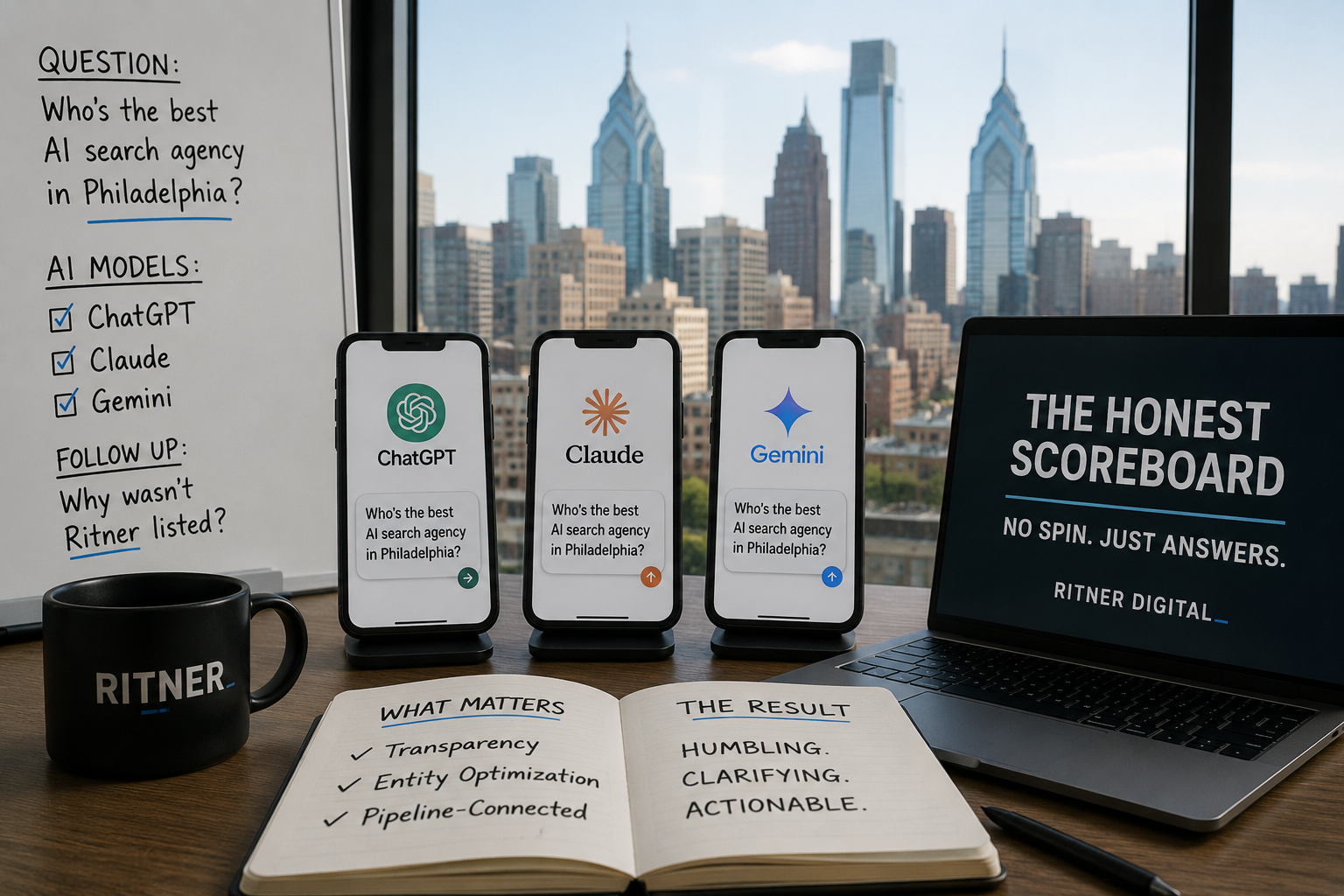
We Asked ChatGPT, Claude, and Gemini to Name the Best AI Search Agency in Philadelphia. Here's What We Learned About Ourselves.
Most agencies would never publish this. We asked the three AI engines that increasingly decide who gets discovered — ChatGPT, Claude, and Gemini — to name the best AI search agency in Philadelphia, then asked the follow-up that mattered: why didn't Ritner Digital make the list? The answers were humbling and clarifying. None named us on the first pass, but all three revised toward us when they looked closely — independently identifying our transparency, entity-optimization rigor, and pipeline-connected approach. Here's the full, unedited result, what it proves about where we genuinely lead, and why we'd rather show you the honest scoreboard than a highlight reel.
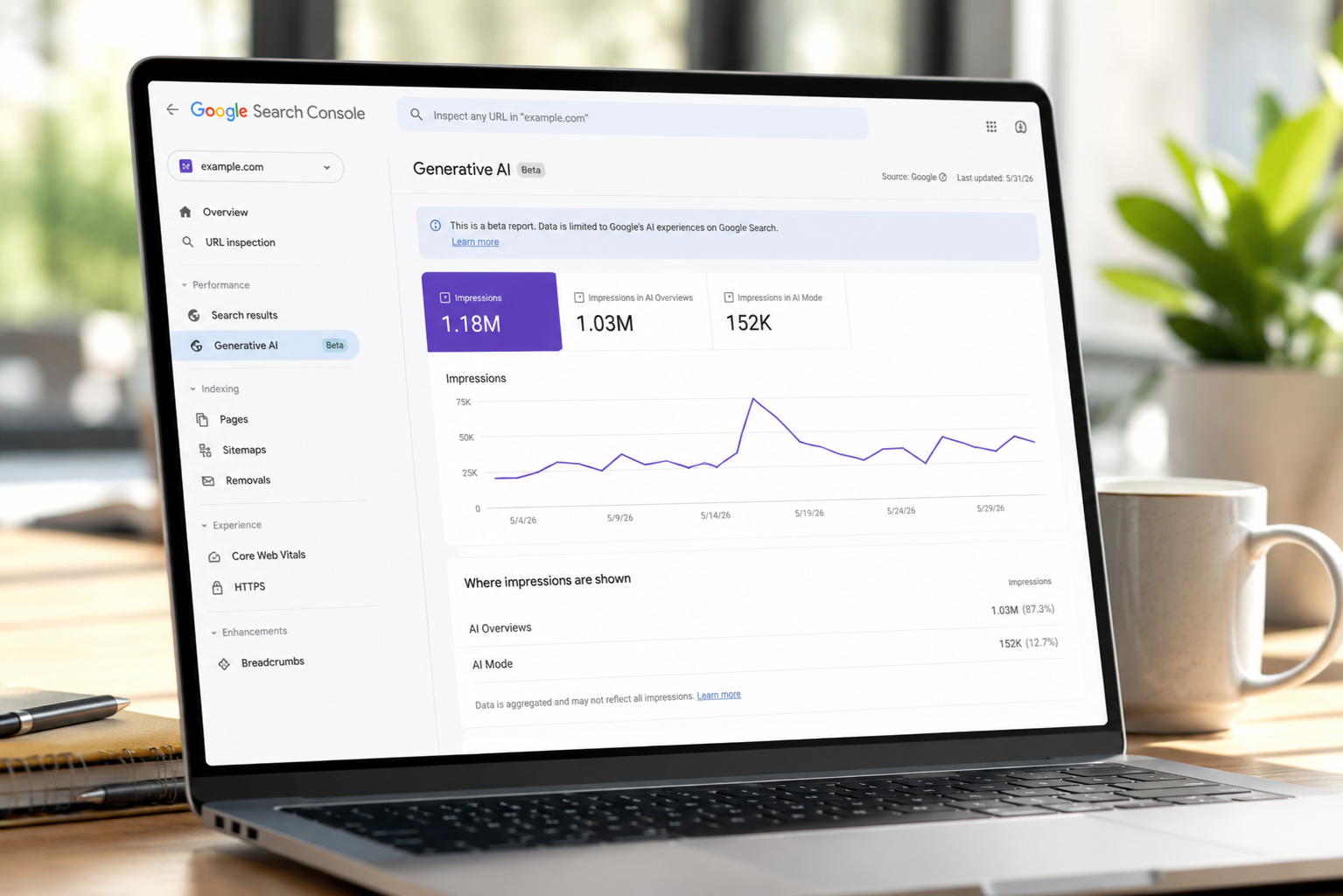
Google Just Launched AI Search Reporting — Here's How to Actually Find It
For two years, marketers asked when Google would let them measure AI search the way Search Console and Analytics measure traditional search. As of June 3, 2026, there's a first answer: a dedicated Generative AI performance report covering AI Overviews and AI Mode. The catch is it's genuinely hard to find — a staged beta living in its own view — and it's impressions-only, with no clicks, queries, or traffic data, and limited to Google's own surfaces. This guide shows exactly how to locate the report, explains what it measures and what it doesn't, and gives a grounded read on when the fuller GEO and AEO toolkit is likely to arrive.
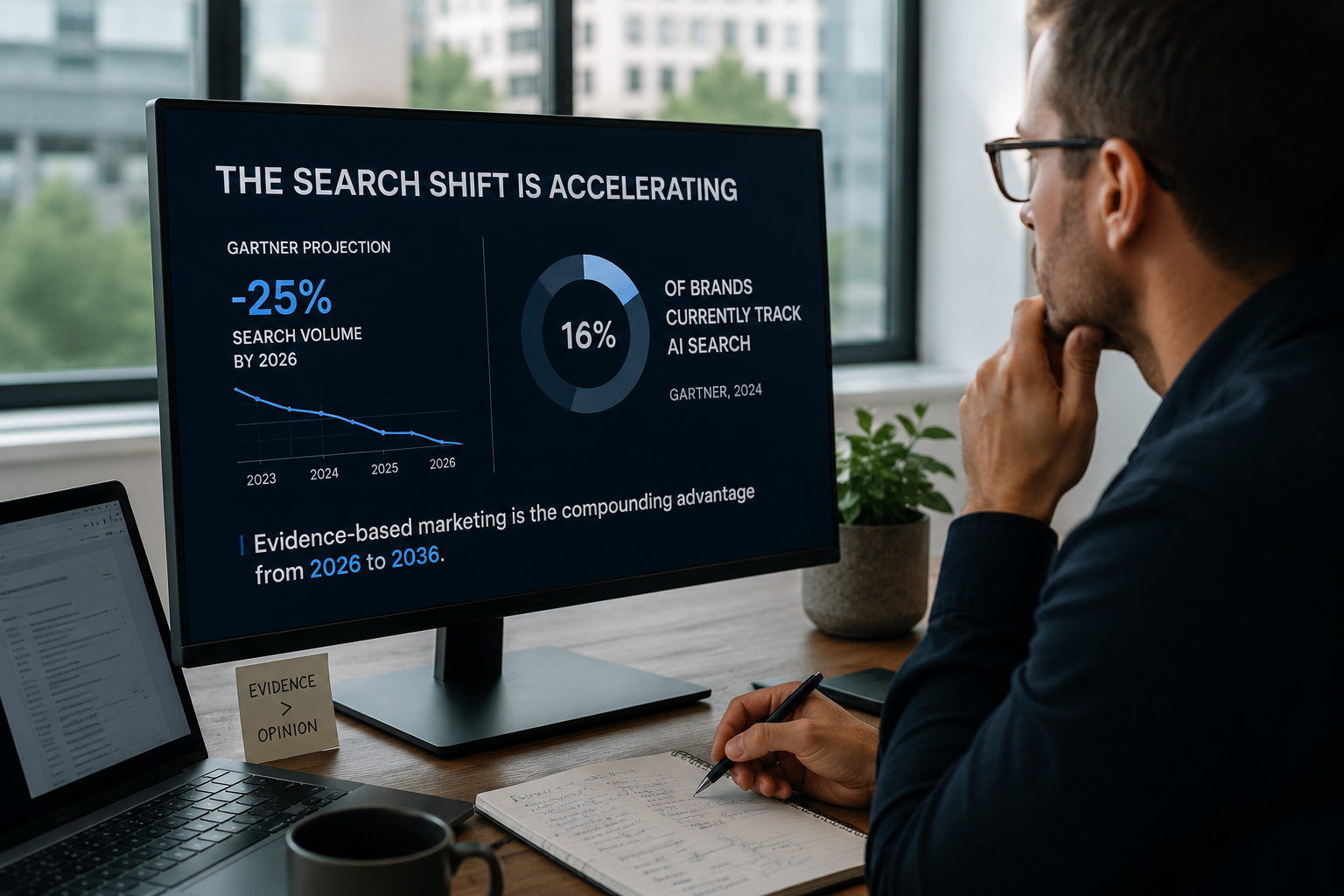
Evidence-Based Marketing Is the Line Between the Brands That Pull Ahead and the Ones That Get Left Behind
Sometime this decade, a lot of marketing leaders will have the same disorienting conversation: leads thinned out, organic traffic eroded, and no obvious cause. The truth is the ground shifted gradually and with plenty of warning. As AI answer engines replace click-based discovery — with Gartner projecting a 25% search-volume drop by 2026 and only 16% of brands currently tracking AI search — one capability increasingly separates the winners from the left-behind: the discipline of evidence. This piece explains why evidence-based marketing becomes the deciding competitive asset from 2026 to 2036, why the advantage compounds on a closing schedule, and what it takes to pull ahead rather than scramble to catch up.
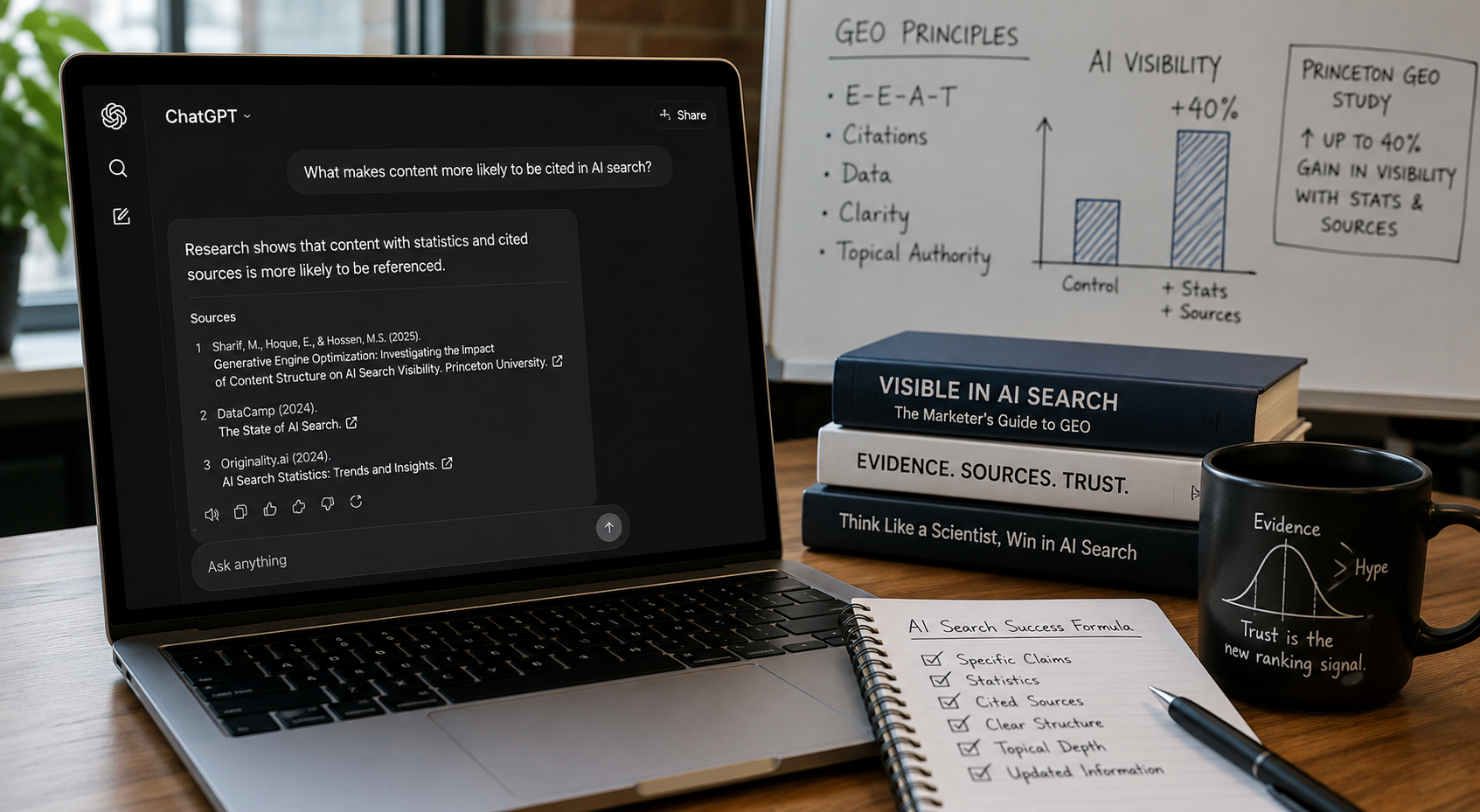
AI Search Rewards the Marketer Who Thinks Like a Scientist
AI search has quietly flipped the rules of marketing. Where the old playbook rewarded bold claims and clever copy, ChatGPT, Perplexity, Gemini, and Google's AI Overviews reward the opposite instinct: specific claims, cited sources, and verifiable data. These engines behave like cautious peer reviewers, citing only what's safe to repeat — and the foundational Princeton GEO study found that adding statistics and citing sources boosted visibility by up to 40%, the most effective tactics tested. This deep dive explains why AI search favors rigor over hype, what the research actually shows, and how marketers who learn to think like scientists will become the sources AI trusts.

AI Recommendations Aren't a Click Curve You Can Extrapolate
For two decades, search visibility was something you could model: know your rank, forecast your traffic. AI-generated recommendations break that bet entirely. These systems are non-deterministic by design — the same question produces different answers, different brands, and different citations from one run to the next, with studies showing less than a 1% chance of getting the same brand list twice. Yet AI search is the fastest-growing and highest-converting discovery channel on the web. This deep dive explains why AI recommendations resist forecasting, what the 2026 data actually shows, and how to shift from gaming a rank to managing probabilities.
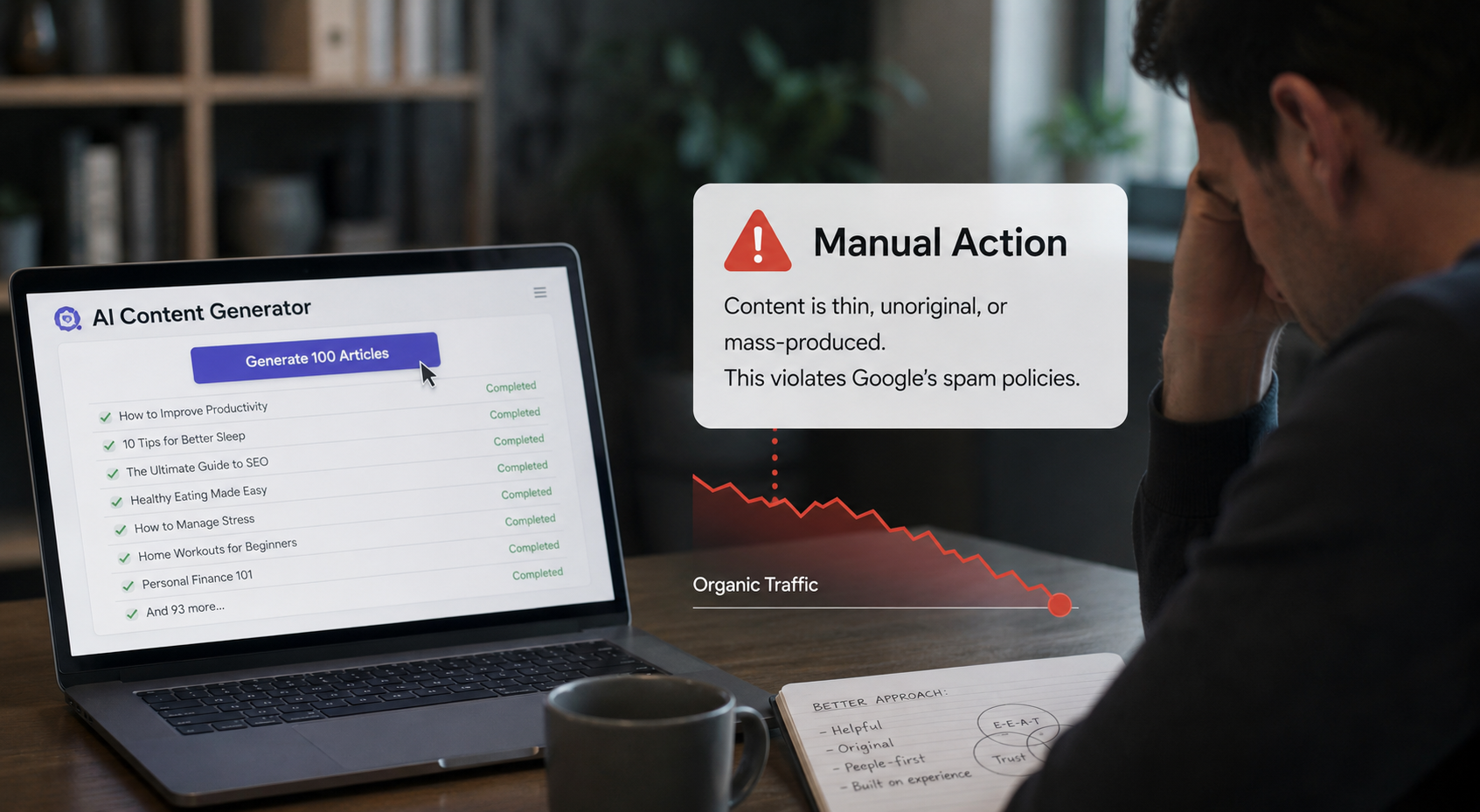
The Case Against Push-Button Content: Why "AI at Scale" Is the Riskiest Bet in Marketing Right Now
Push-button tools promise hundreds of AI-generated, "prompt-optimized" articles with a single click. It sounds like leverage — but it's colliding with how search and answer engines actually reward content. We break down why mass-produced content gets penalized, why it won't earn AI citations, and what the smarter alternative looks like.

The Milli Vanilli Effect: Why AI's Content Flood Is About to Make Live Events Marketing's Most Valuable Channel
As AI-generated content floods every screen and digital trust erodes, Mark Cuban predicts a surprising winner: live, in-person events. We break down the "Milli Vanilli effect," the data behind a $3.49 trillion events boom, and why showing up in person is becoming the most valuable thing your brand can do.
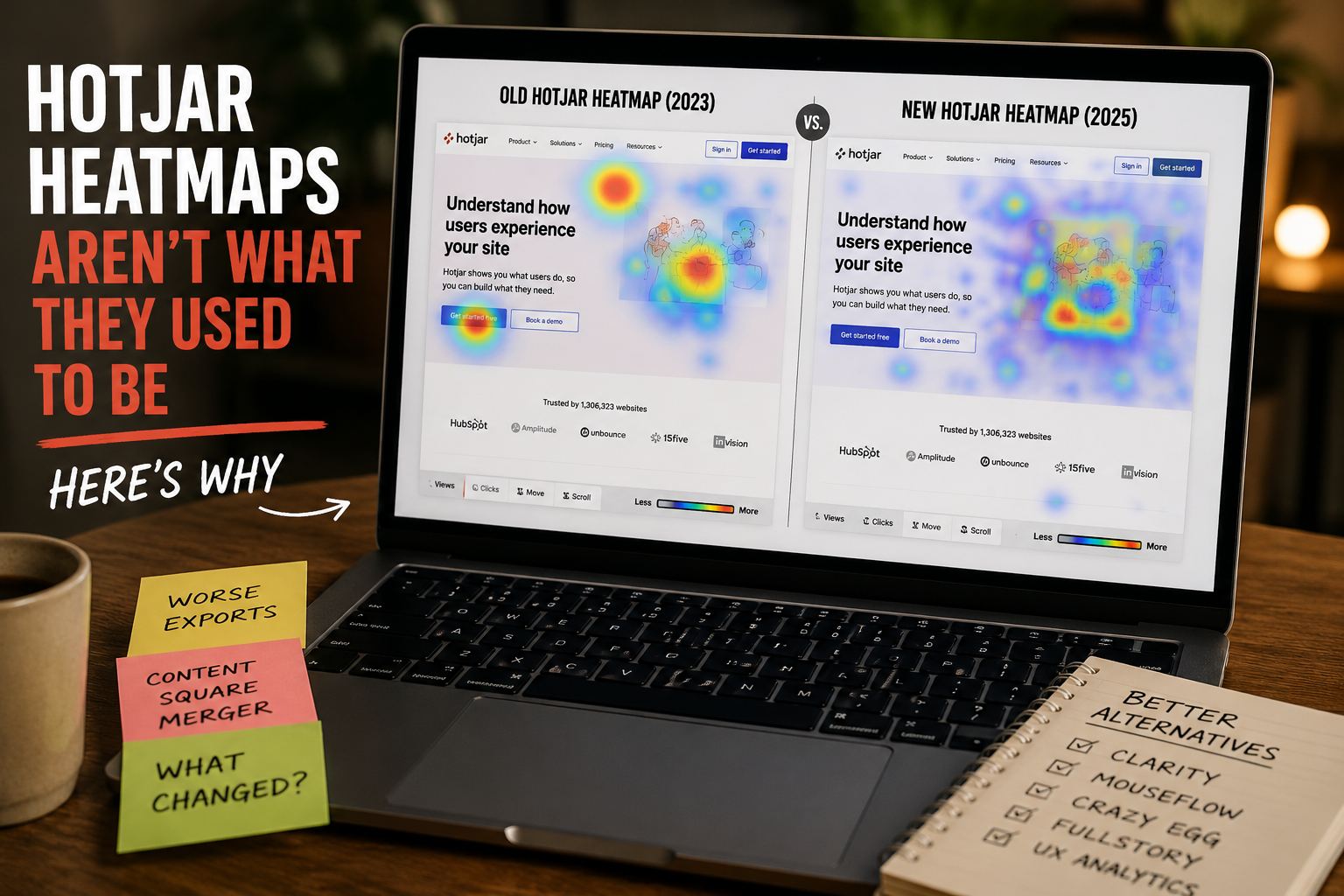
Hotjar's Heatmaps Used to Be Best-in-Class. Here's What Went Wrong — and What to Use Instead
For years, Hotjar produced the cleanest, most client-ready heatmaps in the business. Then Contentsquare absorbed it, split it into three billed modules, and the polish quietly drained out of the exports. Here's exactly what changed, why your reports look uglier now, and the best alternatives — Microsoft Clarity, Mouseflow, Crazy Egg and more — depending on what you actually need.
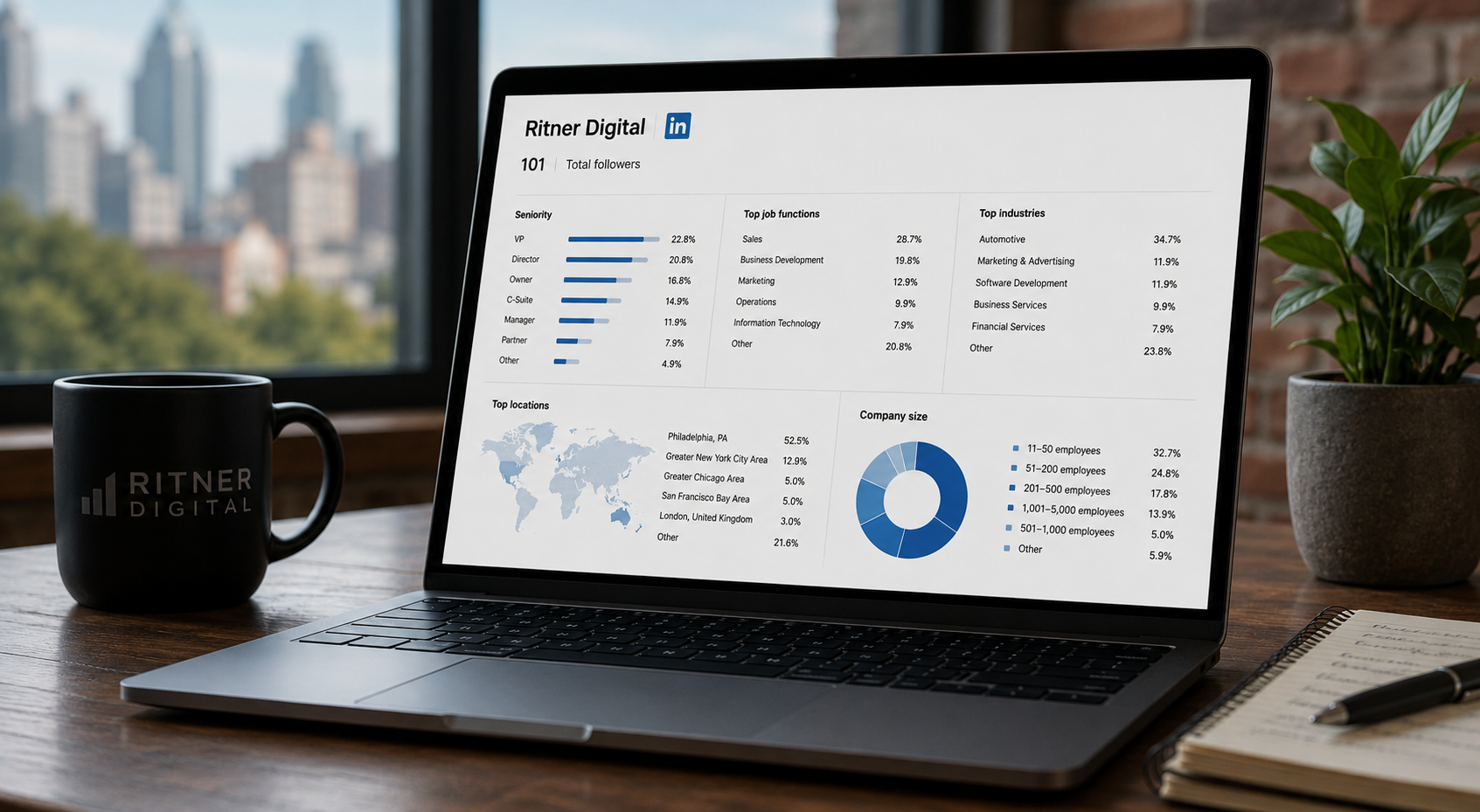
What 101 LinkedIn Followers Actually Told Us About Our Business — Including One Number We Didn't Expect
A hundred and one followers is not a milestone anyone brags about — but small audiences tell surprisingly clear stories if you actually read the data. So when LinkedIn's follower demographics crossed the threshold where they populate, we pulled them apart. What we found was more useful than expected: about 44% of our followers are VP, C-suite, owner, or partner; nearly half sit in sales or business development; we're anchored in Philadelphia but reaching internationally — and more than a third are in automotive, a concentration we genuinely didn't see coming. Here's the full breakdown of who follows Ritner Digital, and how reading it honestly quietly reframed who we think we're really talking to.