
Best Website Platforms for Philadelphia Law Firms in 2026 (And What Most Attorneys Get Wrong)
Philadelphia law firms in 2026 can’t afford generic websites. Your platform impacts SEO, AI search citations, lead conversion, and client trust. This guide breaks down the best website platforms — from WordPress to Webflow — and exposes the mistakes most attorneys make that quietly cost them cases and clients.
![How to Rank Higher for “[Brand] Dealer Near Me”](https://images.squarespace-cdn.com/content/v1/6972a4fdef275f3494a73f07/1771958646610-B9XSLQ2O4AI7A0HU16JN/Car+dealership+search+on+smartphone+map.png)
How to Rank Higher for “[Brand] Dealer Near Me”
When someone in Turnersville searches “[brand] dealer near me,” they’re not browsing — they’re buying. If your dealership isn’t in the top 3 map results, you’re losing high-intent traffic to competitors down the street. In this guide, Ritner Digital breaks down exactly how local dealerships can dominate Google’s map pack and turn search visibility into real showroom visits.

Stop Treating Every Case Like It’s Worth the Same
Most law firms treat every practice area the same when it comes to content. That’s a mistake. A six-figure PI case shouldn’t get the same marketing weight as a misdemeanor defense matter. In this breakdown, we explore how to align content strategy with case value across personal injury, family law, and criminal defense — and how smart firms allocate marketing where ROI is highest.
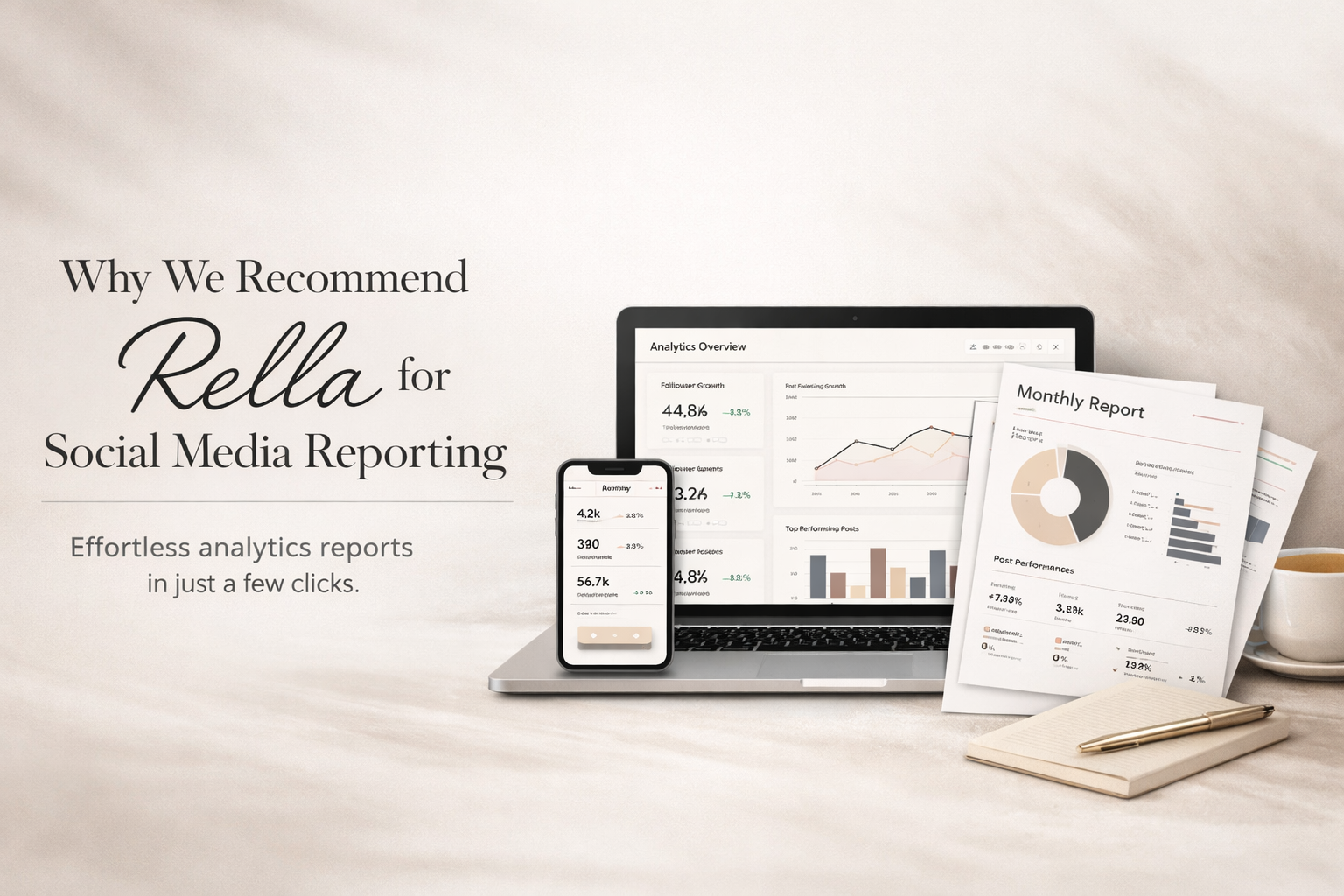
Why We Use Rella for Social Media Reporting (And Think You Should Too)
Social media reporting shouldn't take an hour every month. Rella generates clean, shareable analytics reports in clicks — no client login required. Here's why it's the reporting and social management tool we recommend most, and how it fits into a workflow that actually scales.

How Auto Dealerships Can Stop Losing Leads to CarGurus and Carvana
Your potential buyers are finding their next car on CarGurus and Carvana — not your website. That's not a traffic problem. It's a dependency problem. Here's the playbook for building a direct acquisition strategy that makes third-party platforms less necessary and puts your dealership back in control of the customer relationship.

SEO for Law Firms: The Keywords Your Competitors Are Ranking For (and You’re Not)
The firm down the street keeps showing up at the top of Google. They're not better lawyers — they've just identified the keyword gap you haven't. Here's how to find the exact queries your competitors rank for that you're missing, and the content strategy that closes the gap.

Does Your Image File Name Matter for SEO and AI Citations?
You optimize the title, the meta description, and the headers — then upload a featured image called IMG_4782.jpg. That file name is a missed opportunity. Here's why what you name your images matters for SEO, Google Image Search, and how AI systems decide which content to cite.
Do AI Citations Pass Link Equity? How GEO Compares to Traditional Link Building
When ChatGPT or Perplexity cites your business, does that citation pass link juice like a traditional backlink? The short answer is no. The longer answer is that what AI citations actually pass might be worth more — and the businesses that understand the difference are building a serious competitive advantage.
Why Most Dental Practice Websites Lose Patients Before the First Appointment
A potential patient finds your practice online, lands on your website, and leaves within 10 seconds. Not because the dentistry is bad — because the website is. Here's what's costing dental practices patients they'll never know they lost, and how to fix it.

The HVAC Marketing Playbook: How to Fill Your Schedule Before Summer
Summer revenue for HVAC companies is decided in spring. This playbook covers the exact strategies — from Google Business Profile optimization to seasonal ad campaigns — that separate booked-solid companies from the ones scrambling when the heat hits.

How Many Pages Should Our Website Have?
"How many pages should our website have?" It's one of the most common questions we get from clients, and the honest answer is: it depends. But not in a vague, noncommittal way. There's a real framework for figuring out the right number of pages — and it has everything to do with what your business does, where you do it, and what your customers are actually searching for.
When Your Marketing Goal Isn't More Customers — It's Smarter Visibility
Most digital marketing advice assumes you need more customers. But what happens when your organization already serves everyone in your coverage area? Your branded searches are strong. People know your name. The goal isn't more conversions — it's becoming the go-to resource, reducing the calls your team shouldn't have to take, and showing up for the searches where people don't know your name yet.

Agency Behind the Scenes: When the Specialist Leaves and Nobody Knows What You Were Getting
It happens more often than any agency will admit. A digital marketing specialist leaves, a new one steps in, and the account manager responsible for your relationship has no idea what was actually being done on your account. No documentation. No process. No continuity. And while they figure it out internally, your campaigns drift — and your money burns.
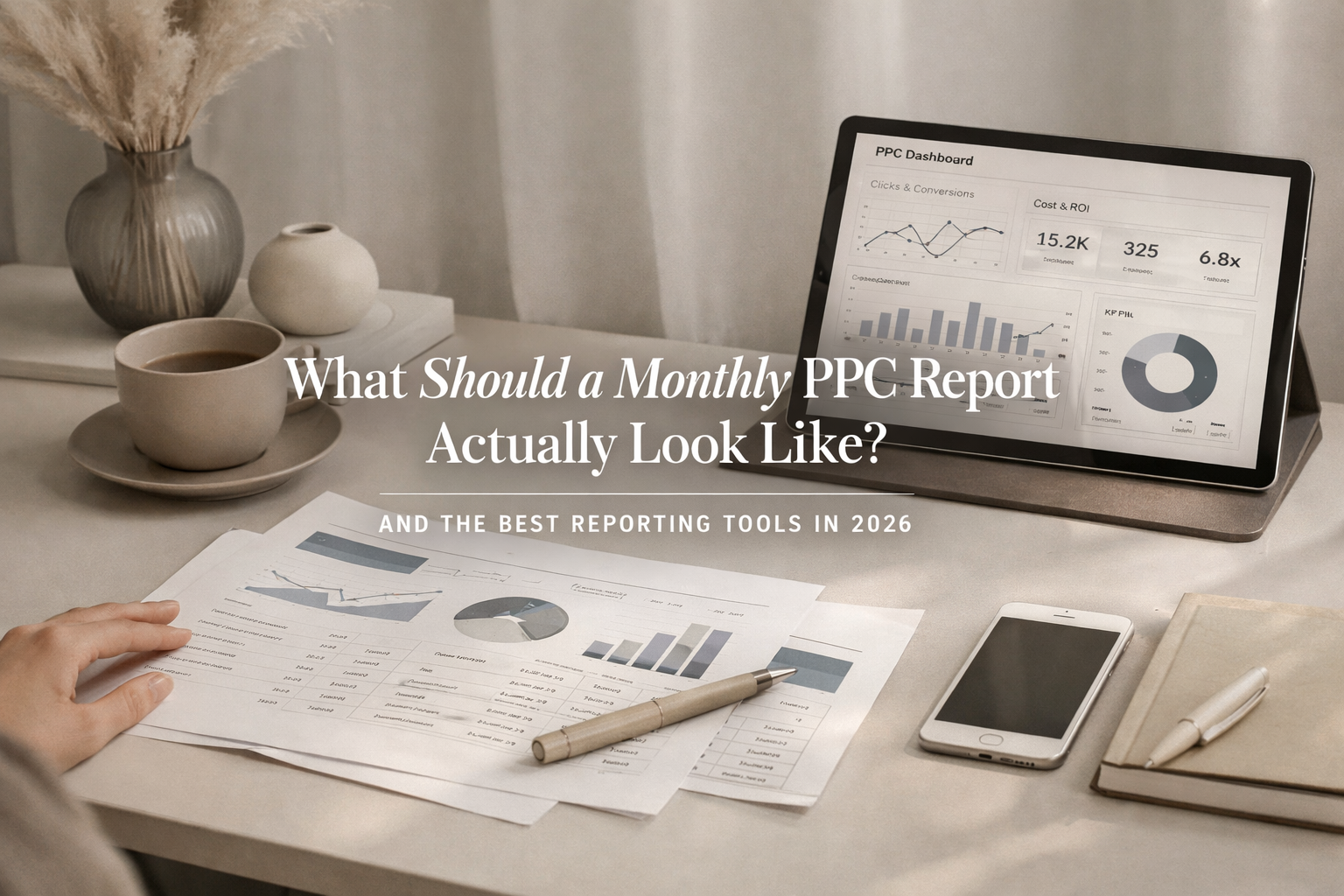
What Should a Monthly PPC Report Actually Look Like? And the Best Reporting Tools in 2026
You're paying your agency every month. You get a PDF full of graphs and numbers. But do you actually know what any of it means — or whether your money is working? A real monthly PPC deliverable should tell a clear story: what happened, why it happened, and what's being done about it. Here's what to look for and the tools that make honest reporting possible.
Spending $150 a Day on HVAC PPC and Still Not Showing Up? Here's Why
You're writing the checks. You're spending $150 a day on Google Ads across every county in your service area. But when you type "HVAC" and the name of the town you're literally sitting in, your company is nowhere to be found. That's not bad luck — that's a campaign that isn't built right, and it's burning your money while your competitors answer the phone.

You Can Be a 50-Year-Old Business and Still Be Digitally Invisible
You've spent decades building a trusted name in your market. But when someone searches for the services you offer in the area you serve, you're nowhere to be found. If you're not showing up in the Map Pack or the top organic results, your online presence isn't matching your offline reputation — and it's costing you customers every day.

You Have 400 Reviews. They Have 50. They're Still Outranking You.
There's a special kind of frustration that hits when you Google your own company, your trade, and your town — and you're not at the top. You've got hundreds of reviews. The competitor above you has a fraction of that. So what gives? It comes down to how Google actually ranks local businesses, and review count alone isn't enough to win.
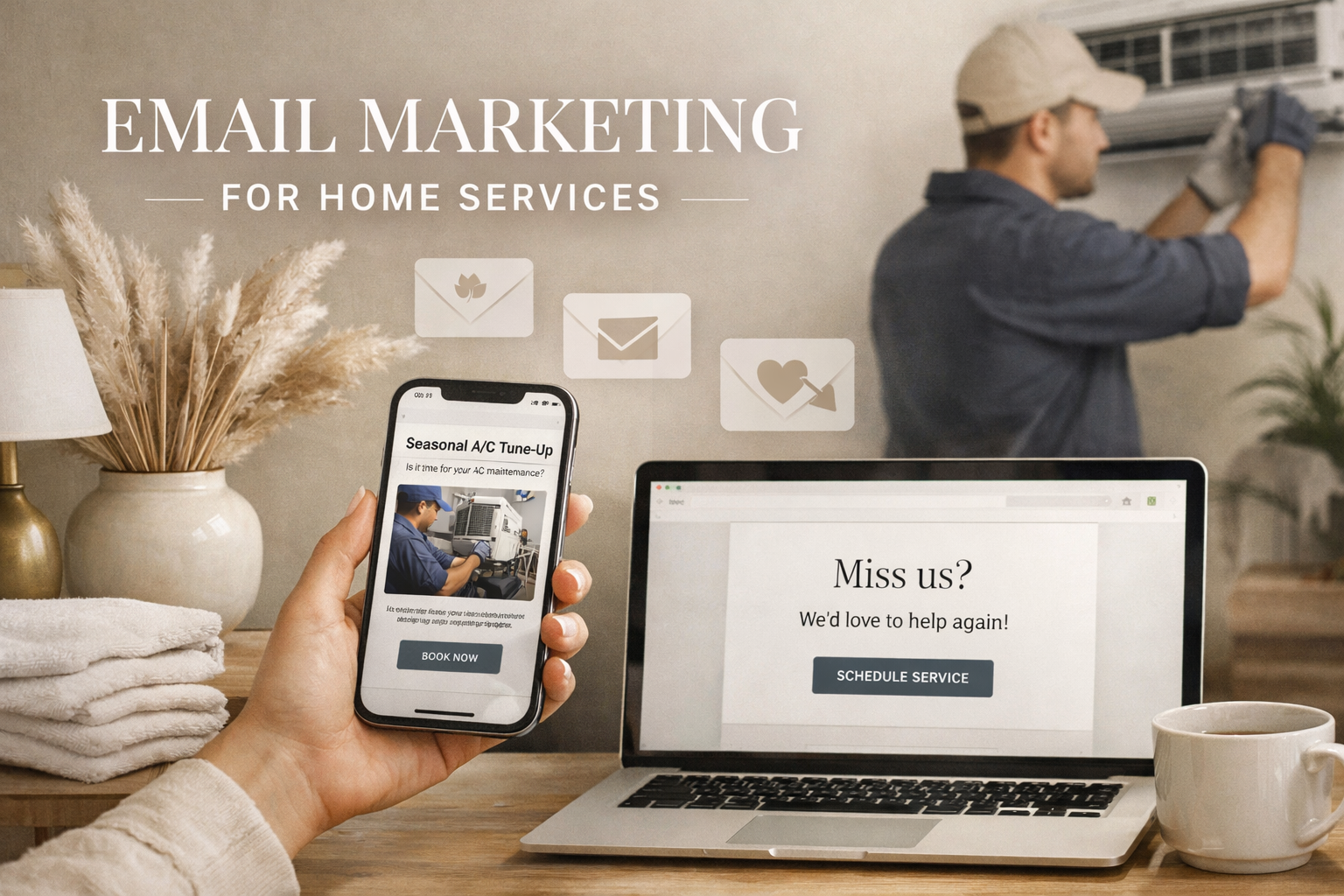
Email Marketing for Home Services: How to Turn One-Time Jobs Into Repeat Customers
You fixed the leak, replaced the unit, and sent the invoice. Then the customer disappeared. Most home services businesses spend heavily to acquire new customers while ignoring the database of past customers who already trust them. Automated email marketing changes that — with seasonal reminders, post-job follow-ups, and re-engagement sequences that bring customers back at exactly the right time without adding work to your plate.

Your Clients Are Telling You What to Write About (And AI Is Listening)
A hardscaping client casually mentioned how the freeze-thaw cycle destroys concrete every winter — something they explain to customers all the time. But there was nothing about it on their website. That gap between what you know and what your website says is one of the biggest missed opportunities in small business marketing. Here's why that kind of content builds real credibility and why AI search platforms are now rewarding businesses that publish it.

If I Already Have Meta Descriptions, What's the Point of Blog Tags?
You've already written meta descriptions for every blog post — so why bother with topic tags? Because they're solving completely different problems. Meta descriptions get people to click from search results. Tags organize your blog, build internal links, and help you develop the topical authority search engines reward. Here's how they work together and how to use both the right way.