Why Great Content Without a Distribution Strategy Is Just a Very Good Diary
Most businesses that are serious about content marketing have figured out how to produce decent content. Very few have figured out how to build the kind of consistent, compounding distribution infrastructure that turns good content into steady, predictable traffic. The gap between those two things is where most content strategies quietly fail.
LinkedIn vs. Facebook for Organic Growth: Where Should You Actually Be Spending Your Time?
LinkedIn and Facebook are both massive platforms with established organic distribution mechanics. But organic reach isn't equal across both, and the hours you spend on one are hours you're not spending on the other. Here's what the platforms actually look like when you compare them on the dimensions that matter for a content publisher.

The Media Companies Sitting on Gold They Don't Know How to Mine
Legacy media companies have real audiences, real readership, and years of editorial credibility. By every traditional measure, they're doing fine. But by the measure that's starting to matter most — whether AI systems cite you when someone asks a relevant question — most of them don't exist. That gap is where the disruption is coming from.
You Built the Audience. Now Here's How You Actually Sell It.
Having an audience is not the same as having a business. Once the readership is real, the work shifts from building to selling — and selling a media company requires a completely different skillset than the one that built it. Here's how sponsorships and events actually work when you're ready to monetize.
Services Business vs. Media Company: Which Is Actually Easier to Monetize?
Services businesses pay the bills fast. Media businesses build leverage over time. Most entrepreneurs frame it as a choice between the two — but the real question is sequencing, not choosing. Here's what both models actually look like when you get past the surface-level appeal of each.

Why Smart Marketing Agencies Are Also Building Media Companies
There's a pattern worth paying attention to. Agencies are quietly launching newsletters, trade publications, and media brands that have nothing to do with selling their services. It's not a side project. It's one of the most structurally sound business decisions an agency can make — and once you understand why, it's hard to unsee it.
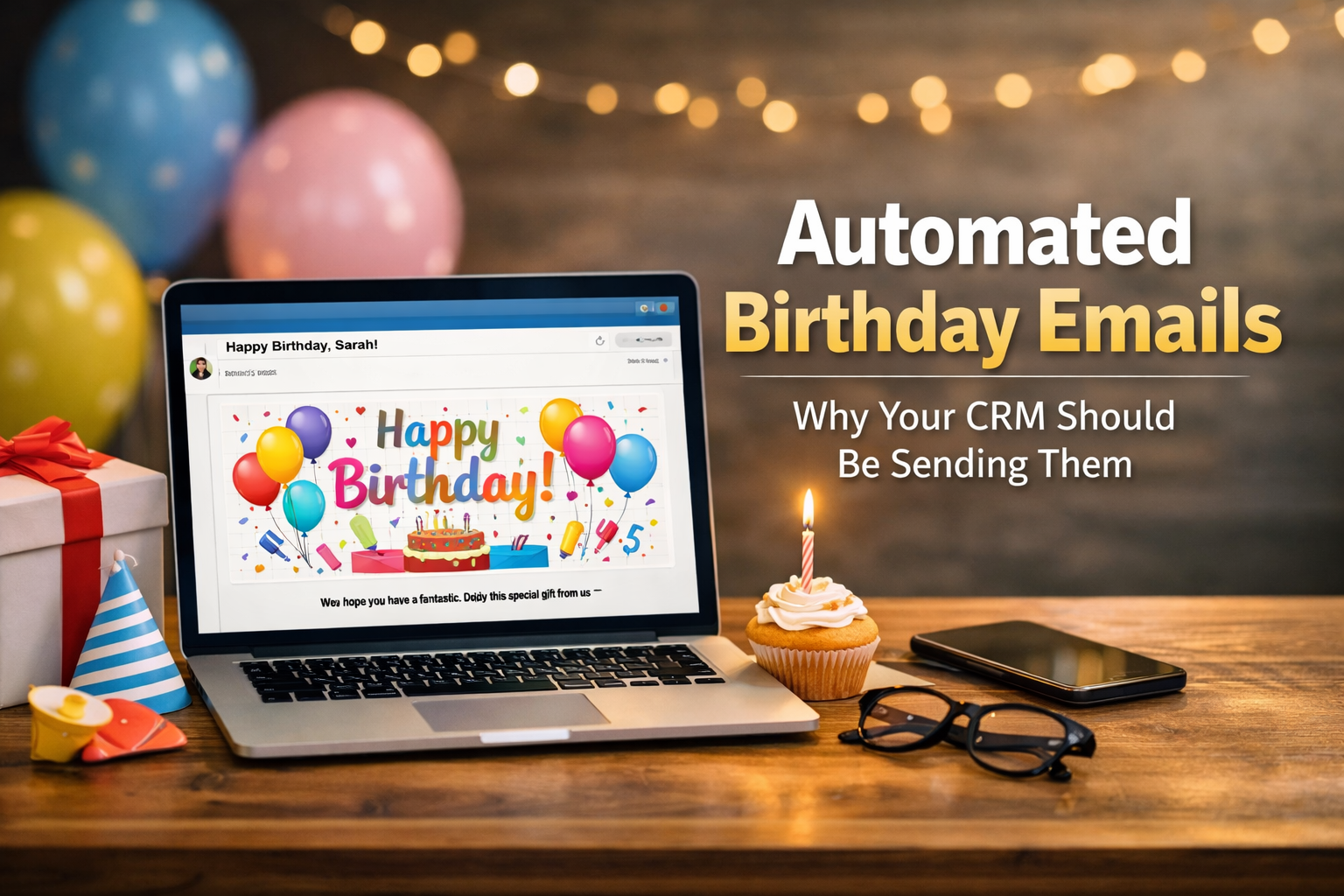
The Most Underrated CRM Automation: Birthday Emails
Automated birthday emails are one of the most underrated marketing tools inside your CRM. A simple personalized message can increase engagement, strengthen customer relationships, and even drive additional sales. In this guide, we break down why birthday email automation works, how to set it up, and how businesses can use it to create meaningful customer touchpoints that run automatically year after year.
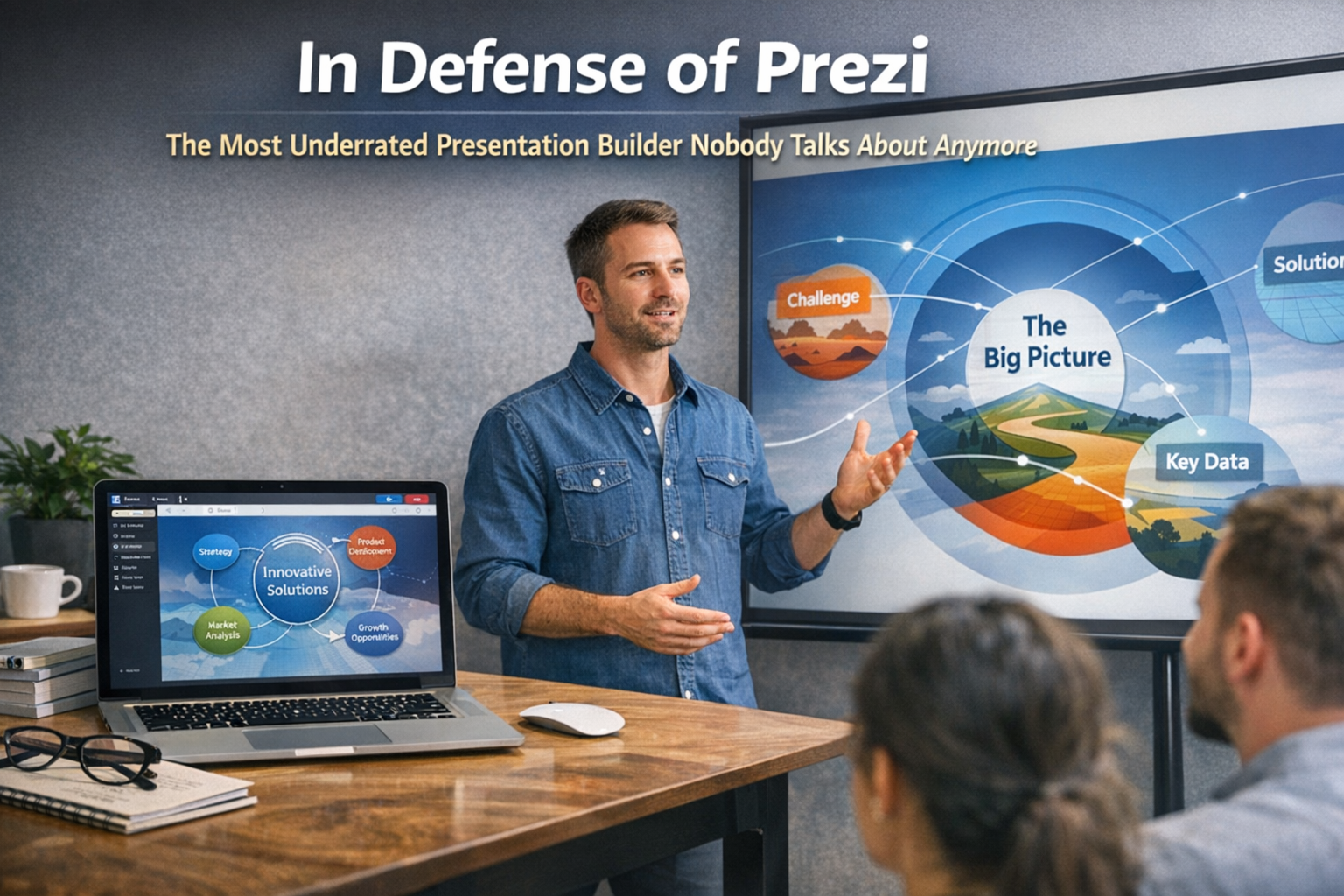
In Defense of Prezi: The Most Underrated Presentation Builder Nobody Talks About Anymore
Let's take a moment to actually make the case for Prezi. Not to reminisce about it like something that had its moment and faded — but to argue that it's genuinely excellent, still very much alive, and one of the most underrated tools in a presentation category that has gotten so dominated by the PowerPoint-and-Google-Slides duopoly that most people have stopped asking whether there's a better way. There is. Prezi took off in academia because academics were the first to recognize that it matched how complex ideas actually work. Business communicators dealing with genuinely complex ideas have the same need — and the ones who've figured that out are giving better presentations than the ones who haven't. Here's the full case.

1 Follower to 250,000: How Many LinkedIn Followers Do You Actually Need Before You Start Your Own Business?
There's a framework that gets shared constantly in the LinkedIn creator space. 1 follower is your start. 100 is validation. 1,000 is momentum. 10,000 is a side hustle. 50,000 is a full-time business. 250,000 is your lasting legacy. It's clean, it's satisfying, and it gives people a roadmap where there wasn't one before. It's also only partially true — and the part that isn't true can lead people to make one of two very expensive mistakes. Either waiting far too long to take a leap that was ready to be taken, or jumping far too early based on a follower count that has never been tested against a real business model. Here's what those numbers actually mean, what the framework gets right, and what you actually need before making the leap.

Your Content Strategy Should Grow Up With Your Business — Here's What That Actually Looks Like
A client of ours spent years doing foreclosure cleanouts. He was good at it — had the crew, had the temperament, did the work that most people would walk away from. But that chapter of his career is over. Today he wants estate liquidations and hoarding houses — families calling from out of state, handing him $25,000 or $30,000 and saying handle everything, we trust you. Completely different work. Completely different client. Completely different business. The only problem was his marketing didn't know any of that yet. It was still out there attracting foreclosure calls, still ranking for searches he didn't want to be found for, still reflecting a version of the business he'd already moved on from. Updating that wasn't just a website refresh. It was a content strategy built around who the business actually is now — and what that kind of evolution looks like is something every business owner should understand.
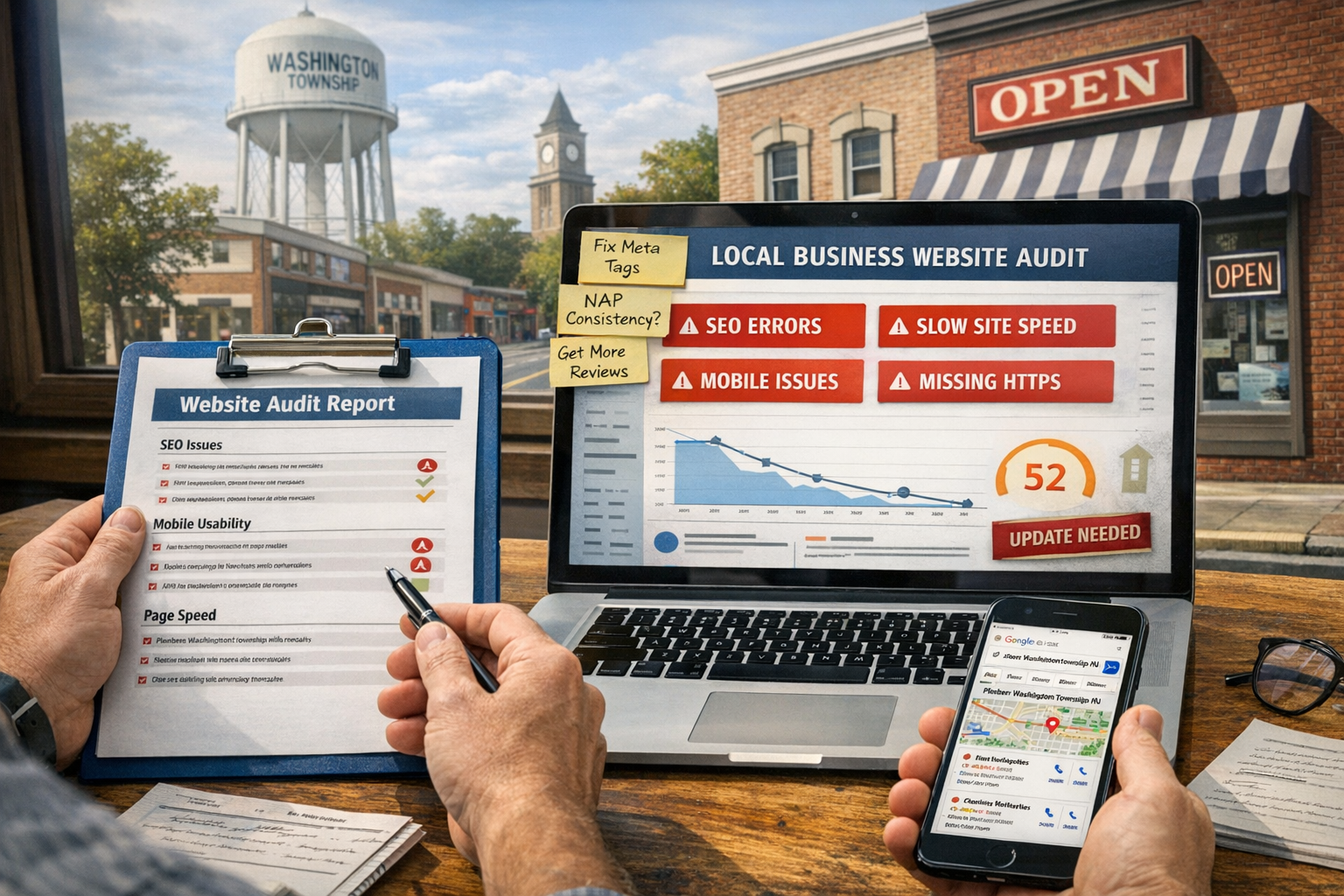
The Website Audit We'd Run on Every Washington Township, NJ Small Business
Most small business websites in Washington Township were built once and left alone — while the standards Google uses to evaluate and rank them kept moving. The result is a gap between where most local business sites are and where they need to be to compete effectively in local search. In this post we walk through the exact audit we'd run on a Washington Township small business — every section, every signal, every finding we typically encounter — and what it would take to close the gaps. This isn't a generic checklist. It's a real look at what local search performance actually requires in this specific South Jersey market.

What Will Websites Look Like in 2036? Our Predictions for the Next Decade of the Web
Predicting the future of technology is a reliable way to be wrong in public. But predictions grounded in the trajectories already visible in how people find and interact with businesses online are worth making — because thinking seriously about where things are headed changes how you build for where things are today. By 2036, we think most businesses won't have a homepage visitors read. They'll have a conversational AI representative visitors talk to. Search bars will largely disappear. Websites will know who you are before you say anything. And the businesses that win will be the ones that started building genuine digital authority years before everyone else figured out it mattered. Here are our ten predictions for what the web looks like in a decade — and what they mean for businesses building their digital presence right now.
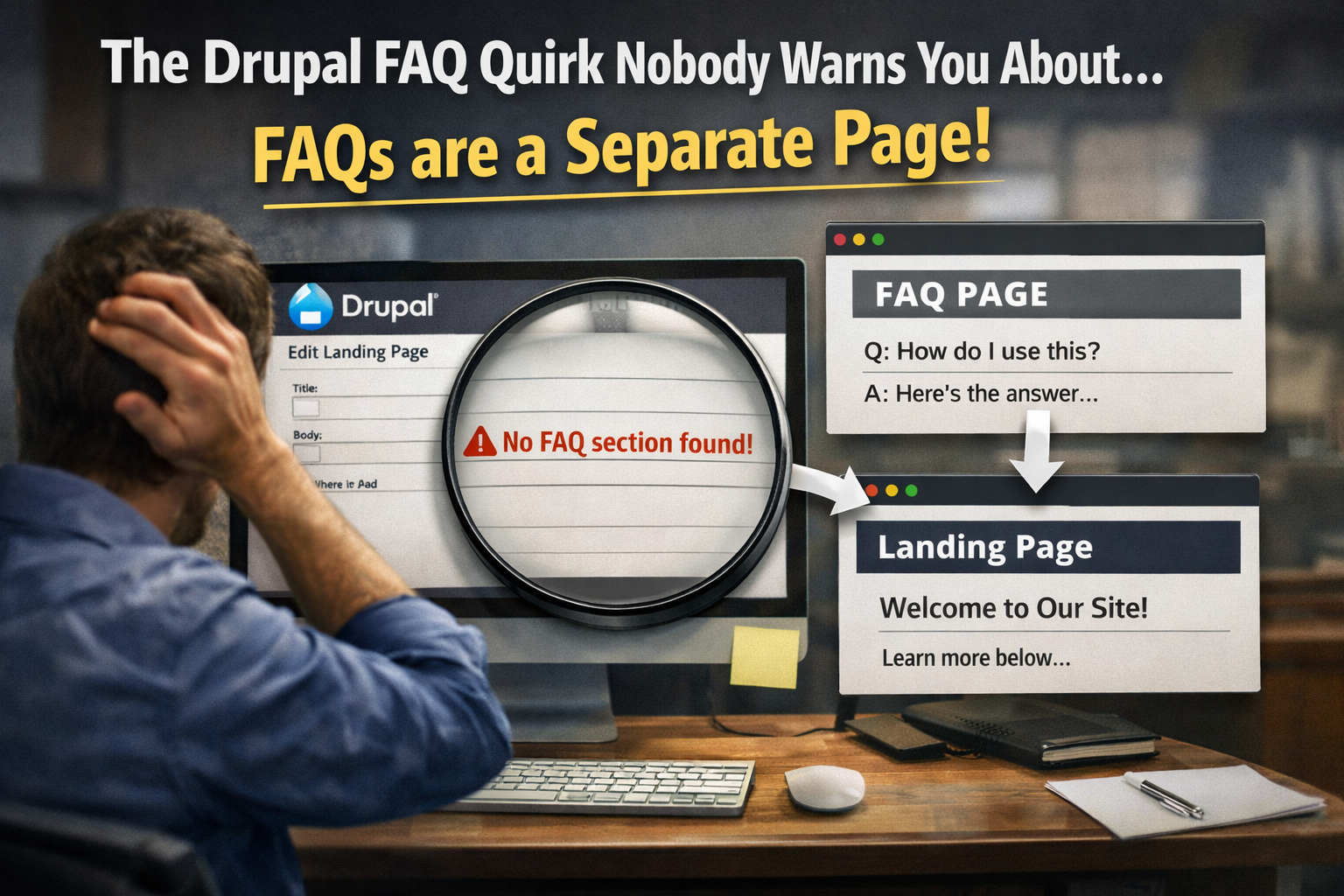
The Drupal FAQ Quirk Nobody Warns You About Before You Build Your First Page
If you've tried adding FAQ content to a Drupal landing page and couldn't find anywhere to put it, you're not missing something obvious — you're running into one of Drupal's most consistently confusing quirks. In Drupal, FAQs aren't content you add to a page. They're a page. A separate content entity with its own URL that you create independently and then reference from your landing page. It's a different mental model than almost every other page builder out there, and nobody seems to warn you about it before you spend an afternoon looking for a field that was never going to be there. Here's exactly how it works and why Drupal is built this way.

The Marketing Agency Identity Crisis: Why So Many Agencies Are Quietly Becoming "Operations Firms"
It starts with a marketing agency. A real one, with clients and a track record. Then leads slow down, the founder reads one too many LinkedIn posts about AI disruption, and somewhere between the homepage and the services page, something changes. The agency stops being a marketing agency — not officially, but functionally. New language creeps in. New services appear. A rebrand happens. A podcast launches. And the clients who hired them to generate leads quietly start looking for someone else. The marketing agency identity crisis is happening everywhere right now, and understanding why — and what it looks like from the outside — matters for any business trying to choose the right partner.
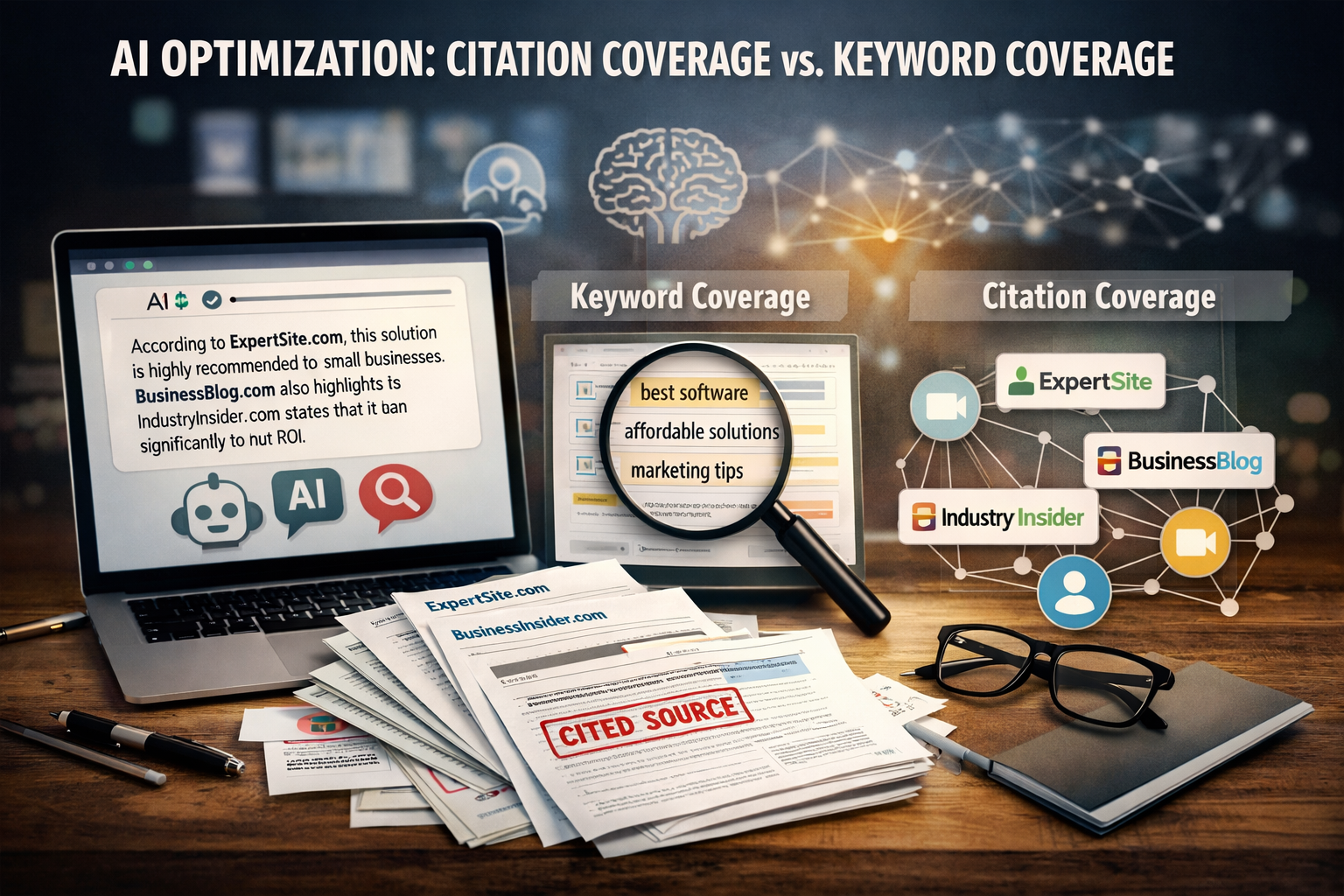
AIO and GEO: Why AI Optimization Is About Citation Coverage, Not Keyword Coverage
Most businesses understand SEO in terms of keyword coverage — showing up in search results for as many relevant queries as possible. But AI optimization works on a fundamentally different model. When someone uses ChatGPT, Perplexity, or Google's AI Overviews to research a business question, the AI isn't matching keywords to ranked pages. It's deciding whose information, whose expertise, and whose business to include in a generated answer — and that decision is based on citation signals, not keyword rankings. In this post we introduce the concept of citation coverage, explain how it differs from keyword coverage, and lay out what businesses should be building right now to show up in the AI-powered search landscape that's reshaping how buyers find and evaluate their options.
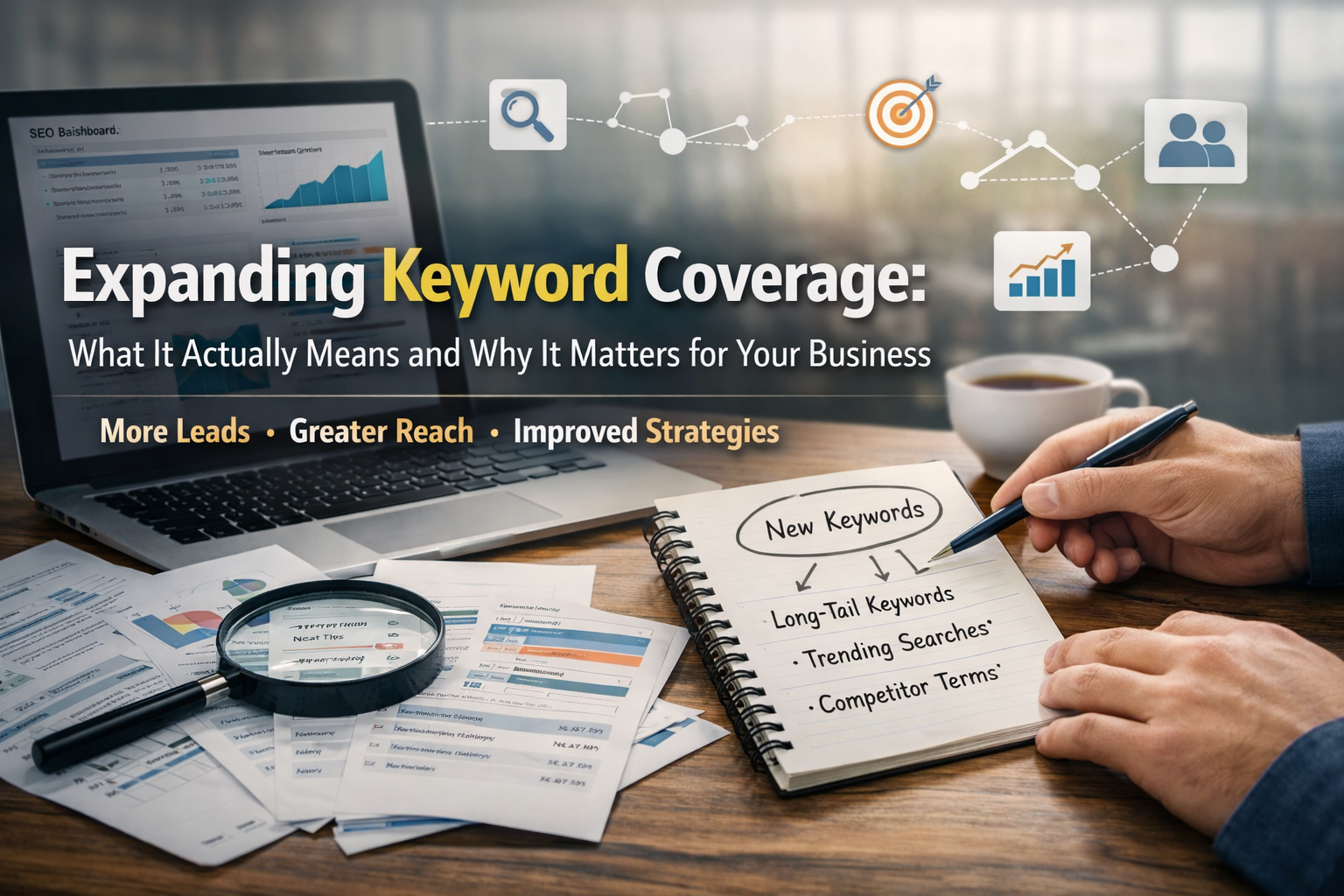
"Expanding Keyword Coverage" — What It Actually Means and Why It Matters for Your Business
If you've ever sat through an SEO report and nodded along when your agency mentioned "expanding keyword coverage" or "targeting new queries" without fully understanding what they meant — this one's for you. Keyword coverage is one of the most important concepts in SEO strategy, and most business owners never get a straight explanation of what it actually is, how it works, or why it should matter to them beyond rankings and traffic numbers. Here's the honest, plain-language breakdown of what keyword expansion actually involves, why it generates more leads, and what to ask your agency to make sure it's being done with real strategic intent behind it.
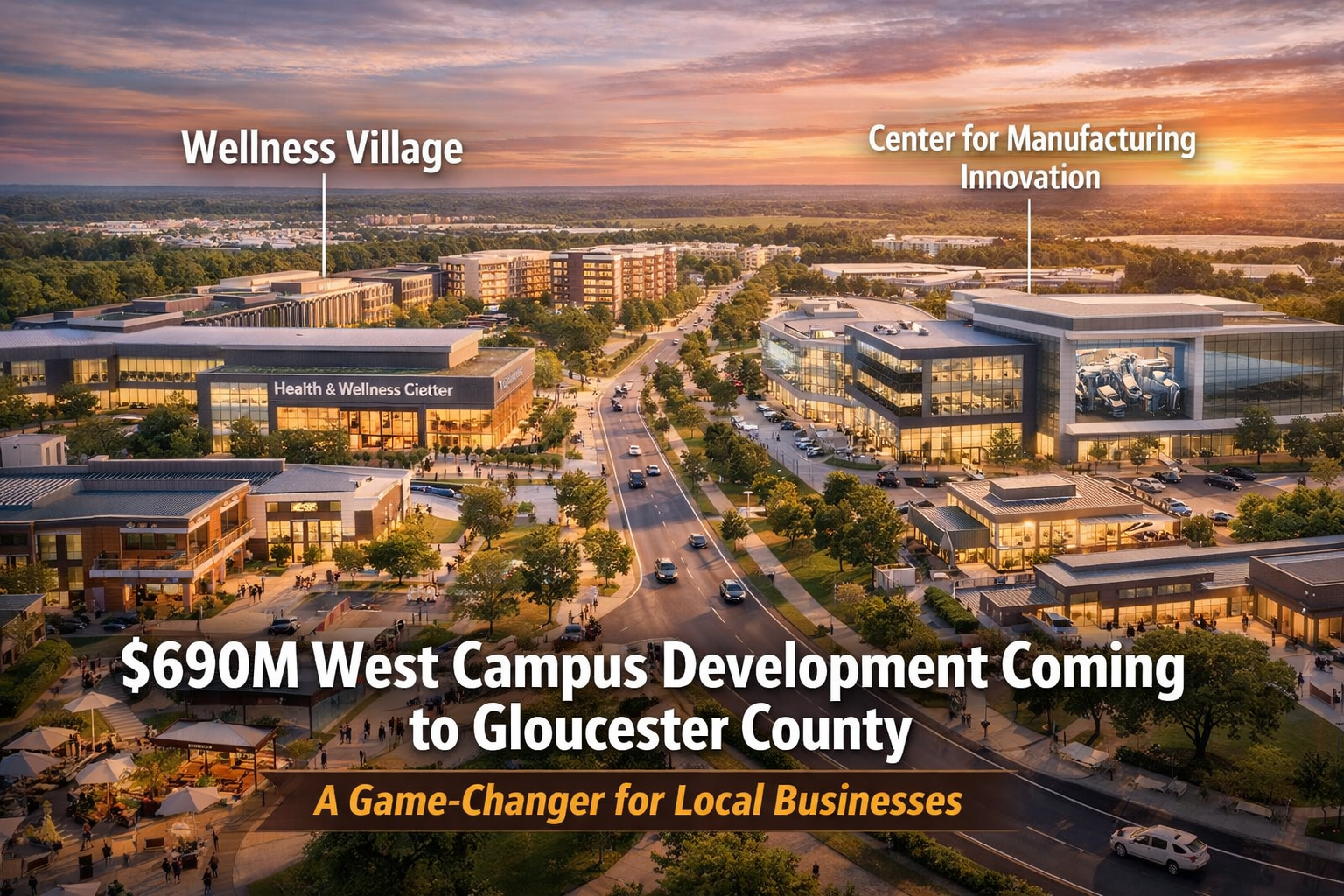
Rowan's $690M West Campus Project Is Coming to Gloucester County — Here's What It Means for Your Business Marketing Strategy
Rowan University just announced a $690 million West Campus Development Project in Gloucester County — a massive mixed-use district combining a Wellness Village and a Center for Manufacturing Innovation that's expected to create thousands of jobs and bring significant new residential, healthcare, and business activity to the region. For local businesses, this isn't just good news for the county. It's a time-sensitive marketing opportunity. The businesses that will capture the most benefit from the growth this development brings are the ones building their digital presence now — before new residents arrive, before competition for local search visibility intensifies, and before the window to get ahead of it closes. Here's what it means for your business and your marketing strategy.
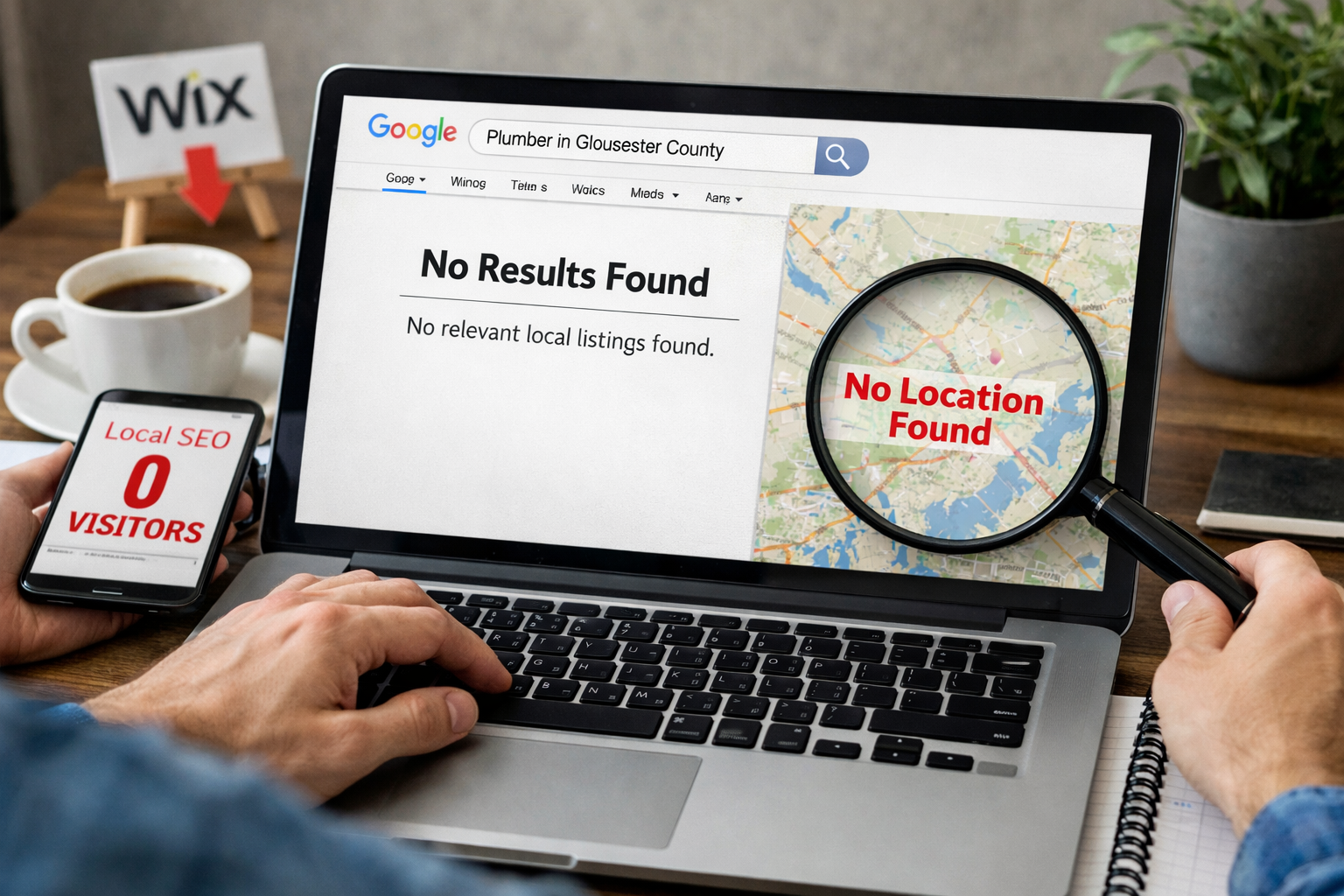
Why Your Wix Site Is Invisible in Gloucester County Search Results
You built the site, wrote up your services, and waited for the leads to come in. They didn't. If you're running a business in Gloucester County and your Wix website isn't showing up in local search results, you're not alone — and the reasons behind it are more specific than you might think. Wix was built for ease, not search performance. And the technical decisions that make it easy to use create real problems for local SEO that quietly undermine your visibility in ways you'd never notice just by looking at your own website. Here's what's actually happening and what you can do about it.
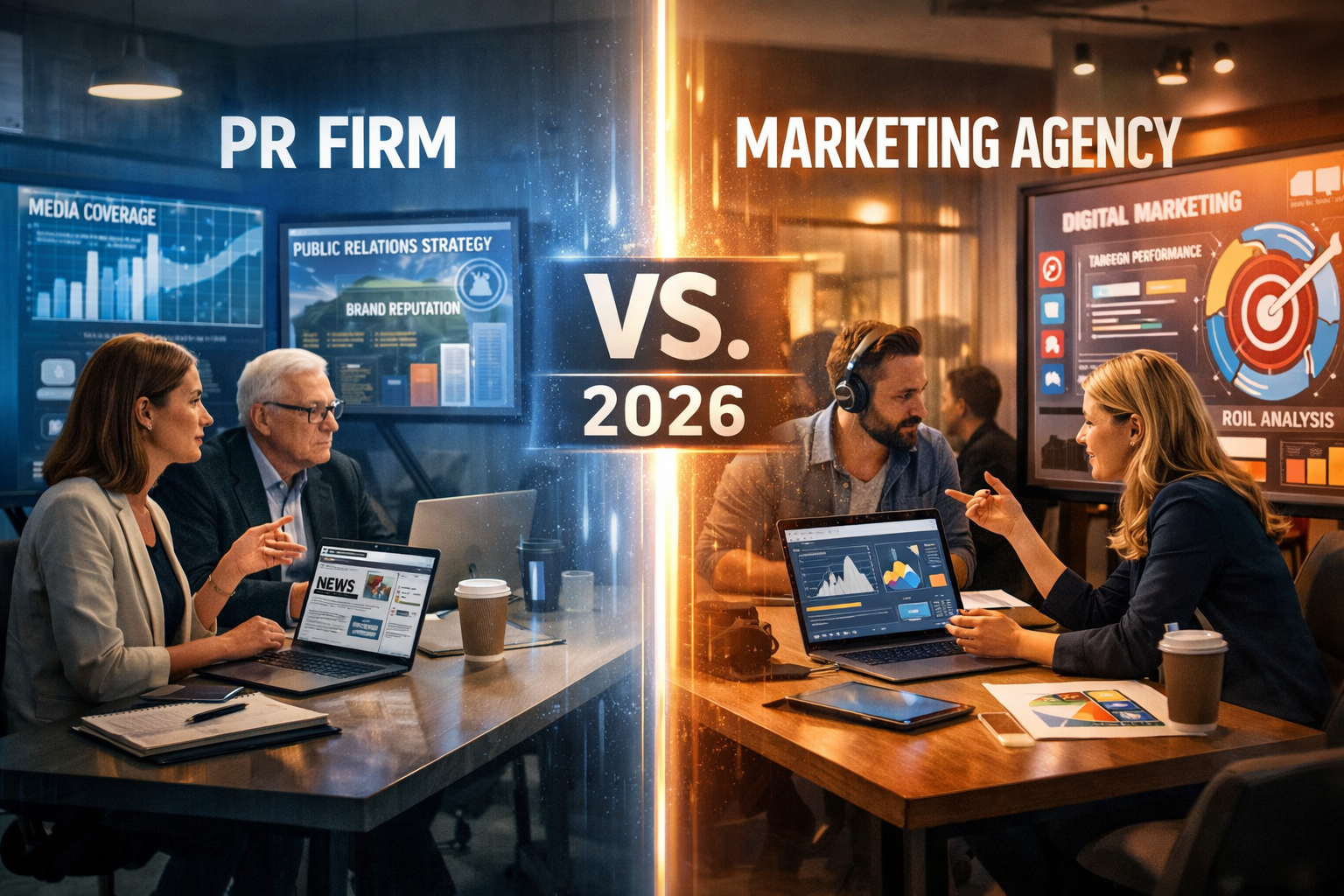
PR Firm vs. Marketing Agency: What's the Real Difference in 2026?
In 2026, the line between a PR firm and a marketing agency has never been blurrier. Both work on brand perception. Both touch content and communications. Both will show up to a pitch meeting sounding like they do basically the same thing. But underneath the surface overlap, they're fundamentally different disciplines built around different objectives, different skill sets, and different definitions of success. Understanding the real distinction — and knowing when your business needs one, the other, or both working together — is one of the more important strategic decisions a growing business can make. Here's the honest breakdown.
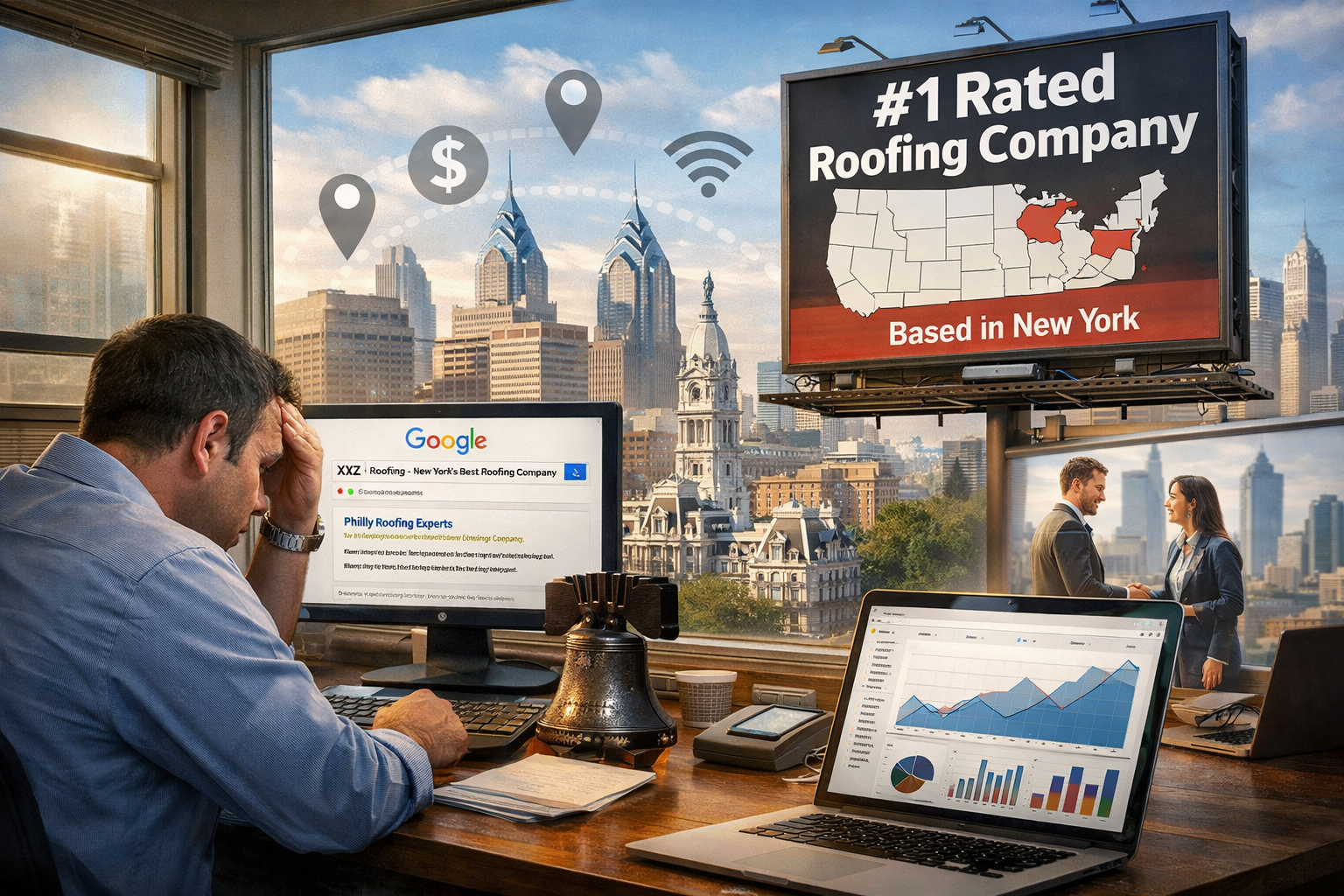
Why Philly Businesses Keep Losing to Out-of-State Competitors on Google
It's one of the most frustrating patterns in local digital marketing. A Philadelphia business that knows the market, serves the community, and has real results to show for it — getting routinely outranked on Google by a competitor headquartered in another state. It happens constantly, and it's not a mystery. Google doesn't reward local loyalty. It rewards digital signals — and most local businesses are losing ground on those signals without even knowing it. In this post we break down exactly which signals matter, why national competitors have built stronger ones, and what Philadelphia businesses can do to close the gap and start winning in their own backyard.